

Trusts and Taxes in Tennessee From A to Z
Credits Available
| Credit | Status | Total | Until |
|---|---|---|---|
| Tennessee CLE |
|
6.67 Total | 06-16-2027 |
Buy This Course
OnDemand Video
Course Book Download
Overview
Understand Tax Consequences and Opportunities of Key Estate Planning Tools
This course offers a straightforward overview of trust tax consequences and planning strategies that will help you minimize tax burdens and ensure IRS compliance. Identify key trust structures that work and don't. Predict tax effects of trusts on grantors and estates. Learn how income tax is incurred, calculated, and reported. Build a solid tax foundation for your practice. Register today!
- Get a clear overview of current trust and tax laws.
- Understand tax treatment and consequences of top trust structures.
- Avoid unnecessary tax burden with effective delineation of income and principle.
- Understand how the legal aspects of trusts affect accounting.
- Learn what must and should be done with trust tax returns.
- Evaluate existing trusts for their effectiveness in minimizing tax.
- Get a practical overview of what happens and what can be done when a trust becomes irrevocable.
- Guard your professional reputation with a custom-tailored legal ethics guide for your practice.
Abbreviated Agenda
- State and Federal Tax Rules Update
- Types of Trusts and How They're Taxed Under the New Tax Laws
- Trusts Created for Tax Reduction - What Works and What Doesn't
- Trust Taxation: Income, Capital Gains, Distributions
- Gift Taxation of Donations and Other Transfers of Trusts
- What Happens When a Trust Becomes Irrevocable
- Legal Ethics in Trusts Practice
Credit Details
Credits Available
| Credit | Status | Total | Until |
|---|---|---|---|
| Tennessee CLE |
|
6.67 Total | 06-16-2027 |
Credit Details by Jurisdiction
CLE
Credits
Tennessee CLE Approved · 6.67 Total Credits
- 1 Ethics/Professionalism
Earn Until
OnDemand - Tennessee CLE - 6.67: This course has been approved by the Tennessee Commission on Continuing Legal Education for a maximum of 6.67 hours of Distance Learning credit, including 1.0 hour of ethics/professionalism (EP) credit.
Select Jurisdiction
CLE
Agenda
-
State and Federal Tax Rules Update
- Income, Capital Gains, and Tax Basis Step-Up
- Estate, Gift, GST Tax, and Portability
- SECURE Act, TCJA, CARES Act, ARP Act, and Other Recent Federal Laws
- Trust Tax Deductions: New Rules You Need to Know
- New Charitable Gift Substantiation Rules
- State Trust Decanting Statutes
-
Types of Trusts and How They're Taxed Under the New Tax Laws
- Revocable vs. Irrevocable
- Simple vs. Complex Trusts
- Intervivos vs. Testamentary
- Grantor Trust Status and Reporting (Obtaining Grantor Status, Toggling it On and Off, Federal and State Requirements)
- Trust Asset Valuation and Tax Consequences
-
Trusts Created for Tax Reduction - What Works and What Doesn't
- Fixing Obsolete Irrevocable Trusts
- Marital Trusts
- Charitable Trusts
- Defective Grantor Trusts
- IRA Trusts
- QPRTs Today
- GST Trust Provisions
- Other Tax-Efficient Trust Structures and Provisions
- Drafting for Flexibility to Respond to Future Tax Law Changes
-
Trust Taxation: Income, Capital Gains, Distributions
- When a Trust can Use a Grantor's Tax ID and When it Needs Its Own Tax ID
- Structuring Trust Income Taxation
- Accounting vs. Taxable Income: Taxable Income Calculations
- Distributable Net Income
- Capital Gains Tax
- Basis Management
- Trust Deductions, Elections, Expenses
- Qualifying for the 199A 20% Deduction
- Discretionary Distributions in Lieu of Tax
- Tax Consequences of Distributions
- Accumulation Distribution for Some Complex Trusts
- Form 1041 Preparation
- Tax Elections and Other Post-Mortem Tax Planning
-
Gift Taxation of Donations and Other Transfers of Trusts
- Gift Tax
- Generation-Skipping Transfer Tax
- Valuation Discounts
- Lifetime Exemption Amounts and Portability
- Marital Deduction, QTIP
- Annual Exclusion Gifts
- Filing of IRS Form 709
-
What Happens When a Trust Becomes Irrevocable
-
Legal Ethics in Trusts Practice
- Guarding Confidentiality
- Conflicts of Interest When Representing Couples
- Fiduciary Liability for Nonpayment of Taxes
Who Should Attend
This basic level online seminar is designed for:
- Attorneys
- Accountants
- Financial Planners
- Tax Professionals
- Trustees and Trust Protectors
- Fiduciaries
- Estate Planners
- Paralegals
Speakers
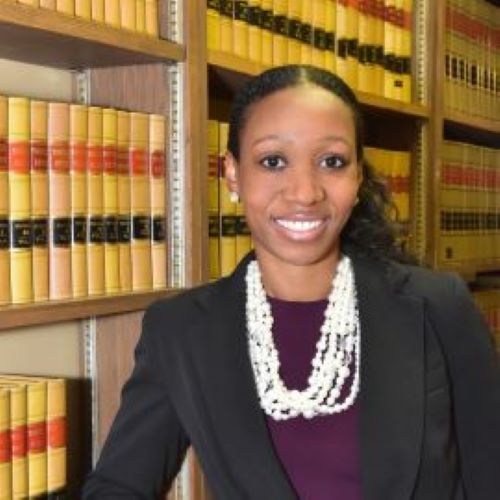
Speaker bio
Chasity S. Grice
, LL.M. is an attorney with The Estate and Family Law Group, where she practices in the areas of estate and trust administration, estate planning, probate litigation and elder law. Before joining the firm, she worked for a certified public accounting firm, where she focused in estate planning for middle to high net-worth families. Ms. Grice has also previously served as an adjunct professor at the University of Memphis, where she taught family law, and estates, trusts and probate law in the legal studies department. She was recently appointed by the American Bar Association president as a member of the Commission of Law and Aging. Ms. Grice is admitted to the bars in Tennessee and Texas, and a member of the Memphis Bar Association. She is a fellow of the American College of Trust and Estate Counsel. Ms. Grice is also the vice chair to the Elder Law and Long-Term Care Committee with the American Bar Association's Real Property, Trust and Estates Section. She earned her B.A. degree, magna cum laude, from Clark Atlanta University and her J.D. degree, with a concentration in transactional tax planning, from the University of Tennessee College of Law.
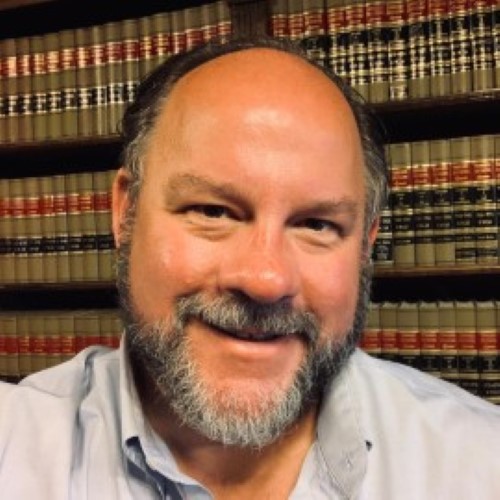
Speaker bio
Henry D. Fincher
is a certified civil trial specialist, a certified family law specialist, and a certified elder law attorney recognized by the National Board of Trial Advocacy and the National Elder Law Foundation. A former judge, former state representative, and graduate of Harvard Law School, Mr. Fincher has helped people with their legal problems for more than 30 years. He is a fellow of the American Bar Foundation and a member of the Million Dollar Advocates. Mr. Fincher's practice focuses primarily on contested estates, serious personal injury cases, family law, wills and trusts, and other complex legal matters. He is a member of the New York State Bar Association and the Tennessee Bar Association. Mr. Fincher earned his B.A. degree, with highest honors, from the University of Tennessee and his J.D. degree from Harvard Law School.
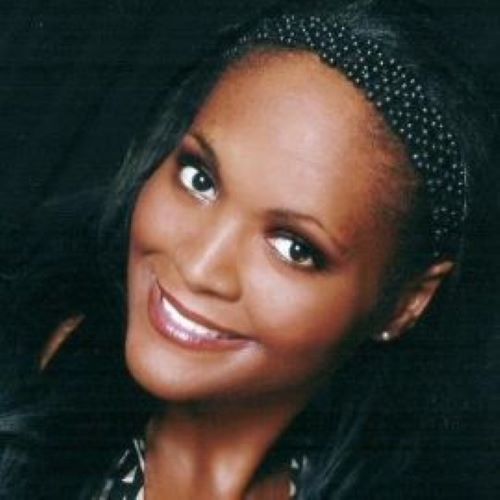
Speaker bio
Sonya Murphy
has served as an attorney advisor at the U.S. Small Business Administration - Office of Disaster Assistance and as a contract advisor for the Internal Revenue Service. She presently maintains a solo transactional practice, which focuses on business law and estate planning. Ms. Murphy earned her bachelor's degree from Tennessee Tech University - College of Business and her J.D. degree from Charlotte School of Law, where she obtained a Leadership Excellence Certification. She is admitted to practice law in Tennessee.
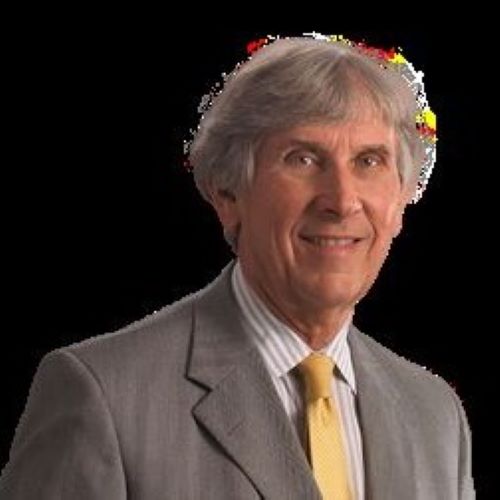
Speaker bio
Alan L. Cates
is of counsel in the Chattanooga office of Husch Blackwell LLP. He focuses his practice on investment management and private wealth matters. Mr. Cates has decades of comprehensive legal experience. He has guided individuals and their businesses in estate planning and business succession planning. Mr. Cates has represented individual and institutional executors and trustees in virtually all sorts of litigation matters, both as defense counsel and initiating action. He has also represented taxpayers in administrative proceedings and in courtrooms and provided critical services to tax-exempt organizations. Mr. Cates earned his B.S. and J.D. degrees from the University of Tennessee. He is a member of the American College of Trust and Estate Counsel, Chattanooga Bar Association, Chattanooga Tax Practitioners and Tennessee Bar Association.
TOP FAQs
Have more questions? Please Contact Us