

Advanced SSDI Tactics for the Toughest-to-Prove Claims
Credits Available
| Credit | Status | Total | Until |
|---|---|---|---|
| Alaska CLE |
|
6 Total | 04-03-2027 |
| Arizona CLE |
|
6 Total | 04-03-2027 |
| California CLE |
|
6 Total | 04-03-2027 |
| Colorado CLE |
|
7 Total | 12-31-2027 |
| Connecticut CLE |
|
6 Total | 04-03-2027 |
| Delaware CLE |
|
6 Total | 04-03-2027 |
| Florida CLE |
|
7 Total | 10-31-2026 |
| Georgia CLE |
|
6 Total | 12-31-2026 |
| Hawaii CLE |
|
6 Total | 04-03-2027 |
| Idaho CLE |
|
6 Total | 04-30-2030 |
| Illinois CLE |
|
6 Total | 04-02-2027 |
| Maine CLE |
|
6 Total | 04-02-2027 |
| Minnesota CLE |
|
6 Total | 04-03-2027 |
| Missouri CLE |
|
6 Total | 04-03-2027 |
| Northern Mariana Islands CLE |
|
6 Total | 04-03-2027 |
| Montana CLE |
|
6 Total | 04-03-2028 |
| North Dakota CLE |
|
6 Total | 04-03-2028 |
| Nebraska CLE |
|
6 Total | 04-03-2027 |
| New Hampshire CLE |
|
6 Total | 04-03-2028 |
| New Mexico CLE |
|
6 Total | 04-03-2027 |
| Nevada CLE |
|
6 Total | 04-03-2028 |
| New York CLE |
|
7 Total | 04-03-2028 |
| Oklahoma CLE |
|
7 Total | 04-03-2027 |
| Oregon CLE |
|
6 Total | 04-03-2028 |
| Pennsylvania CLE |
|
6 Total | 04-03-2027 |
| Rhode Island CLE |
|
6 Total | |
| Tennessee CLE |
|
6 Total | 04-02-2027 |
| Vermont CLE |
|
6 Total | 04-03-2027 |
| Washington CLE |
|
6 Total | 04-02-2030 |
| Wisconsin CLE |
|
7 Total | 12-31-2026 |
| West Virginia CLE |
|
7.2 Total | 04-03-2027 |

Buy This Course
OnDemand Video
Course Book Download
Overview
Proving Chronic Pain, Expediting Claims, and Helping Claimants Nearing Retirement Age
Most SSDI claims are far from the clear-cut impairment listing approval. This non-adversarial practice requires the evidence skills of a seasoned litigator when supporting claims. This course skips the basics and focuses on the toughest-to-prove aspects of the claims that have the potential to turn a "maybe" into a "most likely." Give every client a fighting chance - register today!
- Explore better ways to demonstrate "objective medical evidence" of chronic pain.
- Tackle ADHD, anxiety and depression, and autoimmune disorder claims with confidence.
- Learn essential knowledge pertaining to representation of workers aged 55-67.
- Make sure your clients who qualify for expedited claim procedure get their chance to be heard.
- Find new in-roads when significant impairment due to depression doesn't quite meet the listing.
- Study complex ethical quandaries and discover how to stay within the lines.
Abbreviated Agenda
- Documenting Chronic Pain
- Auto-Immune Disorder Claims
- Expediting the Claim
- Anxiety and Depression Claims
- ADHD and Learning Disabilities
- SSDI Claims for Workers Aged 55-67
- Complex Ethics Dilemmas in SSDI Claims Practice
Credit Details
Credits Available
| Credit | Status | Total | Until |
|---|---|---|---|
| Alaska CLE |
|
6 Total | 04-03-2027 |
| Arizona CLE |
|
6 Total | 04-03-2027 |
| California CLE |
|
6 Total | 04-03-2027 |
| Colorado CLE |
|
7 Total | 12-31-2027 |
| Connecticut CLE |
|
6 Total | 04-03-2027 |
| Delaware CLE |
|
6 Total | 04-03-2027 |
| Florida CLE |
|
7 Total | 10-31-2026 |
| Georgia CLE |
|
6 Total | 12-31-2026 |
| Hawaii CLE |
|
6 Total | 04-03-2027 |
| Idaho CLE |
|
6 Total | 04-30-2030 |
| Illinois CLE |
|
6 Total | 04-02-2027 |
| Maine CLE |
|
6 Total | 04-02-2027 |
| Minnesota CLE |
|
6 Total | 04-03-2027 |
| Missouri CLE |
|
6 Total | 04-03-2027 |
| Northern Mariana Islands CLE |
|
6 Total | 04-03-2027 |
| Montana CLE |
|
6 Total | 04-03-2028 |
| North Dakota CLE |
|
6 Total | 04-03-2028 |
| Nebraska CLE |
|
6 Total | 04-03-2027 |
| New Hampshire CLE |
|
6 Total | 04-03-2028 |
| New Mexico CLE |
|
6 Total | 04-03-2027 |
| Nevada CLE |
|
6 Total | 04-03-2028 |
| New York CLE |
|
7 Total | 04-03-2028 |
| Oklahoma CLE |
|
7 Total | 04-03-2027 |
| Oregon CLE |
|
6 Total | 04-03-2028 |
| Pennsylvania CLE |
|
6 Total | 04-03-2027 |
| Rhode Island CLE |
|
6 Total | |
| Tennessee CLE |
|
6 Total | 04-02-2027 |
| Vermont CLE |
|
6 Total | 04-03-2027 |
| Washington CLE |
|
6 Total | 04-02-2030 |
| Wisconsin CLE |
|
7 Total | 12-31-2026 |
| West Virginia CLE |
|
7.2 Total | 04-03-2027 |
Credit Details by Jurisdiction
OnDemand Video
CLE
Credits
Alaska CLE Reciprocity · 6 Total Credits
- 1 MECLE Ethics
Earn Until
OnDemand - Alaska CLE - 6: Alaska Bar members may claim credit for attending CLE programs that have been accredited by other mandatory CLE jurisdictions. This program may qualify for up to 6.0 hours of credit, which includes 5.0 hours of MCLE credit and 1.0 hours of MECLE credit.
Video Download - Alaska CLE - 6: Alaska Bar members may claim credit for attending CLE programs that have been accredited by other mandatory CLE jurisdictions. This program may qualify for up to 6.0 hours of credit, which includes 5.0 hours of MCLE credit and 1.0 hours of MECLE credit.
Arizona CLE Approved · 6 Total Credits
- 1 Professional Responsibility
Earn Until
OnDemand - Arizona CLE - 6: The State Bar of Arizona does not approve or accredit CLE activities for the Mandatory Continuing Legal Education requirement. This activity may qualify for up to 6.0 hours toward your annual CLE Interactive CLE requirement for the State of Arizona, including 1.0 hour of professional responsibility Interactive CLE credit.
Video Download - Arizona CLE - 6: The State Bar of Arizona does not approve or accredit CLE activities for the Mandatory Continuing Legal Education requirement. This activity may qualify for up to 6.0 hours toward your annual CLE Interactive CLE requirement for the State of Arizona, including 1.0 hour of professional responsibility Interactive CLE credit.
California CLE Approved · 6 Total Credits
- 1 Legal Ethics
Earn Until
OnDemand - California CLE - 6: This activity has been approved for Minimum Continuing Legal Education credit by the State Bar of California and may qualify for up to 6.0 hours of participatory credit, of which 1.0 hour will apply to legal ethics credit. NBI, Inc. certifies this activity conforms to the standards for approved education activities prescribed by the rules and regulations of the State Bar of California governing minimum continuing legal education. NBI, Inc. is a State Bar of California approved MCLE provider - #53.
Video Download - California CLE - 6: This activity has been approved for Minimum Continuing Legal Education credit by the State Bar of California and may qualify for up to 6.0 hours of self-study credit, of which 1.0 hour will apply to legal ethics credit. NBI, Inc. certifies this activity conforms to the standards for approved education activities prescribed by the rules and regulations of the State Bar of California governing minimum continuing legal education. NBI, Inc. is a State Bar of California approved MCLE provider - #53.
Colorado CLE Approved · 7 Total Credits
- 1.2 Professional Responsibility
Earn Until
OnDemand - Colorado CLE - 7: NBI, Inc. is a Certified Provider, as recognized by the Colorado Supreme Court Continuing Legal and Judicial Education Committee. This program may qualify for up to 7.0 hours of home study general Colorado Continuing Legal Education Credit, including 1.20 professional responsibility credit.
Video Download - Colorado CLE - 7: NBI, Inc. is a Certified Provider, as recognized by the Colorado Supreme Court Continuing Legal and Judicial Education Committee. This program may qualify for up to 7.0 hours of home study general Colorado Continuing Legal Education Credit, including 1.20 professional responsibility credit.
Connecticut CLE Approved · 6 Total Credits
- 1 Ethics/Professionalism
Earn Until
OnDemand - Connecticut CLE - 6: Neither the Connecticut Judicial Branch nor the Commission on Minimum Continuing Legal Education approve or accredit CLE providers or activities. It is the opinion of NBI, Inc. that this activity qualifies for up to 6.0 self-study hours toward your annual CLE requirement in Connecticut, including 1.0 self-study hour(s) of ethics/professionalism.
Video Download - Connecticut CLE - 6: Neither the Connecticut Judicial Branch nor the Commission on Minimum Continuing Legal Education approve or accredit CLE providers or activities. It is the opinion of NBI, Inc. that this activity qualifies for up to 6.0 self-study hours toward your annual CLE requirement in Connecticut, including 1.0 self-study hour(s) of ethics/professionalism.
Delaware CLE Approved · 6 Total Credits
- 1 Ethics
Earn Until
OnDemand - Delaware CLE - 6: NBI, Inc. is an accredited sponsor of the Delaware Commission on Continuing Legal Education and recommends this program for 6.0 hours of eCLE credit, including 1.0 hour of ethics.
Florida CLE Approved · 7 Total Credits
- 7 Civil Trial
- 1 Professional Responsibility
Earn Until
OnDemand - Florida CLE - 7: Approved by The Florida Bar, this program may qualify for up to 7.0 general hours of CLER self-study credit including 1.0 hour of self-study professional responsibility (may include legal ethics, professionalism, substance abuse or mental illness and wellness programs). Certification: 7.0-Civil Trial.
Video Download - Florida CLE - 7: Approved by The Florida Bar, this program may qualify for up to 7.0 general hours of CLER self-study credit including 1.0 hour of self-study professional responsibility (may include legal ethics, professionalism, substance abuse or mental illness and wellness programs). Certification: 7.0-Civil Trial.
Georgia CLE Approved · 6 Total Credits
- 1 Ethics
Earn Until
OnDemand - Georgia CLE - 6: This program is approved by the Commission on Continuing Lawyer Competency of the State Bar of Georgia. This program may qualify for up to 6.0 hours of distance learning continuing legal education credit with the Georgia Commission on Continuing Lawyer Competency, which includes 1.0 hour of distance learning ethics.
Video Download - Georgia CLE - 6: This program is approved by the Commission on Continuing Lawyer Competency of the State Bar of Georgia. This program may qualify for up to 6.0 hours of distance learning continuing legal education credit with the Georgia Commission on Continuing Lawyer Competency, which includes 1.0 hour of distance learning ethics.
Hawaii CLE Approved · 6 Total Credits
- 1 Ethics/Professional Responsibility
Earn Until
OnDemand - Hawaii CLE - 6: NBI, Inc. is an Accredited Provider with the Hawaii State Board of Continuing Legal Education. This alternative format activity has been approved for up to 6.0 hours of credit for the state of Hawaii, which includes 1.0 hour of ethics or professional responsibility education.
Video Download - Hawaii CLE - 6: NBI, Inc. is an Accredited Provider with the Hawaii State Board of Continuing Legal Education. This alternative format activity has been approved for up to 6.0 hours of credit for the state of Hawaii, which includes 1.0 hour of ethics or professional responsibility education.
Idaho CLE Approved · 6 Total Credits
- 1 Legal Ethics/Professional Responsibility
Earn Until
OnDemand - Idaho CLE - 6: Approved for 6.0 hours of self-study continuing legal education credit in the state of Idaho, which includes 1.0 self-study legal ethics or professional responsibility credit.
Video Download - Idaho CLE - 6: Approved for 6.0 hours of self-study continuing legal education credit in the state of Idaho, which includes 1.0 self-study legal ethics or professional responsibility credit.
Illinois CLE Approved · 6 Total Credits
- 1 Professional Responsibility
Earn Until
OnDemand - Illinois CLE - 6: This program has been approved by the Illinois MCLE Board for 6.0 hours of recorded technology CLE credit, which includes approval for 1.0 hour of legal ethics, civility, professionalism CLE credit by the Illinois Supreme Court Commission on Professionalism.
Video Download - Illinois CLE - 6: This program has been approved by the Illinois MCLE Board for 6.0 hours of recorded technology CLE credit, which includes approval for 1.0 hour of legal ethics, civility, professionalism CLE credit by the Illinois Supreme Court Commission on Professionalism.
Maine CLE Approved · 6 Total Credits
Earn Until
OnDemand - Maine CLE - 6: This course has been approved by the State of Maine Board of Overseers of the Bar. Lawyers who complete this course may receive up to 6.0 hours of self-study CLE credit. No more than 5.0 hours of self-study CLE credit may be earned during a reporting period. Attorneys may not earn ethics or harassment and discrimination credit with self-study.
Video Download - Maine CLE - 6: This course has been approved by the State of Maine Board of Overseers of the Bar. Lawyers who complete this course may receive up to 6.0 hours of self-study CLE credit. No more than 5.0 hours of self-study CLE credit may be earned during a reporting period. Attorneys may not earn ethics or harassment and discrimination credit with self-study.
Course Book - Maine CLE - 6: This course has been approved by the State of Maine Board of Overseers of the Bar. Lawyers who complete this course may receive up to 6.0 hours of self-study CLE credit. No more than 5.0 hours of self-study CLE credit may be earned during a reporting period. Attorneys may not earn ethics or harassment and discrimination credit with self-study.
Minnesota CLE Approved · 6 Total Credits
- 1 Ethics
Earn Until
OnDemand - Minnesota CLE - 6: Approved for up to 6.0 hours of standard on-demand CLE credit, including 1.0 hour of ethics credit by the Minnesota Board of Continuing Legal Education.
Video Download - Minnesota CLE - 6: Approved for up to 6.0 hours of standard on-demand CLE credit, including 1.0 hour of ethics credit by the Minnesota Board of Continuing Legal Education.
Missouri CLE Approved · 6 Total Credits
Earn Until
OnDemand - Missouri CLE - 6: NBI, Inc. is an accredited sponsor with Missouri Minimum Continuing Legal Education. This program qualifies for up to 6.0 self-study CLE credit hours. No more than 6.0 hours of self-study CLE credit may be earned during a reporting period. Attorneys may not earn ethics credit with self-study.
Video Download - Missouri CLE - 6: NBI, Inc. is an accredited sponsor with Missouri Minimum Continuing Legal Education. This program qualifies for up to 6.0 self-study CLE credit hours. No more than 6.0 hours of self-study CLE credit may be earned during a reporting period. Attorneys may not earn ethics credit with self-study.
Course Book - Missouri CLE - 6: NBI, Inc. is an accredited sponsor with Missouri Minimum Continuing Legal Education. This program qualifies for up to 6.0 self-study CLE credit hours. No more than 6.0 hours of self-study CLE credit may be earned during a reporting period. Attorneys may not earn ethics credit with self-study.
Northern Mariana Islands CLE Approved · 6 Total Credits
Earn Until
OnDemand - Northern Mariana Islands CLE - 6: This course has been approved by the Commonwealth of the Northern Mariana Islands. Lawyers who complete this course shall receive 6.0 hours of self-study CLE credit.
Video Download - Northern Mariana Islands CLE - 6: This course has been approved by the Commonwealth of the Northern Mariana Islands. Lawyers who complete this course shall receive 6.0 hours of self-study CLE credit.
Course Book - Northern Mariana Islands CLE - 6: This course has been approved by the Commonwealth of the Northern Mariana Islands. Lawyers who complete this course shall receive 6.0 hours of self-study CLE credit.
Montana CLE Approved · 6 Total Credits
- 1 Professional Fitness and Integrity
Earn Until
OnDemand - Montana CLE - 6: This program may qualify for up to 6.0 hours of self-study CLE credit by the Montana Commission of Continuing Legal Education, including 1.0 hour of professional fitness and integrity credit. No more than 5.0 hours of self-study CLE credit may be earned during a reporting period.
Video Download - Montana CLE - 6: This program may qualify for up to 6.0 hours of self-study CLE credit by the Montana Commission of Continuing Legal Education, including 1.0 hour of professional fitness and integrity credit. No more than 5.0 hours of self-study CLE credit may be earned during a reporting period.
North Dakota CLE Approved · 6 Total Credits
- 1 Ethics
Earn Until
OnDemand - North Dakota CLE - 6: North Dakota attorneys completing this program may claim up to 6.0 North Dakota self-study CLE credit hours, including 1.0 hour of self-study ethics credit, on the Report of Compliance.
Video Download - North Dakota CLE - 6: North Dakota attorneys completing this program may claim up to 6.0 North Dakota self-study CLE credit hours, including 1.0 hour of self-study ethics credit, on the Report of Compliance.
Nebraska CLE Approved · 6 Total Credits
- 1 Professional Responsibility
Earn Until
OnDemand - Nebraska CLE - 6: NBI, Inc. is an accredited CLE sponsor in the state of Nebraska. This activity has been approved for up to 6.0 distance learning CLE credits, including 1.0 hour of professional responsibility credit. No more than 5.0 hours of distance learning CLE credit may be earned during a reporting period.
Video Download - Nebraska CLE - 6: NBI, Inc. is an accredited CLE sponsor in the state of Nebraska. This activity has been approved for up to 6.0 distance learning CLE credits, including 1.0 hour of professional responsibility credit. No more than 5.0 hours of distance learning CLE credit may be earned during a reporting period.
New Hampshire CLE Approved · 6 Total Credits
- 1 Ethics/Professionalism
Earn Until
OnDemand - New Hampshire CLE - 6: NHMCLE does not approve or accredit CLE activities for the NH Minimum CLE requirement. NBI, Inc. believes this course meets the requirements of NH Supreme Court Rule 53 toward the annual NHMCLE requirement.
Video Download - New Hampshire CLE - 6: NHMCLE does not approve or accredit CLE activities for the NH Minimum CLE requirement. NBI, Inc. believes this course meets the requirements of NH Supreme Court Rule 53 toward the annual NHMCLE requirement.
New Mexico CLE Approved · 6 Total Credits
- 1 Ethics
Earn Until
OnDemand - New Mexico CLE - 6: This program has been approved by the State Bar of New Mexico/MCLE. This program may qualify for up to 6.0 hour of self-study credit, including 1.0 hours of self-study ethics credit.
Video Download - New Mexico CLE - 6: This program has been approved by the State Bar of New Mexico/MCLE. This program may qualify for up to 6.0 hour of self-study credit, including 1.0 hours of self-study ethics credit.
Nevada CLE Approved · 6 Total Credits
- 1 Ethical Considerations
Earn Until
OnDemand - Nevada CLE - 6: This course has been approved by the Nevada Board of Continuing Legal Education. This program may qualify for up to 6.0 hours of alternative format CLE credits by the Nevada Board of Continuing Legal Education, which includes 1.0 hour of alternative format ethical considerations.
Video Download - Nevada CLE - 6: This course has been approved by the Nevada Board of Continuing Legal Education. This program may qualify for up to 6.0 hours of alternative format CLE credits by the Nevada Board of Continuing Legal Education, which includes 1.0 hour of alternative format ethical considerations.
New York CLE Approved · 7 Total Credits
- 6 Areas of Professional Practice
- 1 Ethics/Professionalism
Earn Until
OnDemand - New York CLE - 7: This nontraditional format course has been approved in accordance with the requirements of the New York State Continuing Legal Education Board for up to 7.0 credit hours. 6.0 hours can be applied to the areas of professional practice requirement and is approved for experienced attorneys. 1.0 hour can be applied toward the Ethics/Professionalism requirement and is approved for experienced attorneys. NBI, Inc. offers a Financial Hardship Policy for qualifying individuals. To apply, please submit a request via email to our Tuition Discount Committee at customerservice@nbi-sems.com.
Video Download - New York CLE - 7: This nontraditional format course has been approved in accordance with the requirements of the New York State Continuing Legal Education Board for up to 7.0 credit hours. 6.0 hours can be applied to the areas of professional practice requirement and is approved for experienced attorneys. 1.0 hour can be applied toward the Ethics/Professionalism requirement and is approved for experienced attorneys. NBI, Inc. offers a Financial Hardship Policy for qualifying individuals. To apply, please submit a request via email to our Tuition Discount Committee at customerservice@nbi-sems.com.
Oklahoma CLE Approved · 7 Total Credits
- 1 Legal Ethics
Earn Until
OnDemand - Oklahoma CLE - 7: This course has been approved by the Oklahoma Bar Association Mandatory Continuing Legal Education Commission. This program may qualify for up to 7.0 of On Demand CLE credit hours, which includes 1.0 hour of legal ethics.
Video Download - Oklahoma CLE - 7: This course has been approved by the Oklahoma Bar Association Mandatory Continuing Legal Education Commission. This program may qualify for up to 7.0 of On Demand CLE credit hours, which includes 1.0 hour of legal ethics.
Oregon CLE Approved · 6 Total Credits
- 1 Ethics
Earn Until
OnDemand - Oregon CLE - 6: NBI, Inc. is an approved sponsor with the Oregon MCLE. This program may qualify for up to 5.0 hours of general continuing legal education credit and 1.0 hour of ethics credit.
Video Download - Oregon CLE - 6: NBI, Inc. is an approved sponsor with the Oregon MCLE. This program may qualify for up to 5.0 hours of general continuing legal education credit and 1.0 hour of ethics credit.
Pennsylvania CLE Approved · 6 Total Credits
- 1 Ethics
Earn Until
OnDemand - Pennsylvania CLE - 6: This program has been approved by the Pennsylvania Continuing Legal Education Board. This program may qualify for up to 6.0 hours of distance learning credit, including 5.0 hours of substantive law, practice and procedure CLE credit and 1.0 hour of ethics, professionalism or substance abuse distance learning CLE credit. No more than 6.0 hours of distance learning CLE credit may be earned during a reporting period.
Video Download - Pennsylvania CLE - 6: This program has been approved by the Pennsylvania Continuing Legal Education Board. This program may qualify for up to 6.0 hours of distance learning credit, including 5.0 hours of substantive law, practice and procedure CLE credit and 1.0 hour of ethics, professionalism or substance abuse distance learning CLE credit. No more than 6.0 hours of distance learning CLE credit may be earned during a reporting period.
Rhode Island CLE Approved · 6 Total Credits
- 1 Legal Ethics
OnDemand - Rhode Island CLE - 6: NBI is an accredited sponsor with the Rhode Island MCLE Commission. This program is approved for 6.0 hours of CLE video replay credit in Rhode Island, including 1.0 of legal ethics. No more than 6.0 hours of online credit may be earned during a reporting period.
Video Download - Rhode Island CLE - 6: NBI is an accredited sponsor with the Rhode Island MCLE Commission. This program is approved for 6.0 hours of CLE video replay credit in Rhode Island, including 1.0 of legal ethics. No more than 6.0 hours of online credit may be earned during a reporting period.
Tennessee CLE Approved · 6 Total Credits
- 1 Ethics/Professionalism
Earn Until
OnDemand - Tennessee CLE - 6: This course has been approved by the Tennessee Commission on Continuing Legal Education for a maximum of 6.0 hours of Distance Learning credit, including 1.0 hour of ethics/professionalism (EP) credit.
Vermont CLE Approved · 6 Total Credits
- 1 Ethics
Earn Until
OnDemand - Vermont CLE - 6: This course has been approved by the Vermont Board of Mandatory Continuing Legal Education. This program may qualify for up to 6.0 hours of self-study credit, including 1.0 hour of self-study ethics credit. No more than 6.0 hours of self-study CLE credit may be earned during a reporting period.
Video Download - Vermont CLE - 6: This course has been approved by the Vermont Board of Mandatory Continuing Legal Education. This program may qualify for up to 6.0 hours of self-study credit, including 1.0 hour of self-study ethics credit. No more than 6.0 hours of self-study CLE credit may be earned during a reporting period.
Washington CLE Approved · 6 Total Credits
- 1 Ethics/Professional Responsibility
Earn Until
OnDemand - Washington CLE - 6: This program qualifies for 6.0 hours of Washington continuing legal education (Self Study) A/V credit, which includes 5.0 hours of Law and Legal Procedure and 1.0 hour of ethics and professional responsibility.
Video Download - Washington CLE - 6: This program qualifies for 6.0 hours of Washington continuing legal education (Self Study) A/V credit, which includes 5.0 hours of Law and Legal Procedure and 1.0 hour of ethics and professional responsibility.
Wisconsin CLE Approved · 7 Total Credits
Earn Until
OnDemand - Wisconsin CLE - 7: Approved for up to 7.0 hours of repeated on-demand CLE credit by the Board of Bar Examiners. No more than 15.0 hours of repeated on-demand CLE credit may be earned during a reporting period. An attorney may not earn ethics and professional responsibility credit with repeated on-demand courses.
Video Download - Wisconsin CLE - 7: Approved for up to 7.0 hours of repeated on-demand CLE credit by the Board of Bar Examiners. No more than 15.0 hours of repeated on-demand CLE credit may be earned during a reporting period. An attorney may not earn ethics and professional responsibility credit with repeated on-demand courses.
West Virginia CLE Approved · 7.2 Total Credits
- 1.2 Ethics
Earn Until
OnDemand - West Virginia CLE - 7.2: This program may qualify for up to 7.20 hours of pre-recorded credit, which includes 1.20 hour of pre-recorded ethics credit, under the West Virginia Rules for Mandatory Continuing Legal Education. No more than 12.0 hours of pre-recorded CLE credit may be earned during a reporting period.
Video Download - West Virginia CLE - 7.2: This program may qualify for up to 7.20 hours of pre-recorded credit, which includes 1.20 hour of pre-recorded ethics credit, under the West Virginia Rules for Mandatory Continuing Legal Education. No more than 12.0 hours of pre-recorded CLE credit may be earned during a reporting period.
Course Book (PDF Download)
CLE
Credits
Maine CLE Approved · 6 Total Credits
Earn Until
Course Book - Maine CLE - 6: This course has been approved by the State of Maine Board of Overseers of the Bar. Lawyers who complete this course may receive up to 6.0 hours of self-study CLE credit. No more than 5.0 hours of self-study CLE credit may be earned during a reporting period. Attorneys may not earn ethics or harassment and discrimination credit with self-study.
Missouri CLE Approved · 6 Total Credits
Earn Until
Course Book - Missouri CLE - 6: NBI, Inc. is an accredited sponsor with Missouri Minimum Continuing Legal Education. This program qualifies for up to 6.0 self-study CLE credit hours. No more than 6.0 hours of self-study CLE credit may be earned during a reporting period. Attorneys may not earn ethics credit with self-study.
Northern Mariana Islands CLE Approved · 6 Total Credits
Earn Until
Course Book - Northern Mariana Islands CLE - 6: This course has been approved by the Commonwealth of the Northern Mariana Islands. Lawyers who complete this course shall receive 6.0 hours of self-study CLE credit.
Select Jurisdiction
CLE
Agenda
-
Documenting Chronic Pain
- How SSA Evaluates Pain: What Constitutes "Objective Medical Evidence"
- Medical Records and Prescription History: Establishing a Link Between Chronic Pain and a Recognized Medical Condition
- Residual Functional Capacity (RFC) Tips
- Demonstrating How the Pain Limits SGA
-
Auto-Immune Disorder Claims
- Disease Severity, Variability of Symptoms, and Multiple Affected Body Systems
- Lack of Medical Records and Fluctuating Test Findings
- Understanding Common Treatments and Their Side Effects
- Addressing Chronic Fatigue and RFC Assessment Tips
-
Expediting the Claim
- Claimant's Imminent Homelessness
- Veterans Disabled While on Active Duty
- What to Do When the Claimant's Condition Worsens
-
Anxiety and Depression Claims
- Filling Gaps in Medical History - Lack of Access to Mental Health Services
- Comorbid Conditions
- Translating Symptoms Into Specific Functional Limitations
- SGA: Proving Inability to Adapt
-
ADHD and Learning Disabilities
- Medical Records
- School Records (Including IEPs)
- IQ Testing
- Countering Vocational Expert Findings
-
SSDI Claims for Workers Aged 55-67
- "Advanced Age" Grids
- The Worn-Out Worker Rule
- Less-Than-Sedentary RFC
-
Complex Ethics Dilemmas in SSDI Claims Practice
- Diligence Duty in a High-Caseload Practice
- Communicating With Uncooperative or Low-IQ Clients
- When and How to Ethically Withdraw From Representation
- Duty of Candor When Claimants Misrepresent Their Conditions, Intentionally or Not
Who Should Attend
This legal course offers attorneys practical solutions to complex Social Security disability law issues. Social workers, disability representatives, and paralegals will also benefit.
Speakers
Speaker bio
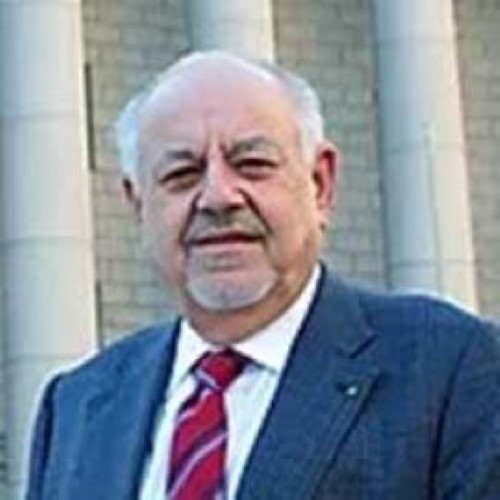
Max Leifer
is an attorney at Max D Leifer PC. He is a 32nd Degree Mason; a member of various religious and civil organizations, and is associated with numerous bar associations. Mr. Leifer has a successful background in social security, long-term disability, union benefits, and personal injury, representing both plaintiffs and defendants. He is licensed to practice law in New York, New Jersey, and Federal Court.
Speaker bio
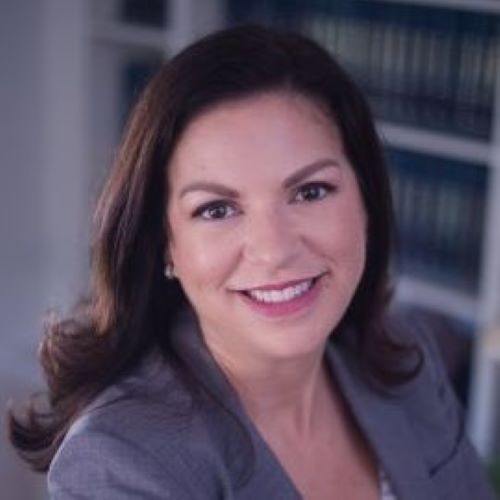
Sarah A. Frederick
is an attorney at Frederick Law Offices, PLLC, where she advocates for individuals with disabilities and their families. Her firm provides representation on federal and state disability benefits, special education advocacy, and guardianships and trusts for individuals with disabilities. Ms. Frederick frequently collaborates with and presents to community groups, families, and other professionals regarding disability law issues. She is a Sustaining Member of NOSSCR and has worked with their advocacy and lobbying arm to push for reform of the Social Security Administration. She is a current board member and past president of Women Lawyers of Western New York, the oldest women's organization in Western New York. Ms. Frederick also serves as a volunteer panelist on the Surrogate Decision-Making Committee for the New York State Justice Center for the Protection of People with Special Needs. She was active with Lawyers for Learning in Buffalo, both as a volunteer tutor and was previously president of their board of directors. She is an active member of the Erie County Bar Association Committee for the Disabled, and the WNY Chapter of the Women's Bar Association of the State of New York (WBASNY). Ms. Frederick is a graduate of University at Buffalo Law School and obtained her B.A. in Political Science from American University in Washington, DC. Ms. Frederick is admitted to practice in New York and in the Federal District courts for the Western District of New York and the Western District of Pennsylvania. Ms. Frederick is a member of the steering committee of the Women's TAP Fund PAC (Taking Action in Politics), which promotes the advancement of women in public office in New York State.
Speaker bio
Karen K. Weisbord
is a member of Weisbord & Weisbord, P.C., where she practices in the areas of Social Security disability, labor and employment, and civil rights litigation. She has been a practicing attorney for more than 35 years. Ms. Weisbord's experience includes having been a law clerk on the Philadelphia Court of Common Pleas and on the Pennsylvania Supreme Court. She was a senior litigator for the Office of Solicitor, Department of Labor (awarded the Distinguished Service Award), assistant district attorney for the Philadelphia Office of District Attorney, in-house counsel to Bell of Pennsylvania (in labor and regulatory areas) and in private practice since 1981. Ms. Weisbord has lectured in the area of Social Security disability in seminars sponsored by National Business Institute. She has been the guest speaker on the cable law show of "Today's Law" in the area of Social Security disability. Ms. Weisbord earned her B.A. degree from the University of Pennsylvania and her J.D. degree from Boston University School of Law.
Speaker bio
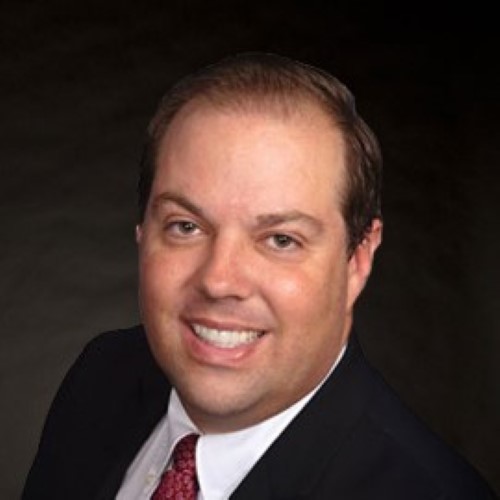
Holly J. Fairbairn
is an attorney with Chitwood & Fairbairn PA, based in Asheville, North Carolina. She worked at Pisgah Legal Services before entering private practice to handle Social Security disability cases from application to district court. Ms. Fairbairn has given presentations on ethics, Social Security, Medicaid, and other government benefits. She is an active member of various organizations committed to assisting disabled people, including NOSSCR and NCAJ. Ms. Fairbairn accepts referrals for brief-writing at the ALJ and Appeals Council levels. She has been certified by the North Carolina State Bar as a specialist in Social Security disability law. Ms. Fairbairn earned her B.A. degree from Guilford College and her J.D. degree, with honors, from the NCCU School of Law.
Speaker bio
Melvin A. Cook
is a sole practitioner in Sandy, Utah, where his practice areas include civil litigation, family law, personal injury, estate planning, Social Security disability and workers' compensation. He is a member of the Utah State Bar and Salt Lake County Bar. Mr. Cook earned his B.A. and M.B.A. degrees from the University of Utah and his J.D. degree from Brigham Young University.
TOP FAQs
Have more questions? Please Contact Us