

Virginia Construction Law: Advanced Issues and Answers
Credits Available
| Credit | Status | Total | Until |
|---|---|---|---|
| Virginia CLE |
|
6 Total | 10-31-2026 |

Buy This Course
OnDemand Video
Course Book Download
Overview
An Advanced-Level Guide to Complex Construction Law Issues
On any construction project, seemingly simple issues can quickly become complex if not handled correctly. That's why it's essential to have an in-depth understanding of critical construction project legal matters that have the potential to cause severe headaches for your clients. In this advanced level online seminar, our experienced faculty will share their decades of construction law experience and will provide you with valuable tools you can use to help your clients through change order disasters, project delay disagreements, construction defect disputes, and more. Provide your clients with the best representation possible by expanding your knowledge of complicated construction project issues - register today!
- Anticipate which construction contract provisions will cause difficulties down the road in order to negotiate them in your client's favor.
- Disentangle complex change order payment matters that arise from oral change orders, additional work, and more.
- Confidently determine which construction project delays are compensable and which are non-compensable.
- Factor in current court interpretations and state anti-indemnity statutes when wading into a construction indemnity dispute.
- Analyze CGL policy insurance documents to accurately determine who is actually covered under the policy.
- Get to the bottom of construction defect CGL policy coverage issues such as business risk exclusions and proving defective coverage is an occurrence.
- Ensure interactions with unrepresented parties during construction disputes are ethically responsible.
Abbreviated Agenda
- Construction Contracts: Advanced Negotiation Techniques for the Top Sticking Points
- Change Orders and Extra Work - Payment Issues Disentangled
- Determining Responsibility and Remedy for Delays
- Indemnification Disputes - What is the Scope and Meaning of the Contractual Clause?
- Determining Who is Insured Under Commercial General Liability Policies
- Coverage for Construction Defects Under CGL Policies
- Negotiating Damages in Construction Disputes
- Ethics for Construction Attorneys
Credit Details
Credits Available
| Credit | Status | Total | Until |
|---|---|---|---|
| Virginia CLE |
|
6 Total | 10-31-2026 |
Credit Details by Jurisdiction
CLE
Credits
Virginia CLE Approved · 6 Total Credits
- 1 Ethics/Professionalism
Earn Until
OnDemand - Virginia CLE - 6: This course has been approved by the Virginia Mandatory Continuing Legal Education Board for 6.0 hours of prerecorded credit, of which 1.0 hour will also apply in the area of legal ethics or professionalism.
Video Download - Virginia CLE - 6: This course has been approved by the Virginia Mandatory Continuing Legal Education Board for 6.0 hours of prerecorded credit, of which 1.0 hour will also apply in the area of legal ethics or professionalism.
Select Jurisdiction
CLE
Agenda
-
Construction Contracts: Advanced Negotiation Techniques for the Top Sticking Points
- Payment Clauses
- Pass-Through Clauses
- No Damage for Delay Clauses
- Performance and Timing Clauses
- Project Termination Clauses
- Liquidated Damages Clauses
-
Change Orders and Extra Work - Payment Issues Disentangled
- Real vs. Perceived Changes
- Undocumented Oral Change Orders
- Changes Due to Defective Plans and Specifications
- Previously Unknown Site Conditions
- Additional, Unauthorized, or Non-Conforming Work
- Change by Outside Forces: Market Shifts, Zoning Issues, etc.
- Change Order Impact Costs
-
Determining Responsibility and Remedy for Delays
- Excusable vs. Inexcusable Delays
- Compensable vs. Non-Compensable Delays
- Untangling Concurrent Delays
- Necessary Documentation
- Drafting a Recovery Schedule
- Applying a Waiver or "No Damage for Delay" Clause
-
Indemnification Disputes - What is the Scope and Meaning of the Contractual Clause?
- Types of Indemnity Clauses
- Detecting Illegal and Unenforceable Language
- How Courts Construe Indemnity Clauses
- Factoring in State Anti-Indemnification Statutes
- Determining Duty to Defend
-
Determining Who is Insured Under Commercial General Liability Policies
- The Certificate of Insurance
- The General Contractor as a Subcontractor's Additional Insured
- The General Contractor as an Additional Insured on the Duty to Defend
- The Most Common Additional Insured Endorsements
-
Coverage for Construction Defects Under CGL Policies
- Treating Defective Construction as an Occurrence
- Business Risk Exclusions and Subcontractor Exception Removal
- Avoiding the Known Risk Provision
- Voluntary Remediation and the "Legally Obligated" Requirement
- The Total Pollution Exclusion - How Total is it?
-
Negotiating Damages in Construction Disputes
- Distinguishing Direct and Consequential Damages
- Calculating Acceleration Damages
- Reducing Damages by Claiming Betterment
- Non-Monetary Remedies to a Construction Dispute
- Preserving Business Relationships While Negotiating Damages
-
Ethics for Construction Attorneys
- Client Authority
- Contractual Claims for Attorneys' Fees/Expenses
- Dealing With Unrepresented Persons
- Ethical Concerns as "Attorney for the Project"
Who Should Attend
This advanced level online seminar on complex construction law issues is for:
- Attorneys
- Architects
- Construction Professionals
- Engineers
- Insurance Professionals
- Real Estate Developers
- Paralegals
Speakers
Speaker bio
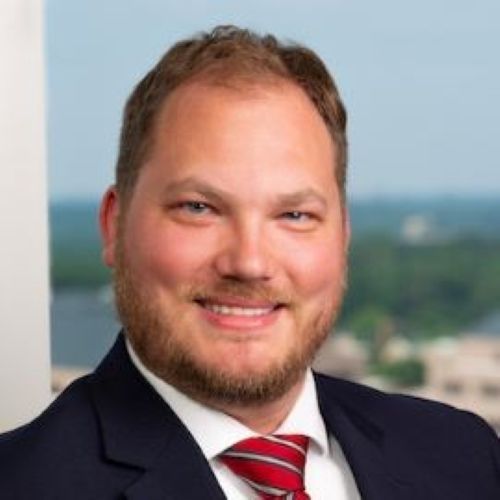
Thomas W. Croessmann
is the managing partner at Croessmann & Westberg. His litigation practice includes representing construction clients in the prosecution and defense of claims for equitable adjustments, mechanic liens, and construction defects. Mr. Croessmann has a corporate and litigation practice that focuses on representing contractors, business owners, and real estate developers. A subset of his construction practice includes representing insurance restoration contractors. Mr. Croessmann has become a leading expert in representing insurance restoration contractors. He helps insurance restoration contractors collect funds from the owners, defend from unlicensed public adjuster claims, and regulatory compliance. Mr. Croessmann earned his B.S. degree from James Madison University and his J.D. degree from Regent University School of Law.
Speaker bio
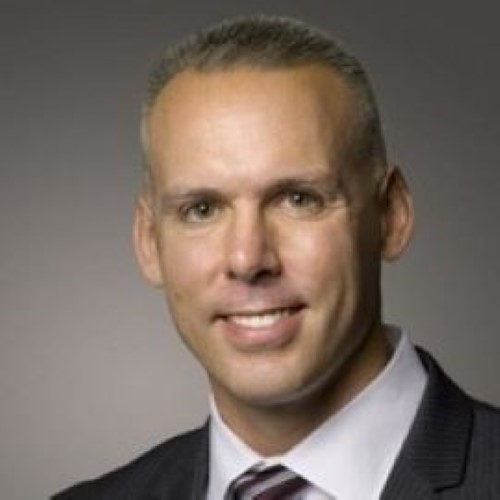
Allison Geewax
is an attorney at Smith Currie Oles LLP. She represents clients in government contract matters, complex commercial contract drafting and negotiation and construction risk management. In her multifaceted practice, Ms. Geewax serves corporations operating in a variety of industries - large and small government contractors, Fortune 500 investment banks, international hospitality companies, commercial real estate developers and owners, among others. She brings a broad and deep knowledge base to guide her clients through all phases of contracting processes, construction projects and legal procedure. As a certified construction risk and insurance specialist, Ms. Geewax always looks to mitigate liability by advising clients on indemnification provisions and state-specific statutes, as well as insurance provisions and requirements that affect contractual risk transfer. She earned her B.A. degree from The Pennsylvania State University and her J.D. degree from The George Washington University Law School.
Speaker bio
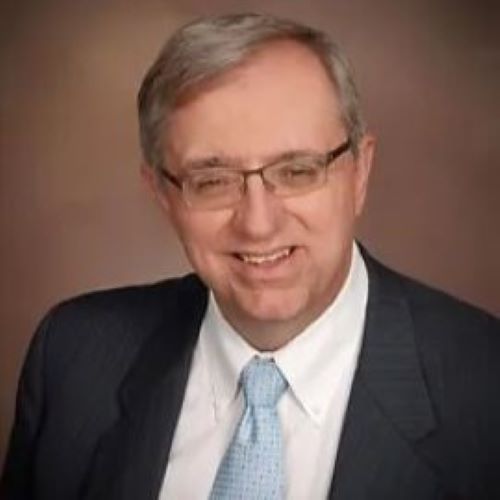
Mark Shaffer
is a shareholder at Greenberg Traurig, LLP. He is a first chair trial attorney with significant courtroom experience. Ms. Shaffer litigates matters in state and federal courts in Virginia, Maryland, District of Columbia and throughout the United States. He focuses his practice on construction litigation, land use litigation, leasing disputes, and eminent domain. His clients include commercial landlords, food, beverage and hospitality companies. Mr. Shaffer also represents owners, contractors, developers, design professionals, and project engineers. He regularly handles matters related to claims of design defects, differing site conditions, change orders, and delay claims, as well as zoning appeals, development agreements, easement rights, and restrictive covenant disputes. In addition to litigating matters, Mr. Shaffer advises on legal issues, helps clients devise legal strategies, and participates in settlement negotiation. He also maintains a government contract litigation practice, counseling clients on contract termination claims, teaming agreement disputes, disputes between prime and subcontractors, and non-compete agreement disputes. Mr. Shaffer earned his B.A. degree, magna cum laude, from University of Baltimore and her J.D. degree from Georgetown University Law Center.
Speaker bio
Danny M. Howell
is the founding member of The Law Offices of Howell & Rowlett, PLLC, a small firm in McLean, Virginia. His practice focuses on insurance coverage, professional liability defense, and legal ethics at the trial and appellate levels in the state and federal courts in Virginia, Maryland and the District of Columbia. His insurance coverage practice focuses on commercial general liability insurance in the areas of residential and commercial construction, professional liability insurance, and directors' and officers' insurance. Mr. Howell is a frequent lecturer on Inclusion and Elimination of Bias. His insurance coverage practice focuses on commercial general liability insurance in the areas of residential and commercial construction, professional liability insurance, and directors' and officers' insurance. He was a 2007 Fellow of the National Institute for Teaching Ethics and Professionalism, served as an Adjunct Professor with the University of Richmond's Public Safety Program, is a member of the Claims Committee of Minnesota Lawyers Mutual Insurance Company, and is a 2020-21 Pro Bono Service Honor Roll Member (awarded by the Virginia Access to Justice Commission). Mr. Howell earned his B.A. degree from Indiana University and his J.D. degree from George Mason University. He is admitted to practice in the Virginia, Maryland, and the District of Columbia state and federal courts, as well as the Fourth, Sixth, and Federal Circuit Courts of Appeals and the United States Bankruptcy Court for the Eastern District of Virginia.
TOP FAQs
Have more questions? Please Contact Us