

California Probate Process: In 7 Simple Steps
Credits Available
| Credit | Status | Total | Until |
|---|---|---|---|
| California MCLE Paralegal |
|
6 Total | 09-10-2027 |
| California CLE |
|
6 Total | 09-10-2027 |

Buy This Course
OnDemand Video
Course Book Download
Overview
Learn How to Handle Assets, Taxes, Personal Representatives, and More!
This step-by-step practical instruction offers essential knowledge of probate processes and best practices for handling each unique case effectively. Learn how to tackle crucial first steps; handle the personal executive; gather, value, and distribute all assets; and successfully complete the final accounting and tax returns. Arm yourself with the foundational knowledge and best practices you need to ensure a smooth administration from start to finish. Register today!
- Don't overlook anything important: confidently navigate critical first steps.
- Understand executor powers, duties, responsibilities, and compensation guidelines.
- Learn how to effectively marshal and inventory all assets.
- Pick up tips for validating, prioritizing, and satisfying creditor claims.
- Get practical guidance for post-mortem planning, trust administration, and tax hurdles.
- Put the decedent's affairs to rest by making distributions, filing the final tax return, and completing the final accounting.
- Discover how to litigate deed contests, lost or contested wills, fiduciary misconduct, and more.
Abbreviated Agenda
- Opening the Estate
- Preparing the Personal Representatives for the Job
- Managing the Estate: Valuations, Spousal Share, and More
- Addressing Creditor Claims
- Post-Mortem Tax Planning, Distributions, and Trust Administration
- Handling Estate Closing, Final Accounting, and Tax Returns
- Maintaining an Ethical Practice
- Resolving Disputes and Navigating Probate Litigation
Credit Details
Credits Available
| Credit | Status | Total | Until |
|---|---|---|---|
| California MCLE Paralegal |
|
6 Total | 09-10-2027 |
| California CLE |
|
6 Total | 09-10-2027 |
Credit Details by Jurisdiction
CLE
Credits
California CLE Approved · 6 Total Credits
- 1 Legal Ethics
Earn Until
OnDemand - California CLE - 6: This activity has been approved for Minimum Continuing Legal Education credit by the State Bar of California and qualifies for 6.0 hours of participatory credit, of which 1.0 hour will apply to legal ethics credit. NBI, Inc. certifies this activity conforms to the standards for approved education activities prescribed by the rules and regulations of the State Bar of California governing minimum continuing legal education. NBI, Inc. is a State Bar of California approved MCLE provider - #53.
Video Download - California CLE - 6: This activity has been approved for Minimum Continuing Legal Education credit by the State Bar of California and qualifies for 6.0 hours of self-study credit, of which 1.0 hour will apply to legal ethics credit. NBI, Inc. certifies this activity conforms to the standards for approved education activities prescribed by the rules and regulations of the State Bar of California governing minimum continuing legal education. NBI, Inc. is a State Bar of California approved MCLE provider - #53.
Paralegal
Credits
California MCLE Paralegal Approved · 6 Total Credits
- 1 Ethics
Earn Until
OnDemand - California MCLE Paralegal - 6: This program meets the California MCLE Paralegal requirement as specified in Business and Professions Code Section 6450(d).
Video Download - California MCLE Paralegal - 6: This program meets the California MCLE Paralegal requirement as specified in Business and Professions Code Section 6450(d).
Select Jurisdiction
CLE
Paralegal
Agenda
-
Opening the Estate
- What to Do in the First 48 Hours
- Obtaining the Will and Getting it Admitted
- Locating and Notifying the Beneficiaries
- Determining if the Estate Qualifies for a Small Estate Administration
- The Estate Timeline - What Must be Done When
- Filing the Initial Petition With the Probate Court: Forms and Procedures
- Sending Initial Notices to the Public and to State Agencies
- Closing the Decedent's Accounts
- Obtaining the Estate Tax ID
- Laws of Intestacy
-
Preparing the Personal Representatives for the Job
- Educating PRs on Their Duties, Powers, and Responsibilities
- Compiling Personal Representative Guide/Instructions
- Clarifying Executor Compensation
- Advising PRs on Potential Problems and Liability
-
Managing the Estate: Valuations, Spousal Share, and More
- Marshalling and Valuing Decedent's Assets
- Initial Inventory
- Maintenance and Management
- Determining Elective Share and Homestead Allowance
- Spousal Rights: Electing vs. Disclaiming the Share
- Claiming Homestead Allowance
- Portability Rules; Claiming Unused Lifetime Exclusion
- Estate Expenses: Payment and Record-Keeping
- What to Do With the Income the Estate is Producing
-
Addressing Creditor Claims
- Issuing Notices to Creditors: What Works Best
- Validating Claims
- Determining the Priority of Creditor Rights
- Selling Property to Satisfy Claims: What to Sell, How to Do it, and How to Properly Record it
- Satisfying Tax Claims and Liens
-
Post-Mortem Tax Planning, Distributions, and Trust Administration
- Managing the Tax Consequences of Elections and Receipt of Non-Probate Assets (e.g. IRA Distributions)
- Tax Implications of Transfers
- Creating Trusts and Subtrusts for Multiple Beneficiaries to Receive Their Shares of the Estate
- What to Do With Bequests and Trust Distributions to Minors
- Post-Mortem Tax Planning Approaches: How Much Maneuver Room is Left?
- How to Calculate the Omitted Spouse Share or Omitted Child Share
- Guarding Disabled Adult Beneficiaries' Benefits Eligibility
-
Handling Estate Closing, Final Accounting, and Tax Returns
- Tax Returns and Deadlines - Estate and Income, State and Federal, Decedent's and the Estate's
- Informal Closing by Statement of Personal Representative
- Compiling and Balancing the Final Account
- Final Distributions to Beneficiaries and Liability of Distributees
- Closing the Estate and Discharging the Fiduciary
-
Maintaining an Ethical Practice
- Whom do You Represent? Conflicts of Interest
- Protecting Client Confidentiality
- Attorney Fees
- Practicing Law in More Than One State
-
Resolving Disputes and Navigating Probate Litigation
- Will Contests, Deed Contests, Allegations of Undue Influence and Other Causes of Action
- Obtaining Court Guidance for Proposed Actions Regarding the Estate Administration
- Probate Litigation Rules, Procedures, and Evidentiary Provisions
- Fiduciary Misconduct, Liability, Disputes with Beneficiaries
- Effective Approaches to Resolving Disputes Without Going to Court
Who Should Attend
This basic level online seminar is designed for attorneys, accountants, tax professionals, trust officers, executors and other fiduciaries and paralegals.
Speakers
Speaker bio
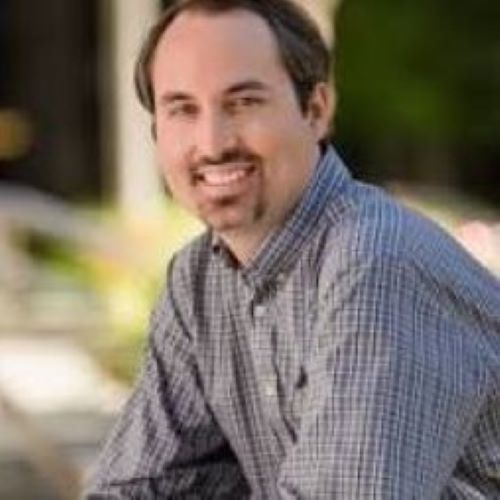
Neal B. Jannol
is a sole practitioner in Los Angeles at the Law Office of Neal B. Jannol. He has been an attorney for more than 20 years, and concentrates his practice on sophisticated estate and tax planning for individual clients, the representation of individual and corporate fiduciaries, and the administration of estates and trusts. Mr. Jannol's experience includes drafting revocable and irrevocable trusts, business succession planning, premarital planning, charitable gift planning, and all aspects of estate administration and probate procedures. He is a member of the State Bar of California. Mr. Jannol earned his B.A. degree, magna cum laude, from the University of California at Los Angeles and his J.D. degree from the University of California at Berkeley, Boalt Hall School of Law.
Speaker bio
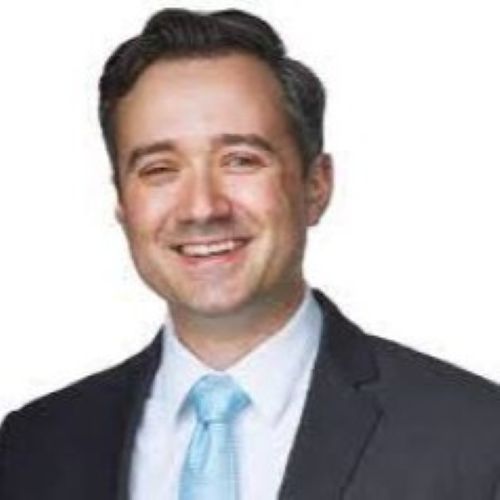
David Bawden
is a senior paralegal at the international law firm of Withers Bergman LLP, which focuses on representing successful individuals, their families and their philanthropies. With over 18 years of experience, he leads Withers Bergman's California paralegal team; has previously presented at five seminars regarding probate administration; and is widely known as an outstanding contributor to the trusts and estates section listserv at the Los Angeles County Bar Association. Mr. Bawden handles all aspects of trust and estate administration; accounting, gift and estate tax return preparation; real property and property tax; oil, gas and mineral law; nonprofit and for profit entity formation; compliance and dissolution; and drafting of wills, trusts and ancillary documents. He earned his bachelor's degree in mathematics from the University of California, Riverside.
Speaker bio
James K. Andrade
is a senior associate at Keystone Law Group, P.C. Prior to joining Keystone, he practiced at a boutique law firm in estate and trust litigation, estate and trust administration, estate planning, and general business advising. Mr. Andrade has represented trustees, administrators, executors, beneficiaries, heirs, professional fiduciaries, and creditors in active litigation matters, as well as administration of trusts and estates. He earned his bachelor's degree from the University of Kansas and his J.D. degree from Pepperdine University School of Law. Mr. Andrade is a member of the State Bars of California and Texas.
Speaker bio
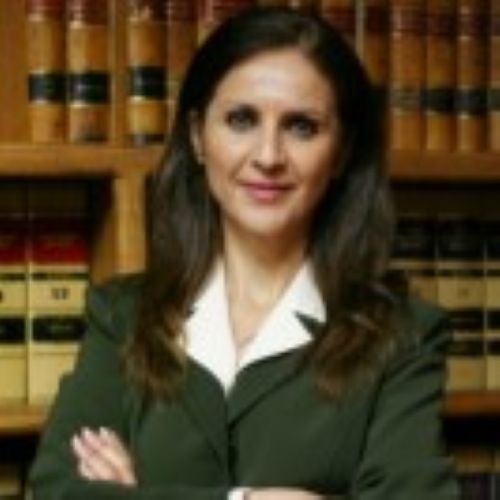
Christine F. Beraldo
is a sole practitioner in San Jose, California, where she practices in the areas of estate planning, including trusts and estates, wills, probate and conservatorships, and criminal defense. Ms. Beraldo earned her B.A. degree from Notre Dame de Namur University and her J.D. degree from the University of Santa Clara.
Speaker bio
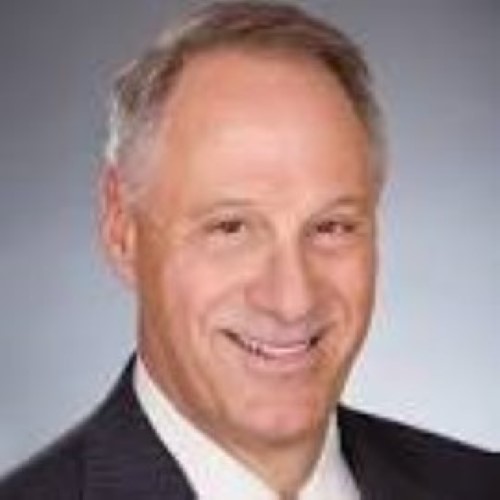
Larry S. Dushkes
is the owner of the Dushkes Law Corporation in Westlake Village, California. He practices in the areas of trusts, estates and wills, including probates, will and trust contests and conservatorships. Mr. Dushkes is a certified specialist in estate planning, trust and probate law (California State Bar). He earned his A.B. degree from Stanford University and his J.D. degree from University of California, Los Angeles School of Law.
TOP FAQs
Have more questions? Please Contact Us