

Virginia Estate Administration Tasks and Disputes
Credits Available
| Credit | Status | Total | Until |
|---|---|---|---|
| Virginia CLE |
|
6 Total | 10-31-2026 |
Buy This Course
OnDemand Video
Course Book Download
Overview
How the Process Is Supposed to Work and the Many Ways It Can Go Wrong
Do you know what to do when estates go off the rails? Putting a decedent's affairs to rest is an intricate process, often complicated by grief and conflict. Are you prepared to spot danger zones at the outset and prevent them from derailing the administration? This comprehensive legal guide will walk you through the essential tasks of the estate administration, help identify and neutralize top sources of conflict, and arm you with the tools to resolve common disputes as they arise. Learn from the experience of professionals - register today!
- Choose the right form of administration and qualify borderline cases for small estate procedures.
- Prevent estate inventory mistakes that can easily snowball into distributions disputes.
- Never miss a tax deadline with a quick guide to tax returns rules, forms, and timelines.
- Get to the root causes of estate disputes and discover ways to prevent and resolve them.
Abbreviated Agenda
- Estate Administration Tasks and Procedures in Practice
- Legal Ethics in Estate Administration
- Tax Reporting for the Decedent and the Estate
- Common Estate Disputes: Root Causes and Lessons From Case Law
- Fiduciary Misconduct Disputes in Detail
Credit Details
Credits Available
| Credit | Status | Total | Until |
|---|---|---|---|
| Virginia CLE |
|
6 Total | 10-31-2026 |
Credit Details by Jurisdiction
CLE
Credits
Virginia CLE Approved · 6 Total Credits
- 1 Ethics/Professionalism
Earn Until
OnDemand - Virginia CLE - 6: This course has been approved by the Virginia Mandatory Continuing Legal Education Board for 6.0 hours of prerecorded credit, of which 1.0 hour will also apply in the area of legal ethics or professionalism.
Video Download - Virginia CLE - 6: This course has been approved by the Virginia Mandatory Continuing Legal Education Board for 6.0 hours of prerecorded credit, of which 1.0 hour will also apply in the area of legal ethics or professionalism.
Select Jurisdiction
CLE
Agenda
-
Estate Administration Tasks and Procedures in Practice
- Locating the Will and Other Immediate Tasks
- Forms of Administration, Qualifying for Small Estate Procedure
- Assets Marshalling, Inventory, and Appraisal
- Paying Debts: Public Notices and Creditor Claims
- Estate Management: Sale of Property, Tracking Expenses, etc.
- Distributing Assets and Closing the Estate
-
Legal Ethics in Estate Administration
- Client Capacity Questions
- The Ever-Expanding Duty of Competence: Hitting the Moving Target
- Confidentiality and Deceased Clients
- Communicating With Third Parties
- Conflicts of Interest
-
Tax Reporting for the Decedent and the Estate
- Tax Rules Update for Individuals, Trusts, and Estates
- Requesting Extensions
- Past Taxes Due
- Determining the Value and Tax Basis of Assets
- Filing Tax Returns: Forms and Schedules
-
Common Estate Disputes: Root Causes and Lessons From Case Law
- Identifying Potential Sources of Conflict
- Will Validity: Capacity, Undue Influence, Improper Execution
- Disputes Over Distributions From a "Pot" Trust
- Year's Support Claims
- Contested Creditor Claims
- Disputes Over Family Business
- Trust Disputes
-
Fiduciary Misconduct Disputes in Detail
- Interpreting Testamentary Intent
- Objections to Accounts and Petitions
- Using Mediation to Prevent Escalation
- Notices of Proposed Action
- Document Requests and Depositions
- Financial Experts in Trusts and Estates Disputes
Who Should Attend
This intermediate level online seminar is designed for professionals who want to be more effective in the estate administration process, such as:
- Attorneys
- CPAs and Accountants
- Paralegals
- Wealth Managers
- Tax Professionals
- Trust Officers
- Personal Representatives
Speakers
Speaker bio
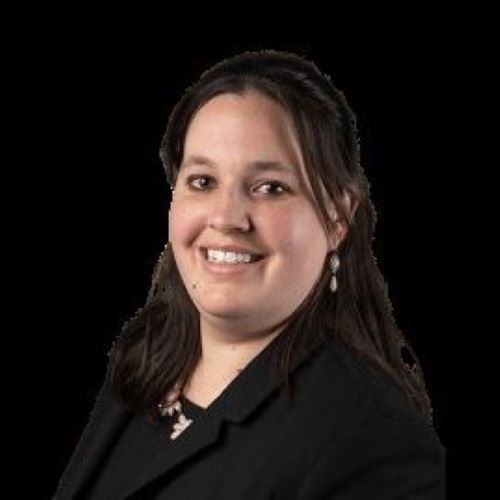
Lisa M. Campo
is a partner at the law firm of Hale Ball Murphy, PLC. She is one of the partners overseeing the litigation section of the firm. Ms. Campo has been with the firm since 2007 as a legal assistant before attending law school and as a law clerk during law school. After passing the Virginia bar, she continued with the firm as an associate attorney. Ms. Campo graduated from the University of Baltimore School of Law in Baltimore, Maryland. She concentrates her practice in the areas of trust and estate litigation, fiduciary litigation and contested guardianships and conservatorships. Ms. Campo has appeared numerous times before many circuit courts throughout Virginia, and has participated in appeals before the Court of Appeals of Virginia and Supreme Court of Virginia. She is also admitted to practice in the U.S. District Court for the Eastern District of Virginia and the U.S. Circuit Court of Appeals for the Fourth Circuit. Ms. Campo is a member of the Virginia Bar Association and Fairfax Bar Association.
Speaker bio
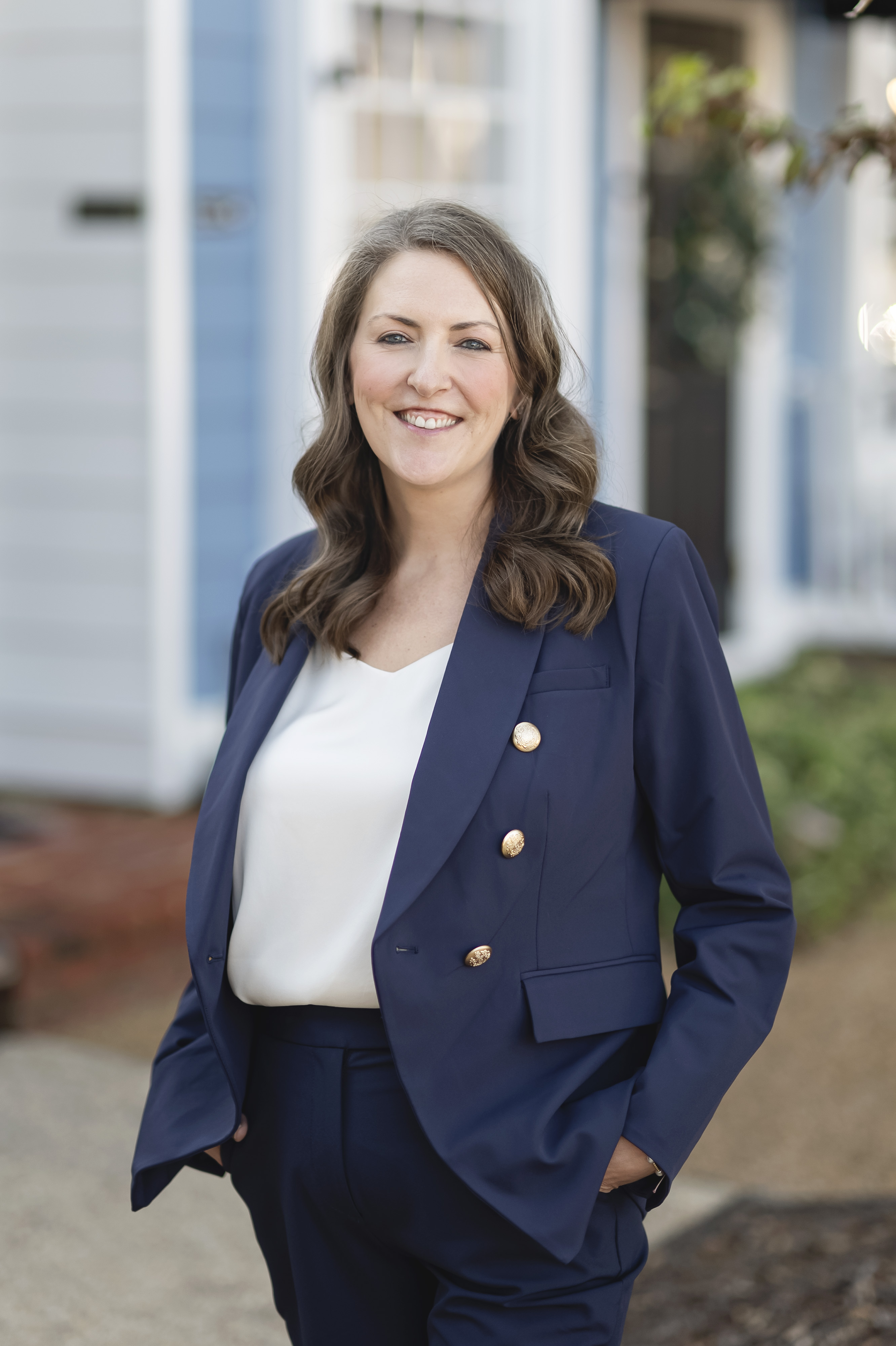
Sarah L. McCurry
is a partner in the Midlothian law firm of Winslow McCurry & MacCormac, PLLC, focusing her practice on representing area small businesses and practicing trust and estates law. She earned her B.A. degree from Hendrix College and her J.D. degree from Stetson University College of Law in St. Petersburg, Florida. Ms. McCurry is admitted to practice law in Florida and in the Commonwealth of Virginia. Since early 2009, she has practiced in the Richmond area and currently leads her firm's estate practice. Additionally, Ms. McCurry regularly instructs other lawyers in estate and business related topics in Virginia and nationally. She is admitted to both state and federal courts in each principality, including all Virginia General District and Circuit courts, Virginia Court of Appeals, Virginia Supreme Court, U.S. Bankruptcy Court for the Eastern District of Virginia, and the U.S. District Court for the Eastern District of Virginia.
Speaker bio
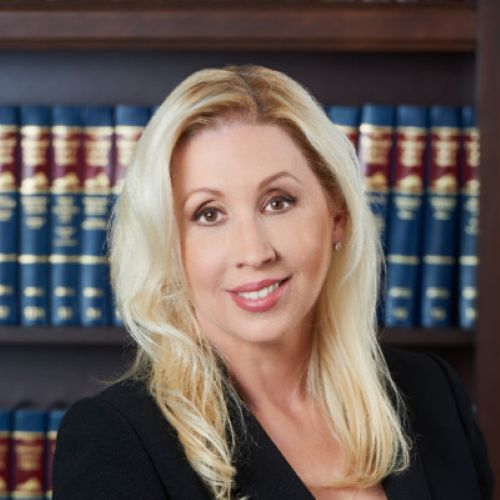
Rhonda A. Miller
is principal at Miller Legal Group, PLLC. For nearly two decades, she has helped high-net-worth individuals, business owners, and C-level executives preserve wealth, reduce estate tax exposure, and mitigate capital gains liabilities through tailored estate planning and tax strategies. Ms. Miller's practice focuses on structuring sophisticated plans that align with her clients' financial goals, legacy wishes, and family business succession plans. She advises clients on a wide range of estate tax minimization techniques. Ms. Miller regularly implements planning tools such as dynasty trusts, spousal lifetime access trusts (SLATs), charitable remainder trusts (CRTs), and qualified personal residence trusts (QPRTs). She also helps clients establish private foundations and family limited partnerships to support charitable giving while reducing taxable estates. Business succession planning is another key component of Ms. Miller’s practice. She counsels business founders and family business owners on how to transfer ownership to the next generation in a tax-efficient manner. This includes developing comprehensive plans that address both the financial and emotional dynamics that come with succession planning for closely held businesses. For clients with significantly appreciated assets, Ms. Miller focuses on capital gains mitigation strategies. She structures qualified small business trusts (QSBTs) and 1202 trusts to take advantage of Section 1202 capital gains exclusions. Additionally, Ms. Miller advises clients on entity restructuring, charitable planning, and other techniques to minimize tax liabilities in advance of liquidity events such as business sales or IPOs.
TOP FAQs
Have more questions? Please Contact Us