

Pennsylvania IEP and 504 Plan Legal Workshop
Credits Available
| Credit | Status | Total | Until |
|---|---|---|---|
| New Jersey CLE |
|
7.2 Total | 06-24-2026 |
| New York CLE |
|
7 Total | 10-07-2028 |
| Pennsylvania CLE |
|
6 Total | 10-07-2027 |


Buy This Course
OnDemand Video
Course Book Download
or
Overview
Strengthen Your School's IEP and 504 Plan Process and Protect Student Rights
IEPs and 504 plans are essential tools to ensure positive learning outcomes for many students. They also have the potential to cause legal issues for schools if they aren't properly planned and carried out. Join our experienced faculty for this comprehensive overview of legal liabilities in IEPs and 504 plans. Take away valuable information you can use to spot potential issues in your school's IEP and 504 plan process. Register today!
- Ensure students get the tools they need to succeed by properly determining if they are eligible for an IEP or a 504 plan.
- Implement legally appropriate 504 plans that ensure a level playing field for eligible students.
- Conduct IEP meetings that include all the necessary players and know what to do if someone is unable to attend.
- Handle situations where an IEP just isn't working, and modifications are immediately needed.
- Create behavioral intervention plans (BIPs) that consider the information contained in functional behavior assessments (FBAs).
- Protect the legal rights of students with IEPs and 504 plans in situations where discipline codes are broken.
Abbreviated Agenda
- IDEA or Section 504? Determining Eligibility Under Both Laws
- Developing and Implementing 504 Plans: Ensuring a Level Playing Field
- The IEP Development Process: Handling Difficult Issues
- Key Considerations for Implementing IEPs
- Functional Behavioral Assessments (FBAs) and Behavior Intervention Plans (BIPs): Ensuring Best Practices
- Discipline and Expulsion Essentials Under IDEA and Section 504
Credit Details
Credits Available
| Credit | Status | Total | Until |
|---|---|---|---|
| New Jersey CLE |
|
7.2 Total | 06-24-2026 |
| New York CLE |
|
7 Total | 10-07-2028 |
| Pennsylvania CLE |
|
6 Total | 10-07-2027 |
Select Jurisdiction
CLE
Agenda
-
IDEA or Section 504? Determining Eligibility Under Both Laws
- Section 504
- What Is a Disability Under Section 504?
- Major Life Activities: What Do They Encompass?
- Substantial Limitations: What Is the Bar?
- Impairment Determinations: What Can and Can't Be Considered?
- The IDEA
- Eligibility Categories
- ADHD and Other Difficult-to-Place Disabilities
- Required Need for Specially Designed Instruction
- Best Practices for Determining Eligibility
- IDEA-Eligible Students With Additional Medical Needs
- Handling Disputes With Parents Over Eligibility
- Section 504
-
Developing and Implementing 504 Plans: Ensuring a Level Playing Field
- Eligibility: What Should Be Considered
- What Accommodations Should and Should Not Do
- 504 Accommodations vs. Specially Designed Instruction (and Why It Matters)
- Distribution of 504 Plans
- Avoiding Modifications
- Reviews and Re-Evaluations
- 504 Plan Red Flags to Avoid
-
The IEP Development Process: Handling Difficult Issues
- IDEA Evaluation Report Essentials
- The IEP Meeting: What If Parents Refuse to Come?
- Third-Party Participation at IEP Meetings: Outside Agencies, Invited Guests, etc.
- Avoiding Predetermination on IEPs
- Parent Recording of IEP Meetings: Can Schools Prohibit It?
- Ensuring the IEP Team Has All Necessary Members
- Creating Measurable IEP Goals and Progress Requirements
- Creating a Prudent Paper Trail
-
Key Considerations for Implementing IEPs
- Who Should Receive a Copy? What Form Should It Be?
- Teacher Training: Necessary Requirements to Ensure Successful Implementation
- Progress Monitoring, Documentation, and Reporting
- What to Do When IEPs Aren't Working
- Mid-Year Revisions
- Who Can Make Them?
- When Should They Be Made?
-
Functional Behavioral Assessments (FBAs) and Behavior Intervention Plans (BIPs): Ensuring Best Practices
- What IDEA Says About FBAs and BIPs
- Who Should Be Involved in the Process?
- Meeting Key Evaluation Requirements
- How to Use the Information
- BIPs and Their Relation to IEPs
- Creating BIPs That Are Useful for Staff
- Crisis Components and BIPs
- Behavior Plans and Section 504
- Handling Disagreements With Parents
-
Discipline and Expulsion Essentials Under IDEA and Section 504
- Providing Services During Disciplinary Removal
- How Manifestation Determination Reviews Apply
- Protections for Children Not Yet Eligible for Special Education and Related Services
- Changes in Placement
- Suspensions and the Ten-Day Rule
- Legal Rules Governing Removal or Expulsion
- Interim Alternative Educational Settings
- Other Available Remedies
- Multiple Suspensions and Denial of Free Appropriate Public Education
Who Should Attend
This basic-to-intermediate level program on creating legally compliant IEPs and 504 plans is for:
- School Principals and Vice Principals
- School Superintendents and Assistant Superintendents
- School Psychologists
- School Counselors
- Special Education Teachers
- General Education Teachers
- Attorneys
- Paralegals
Speakers
Speaker bio
Frederick M. Stanczak
is an attorney with offices located in Doylestown, Pennsylvania. He represents children and their families in cases arising under the IDEA, 504 of the Rehabilitation Act, and other laws pertaining to the provision of public education. Mr. Stanczak also provides legal representation in guardianship and estate planning for persons with disabilities and their families. Prior to starting a private practice, he was employed by the Education Law Center in Philadelphia, where he was responsible for litigation, legislative advocacy, and working with community groups on issues affecting the education of children in Pennsylvania. He was also employed as the litigation director at Susquehanna Legal Services in Williamsport, Pennsylvaia, at Legal Services for Central New York in Syracuse, New York, and as an associate professor of law, Legal Clinic in Syracuse, New York. Mr. Stanczak earned his B.A. degree from St. Norbert College and his J.D. degree from DePaul University College of Law, Chicago.
Speaker bio
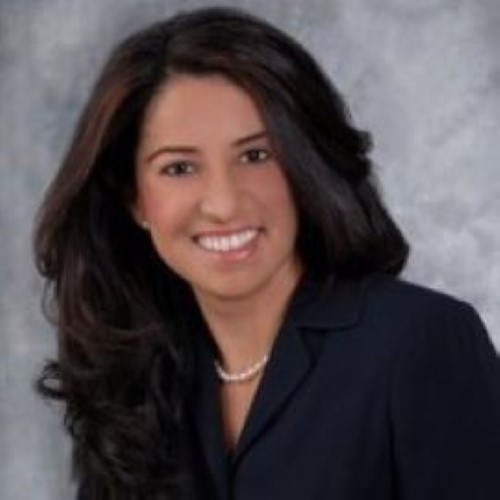
Tanya A. Alvarado
is the owner and founder of Alvarado Law, LLC in Bala Cynwyd, Pennsylvania. Alvardo Law, LLC is a bilingual law firm specializing in representing families in special education matters and obtaining reasonable accommodations for high stakes exams, like SAT/ACT, graduate school admissions, and licensing/certification. She has 30 years of experience, is fluent in Spanish and was born in Ecuador. Ms. Alvarado earned her B.A. degree from Cornell University and her J.D. degree from Boston University School of Law.
Speaker bio
Timothy E. Gilsbach
is an attorney with Fox Rothschild LLP, where he practices education and employment law. He has represented school districts, intermediate units, and charter schools for more than a decade in special education matters; from providing guidance, to attending IEP meetings, to litigating special education matters at administrative due process hearings and appeals through the federal courts. Mr. Gilsbach also advised school entities on a wide area of other student related issues and employment issues. He also advises both public and private employers on issues related to employee use of medical marijuana. Mr. Gilsbach is a graduate of the Pennsylvania State University Dickinson School of Law and Messiah College.
Speaker bio
Nicole D. Snyder
is the chair of the Special Education Law practice group at McKenna Snyder LLC. She concentrates her practice in the areas of special education law, charter school law, education law, school reform and insurance defense. Ms. Snyder represents clients in a variety of matters pertaining to state and federal laws and regulations, including but not limited to IDEA and Section 504. Prior to entering private practice, she clerked for the Honorable Bonnie Brigance Leadbetter of the Commonwealth Court of Pennsylvania. Ms. Snyder has been admitted to practice before the Supreme Court of Pennsylvania, U.S. District Courts for the Eastern, Middle and Western districts of Pennsylvania, Third Circuit Court of Appeals, Supreme Court of New Jersey, U.S. District Court for the District of New Jersey, and the Supreme Court of Ohio. She is also a member of PBA's Legal Services for Exceptional Children Committee, and has been an invited lecturer at state and national conferences on special education and education law topics; including sessions at PBI's Exceptional Children's Conferences, Pennsylvania Coalition of Public Charter Schools' conferences, Education Law Association and Lehigh University. Ms. Snyder is also a registered lobbyist. She earned her B.A. degree, magna cum laude, from Villanova University and her J.D. degree from Villanova University School of Law.
TOP FAQs
Have more questions? Please Contact Us