

Pennsylvania Collection Law: The Ultimate Guide
Credits Available
| Credit | Status | Total | Until |
|---|---|---|---|
| New York CLE |
|
7 Total | 11-19-2028 |
| Pennsylvania CLE |
|
6 Total | 11-19-2027 |

Buy This Course
OnDemand Video
Course Book Download
Overview
COMPLIANCE: What Debt Collectors MUST Know NOW!
Staying in regulatory compliance while attempting to collect a debt has never been more important! In this comprehensive and critical compliance guide, you'll walk step by step through the collection process, gain effective techniques, AND ensure compliance. Get the fundamental tools you need to legally collect debt, locate assets, garnish wages, attach liens, and more - ALL while remaining compliant under the CFPB, FDCPA and TCPA. Register today!
- Avoid the swarm of new penalties and lawsuits under the FDCPA and CFPB.
- Add attorney's fees to collection matters without being sued.
- Steer clear of exposure to liability; know the FDCPA and recent changes.
- Explore the CFPB's areas of focus, role, and enforcement actions.
- Review the statutory basis and case law surrounding the "Mini-Miranda" warning.
- What type of property is subject to a lien? How do you attach a lien? Find out!
- Review permitted vs. prohibited techniques under the FDCPA/CFPB.
- Effectively locate assets, garnish accounts, and attach liens.
- Avoid sticky jurisdiction/venue issues when seeking judgment.
- Stay up to date and compliant with the TCPA.
- Understand how bankruptcy impacts collections.
- Clearly define harassment, false, deceptive, and misleading practices.
Abbreviated Agenda
- STEP #1: Debt Collection Process and Procedure Fundamentals
- STEP #2: How Bankruptcy Affects Collections
- STEP #3: How to Obtain a Judgment
- STEP #4: How to Enforce the Judgment: Liens, Garnishments, Veil Piercing, and More
- STEP #5: How to Comply With the FDCPA, CFPB, and State Law
- STEP #6: Prejudgment: How to Cleverly Collect Under the FDCPA, CFPB, and TCPA
- STEP #7: How to Steer Clear of Ethical Issues: Attorney Fees and More
Credit Details
Credits Available
| Credit | Status | Total | Until |
|---|---|---|---|
| New York CLE |
|
7 Total | 11-19-2028 |
| Pennsylvania CLE |
|
6 Total | 11-19-2027 |
Credit Details by Jurisdiction
CLE
Credits
New York CLE Approved · 7 Total Credits
- 6 Areas of Professional Practice
- 1 Ethics/Professionalism
Earn Until
OnDemand - New York CLE - 7: This nontraditional format course has been approved in accordance with the requirements of the New York State Continuing Legal Education Board for up to 7.0 credit hours. 6.0 hours can be applied to the areas of professional practice requirement and is approved for newly admitted attorneys. 1.0 hour can be applied toward the Ethics/Professionalism requirement and is approved for experienced attorneys. NBI, Inc. offers a Financial Hardship Policy for qualifying individuals. To apply, please submit a request via email to our Tuition Discount Committee at customerservice@nbi-sems.com.
Video Download - New York CLE - 7: This nontraditional format course has been approved in accordance with the requirements of the New York State Continuing Legal Education Board for up to 7.0 credit hours. 6.0 hours can be applied to the areas of professional practice requirement and is approved for newly admitted attorneys. 1.0 hour can be applied toward the Ethics/Professionalism requirement and is approved for experienced attorneys. NBI, Inc. offers a Financial Hardship Policy for qualifying individuals. To apply, please submit a request via email to our Tuition Discount Committee at customerservice@nbi-sems.com.
Pennsylvania CLE Approved · 6 Total Credits
- 1 Ethics
Earn Until
OnDemand - Pennsylvania CLE - 6: This program has been approved by the Pennsylvania Continuing Legal Education Board. This program qualifies for 6.0 hours of distance learning credit, including 5.0 hours of substantive law, practice and procedure CLE credit and 1.0 hour of ethics, professionalism or substance abuse distance learning CLE credit.
Video Download - Pennsylvania CLE - 6: This program has been approved by the Pennsylvania Continuing Legal Education Board. This program qualifies for 6.0 hours of distance learning credit, including 5.0 hours of substantive law, practice and procedure CLE credit and 1.0 hour of ethics, professionalism or substance abuse distance learning CLE credit.
Select Jurisdiction
CLE
Agenda
-
STEP #1: Debt Collection Process and Procedure Fundamentals
- The Debt Collection Process Framework
- Who, What, Where, When, Why, and How?
- Principles and Methods of Collections
- Essential Collection Procedures
- Sample Collection Flowchart/Matrix
-
STEP #2: How Bankruptcy Affects Collections
- Bankruptcy Basics: Automatic Stay, Discharge, etc.
- How the Different Creditors are Prioritized
- Working With the Trustee
- Bankruptcy Cases That Pose Risk
- Filing of Inaccurate or False Proofs of Claims
- Responding to Preference Claim
- Bankruptcy Code Changes Affecting Creditors
-
STEP #3: How to Obtain a Judgment
- When Should a Judgment be Considered?
- Choosing Court to File Suit in - Jurisdiction/Venue Issues
- Court Proceedings; Process and Procedure
- Other FDCPA Issues
- Serving the Claim
- Notice of Motion for Default Judgment
- What if a Defense is Filed?
-
STEP #4: How to Enforce the Judgment: Liens, Garnishments, Veil Piercing, and More
- Basic Enforcement Processes and Procedures
- Out-of-State Enforcement
- Locating Places of Employment
- Filing Writs of Execution
- Effectively Locating Assets; Investigation Tips
- How to Seize Assets (Bank Accounts, Stocks, Retirement Accounts, Wages)
- How to Attach a Lien on Property
- Personal or Real?
- What Type of Property is Subject to a Lien Under State Law?
- What Type of Property to Attach?
- How to do That and Samples?
- Priority of Liens
- Alternatives to Wage and Bank Garnishments
- Claims of Exemptions
- Third Party Claims of Ownership
- Collecting on Intangibles
- Piercing the Single Member LLC Veil; The Alter Ego
- Self-Employed Debtors
-
STEP #5: How to Comply With the FDCPA, CFPB, and State Law
- Persons/Transactions/Communications Covered
- Who is a "Debt Collector"?
- Defining Harassment, False, Deceptive, and Misleading Practices
- "Mini-Miranda" Warning: Statutory Basis and Case Law
- "Least Sophisticated Consumer" Standard
- Reform Efforts, Trends, and Changes
- Complying With CFPB Regulations, Rules, and Orders
- Interplay of CFPB, FDCPA, and State Laws
- Update: CFPB's Role, Reach of Authority, and Aggressive Enforcement
- Recent Case Law
- Top CFPB/FDCPA Complaints
- TCPA and FTC Compliance
- Overview of Critical State Laws, Rules, and Regulations
-
STEP #6: Prejudgment: How to Cleverly Collect Under the FDCPA, CFPB, and TCPA
- Verification of Debt
- Telephone Calls; Voice Mails
- Notices and Forms
- Effective Demand Letters; Envelopes
- Social Media and Email
- Faxing Fundamentals
- Third-Party Communication
- Other Pre-Suit Collection Strategies
- How to Discuss Possible Litigation With Debtor
- Recent Developments - CFPB Final Debt Collection Rules
-
STEP #7: How to Steer Clear of Ethical Issues: Attorney Fees and More
- Defining When an Attorney is a "Debt Collector"
- Adding Attorney's Fees to Collection Matters Without Being Sued
- When are You Entitled to Attorney Fees?
- Collection of Filing Fees and Pre-Judgment Interest
- Reporting Professional Misconduct
- Account Management Best Practices
- Billing, Credit Policy Best Practices
- Harassment
Who Should Attend
This basic level online seminar is designed for attorneys. Accountants, debt collectors and paralegals will also benefit.
Speakers
Speaker bio
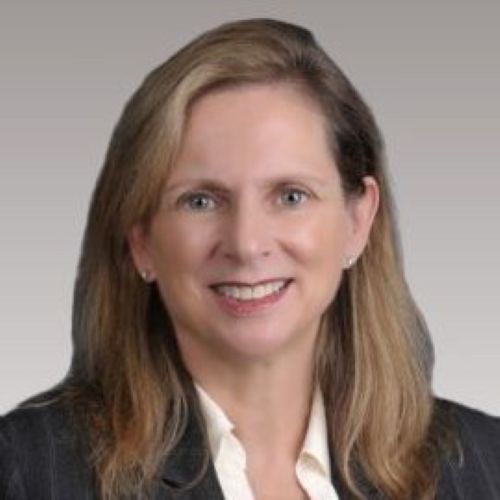
Leona Mogavero
is a shareholder at Zarwin Baum DeVito Kaplan Schaer, where she concentrates her practice in the area of creditors' rights and bankruptcy. Ms. Mogavero has experience representing financial institutions and other lenders in negotiation and documentation of commercial loan workouts and restructures. She also has experience in real estate transactional matters. Ms. Mogavero has supervised and instructed associate attorneys and paralegal assistants in the handling of commercial and residential mortgage foreclosures, and is a frequent speaker at seminars for financial professionals and attorneys regarding loan workouts, collections and bankruptcy. She is admitted to practice in the state of Pennsylvania, Supreme Court of Pennsylvania, United States District Court for the Eastern District of Pennsylvania and the United States Court of Appeals for the Third Circuit. Ms. Mogavero is a member of the Pennsylvania and Philadelphia bar associations. She is a Subchapter V bankruptcy trustee. Ms. Mogavero earned her B.A. degree, maxima cum laude, from LaSalle College and her J.D. degree from the University of Pennsylvania Law School.
Speaker bio
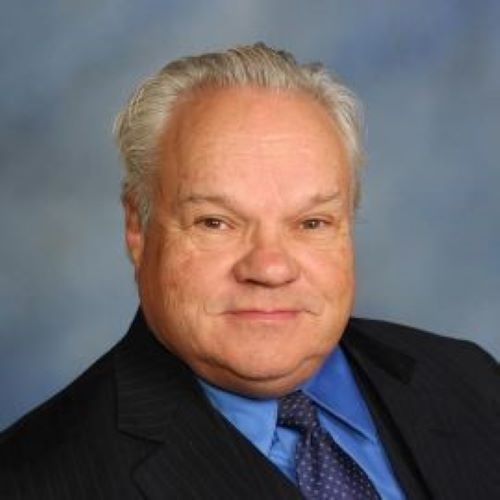
Stephen G. Bresset
is a partner with Bresset & Santora, LLC, where he has practiced commercial and bankruptcy law and litigation throughout Pennsylvania and the region for more than 30 years. During his time in practice, Mr. Bresset has represented debtors in more than 50 Chapter 11 proceedings in Pennsylvania; as well as creditors, creditor committees, and trustees at virtually every level of bankruptcy proceedings, and debtors in more than 1,000 Chapter 7 proceedings. He is admitted to the state courts of Pennsylvania, the three U.S. District Courts in Pennsylvania, the three bankruptcy courts, and the Third Circuit Court of Appeals. Mr. Bresset has always been an active member of his community and the bar associations of which he is a member. He has served as an office holder in the Wayne County Bar Association and the Pennsylvania Bar Association, as well as a committee chair in both associations. Mr. Bresset has been a featured speaker at numerous seminars throughout Pennsylvania in litigation, commercial law and bankruptcy law topics. He earned his B.A. degree from Temple University and his J.D. degree, with honors, from Widener University School of Law.
Speaker bio
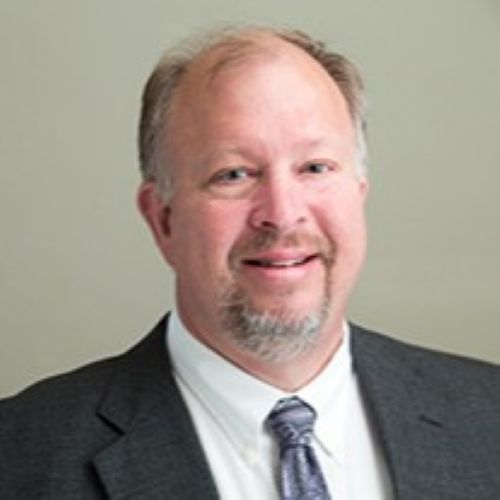
Michael A. Hynum
founded Hynum Law in 2004 in Harrisburg, Pennsylvania. He is an attorney licensed to practice law in all courts of the Commonwealth of Pennsylvania, as well as U.S. Federal Courts in the Middle and Eastern districts of Pennsylvania. Mr. Hynum's areas of focus include healthcare law, business law, debt collection, administrative/government law, labor law, family law, real estate and litigation. He spent approximately eleven years working in the long-term health care industry, acting as CEO of a company providing care and services to elderly residents of central Pennsylvania. Mr. Hynum is a member of the Lancaster County Bar Association and serves on the Health Law Committee of the Pennsylvania Bar Association.
Speaker bio
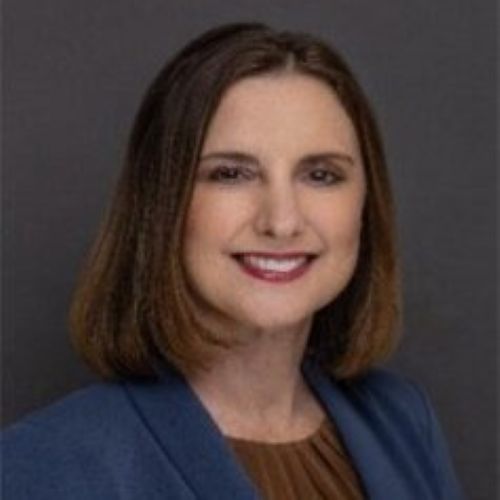
Andrew Condiles
is an attorney with Weltman, Weinberg & Reis Co., L.P.A. He assists creditors ranging from banks to credit unions to small businesses in recovering their unpaid debts, while also helping utility companies collect the monies that they are owed when their valuable equipment is damaged. Mr. Condiles's clients can always count on him to know every fact of the case before heading into an arbitration, mediation, negotiation or trial. He earned his B.A. degree from Hobart College, is a graduate of Case Western Reserve University (CWRU) School of Law, and was a member of CWRU's National Moot Court Team. During law school, Mr. Condles was a member of CWRU's Health Matrix: Journal of Law-Medicine; and authored a piece titled, "How Voluntary Is Voluntary" published in Volume 18 of the Appalachian Journal of Law. He is a member of the American Bar Association, Moot Court Judge and Philadelphia Bar Association. Mr. Condiles is admitted to practice in New Jersey, Pennsylvania, U.S. District Court for the Middle and Eastern districts of Pennsylvania, and the U.S. District Court for the District of New Jersey.
Speaker bio
Elizabeth P. Sattler
is an attorney with Weiss Burkardt Kramer LLC, having joined the firm in January 2023. She is a school solicitor, and also focuses on taxation matters, overseeing the firm's tax collection and tax assessment departments. Prior to joining WBK, Ms. Sattler worked with a regional firm in its Municipal and School Section, concentrating on tax collection, assessment, and solicitor representation. She earned her Bachelor of Arts degree from Pennsylvania State University, and her Juris Doctorate degree from the University of Pittsburgh School of Law. Ms. Sattler is admitted to practice in the Commonwealth of Pennsylvania and the United States District Court for the Western District of Pennsylvania. She is a member of the Pennsylvania Bar Association and the Allegheny County Bar Association.
TOP FAQs
Have more questions? Please Contact Us