

Colorado Estate Administration From Start to Finish
Credits Available
| Credit | Status | Total | Until |
|---|---|---|---|
| Colorado CLE |
|
8 Total | 12-31-2027 |
Buy This Course
OnDemand Video
Course Book Download
Overview
A Comprehensive Step-By-Step Guide to Estate Administration
Whether you're new to estate administration or need a basic refresher, this course will provide you with a comprehensive overview of estate administration, including proper asset valuation and distribution, taxation, and account closing procedures. You'll also learn how to correctly deal with thorny estate administration debt issues, including jointly held assets, business ownership and complex tax issues. Equip yourself with real-life, practical knowledge to ensure you are fully prepared to handle the entire estate administration process from start to finish - register today!
- Learn how to meet every deadline, follow procedures, and complete essential forms.
- Identify key estate administration pitfalls you need to avoid.
- Come away with helpful forms, sample documents, and checklists to assist in the process.
- Acquire strategies to ensure you can help your clients through every step of the probate process.
- Manage your client's entire estate administration procedures properly and effectively.
- Learn how to tackle complex estate administration issues such as tax issues, jointly held assets, and will contests.
- Understand how to properly transfer and distribute assets.
- Explore proper procedures and processes when dealing with insurance claims and debt during estate administration.
- Gain a better understanding of the probate court's procedures so that you can avoid common pitfalls and mistakes.
- Get the latest information on allowances and elections against the will.
- Identify how to properly distribute assets to minors, surviving spouses and trusts.
Abbreviated Agenda
- Commencement of Proceedings and Information Gathering
- Initial Steps to the Estate Administration Process
- Marshalling Assets
- Handling Creditor Claims and Debt
- Complex Issues in Estate Administration
- Handling Estate Administration Tax Issues
- Distribution and Closing of the Estate
- Ethics and Estate Administration
Credit Details
Credits Available
| Credit | Status | Total | Until |
|---|---|---|---|
| Colorado CLE |
|
8 Total | 12-31-2027 |
Credit Details by Jurisdiction
CLE
Credits
Colorado CLE Approved · 8 Total Credits
- 1.2 Professional Responsibility
Earn Until
OnDemand - Colorado CLE - 8: NBI, Inc. is a Certified Provider, as recognized by the Colorado Supreme Court Continuing Legal and Judicial Education Committee. This program qualifies for 8.0 hours of home study general Colorado Continuing Legal Education Credit, including 1.20 professional responsibility credit.
Video Download - Colorado CLE - 8: NBI, Inc. is a Certified Provider, as recognized by the Colorado Supreme Court Continuing Legal and Judicial Education Committee. This program qualifies for 8.0 hours of home study general Colorado Continuing Legal Education Credit, including 1.20 professional responsibility credit.
Select Jurisdiction
CLE
Agenda
-
Commencement of Proceedings and Information Gathering
- Appointment of Estate Administration
- Formal vs. Informal Proceedings
- Sample Letters of Authority
- First Meeting With Family or Designated Personal Representative and Determination of Heirs
- Written Fee Agreements
- Tips to Locate Information Quickly Using Online and Government Resources
- Dealing with Multiple States
- Appointment of Estate Administration
-
Initial Steps to the Estate Administration Process
- Understanding the Laws of Intestacy
- Sample Estate Administration Checklists, Forms and Required Notices Needed
- Interpreting Provisions and Terms of Art Found in Wills
- Using Disclaimers Correctly
-
Marshalling Assets
- Procedures to Locating and Marshalling Probate and Non-Probate Assets
- Safe Deposit Boxes and Bank Accounts
- Real Estate
- Brokerage Accounts, 401Ks, IRAs, Pensions and Life Insurance Policies
- Sample Forms and Documents Needed
- Appraisers and Valuing the Property of Probate Estates
- Procedures to Locating and Marshalling Probate and Non-Probate Assets
-
Handling Creditor Claims and Debt
- Sample Forms and Required Notices Needed
- Priority and Payment of Claims
- Late Claims and Contested Claims
- Steps to Ensure all Debt is Located and Handled Correctly
- What if the Assets Don't Cover the Bills?
- Bankruptcy and Foreclosure
- Selling of Assets and Properly Dealing with Creditors
-
Complex Issues in Estate Administration
- Jointly Held Assets
- Spousal Claims
- Allowances and Elections Against the Will
- Handling Unmarried Couples and Stepchildren
- Will Contests, Trust and Estate Disputes
- Business Ownership
- Agency Problems Involving Guardianships, Conservatorships, Powers of Attorney or Other Agency Relationships
-
Handling Estate Administration Tax Issues
- Examples of Forms Needed
- Federal and State Estate Tax Considerations
- Income Tax Issues for the Estate and the Heirs
- Resolving Disputes With Taxing Authorities
- Deductions and Exemptions
- How the Generation-Skipping Transfer Tax Affects Your Clients
- Tax Deadlines and Handling Extensions
- Sales of Real Property
-
Distribution and Closing of the Estate
- Sample Forms, Agreements and Documents Needed
- Proper Transferring and Distribution of Probate and Non-Probate Assets and Timing of Distributions
- Real Estate
- 401Ks, IRAs, Pensions and Life Insurance Policies
- Distribution of Miscellaneous Assets (Automobiles, Jewelry, Etc.)
- Distributions in Kind
- Distribution to Minors, Surviving Spouse and Trusts
- Disposition of Unclaimed Assets
- Proper Settlement of the Estate
- Formal and Informal Estate Accountings
- Choosing the Appropriate Closing Procedure
- Compensation and Discharge of the Personal Representative
-
Ethics and Estate Administration
- Breach of Fiduciary Responsibility
- Avoiding Conflicts of Interest
- Attorney-Client Privilege
- Fee Agreements
Who Should Attend
This basic level online seminar is designed for professionals who want to be more effective in the estate administration process, such as:
- Attorneys
- CPAs and Accountants
- Paralegals
- Wealth Managers
- Tax Professionals
- Trust Officers
Speakers
Speaker bio
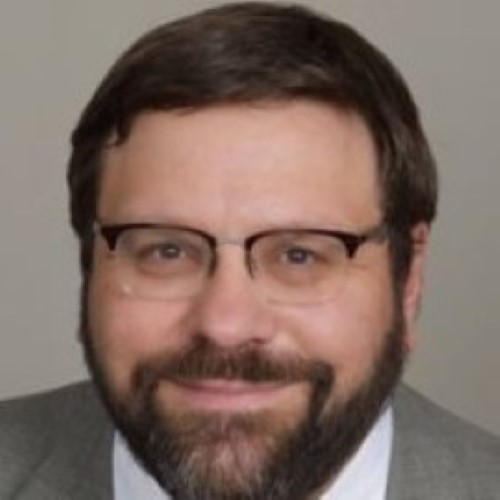
Andrew G. Oh-Willeke
is an assistant city attorney with the City and County of Denver who spent two decades as a sole practitioner prior to working as a city attorney. He has 30 years of experience. Mr. Oh-Willeke's practice as a sole practitioner included business transactions; tax planning; estate planning, including asset protection planning; commercial litigation in and out of bankruptcy court; probate administration; and tax litigation. He is a past professor at the College for Financial Planning. Mr. Oh-Willeke earned his B.A. degree from Oberlin College and his J.D. degree, cum laude, from the University of Michigan. He is admitted to practice law in Colorado and New York. Mr. Oh-Willeke is a member of the Colorado Bar Association and American Bar Association.
Speaker bio
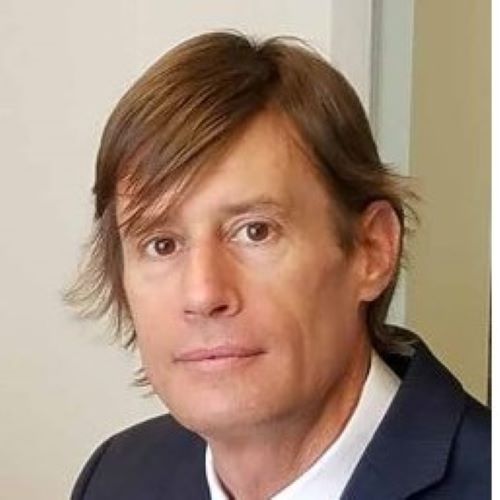
Robert B. Keyser, II
is the founding member of the estate, tax and business planning boutique firm, Robert B. Keyser II, LLC, based in Colorado Springs, Colorado. He provides counsel in the areas of income, estate and gift tax planning, and business planning to high-net-worth individuals and families. Mr. Keyser prepares advanced estate planning documents; such as qualified personal residence trusts, family limited partnerships, life insurance trusts, generation skipping trusts, charitable trusts, private foundations, grantor retained annuity trusts, intentionally defective grantor trusts, and complex wills. He handles various business transactional matters requiring the preparation of agreements for stock redemption, mergers, employment, stock buy-sell, partnership and limited liability company arrangements, non-qualified plans, and trusts. Mr. Keyser taught business law and accounting at the University of Colorado's Colorado Springs campus from 2004 to 2017. He earned his B.A. degree from Colorado University, his J.D. degree from the University of Denver College of Law and his LL.M. degree in taxation from the University of Denver Graduate Tax Program.
Speaker bio
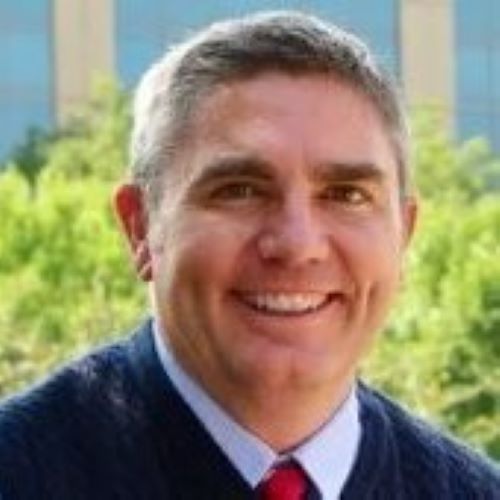
Oren Von Limbaugh
is a sole practitioner at the Limbaugh Law Firm, LLC in Greenwood Village, Colorado. He has practiced estate planning, probate, elder law and special needs law for more than 25 years. Mr. Limbaugh is a member of the Colorado Bar Association, Aurora Bar Association, and the National Academy of Elder Law Attorneys ("NAELA"). He is licensed to practice law in the State of Colorado and before the US Tax Court. Mr. Limbaugh earned his BA from the Florida State University and his JD and LLM (Tax) from the University of Denver College of Law. He was appointed by Gov. Jared Polis to serve on the Colorado Disability Funding Committee and actively participates in advocacy on behalf of people who have developmental and intellectual disabilities.
TOP FAQs
Have more questions? Please Contact Us