

Connecticut Construction Law: Advanced Issues and Answers
Credits Available
| Credit | Status | Total | Until |
|---|---|---|---|
| Connecticut CLE |
|
6 Total | 12-16-2027 |
| New York CLE |
|
7 Total | 12-16-2028 |
Buy This Course
OnDemand Video
Course Book Download
Overview
An Advanced-Level Guide to Complex Construction Law Issues
On any construction project, seemingly simple issues can quickly become complex if not handled correctly. That's why it's essential to have an in-depth understanding of critical construction project legal matters that have the potential to cause severe headaches for your clients. In this advanced level online seminar, our experienced faculty will share their decades of construction law experience and will provide you with valuable tools you can use to help your clients through change order disasters, project delay disagreements, construction defect disputes, and more. Provide your clients with the best representation possible by expanding your knowledge of complicated construction project issues - register today!
- Anticipate which construction contract provisions will cause difficulties down the road in order to negotiate them in your client's favor.
- Disentangle complex change order payment matters that arise from oral change orders, additional work, and more.
- Confidently determine which construction project delays are compensable and which are non-compensable.
- Factor in current court interpretations and state anti-indemnity statutes when wading into a construction indemnity dispute.
- Analyze CGL policy insurance documents to accurately determine who is actually covered under the policy.
- Get to the bottom of construction defect CGL policy coverage issues such as business risk exclusions and proving defective coverage is an occurrence.
- Ensure interactions with unrepresented parties during construction disputes are ethically responsible.
Abbreviated Agenda
- Construction Contracts: Advanced Negotiation Techniques for the Top Sticking Points
- Change Orders and Extra Work - Payment Issues Disentangled
- Determining Responsibility and Remedy for Delays
- Indemnification Disputes - What is the Scope and Meaning of the Contractual Clause?
- Determining Who is Insured Under Commercial General Liability Policies
- Coverage for Construction Defects Under CGL Policies
- Negotiating Damages in Construction Disputes
- Ethics for Construction Attorneys
Credit Details
Credits Available
| Credit | Status | Total | Until |
|---|---|---|---|
| Connecticut CLE |
|
6 Total | 12-16-2027 |
| New York CLE |
|
7 Total | 12-16-2028 |
Select Jurisdiction
CLE
Agenda
-
Construction Contracts: Advanced Negotiation Techniques for the Top Sticking Points
- Payment Clauses
- Pass-Through Clauses
- No Damage for Delay Clauses
- Performance and Timing Clauses
- Project Termination Clauses
- Liquidated Damages Clauses
-
Change Orders and Extra Work - Payment Issues Disentangled
- Real vs. Perceived Changes
- Undocumented Oral Change Orders
- Changes Due to Defective Plans and Specifications
- Previously Unknown Site Conditions
- Additional, Unauthorized, or Non-Conforming Work
- Change by Outside Forces: Market Shifts, Zoning Issues, etc.
- Change Order Impact Costs
-
Determining Responsibility and Remedy for Delays
- Excusable vs. Inexcusable Delays
- Compensable vs. Non-Compensable Delays
- Untangling Concurrent Delays
- Necessary Documentation
- Drafting a Recovery Schedule
- Applying a Waiver or "No Damage for Delay" Clause
-
Indemnification Disputes - What is the Scope and Meaning of the Contractual Clause?
- Types of Indemnity Clauses
- Detecting Illegal and Unenforceable Language
- How Courts Construe Indemnity Clauses
- Factoring in State Anti-Indemnification Statutes
- Determining Duty to Defend
-
Determining Who is Insured Under Commercial General Liability Policies
- The Certificate of Insurance
- The General Contractor as a Subcontractor's Additional Insured
- The General Contractor as an Additional Insured on the Duty to Defend
- The Most Common Additional Insured Endorsements
-
Coverage for Construction Defects Under CGL Policies
- Treating Defective Construction as an Occurrence
- Business Risk Exclusions and Subcontractor Exception Removal
- Avoiding the Known Risk Provision
- Voluntary Remediation and the "Legally Obligated" Requirement
- The Total Pollution Exclusion - How Total is it?
-
Negotiating Damages in Construction Disputes
- Distinguishing Direct and Consequential Damages
- Calculating Acceleration Damages
- Reducing Damages by Claiming Betterment
- Non-Monetary Remedies to a Construction Dispute
- Preserving Business Relationships While Negotiating Damages
-
Ethics for Construction Attorneys
- Client Authority
- Contractual Claims for Attorneys' Fees/Expenses
- Dealing With Unrepresented Persons
- Ethical Concerns as "Attorney for the Project"
Who Should Attend
This advanced level online seminar on complex construction law issues is for:
- Attorneys
- Architects
- Construction Professionals
- Engineers
- Insurance Professionals
- Real Estate Developers
- Paralegals
Speakers
Speaker bio
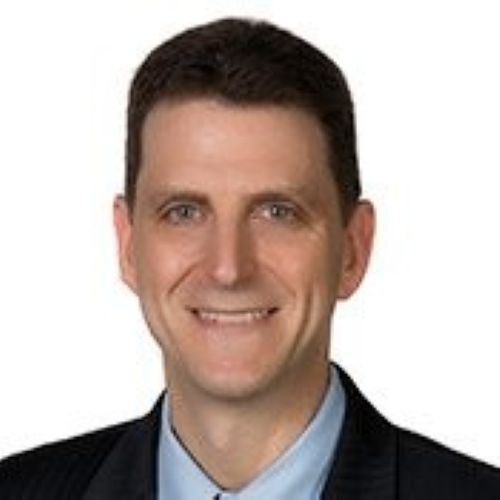
Scott Orenstein
is a partner at Gerber Ciano Kelly Brady LLP. He has substantial experience handling complex construction claims in mediation, arbitration, and litigation. In his practice, he relies upon his extensive experience in the construction industry. Mr. Orenstein earned a civil engineering degree in 1990 and became a licensed professional engineer in 1994. For over ten years prior to becoming an attorney, he worked as a project manager and estimator for a general contractor. Mr. Orenstein's construction industry experience includes construction layout, estimating, contract review, quantity take-offs, change order negotiations, buy-out, subcontract negotiations, shop drawings/submittals including delegated design items, and claims handling. A frequent author and speaker on issues relating to construction industry, he is an authority on various topics such as mechanic's liens, bond claims, changed conditions, extra work, lost productivity, acceleration, delay, scheduling issues, and important changes in the law. Mr. Orenstein is also the editor of the Connecticut Construction Law Blog. He earned his B.A. degree from University of Massachusetts and his J.D. degree, cum laude, from Quinnipiac University School of Law.
Speaker bio
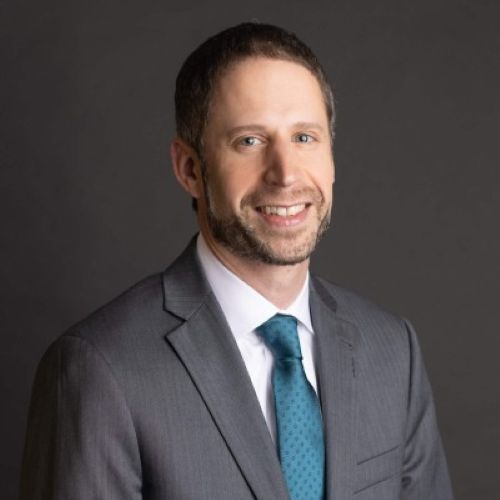
Leonard M. Braman
is a partner at Wofsey, Rosen, Kweskin & Kuriansky, LLP. He practices commercial and general litigation on behalf of businesses large and small, municipalities, and individuals. Mr. Braman handles a variety of matters including contract disputes, construction litigation, land use and zoning matters, civil rights claims, and insurance litigation. He previously served as the vice chair of the Town Plan and Zoning Commission of the town of Fairfield, and he co-chairs the firm's Land Use/Zoning Group. Mr. Braman currently serves as a member of Fairfield's Representative Town Meeting. He is also a member of the firm's Pro Bono Committee. Prior to joining the firm in 2016, Mr. Braman served as senior counsel in the Affirmative Litigation Division of the New York City Law Department, where he represented the City as plaintiff in a wide range of commercial and public policy litigation, ranging from tax evasion, fraud, and RICO cases, to construction and design litigation involving City schools and public buildings, to civil rights cases on behalf of the City's Commission on Human Rights. Before that, he practiced complex commercial litigation for several years at the law firm of Patterson Belknap Webb & Tyler in New York City. Mr. Braman graduated summa cum laude in 2002 from Columbia University, and cum laude in 2005 from Harvard Law School, where he served as an executive editor of the Harvard Negotiation Law Review. He clerked for the Hon. Anita B. Brody of the U.S. District Court for the Eastern District of Pennsylvania and for the Hon. Judith A. Cowin of the Supreme Judicial Court of Massachusetts.
Speaker bio
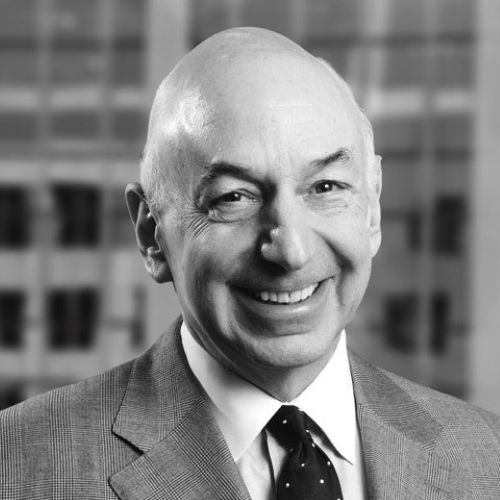
Richard C. Robinson
practices in the area of business litigation including the litigation of construction and employment disputes. He is a member of the firm's Construction Law and Litigation Section. He has successfully resolved hundreds of business litigation cases, both through trial and settlement. As a special master, appointed by the judges of the Federal District Court in Connecticut, Rick is a frequent speaker on employment and construction cases. Additionally, Rick regularly speaks at construction law seminars and publishes in the field.
Speaker bio
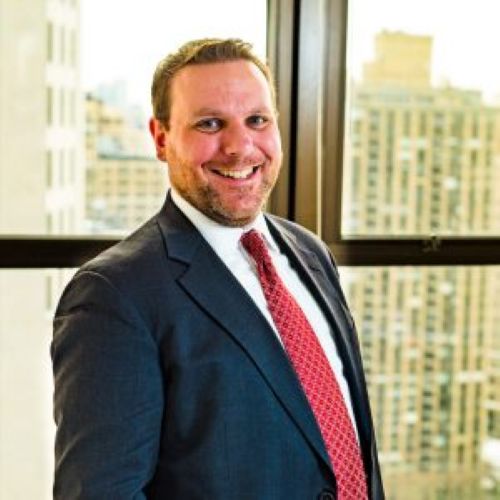
Richard R. Volack
is a partner in the Construction Law practice at Peckar & Abramson, P.C., and chair of the firm's Cyber Security & Data Privacy practice. He counsels some of the country's largest general contractors, construction managers, and owners in all aspects of construction dispute resolution, including claims involving breach of contract, construction defects, design defects, schedule-and-impact delays, mechanic's liens, surety bonds and insurance, and counsels clients in all matters concerning cyber security and data privacy. Mr. Volack's practice encompasses dispute resolution through mediation, arbitration and, when necessary, litigation. He also counsels clients on litigation avoidance practices, risk management, project planning and contract negotiation in relation to construction projects, both in both domestic and international settings. In 2021, Mr. Volack completed FIDIC Certified Course Module 2: Claims and Disputes Resolution. He is a frequent lecturer on construction insurance, risk management, the New York Mechanic's Lien Law, e-discovery and electronically stored information (ESI) issues as they relate to construction litigation. Mr. Volack is admitted to practice in the States of New York and Connecticut. He is the past chairman and past secretary of the Construction Law Committee of the New York City Bar Association and a member of the Construction Law section of the American Bar Association. Mr. Volack earned his bachelor of science from the University of Scranton, his Master of Arts degree from the Maxwell School of Citizenship and Public Policy at Syracuse University and his J.D. degree from Syracuse University College of Law, where he served as the business editor for the Journal of International Law and Commerce.
TOP FAQs
Have more questions? Please Contact Us