

Guardianships and Conservatorships: Protecting the Most Vulnerable
Credits Available
| Credit | Status | Total | Until |
|---|---|---|---|
| Alaska CLE |
|
6 Total | 10-02-2027 |
| Arkansas CLE |
|
6 Total | 06-30-2027 |
| Arizona CLE |
|
6 Total | 10-02-2027 |
| California CLE |
|
6 Total | 10-02-2027 |
| Colorado CLE |
|
7 Total | 12-31-2027 |
| Connecticut CLE |
|
6 Total | 10-02-2027 |
| Delaware CLE |
|
6 Total | 10-02-2027 |
| Florida CLE |
|
7 Total | 04-30-2027 |
| Georgia CLE |
|
6 Total | 12-31-2026 |
| Hawaii CLE |
|
6 Total | 10-02-2027 |
| Idaho CLE |
|
6 Total | 10-02-2030 |
| Illinois CLE |
|
6 Total | 10-01-2027 |
| Kansas CLE |
|
7 Total | 10-01-2027 |
| Maine CLE |
|
6 Total | 10-01-2027 |
| Minnesota CLE |
|
6 Total | 10-02-2027 |
| Missouri CLE |
|
6 Total | 10-02-2027 |
| Northern Mariana Islands CLE |
|
6 Total | 10-02-2027 |
| Montana CLE |
|
6 Total | 10-02-2028 |
| North Dakota CLE |
|
6 Total | 10-02-2028 |
| Nebraska CLE |
|
6 Total | 10-02-2027 |
| New Hampshire CLE |
|
6 Total | 10-02-2028 |
| New Mexico CLE |
|
6 Total | 10-02-2027 |
| Nevada CLE |
|
6 Total | 10-02-2028 |
| New York CLE |
|
7 Total | 10-02-2028 |
| Oklahoma CLE |
|
7 Total | 10-02-2027 |
| Oregon CLE |
|
6 Total | 10-02-2028 |
| Pennsylvania CLE |
|
6 Total | 10-02-2027 |
| Tennessee CLE |
|
6 Total | 10-01-2027 |
| Virginia CLE |
|
6 Total | 10-31-2026 |
| Vermont CLE |
|
6 Total | 10-02-2027 |
| Washington CLE |
|
6 Total | 10-01-2030 |
| Wisconsin CLE |
|
7 Total | 12-31-2026 |
| West Virginia CLE |
|
7.2 Total | 10-02-2027 |


Buy This Course
OnDemand Video
Course Book Download
Overview
A Step-by-Step Guide With Tactical Considerations for Both Wards and Guardians
Guardianships and conservatorships can be a powerful tool in establishing much-needed support for aging and vulnerable clients. Without careful drafting and oversight, however, it can be a fertile ground for abuse and financial misconduct. Whether you're crafting an estate plan that includes guardianship provisions or actively involved in setting up, managing, or challenging a guardianship or conservatorship, this course will give you the tools to succeed. Discuss the evidentiary threshold for determining capacity, clarify core procedures for petitioning the court, power up your legal arguments with sample language and lessons from recent case law, and more! Ensure guardians and conservators follow best practices and prevent liability. Register today!
- Explore what arguments carry the most weight in the battle of experts when capacity is in question.
- Review the process of establishing a guardianship or conservatorship from both the ward's and guardian's perspective.
- Find out what seeking "least restrictive alternative" looks like in real-life best case scenarios.
- Clearly outline guardian and conservator duties and powers.
- Prevent fiduciary liability with a best practices guide to financial reporting and recordkeeping.
- Protect the rights of the wards and conservatees when abuse or misconduct is suspected.
Abbreviated Agenda
- Weighing All the Options for Supported Persons: POAs, Guardianships, Conservatorships, Advance Directives, Joint Accounts, Trusts, etc.
- Capacity Determination and Objections in Detail
- Guardianship Procedure and Documents (With Examples)
- Guardian/Conservator Designation, Authority, and Its Limits
- Contested Guardianships, Ward/Conservatee Rights, Modification, and Termination
- Top Legal Ethics Issues in Disability and Elder Law
- Contested Guardianships, Ward/Conservatee Rights, Modification, and Termination (Part 2)
Credit Details
Credits Available
| Credit | Status | Total | Until |
|---|---|---|---|
| Alaska CLE |
|
6 Total | 10-02-2027 |
| Arkansas CLE |
|
6 Total | 06-30-2027 |
| Arizona CLE |
|
6 Total | 10-02-2027 |
| California CLE |
|
6 Total | 10-02-2027 |
| Colorado CLE |
|
7 Total | 12-31-2027 |
| Connecticut CLE |
|
6 Total | 10-02-2027 |
| Delaware CLE |
|
6 Total | 10-02-2027 |
| Florida CLE |
|
7 Total | 04-30-2027 |
| Georgia CLE |
|
6 Total | 12-31-2026 |
| Hawaii CLE |
|
6 Total | 10-02-2027 |
| Idaho CLE |
|
6 Total | 10-02-2030 |
| Illinois CLE |
|
6 Total | 10-01-2027 |
| Kansas CLE |
|
7 Total | 10-01-2027 |
| Maine CLE |
|
6 Total | 10-01-2027 |
| Minnesota CLE |
|
6 Total | 10-02-2027 |
| Missouri CLE |
|
6 Total | 10-02-2027 |
| Northern Mariana Islands CLE |
|
6 Total | 10-02-2027 |
| Montana CLE |
|
6 Total | 10-02-2028 |
| North Dakota CLE |
|
6 Total | 10-02-2028 |
| Nebraska CLE |
|
6 Total | 10-02-2027 |
| New Hampshire CLE |
|
6 Total | 10-02-2028 |
| New Mexico CLE |
|
6 Total | 10-02-2027 |
| Nevada CLE |
|
6 Total | 10-02-2028 |
| New York CLE |
|
7 Total | 10-02-2028 |
| Oklahoma CLE |
|
7 Total | 10-02-2027 |
| Oregon CLE |
|
6 Total | 10-02-2028 |
| Pennsylvania CLE |
|
6 Total | 10-02-2027 |
| Tennessee CLE |
|
6 Total | 10-01-2027 |
| Virginia CLE |
|
6 Total | 10-31-2026 |
| Vermont CLE |
|
6 Total | 10-02-2027 |
| Washington CLE |
|
6 Total | 10-01-2030 |
| Wisconsin CLE |
|
7 Total | 12-31-2026 |
| West Virginia CLE |
|
7.2 Total | 10-02-2027 |
Select Jurisdiction
CLE
Agenda
-
Weighing All the Options for Supported Persons: POAs, Guardianships, Conservatorships, Advance Directives, Joint Accounts, Trusts, etc.
- When Should Taking Protective Action Be Considered?
- Complete vs. Partial/Special Purpose
- Comparing Degrees of Court Supervision and Reporting Requirements
- Best Use Cases and "Least Restrictive" Principle
-
Capacity Determination and Objections in Detail
- "Capacity" Definition, Assessment Methods, and Tests
- Evidence Tactics: Meeting the "Clear and Convincing" Standard
- Challenging Capacity Findings
- Expert Reports and Examination
- The Role of Court-Appointed Attorneys or Guardians Ad Litem (GALs)
-
Guardianship Procedure and Documents (With Examples)
- Petitioning the Court
- Notice and Due Process Requirements
- Order to Show Cause
- Appointment of a Court Evaluator and/or Counsel
- Order and Judgments
- Applying Rules of Evidence
-
Guardian/Conservator Designation, Authority, and Its Limits
- Fiduciary Duties and Powers
- Nomination and Designation (Sample Language)
- Discharge or Modification of Powers
- Financial Reporting and Recordkeeping: Mandatory and Best Practices (With Examples)
-
Contested Guardianships, Ward/Conservatee Rights, Modification, and Termination
- Contested Guardianship Due Process
- Cross-Petition and Objections
- Motions, Evidentiary Tactics, and Lessons From Case Law
- Petitioning the Court for Restoration of Rights (With Sample Language)
- Plan of Self-Dependence
- Abuse Allegations: Is a TRO Needed? Remove/Replace/Surcharge the Guardian?
- Seeking Restitution From a Guardianship Bond
-
Top Legal Ethics Issues in Disability and Elder Law
- Conflicts of Interest and Self-Dealing
- Client Autonomy Considerations
- Obtaining Clients' Informed Consent
- Abuse and Exploitation: Do Attorneys Have a Duty to Report?
-
Contested Guardianships, Ward/Conservatee Rights, Modification, and Termination (Part 2)
Who Should Attend
This legal course is designed for attorneys. Accountants, fiduciaries, guardians, elder care and disability professionals, and paralegals will also benefit.
Speakers
Speaker bio
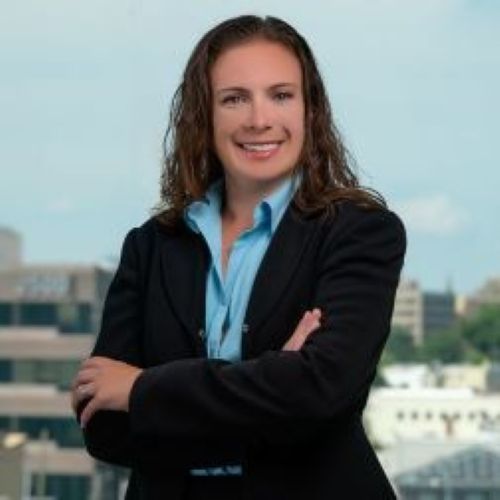
Jennifer O. Schiffer
is a shareholder of Bean, Kinney & Korman P.C., where she represents various businesses and their owners in matters relating to business counseling and entity formation, purchase and sale of company stock or assets, business contracts, shareholder or membership agreements, disclosure agreements, commercial real estate, commercial property, and leasing transactions. Ms. Schiffer is also well-versed in business succession planning, estate planning, and estate administration. Her clients range from individuals to a wide array of business entities, including restaurants, medical practices, retailers, builders, limited liability companies, and professional service providers, such as accountants and financial planners. Ms. Schiffer earned her bachelor's degree in economics, as well as her J.D. degree from Vanderbilt University. She is licensed to practice law in Virginia, Maryland and Washington, D.C.
Speaker bio
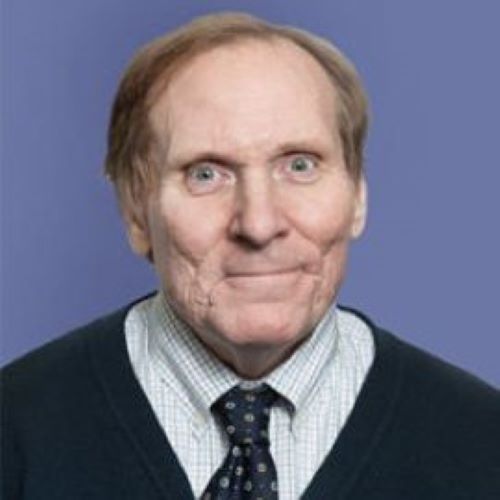
Thomas J. Murphy
is an attorney located in the Ahwatukee area of Phoenix. His practice emphasizes estate planning, elder law (including nursing home issues), all probate matters (including contested matters and guardianships), and tax controversies. Mr. Murphy has regularly appeared before the Arizona Court of Appeals, litigating many of the cutting-edge appellate cases in probate law. He has successfully litigated cases in the U.S. Tax Court, Arizona Tax Court and the Arizona Board of Tax Appeals. Mr. Murphy is a member of the National Academy of Elder Law Attorneys, State Bar of Arizona (Tax Law, Probate and Trust Law, Mental Health and Elder Law sections), and Arizona Medicaid Planning Council. He serves on the Advisory Board of the Phoenix Tax Workshop and the Editorial Board of NAELA News. Mr. Murphy graduated from Tufts University, with honors, and earned his J.D. degree from Suffolk University Law School.
Speaker bio
M. Geoffrey G. Jones
is managing partner in the Everett firm of Newton Kight LLP. He has a general practice, concentrating primarily in the areas of elder law and guardianships. Mr. Jones' practice emphasizes probate, guardianship and estate planning, and other areas relating to elder law. He previously worked as an assistant attorney general for the Washington State Attorney General's Office in Olympia, where he represented several state agencies in civil matters, including the Department of Employment Security, Department of General Administration and Department of Information Systems. Mr. Jones is a member of the Washington State Bar Association. He earned his B.A. degree from The Evergreen State College and his J.D. degree from the University of Oregon.
Speaker bio
Zachary W. Derr
is the founder and managing member of Foxhall Legal, LC. As an elder law attorney, he is accredited by the Department of Veterans Affairs and a Certified Medicaid Planner. During law school, Mr. Derr worked for the U.S. Securities and Exchange Commission and the U.S. Department of Justice. He served on the Alternative Dispute Resolution Skills Board and was vice president of the J. Reuben Clark Law Society. Mr. Derr is licensed to practice in Utah and before the U.S. District Court of Utah. He is a member of the Utah State Bar. Mr. Derr earned his B.A. degree from Brigham Young University and his J.D. degree from George Washington University in Washington, D.C.
TOP FAQs
Have more questions? Please Contact Us