

Accounting 101 for Attorneys
Credits Available
| Credit | Status | Total | Until |
|---|---|---|---|
| Alaska CLE |
|
6 Total | 12-11-2027 |
| Alabama CLE |
|
6 Total | 12-31-2026 |
| Arkansas CLE |
|
6 Total | 06-30-2027 |
| Arizona CLE |
|
6 Total | 12-11-2027 |
| California CLE |
|
6 Total | 12-11-2027 |
| Colorado CLE |
|
7 Total | 12-31-2027 |
| Connecticut CLE |
|
6 Total | 12-11-2027 |
| Delaware CLE |
|
6 Total | 12-11-2027 |
| Florida CLE |
|
7 Total | 06-30-2027 |
| Georgia CLE |
|
6 Total | 12-31-2027 |
| Hawaii CLE |
|
6 Total | 12-11-2027 |
| Iowa CLE |
|
6 Total | 12-11-2026 |
| Idaho CLE |
|
6 Total | 12-11-2030 |
| Illinois CLE |
|
6 Total | 12-10-2027 |
| Indiana CLE |
|
6 Total | 12-11-2026 |
| Kansas CLE |
|
7 Total | 12-10-2026 |
| Kentucky CLE |
|
6 Total | 06-30-2027 |
| Louisiana CLE |
|
6 Total | 12-11-2026 |
| Maine CLE |
|
6 Total | 12-10-2027 |
| Minnesota CLE |
|
6 Total | 12-11-2027 |
| Missouri CLE |
|
6 Total | 12-11-2027 |
| Northern Mariana Islands CLE |
|
6 Total | 12-11-2027 |
| Mississippi CLE |
|
6 Total | 07-31-2027 |
| Montana CLE |
|
6 Total | 12-11-2028 |
| North Carolina CLE |
|
6 Total | 02-28-2027 |
| North Dakota CLE |
|
6 Total | 12-11-2028 |
| Nebraska CLE |
|
6 Total | 12-11-2027 |
| New Hampshire CLE |
|
6 Total | 12-11-2028 |
| New Mexico CLE |
|
6 Total | 12-11-2027 |
| Nevada CLE |
|
6 Total | 12-11-2028 |
| New York CLE |
|
7 Total | 12-11-2028 |
| Ohio CLE |
|
6 Total | 12-31-2026 |
| Oklahoma CLE |
|
7 Total | 12-11-2027 |
| Oregon CLE |
|
6 Total | 12-11-2028 |
| Pennsylvania CLE |
|
6 Total | 12-11-2027 |
| South Carolina CLE |
|
6 Total | 12-31-2026 |
| Tennessee CLE |
|
6 Total | 12-10-2027 |
| Texas CLE |
|
6 Total | 11-30-2026 |
| Utah CLE |
|
6 Total | 12-31-2026 |
| Virginia CLE |
|
6 Total | 10-31-2026 |
| Vermont CLE |
|
6 Total | 12-11-2027 |
| Washington CLE |
|
6 Total | 12-10-2030 |
| Wisconsin CLE |
|
7 Total | 12-31-2026 |
| West Virginia CLE |
|
7.2 Total | 12-11-2027 |


Buy This Course
OnDemand Video
Course Book Download
Overview
Gain a Practical Understanding of Accounting and its Relevance for Transaction, Litigation, and Management Attorneys
Do you understand basic accounting terms, ratios, and statements? Can you apply this knowledge to create a clear understanding of the overall financial picture? It is imperative that attorneys are able to develop a working understanding and analytical framework of accounting terminology to strengthen their background and avoid unintentional accounting errors. This course will teach you the basics of accounting so you can be knowledgeable when reviewing statements and identifying red flags. Don't put yourself at risk - register today!
- Build your understanding of financial statements: gain perspective on calculating important ratios and how they're interconnected.
- Recognize potential red flags: hone your error detection skills with help from seasoned experts.
- Interpret income statements and cash flow to accurately determine profitability and liquidity.
- Develop an accounting vocabulary to ensure clear communication with financial professionals.
- Get a primer in accounting standards and fundamental principles to understand the "lay of the land" for financials.
- Understand how accounting documents vary depending on the business's entity structure.
- Learn how forensic accounting methods are used for finding hidden assets in divorce.
- Mitigate your liability when dealing with financial statements and accounting documentation.
Abbreviated Agenda
- Understanding Basic Accounting Concepts and Reading Financial Statements
- Analyzing Financial Statements: Calculating and Interpreting the Numbers
- Accounting and Tax Return Analysis for Different Entities
- Law Office Accounting and Management
- Dealing With the IRS
- Identifying Fraud and Forensic Accounting
- Complying With Ethical Standards
- Using Accounting and Financial Records as Evidence
Credit Details
Credits Available
| Credit | Status | Total | Until |
|---|---|---|---|
| Alaska CLE |
|
6 Total | 12-11-2027 |
| Alabama CLE |
|
6 Total | 12-31-2026 |
| Arkansas CLE |
|
6 Total | 06-30-2027 |
| Arizona CLE |
|
6 Total | 12-11-2027 |
| California CLE |
|
6 Total | 12-11-2027 |
| Colorado CLE |
|
7 Total | 12-31-2027 |
| Connecticut CLE |
|
6 Total | 12-11-2027 |
| Delaware CLE |
|
6 Total | 12-11-2027 |
| Florida CLE |
|
7 Total | 06-30-2027 |
| Georgia CLE |
|
6 Total | 12-31-2027 |
| Hawaii CLE |
|
6 Total | 12-11-2027 |
| Iowa CLE |
|
6 Total | 12-11-2026 |
| Idaho CLE |
|
6 Total | 12-11-2030 |
| Illinois CLE |
|
6 Total | 12-10-2027 |
| Indiana CLE |
|
6 Total | 12-11-2026 |
| Kansas CLE |
|
7 Total | 12-10-2026 |
| Kentucky CLE |
|
6 Total | 06-30-2027 |
| Louisiana CLE |
|
6 Total | 12-11-2026 |
| Maine CLE |
|
6 Total | 12-10-2027 |
| Minnesota CLE |
|
6 Total | 12-11-2027 |
| Missouri CLE |
|
6 Total | 12-11-2027 |
| Northern Mariana Islands CLE |
|
6 Total | 12-11-2027 |
| Mississippi CLE |
|
6 Total | 07-31-2027 |
| Montana CLE |
|
6 Total | 12-11-2028 |
| North Carolina CLE |
|
6 Total | 02-28-2027 |
| North Dakota CLE |
|
6 Total | 12-11-2028 |
| Nebraska CLE |
|
6 Total | 12-11-2027 |
| New Hampshire CLE |
|
6 Total | 12-11-2028 |
| New Mexico CLE |
|
6 Total | 12-11-2027 |
| Nevada CLE |
|
6 Total | 12-11-2028 |
| New York CLE |
|
7 Total | 12-11-2028 |
| Ohio CLE |
|
6 Total | 12-31-2026 |
| Oklahoma CLE |
|
7 Total | 12-11-2027 |
| Oregon CLE |
|
6 Total | 12-11-2028 |
| Pennsylvania CLE |
|
6 Total | 12-11-2027 |
| South Carolina CLE |
|
6 Total | 12-31-2026 |
| Tennessee CLE |
|
6 Total | 12-10-2027 |
| Texas CLE |
|
6 Total | 11-30-2026 |
| Utah CLE |
|
6 Total | 12-31-2026 |
| Virginia CLE |
|
6 Total | 10-31-2026 |
| Vermont CLE |
|
6 Total | 12-11-2027 |
| Washington CLE |
|
6 Total | 12-10-2030 |
| Wisconsin CLE |
|
7 Total | 12-31-2026 |
| West Virginia CLE |
|
7.2 Total | 12-11-2027 |
Credit Details by Jurisdiction
OnDemand Video
CLE
Credits
Alaska CLE Reciprocity · 6 Total Credits
- 1 MECLE Ethics
Earn Until
OnDemand - Alaska CLE - 6: Alaska Bar members may claim credit for attending CLE programs that have been accredited by other mandatory CLE jurisdictions. This program qualifies for 6.0 hours of credit, which includes 5.0 hours of MCLE credit and 1.0 hour of MECLE credit.
Video Download - Alaska CLE - 6: Alaska Bar members may claim credit for attending CLE programs that have been accredited by other mandatory CLE jurisdictions. This program qualifies for 6.0 hours of credit, which includes 5.0 hours of MCLE credit and 1.0 hour of MECLE credit.
Alabama CLE Approved · 6 Total Credits
- 1 Ethics/Professionalism
Earn Until
OnDemand - Alabama CLE - 6: This course or a portion thereof has been approved by the Alabama State Bar Mandatory Continuing Legal Education Commission for a maximum of 6.0 on-demand credit hours, including 1.0 ethics/professionalism credit.
Arkansas CLE Approved · 6 Total Credits
- 1 Ethics
Earn Until
OnDemand - Arkansas CLE - 6: NBI, Inc. is an accredited sponsor in the state of Arkansas. This program qualifies for 6.0 hours of on demand continuing legal education credit, including 1.0 hour of ethics, consistent with the rules and regulations of the Arkansas Supreme Court of Professional Programs.
Video Download - Arkansas CLE - 6: NBI, Inc. is an accredited sponsor in the state of Arkansas. This program qualifies for 6.0 hours of on demand continuing legal education credit, including 1.0 hour of ethics, consistent with the rules and regulations of the Arkansas Supreme Court of Professional Programs.
Arizona CLE Approved · 6 Total Credits
- 1 Professional Responsibility
Earn Until
OnDemand - Arizona CLE - 6: The State Bar of Arizona does not approve or accredit CLE activities for the Mandatory Continuing Legal Education requirement. This activity qualifies for 6.0 hours toward your annual CLE requirement for the State of Arizona, including 1.0 hour of professional responsibility.
Video Download - Arizona CLE - 6: The State Bar of Arizona does not approve or accredit CLE activities for the Mandatory Continuing Legal Education requirement. This activity qualifies for 6.0 hours toward your annual CLE requirement for the State of Arizona, including 1.0 hour of professional responsibility.
California CLE Approved · 6 Total Credits
- 1 Legal Ethics
Earn Until
OnDemand - California CLE - 6: This activity has been approved for Minimum Continuing Legal Education credit by the State Bar of California and qualifies for 6.0 hours of participatory credit, of which 1.0 hour will apply to legal ethics credit. NBI, Inc. certifies this activity conforms to the standards for approved education activities prescribed by the rules and regulations of the State Bar of California governing minimum continuing legal education. NBI, Inc. is a State Bar of California approved MCLE provider - #53.
Video Download - California CLE - 6: This activity has been approved for Minimum Continuing Legal Education credit by the State Bar of California and qualifies for 6.0 hours of self-study credit, of which 1.0 hour will apply to legal ethics credit. NBI, Inc. certifies this activity conforms to the standards for approved education activities prescribed by the rules and regulations of the State Bar of California governing minimum continuing legal education. NBI, Inc. is a State Bar of California approved MCLE provider - #53.
Colorado CLE Approved · 7 Total Credits
- 1.2 Professional Responsibility
Earn Until
OnDemand - Colorado CLE - 7: NBI, Inc. is a Certified Provider, as recognized by the Colorado Supreme Court Continuing Legal and Judicial Education Committee. This program qualifies for 7.0 hours of home study general Colorado Continuing Legal Education Credit, including 1.20 professional responsibility credit.
Video Download - Colorado CLE - 7: NBI, Inc. is a Certified Provider, as recognized by the Colorado Supreme Court Continuing Legal and Judicial Education Committee. This program qualifies for 7.0 hours of home study general Colorado Continuing Legal Education Credit, including 1.20 professional responsibility credit.
Connecticut CLE Approved · 6 Total Credits
- 1 Ethics/Professionalism
Earn Until
OnDemand - Connecticut CLE - 6: Neither the Connecticut Judicial Branch nor the Commission on Minimum Continuing Legal Education approve or accredit CLE providers or activities. It is the opinion of NBI, Inc. that this activity qualifies for 6.0 self-study hours toward your annual CLE requirement in Connecticut, including 1.0 self-study hour(s) of ethics/professionalism.
Video Download - Connecticut CLE - 6: Neither the Connecticut Judicial Branch nor the Commission on Minimum Continuing Legal Education approve or accredit CLE providers or activities. It is the opinion of NBI, Inc. that this activity qualifies for 6.0 self-study hours toward your annual CLE requirement in Connecticut, including 1.0 self-study hour(s) of ethics/professionalism.
Delaware CLE Approved · 6 Total Credits
- 1 Ethics
Earn Until
OnDemand - Delaware CLE - 6: NBI, Inc. is an accredited sponsor of the Delaware Commission on Continuing Legal Education and recommends this program for 6.0 hours of eCLE credit, including 1.0 hour of ethics.
Florida CLE Approved · 7 Total Credits
- 1 Professional Responsibility
Earn Until
OnDemand - Florida CLE - 7: Approved by The Florida Bar, this program qualifies for 7.0 general hours of CLER self-study credit including 1.0 hour of self-study professional responsibility (may include legal ethics, professionalism, substance abuse or mental illness and wellness programs).
Video Download - Florida CLE - 7: Approved by The Florida Bar, this program qualifies for 7.0 general hours of CLER self-study credit including 1.0 hour of self-study professional responsibility (may include legal ethics, professionalism, substance abuse or mental illness and wellness programs).
Georgia CLE Approved · 6 Total Credits
- 1 Ethics
Earn Until
OnDemand - Georgia CLE - 6: This program is approved by the Commission on Continuing Lawyer Competency of the State Bar of Georgia. This program qualifies for 6.0 hours of distance learning continuing legal education credit with the Georgia Commission on Continuing Lawyer Competency, which includes 1.0 hour of distance learning ethics.
Video Download - Georgia CLE - 6: This program is approved by the Commission on Continuing Lawyer Competency of the State Bar of Georgia. This program qualifies for 6.0 hours of distance learning continuing legal education credit with the Georgia Commission on Continuing Lawyer Competency, which includes 1.0 hour of distance learning ethics.
Hawaii CLE Approved · 6 Total Credits
- 1 Ethics/Professional Responsibility
Earn Until
OnDemand - Hawaii CLE - 6: NBI, Inc. is an Accredited Provider with the Hawaii State Board of Continuing Legal Education. This alternative format activity has been approved for 6.0 hours of credit for the state of Hawaii, which includes 1.0 hour of ethics or professional responsibility education.
Video Download - Hawaii CLE - 6: NBI, Inc. is an Accredited Provider with the Hawaii State Board of Continuing Legal Education. This alternative format activity has been approved for 6.0 hours of credit for the state of Hawaii, which includes 1.0 hour of ethics or professional responsibility education.
Iowa CLE Approved · 6 Total Credits
- 1 Legal Ethics
Earn Until
OnDemand - Iowa CLE - 6: "Accounting 101 for Attorneys" is an accredited program under the regulations of the Iowa Supreme Court Commission on Continuing Legal Education. It is planned that this program will provide a maximum of 6.0 hours of unmoderated activity credit toward the mandatory continuing legal education requirements under the Iowa rule, including 1.0 hour of legal ethics unmoderated activity credit.
Idaho CLE Approved · 6 Total Credits
- 1 Legal Ethics/Professional Responsibility
Earn Until
OnDemand - Idaho CLE - 6: Approved for 6.0 hours of self-study continuing legal education credit in the state of Idaho, which includes 1.0 self-study legal ethics or professional responsibility credit.
Video Download - Idaho CLE - 6: Approved for 6.0 hours of self-study continuing legal education credit in the state of Idaho, which includes 1.0 self-study legal ethics or professional responsibility credit.
Illinois CLE Approved · 6 Total Credits
- 1 Professional Responsibility
Earn Until
OnDemand - Illinois CLE - 6: This program has been approved by the Illinois MCLE Board for 6.0 hours of recorded technology CLE credit, which includes approval for 1.0 hour of legal ethics, civility, professionalism or sexual harassment prevention training CLE credit by the Illinois Supreme Court Commission on Professionalism.
Video Download - Illinois CLE - 6: This program has been approved by the Illinois MCLE Board for 6.0 hours of recorded technology CLE credit, which includes approval for 1.0 hour of legal ethics, civility, professionalism or sexual harassment prevention training CLE credit by the Illinois Supreme Court Commission on Professionalism.
Indiana CLE Approved · 6 Total Credits
- 1 Ethics
Earn Until
OnDemand - Indiana CLE - 6: This course has been approved by the Indiana Supreme Court Office of Admissions & Continuing Education. Participating attorneys are eligible to receive 6.0 hours of distance education, which includes 1.0 hour of ethics.
Kansas CLE Approved · 7 Total Credits
- 1 Ethics/Professionalism
Earn Until
OnDemand - Kansas CLE - 7: Approved by Kansas CLE for 7.0 hours of prerecorded format continuing legal education credit, which includes 1.0 hour of ethics and professionalism credit.
Video Download - Kansas CLE - 7: Approved by Kansas CLE for 7.0 hours of prerecorded format continuing legal education credit, which includes 1.0 hour of ethics and professionalism credit.
Kentucky CLE Approved · 6 Total Credits
- 1 Ethics
Earn Until
OnDemand - Kentucky CLE - 6: This program has been approved as a technological CLE activity by the Kentucky Bar Association Continuing Legal Education Commission and qualifies for 6.0 credits, including 1.0 ethics credits.
Video Download - Kentucky CLE - 6: This program has been approved as a technological CLE activity by the Kentucky Bar Association Continuing Legal Education Commission and qualifies for 6.0 credits, including 1.0 ethics credits.
Louisiana CLE Approved · 6 Total Credits
- 1 Ethics
Earn Until
OnDemand - Louisiana CLE - 6: This course or a portion thereof has been approved by the Louisiana Mandatory Continuing Legal Education Committee of the Louisiana State Bar Association. This program qualifies for 6.0 hours (based on a 60-minute credit hour) of computer based credit, of which 1.0 hour will apply to computer based ethics credit.
Maine CLE Approved · 6 Total Credits
Earn Until
OnDemand - Maine CLE - 6: This course has been approved by the State of Maine Board of Overseers of the Bar. Lawyers who complete this course will receive 6.0 hours of self-study CLE credit
Video Download - Maine CLE - 6: This course has been approved by the State of Maine Board of Overseers of the Bar. Lawyers who complete this course will receive 6.0 hours of self-study CLE credit
Course Book - Maine CLE - 6: This course has been approved by the State of Maine Board of Overseers of the Bar. Lawyers who complete this course will receive 6.0 hours of self-study CLE credit
Minnesota CLE Approved · 6 Total Credits
- 1 Ethics
Earn Until
OnDemand - Minnesota CLE - 6: Approved for 6.0 hours of standard on-demand CLE credit, including 1.0 hour of ethics credit by the Minnesota Board of Continuing Legal Education.
Video Download - Minnesota CLE - 6: Approved for 6.0 hours of standard on-demand CLE credit, including 1.0 hour of ethics credit by the Minnesota Board of Continuing Legal Education.
Missouri CLE Approved · 6 Total Credits
Earn Until
OnDemand - Missouri CLE - 6: NBI, Inc. is an accredited sponsor with Missouri Minimum Continuing Legal Education. This program qualifies for 6.0 self-study CLE credit hours.
Video Download - Missouri CLE - 6: NBI, Inc. is an accredited sponsor with Missouri Minimum Continuing Legal Education. This program qualifies for 6.0 self-study CLE credit hours.
Course Book - Missouri CLE - 6: NBI, Inc. is an accredited sponsor with Missouri Minimum Continuing Legal Education. This program qualifies for 6.0 self-study CLE credit hours.
Northern Mariana Islands CLE Approved · 6 Total Credits
Earn Until
OnDemand - Northern Mariana Islands CLE - 6: This course has been approved by the Commonwealth of the Northern Mariana Islands. Lawyers who complete this course shall receive 6.0 hours of self-study CLE credit.
Video Download - Northern Mariana Islands CLE - 6: This course has been approved by the Commonwealth of the Northern Mariana Islands. Lawyers who complete this course shall receive 6.0 hours of self-study CLE credit.
Course Book - Northern Mariana Islands CLE - 6: This course has been approved by the Commonwealth of the Northern Mariana Islands. Lawyers who complete this course shall receive 6.0 hours of self-study CLE credit.
Mississippi CLE Approved · 6 Total Credits
- 1 Ethics/Professionalism
Earn Until
OnDemand - Mississippi CLE - 6: This course has been approved by the Mississippi Commission on Continuing Legal Education for a maximum of 6.0 hours of Online credit, which includes 1.0 hour of ethics/ professionalism.
Montana CLE Approved · 6 Total Credits
- 1 Professional Fitness and Integrity
Earn Until
OnDemand - Montana CLE - 6: This program qualifies for 6.0 hours of self-study CLE credit by the Montana Commission of Continuing Legal Education, including 1.0 hour of professional fitness and integrity credit.
Video Download - Montana CLE - 6: This program qualifies for 6.0 hours of self-study CLE credit by the Montana Commission of Continuing Legal Education, including 1.0 hour of professional fitness and integrity credit.
North Carolina CLE Approved · 6 Total Credits
- 1 Professional Responsibility
Earn Until
OnDemand - North Carolina CLE - 6: NBI, Inc. is an accredited sponsor with the North Carolina State Board of Continuing Legal Education. Attendance of this program qualifies for 6.0 hours of online CLE credit, including 1.0 professional responsibility.
Video Download - North Carolina CLE - 6: NBI, Inc. is an accredited sponsor with the North Carolina State Board of Continuing Legal Education. Attendance of this program qualifies for 6.0 hours of online CLE credit, including 1.0 professional responsibility.
North Dakota CLE Approved · 6 Total Credits
- 1 Ethics
Earn Until
OnDemand - North Dakota CLE - 6: North Dakota attorneys completing this program may claim 6.0 North Dakota self-study CLE credit hours, including 1.0 hour of self-study ethics credit, on the Report of Compliance.
Video Download - North Dakota CLE - 6: North Dakota attorneys completing this program may claim 6.0 North Dakota self-study CLE credit hours, including 1.0 hour of self-study ethics credit, on the Report of Compliance.
Nebraska CLE Approved · 6 Total Credits
- 1 Professional Responsibility
Earn Until
OnDemand - Nebraska CLE - 6: NBI, Inc. is an accredited CLE sponsor in the state of Nebraska. This activity has been approved for 6.0 distance learning CLE credits, including 1.0 hour of professional responsibility credit.
Video Download - Nebraska CLE - 6: NBI, Inc. is an accredited CLE sponsor in the state of Nebraska. This activity has been approved for 6.0 distance learning CLE credits, including 1.0 hour of professional responsibility credit.
New Hampshire CLE Approved · 6 Total Credits
- 1 Ethics/Professionalism
Earn Until
OnDemand - New Hampshire CLE - 6: NHMCLE does not approve or accredit CLE activities for the NH Minimum CLE requirement. NBI, Inc. believes this course meets the requirements of NH Supreme Court Rule 53 toward the annual NHMCLE requirement.
Video Download - New Hampshire CLE - 6: NHMCLE does not approve or accredit CLE activities for the NH Minimum CLE requirement. NBI, Inc. believes this course meets the requirements of NH Supreme Court Rule 53 toward the annual NHMCLE requirement.
New Mexico CLE Approved · 6 Total Credits
- 1 Ethics
Earn Until
OnDemand - New Mexico CLE - 6: This program has been approved by the Board of Bar Commissioners of the State Bar of New Mexico. This program qualifies for 6.0 hours of self-study credit, including 1.0 hour of self-study ethics credit.
Video Download - New Mexico CLE - 6: This program has been approved by the Board of Bar Commissioners of the State Bar of New Mexico. This program qualifies for 6.0 hours of self-study credit, including 1.0 hour of self-study ethics credit.
Nevada CLE Approved · 6 Total Credits
- 1 Ethical Considerations
Earn Until
OnDemand - Nevada CLE - 6: This course has been approved by the Nevada Board of Continuing Legal Education. This program qualifies for 6.0 hours of alternative format CLE credits by the Nevada Board of Continuing Legal Education, which includes 1.0 hour of alternative format ethical considerations.
Video Download - Nevada CLE - 6: This course has been approved by the Nevada Board of Continuing Legal Education. This program qualifies for 6.0 hours of alternative format CLE credits by the Nevada Board of Continuing Legal Education, which includes 1.0 hour of alternative format ethical considerations.
New York CLE Approved · 7 Total Credits
- 6 Areas of Professional Practice
- 1 Ethics/Professionalism
Earn Until
OnDemand - New York CLE - 7: This nontraditional format course has been approved in accordance with the requirements of the New York State Continuing Legal Education Board for up to 7.0 credit hours. 6.0 hours can be applied to the areas of professional practice requirement and is approved for newly admitted attorneys. 1.0 hour can be applied toward the Ethics/Professionalism requirement and is approved for experienced attorneys. NBI, Inc. offers a Financial Hardship Policy for qualifying individuals. To apply, please submit a request via email to our Tuition Discount Committee at customerservice@nbi-sems.com.
Video Download - New York CLE - 7: This nontraditional format course has been approved in accordance with the requirements of the New York State Continuing Legal Education Board for up to 7.0 credit hours. 6.0 hours can be applied to the areas of professional practice requirement and is approved for newly admitted attorneys. 1.0 hour can be applied toward the Ethics/Professionalism requirement and is approved for experienced attorneys. NBI, Inc. offers a Financial Hardship Policy for qualifying individuals. To apply, please submit a request via email to our Tuition Discount Committee at customerservice@nbi-sems.com.
Ohio CLE Approved · 6 Total Credits
- 1 Professional Conduct
Earn Until
OnDemand - Ohio CLE - 6: This course has been approved by the Supreme Court of Ohio Commission on Continuing Legal Education for 6.0 self-study CLE credit hours, including 1.0 hour of attorney professional conduct instruction.
Video Download - Ohio CLE - 6: This course has been approved by the Supreme Court of Ohio Commission on Continuing Legal Education for 6.0 self-study CLE credit hours, including 1.0 hour of attorney professional conduct instruction.
Oklahoma CLE Approved · 7 Total Credits
- 1 Legal Ethics
Earn Until
OnDemand - Oklahoma CLE - 7: This course has been approved by the Oklahoma Bar Association Mandatory Continuing Legal Education Commission. This program qualifies for 7.0 of On Demand CLE credit hours, which includes 1.0 hour of legal ethics.
Video Download - Oklahoma CLE - 7: This course has been approved by the Oklahoma Bar Association Mandatory Continuing Legal Education Commission. This program qualifies for 7.0 of On Demand CLE credit hours, which includes 1.0 hour of legal ethics.
Oregon CLE Approved · 6 Total Credits
- 1 Ethics
Earn Until
OnDemand - Oregon CLE - 6: NBI, Inc. is an approved sponsor with the Oregon MCLE. This program qualifies for 5.0 hours of general continuing legal education credit and 1.0 hour of ethics credit.
Video Download - Oregon CLE - 6: NBI, Inc. is an approved sponsor with the Oregon MCLE. This program qualifies for 5.0 hours of general continuing legal education credit and 1.0 hour of ethics credit.
Pennsylvania CLE Approved · 6 Total Credits
- 1 Ethics
Earn Until
OnDemand - Pennsylvania CLE - 6: This program has been approved by the Pennsylvania Continuing Legal Education Board. This program qualifies for 6.0 hours of distance learning credit, including 5.0 hours of substantive law, practice and procedure CLE credit and 1.0 hour of ethics, professionalism or substance abuse distance learning CLE credit.
Video Download - Pennsylvania CLE - 6: This program has been approved by the Pennsylvania Continuing Legal Education Board. This program qualifies for 6.0 hours of distance learning credit, including 5.0 hours of substantive law, practice and procedure CLE credit and 1.0 hour of ethics, professionalism or substance abuse distance learning CLE credit.
South Carolina CLE Approved · 6 Total Credits
- 1 Legal Ethics/Professional Responsibility
Earn Until
OnDemand - South Carolina CLE - 6: This course is accredited by the South Carolina Commission on Continuing Legal Education and Specialization for 6.0 alternatively delivered hours, of which 1.0 hour relates to legal ethics and professional responsibility.
Tennessee CLE Approved · 6 Total Credits
- 1 Ethics/Professionalism
Earn Until
OnDemand - Tennessee CLE - 6: This course has been approved by the Tennessee Commission on Continuing Legal Education for a maximum of 6.0 hours of Distance Learning credit, including 1.0 hour of ethics/professionalism (EP) credit.
Texas CLE Approved · 6 Total Credits
- 1 Legal Ethics/Professional Responsibility
Earn Until
OnDemand - Texas CLE - 6: This course is accredited for Minimum Continuing Legal Education credit by the State Bar of Texas Committee on MCLE in the amount of 6.0 credit hours, of which 1.0 credit hour will apply to legal ethics/professional responsibility credit. Hours in attendance at National Business Institute CLE seminars may be applied to the minimum Judicial Education requirement.
Video Download - Texas CLE - 6: This course is accredited for Minimum Continuing Legal Education credit by the State Bar of Texas Committee on MCLE in the amount of 6.0 credit hours, of which 1.0 credit hour will apply to legal ethics/professional responsibility credit. Hours in attendance at National Business Institute CLE seminars may be applied to the minimum Judicial Education requirement.
Utah CLE Approved · 6 Total Credits
- 1 Ethics
Earn Until
OnDemand - Utah CLE - 6: National Business Institute is an approved "presumptive provider" with the Utah State Board of Continuing Legal Education. This program qualifies for 6.0 hours of self-study CLE credit for Utah attorneys, which includes 1.0 hour of ethics credit.
Video Download - Utah CLE - 6: National Business Institute is an approved "presumptive provider" with the Utah State Board of Continuing Legal Education. This program qualifies for 6.0 hours of self-study CLE credit for Utah attorneys, which includes 1.0 hour of ethics credit.
Virginia CLE Approved · 6 Total Credits
- 1 Ethics/Professionalism
Earn Until
OnDemand - Virginia CLE - 6: This course has been approved by the Virginia Mandatory Continuing Legal Education Board for 6.0 hours of prerecorded credit, of which 1.0 hour will also apply in the area of legal ethics or professionalism.
Video Download - Virginia CLE - 6: This course has been approved by the Virginia Mandatory Continuing Legal Education Board for 6.0 hours of prerecorded credit, of which 1.0 hour will also apply in the area of legal ethics or professionalism.
Vermont CLE Approved · 6 Total Credits
- 1 Ethics
Earn Until
OnDemand - Vermont CLE - 6: This course has been approved by the Vermont Board of Mandatory Continuing Legal Education. This program qualifies for 6.0 hours of self-study credit, including 1.0 hour of self-study ethics credit.
Video Download - Vermont CLE - 6: This course has been approved by the Vermont Board of Mandatory Continuing Legal Education. This program qualifies for 6.0 hours of self-study credit, including 1.0 hour of self-study ethics credit.
Washington CLE Approved · 6 Total Credits
- 1 Ethics/Professional Responsibility
Earn Until
OnDemand - Washington CLE - 6: This program qualifies for 6.0 hours of Washington continuing legal education (Self Study) A/V credit, which includes 5.0 hours of Law and Legal Procedure and 1.0 hour of ethics and professional responsibility.
Video Download - Washington CLE - 6: This program qualifies for 6.0 hours of Washington continuing legal education (Self Study) A/V credit, which includes 5.0 hours of Law and Legal Procedure and 1.0 hour of ethics and professional responsibility.
Wisconsin CLE Approved · 7 Total Credits
Earn Until
OnDemand - Wisconsin CLE - 7: Approved for 7.0 hours of repeated on-demand CLE credit by the Board of Bar Examiners.
Video Download - Wisconsin CLE - 7: Approved for 7.0 hours of repeated on-demand CLE credit by the Board of Bar Examiners.
West Virginia CLE Approved · 7.2 Total Credits
- 1.2 Ethics
Earn Until
OnDemand - West Virginia CLE - 7.2: This program qualifies for 7.20 hours of pre-recorded credit, which includes 1.20 hour of pre-recorded ethics credit, under the West Virginia Rules for Mandatory Continuing Legal Education.
Video Download - West Virginia CLE - 7.2: This program qualifies for 7.20 hours of pre-recorded credit, which includes 1.20 hour of pre-recorded ethics credit, under the West Virginia Rules for Mandatory Continuing Legal Education.
Course Book (PDF Download)
CLE
Credits
Maine CLE Approved · 6 Total Credits
Earn Until
Course Book - Maine CLE - 6: This course has been approved by the State of Maine Board of Overseers of the Bar. Lawyers who complete this course will receive 6.0 hours of self-study CLE credit
Missouri CLE Approved · 6 Total Credits
Earn Until
Course Book - Missouri CLE - 6: NBI, Inc. is an accredited sponsor with Missouri Minimum Continuing Legal Education. This program qualifies for 6.0 self-study CLE credit hours.
Northern Mariana Islands CLE Approved · 6 Total Credits
Earn Until
Course Book - Northern Mariana Islands CLE - 6: This course has been approved by the Commonwealth of the Northern Mariana Islands. Lawyers who complete this course shall receive 6.0 hours of self-study CLE credit.
Select Jurisdiction
CLE
Agenda
-
Understanding Basic Accounting Concepts and Reading Financial Statements
- Comprehending Accounting Terms
- How to Read Financial Statements
- Balance Sheet
- Income Statement
- Statement of Cash Flows
- Relationship Between Statements
- Understanding GAAP and Other Accounting Styles
-
Analyzing Financial Statements: Calculating and Interpreting the Numbers
- Liquidity Analysis
- Profitability Analysis
- Activity Analysis
- Capital Structure
- Capital Market
-
Accounting and Tax Return Analysis for Different Entities
- Sole Proprietorships
- C-Corporations
- S-Corporations
- Partnerships
- Limited Liability Companies
-
Law Office Accounting and Management
- General Features
- Accounting Problems
- Financing Problems
- Basic Chart of Accounts
- Tax Issues
-
Dealing With the IRS
- An Overview of the IRS Examination Process
- Different Types of Audits
- Audits of Individual Returns
- Audits of Business Returns
- Audits of Other Returns
- Preparing for an Audit: An Organized Approach
- Collection Procedures
-
Identifying Fraud and Forensic Accounting
- Detecting Red Flags
- Preventing Attorney Liability
- Understanding the Difference in Prepared Financial Statements
- Fraud Detection and Prevention
- The Fraud Triangle
- Types of Fraud
- Steps in Conducting a Fraud Investigation
- Internal Controls
- Divorce: Hidden Income Analysis
- Expenditure Method
- Net Worth Method
- Bank Deposit Method
-
Complying With Ethical Standards
- Confidentiality
- Attorney-Client Privilege
- Work Product Doctrine
- Protecting Confidentiality, Privilege, and Work Product Doctrine When Working With Accountants and Tax Advisors
- Conflicts of Interest
- Reporting Professional Misconduct
-
Using Accounting and Financial Records as Evidence
- Obtaining Vital Documents
- Introducing Financials at Trial
- Evidentiary Pitfalls
- Identifying Potential Experts
- Preparing an Accountant for Trial
Who Should Attend
This program will provide attorneys with a comprehensive overview and offer a practical understanding of financial records and accounting methods. It will also benefit business owners, law office administrators, accountants, bankers/loan officers, and paralegals.
Speakers
Speaker bio
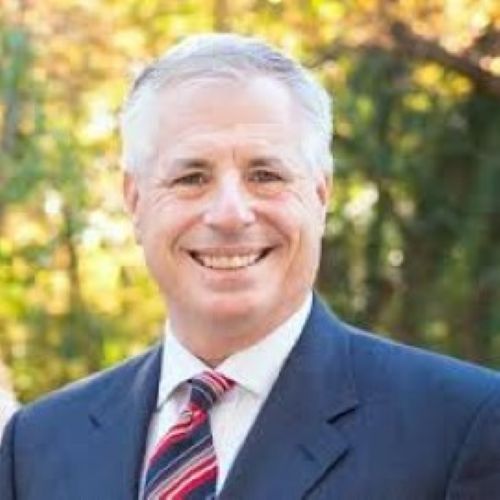
Mark S. Cherry
is a self-employed attorney and certified public accountant in a general practice law firm in Cherry Hill, New Jersey. His firm has extensive experience in foreclosure prevention, real estate, tax law, and bankruptcy law. Mr. Cherry is admitted to practice in New Jersey, Pennsylvania, federal district courts, bankruptcy court, Federal Court of Appeals, and U.S. Tax Court. He is also qualified as a Certified Valuation Analyst (CVA) in business valuation and a Master Analyst in Financial Forensics (MAFF). Mr. Cherry is a member of the American Institute of Certified Public Accountants (AICPA) and American Association of Attorney-Certified Public Accountants (AAA-CPA). He earned his J.D. degree from the Delaware Law School of Widener University and his B.B.A. degree from Temple University (Moot Court Honor Society).
Speaker bio
Robert E. Bollengier
is a sole practitioner with Robert E. Bollengier Law Offices in Warwick, Rhode Island. His practice areas include federal and state taxation, probate, estate planning, wills, trusts, and corporate and business law. Mr. Bollengier has been a visiting instructor for Bryant University and Providence College. He earned his B.S. degree, magna cum laude, from Boston College. Mr. Bollengier simultaneously earned his J.D. degree with his M.B.A. degree, highest honors, from St. Louis University; and his LL.M. degree, cum laude, from Boston University. In addition, he earned a Certificate of Advanced Graduate Studies in estate planning from Bryant University and is currently working towards his CFP®, ChFC and CLU designations. Mr. Bollengier is a member of the Rhode Island Bar Association and a past member of the Rhode Island Society of Certified Public Accountants.
Speaker bio
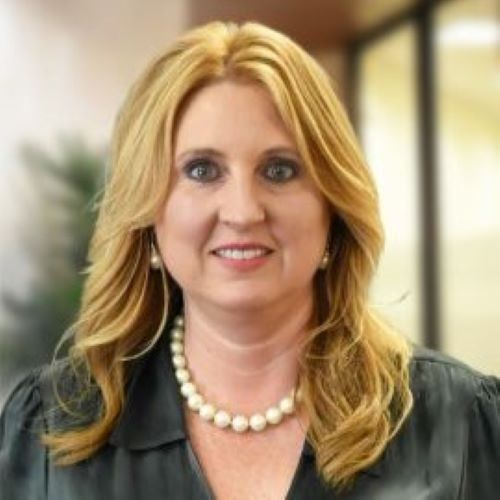
Michele Avery
is a partner with Carr, Riggs & Ingram CPAs and Advisors. Her experience includes business valuations for sales transactions, management buy-ins and buyouts, marital dissolution proceedings, shareholder disputes, buy/sell agreements, and estate and gift matters. In addition to her valuation practice, Ms. Avery also provides expert reports for litigation proceedings that are concerned with lost profits, shareholder disputes, marital dissolution proceedings and insurance claims. She is a member of the American Institute of Certified Public Accountants, Society of Louisiana Certified Public Accountants, National Association of Certified Valuation Analysts, Business Valuation and Litigation Services Committee of Louisiana CPA Society, Estate and Financial Planning Committee of Louisiana CPA Society, North Shore Estate and Financial Planning Society, and North Shore Chapter of the Louisiana CPA Society. Ms. Avery has written and lectured extensively on the topic of business valuation. She earned her B.A. degree from the University of Wisconsin and her M.B.A. degree from Louisiana State University. Ms. Avery has more than 20 years of business valuation and forensic accounting experience.
Speaker bio
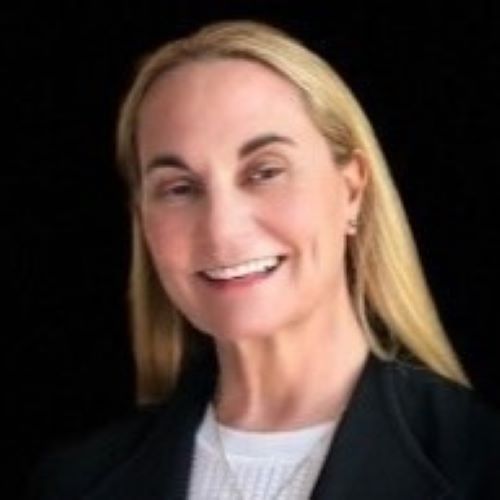
Janathan L. Allen
is a partner with Allen Barron, Inc., an estate planning and financial advisory firm located in San Diego. She is also senior partner at Janathan L. Allen, APC. Ms. Allen has an extensive international tax, accounting, finance and legal background, and has worked with a diverse group of businesses advising clients in legal, financial and tax arenas. She began her career in the public accounting arena and then moved into the private sector as tax director for a biotech firm, Hybritech, Inc. Ms. Allen progressed to controller and CFO/legal counsel positions for a number of San Diego companies before becoming a partner at Allen Barron, Inc. and founding Janathan L. Allen, APC. Ms. Allen earned her B.S. degree from the University of Montana; her M.B.A. degree from the University of San Diego; her LL.M. degree from the University of San Diego School of Law, San Diego, California; and her J.D. degree from Southwestern University School of Law, Los Angeles, California.
Speaker bio
John M. Samberg
is a partner based in the firm's Reno office. He holds a Martindale-Hubbell AV rating, and is a member of the Bars of California, Nevada, and England and Wales. Mr. Samberg actively practices in both California and Nevada. In over forty years of lawyering, he has handled commercial, construction, and bankruptcy litigation, real estate disputes, creditor's rights, and tort cases in state, federal and bankruptcy courts across the country. Mr. Samberg has extensive experience handling automobile, motorcycle, train, and trucking personal injury and wrongful death matters. His commercial litigation practice includes complex commercial collections, as well as Chapter 11 and Chapter 7 adversary actions. Mr. Samberg's real estate litigation experience encompasses transactional disputes, as well as both commercial and residential construction defect claims. His arbitration, mediation, bench, and jury trial experience includes major injury, wrongful death, bankruptcy, and commercial litigation cases. From 1985 through 2007, Mr. Samberg was a founding member of a boutique civil litigation and trial practice in Los Angeles, handling commercial litigation and major injury/wrongful death cases. He was responsible for negotiating and documenting major customer contracts, regulatory and trade license compliance, credit and mechanic's lien counsel in major cases, and management of outside counsel. Before entering the practice of law, Mr. Samberg was a licensed private investigator. That background and training has proven invaluable in his litigation and trial practice. Mr. Samberg earned his undergraduate degree from UCLA, and is a magna cum laude graduate of Southwestern University School of Law. As a Dean's Scholar, among other honors and achievements, he earned numerous American Jurisprudence Awards, and two national moot court championships. Upon graduating fourth in his class, Mr. Samberg received the ABOTA Award for Excellence in Preparation for Trial Practice of Law (sole recipient from the graduating class), and admission to the National Chapter of the Order of Barristers. He is a strong proponent of pro bono service, and is a frequent speaker at educational seminars. In his spare time Mr. Samberg enjoys many outdoor activities, including off and on road motorcycling, and bicycling. He is also a NAUI divemaster emeritus.
TOP FAQs
Have more questions? Please Contact Us