

Protecting Assets While Qualifying for Medicaid in California
Credits Available
| Credit | Status | Total | Until |
|---|---|---|---|
| California CLE |
|
6 Total | 02-25-2028 |

Buy This Course
OnDemand Video
Course Book Download
Overview
Get the Latest on Medicaid Application and Asset Planning Tactics
Middle class Americans seeking asset protection cannot afford to ignore the potentially devastating costs of nursing home and other long-term care. Nursing homes are among the most common and largest creditors an average American is likely to face in his or her lifetime, but only about 10% of the population has long-term care insurance. For the other 90%, Medicaid is the primary source of payment, so a basic understanding of the Medicaid asset protection process is vital for all professionals who work with seniors and their families. This course will provide an overview of asset protection concepts and strategies that elder law attorneys can use to legally and ethically protect assets while facilitating earlier Medicaid eligibility; and a set of crisis-management tools to prevent and correct inadvertent loss of benefits. Register today!
- Learn what the income eligibility requirements are when applying for Medicaid.
- Protect your clients' interests by knowing what's exempt and what's not.
- Employ the most practical and effective asset transfer methods to comply with the spend-down requirement.
- Explore crisis planning methods to restore Medicaid benefits as quickly as possible.
- Guide clients through the Medicaid qualification process by knowing what's involved.
Abbreviated Agenda
- Trust-Based Medicaid Planning in Detail
- Applying for Medicaid - The Four Eligibility Requirements
- Pre-Need Asset Planning
- Crisis Planning and Assistance
- Using Special Needs Trusts - Sample Trust Review
- Applied Legal Ethics
Credit Details
Credits Available
| Credit | Status | Total | Until |
|---|---|---|---|
| California CLE |
|
6 Total | 02-25-2028 |
Select Jurisdiction
CLE
Agenda
-
Trust-Based Medicaid Planning in Detail
- Choosing the Assets for Funding the Trusts
- Key Provisions and Sample Trust Language
- Self-Settled Trusts and Their Impact on Eligibility
- Using Income-Only Trusts
- Purpose of Using IOTs
- Principal Distribution Provision
- Taxation of IOTs
- Income Taxation and Tax Reporting
- Gift Tax and Reporting
-
Applying for Medicaid - The Four Eligibility Requirements
- Medical Eligibility: The Needs Assessment
- Resource Eligibility: Exempt vs. Countable Assets
- Income Eligibility
- Transfer Eligibility
- The Lookback Periods
- Transfers and Penalty Periods
- Transfer Penalty
- Penalty Beginning Date
- Partial Months of Ineligibility
- Monthly Maintenance Need Allowance (MMMNA) for the Community Spouse
- Annuity Transfer Rules and Tactics
- Estate Recovery Rules
- Current Medicaid Planning Programs and Rules
-
Pre-Need Asset Planning
- Medicaid Planning for Single vs. Married Applicants
- Transferring Real Property Without Jeopardizing Medicaid Eligibility
- When Does the Home Become a Countable Asset?
- How is "Intent to Return Home" Interpreted?
- Titling of the Home and Basic Homestead Issues in a Medicaid Planning Context
- Life Estates
- Asset Valuation - Fair Market Value under DRA
- Using Life Insurance to Spend Down
- Interstate Transfers
- Protecting Veterans Benefits
- The Gifting Powers in Powers of Attorney
-
Crisis Planning and Assistance
- Asset Purchase Strategies Available
- Purchases
- Payments
- Asset Transfer Strategies Available
- How to Transfer Residence to Caregiver Child
- How to Transfer Residence to Sibling With Equity Interest Who's Resided There for at Least One Year
- How to Transfer Residence Subject to Life Estate
- How to Transfer Residence Subject to Occupancy Agreement
- Caregiver Agreement Between Parent and Child
- Contesting/Appealing the Penalty Period Dates and Other Adverse Medicaid Decisions
- Asset Purchase Strategies Available
-
Using Special Needs Trusts - Sample Trust Review
- When Can SNTs be Used?
- Drafting an SNT - Common Mistakes to Avoid
- Documenting the Assets Transfer into the Trust
- Choosing a Suitable Trustee
- Sample Special Needs Trust Document Review
-
Applied Legal Ethics
- Avoiding Conflicts of Interest (Who is Your Client?)
- Dealing With Clients' Diminishing Mental Capacity
- Spotting and Preventing Elder Abuse
- Appropriate Client Communications
- Navigating Through Family Conflict
- Setting and Collecting Attorney Fees
Who Should Attend
This basic level online seminar is designed for:
- Attorneys
- Nursing Home Administrators
- Social Workers
- Geriatric Care Managers
- Trust Officers
- Accountants and CPAs
- Estate and Financial Planners
- Paralegals
Speakers
Speaker bio
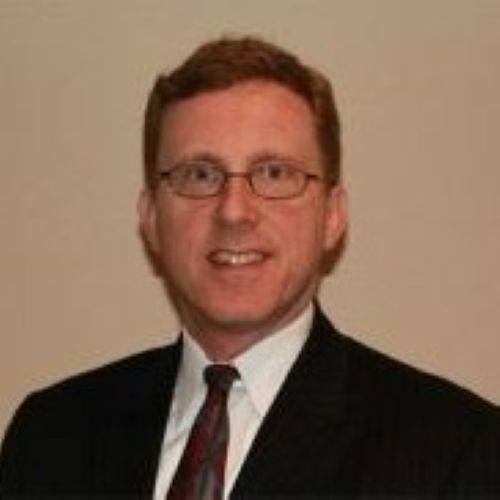
Steven A. Kass
is a solo practitioner in Melville, New York, and for over the past 30 years has concentrated his practice in estate planning and elder law, planning for persons with special needs, wills, trusts, and guardianships. He is a certified elder law attorney through the National Elder Law Foundation. Mr. Kass is a member of the Nassau County, Suffolk County, New York State and American bar associations; as well as the National Academy of Elder Law Attorneys, National Elder Law Foundation and the Academy of Special Needs Planners. He earned his J.D. degree and a Certificate in Health Law and Policy from Pace University School of Law.
Speaker bio
Patricia E. Kefalas Dudek
is the principal of Patricia E. Kefalas Dudek & Associates and the past chair of the Elder Law & Disability Rights Section of the State Bar of Michigan. Her practice concentrates in elder law, Medicaid, estate planning, estates/trust administration, probate, administrative law and disability advocacy. Ms. Dudek's practice includes advising and preparing estate planning documents, including special needs trusts; representation in Medicaid hearings to secure appropriate services; administration of estates, trusts, guardianship, conservatorship and other protective arrangements, and contested litigation in these areas. A prolific writer and lecturer on topics related to Medicaid, alternatives to guardianship and estate planning for people with disabilities, elders and their right to control their support services, Ms. Dudek was the author of the model contracts for Michigan's Medicaid Self Determination Initiative. These contracts facilitate control over Medicaid service budgets and allow for creative solutions for housing and supports. Another creative solution used by Ms. Dudek on behalf of her clients is the use of a Pooled Account Trust for Medicaid planning. She was the first attorney in Michigan to draft one of these trusts and to secure approval for Medicaid by both the Social Security Administration and the State of Michigan. Ms. Dudek has received numerous local and national awards for her advocacy. She is a contributing author for Representing the Elderly Client and the Special Needs Trust Handbook. Ms. Dudek earned her B.A. degree from Michigan State University and her J.D. degree from the Detroit College of Law (now the Michigan State University School of Law). She is a member of the Academy of Special Needs Planners, American Bar Association, State Bar of Michigan (member, Elder Law and Disability Rights Section), and a fellow of the National Academy of Elder Law Attorneys (NAELA).
Speaker bio
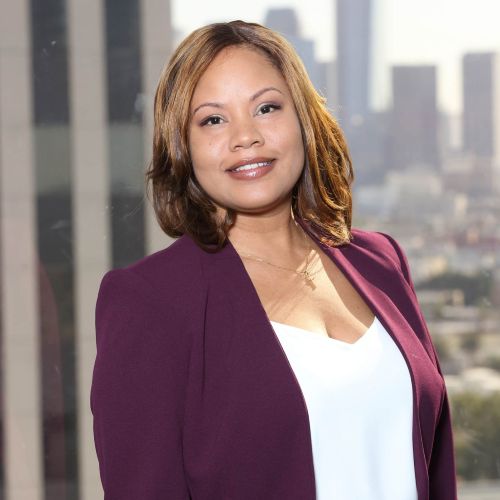
Erika A. Williams
is the CEO & Principal Attorney at The Law Office of Erika A. Williams, APC, a firm that focuses on assisting families in crises through family law litigation, dependency litigation, criminal law, education advocacy, and appellate advocacy. She is also the Owner and Managing Member of The Motivated Workplace, LLC, a management consulting firm. Ms. Williams is sought out for her expertise in employment law and employee and labor relations. Prior to her transition to a career in the law, she spent over 10 years working for the County of Los Angeles in various human resources, contracts, grants, and program management positions-including was responsible for managing the labor relations of seven (7) of the Department of Children and Family Services ("DCFS") larger regional offices, each with 200+ employees and 5+ managers. She represented executive- and senior-level management employees in the formal grievance process; advising on the interpretation and application of state and federal employment law, civil service rules, and labor contracts; facilitating numerous labor-management committees; and, serving as a subject-matter-expert on the Countywide remote-work programming. Additionally, Ms. Williams represented the Department's interests in the Countywide labor bargaining process. She is a University of California, Berkeley graduate. Ms. Williams holds a Master of Public Administration degree with an emphasis in Public Management from the California State University at Dominguez Hills and is SHRM-SCP certified. She received her J.D. from Southwestern School of Law. Ms. Williams is licensed to practice law in California and Arizona.
TOP FAQs
Have more questions? Please Contact Us