

Marijuana Business Law in Montana
Credits Available
| Credit | Status | Total | Until |
|---|---|---|---|
| California CLE |
|
6 Total | 03-17-2028 |
| Montana CLE |
|
6 Total | 03-17-2029 |
| Pennsylvania CLE |
|
6 Total | 03-17-2028 |
| Washington CLE |
|
6 Total | 03-16-2031 |
| Montana CLE Credit for Paralegals |
|
6 Total | 03-17-2028 |

Buy This Course
OnDemand Video
Course Book Download
Overview
Know the Salient Points of Marijuana Laws and Effectively Advise Your Clients
The legalization of marijuana has created business opportunities, but it has also created many questions and uncertainties for professionals advising businesses due to the position of the federal government. What are possible federal responses to legalized cannabis? What types of businesses does state law allow, and how does a potential business owner obtain a permit? When are you potentially violating federal law by merely assisting a client? Learn the answers to these questions and more - register today!
- Understand how the federal government can use forfeiture laws to close marijuana-related businesses.
- Evaluate the current banking landscape and determine whether a cannabusiness can obtain financing.
- Ensure marijuana business clients have business policies and procedures in place that help them avoid legal scrutiny.
- Confidently advise clients on all aspects of the marijuana business licensing process.
- Gain practical legal tips on cannabis product packaging, labeling, and testing.
- Recognize the state and federal tax implications for cannabis-related businesses.
- Analyze the ethical implications of advising cannabis business clients.
Abbreviated Agenda
- Federal Responses to Montana Marijuana Law
- Banking and Financing for the Marijuana Industry
- Montana Marijuana Taxation: The Latest Rules
- Marijuana Businesses Law in Montana
- Obtaining a Montana Cannabis Business License
- Legal Best Practices for Marijuana Product Packaging, Labeling, and Testing
- Ethics
Credit Details
Credits Available
| Credit | Status | Total | Until |
|---|---|---|---|
| California CLE |
|
6 Total | 03-17-2028 |
| Montana CLE |
|
6 Total | 03-17-2029 |
| Pennsylvania CLE |
|
6 Total | 03-17-2028 |
| Washington CLE |
|
6 Total | 03-16-2031 |
| Montana CLE Credit for Paralegals |
|
6 Total | 03-17-2028 |
Credit Details by Jurisdiction
CLE
Credits
California CLE Approved · 6 Total Credits
- 1 Legal Ethics
Earn Until
OnDemand - California CLE - 6: This activity has been approved for Minimum Continuing Legal Education credit by the State Bar of California and qualifies for 6.0 hours of participatory credit, of which 1.0 hour will apply to legal ethics credit. NBI, Inc. certifies this activity conforms to the standards for approved education activities prescribed by the rules and regulations of the State Bar of California governing minimum continuing legal education. NBI, Inc. is a State Bar of California approved MCLE provider - #53.
Video Download - California CLE - 6: This activity has been approved for Minimum Continuing Legal Education credit by the State Bar of California and qualifies for 6.0 hours of self-study credit, of which 1.0 hour will apply to legal ethics credit. NBI, Inc. certifies this activity conforms to the standards for approved education activities prescribed by the rules and regulations of the State Bar of California governing minimum continuing legal education. NBI, Inc. is a State Bar of California approved MCLE provider - #53.
Montana CLE Approved · 6 Total Credits
- 1 Professional Fitness and Integrity
Earn Until
OnDemand - Montana CLE - 6: This program qualifies for 6.0 hours of self-study CLE credit by the Montana Commission of Continuing Legal Education, including 1.0 hour of professional fitness and integrity credit.
Video Download - Montana CLE - 6: This program qualifies for 6.0 hours of self-study CLE credit by the Montana Commission of Continuing Legal Education, including 1.0 hour of professional fitness and integrity credit.
Pennsylvania CLE Approved · 6 Total Credits
- 1 Ethics
Earn Until
OnDemand - Pennsylvania CLE - 6: This program has been approved by the Pennsylvania Continuing Legal Education Board. This program qualifies for 6.0 hours of distance learning credit, including 5.0 hours of substantive law, practice and procedure CLE credit and 1.0 hour of ethics, professionalism or substance abuse distance learning CLE credit.
Video Download - Pennsylvania CLE - 6: This program has been approved by the Pennsylvania Continuing Legal Education Board. This program qualifies for 6.0 hours of distance learning credit, including 5.0 hours of substantive law, practice and procedure CLE credit and 1.0 hour of ethics, professionalism or substance abuse distance learning CLE credit.
Washington CLE Approved · 6 Total Credits
- 1 Ethics/Professional Responsibility
Earn Until
OnDemand - Washington CLE - 6: This program qualifies for 6.0 hours of Washington continuing legal education (Self Study) A/V credit, which includes 5.0 hours of Law and Legal Procedure and 1.0 hour of ethics and professional responsibility.
Video Download - Washington CLE - 6: This program qualifies for 6.0 hours of Washington continuing legal education (Self Study) A/V credit, which includes 5.0 hours of Law and Legal Procedure and 1.0 hour of ethics and professional responsibility.
Paralegal
Credits
Montana CLE Credit for Paralegals Approved · 6 Total Credits
- 1 Ethics
Earn Until
OnDemand - Montana CLE Credit for Paralegals - 6: This course has been approved for 6.0 hours of self-study CLE credit, including 1.0 hour of ethics, by Montana Commission of Continuing Legal Education. The Montana Association of Legal Assistants (MALA) and the Paralegal Section of the State Bar of Montana will honor this credit approval.
Video Download - Montana CLE Credit for Paralegals - 6: This course has been approved for 6.0 hours of self-study CLE credit, including 1.0 hour of ethics, by Montana Commission of Continuing Legal Education. The Montana Association of Legal Assistants (MALA) and the Paralegal Section of the State Bar of Montana will honor this credit approval.
Select Jurisdiction
CLE
Paralegal
Agenda
-
Federal Responses to Montana Marijuana Law
- Current Federal Enforcement Priorities
- Federal Memos and Contradictory Messages
- Possible Legal Consequences to Cannabis Consumers Under Federal Law
- Gun Control Act of 1968
- Federal Housing Assistance
- State Agencies and Federal Funding
- Preemption and the Controlled Substance Act
-
Banking and Financing for the Marijuana Industry
- Federal Rules and Regulations Affecting Financing
- Controlled Substance Act
- Bank Secrecy Act
- 18 USC §1956
- Interpreting the Latest FinCEN and Justice Department Guidance
- Lender Due Diligence With Cannabis Businesses
- Bank Forensic Audits of Businesses: Determining the Source of Funds
- Getting the Loan: Providing Transparency to Lenders
- Federal Rules and Regulations Affecting Financing
-
Montana Marijuana Taxation: The Latest Rules
- State and Local Taxation Protocols for Marijuana Businesses
- Federal Tax Issues
- IRC §280E - Deduction of Business Expense
- Cash Payments
- Other Emerging Issues
- Business Strategies to Overcome Taxation Difficulties
- Current Tax Updates
-
Marijuana Businesses Law in Montana
- Powers of State Regulatory Agencies
- Business Types Allowed
- Marketing Restrictions
- Zoning Requirements
- Employment Rules and Restrictions for Cannabis Businesses
- Negotiating Third-Party Agreements With Cultivators, Managers, etc.
- Premises Security Regulation Compliance
- Preparing for State Regulatory Agency Inspections
-
Obtaining a Montana Cannabis Business License
- Application Procedures: Avoiding Mistakes
- Grounds for License Refusal
- License Renewals
- License Transfers
- Appealing Application Denials
-
Legal Best Practices for Marijuana Product Packaging, Labeling, and Testing
- Labeling Rules: Product Dosage, etc.
- Packaging Restrictions: Appearance, Child-Proofing, and Other Issues
- Obtaining Trademarks
- Ensuring Proper Food Safety Procedures for Edibles
- Product Testing and Third-Party Testing Laboratories
- Avoiding Product Liability Pitfalls
- Cannabis Disposal Protocols
-
Ethics
- Marijuana and Rules of Professional Conduct
- Duty to Pursue Justice
- Attorney Use of Cannabis Products
- Attorney Ownership of Cannabis Businesses
Who Should Attend
This intermediate level online seminar provides practical information on marijuana law for:
- Attorneys
- Accountants and CPAs
- Bankers and Commercial Lenders
- Financial Advisors
- Paralegals
Speakers
Speaker bio
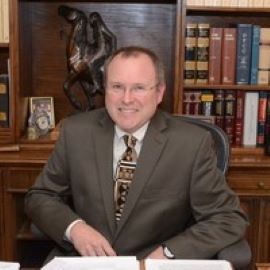
Christopher C. Young
is a senior attorney with Gravis Law PLLC. He practiced in the Philadelphia area for thirteen years, representing Fortune 100 clients in the insurance and financial services industries. Mr. Young returned to Montana in 2014, having had enough of big cities and their corresponding stressors. He identified the medical marijuana industry as an area with a substantial unmet need for legal services and began a regulatory compliance practice, among other areas of the law. Mr. Young established the Young Law Office in 2016, where his cannabis regulatory practice grew every year. He joined Gravis Law PLLC in November 2021, in part to expand the services he could provide to his cannabis clients. Mr. Young now represents several dozen Montana marijuana businesses and provides them legal services, including business agreements and cannabis-related mergers and acquisitions. He is admitted to practice in Montana and Pennsylvania, and before the U.S. District Court for the Eastern and Middle districts of Pennsylvania, U.S. District Court for the District of New Jersey, U.S. District Court for the District of Montana, and U.S. Court of Appeals for the Ninth Circuit. Mr. Young earned his B.A. degree from Carleton College and his J.D. degree, magna cum laude, from William Mitchell College of Law.
Speaker bio
Aaron A. Pelley
is a partner in the Seattle office of Gleam Law. For the past 17 years, he has been at the legal forefront of the cannabis industry.
Speaker bio
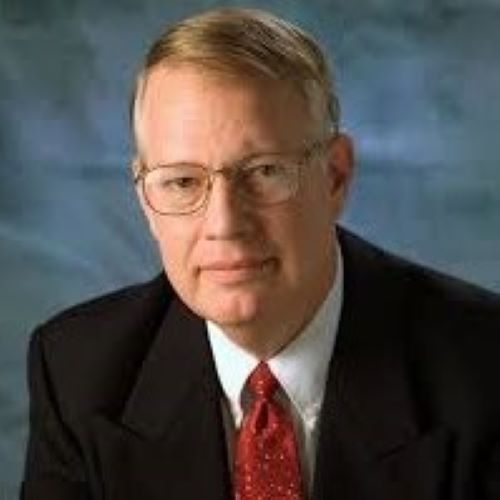
Bruce T. Andersen
is the president of BTA Corporation, a boutique firm located in Los Angeles, California, providing tax, accounting, and consulting services to small businesses. He is a certified public accountant. Mr. Andersen has taught management science and information systems at California State University in Bakersfield. For the last 14 years, he has been a member of the faculty at the University of Phoenix School of Business. Mr. Andersen is a member of California Society of Certified Public Accountants. He earned his B.S. degree from Iowa State University, his M.S.B.A degree from Boston University, his M.B.A. degree from California State University in Bakersfield and his M.S. degree (taxation) from Golden Gate University. After watching the cannabis industry for several years, the firm set up a division specifically for the cannabis industry in 2018, branded as CannabisCPA.tax, providing tax, audit, accounting and systems support to the cannabis industry.
Speaker bio
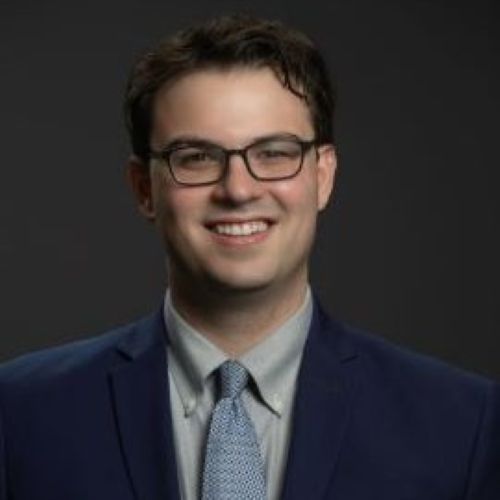
Benjamin P. Sheppard
is an associate with Eckert Seamans Cherin & Mellott LLC, where he works on matters involving liquor law, cannabis law, and litigation. He handles a range of liquor law concerns, from distribution and contract production agreements to management and license agreements. In the rapidly evolving realm of cannabis law, Mr. Sheppard stands out for his deep insights into the intricate balance between state-specific and federal regulations governing both hemp and cannabis. His ability to navigate the nuances of the Pennsylvania industrial hemp research law makes him a valued advisor for individuals and businesses navigating this multifaceted law. Clients frequently turn to Mr. Sheppard for guidance in crafting drug testing policies and gaining clarity on the legal intricacies surrounding cannabis and hemp. He has advised both Pennsylvania and New Jersey individuals on their state's respective cannabis and hemp laws. Throughout his career, Mr. Sheppard has been involved in various aspects of the litigation process. Mr. Sheppard has drafted complex memorandums of law in both federal and state court, handled discovery requests, and handled trials from start to finish. Prior to joining Norris McLaughlin, Mr. Sheppard served as a judicial law clerk in the Northampton County Court of Common Pleas. He also worked for the Mid-Atlantic Innocence Project reviewing trial transcripts and drafting materials regarding the viability of innocence claims. Mr. Sheppard is a graduate of the George Washington University School of Law, where he was a member of the Public Contract Law Journal and was recognized with the GW Law Pro Bono Teal Award for completing over 50 hours of pro bono work during law school. He also graduated, summa cum laude, from the University of Pittsburgh with his B.A. degree in history and political science.
TOP FAQs
Have more questions? Please Contact Us