

New York Medicaid Asset Planning: A Practical Toolkit
Credits Available
| Credit | Status | Total | Until |
|---|---|---|---|
| New Jersey CLE |
|
7.2 Total | 12-05-2026 |
| New York CLE |
|
7 Total | 03-30-2029 |
| Pennsylvania CLE |
|
6 Total | 03-30-2028 |

Buy This Course
OnDemand Video
Course Book Download
Overview
Help Your Elderly Clients Qualify for Medicaid
Essential knowledge of Medicaid asset planning strategies is a must-have for all professionals who work with aging and disabled clients and their families. This practical course will give you the knowledge and skills you'll need to help clients protect assets while qualifying for Medicaid and guard against accidental loss of benefits. Register today!
- Clarify eligibility criteria and dispel common myths about Medicaid planning.
- Learn how to use asset purchases and transfers to qualify ahead of time.
- Get practice tips for crafting legally compliant and effective Medicaid qualifying trusts.
- Determine whether your client needs a special needs trust and how to draft it for greatest impact.
- Come away with real-life emergency planning techniques for when nursing home care is imminent.
Abbreviated Agenda
- Qualifying for Medicaid: Eligibility Criteria
- Planning Ahead: Gifts, Exempt Purchases and Asset Transfers
- Special Needs Trusts: Protecting Benefits While Providing for Beneficiary Expenses
- Ensuring Spousal Protections
- Medicaid Qualifying Income Trusts
- Asset Transfers in Crisis Planning
- Maintaining an Ethical Practice
Credit Details
Credits Available
| Credit | Status | Total | Until |
|---|---|---|---|
| New Jersey CLE |
|
7.2 Total | 12-05-2026 |
| New York CLE |
|
7 Total | 03-30-2029 |
| Pennsylvania CLE |
|
6 Total | 03-30-2028 |
Credit Details by Jurisdiction
CLE
Credits
New Jersey CLE Approved · 7.2 Total Credits
- 1.2 Ethics/Professionalism
Earn Until
OnDemand - New Jersey CLE - 7.2: This program has been approved by the Board on Continuing Legal Education of the Supreme Court of New Jersey for 7.20 hours of alternative format CLE credit. Of these, 1.20 qualifies as hours of alternative learning format credit for ethics/professionalism.
Video Download - New Jersey CLE - 7.2: This program has been approved by the Board on Continuing Legal Education of the Supreme Court of New Jersey for 7.20 hours of alternative format CLE credit. Of these, 1.20 qualifies as hours of alternative learning format credit for ethics/professionalism.
New York CLE Approved · 7 Total Credits
- 6 Areas of Professional Practice
- 1 Ethics/Professionalism
Earn Until
OnDemand - New York CLE - 7: This nontraditional format course has been approved in accordance with the requirements of the New York State Continuing Legal Education Board for up to 7.0 credit hours. 6.0 hours can be applied to the areas of professional practice requirement and is approved for newly attorneys. 1.0 hour can be applied toward the Ethics/Professionalism requirement and is approved for experienced attorneys. NBI, Inc. offers a Financial Hardship Policy for qualifying individuals. To apply, please submit a request via email to our Tuition Discount Committee at customerservice@nbi-sems.com.
Video Download - New York CLE - 7: This nontraditional format course has been approved in accordance with the requirements of the New York State Continuing Legal Education Board for up to 7.0 credit hours. 6.0 hours can be applied to the areas of professional practice requirement and is approved for newly attorneys. 1.0 hour can be applied toward the Ethics/Professionalism requirement and is approved for experienced attorneys. NBI, Inc. offers a Financial Hardship Policy for qualifying individuals. To apply, please submit a request via email to our Tuition Discount Committee at customerservice@nbi-sems.com.
Pennsylvania CLE Approved · 6 Total Credits
- 1 Ethics
Earn Until
OnDemand - Pennsylvania CLE - 6: This program has been approved by the Pennsylvania Continuing Legal Education Board. This program qualifies for 6.0 hours of distance learning credit, including 5.0 hours of substantive law, practice and procedure CLE credit and 1.0 hour of ethics, professionalism or substance abuse distance learning CLE credit.
Video Download - Pennsylvania CLE - 6: This program has been approved by the Pennsylvania Continuing Legal Education Board. This program qualifies for 6.0 hours of distance learning credit, including 5.0 hours of substantive law, practice and procedure CLE credit and 1.0 hour of ethics, professionalism or substance abuse distance learning CLE credit.
Select Jurisdiction
CLE
Agenda
-
Qualifying for Medicaid: Eligibility Criteria
- Top Misconceptions on What Medicaid and Medicare Cover
- Who Actually Needs Medicaid?
- Quality of Care and Patient Protections Concerns
- Is it Too Late to Plan for Medicaid Once You're in the Nursing Home?
- Medicaid Criteria
- Medical Eligibility
- Resource Eligibility
- Income Eligibility
- The Lookback Rule
- The Gifting Rule
- Transfer Eligibility
- Myths About Medicaid Estate Recovery
-
Planning Ahead: Gifts, Exempt Purchases and Asset Transfers
- Purchasing Excluded Assets
- Converting to Excluded Assets
- Prepaying for Services, Expenses, Taxes
- What Counts as a Gift for Purposes of Medicaid Planning?
- Qualifying Asset Transfers
- Transferring Real Property Without Jeopardizing Medicaid Eligibility
- Private Annuities and Promissory Notes
- Treatment of IRAs and Retirement Accounts
-
Special Needs Trusts: Protecting Benefits While Providing for Beneficiary Expenses
- SNTs vs. ABLE Accounts: Estate Recovery and Other Considerations
- First-Party vs. Third-Party SNTs: Which One to Use?
- Which Assets to Use for Funding the Trust
- Choosing the Right Trustee
- Drafting Key SNT Provisions (With Sample Trust Language)
-
Ensuring Spousal Protections
- Maximizing Monthly Maintenance Need Allowance for Community Spouse
- Community Spouse Resource Allowance and CSRA Appeal
- Using Homestead Exceptions
- Obtaining Hardship Waivers
- Is Divorce a Prudent Option?
-
Medicaid Qualifying Income Trusts
- When to Use Income-Only Trusts
- Can Self-Settled Trusts Harm Medicaid Eligibility?
- Taxation of Medicaid Qualifying Trusts
- Drafting Key Trust Provisions (With a Review of a Sample Trust)
- Are IOTs Subject to Medicaid Estate Recovery?
- Funding the Trust
-
Asset Transfers in Crisis Planning
- Using Asset Purchases and Asset Conversions From Countable to Excluded
- Asset Transfers and the Reverse Half-Loaf Method
- Crafting Caregiver Agreements Between Parent and Child
- Residence Transfer Options
- Calculating and Contesting the Penalty Period
- Dealing With Partial Months of Ineligibility
- What to Do With Unexpected Cash Inflows
-
Maintaining an Ethical Practice
- Who is the Client?
- Avoiding Conflicts of Interest When Representing Couples
- Setting Reasonable Attorney Fees
- Guarding Confidentiality
- Verifying Client Capacity
- Dealing With Third Parties: Who's Present and Talking in Meetings With Clients?
- Scope of Representation
- Client With a Disability: What are Your Duties?
Who Should Attend
This basic level online seminar on Medicaid planning is designed for attorneys, nursing home administrators, accountants and CPAs, social workers, geriatric care managers, trust officers, estate planners, wealth managers, and paralegals.
Speakers
Speaker bio
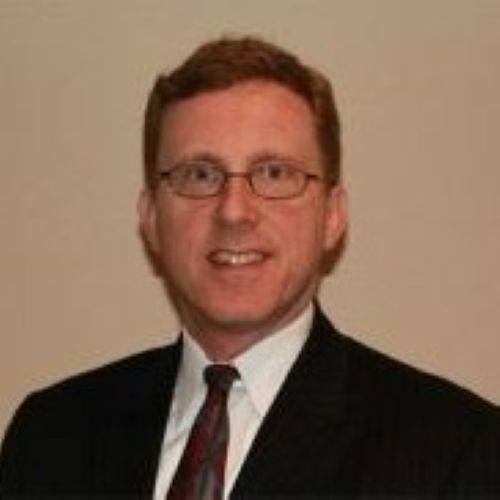
Charles W. Beinhauer
is of counsel in the Buffalo law firm of Pfalzgraf Beinhauer Grear Harris Schuller LLP. His practice focuses entirely in the fields of estates and trusts, estate administration, and elder law. Mr. Beinhauer is a former member of the New York State Bar Association's Elder Law Committee. He is a former member of the Bar Association of Erie County's Elder Law Committee, Surrogate Court Practice and Procedure Committee, Lawyers Helping Lawyers Committee, and the Speakers Bureau. Mr. Beinhauer is a former member of the New York State Lawyers Assistance Trust and the New York State Bar Association's Lawyers Assistance Committee. He is a graduate of Georgetown University and the Columbus School of Law Catholic University of America in Washington, D.C.
Speaker bio
Steven A. Kass
is a solo practitioner in Melville, New York, and for over the past 30 years has concentrated his practice in estate planning and elder law, planning for persons with special needs, wills, trusts, and guardianships. He is a certified elder law attorney through the National Elder Law Foundation. Mr. Kass is a member of the Nassau County, Suffolk County, New York State and American bar associations; as well as the National Academy of Elder Law Attorneys, National Elder Law Foundation and the Academy of Special Needs Planners. He earned his J.D. degree and a Certificate in Health Law and Policy from Pace University School of Law.
Speaker bio
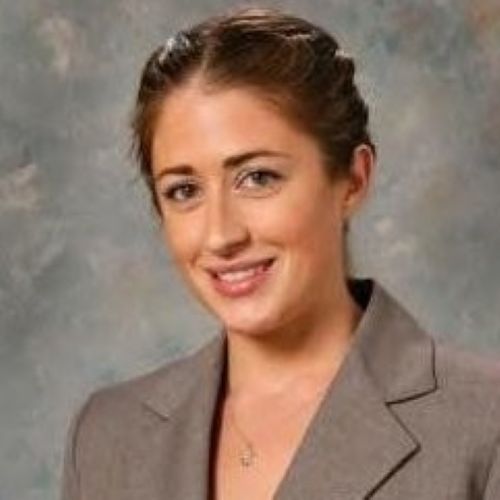
Jessica M. Peraza
is the owner of Peraza Law PLLC. She focuses her practice on estate planning and administration, Medicaid, and long-term care planning. As a law student, Ms. Peraza interned for the Hon. Barbara Howe in Erie County Surrogate's Court and worked in the Public Benefits Unit of Neighborhood Legal Services. Her previous experience includes residential foreclosures, public and private sector labor law, contract negotiations, probate matters, third party credit collections, and representation of clients in administrative hearings and arbitrations. Ms. Peraza earned her B.A. degree from St. Lawrence University and her J.D. degree, cum laude, from University of Buffalo School of Law.
Speaker bio
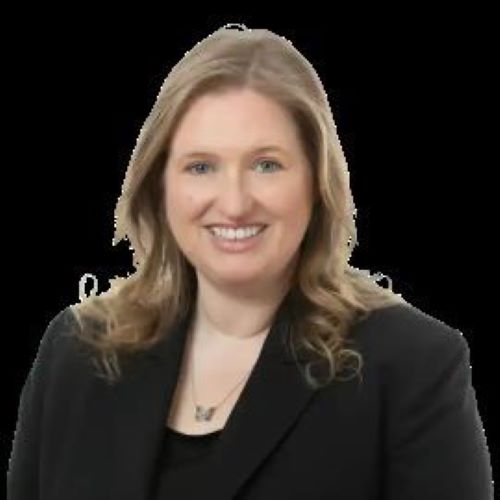
Dana Walsh Sivak
is a Partner at Falcon Rappaport & Berkman LLP, and serves as Chair of the firm's Elder Law Practice group. An accomplished author, Ms. Walsh Sivak's work has been published in a number of prestigious legal publications, including the New York Law Journal, New York State Bar Association Elder Law & Special Needs Journal, Nassau Lawyer and Suffolk Lawyer. She has received numerous honors, including the Leaders in Law Award, Forty Under 40 Award for Rising Stars in Business, "Who's Who in Healthcare Law," "Ones to Watch: Law", and the St. Vincent DePaul Legal Program Award. Ms. Walsh Sivak earned her B.S. degree, magna cum laude, from St. John's University and her J.D. degree from St. John's University School of Law. She is a certified by the New York State Office of Court Administration to serve in Court-appointed roles in Article 81 guardianship proceedings. Dana serves as Co-Chair of the Nassau County Bar Association's Elder Law, Social Services and Health Advocacy Committee, and is a member of the New York State Bar Association, Women's Bar Association of the State of New York, and the St. John's University School of Law Alumnae Leadership Council. An active member of her community, Dana is a member of the Board of Directors of the Levittown Chamber of Commerce, Gerontology Professionals of New York (GPNY), and the Irish Business Organization of New York. She is admitted to practice in New York.
TOP FAQs
Have more questions? Please Contact Us