

Intentionally Defective Grantor Trusts Drafting Class
Credits Available
| Credit | Status | Total | Until |
|---|---|---|---|
| Alaska CLE |
|
6 Total | 02-03-2028 |
| Alabama CLE |
|
6 Total | 12-31-2026 |
| Arkansas CLE |
|
6 Total | 06-30-2027 |
| Arizona CLE |
|
6 Total | 02-03-2028 |
| California CLE |
|
6 Total | 02-03-2028 |
| Colorado CLE |
|
7 Total | 12-31-2028 |
| Connecticut CLE |
|
6 Total | 02-03-2028 |
| Delaware CLE |
|
6 Total | 02-03-2028 |
| Florida CLE |
|
7 Total | 08-31-2027 |
| Georgia CLE |
|
6 Total | 12-31-2027 |
| Hawaii CLE |
|
6 Total | 02-03-2028 |
| Iowa CLE |
|
6 Total | 02-03-2027 |
| Illinois CLE |
|
6 Total | 02-02-2028 |
| Indiana CLE |
|
6 Total | 02-03-2027 |
| Kansas CLE |
|
7 Total | 02-02-2027 |
| Maine CLE |
|
6 Total | 02-02-2028 |
| Minnesota CLE |
|
6 Total | 02-03-2028 |
| Missouri CLE |
|
6 Total | 02-03-2028 |
| Northern Mariana Islands CLE |
|
6 Total | 02-03-2028 |
| Montana CLE |
|
6 Total | 02-03-2029 |
| North Dakota CLE |
|
6 Total | 02-03-2029 |
| Nebraska CLE |
|
6 Total | 02-03-2028 |
| New Hampshire CLE |
|
6 Total | 02-03-2029 |
| New Mexico CLE |
|
6 Total | 02-03-2028 |
| Nevada CLE |
|
6 Total | 02-03-2029 |
| New York CLE |
|
7 Total | 02-03-2029 |
| Ohio CLE |
|
6 Total | 12-31-2026 |
| Oklahoma CLE |
|
7 Total | 02-03-2028 |
| Oregon CLE |
|
6 Total | 02-03-2029 |
| Pennsylvania CLE |
|
6 Total | 02-03-2028 |
| South Carolina CLE |
|
6 Total | 12-31-2026 |
| Tennessee CLE |
|
6 Total | 02-02-2028 |
| Texas CLE |
|
6 Total | 01-31-2027 |
| Utah CLE |
|
6 Total | 12-31-2026 |
| Virginia CLE |
|
6 Total | 10-31-2026 |
| Vermont CLE |
|
6 Total | 02-03-2028 |
| Washington CLE |
|
6 Total | 02-02-2031 |
| Wisconsin CLE |
|
7 Total | 12-31-2027 |
| West Virginia CLE |
|
7.2 Total | 02-03-2028 |


Buy This Course
OnDemand Video
Course Book Download
Overview
Gain Practical Guidance for Better Planning With Trusts
Through all the recent tax rules changes, intentionally defective grantor trusts (IDGTs) remain crucial in high-end estate planning and wealth preservation. This unique trust structure offers clients significant tax savings in a wide range of circumstances. How confident are you in your ability to take full advantage of their powerful features? In this legal class, we will move beyond the theoretical and focus on the practical, hands-on aspects of drafting, funding, and administering these trusts to meet client objectives. Hone your complex trust skills - register today!
- Explore the statutory provisions that enable the creation of IDGTs.
- Draft key provisions that intentionally trigger grantor trust status without causing estate inclusion.
- Find the best ways to structure the transfer to IDGT.
- Tailor the use of IDGTs to specific client scenarios, like illiquidity and highly appreciated assets.
- Zero in on common mistakes that can jeopardize the tax benefits of IDGTs.
- Address common disputes and administration challenges.
Abbreviated Agenda
- Why Use an Intentionally Defective Grantor Trust (IDGT)?
- The Tax Basis of IDGTs
- Drafting Core IDGT Provisions
- Structuring the Transaction
- Funding the IDGT
- Trust Administration and Post-Mortem Planning
- Case Studies and Use Cases
- Legal Ethics Considerations in IDGT Use
Credit Details
Credits Available
| Credit | Status | Total | Until |
|---|---|---|---|
| Alaska CLE |
|
6 Total | 02-03-2028 |
| Alabama CLE |
|
6 Total | 12-31-2026 |
| Arkansas CLE |
|
6 Total | 06-30-2027 |
| Arizona CLE |
|
6 Total | 02-03-2028 |
| California CLE |
|
6 Total | 02-03-2028 |
| Colorado CLE |
|
7 Total | 12-31-2028 |
| Connecticut CLE |
|
6 Total | 02-03-2028 |
| Delaware CLE |
|
6 Total | 02-03-2028 |
| Florida CLE |
|
7 Total | 08-31-2027 |
| Georgia CLE |
|
6 Total | 12-31-2027 |
| Hawaii CLE |
|
6 Total | 02-03-2028 |
| Iowa CLE |
|
6 Total | 02-03-2027 |
| Illinois CLE |
|
6 Total | 02-02-2028 |
| Indiana CLE |
|
6 Total | 02-03-2027 |
| Kansas CLE |
|
7 Total | 02-02-2027 |
| Maine CLE |
|
6 Total | 02-02-2028 |
| Minnesota CLE |
|
6 Total | 02-03-2028 |
| Missouri CLE |
|
6 Total | 02-03-2028 |
| Northern Mariana Islands CLE |
|
6 Total | 02-03-2028 |
| Montana CLE |
|
6 Total | 02-03-2029 |
| North Dakota CLE |
|
6 Total | 02-03-2029 |
| Nebraska CLE |
|
6 Total | 02-03-2028 |
| New Hampshire CLE |
|
6 Total | 02-03-2029 |
| New Mexico CLE |
|
6 Total | 02-03-2028 |
| Nevada CLE |
|
6 Total | 02-03-2029 |
| New York CLE |
|
7 Total | 02-03-2029 |
| Ohio CLE |
|
6 Total | 12-31-2026 |
| Oklahoma CLE |
|
7 Total | 02-03-2028 |
| Oregon CLE |
|
6 Total | 02-03-2029 |
| Pennsylvania CLE |
|
6 Total | 02-03-2028 |
| South Carolina CLE |
|
6 Total | 12-31-2026 |
| Tennessee CLE |
|
6 Total | 02-02-2028 |
| Texas CLE |
|
6 Total | 01-31-2027 |
| Utah CLE |
|
6 Total | 12-31-2026 |
| Virginia CLE |
|
6 Total | 10-31-2026 |
| Vermont CLE |
|
6 Total | 02-03-2028 |
| Washington CLE |
|
6 Total | 02-02-2031 |
| Wisconsin CLE |
|
7 Total | 12-31-2027 |
| West Virginia CLE |
|
7.2 Total | 02-03-2028 |
Credit Details by Jurisdiction
OnDemand Video
CLE
Credits
Alaska CLE Reciprocity · 6 Total Credits
- 1 MECLE Ethics
Earn Until
OnDemand - Alaska CLE - 6: Alaska Bar members may claim credit for attending CLE programs that have been accredited by other mandatory CLE jurisdictions. This program qualifies for 6.0 hours of credit, which includes 5.0 hours of MCLE credit and 1.0 hour of MECLE credit.
Video Download - Alaska CLE - 6: Alaska Bar members may claim credit for attending CLE programs that have been accredited by other mandatory CLE jurisdictions. This program qualifies for 6.0 hours of credit, which includes 5.0 hours of MCLE credit and 1.0 hour of MECLE credit.
Alabama CLE Approved · 6 Total Credits
- 1 Ethics/Professionalism
Earn Until
OnDemand - Alabama CLE - 6: This course or a portion thereof has been approved by the Alabama State Bar Mandatory Continuing Legal Education Commission for a maximum of 6.0 on-demand credit hours, including 1.0 ethics/professionalism credit.
Arkansas CLE Approved · 6 Total Credits
- 1 Ethics
Earn Until
OnDemand - Arkansas CLE - 6: NBI, Inc. is an accredited sponsor in the state of Arkansas. This program qualifies for 6.0 hours of on demand continuing legal education credit, including 1.0 hour of ethics, consistent with the rules and regulations of the Arkansas Supreme Court of Professional Programs.
Video Download - Arkansas CLE - 6: NBI, Inc. is an accredited sponsor in the state of Arkansas. This program qualifies for 6.0 hours of on demand continuing legal education credit, including 1.0 hour of ethics, consistent with the rules and regulations of the Arkansas Supreme Court of Professional Programs.
Arizona CLE Approved · 6 Total Credits
- 1 Professional Responsibility
Earn Until
OnDemand - Arizona CLE - 6: The State Bar of Arizona does not approve or accredit CLE activities for the Mandatory Continuing Legal Education requirement. This activity qualifies for 6.0 hours toward your annual CLE requirement for the State of Arizona, including 1.0 hour of professional responsibility.
Video Download - Arizona CLE - 6: The State Bar of Arizona does not approve or accredit CLE activities for the Mandatory Continuing Legal Education requirement. This activity qualifies for 6.0 hours toward your annual CLE requirement for the State of Arizona, including 1.0 hour of professional responsibility.
California CLE Approved · 6 Total Credits
- 4 Estate Planning, Trust and Probate Law
- 1 Taxation Law
- 1 Legal Ethics
Earn Until
OnDemand - California CLE - 6: This activity has been approved for Minimum Continuing Legal Education credit by the State Bar of California and qualifies for 6.0 hours of participatory credit, of which 1.0 hour will apply to legal ethics credit. NBI, Inc. certifies this activity conforms to the standards for approved education activities prescribed by the rules and regulations of the State Bar of California governing minimum continuing legal education. NBI, Inc. is a State Bar of California approved MCLE provider - #53. This course has been approved for 4.0 units in the area of Estate Planning, Trust and Probate Law and 1.0 units in the area of Taxation Law by the California Board of Legal Specialization.
Video Download - California CLE - 6: This activity has been approved for Minimum Continuing Legal Education credit by the State Bar of California and qualifies for 6.0 hours of self-study credit, of which 1.0 hour will apply to legal ethics credit. NBI, Inc. certifies this activity conforms to the standards for approved education activities prescribed by the rules and regulations of the State Bar of California governing minimum continuing legal education. NBI, Inc. is a State Bar of California approved MCLE provider - #53. This course has been approved for 4.0 units in the area of Estate Planning, Trust and Probate Law and 1.0 units in the area of Taxation Law by the California Board of Legal Specialization.
Colorado CLE Approved · 7 Total Credits
- 1.2 Professional Responsibility
Earn Until
OnDemand - Colorado CLE - 7: NBI, Inc. is a Certified Provider, as recognized by the Colorado Supreme Court Continuing Legal and Judicial Education Committee. This program qualifies for 7.0 hours of home study general Colorado Continuing Legal Education Credit, including 1.20 professional responsibility credit.
Video Download - Colorado CLE - 7: NBI, Inc. is a Certified Provider, as recognized by the Colorado Supreme Court Continuing Legal and Judicial Education Committee. This program qualifies for 7.0 hours of home study general Colorado Continuing Legal Education Credit, including 1.20 professional responsibility credit.
Connecticut CLE Approved · 6 Total Credits
- 1 Ethics/Professionalism
Earn Until
OnDemand - Connecticut CLE - 6: Neither the Connecticut Judicial Branch nor the Commission on Minimum Continuing Legal Education approve or accredit CLE providers or activities. It is the opinion of NBI, Inc. that this activity qualifies for 6.0 self-study hours toward your annual CLE requirement in Connecticut, including 1.0 self-study hour(s) of ethics/professionalism.
Video Download - Connecticut CLE - 6: Neither the Connecticut Judicial Branch nor the Commission on Minimum Continuing Legal Education approve or accredit CLE providers or activities. It is the opinion of NBI, Inc. that this activity qualifies for 6.0 self-study hours toward your annual CLE requirement in Connecticut, including 1.0 self-study hour(s) of ethics/professionalism.
Delaware CLE Approved · 6 Total Credits
- 1 Ethics
Earn Until
OnDemand - Delaware CLE - 6: NBI, Inc. is an accredited sponsor of the Delaware Commission on Continuing Legal Education and recommends this program for 6.0 hours of eCLE credit, including 1.0 hour of ethics.
Florida CLE Approved · 7 Total Credits
- 7 Wills, Trusts and Estates
- 7 Tax
- 1 Professional Responsibility
Earn Until
OnDemand - Florida CLE - 7: Approved by The Florida Bar, this program qualifies for 7.0 general hours of CLER self-study credit including 1.0 hour of self-study professional responsibility (may include legal ethics, professionalism, substance abuse or mental illness and wellness programs). Certifications: 7.0 - Tax Law; 7.0 - Wills, Trusts and Estates
Video Download - Florida CLE - 7: Approved by The Florida Bar, this program qualifies for 7.0 general hours of CLER self-study credit including 1.0 hour of self-study professional responsibility (may include legal ethics, professionalism, substance abuse or mental illness and wellness programs). Certifications: 7.0 - Tax Law; 7.0 - Wills, Trusts and Estates
Georgia CLE Approved · 6 Total Credits
- 1 Ethics
Earn Until
OnDemand - Georgia CLE - 6: This program is approved by the Commission on Continuing Lawyer Competency of the State Bar of Georgia. This program qualifies for 6.0 hours of distance learning continuing legal education credit with the Georgia Commission on Continuing Lawyer Competency, which includes 1.0 hour of distance learning ethics.
Video Download - Georgia CLE - 6: This program is approved by the Commission on Continuing Lawyer Competency of the State Bar of Georgia. This program qualifies for 6.0 hours of distance learning continuing legal education credit with the Georgia Commission on Continuing Lawyer Competency, which includes 1.0 hour of distance learning ethics.
Hawaii CLE Approved · 6 Total Credits
- 1 Ethics/Professional Responsibility
Earn Until
OnDemand - Hawaii CLE - 6: NBI, Inc. is an Accredited Provider with the Hawaii State Board of Continuing Legal Education. This alternative format activity has been approved for 6.0 hours of credit for the state of Hawaii, which includes 1.0 hour of ethics or professional responsibility education.
Video Download - Hawaii CLE - 6: NBI, Inc. is an Accredited Provider with the Hawaii State Board of Continuing Legal Education. This alternative format activity has been approved for 6.0 hours of credit for the state of Hawaii, which includes 1.0 hour of ethics or professional responsibility education.
Iowa CLE Approved · 6 Total Credits
- 1 Legal Ethics
Earn Until
OnDemand - Iowa CLE - 6: "Intentionally Defective Grantor Trusts Drafting Class" is an accredited program under the regulations of the Iowa Supreme Court Commission on Continuing Legal Education. It is planned that this program will provide a maximum of 6.0 hours of unmoderated activity credit toward the mandatory continuing legal education requirements under the Iowa rule, including 1.0 hour of legal ethics unmoderated activity credit.
Illinois CLE Approved · 6 Total Credits
- 1 Professional Responsibility
Earn Until
OnDemand - Illinois CLE - 6: This program has been approved by the Illinois MCLE Board for 6.0 hours of recorded technology CLE credit, which includes approval for 1.0 hour of legal ethics, civility, professionalism or sexual harassment prevention training CLE credit by the Illinois Supreme Court Commission on Professionalism.
Video Download - Illinois CLE - 6: This program has been approved by the Illinois MCLE Board for 6.0 hours of recorded technology CLE credit, which includes approval for 1.0 hour of legal ethics, civility, professionalism or sexual harassment prevention training CLE credit by the Illinois Supreme Court Commission on Professionalism.
Indiana CLE Approved · 6 Total Credits
- 1 Ethics
Earn Until
OnDemand - Indiana CLE - 6: This course has been approved by the Indiana Supreme Court Office of Admissions & Continuing Education. Participating attorneys are eligible to receive 6.0 hours of distance education, which includes 1.0 hour of ethics.
Kansas CLE Approved · 7 Total Credits
- 1 Ethics/Professionalism
Earn Until
OnDemand - Kansas CLE - 7: Approved by Kansas CLE for 7.0 hours of prerecorded format continuing legal education credit, which includes 1.0 hour of ethics and professionalism credit.
Video Download - Kansas CLE - 7: Approved by Kansas CLE for 7.0 hours of prerecorded format continuing legal education credit, which includes 1.0 hour of ethics and professionalism credit.
Maine CLE Approved · 6 Total Credits
Earn Until
OnDemand - Maine CLE - 6: This course has been approved by the State of Maine Board of Overseers of the Bar. Lawyers who complete this course will receive 6.0 hours of self-study CLE credit
Video Download - Maine CLE - 6: This course has been approved by the State of Maine Board of Overseers of the Bar. Lawyers who complete this course will receive 6.0 hours of self-study CLE credit
Course Book - Maine CLE - 6: This course has been approved by the State of Maine Board of Overseers of the Bar. Lawyers who complete this course will receive 6.0 hours of self-study CLE credit
Minnesota CLE Approved · 6 Total Credits
- 1 Ethics
Earn Until
OnDemand - Minnesota CLE - 6: Approved for 6.0 hours of standard on-demand CLE credit, including 1.0 hour of ethics credit by the Minnesota Board of Continuing Legal Education.
Video Download - Minnesota CLE - 6: Approved for 6.0 hours of standard on-demand CLE credit, including 1.0 hour of ethics credit by the Minnesota Board of Continuing Legal Education.
Missouri CLE Approved · 6 Total Credits
Earn Until
OnDemand - Missouri CLE - 6: NBI, Inc. is an accredited sponsor with Missouri Minimum Continuing Legal Education. This program qualifies for 6.0 self-study CLE credit hours.
Video Download - Missouri CLE - 6: NBI, Inc. is an accredited sponsor with Missouri Minimum Continuing Legal Education. This program qualifies for 6.0 self-study CLE credit hours.
Course Book - Missouri CLE - 6: NBI, Inc. is an accredited sponsor with Missouri Minimum Continuing Legal Education. This program qualifies for 6.0 self-study CLE credit hours.
Northern Mariana Islands CLE Approved · 6 Total Credits
Earn Until
OnDemand - Northern Mariana Islands CLE - 6: This course has been approved by the Commonwealth of the Northern Mariana Islands. Lawyers who complete this course shall receive 6.0 hours of self-study CLE credit.
Video Download - Northern Mariana Islands CLE - 6: This course has been approved by the Commonwealth of the Northern Mariana Islands. Lawyers who complete this course shall receive 6.0 hours of self-study CLE credit.
Course Book - Northern Mariana Islands CLE - 6: This course has been approved by the Commonwealth of the Northern Mariana Islands. Lawyers who complete this course shall receive 6.0 hours of self-study CLE credit.
Montana CLE Approved · 6 Total Credits
- 1 Professional Fitness and Integrity
Earn Until
OnDemand - Montana CLE - 6: This program qualifies for 6.0 hours of self-study CLE credit by the Montana Commission of Continuing Legal Education, including 1.0 hour of professional fitness and integrity credit.
Video Download - Montana CLE - 6: This program qualifies for 6.0 hours of self-study CLE credit by the Montana Commission of Continuing Legal Education, including 1.0 hour of professional fitness and integrity credit.
North Dakota CLE Approved · 6 Total Credits
- 1 Ethics
Earn Until
OnDemand - North Dakota CLE - 6: North Dakota attorneys completing this program may claim 6.0 North Dakota self-study CLE credit hours, including 1.0 hour of self-study ethics credit, on the Report of Compliance.
Video Download - North Dakota CLE - 6: North Dakota attorneys completing this program may claim 6.0 North Dakota self-study CLE credit hours, including 1.0 hour of self-study ethics credit, on the Report of Compliance.
Nebraska CLE Approved · 6 Total Credits
- 1 Professional Responsibility
Earn Until
OnDemand - Nebraska CLE - 6: NBI, Inc. is an accredited CLE sponsor in the state of Nebraska. This activity has been approved for 6.0 distance learning CLE credits, including 1.0 hour of professional responsibility credit.
Video Download - Nebraska CLE - 6: NBI, Inc. is an accredited CLE sponsor in the state of Nebraska. This activity has been approved for 6.0 distance learning CLE credits, including 1.0 hour of professional responsibility credit.
New Hampshire CLE Approved · 6 Total Credits
- 1 Ethics/Professionalism
Earn Until
OnDemand - New Hampshire CLE - 6: NHMCLE does not approve or accredit CLE activities for the NH Minimum CLE requirement. NBI, Inc. believes this course meets the requirements of NH Supreme Court Rule 53 toward the annual NHMCLE requirement.
Video Download - New Hampshire CLE - 6: NHMCLE does not approve or accredit CLE activities for the NH Minimum CLE requirement. NBI, Inc. believes this course meets the requirements of NH Supreme Court Rule 53 toward the annual NHMCLE requirement.
New Mexico CLE Approved · 6 Total Credits
- 1 Ethics
Earn Until
OnDemand - New Mexico CLE - 6: This program has been approved by the Board of Bar Commissioners of the State Bar of New Mexico. This program qualifies for 6.0 hours of self-study credit, including 1.0 hour of self-study ethics credit.
Video Download - New Mexico CLE - 6: This program has been approved by the Board of Bar Commissioners of the State Bar of New Mexico. This program qualifies for 6.0 hours of self-study credit, including 1.0 hour of self-study ethics credit.
Nevada CLE Approved · 6 Total Credits
- 1 Ethical Considerations
Earn Until
OnDemand - Nevada CLE - 6: This course has been approved by the Nevada Board of Continuing Legal Education. This program qualifies for 6.0 hours of alternative format CLE credits by the Nevada Board of Continuing Legal Education, which includes 1.0 hour of alternative format ethical considerations.
Video Download - Nevada CLE - 6: This course has been approved by the Nevada Board of Continuing Legal Education. This program qualifies for 6.0 hours of alternative format CLE credits by the Nevada Board of Continuing Legal Education, which includes 1.0 hour of alternative format ethical considerations.
New York CLE Approved · 7 Total Credits
- 6 Areas of Professional Practice
- 1 Ethics/Professionalism
Earn Until
OnDemand - New York CLE - 7: This nontraditional format course has been approved in accordance with the requirements of the New York State Continuing Legal Education Board for up to 7.0 credit hours. 6.0 hours can be applied to the areas of professional practice requirement and is approved for experienced attorneys. 1.0 hour can be applied toward the Ethics/Professionalism requirement and is approved for experienced attorneys. NBI, Inc. offers a Financial Hardship Policy for qualifying individuals. To apply, please submit a request via email to our Tuition Discount Committee at customerservice@nbi-sems.com.
Video Download - New York CLE - 7: This nontraditional format course has been approved in accordance with the requirements of the New York State Continuing Legal Education Board for up to 7.0 credit hours. 6.0 hours can be applied to the areas of professional practice requirement and is approved for experienced attorneys. 1.0 hour can be applied toward the Ethics/Professionalism requirement and is approved for experienced attorneys. NBI, Inc. offers a Financial Hardship Policy for qualifying individuals. To apply, please submit a request via email to our Tuition Discount Committee at customerservice@nbi-sems.com.
Ohio CLE Approved · 6 Total Credits
- 1 Professional Conduct
Earn Until
OnDemand - Ohio CLE - 6: This course has been approved by the Supreme Court of Ohio Commission on Continuing Legal Education for 6.0 self-study CLE credit hours, including 1.0 hour of attorney professional conduct instruction.
Video Download - Ohio CLE - 6: This course has been approved by the Supreme Court of Ohio Commission on Continuing Legal Education for 6.0 self-study CLE credit hours, including 1.0 hour of attorney professional conduct instruction.
Oklahoma CLE Approved · 7 Total Credits
- 1 Legal Ethics
Earn Until
OnDemand - Oklahoma CLE - 7: This course has been approved by the Oklahoma Bar Association Mandatory Continuing Legal Education Commission. This program qualifies for 7.0 of On Demand CLE credit hours, which includes 1.0 hour of legal ethics.
Video Download - Oklahoma CLE - 7: This course has been approved by the Oklahoma Bar Association Mandatory Continuing Legal Education Commission. This program qualifies for 7.0 of On Demand CLE credit hours, which includes 1.0 hour of legal ethics.
Oregon CLE Approved · 6 Total Credits
- 1 Ethics
Earn Until
OnDemand - Oregon CLE - 6: NBI, Inc. is an approved sponsor with the Oregon MCLE. This program qualifies for 5.0 hours of general continuing legal education credit and 1.0 hour of ethics credit.
Video Download - Oregon CLE - 6: NBI, Inc. is an approved sponsor with the Oregon MCLE. This program qualifies for 5.0 hours of general continuing legal education credit and 1.0 hour of ethics credit.
Pennsylvania CLE Approved · 6 Total Credits
- 1 Ethics
Earn Until
OnDemand - Pennsylvania CLE - 6: This program has been approved by the Pennsylvania Continuing Legal Education Board. This program qualifies for 6.0 hours of distance learning credit, including 5.0 hours of substantive law, practice and procedure CLE credit and 1.0 hour of ethics, professionalism or substance abuse distance learning CLE credit.
Video Download - Pennsylvania CLE - 6: This program has been approved by the Pennsylvania Continuing Legal Education Board. This program qualifies for 6.0 hours of distance learning credit, including 5.0 hours of substantive law, practice and procedure CLE credit and 1.0 hour of ethics, professionalism or substance abuse distance learning CLE credit.
South Carolina CLE Approved · 6 Total Credits
- 6 Taxation
- 6 Estate & Probate Law
- 1 Legal Ethics/Professional Responsibility
Earn Until
OnDemand - South Carolina CLE - 6: This course is accredited by the South Carolina Commission on Continuing Legal Education and Specialization for 6.0 alternatively delivered hours, of which 1.0 hour relates to legal ethics and professional responsibility. This course has been approved by the South Carolina Commission Specialization Program for 6.0 hours of credit in the field of Estate & Probate Law and Taxation.
Tennessee CLE Approved · 6 Total Credits
- 1 Ethics/Professionalism
Earn Until
OnDemand - Tennessee CLE - 6: This course has been approved by the Tennessee Commission on Continuing Legal Education for a maximum of 6.0 hours of Distance Learning credit, including 1.0 hour of ethics/professionalism (EP) credit.
Texas CLE Approved · 6 Total Credits
- 6 Estate Planning and Probate
- 1 Legal Ethics/Professional Responsibility
Earn Until
OnDemand - Texas CLE - 6: This course is accredited for Minimum Continuing Legal Education credit by the State Bar of Texas Committee on MCLE in the amount of 6.0 credit hours, of which 1.0 credit hour will apply to legal ethics/professional responsibility credit. Hours in attendance at National Business Institute CLE seminars may be applied to the minimum Judicial Education requirement. This course has been approved by the Texas Board of Legal Specialization for certification and recertification continuing legal education requirements for attorneys and paralegals in the following specialty fields: 6.0 - Estate Planning and Probate Law
Video Download - Texas CLE - 6: This course is accredited for Minimum Continuing Legal Education credit by the State Bar of Texas Committee on MCLE in the amount of 6.0 credit hours, of which 1.0 credit hour will apply to legal ethics/professional responsibility credit. Hours in attendance at National Business Institute CLE seminars may be applied to the minimum Judicial Education requirement. This course has been approved by the Texas Board of Legal Specialization for certification and recertification continuing legal education requirements for attorneys and paralegals in the following specialty fields: 6.0 - Estate Planning and Probate Law
Utah CLE Approved · 6 Total Credits
- 1 Ethics
Earn Until
OnDemand - Utah CLE - 6: National Business Institute is an approved "presumptive provider" with the Utah State Board of Continuing Legal Education. This program qualifies for 6.0 hours of self-study CLE credit for Utah attorneys, which includes 1.0 hour of ethics credit.
Video Download - Utah CLE - 6: National Business Institute is an approved "presumptive provider" with the Utah State Board of Continuing Legal Education. This program qualifies for 6.0 hours of self-study CLE credit for Utah attorneys, which includes 1.0 hour of ethics credit.
Virginia CLE Approved · 6 Total Credits
- 1 Ethics/Professionalism
Earn Until
OnDemand - Virginia CLE - 6: This course has been approved by the Virginia Mandatory Continuing Legal Education Board for 6.0 hours of prerecorded credit, of which 1.0 hour will also apply in the area of legal ethics or professionalism.
Video Download - Virginia CLE - 6: This course has been approved by the Virginia Mandatory Continuing Legal Education Board for 6.0 hours of prerecorded credit, of which 1.0 hour will also apply in the area of legal ethics or professionalism.
Vermont CLE Approved · 6 Total Credits
- 1 Ethics
Earn Until
OnDemand - Vermont CLE - 6: This course has been approved by the Vermont Board of Mandatory Continuing Legal Education. This program qualifies for 6.0 hours of self-study credit, including 1.0 hour of self-study ethics credit.
Video Download - Vermont CLE - 6: This course has been approved by the Vermont Board of Mandatory Continuing Legal Education. This program qualifies for 6.0 hours of self-study credit, including 1.0 hour of self-study ethics credit.
Washington CLE Approved · 6 Total Credits
- 1 Ethics/Professional Responsibility
Earn Until
OnDemand - Washington CLE - 6: This program qualifies for 6.0 hours of Washington continuing legal education (Self Study) A/V credit, which includes 5.0 hours of Law and Legal Procedure and 1.0 hour of ethics and professional responsibility.
Video Download - Washington CLE - 6: This program qualifies for 6.0 hours of Washington continuing legal education (Self Study) A/V credit, which includes 5.0 hours of Law and Legal Procedure and 1.0 hour of ethics and professional responsibility.
Wisconsin CLE Approved · 7 Total Credits
Earn Until
OnDemand - Wisconsin CLE - 7: Approved for 7.0 hours of repeated on-demand CLE credit by the Board of Bar Examiners.
Video Download - Wisconsin CLE - 7: Approved for 7.0 hours of repeated on-demand CLE credit by the Board of Bar Examiners.
West Virginia CLE Approved · 7.2 Total Credits
- 1.2 Ethics
Earn Until
OnDemand - West Virginia CLE - 7.2: This program qualifies for 7.20 hours of pre-recorded credit, which includes 1.20 hour of pre-recorded ethics credit, under the West Virginia Rules for Mandatory Continuing Legal Education.
Video Download - West Virginia CLE - 7.2: This program qualifies for 7.20 hours of pre-recorded credit, which includes 1.20 hour of pre-recorded ethics credit, under the West Virginia Rules for Mandatory Continuing Legal Education.
Course Book (PDF Download)
CLE
Credits
Maine CLE Approved · 6 Total Credits
Earn Until
Course Book - Maine CLE - 6: This course has been approved by the State of Maine Board of Overseers of the Bar. Lawyers who complete this course will receive 6.0 hours of self-study CLE credit
Missouri CLE Approved · 6 Total Credits
Earn Until
Course Book - Missouri CLE - 6: NBI, Inc. is an accredited sponsor with Missouri Minimum Continuing Legal Education. This program qualifies for 6.0 self-study CLE credit hours.
Northern Mariana Islands CLE Approved · 6 Total Credits
Earn Until
Course Book - Northern Mariana Islands CLE - 6: This course has been approved by the Commonwealth of the Northern Mariana Islands. Lawyers who complete this course shall receive 6.0 hours of self-study CLE credit.
Select Jurisdiction
CLE
Agenda
-
Why Use an Intentionally Defective Grantor Trust (IDGT)?
- What Is a "Defective" Grantor Trust? Its Purpose and Mechanics
- IDGT vs. Non-Grantor Trust (NGT)
- Asset Protection Benefits and Shielding Appreciation
- Leveraging Unified Credit and Gift Tax Exemptions
-
The Tax Basis of IDGTs
- A Deep Dive into Internal Revenue Code (IRC) Sections 671-679
- Identifying the Specific "Grantor Trust Triggers" Used in Drafting
- How the Grantor's Payment of Income Tax is a "Tax-Free" Gift
- Portability and the Impact on IDGT Planning
-
Drafting Core IDGT Provisions
- Language for Granting the Power of Substitution (IRC 675(4)(C))
- Provisions for Distributions to the Grantor or Spouse (IRC 677)
- Powers of Appointment Granted to a Non-Adverse Party (IRC 674)
- Crummey Powers Inclusion
- Promissory Note Provisions, Including Interest Rate and Payment Terms
- Trust Protector Clause With the Power to Modify or Terminate the Grantor Trust Status
- Top Drafting Mistakes
-
Structuring the Transaction
- How to Structure a Sale to an IDGT
- The Use of Promissory Notes, Interest Rates, and Loan Terms
- Required Trust Provisions for a Valid Sale (e.g., Adequate Consideration)
- Using IDGTs and GRATs (Grantor Retained Annuity Trusts) Together
-
Funding the IDGT
- Initial Funding via a "Seed Gift"
- Proper Documentation of the Sale
- Types of Assets Suitable for Transfer (e.g., Appreciating Assets)
- Mistakes in Funding
-
Trust Administration and Post-Mortem Planning
- Tax Basis Step-up Upon the Grantor's Death (IRC 1014)
- Navigating the Trust's Status After the Grantor's Death
- The Importance of Ongoing Administration and Recordkeeping
- Top Trust Disputes: Notable Case Law
- IRS Enforcement and Guidance on IDGTs
-
Case Studies and Use Cases
- High-Growth Business Owner
- Real Estate Investor
- Dynasty Planning
- Illiquid Assets
- Life Insurance Planning
- Transferring S-Corporation Shares to an IDGT
-
Legal Ethics Considerations in IDGT Use
- Competence and Specialization
- Who Is the Client? Preventing Conflicts of Interest
- Maintaining Confidentiality in the Context of Family Relationships and Asset Transfers
- Communicating the Risks and Potential Downsides of the Strategy
- Fiduciary Duties, Attorneys Acting as Trustees and Trust Protectors
Who Should Attend
This legal course is designed for attorneys. Accountants, tax professionals, trustees and fiduciaries, wealth planners, and paralegals will also benefit.
Speakers
Speaker bio
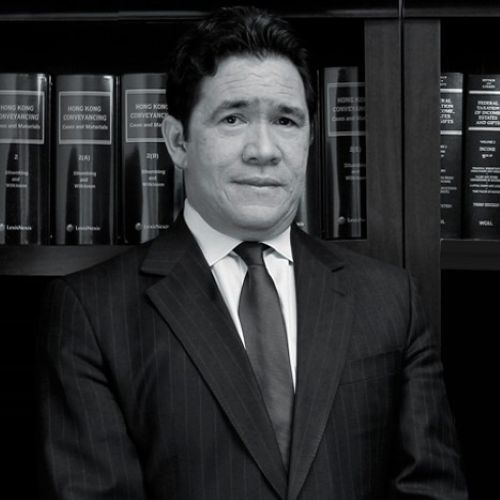
Oscar Grisales-Racini
is of counsel at Robert Allen Law. His practice is concentrated on domestic and international tax, corporate and estate tax planning issues. Mr. Grisales-Racini regularly works with high-net-worth individual clients and family offices to assist with tax planning, expatriation and pre-immigration issues, inbound structures for non-U.S. clients investing or operating in the U.S., outbound structures for U.S. clients investing or operating abroad, and real estate structures for U.S. and non-U.S. investors. He is also involved in advising clients on U.S. tax compliance issues, as well as the Foreign Account Tax Compliance Act (FATCA) and the Common Reporting Standard (CRS). Mr. Grisales-Racini is licensed to practice law in several global jurisdictions, including the U.S. (Florida), England and Wales, British Virgin Islands (BVI), and Colombia. In addition to his J.D. degree, he holds specialized degrees such as an LL.M. degree in international taxation and financial services, as well as an M.B.A. degree, MSc in finance. Mr. Grisales-Racini has written several books and articles on international tax, including taxation reform in China, and U.S. inbound tax planning from Latin American and European clients.
Speaker bio
Evaleen M. Davis
is the principal of the Law Office of Evaleen M. Davis in Plano. She focuses in estate planning, probate and tax planning, including compliance for exempt organizations, as well as asset protection. Ms. Davis is board-certified in estate planning and probate law by the Texas Board of Legal Specialization. She has previously lectured on claims procedures in probate and is a frequent lecturer at the Dallas Police and Fire Pension System Pre-Retirement programs. Ms. Davis earned her B.A. degree from the University of Texas at Arlington and her J.D. degree from Texas Tech University School of Law.
Speaker bio
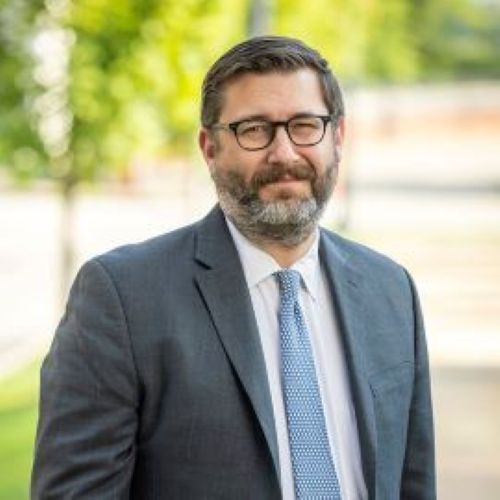
Richard C. Mills
is an experienced attorney who specializes in estate planning, trust and estate administration, and charitable giving. For more than 15 years, he has helped families, businesses, and charitable foundations establish legally and financially secure futures. As a leader of the Probate and Estate Planning Section of the State Bar of Michigan, Mr. Mills helped draft Michigan's trust decanting, self-settled asset protection trust, and divided and directed trusteeship legislation. As an American Bar Association leader, he's helped draft comments to the U.S. Treasury Department on proposed regulations related to donor-advised funds and met with its Office of Tax Policy to discuss important issues on behalf of charitable planning attorneys and their clients. Mr. Mills earned his undergrad from Aquinas College, his M.B.A. degree from The University of Detroit Mercy and his J.D. degree from the University of Detroit Mercy School of Law. He is admitted to practice in the state of Michigan.
Speaker bio
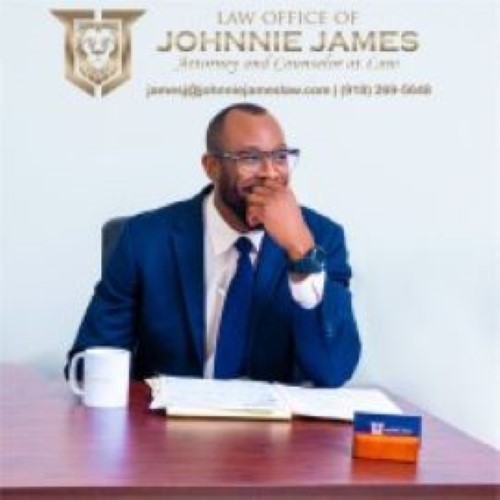
Johnnie J. James, III
is an attorney at The Law Office of Johnnie James, PLLC. He specializes in business, criminal defense, DUI law, copyright, estate planning, entertainment, intellectual property, legal consulting, personal injury, and trademark law. Within estate planning, Mr. James focuses on key elements such as wills, trusts, power of attorney, and beneficiary designations ensure assets are distributed according to your wishes while minimizing tax burdens. He earned his degree from The University of Oklahoma and his J.D. degree from Charlotte School of Law. Mr. James is admitted to practice law in Oklahoma and before the U.S. District Court, Northern District of Oklahoma.
Speaker bio
Matthew M. O'Leary
is a founding partner of O'Leary Wallace LLP, where he practices in the areas of trusts, estates and elder law, with a special emphasis on special needs planning, conservatorships, and probate and trust litigation. Mr. O'Leary earned his B.S. degree from Sacramento State University and his J.D. degree from Santa Clara University School of Law. He is a member of the State Bar of California and the San Luis Obispo Bar Association. Mr. O'Leary is admitted to practice in California.
TOP FAQs
Have more questions? Please Contact Us