

The Legal State of AI 2026: What Has Happened and What's to Come
Credits Available
| Credit | Status | Total | Until |
|---|---|---|---|
| Alaska CLE |
|
6 Total | 04-17-2028 |
| Alabama CLE |
|
6 Total | 12-31-2026 |
| Arkansas CLE |
|
6 Total | 06-30-2027 |
| Arizona CLE |
|
6 Total | 04-17-2028 |
| California CLE |
|
6 Total | 04-17-2028 |
| Colorado CLE |
|
7 Total | 12-31-2026 |
| Connecticut CLE |
|
6 Total | 04-17-2028 |
| Delaware CLE |
|
6 Total | 04-17-2028 |
| Florida CLE |
|
7 Total | 10-31-2027 |
| Georgia CLE |
|
6 Total | 12-31-2027 |
| Hawaii CLE |
|
6 Total | 04-17-2028 |
| Iowa CLE |
|
6 Total | 04-17-2027 |
| Idaho CLE |
|
6 Total | 04-17-2031 |
| Illinois CLE |
|
6 Total | 04-15-2028 |
| Indiana CLE |
|
6 Total | 04-17-2027 |
| Kansas CLE |
|
7 Total | 04-16-2027 |
| Louisiana CLE |
|
6 Total | 04-17-2027 |
| Maine CLE |
|
6 Total | 04-16-2028 |
| Minnesota CLE |
|
6 Total | 04-17-2028 |
| Missouri CLE |
|
6 Total | 04-17-2028 |
| Northern Mariana Islands CLE |
|
6 Total | 04-17-2028 |
| Mississippi CLE |
|
6 Total | 07-31-2027 |
| Montana CLE |
|
6 Total | 04-17-2029 |
| North Carolina CLE |
|
6 Total | 02-28-2027 |
| North Dakota CLE |
|
6 Total | 04-17-2029 |
| Nebraska CLE |
|
6 Total | 04-17-2028 |
| New Hampshire CLE |
|
6 Total | 04-17-2029 |
| New Jersey CLE |
|
7.2 Total | 01-12-2027 |
| New Mexico CLE |
|
6 Total | 04-17-2028 |
| Nevada CLE |
|
6 Total | 04-17-2029 |
| New York CLE |
|
7 Total | 04-17-2029 |
| Ohio CLE |
|
6 Total | 12-31-2026 |
| Oklahoma CLE |
|
7 Total | 04-17-2028 |
| Oregon CLE |
|
6 Total | 04-17-2029 |
| Pennsylvania CLE |
|
6 Total | 04-17-2028 |
| South Carolina CLE |
|
6 Total | 12-31-2026 |
| Tennessee CLE |
|
6 Total | 04-16-2028 |
| Texas CLE |
|
6 Total | 03-31-2027 |
| Utah CLE |
|
6 Total | 12-31-2026 |
| Virginia CLE |
|
6 Total | 10-31-2026 |
| Vermont CLE |
|
6 Total | 04-17-2028 |
| Washington CLE |
|
6 Total | 04-16-2031 |
| Wisconsin CLE |
|
7 Total | 12-31-2027 |
| West Virginia CLE |
|
7.2 Total | 04-17-2028 |
| Wyoming CLE |
|
6 Total |

Buy This Course
OnDemand Video
Course Book Download
Overview
Top Legal Risks, New Tools and Products, Use Assessments, and More
The past couple of years has been a period of rapid legal development for artificial intelligence (AI) in the U.S. The focus is on specific areas of concern, with states taking the lead. How this patchwork of regulations evolved and whether there will be a more unified federal approach remain to be seen. Yet, the use of AI has become ubiquitous. What are the top legal risks of AI for your clients? How do you keep your legal advice current and relevant? This comprehensive legal guide has the answers based on up-to-the-minute research. Stay current - register today!
- Glean the future of AI from current state law trends and regulation efforts.
- Explore the ever-changing world of AI tools, from free open-source tools to highly specialized projects.
- Learn how the growing body of case law addresses top legal risks of AI.
- Write cogent legal opinion letters on your clients' use of AI.
- Power up your practice with AI tools for attorneys.
- Improve your AI-related data security practices to comply with legal ethics rules.
*Any mention of specific products in this program is intended as part of a general overview and does not constitute NBI's endorsement or recommendation of any specific product or provider. This program is not sponsored by any technology or electronics provider.
Abbreviated Agenda
- How Attorneys Are Using Generative AI: Mistakes, Risks, and Opportunities
- The State of AI Design and Industry
- Legislative and Regulatory Climate
- Top Legal Concerns: The Growing Body of Case Law
- Advising Clients on Their Use of AI: Assessing and Mitigating Risks
- Legal Ethics Risks of AI in the Legal Practice
Credit Details
Credits Available
| Credit | Status | Total | Until |
|---|---|---|---|
| Alaska CLE |
|
6 Total | 04-17-2028 |
| Alabama CLE |
|
6 Total | 12-31-2026 |
| Arkansas CLE |
|
6 Total | 06-30-2027 |
| Arizona CLE |
|
6 Total | 04-17-2028 |
| California CLE |
|
6 Total | 04-17-2028 |
| Colorado CLE |
|
7 Total | 12-31-2026 |
| Connecticut CLE |
|
6 Total | 04-17-2028 |
| Delaware CLE |
|
6 Total | 04-17-2028 |
| Florida CLE |
|
7 Total | 10-31-2027 |
| Georgia CLE |
|
6 Total | 12-31-2027 |
| Hawaii CLE |
|
6 Total | 04-17-2028 |
| Iowa CLE |
|
6 Total | 04-17-2027 |
| Idaho CLE |
|
6 Total | 04-17-2031 |
| Illinois CLE |
|
6 Total | 04-15-2028 |
| Indiana CLE |
|
6 Total | 04-17-2027 |
| Kansas CLE |
|
7 Total | 04-16-2027 |
| Louisiana CLE |
|
6 Total | 04-17-2027 |
| Maine CLE |
|
6 Total | 04-16-2028 |
| Minnesota CLE |
|
6 Total | 04-17-2028 |
| Missouri CLE |
|
6 Total | 04-17-2028 |
| Northern Mariana Islands CLE |
|
6 Total | 04-17-2028 |
| Mississippi CLE |
|
6 Total | 07-31-2027 |
| Montana CLE |
|
6 Total | 04-17-2029 |
| North Carolina CLE |
|
6 Total | 02-28-2027 |
| North Dakota CLE |
|
6 Total | 04-17-2029 |
| Nebraska CLE |
|
6 Total | 04-17-2028 |
| New Hampshire CLE |
|
6 Total | 04-17-2029 |
| New Jersey CLE |
|
7.2 Total | 01-12-2027 |
| New Mexico CLE |
|
6 Total | 04-17-2028 |
| Nevada CLE |
|
6 Total | 04-17-2029 |
| New York CLE |
|
7 Total | 04-17-2029 |
| Ohio CLE |
|
6 Total | 12-31-2026 |
| Oklahoma CLE |
|
7 Total | 04-17-2028 |
| Oregon CLE |
|
6 Total | 04-17-2029 |
| Pennsylvania CLE |
|
6 Total | 04-17-2028 |
| South Carolina CLE |
|
6 Total | 12-31-2026 |
| Tennessee CLE |
|
6 Total | 04-16-2028 |
| Texas CLE |
|
6 Total | 03-31-2027 |
| Utah CLE |
|
6 Total | 12-31-2026 |
| Virginia CLE |
|
6 Total | 10-31-2026 |
| Vermont CLE |
|
6 Total | 04-17-2028 |
| Washington CLE |
|
6 Total | 04-16-2031 |
| Wisconsin CLE |
|
7 Total | 12-31-2027 |
| West Virginia CLE |
|
7.2 Total | 04-17-2028 |
| Wyoming CLE |
|
6 Total |
Credit Details by Jurisdiction
OnDemand Video
CLE
Credits
Alaska CLE Reciprocity · 6 Total Credits
- 1 MECLE Ethics
Earn Until
OnDemand - Alaska CLE - 6: Alaska Bar members may claim credit for attending CLE programs that have been accredited by other mandatory CLE jurisdictions. This program qualifies for 6.0 hours of credit, which includes 5.0 hours of MCLE credit and 1.0 hour of MECLE credit.
Video Download - Alaska CLE - 6: Alaska Bar members may claim credit for attending CLE programs that have been accredited by other mandatory CLE jurisdictions. This program qualifies for 6.0 hours of credit, which includes 5.0 hours of MCLE credit and 1.0 hour of MECLE credit.
Alabama CLE Approved · 6 Total Credits
- 1 Ethics/Professionalism
Earn Until
OnDemand - Alabama CLE - 6: This course or a portion thereof has been approved by the Alabama State Bar Mandatory Continuing Legal Education Commission for a maximum of 6.0 on-demand credit hours, including 1.0 ethics/professionalism credit.
Arkansas CLE Approved · 6 Total Credits
- 1 Ethics
Earn Until
OnDemand - Arkansas CLE - 6: NBI, Inc. is an accredited sponsor in the state of Arkansas. This program qualifies for 6.0 hours of on demand continuing legal education credit, including 1.0 hour of ethics, consistent with the rules and regulations of the Arkansas Supreme Court of Professional Programs.
Video Download - Arkansas CLE - 6: NBI, Inc. is an accredited sponsor in the state of Arkansas. This program qualifies for 6.0 hours of on demand continuing legal education credit, including 1.0 hour of ethics, consistent with the rules and regulations of the Arkansas Supreme Court of Professional Programs.
Arizona CLE Approved · 6 Total Credits
- 1 Professional Responsibility
Earn Until
OnDemand - Arizona CLE - 6: The State Bar of Arizona does not approve or accredit CLE activities for the Mandatory Continuing Legal Education requirement. This activity qualifies for 6.0 hours toward your annual CLE requirement for the State of Arizona, including 1.0 hour of professional responsibility.
Video Download - Arizona CLE - 6: The State Bar of Arizona does not approve or accredit CLE activities for the Mandatory Continuing Legal Education requirement. This activity qualifies for 6.0 hours toward your annual CLE requirement for the State of Arizona, including 1.0 hour of professional responsibility.
California CLE Approved · 6 Total Credits
- 1 Technology
- 1 Legal Ethics
Earn Until
OnDemand - California CLE - 6: This activity has been approved for Minimum Continuing Legal Education credit by the State Bar of California and qualifies for 6.0 hours of participatory credit, of which 1.0 hour will apply to legal ethics and 1.0 hour will apply to Technology credit. NBI, Inc. certifies this activity conforms to the standards for approved education activities prescribed by the rules and regulations of the State Bar of California governing minimum continuing legal education. NBI, Inc. is a State Bar of California approved MCLE provider - #53.
Video Download - California CLE - 6: This activity has been approved for Minimum Continuing Legal Education credit by the State Bar of California and qualifies for 6.0 hours of self-study credit, of which 1.0 hour will apply to legal ethics and 1.0 hour will apply to Technology credit. NBI, Inc. certifies this activity conforms to the standards for approved education activities prescribed by the rules and regulations of the State Bar of California governing minimum continuing legal education. NBI, Inc. is a State Bar of California approved MCLE provider - #53.
Colorado CLE Approved · 7 Total Credits
- 1.2 Professional Responsibility
Earn Until
OnDemand - Colorado CLE - 7: NBI, Inc. is a Certified Provider, as recognized by the Colorado Supreme Court Continuing Legal and Judicial Education Committee. This program may qualify for up to 7.0 hours of home study general Colorado Continuing Legal Education Credit, including 1.20 professional responsibility credit.
Video Download - Colorado CLE - 7: NBI, Inc. is a Certified Provider, as recognized by the Colorado Supreme Court Continuing Legal and Judicial Education Committee. This program may qualify for up to 7.0 hours of home study general Colorado Continuing Legal Education Credit, including 1.20 professional responsibility credit.
Connecticut CLE Approved · 6 Total Credits
- 1 Ethics/Professionalism
Earn Until
OnDemand - Connecticut CLE - 6: Neither the Connecticut Judicial Branch nor the Commission on Minimum Continuing Legal Education approve or accredit CLE providers or activities. It is the opinion of NBI, Inc. that this activity qualifies for 6.0 self-study hours toward your annual CLE requirement in Connecticut, including 1.0 self-study hour(s) of ethics/professionalism.
Video Download - Connecticut CLE - 6: Neither the Connecticut Judicial Branch nor the Commission on Minimum Continuing Legal Education approve or accredit CLE providers or activities. It is the opinion of NBI, Inc. that this activity qualifies for 6.0 self-study hours toward your annual CLE requirement in Connecticut, including 1.0 self-study hour(s) of ethics/professionalism.
Delaware CLE Approved · 6 Total Credits
- 1 Ethics
Earn Until
OnDemand - Delaware CLE - 6: NBI, Inc. is an accredited sponsor of the Delaware Commission on Continuing Legal Education and recommends this program for 6.0 hours of eCLE credit, including 1.0 hour of ethics.
Florida CLE Approved · 7 Total Credits
- 7 Technology
- 1 Professional Responsibility
Earn Until
OnDemand - Florida CLE - 7: Approved by The Florida Bar, this program qualifies for 7.0 general hours of CLER self-study credit including 1.0 hour of self-study professional responsibility (may include legal ethics, professionalism, substance abuse or mental illness and wellness programs) and 7.0 hours of self-study technology.
Video Download - Florida CLE - 7: Approved by The Florida Bar, this program qualifies for 7.0 general hours of CLER self-study credit including 1.0 hour of self-study professional responsibility (may include legal ethics, professionalism, substance abuse or mental illness and wellness programs) and 7.0 hours of self-study technology.
Georgia CLE Approved · 6 Total Credits
- 1 Ethics
Earn Until
OnDemand - Georgia CLE - 6: This program is approved by the Commission on Continuing Lawyer Competency of the State Bar of Georgia. This program qualifies for 6.0 hours of distance learning continuing legal education credit with the Georgia Commission on Continuing Lawyer Competency, which includes 1.0 hour of distance learning ethics.
Video Download - Georgia CLE - 6: This program is approved by the Commission on Continuing Lawyer Competency of the State Bar of Georgia. This program qualifies for 6.0 hours of distance learning continuing legal education credit with the Georgia Commission on Continuing Lawyer Competency, which includes 1.0 hour of distance learning ethics.
Hawaii CLE Approved · 6 Total Credits
- 1 Ethics/Professional Responsibility
Earn Until
OnDemand - Hawaii CLE - 6: NBI, Inc. is an Accredited Provider with the Hawaii State Board of Continuing Legal Education. This alternative format activity has been approved for 6.0 hours of credit for the state of Hawaii, which includes 1.0 hour of ethics or professional responsibility education.
Video Download - Hawaii CLE - 6: NBI, Inc. is an Accredited Provider with the Hawaii State Board of Continuing Legal Education. This alternative format activity has been approved for 6.0 hours of credit for the state of Hawaii, which includes 1.0 hour of ethics or professional responsibility education.
Iowa CLE Approved · 6 Total Credits
- 1 Legal Ethics
Earn Until
OnDemand - Iowa CLE - 6: "The Legal State of AI 2025-2026: What Has Happened and What's to Come" is an accredited program under the regulations of the Iowa Supreme Court Commission on Continuing Legal Education. It is planned that this program will provide a maximum of 6.0 hours of unmoderated activity credit toward the mandatory continuing legal education requirements under the Iowa rule, including 1.0 hour of legal ethics unmoderated activity credit.
Idaho CLE Approved · 6 Total Credits
- 1 Legal Ethics/Professional Responsibility
Earn Until
OnDemand - Idaho CLE - 6: Approved for 6.0 hours of self-study continuing legal education credit in the state of Idaho, which includes 1.0 self-study legal ethics or professional responsibility credit.
Video Download - Idaho CLE - 6: Approved for 6.0 hours of self-study continuing legal education credit in the state of Idaho, which includes 1.0 self-study legal ethics or professional responsibility credit.
Illinois CLE Approved · 6 Total Credits
- 1 Professional Responsibility
Earn Until
OnDemand - Illinois CLE - 6: This program has been approved by the Illinois MCLE Board for 6.0 hours of recorded technology CLE credit, which includes approval for 1.0 hour of legal ethics, civility, professionalism or sexual harassment prevention training CLE credit by the Illinois Supreme Court Commission on Professionalism.
Video Download - Illinois CLE - 6: This program has been approved by the Illinois MCLE Board for 6.0 hours of recorded technology CLE credit, which includes approval for 1.0 hour of legal ethics, civility, professionalism or sexual harassment prevention training CLE credit by the Illinois Supreme Court Commission on Professionalism.
Indiana CLE Approved · 6 Total Credits
- 1 Ethics
Earn Until
OnDemand - Indiana CLE - 6: This course has been approved by the Indiana Supreme Court Office of Admissions & Continuing Education. Participating attorneys are eligible to receive 6.0 hours of distance education, which includes 1.0 hour of ethics.
Kansas CLE Approved · 7 Total Credits
- 1 Ethics/Professionalism
Earn Until
OnDemand - Kansas CLE - 7: Approved by Kansas CLE for 7.0 hours of prerecorded format continuing legal education credit, which includes 1.0 hour of ethics and professionalism credit.
Video Download - Kansas CLE - 7: Approved by Kansas CLE for 7.0 hours of prerecorded format continuing legal education credit, which includes 1.0 hour of ethics and professionalism credit.
Louisiana CLE Approved · 6 Total Credits
- 2 Law Office Practice
- 1 Ethics
Earn Until
OnDemand - Louisiana CLE - 6: This course or a portion thereof has been approved by the Louisiana Mandatory Continuing Legal Education Committee of the Louisiana State Bar Association. This program qualifies for 6.0 hours (based on a 60-minute credit hour) of computer based credit, of which 1.0 hour will apply to computer based ethics credit and 2.0 hours will apply to computer-based law office practice.
Maine CLE Approved · 6 Total Credits
Earn Until
OnDemand - Maine CLE - 6: This course has been approved by the State of Maine Board of Overseers of the Bar. Lawyers who complete this course will receive 6.0 hours of self-study CLE credit.
Video Download - Maine CLE - 6: This course has been approved by the State of Maine Board of Overseers of the Bar. Lawyers who complete this course will receive 6.0 hours of self-study CLE credit.
Course Book - Maine CLE - 6: This course has been approved by the State of Maine Board of Overseers of the Bar. Lawyers who complete this course will receive 6.0 hours of self-study CLE credit.
Minnesota CLE Approved · 6 Total Credits
- 1 Ethics
Earn Until
OnDemand - Minnesota CLE - 6: Approved for 6.0 hours of standard on-demand CLE credit, including 1.0 hour of ethics credit by the Minnesota Board of Continuing Legal Education.
Video Download - Minnesota CLE - 6: Approved for 6.0 hours of standard on-demand CLE credit, including 1.0 hour of ethics credit by the Minnesota Board of Continuing Legal Education.
Missouri CLE Approved · 6 Total Credits
Earn Until
OnDemand - Missouri CLE - 6: NBI, Inc. is an accredited sponsor with Missouri Minimum Continuing Legal Education. This program qualifies for 6.0 self-study CLE credit hours.
Video Download - Missouri CLE - 6: NBI, Inc. is an accredited sponsor with Missouri Minimum Continuing Legal Education. This program qualifies for 6.0 self-study CLE credit hours.
Course Book - Missouri CLE - 6: NBI, Inc. is an accredited sponsor with Missouri Minimum Continuing Legal Education. This program qualifies for 6.0 self-study CLE credit hours.
Northern Mariana Islands CLE Approved · 6 Total Credits
Earn Until
OnDemand - Northern Mariana Islands CLE - 6: This course has been approved by the Commonwealth of the Northern Mariana Islands. Lawyers who complete this course shall receive 6.0 hours of self-study CLE credit.
Video Download - Northern Mariana Islands CLE - 6: This course has been approved by the Commonwealth of the Northern Mariana Islands. Lawyers who complete this course shall receive 6.0 hours of self-study CLE credit.
Course Book - Northern Mariana Islands CLE - 6: This course has been approved by the Commonwealth of the Northern Mariana Islands. Lawyers who complete this course shall receive 6.0 hours of self-study CLE credit.
Mississippi CLE Approved · 6 Total Credits
- 1 Ethics/Professionalism
Earn Until
OnDemand - Mississippi CLE - 6: This course has been approved by the Mississippi Commission on Continuing Legal Education for a maximum of 6.0 hours of Online credit, which includes 1.0 hour of ethics/ professionalism.
Montana CLE Approved · 6 Total Credits
- 1 Professional Fitness and Integrity
Earn Until
OnDemand - Montana CLE - 6: This program qualifies for 6.0 hours of self-study CLE credit by the Montana Commission of Continuing Legal Education, including 1.0 hour of professional fitness and integrity credit.
Video Download - Montana CLE - 6: This program qualifies for 6.0 hours of self-study CLE credit by the Montana Commission of Continuing Legal Education, including 1.0 hour of professional fitness and integrity credit.
North Carolina CLE Approved · 6 Total Credits
- 1 Technology
- 1 Professional Responsibility
Earn Until
OnDemand - North Carolina CLE - 6: NBI, Inc. is an accredited sponsor with the North Carolina State Board of Continuing Legal Education. Attendance of this program qualifies for 6.0 hours of online CLE credit, including 1.0 professional responsibility and 1.0 technology.
Video Download - North Carolina CLE - 6: NBI, Inc. is an accredited sponsor with the North Carolina State Board of Continuing Legal Education. Attendance of this program qualifies for 6.0 hours of online CLE credit, including 1.0 professional responsibility and 1.0 technology.
North Dakota CLE Approved · 6 Total Credits
- 1 Ethics
Earn Until
OnDemand - North Dakota CLE - 6: North Dakota attorneys completing this program may claim 6.0 North Dakota self-study CLE credit hours, including 1.0 hour of self-study ethics credit, on the Report of Compliance.
Video Download - North Dakota CLE - 6: North Dakota attorneys completing this program may claim 6.0 North Dakota self-study CLE credit hours, including 1.0 hour of self-study ethics credit, on the Report of Compliance.
Nebraska CLE Approved · 6 Total Credits
- 1 Professional Responsibility
Earn Until
OnDemand - Nebraska CLE - 6: NBI, Inc. is an accredited CLE sponsor in the state of Nebraska. This activity has been approved for 6.0 distance learning CLE credits, including 1.0 hour of professional responsibility credit.
Video Download - Nebraska CLE - 6: NBI, Inc. is an accredited CLE sponsor in the state of Nebraska. This activity has been approved for 6.0 distance learning CLE credits, including 1.0 hour of professional responsibility credit.
New Hampshire CLE Approved · 6 Total Credits
- 1 Ethics/Professionalism
Earn Until
OnDemand - New Hampshire CLE - 6: NHMCLE does not approve or accredit CLE activities for the NH Minimum CLE requirement. NBI, Inc. believes this course meets the requirements of NH Supreme Court Rule 53 toward the annual NHMCLE requirement.
Video Download - New Hampshire CLE - 6: NHMCLE does not approve or accredit CLE activities for the NH Minimum CLE requirement. NBI, Inc. believes this course meets the requirements of NH Supreme Court Rule 53 toward the annual NHMCLE requirement.
New Jersey CLE Approved · 7.2 Total Credits
- 1.2 Ethics/Professionalism
Earn Until
OnDemand - New Jersey CLE - 7.2: This program has been approved by the Board on Continuing Legal Education of the Supreme Court of New Jersey for 7.20 hours of alternative format CLE credit. Of these, 1.20 qualifies as hours of alternative learning format credit for ethics/professionalism.
Video Download - New Jersey CLE - 7.2: This program has been approved by the Board on Continuing Legal Education of the Supreme Court of New Jersey for 7.20 hours of alternative format CLE credit. Of these, 1.20 qualifies as hours of alternative learning format credit for ethics/professionalism.
New Mexico CLE Approved · 6 Total Credits
- 1 Ethics
Earn Until
OnDemand - New Mexico CLE - 6: This program has been approved by the Board of Bar Commissioners of the State Bar of New Mexico. This program qualifies for 6.0 hours of self-study credit, including 1.0 hour of self-study ethics credit.
Video Download - New Mexico CLE - 6: This program has been approved by the Board of Bar Commissioners of the State Bar of New Mexico. This program qualifies for 6.0 hours of self-study credit, including 1.0 hour of self-study ethics credit.
Nevada CLE Approved · 6 Total Credits
- 1 Ethical Considerations
Earn Until
OnDemand - Nevada CLE - 6: This course has been approved by the Nevada Board of Continuing Legal Education. This program qualifies for 6.0 hours of alternative format CLE credits by the Nevada Board of Continuing Legal Education, which includes 1.0 hour of alternative format ethical considerations.
Video Download - Nevada CLE - 6: This course has been approved by the Nevada Board of Continuing Legal Education. This program qualifies for 6.0 hours of alternative format CLE credits by the Nevada Board of Continuing Legal Education, which includes 1.0 hour of alternative format ethical considerations.
New York CLE Approved · 7 Total Credits
- 4 Cybersecurity, Privacy and Data Protection-General
- 2 Law Practice Management
- 1 Cybersecurity, Privacy and Data Protection-Ethics
Earn Until
OnDemand - New York CLE - 7: This nontraditional format course has been approved in accordance with the requirements of the New York State Continuing Legal Education Board for up to 7.0 credit hours. 64.0 hours can be applied to the cybersecurity, privacy and data protection requirement, 2.0 hours can be applied to the law practice management requirement and is approved for experienced attorneys. 1.0 hour can be applied toward the cybersecurity, privacy, and data protection or the ethics/professionalism requirement and is approved for experienced attorneys. NBI, Inc. offers a Financial Hardship Policy for qualifying individuals. To apply, please submit a request via email to our Tuition Discount Committee at customerservice@nbi-sems.com.
Video Download - New York CLE - 7: This nontraditional format course has been approved in accordance with the requirements of the New York State Continuing Legal Education Board for up to 7.0 credit hours. 4.0 hours can be applied to the cybersecurity, privacy and data protection requirement, 2.0 hours can be applied to the law practice management requirement is approved for experienced attorneys. 1.0 hour can be applied toward the cybersecurity, privacy, and data protection or the ethics/professionalism requirement and is approved for experienced attorneys. NBI, Inc. offers a Financial Hardship Policy for qualifying individuals. To apply, please submit a request via email to our Tuition Discount Committee at customerservice@nbi-sems.com.
Ohio CLE Approved · 6 Total Credits
- 1 Professional Conduct
Earn Until
OnDemand - Ohio CLE - 6: This course has been approved by the Supreme Court of Ohio Commission on Continuing Legal Education for 6.0 self-study CLE credit hours, including 1.0 hour of attorney professional conduct instruction.
Video Download - Ohio CLE - 6: This course has been approved by the Supreme Court of Ohio Commission on Continuing Legal Education for 6.0 self-study CLE credit hours, including 1.0 hour of attorney professional conduct instruction.
Oklahoma CLE Approved · 7 Total Credits
- 1 Legal Ethics
Earn Until
OnDemand - Oklahoma CLE - 7: This course has been approved by the Oklahoma Bar Association Mandatory Continuing Legal Education Commission. This program qualifies for 7.0 of On Demand CLE credit hours, which includes 1.0 hour of legal ethics.
Video Download - Oklahoma CLE - 7: This course has been approved by the Oklahoma Bar Association Mandatory Continuing Legal Education Commission. This program qualifies for 7.0 of On Demand CLE credit hours, which includes 1.0 hour of legal ethics.
Oregon CLE Approved · 6 Total Credits
- 1 Ethics
Earn Until
OnDemand - Oregon CLE - 6: NBI, Inc. is an approved sponsor with the Oregon MCLE. This program qualifies for 5.0 hours of general continuing legal education credit and 1.0 hour of ethics credit.
Video Download - Oregon CLE - 6: NBI, Inc. is an approved sponsor with the Oregon MCLE. This program qualifies for 5.0 hours of general continuing legal education credit and 1.0 hour of ethics credit.
Pennsylvania CLE Approved · 6 Total Credits
- 1 Ethics
Earn Until
OnDemand - Pennsylvania CLE - 6: This program has been approved by the Pennsylvania Continuing Legal Education Board. This program qualifies for 6.0 hours of distance learning credit, including 5.0 hours of substantive law, practice and procedure CLE credit and 1.0 hour of ethics, professionalism or substance abuse distance learning CLE credit.
Video Download - Pennsylvania CLE - 6: This program has been approved by the Pennsylvania Continuing Legal Education Board. This program qualifies for 6.0 hours of distance learning credit, including 5.0 hours of substantive law, practice and procedure CLE credit and 1.0 hour of ethics, professionalism or substance abuse distance learning CLE credit.
South Carolina CLE Approved · 6 Total Credits
- 1 Legal Ethics/Professional Responsibility
Earn Until
OnDemand - South Carolina CLE - 6: This course is accredited by the South Carolina Commission on Continuing Legal Education and Specialization for 6.0 alternatively delivered hours, of which 1.0 hour relates to legal ethics and professional responsibility.
Tennessee CLE Approved · 6 Total Credits
- 1 Ethics/Professionalism
Earn Until
OnDemand - Tennessee CLE - 6: This course has been approved by the Tennessee Commission on Continuing Legal Education for a maximum of 6.0 hours of Distance Learning credit, including 1.0 hour of ethics/professionalism (EP) credit.
Texas CLE Approved · 6 Total Credits
- 1 Legal Ethics/Professional Responsibility
Earn Until
OnDemand - Texas CLE - 6: This course is accredited for Minimum Continuing Legal Education credit by the State Bar of Texas Committee on MCLE in the amount of 6.0 credit hours, of which 1.0 credit hour will apply to legal ethics/professional responsibility credit. Hours in attendance at National Business Institute CLE seminars may be applied to the minimum Judicial Education requirement.
Video Download - Texas CLE - 6: This course is accredited for Minimum Continuing Legal Education credit by the State Bar of Texas Committee on MCLE in the amount of 6.0 credit hours, of which 1.0 credit hour will apply to legal ethics/professional responsibility credit. Hours in attendance at National Business Institute CLE seminars may be applied to the minimum Judicial Education requirement.
Utah CLE Approved · 6 Total Credits
- 1 Ethics
Earn Until
OnDemand - Utah CLE - 6: National Business Institute is an approved "presumptive provider" with the Utah State Board of Continuing Legal Education. This program qualifies for 6.0 hours of self-study CLE credit for Utah attorneys, which includes 1.0 hour of ethics credit.
Video Download - Utah CLE - 6: National Business Institute is an approved "presumptive provider" with the Utah State Board of Continuing Legal Education. This program qualifies for 6.0 hours of self-study CLE credit for Utah attorneys, which includes 1.0 hour of ethics credit.
Virginia CLE Approved · 6 Total Credits
- 1 Ethics/Professionalism
Earn Until
OnDemand - Virginia CLE - 6: This course has been approved by the Virginia Mandatory Continuing Legal Education Board for 6.0 hours of prerecorded credit, of which 1.0 hour will also apply in the area of legal ethics or professionalism.
Video Download - Virginia CLE - 6: This course has been approved by the Virginia Mandatory Continuing Legal Education Board for 6.0 hours of prerecorded credit, of which 1.0 hour will also apply in the area of legal ethics or professionalism.
Vermont CLE Approved · 6 Total Credits
- 1 Ethics
Earn Until
OnDemand - Vermont CLE - 6: This course has been approved by the Vermont Board of Mandatory Continuing Legal Education. This program qualifies for 6.0 hours of self-study credit, including 1.0 hour of self-study ethics credit.
Video Download - Vermont CLE - 6: This course has been approved by the Vermont Board of Mandatory Continuing Legal Education. This program qualifies for 6.0 hours of self-study credit, including 1.0 hour of self-study ethics credit.
Washington CLE Approved · 6 Total Credits
- 5 Office Management
- 1 Ethics/Professional Responsibility
Earn Until
OnDemand - Washington CLE - 6: This program qualifies for 6.0 hours of Washington continuing legal education (Self Study) A/V credit, which includes 0.0 hours of Law and Legal Procedure, 5.0 hours of Other Approved Subject Areas in the area of office management and 1.0 hour of ethics/professionalism.
Video Download - Washington CLE - 6: This program qualifies for 6.0 hours of Washington continuing legal education (Self Study) A/V credit, which includes 0.0 hours of Law and Legal Procedure, 5.0 hours of Other Approved Subject Areas in the area of office management and 1.0 hour of ethics/professionalism.
Wisconsin CLE Approved · 7 Total Credits
Earn Until
OnDemand - Wisconsin CLE - 7: Approved for 7.0 hours of repeated on-demand CLE credit by the Board of Bar Examiners.
Video Download - Wisconsin CLE - 7: Approved for 7.0 hours of repeated on-demand CLE credit by the Board of Bar Examiners.
West Virginia CLE Approved · 7.2 Total Credits
- 1.2 Ethics
Earn Until
OnDemand - West Virginia CLE - 7.2: This program qualifies for 7.20 hours of pre-recorded credit, which includes 1.20 hour of pre-recorded ethics credit, under the West Virginia Rules for Mandatory Continuing Legal Education.
Video Download - West Virginia CLE - 7.2: This program qualifies for 7.20 hours of pre-recorded credit, which includes 1.20 hour of pre-recorded ethics credit, under the West Virginia Rules for Mandatory Continuing Legal Education.
Wyoming CLE Approved · 6 Total Credits
- 1 Ethics
OnDemand - Wyoming CLE - 6: The Wyoming State Board of Continuing Legal Education has granted 6.0 hours of Continuing Legal Education Credit, including 1.0 hour of ethics.
Video Download - Wyoming CLE - 6: The Wyoming State Board of Continuing Legal Education has granted 6.0 hours of Continuing Legal Education Credit, including 1.0 hour of ethics.
Course Book (PDF Download)
CLE
Credits
Maine CLE Approved · 6 Total Credits
Earn Until
Course Book - Maine CLE - 6: This course has been approved by the State of Maine Board of Overseers of the Bar. Lawyers who complete this course will receive 6.0 hours of self-study CLE credit.
Missouri CLE Approved · 6 Total Credits
Earn Until
Course Book - Missouri CLE - 6: NBI, Inc. is an accredited sponsor with Missouri Minimum Continuing Legal Education. This program qualifies for 6.0 self-study CLE credit hours.
Northern Mariana Islands CLE Approved · 6 Total Credits
Earn Until
Course Book - Northern Mariana Islands CLE - 6: This course has been approved by the Commonwealth of the Northern Mariana Islands. Lawyers who complete this course shall receive 6.0 hours of self-study CLE credit.
Select Jurisdiction
CLE
Agenda
-
How Attorneys Are Using Generative AI: Mistakes, Risks, and Opportunities
- Administrative Tasks
- Improving Client Intake and Communications
- Social Media and Legal Advertising
- Legal Research
- GenAI-Assisted LPM Tools for Solos and Small Firms: Expanding Your Reach
- Using AI Legal Analytics to Identify Case Trends and Create Opportunities
-
The State of AI Design and Industry
- The Race Toward True General Artificial Intelligence
- Energy Consumption Issues
- Specialized AI for Everyone and Every Task
- Top Legal Challenges AI Developers Face
- Existing and Emerging AI Tools: Free vs. Paid, General vs. Specialized
-
Legislative and Regulatory Climate
- U.S. Federal Regulation: Combatting Bias
- State Laws: Lessons From Illinois, New York, Texas, Vermont, and Others
- International Laws and Regulatory Efforts
-
Top Legal Concerns: The Growing Body of Case Law
- Privacy and Data Security
- Bias and Fairness: Anti-Discrimination Laws, Data and Algorithmic Biases
- Data Training Risks
- Compliance With Industry-Specific Regulations
- Liability and Accountability
- Intellectual Property
-
Advising Clients on Their Use of AI: Assessing and Mitigating Risks
- AI Use Assessments: Identifying Legal Risks
- Scrutinizing AI Vendor Contracts, AI-Washing Claims
- Incorporating Generative AI Into Current Products
- Drafting Legal Opinions on the Use of AI
-
Legal Ethics Risks of AI in the Legal Practice
- Transparency
- Is AI Mastery Part of the Attorney's Duty of Technology Competence?
- Data Security Concerns
- Confidentiality and Turning Off Model Training
- Preventing the Unauthorized Practice of Law (UPL)
Who Should Attend
This AI law guide is designed for attorneys. CTOs and CCOs, law firm tech support, data security analysts, AI developers, and paralegals will also benefit.
Speakers
Speaker bio
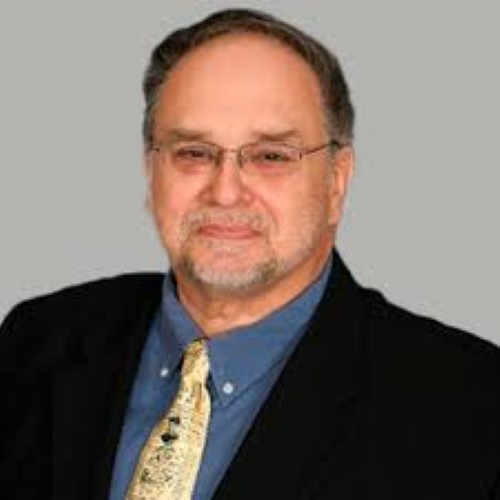
Niloy Ray
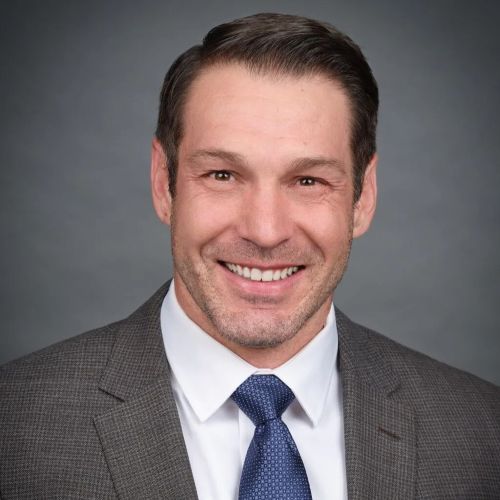
is a nationally recognized thought leader on AI, eDiscovery, and the use of technology across the employment lifecycle. As a shareholder at Littler Mendelson, P.C. - the world's largest labor and employment law firm - and co-chair of the firm's AI practice, he advises clients on pragmatic and compliant approaches to assessing, deploying, and managing employee-focused AI tools on the one hand and defends against AI-based employment class actions on the other. Mr. Ray's cross-functional guidance supports business, product, and HR teams in navigating the evolving use and regulation of AI-driven tools and processes. He helps clients create and implement AI development policies, select and deploy AI tools, train teams on AI risks, and comply with emerging regulations in the U.S. and internationally. Using his deep legal and technological expertise, Mr. Ray provides tailored solutions for integrating AI across the employment lifecycle while minimizing compliance and litigation risks. Prior to Littler, he was a litigator at Jones Day, and before that, was an engineer who spent several years coding, designing, and leading the development of supply chain software applications for Retek Inc., now part of Oracle. Mr. Ray is a native of India, a graduate of the University of Virginia School of Law, and a proud son of Macalester College, where he teaches trial advocacy and coaches a nationally-ranked Mock Trial program. When not staring at a screen and keyboard, he enjoys spinning tales for his parents, wife and children.
Speaker bio
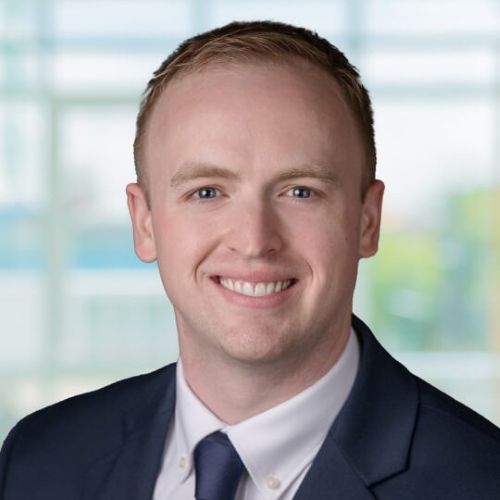
John M. Cinti
is an attorney with the law firm of Mintzer Sarowitz Zeris & Willis LLC, where he has focused his practice on civil litigation, concentrating on personal injury with an emphasis on matters involving catastrophic injury and wrongful death. Additionally, Mr. Cinti has regularly brought his talents to the aid of clients in disputes involving breach of contract and a variety of commercial torts. He also has significant experience in assisting clients in various aspects of insurance coverage, including bad faith claims, declaratory judgment and insurance agent/broker malpractice. Mr. Cinti was designated a certified civil trial Attorney by the New Jersey Supreme Court in 2004. He is a member of the New Jersey State, New York State and Pennsylvania bar associations. Mr. Cinti earned his B.S. degree from the University of Scranton and his J.D. degree from Rutgers University School of Law-Newark.
Speaker bio
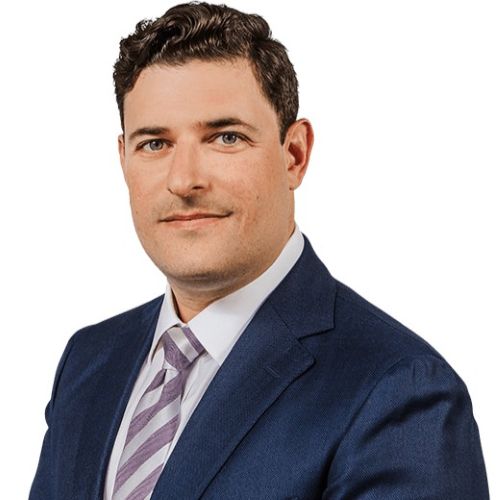
Paul J. Hulbert
is an associate with the Salt Lake City office of Ogletree Deakins. He is a labor and employment litigator. Mr. Hulbert's practice focuses on representing employers in state and federal court and before administrative agencies. Before joining Ogletree Deakins, he served as a U.S. Navy judge advocate. As a military prosecutor, Mr. Hulbert managed a heavy caseload at all litigation stages up to sentencing, including prosecuting two cases to verdict in jury trials. While serving as military defense counsel, he tried over 20 administrative employment termination hearings. Mr. Hulbert delivered outstanding results for his clients, with 71% of hearings resulting in either a finding of no misconduct or a recommendation of retention. While studying at J. Reuben Clark Law School (Brigham Young University), he held leadership positions in the Trial Advocacy Team, Journal of Public Law, Military & National Security Club, and Government & Politics Legal Society. Mr. Hulbert spent his first summer of law school with the Homicide and Violent Crime Unit of the King County Prosecuting Attorney's Office, and his second summer with the U.S. Navy at the headquarters of Commander, Navy Region Southwest. Additionally, he worked as a law clerk at the Civil Division of the Salt Lake County District Attorney's Office and as an extern with both the Utah County Public Defender's Office and the BYU Community Legal Clinic. During the year leading up to law school, Mr. Hulbert served as an AmeriCorps Volunteer in Service to America (VISTA), where he helped manage a community center for low-income families. He is admitted to practice in Utah and Washington.
Speaker bio
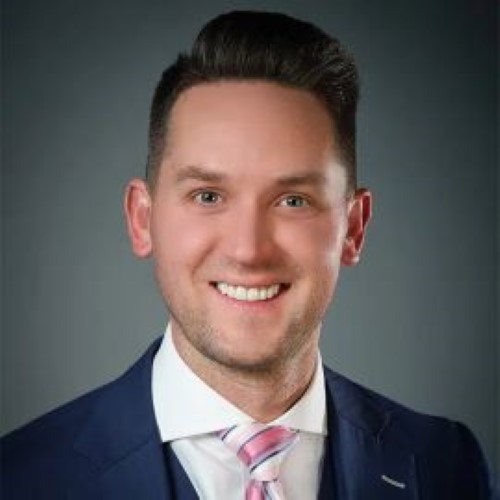
Moish E. Peltz
is co-managing partner of the New York City office of Falcon Rappaport & Berkman LLP. He co-chairs FRB's Digital Assets Practice Group and chairs FRB's Intellectual Property Practice Group. Mr. Peltz oversees coordination between the Digital Asset Practice Group and all other practice groups of the firm, to ensure that the firm's clients receive the benefit of FRB's full-service approach, custom tailored to the unique issues presented by the blockchain industry. He also advises numerous venture technology companies on emerging technology and blockchain matters, with a focus on the intersection of IP and blockchain. Mr. Peltz has been advising cryptocurrency ventures since 2014, and combines his knowledge of the blockchain with a decade of IP and business law experience where he helps entrepreneurs grow their businesses and brands and resolve disputes. His practice encompasses both transactional and business litigation matters. Mr. Peltz's practice also focuses on U.S. and worldwide trademark prosecution and enforcement, including litigation before the Trademark Trial and Appeal Board (TTAB). His previous experience includes working at a premier IP law firm where he acted as trial counsel in numerous contested IP matters before U.S. District Courts and Courts of Appeal. Mr. Peltz has worked across numerous industries, including technology, energy and renewable energy, entertainment, media, and advertising, real estate, hospitality, education, cryptocurrency and NFTs, artificial intelligence (AI), legal cannabis (including hemp and CBD), and medical/health care. He has assisted entrepreneurs, artists, and non-profits with their various legal needs. Mr. Peltz earned his B.A. degree from Union College; and his J.D. degree, with Certificate in Intellectual Property Law, from University of Florida Frederic G. Levin College of Law.
Speaker bio
Ryan C. Gregerson
is the founder and managing partner of RCG Law Group in South Jordan, Utah. He has represented thousands of individuals in divorce and family law cases over the last 16 years. Mr. Gregerson earned his J.D. degree from Baylor Law School and his B.S. degree in finance at University of Utah. He is the vice chair of the Law Practice Management and Technology Committee of the Family Law Section of the ABA; and serves on the Awards Committee for the Utah State Bar.
Speaker bio
Joey Carlson
is an equity partner and COO of RCG Law Group in South Jordan, Utah with over 12 years of experience across multiple practice areas. His passion for family law stems from a deep understanding that the legal aspects are just one piece of a much larger picture of family dynamics. Mr. Carlson takes a holistic approach, recognizing the emotional and practical challenges that families face during divorce. His goal is to guide clients through every step of this life-changing process, helping them build a strong foundation for their future. Mr. Carlson earned his B.A. degree from Southern Utah University and his J.D. degree from Arizona Summit Law School.
TOP FAQs
Have more questions? Please Contact Us