

Civil Litigation Hearings From Start to Finish
Credits Available
| Credit | Status | Total | Until |
|---|---|---|---|
| California MCLE Paralegal |
|
6 Total | 04-15-2028 |
| Alaska CLE |
|
6 Total | 04-15-2028 |
| Alabama CLE |
|
6 Total | 12-31-2026 |
| Arkansas CLE |
|
6 Total | 06-30-2027 |
| Arizona CLE |
|
6 Total | 04-15-2028 |
| California CLE |
|
6 Total | 04-15-2028 |
| Colorado CLE |
|
7 Total | 12-31-2028 |
| Connecticut CLE |
|
6 Total | 04-15-2028 |
| Delaware CLE |
|
6 Total | 04-15-2028 |
| Florida CLE |
|
7 Total | 10-31-2027 |
| Georgia CLE |
|
6 Total | 12-31-2027 |
| Hawaii CLE |
|
6 Total | 04-15-2028 |
| Iowa CLE |
|
6 Total | 04-15-2027 |
| Illinois CLE |
|
6 Total | 04-13-2028 |
| Indiana CLE |
|
6 Total | 04-15-2027 |
| Kansas CLE |
|
7 Total | 04-14-2027 |
| Maine CLE |
|
6 Total | 04-13-2028 |
| Minnesota CLE |
|
6 Total | 04-15-2028 |
| Missouri CLE |
|
6 Total | 04-15-2028 |
| Northern Mariana Islands CLE |
|
6 Total | 04-15-2028 |
| Mississippi CLE |
|
6 Total | 07-31-2027 |
| Montana CLE |
|
6 Total | 04-15-2029 |
| North Carolina CLE |
|
6 Total | 02-28-2027 |
| North Dakota CLE |
|
6 Total | 04-15-2029 |
| Nebraska CLE |
|
6 Total | 04-15-2028 |
| New Hampshire CLE |
|
6 Total | 04-15-2029 |
| New Jersey CLE |
|
7.2 Total | 01-09-2027 |
| New Mexico CLE |
|
6 Total | 04-15-2028 |
| Nevada CLE |
|
6 Total | 04-15-2029 |
| New York CLE |
|
7 Total | 04-15-2029 |
| Ohio CLE |
|
6 Total | 12-31-2026 |
| Oklahoma CLE |
|
7 Total | 04-15-2028 |
| Oregon CLE |
|
6 Total | 04-15-2029 |
| Pennsylvania CLE |
|
6 Total | 04-15-2028 |
| South Carolina CLE |
|
6 Total | 12-31-2026 |
| Tennessee CLE |
|
6 Total | 04-14-2028 |
| Texas CLE |
|
6 Total | 03-31-2027 |
| Utah CLE |
|
6 Total | 12-31-2026 |
| Virginia CLE |
|
6 Total | 10-31-2026 |
| Vermont CLE |
|
6 Total | 04-15-2028 |
| Washington CLE |
|
6 Total | 04-14-2031 |
| Wisconsin CLE |
|
7 Total | 12-31-2027 |
| West Virginia CLE |
|
7.2 Total | 04-15-2028 |
| Wyoming CLE |
|
6 Total | |
| Delaware Certified Paralegal Program |
|
6 Total | 04-15-2027 |
| Florida Registered Paralegal |
|
6 Total | 10-31-2027 |
| Indiana Paralegal CLE |
|
6 Total | 04-15-2027 |
| Montana CLE Credit for Paralegals |
|
6 Total | 04-15-2028 |
| North Carolina Continuing Paralegal Education |
|
6 Total | 02-28-2027 |
| New Mexico Paralegal Division, State Bar of |
|
6 Total | 04-15-2028 |
| Ohio Certified Paralegals |
|
6 Total | 04-15-2027 |
| NFPA |
|
0 Total | 04-15-2027 |
| Texas State Bar of Paralegal Division |
|
6 Total | 04-15-2028 |
Buy This Course
OnDemand Video
Course Book Download
Overview
Judges Value Their Time, So Make Every Minute Count
Civil hearings are where preparation, strategy, and persuasion converge - and where cases can be won or lost. This comprehensive, basic-level CLE walks you through hearings in civil litigation with a clear understanding of what to expect and how to deliver your arguments effectively. Whether you're handling summary judgment arguments or evidentiary hearings, learn how to make every appearance strategic and impactful. Register today!
- Learn how to take control of case scheduling and set an appropriate pace for litigation.
- Draft motions and briefs that persuade on paper, not just comply with form.
- Read the judge, pivot when it counts, and turn oral arguments into conversations that persuade.
- Get practical tips for navigating dispositive and non-dispositive hearings.
- Avoid hearing missteps that derail credibility and cross ethical lines.
- Discover five trial truths every attorney should know before stepping into the courtroom.
This program was designed in conjunction with NBI's esteemed 2023-2026 Content Advisory Committee Member James Susag.
Abbreviated Agenda
- Making Case Scheduling, Case Management, and Status Hearings Count
- Motion and Brief Writing Tips: How to Make the Judge Say “Yes” on Paper
- The Art of Oral Advocacy: Having a Conversation With the Judge
- "Don't Do That, Counsel": Avoiding Ethical Pitfalls
- Tips for Using Settlement Conferences and Mediation Strategically
- Dispositive Hearings: From Dismissal to Summary Judgment
- Non-Dispositive Hearings: Picking Your Battles
- The Final Pretrial Conference, Evidentiary Hearings, and Trial
Credit Details
Credits Available
| Credit | Status | Total | Until |
|---|---|---|---|
| California MCLE Paralegal |
|
6 Total | 04-15-2028 |
| Alaska CLE |
|
6 Total | 04-15-2028 |
| Alabama CLE |
|
6 Total | 12-31-2026 |
| Arkansas CLE |
|
6 Total | 06-30-2027 |
| Arizona CLE |
|
6 Total | 04-15-2028 |
| California CLE |
|
6 Total | 04-15-2028 |
| Colorado CLE |
|
7 Total | 12-31-2028 |
| Connecticut CLE |
|
6 Total | 04-15-2028 |
| Delaware CLE |
|
6 Total | 04-15-2028 |
| Florida CLE |
|
7 Total | 10-31-2027 |
| Georgia CLE |
|
6 Total | 12-31-2027 |
| Hawaii CLE |
|
6 Total | 04-15-2028 |
| Iowa CLE |
|
6 Total | 04-15-2027 |
| Illinois CLE |
|
6 Total | 04-13-2028 |
| Indiana CLE |
|
6 Total | 04-15-2027 |
| Kansas CLE |
|
7 Total | 04-14-2027 |
| Maine CLE |
|
6 Total | 04-13-2028 |
| Minnesota CLE |
|
6 Total | 04-15-2028 |
| Missouri CLE |
|
6 Total | 04-15-2028 |
| Northern Mariana Islands CLE |
|
6 Total | 04-15-2028 |
| Mississippi CLE |
|
6 Total | 07-31-2027 |
| Montana CLE |
|
6 Total | 04-15-2029 |
| North Carolina CLE |
|
6 Total | 02-28-2027 |
| North Dakota CLE |
|
6 Total | 04-15-2029 |
| Nebraska CLE |
|
6 Total | 04-15-2028 |
| New Hampshire CLE |
|
6 Total | 04-15-2029 |
| New Jersey CLE |
|
7.2 Total | 01-09-2027 |
| New Mexico CLE |
|
6 Total | 04-15-2028 |
| Nevada CLE |
|
6 Total | 04-15-2029 |
| New York CLE |
|
7 Total | 04-15-2029 |
| Ohio CLE |
|
6 Total | 12-31-2026 |
| Oklahoma CLE |
|
7 Total | 04-15-2028 |
| Oregon CLE |
|
6 Total | 04-15-2029 |
| Pennsylvania CLE |
|
6 Total | 04-15-2028 |
| South Carolina CLE |
|
6 Total | 12-31-2026 |
| Tennessee CLE |
|
6 Total | 04-14-2028 |
| Texas CLE |
|
6 Total | 03-31-2027 |
| Utah CLE |
|
6 Total | 12-31-2026 |
| Virginia CLE |
|
6 Total | 10-31-2026 |
| Vermont CLE |
|
6 Total | 04-15-2028 |
| Washington CLE |
|
6 Total | 04-14-2031 |
| Wisconsin CLE |
|
7 Total | 12-31-2027 |
| West Virginia CLE |
|
7.2 Total | 04-15-2028 |
| Wyoming CLE |
|
6 Total | |
| Delaware Certified Paralegal Program |
|
6 Total | 04-15-2027 |
| Florida Registered Paralegal |
|
6 Total | 10-31-2027 |
| Indiana Paralegal CLE |
|
6 Total | 04-15-2027 |
| Montana CLE Credit for Paralegals |
|
6 Total | 04-15-2028 |
| North Carolina Continuing Paralegal Education |
|
6 Total | 02-28-2027 |
| New Mexico Paralegal Division, State Bar of |
|
6 Total | 04-15-2028 |
| Ohio Certified Paralegals |
|
6 Total | 04-15-2027 |
| NFPA |
|
0 Total | 04-15-2027 |
| Texas State Bar of Paralegal Division |
|
6 Total | 04-15-2028 |
Select Jurisdiction
CLE
Paralegal
Agenda
-
Making Case Scheduling, Case Management, and Status Hearings Count
- How Much Say Do You Have in the Schedule?
- Build in the Time Necessary - Don't Shortchange Yourself!
- How to Make These Hearings Work For You
- Questions You Should Ask
- Professional Efficiency vs. Gamesmanship
- Tips for Addressing Specific Procedural and Scheduling Issues
-
Motion and Brief Writing Tips: How to Make the Judge Say “Yes” on Paper
-
The Art of Oral Advocacy: Having a Conversation With the Judge
- How to Prepare (and Thoroughly)
- Create an Outline - But be Ready to Adjust on the Fly
- Starting Strong
- Using the Record and Authorities Effectively
- Handling Questions and Interruptions
- Think About Where the Judge is Going and How You Need to Respond
- How to Address Adverse Authority and Weaknesses
- Closing With Purpose
-
"Don't Do That, Counsel": Avoiding Ethical Pitfalls
- Meritorious Claims and Contentions, Competence, and Diligence
- Wasting Court Time on Unnecessary Hearings
- Repeating Briefs vs. Zeroing in on Key Issues
- Not Being Prepared - Including Not Knowing Your Judge
- Candor, Truthfulness, Misrepresentation, and Decorum
- Deflecting or Dodging Questions
- Interrupting the Court or Opposing Counsel
- Pressing Your Point After the Judge Has Moved on
- Stretching, Misstating, or Venturing Off the Record
- Ex Parte Communication
- Meritorious Claims and Contentions, Competence, and Diligence
-
Tips for Using Settlement Conferences and Mediation Strategically
-
Dispositive Hearings: From Dismissal to Summary Judgment
-
Non-Dispositive Hearings: Picking Your Battles
- Injunctive or Emergency Hearings: Urgency vs. Emergency
- Discovery Hearings
- Practical Insights for Other Non-Dispositive Hearings
-
The Final Pretrial Conference, Evidentiary Hearings, and Trial
- The Final Pretrial Conference: How to Prepare and What to Expect
- Handling Motions in Limine and Other Evidentiary Battles
- Trial Readiness Checklist
- Five Trial Lessons You'll Learn the Hard Way (Unless You're Here)
Who Should Attend
This program is designed for attorneys.
Speakers
Speaker bio
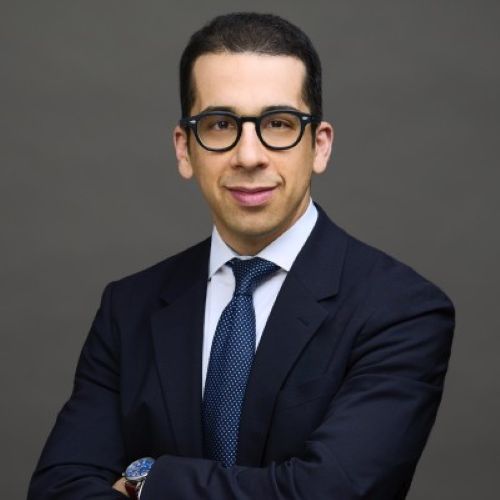
Lee J. Lefkowitz
is a partner at Zarin & Steinmetz LLP. He litigates high-stakes regulatory, real estate, land use, constitutional, and commercial matters in state and federal court. Mr. Lefkowitz litigates municipal and zoning matters, environmental cleanup lawsuits, religious and civil rights actions, as well as contract, commercial, property, and business disputes. He has made submissions and argued cases before federal and state courts of all levels, including the Supreme Court of the United States. Mr. Lefkowitz earned his B.A. degree, cum laude, from Binghamton University and his J.D. degree, cum laude, from Benjamin N. Cardozo School of Law, Yeshiva University.
Speaker bio
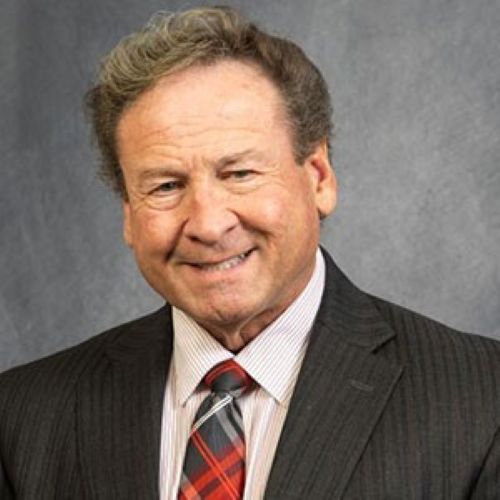
N. Jeffrey Blankenship
is an attorney at Ziegler & Schneider P.S.C. He is admitted to practice in all state and federal courts in Kentucky and Ohio. Mr. Blankenship is admitted before the U.S. Supreme Court. He has handled all areas of personal injury and commercial litigation, including car wrecks, premises liability (slip and fall), employment law, Kentucky workers' compensation, family law, probate law, and social security disability cases. Mr. Blankenship's practice also encompasses representation of a significant number of small local businesses, such as restaurants, churches, and other nonprofit organizations, retailers, and service providers, whom he advises on both employment and contractual aspects of their businesses, having negotiated numerous mergers and acquisitions, real estate purchases, noncompete, and nondisclosure agreements. He has published or co-published numerous papers on various aspects of legal issues, such as hedonic (loss of enjoyment) damages, the use of child witnesses, a law review article on juvenile-status offenders, and premises liability. Mr. Blankenship earned his J.D. degree from NKU Chase College of Law (top 10 of graduating class); his B.A. degree, cum laude, from Northern Kentucky University; and has also worked toward a master's degree in church music at Southern Baptist Seminary in Louisville, Kentucky.
Speaker bio
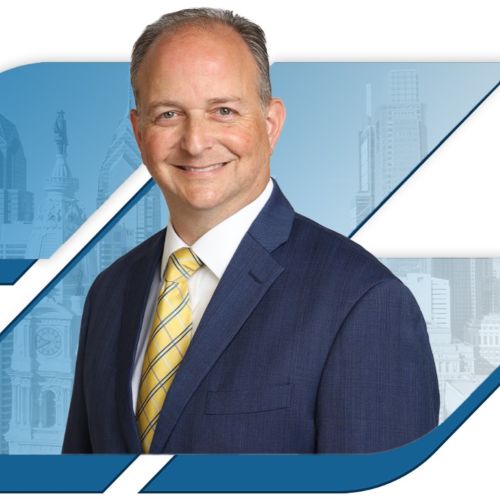
Brett A. Wolfson
is a shareholder at Zarwin Baum DeVito Kaplan Schaer Toddy P.C. He has been practicing for over 25 years, defending catastrophic injury and damages claims with vigor and success. Mr. Wolfson is highly regarded by carriers, claims adjusters, and self-insureds for his ability to collaborate with clients. He communicates and reports on all aspects of litigation promptly and efficiently. Mr. Wolfson is a highly regarded and experienced litigator and trial lawyer in both Pennsylvania and New Jersey, rated AV Preeminent by Martindale-Hubbell. He has successfully tried complex matters in state and federal courts throughout Pennsylvania and New Jersey. Mr. Wolfson's areas of expertise include defending products liability, industrial, and commercial motor vehicle accidents, in addition to medical malpractice and Dram Shop litigation. He has extensive experience handling cases involving catastrophic injury or death, with damages and settlement demands often in the seven to eight figure range. Mr. Wolfson is skilled in taking over cases from other defense firms shortly before trial in order to strengthen the client's position and dispute unreasonable settlement demands.
Speaker bio
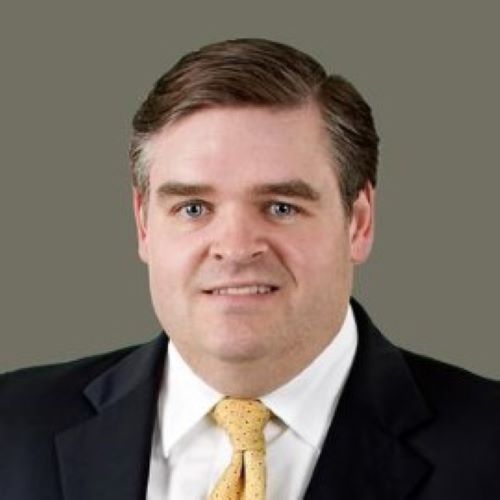
James M. Susag
is a seasoned trial attorney with a focus on franchise and dealer disputes, real estate, and complex commercial matters. He has been the lead attorney in over 100 trials and arbitrations in state and federal courts across the country, and in domestic and international arbitration forums. Mr. Susag has the unique perspective of a trial lawyer who has also managed complex litigation and developed strategic legal plans as in-house counsel. Clients appreciate his boardroom-to-courtroom experience in crafting resolutions for their business disputes. Mr. Susag is admitted to practice in state and federal courts in Minnesota, Washington and Wisconsin, as well as the U.S. Court of Appeals for the Seventh, Fourth and Eighth circuits. He earned his B.A. degree, summa cum laude, from the University of St. Thomas and his J.D. degree, summa cum laude, from William Mitchell College of Law.
TOP FAQs
Have more questions? Please Contact Us