

Missouri Trusts 101
Credits Available
| Credit | Status | Total | Until |
|---|---|---|---|
| Illinois CLE |
|
6.5 Total | 05-26-2028 |
| Missouri CLE |
|
6 Total | 05-28-2028 |

Buy This Course
OnDemand Video
Course Book Download
Overview
Provide your clients with the full spectrum of wealth preservation options.
When assessing complex information, it often helps to break items into basic building blocks. The same approach can be successful when dealing with asset protection. Be prepared for specific challenges associated with various types of trusts by understanding their unique characteristics. Our intensive full-day primer will provide you with a comprehensive overview of the wide variety of trusts available. Register today!
- Determine what role the settlor will play by weighing the pros and cons of establishing an irrevocable trust over a revocable trust.
- Learn what not to do when selecting and drafting a revocable trust to avoid common mistakes.
- Learn how to choose the most beneficial vehicle for preserving your client's wealth: understand the purpose behind the various types of irrevocable trusts.
- Explore the powers and duties of personal representatives in irrevocable trusts.
- Save money on taxes with effective use of defective trusts.
- Learn why it's important to know when to file the tax return for grantor trusts.
- Determine whether a client qualifies as a beneficiary of a special needs trust.
- Don't reinvent the wheel - modify our sample trust documents and use our drafting tips to create airtight trusts.
Abbreviated Agenda
- Where to Begin? - An Overview of Trusts
- Grantor Trusts
- Revocable Living Trusts
- Trusts Used for Tax Reduction
- Estate Planning for Individuals with Disabilities
- Ethical Considerations
Credit Details
Credits Available
| Credit | Status | Total | Until |
|---|---|---|---|
| Illinois CLE |
|
6.5 Total | 05-26-2028 |
| Missouri CLE |
|
6 Total | 05-28-2028 |
Credit Details by Jurisdiction
OnDemand Video
CLE
Credits
Illinois CLE Approved · 6.5 Total Credits
- 1 Professional Responsibility
Earn Until
OnDemand - Illinois CLE - 6.5: This program has been approved by the Illinois MCLE Board for 6.50 hours of recorded technology CLE credit, which includes approval for 1.0 hour of legal ethics, civility, professionalism or sexual harassment prevention training CLE credit by the Illinois Supreme Court Commission on Professionalism.
Video Download - Illinois CLE - 6.5: This program has been approved by the Illinois MCLE Board for 6.50 hours of recorded technology CLE credit, which includes approval for 1.0 hour of legal ethics, civility, professionalism or sexual harassment prevention training CLE credit by the Illinois Supreme Court Commission on Professionalism.
Missouri CLE Approved · 6 Total Credits
Earn Until
OnDemand - Missouri CLE - 6: NBI, Inc. is an accredited sponsor with Missouri Minimum Continuing Legal Education. This program qualifies for 6.0 self-study CLE credit hours.
Video Download - Missouri CLE - 6: NBI, Inc. is an accredited sponsor with Missouri Minimum Continuing Legal Education. This program qualifies for 6.0 self-study CLE credit hours.
Course Book - Missouri CLE - 6: NBI, Inc. is an accredited sponsor with Missouri Minimum Continuing Legal Education. This program qualifies for 6.0 self-study CLE credit hours.
Course Book (PDF Download)
CLE
Credits
Missouri CLE Approved · 6 Total Credits
Earn Until
Course Book - Missouri CLE - 6: NBI, Inc. is an accredited sponsor with Missouri Minimum Continuing Legal Education. This program qualifies for 6.0 self-study CLE credit hours.
Select Jurisdiction
CLE
Agenda
-
Where to Begin? - An Overview of Trusts
- Main Terms Defined
- Major Laws Governing Creation and Administration of Trusts
- Who Are the Main Parties? Their Duties and Responsibilities to a Trust
- Revocable vs. Irrevocable
- Determining Your Client's Planning Needs
- Reasons for Drafting a Trust
- Deciding Which Type of Trust to Use
-
Grantor Trusts
- What Grantor Trusts are Used for
- Types of Grantor Trusts
- Provisions Triggering Grantor Trust Status
- Funding the Grantor Trust - Who Is the Grantor?
- Drafting Tips and Samples
- Taxation Considerations - When to File the Return?
- Administrative Power
-
Revocable Living Trusts
- Traditional Estate Planning vs. Revocable Trust Planning
- Credit Shelter Trusts
- Marital Deduction Trusts
- Qualified Terminable Interest Trusts (QTIPs)
- Funding the Trust
- Drafting Tips and Samples
- Common Mistakes to Avoid
- Tax Consequences
-
Trusts Used for Tax Reduction
- Charitable Remainder Trusts
- Qualified Domestic Trusts
- Qualified Personal Residence Trusts (QPRTs)
- Defective Trusts
- Education Trusts for Children and Grandchildren
- Generation Skipping Trusts
- Funding the Trust
-
Estate Planning for Individuals with Disabilities
- The Types of Special Needs Trusts and Their Specific Purposes
- Who Can Be the Beneficiary
- Drafting Tips and Samples
-
Ethical Considerations
- Who is Your Client?
- Confidentiality in Third Party Communications
- Assessing The Client's Capacity
- Avoiding Fraudulent Transfers
Who Should Attend
This basic level online seminar is designed for the professionals involved in creating, administering, and terminating trusts:
- Attorneys
- Accountants and CPAs
- Trust Officers
- Financial Planners
- Tax Professionals
- Paralegals
Speakers
Speaker bio
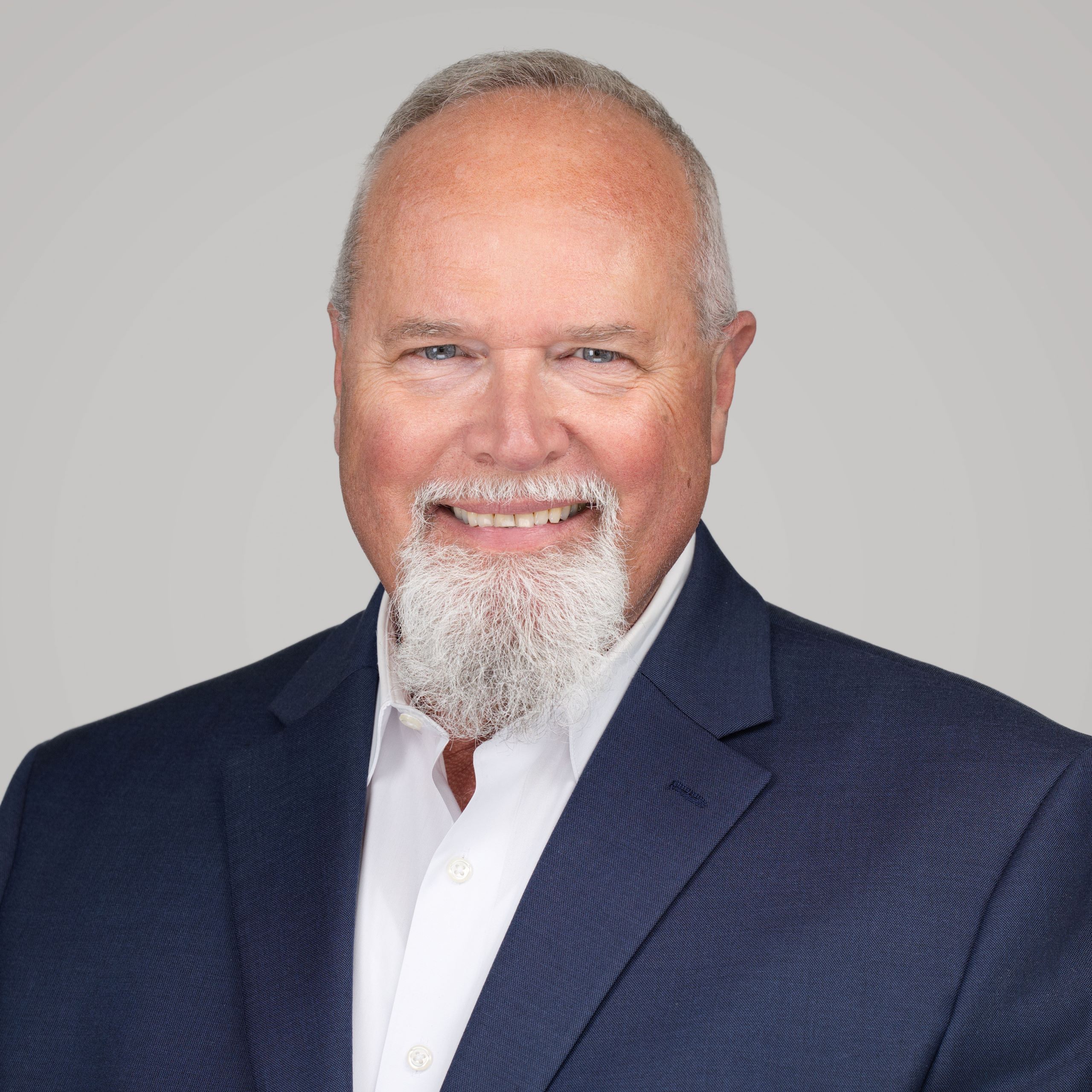
P. Glen Smith
is the founder and lawyer at Lifescape Law & Development. He specializes in elder law, estate planning, special needs planning, mediation, and long-term care planning. Mr. Smith is a member of the National Academy of Elder Law Attorneys, Academy of Special Needs Planners and ElderCounsel. He is an accredited attorney by the Veterans Administration. Mr. Smith earned his MDiv degree from Nazarene Theological Seminary and his J.D. degree from University of Memphis-Cecil C. Humphreys School of Law.
Speaker bio
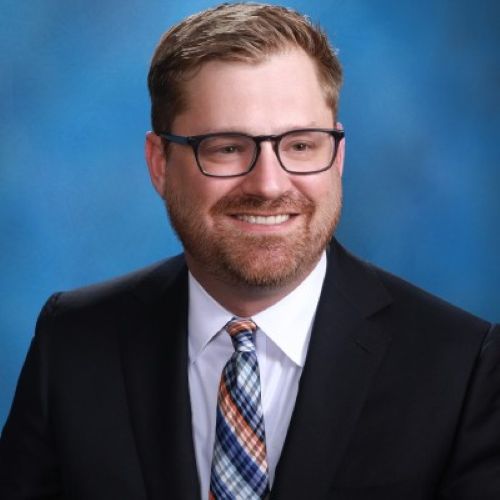
Cort MacBeth Smith
is the principal attorney at Smith Estates & Trusts, LLC in St. Charles, Missouri. He practices in the areas of probate, trust administration, and estate planning. Mr. Smith has previously lectured for National Business Institute on estate planning, probate and trust administration, and elder law matters. He is a member and former officer of the Missouri National Academy of Elder Law Attorneys, St. Charles County Bar Association, the Greater St. Charles County Chamber of Commerce, and a board member of Community Living, Inc. Mr. Smith earned his B.A. degree in philosophy and biology from the University of Missouri-Columbia and his J.D. degree from the University of Missouri-Kansas City, where he was the 2007 recipient of the Kansas City Estate Planning Symposium Prize for his research and writing on Missouri's Discovery of Assets statute.
Speaker bio
David K. Olive
is a shareholder of the transactional and estate planning practice groups of Carnahan Evans PC. His experience spans various facets of business law, estate planning, and taxation. Mr. Olive focuses his practice in advising clients on complex business transactions, entity formation, acquisitions, and real estate matters. His trust and estate planning practice includes preparation of traditional estate planning documents such as revocable trusts, wills, powers of attorney, and has also assists high net worth individuals, closely held business owners, and their families in crafting comprehensive estate plans tailored to their specific needs. In addition to his expertise in estate planning, Mr. Olive is well-versed in employee benefits, including nonqualified plans, ESOPs, pension and 401(k) profit sharing plans, and cafeteria plans. He adeptly navigates complex ERISA issues and provides strategic guidance to clients seeking to optimize their employee benefit programs. He earned his B.S. degree from University of Missouri, his J.D. degree from University of Missouri and his LL.M. degree in taxation from Washington University in St. Louis.
TOP FAQs
Have more questions? Please Contact Us