

Kansas Probate Process from Start to Finish
Credits Available
| Credit | Status | Total | Until |
|---|---|---|---|
| Kansas CLE |
|
8 Total | 05-31-2027 |
| Missouri CLE |
|
6 Total | 06-01-2028 |
Buy This Course
OnDemand Video
Course Book Download
Overview
Handling Probate From Initial Notices Through the Estate Closing
This "a through z" guide to probate is designed to take you from the first days of the estate timeline through all the steps of marshaling and valuing estate assets, locating and paying the creditors, paying the beneficiaries, and laying the estate to rest. You will receive the latest updates on the probate court procedure and tax laws, practical guidance from experienced probate attorneys on managing estate assets, and sample forms and checklists to speed up the administration process. Build a solid foundation for your probate practice - register today!
- Learn the procedure, rules, and practical steps to effectively administer a probate.
- Determine what form of administration is appropriate for a specific probate case.
- Clarify the order of inheritance for an estate when there is no will.
- Locate assets and obtain ownership documents more easily with a list of local and online resources.
- Get a complete view of the sequence of events that must happen before the estate can be closed.
- Identify common actions that trigger malpractice liability and get tips for staying in the clear.
- Get practical advice for honoring or contesting all claims against the estate.
Abbreviated Agenda
- Initial Filing in Probate Court and Estate Timeline
- Law of Intestate Succession
- Inventory and Appraisement
- Probate Property vs. Non-Probate Assets
- Handling Claims Against the Estate
- Tax Reporting and Post-Mortem Tax Matters
- Ethics
- Final Accounting and Closing the Estate
Credit Details
Credits Available
| Credit | Status | Total | Until |
|---|---|---|---|
| Kansas CLE |
|
8 Total | 05-31-2027 |
| Missouri CLE |
|
6 Total | 06-01-2028 |
Credit Details by Jurisdiction
OnDemand Video
CLE
Credits
Kansas CLE Approved · 8 Total Credits
- 1 Ethics/Professionalism
Earn Until
OnDemand - Kansas CLE - 8: Approved by Kansas CLE for 8.0 hours of prerecorded format continuing legal education credit, which includes 1.0 hour of ethics and professionalism credit.
Video Download - Kansas CLE - 8: Approved by Kansas CLE for 8.0 hours of prerecorded format continuing legal education credit, which includes 1.0 hour of ethics and professionalism credit.
Missouri CLE Approved · 6 Total Credits
Earn Until
OnDemand - Missouri CLE - 6: NBI, Inc. is an accredited sponsor with Missouri Minimum Continuing Legal Education. This program qualifies for 6.0 self-study CLE credit hours.
Video Download - Missouri CLE - 6: NBI, Inc. is an accredited sponsor with Missouri Minimum Continuing Legal Education. This program qualifies for 6.0 self-study CLE credit hours.
Course Book - Missouri CLE - 6: NBI, Inc. is an accredited sponsor with Missouri Minimum Continuing Legal Education. This program qualifies for 6.0 self-study CLE credit hours.
Course Book (PDF Download)
CLE
Credits
Missouri CLE Approved · 6 Total Credits
Earn Until
Course Book - Missouri CLE - 6: NBI, Inc. is an accredited sponsor with Missouri Minimum Continuing Legal Education. This program qualifies for 6.0 self-study CLE credit hours.
Select Jurisdiction
CLE
Agenda
-
Initial Filing in Probate Court and Estate Timeline
- Small Estate Administration
- Probate Court Procedure
- Estate Timetable/Checklist
- Formal vs. Informal Probate Administration
- Opening the Estate
- Petition for Probate and Administration and Notice of Hearing
- Required Notices (to Creditors, Heirs, DHS, IRS)
- Sample Forms
- What the Personal Representative Needs to Know and Do
- When is Ancillary Administration Necessary?
-
Law of Intestate Succession
- Who Can Inherit - Degrees of Kinship and Order of Inheritance
- Determining the Share Size
- Exceptions and Bars to Inheritance
-
Inventory and Appraisement
- Locating Insurance Policies, Deeds and Other Ownership Documents
- Obtaining a Tax ID and Marshaling Property
- Preparing the Inventory and Appraisal Forms
- Dealing with the Probate Referee
- Managing Decedent's Assets During Probate
- Handling Common Valuation Issues
- When to Hire a Valuation Specialist or Appraiser
-
Probate Property vs. Non-Probate Assets
-
Handling Claims Against the Estate
- Required Creditor Notice
- Determining Priority of Claims
- Allowing and Rejecting Claims, and Paying Them
- Handling Lawsuits Against the Estate and the Decedent
- Insolvency Issues
-
Tax Reporting and Post-Mortem Tax Matters
- Final Tax Returns Timeline, Forms and Filing Procedure
- Requesting Deadline Extensions
- Income Tax Considerations in Probate
- Selecting a Tax Year: Calendar or Fiscal?
- Decedent's Final Income Tax Return
- Estate Income Tax Return
- Tax on Income Earned by Estate after Decedent's Death
- Beneficiary Income Tax Considerations
- Proper Use of Disclaimers and Valuation Discounts
- Claiming Estate Tax Portability
- Estate and Gift Tax Considerations - When Do You Need to File Form 706?
- Coordinating with Decedent's Accounting or Investment Advisors
- GST Tax Implications
- Handling Common Property Tax Issues
-
Ethics
- Who is Your Client? Avoiding Conflicts of Interest
- Protecting Client Confidentiality
- Attorney Fees
- Malpractice Liability Risks
- Negligence
- Breach of Fiduciary Duty
- Fraud
-
Final Accounting and Closing the Estate
- Estate Accounting Procedure
- Closing Certificate for Fiduciaries
- Closing Decedent's Remaining Accounts
- Personal Representative and Attorney Compensation
- Extraordinary Services Compensation
- When Reopening the Estate is Warranted
Who Should Attend
This basic level online seminar is designed for professionals who want to be more effective in handling the probate process, including:
- Attorneys
- Paralegals
- CPAs and Accountants
- Financial Planners and Wealth Managers
- Tax Professionals
- Trust Officers
Speakers
Speaker bio
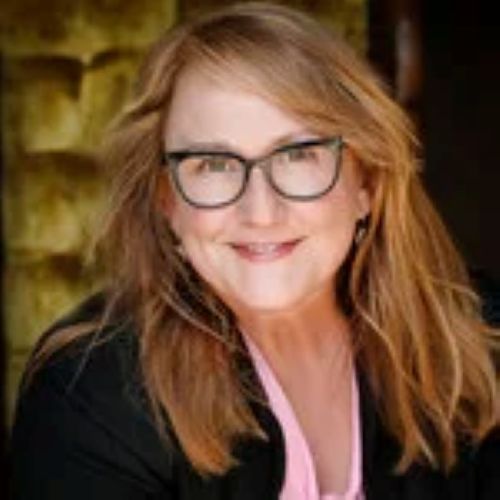
Stacey Janssen
returned to her own practice in 2022, founding Janssen Estate, Probate & Elder Law, LLC, practicing in the areas of estate planning, probate administration, and fiduciary litigation, practicing in both Kansas and Missouri. She earned her Bachelor of Arts degree and her J.D. degree from the University of Kansas. Ms. Janssen currently serves as the chair of the Kansas City Metropolitan Bar Association's Probate Committee and serves as treasurer to their Board of Directors. She has been recognized as a Super Lawyer, Best of the Bar and in 2021 received the KCBMA's Distinguished Counselor Award. In 2024, Ms. Janssen received a Missouri Lawyer's Media Women's Justice Award.
Speaker bio
Kathleen R. Urbom
is a sole practitioner with Urbom Law Offices Chartered in Topeka, where she has a civil practice including estate planning and probate, guardian and conservatorships, trust formation, including special needs trusts, and special education law. Ms. Urbom has spoken previously on special education law, landlord tenant law, and end of life planning; including business succession, wills and trusts, and guardian conservatorships. She has spoken several times on the subject of the working knowledge of taxes as it impacts consideration of formation of various estate documents. Ms. Urbom is a member of the Kansas and Topeka bar associations, Women's Attorneys Association of Topeka, and Jenny Mitchell Kellogg Circle. She earned her B.S. degree from St. Mary of the Plains College and her J.D. degree from Washburn University of Topeka.
Speaker bio
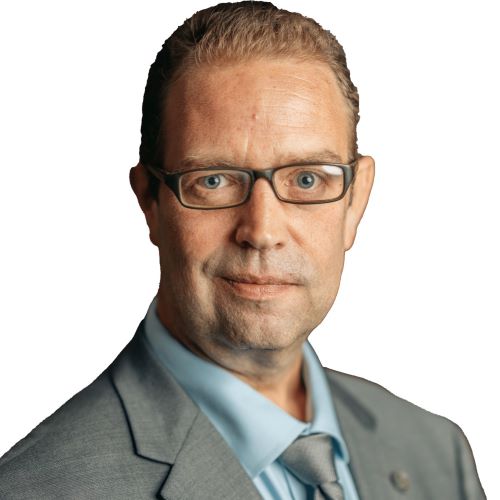
Jay Newbery
is of counsel with the Topeka law firm of Stevens & Brand L.L.P., practicing in the areas of non-profit, business, probate, trust law, tax and estate planning. He earned a B.A. degree in economics from the University of Missouri Kansas City and his J.D. degree from Washburn University School of Law with a Tax Law Certificate. Prior to achieving his J.D. degree, Mr. Newbery worked in the field of commercial lending in the Kansas City metropolitan area working with local businesses in a number of industries and of all sizes.
TOP FAQs
Have more questions? Please Contact Us