

Making Changes to Irrevocable Trusts
Credits Available
| Credit | Status | Total | Until |
|---|---|---|---|
| Alaska CLE |
|
3 Total | 05-15-2028 |
| Alabama CLE |
|
3 Total | 12-31-2026 |
| Arkansas CLE |
|
3 Total | 06-30-2027 |
| Arizona CLE |
|
3 Total | 05-15-2028 |
| California CLE |
|
3 Total | 05-15-2028 |
| Colorado CLE |
|
4 Total | 12-31-2028 |
| Connecticut CLE |
|
3 Total | 05-15-2028 |
| Delaware CLE |
|
3 Total | 05-15-2028 |
| Florida CLE |
|
3.5 Total | 11-30-2027 |
| Georgia CLE |
|
3 Total | 12-31-2027 |
| Hawaii CLE |
|
3 Total | 05-15-2028 |
| Iowa CLE |
|
3 Total | 05-15-2027 |
| Illinois CLE |
|
3 Total | 05-13-2028 |
| Indiana CLE |
|
3 Total | 05-15-2027 |
| Kansas CLE |
|
3.5 Total | 05-14-2027 |
| Kentucky CLE |
|
3 Total | 06-30-2027 |
| Maine CLE |
|
3 Total | 05-13-2028 |
| Minnesota CLE |
|
3 Total | 05-15-2028 |
| Missouri CLE |
|
3.6 Total | 05-15-2028 |
| Northern Mariana Islands CLE |
|
3 Total | 05-15-2028 |
| Montana CLE |
|
3 Total | 05-15-2029 |
| North Carolina CLE |
|
3 Total | 02-28-2027 |
| North Dakota CLE |
|
3 Total | 05-15-2029 |
| Nebraska CLE |
|
3 Total | 05-15-2028 |
| New Hampshire CLE |
|
3 Total | 05-15-2029 |
| New Jersey CLE |
|
3.6 Total | 02-03-2027 |
| New Mexico CLE |
|
3 Total | 05-15-2028 |
| Nevada CLE |
|
3 Total | 05-15-2029 |
| New York CLE |
|
3.5 Total | 05-15-2029 |
| Ohio CLE |
|
3 Total | 12-31-2026 |
| Oklahoma CLE |
|
3.5 Total | 05-15-2028 |
| Oregon CLE |
|
3 Total | 05-15-2029 |
| Pennsylvania CLE |
|
3 Total | 05-15-2028 |
| South Carolina CLE |
|
3 Total | 12-31-2026 |
| Tennessee CLE |
|
3 Total | 05-14-2028 |
| Texas CLE |
|
3 Total | 04-30-2027 |
| Utah CLE |
|
3 Total | 12-31-2026 |
| Virginia CLE |
|
3 Total | 10-31-2026 |
| Vermont CLE |
|
3 Total | 05-15-2028 |
| Wisconsin CLE |
|
3.5 Total | 12-31-2027 |
| West Virginia CLE |
|
3.6 Total | 05-15-2028 |
| Wyoming CLE |
|
3 Total |
Buy This Course
OnDemand Video
Course Book Download
Overview
Material Purpose Standard, Tax Considerations, and Key Procedures
Imagine your client, the trustee, faces a multi-million-dollar family business held in trust, but the decades-old trust instrument prohibits its sale - forcing a choice between fiduciary duty and financial disaster. This 3-hour Continuing Legal Education (CLE) course provides an incisive analysis of the legal mechanisms, statutory standards, and current case law governing the modification, termination, and nonjudicial adjustment of irrevocable trusts.
We will explore the tension between the traditional cornerstone of trust law - the settlor's intent - and the modern framework, particularly the Uniform Trust Code (UTC), which allows for greater flexibility. The course focuses specifically on the critical threshold inquiry: whether a proposed action violates a material purpose of the trust. Attendees will gain practical knowledge to advise settlors, trustees, and beneficiaries on navigating disputes over trust administration, including decisions regarding distributions, asset management, and changes to trustee provisions. Irrevocable doesn't have to mean unchangeable - register today!
- Determine the feasibility of modification under the UTC and common law.
- Interpret trust documents and extrinsic evidence to define a trust's "material purpose."
- Ensure nonjudicial agreements stay within the bounds of judicial approval standards.
- Ground your drafting in current judicial review practices.
Abbreviated Agenda
- Considering Trust Changes: The Original Settlor Intent vs. Changed Circumstances (UTC)
- The Core Inquiry: Defining and Applying the Material Purpose
- The Mechanisms of Modifying the Irrevocable Trust
- Case Law Deep Dive: Modification and Termination
- Drafting Flexibility Into Irrevocable Trusts (With Sample Language)
Credit Details
Credits Available
| Credit | Status | Total | Until |
|---|---|---|---|
| Alaska CLE |
|
3 Total | 05-15-2028 |
| Alabama CLE |
|
3 Total | 12-31-2026 |
| Arkansas CLE |
|
3 Total | 06-30-2027 |
| Arizona CLE |
|
3 Total | 05-15-2028 |
| California CLE |
|
3 Total | 05-15-2028 |
| Colorado CLE |
|
4 Total | 12-31-2028 |
| Connecticut CLE |
|
3 Total | 05-15-2028 |
| Delaware CLE |
|
3 Total | 05-15-2028 |
| Florida CLE |
|
3.5 Total | 11-30-2027 |
| Georgia CLE |
|
3 Total | 12-31-2027 |
| Hawaii CLE |
|
3 Total | 05-15-2028 |
| Iowa CLE |
|
3 Total | 05-15-2027 |
| Illinois CLE |
|
3 Total | 05-13-2028 |
| Indiana CLE |
|
3 Total | 05-15-2027 |
| Kansas CLE |
|
3.5 Total | 05-14-2027 |
| Kentucky CLE |
|
3 Total | 06-30-2027 |
| Maine CLE |
|
3 Total | 05-13-2028 |
| Minnesota CLE |
|
3 Total | 05-15-2028 |
| Missouri CLE |
|
3.6 Total | 05-15-2028 |
| Northern Mariana Islands CLE |
|
3 Total | 05-15-2028 |
| Montana CLE |
|
3 Total | 05-15-2029 |
| North Carolina CLE |
|
3 Total | 02-28-2027 |
| North Dakota CLE |
|
3 Total | 05-15-2029 |
| Nebraska CLE |
|
3 Total | 05-15-2028 |
| New Hampshire CLE |
|
3 Total | 05-15-2029 |
| New Jersey CLE |
|
3.6 Total | 02-03-2027 |
| New Mexico CLE |
|
3 Total | 05-15-2028 |
| Nevada CLE |
|
3 Total | 05-15-2029 |
| New York CLE |
|
3.5 Total | 05-15-2029 |
| Ohio CLE |
|
3 Total | 12-31-2026 |
| Oklahoma CLE |
|
3.5 Total | 05-15-2028 |
| Oregon CLE |
|
3 Total | 05-15-2029 |
| Pennsylvania CLE |
|
3 Total | 05-15-2028 |
| South Carolina CLE |
|
3 Total | 12-31-2026 |
| Tennessee CLE |
|
3 Total | 05-14-2028 |
| Texas CLE |
|
3 Total | 04-30-2027 |
| Utah CLE |
|
3 Total | 12-31-2026 |
| Virginia CLE |
|
3 Total | 10-31-2026 |
| Vermont CLE |
|
3 Total | 05-15-2028 |
| Wisconsin CLE |
|
3.5 Total | 12-31-2027 |
| West Virginia CLE |
|
3.6 Total | 05-15-2028 |
| Wyoming CLE |
|
3 Total |
Credit Details by Jurisdiction
OnDemand Video
CLE
Credits
Alaska CLE Reciprocity · 3 Total Credits
Earn Until
OnDemand - Alaska CLE - 3: Alaska Bar members may claim credit for attending CLE programs that have been accredited by other mandatory CLE jurisdictions. This program qualifies for 3.0 hours of credit, which includes 3.0 hours of MCLE credit and 0.0 hour of MECLE credit.
Video Download - Alaska CLE - 3: Alaska Bar members may claim credit for attending CLE programs that have been accredited by other mandatory CLE jurisdictions. This program qualifies for 3.0 hours of credit, which includes 3.0 hours of MCLE credit and 0.0 hour of MECLE credit.
Alabama CLE Approved · 3 Total Credits
Earn Until
OnDemand - Alabama CLE - 3: This course or a portion thereof has been approved by the Alabama State Bar Mandatory Continuing Legal Education Commission for a maximum of 3.0 on-demand credit hours, including 0.0 ethics/professionalism credit.
Arkansas CLE Approved · 3 Total Credits
Earn Until
OnDemand - Arkansas CLE - 3: NBI, Inc. is an accredited sponsor in the state of Arkansas. This program qualifies for 3.0 hours of on demand continuing legal education credit, including 0.0 hour of ethics, consistent with the rules and regulations of the Arkansas Supreme Court of Professional Programs.
Video Download - Arkansas CLE - 3: NBI, Inc. is an accredited sponsor in the state of Arkansas. This program qualifies for 3.0 hours of on demand continuing legal education credit, including 0.0 hour of ethics, consistent with the rules and regulations of the Arkansas Supreme Court of Professional Programs.
Arizona CLE Approved · 3 Total Credits
Earn Until
OnDemand - Arizona CLE - 3: The State Bar of Arizona does not approve or accredit CLE activities for the Mandatory Continuing Legal Education requirement. This activity qualifies for 3.0 hours toward your annual CLE requirement for the State of Arizona, including 0.0 hour of professional responsibility.
Video Download - Arizona CLE - 3: The State Bar of Arizona does not approve or accredit CLE activities for the Mandatory Continuing Legal Education requirement. This activity qualifies for 3.0 hours toward your annual CLE requirement for the State of Arizona, including 0.0 hour of professional responsibility.
California CLE Approved · 3 Total Credits
- 3 Estate Planning, Trust and Probate Law
Earn Until
OnDemand - California CLE - 3: This activity has been approved for Minimum Continuing Legal Education credit by the State Bar of California and qualifies for 3.0 hours of participatory credit, of which 0.0 hour will apply to legal ethics credit. NBI, Inc. certifies this activity conforms to the standards for approved education activities prescribed by the rules and regulations of the State Bar of California governing minimum continuing legal education. NBI, Inc. is a State Bar of California approved MCLE provider - #53. This course has been approved for 3.0 units in the area of Estate Planning, Trust and Probate Law by the California Board of Legal Specialization.
Video Download - California CLE - 3: This activity has been approved for Minimum Continuing Legal Education credit by the State Bar of California and qualifies for 3.0 hours of self-study credit, of which 0.0 hour will apply to legal ethics credit. NBI, Inc. certifies this activity conforms to the standards for approved education activities prescribed by the rules and regulations of the State Bar of California governing minimum continuing legal education. NBI, Inc. is a State Bar of California approved MCLE provider - #53. This course has been approved for 3.0 units in the area of Estate Planning, Trust and Probate Law by the California Board of Legal Specialization.
Colorado CLE Approved · 4 Total Credits
Earn Until
OnDemand - Colorado CLE - 4: NBI, Inc. is a Certified Provider, as recognized by the Colorado Supreme Court Continuing Legal and Judicial Education Committee. This program qualifies for 4.0 hours of home study general Colorado Continuing Legal Education Credit, including 0.0 professional responsibility credit.
Video Download - Colorado CLE - 4: NBI, Inc. is a Certified Provider, as recognized by the Colorado Supreme Court Continuing Legal and Judicial Education Committee. This program qualifies for 4.0 hours of home study general Colorado Continuing Legal Education Credit, including 0.0 professional responsibility credit.
Connecticut CLE Approved · 3 Total Credits
Earn Until
OnDemand - Connecticut CLE - 3: Neither the Connecticut Judicial Branch nor the Commission on Minimum Continuing Legal Education approve or accredit CLE providers or activities. It is the opinion of NBI, Inc. that this activity qualifies for 3.0 self-study hours toward your annual CLE requirement in Connecticut, including 0.0 self-study hour(s) of ethics/professionalism.
Video Download - Connecticut CLE - 3: Neither the Connecticut Judicial Branch nor the Commission on Minimum Continuing Legal Education approve or accredit CLE providers or activities. It is the opinion of NBI, Inc. that this activity qualifies for 3.0 self-study hours toward your annual CLE requirement in Connecticut, including 0.0 self-study hour(s) of ethics/professionalism.
Delaware CLE Approved · 3 Total Credits
Earn Until
OnDemand - Delaware CLE - 3: NBI, Inc. is an accredited sponsor of the Delaware Commission on Continuing Legal Education and recommends this program for 3.0 hours of eCLE credit, including 0.0 hour of ethics.
Florida CLE Approved · 3.5 Total Credits
- 3.5 Wills, Trusts and Estates
Earn Until
OnDemand - Florida CLE - 3.5: Approved by The Florida Bar, this program qualifies for 3.50 general hours of CLER self-study credit including 0.0 hour of self-study professional responsibility (may include legal ethics, professionalism, substance abuse or mental illness and wellness programs). Certification: 3.5 - Wills, Trusts and Estates
Video Download - Florida CLE - 3.5: Approved by The Florida Bar, this program qualifies for 3.50 general hours of CLER self-study credit including 0.0 hour of self-study professional responsibility (may include legal ethics, professionalism, substance abuse or mental illness and wellness programs). Certification: 3.5 - Wills, Trusts and Estates
Georgia CLE Approved · 3 Total Credits
Earn Until
OnDemand - Georgia CLE - 3: This program is approved by the Commission on Continuing Lawyer Competency of the State Bar of Georgia. This program qualifies for 3.0 hours of distance learning continuing legal education credit with the Georgia Commission on Continuing Lawyer Competency, which includes 0.0 hour of distance learning ethics.
Video Download - Georgia CLE - 3: This program is approved by the Commission on Continuing Lawyer Competency of the State Bar of Georgia. This program qualifies for 3.0 hours of distance learning continuing legal education credit with the Georgia Commission on Continuing Lawyer Competency, which includes 0.0 hour of distance learning ethics.
Hawaii CLE Approved · 3 Total Credits
Earn Until
OnDemand - Hawaii CLE - 3: NBI, Inc. is an Accredited Provider with the Hawaii State Board of Continuing Legal Education. This alternative format activity has been approved for 3.0 hours of credit for the state of Hawaii, which includes 0.0 hour of ethics or professional responsibility education.
Video Download - Hawaii CLE - 3: NBI, Inc. is an Accredited Provider with the Hawaii State Board of Continuing Legal Education. This alternative format activity has been approved for 3.0 hours of credit for the state of Hawaii, which includes 0.0 hour of ethics or professional responsibility education.
Iowa CLE Upon Request · 3 Total Credits
Earn Until
OnDemand - Iowa CLE - 3: Upon course completion and credit request submittal, an application will be submitted to the Bar.
Illinois CLE Approved · 3 Total Credits
Earn Until
OnDemand - Illinois CLE - 3: This program has been approved by the Illinois MCLE Board for 3.0 hours of recorded technology CLE credit, which includes approval for 0.0 hour of legal ethics, civility, professionalism CLE credit by the Illinois Supreme Court Commission on Professionalism.
Video Download - Illinois CLE - 3: This program has been approved by the Illinois MCLE Board for 3.0 hours of recorded technology CLE credit, which includes approval for 0.0 hour of legal ethics, civility, professionalism CLE credit by the Illinois Supreme Court Commission on Professionalism.
Indiana CLE Approved · 3 Total Credits
Earn Until
OnDemand - Indiana CLE - 3: This course has been approved by the Indiana Supreme Court Office of Admissions & Continuing Education. Participating attorneys are eligible to receive 3.0 hours of distance education, which includes 0.0 hour of ethics.
Kansas CLE Approved · 3.5 Total Credits
Earn Until
OnDemand - Kansas CLE - 3.5: Approved by Kansas CLE for 3.50 hours of prerecorded format continuing legal education credit, which includes 0.0 hour of ethics and professionalism credit.
Video Download - Kansas CLE - 3.5: Approved by Kansas CLE for 3.50 hours of prerecorded format continuing legal education credit, which includes 0.0 hour of ethics and professionalism credit.
Kentucky CLE Approved · 3 Total Credits
Earn Until
OnDemand - Kentucky CLE - 3: This program has been approved as a technological CLE activity by the Kentucky Bar Association Continuing Legal Education Commission and qualifies for 3.0 credits, including 0.0 ethics credits.
Video Download - Kentucky CLE - 3: This program has been approved as a technological CLE activity by the Kentucky Bar Association Continuing Legal Education Commission and qualifies for 3.0 credits, including 0.0 ethics credits.
Maine CLE Approved · 3 Total Credits
Earn Until
OnDemand - Maine CLE - 3: This course has been approved by the State of Maine Board of Overseers of the Bar. Lawyers who complete this course will receive 3.0 hours of self-study CLE credit.
Video Download - Maine CLE - 3: This course has been approved by the State of Maine Board of Overseers of the Bar. Lawyers who complete this course will receive 3.0 hours of self-study CLE credit.
Course Book - Maine CLE - 3: This course has been approved by the State of Maine Board of Overseers of the Bar. Lawyers who complete this course will receive 3.0 hours of self-study CLE credit.
Minnesota CLE Approved · 3 Total Credits
Earn Until
OnDemand - Minnesota CLE - 3: Approved for 3.0 hours of standard on-demand CLE credit, including 0.0 hour of ethics credit by the Minnesota Board of Continuing Legal Education.
Video Download - Minnesota CLE - 3: Approved for 3.0 hours of standard on-demand CLE credit, including 0.0 hour of ethics credit by the Minnesota Board of Continuing Legal Education.
Missouri CLE Approved · 3.6 Total Credits
Earn Until
OnDemand - Missouri CLE - 3.6: NBI, Inc. is an accredited sponsor with Missouri Minimum Continuing Legal Education. This program qualifies for 3.60 self-study CLE credit hours.
Video Download - Missouri CLE - 3.6: NBI, Inc. is an accredited sponsor with Missouri Minimum Continuing Legal Education. This program qualifies for 3.60 self-study CLE credit hours.
Course Book - Missouri CLE - 3.6: NBI, Inc. is an accredited sponsor with Missouri Minimum Continuing Legal Education. This program qualifies for 3.60 self-study CLE credit hours.
Northern Mariana Islands CLE Approved · 3 Total Credits
Earn Until
OnDemand - Northern Mariana Islands CLE - 3: This course has been approved by the Commonwealth of the Northern Mariana Islands. Lawyers who complete this course shall receive 3.0 hours of self-study CLE credit.
Video Download - Northern Mariana Islands CLE - 3: This course has been approved by the Commonwealth of the Northern Mariana Islands. Lawyers who complete this course shall receive 3.0 hours of self-study CLE credit.
Course Book - Northern Mariana Islands CLE - 3: This course has been approved by the Commonwealth of the Northern Mariana Islands. Lawyers who complete this course shall receive 3.0 hours of self-study CLE credit.
Montana CLE Approved · 3 Total Credits
Earn Until
OnDemand - Montana CLE - 3: This program qualifies for 3.0 hours of self-study CLE credit by the Montana Commission of Continuing Legal Education, including 0.0 hour of professional fitness and integrity credit.
Video Download - Montana CLE - 3: This program qualifies for 3.0 hours of self-study CLE credit by the Montana Commission of Continuing Legal Education, including 0.0 hour of professional fitness and integrity credit.
North Carolina CLE Approved · 3 Total Credits
- 3 Estate Planning and Probate Law
Earn Until
OnDemand - North Carolina CLE - 3: NBI, Inc. is an accredited sponsor with the North Carolina State Board of Continuing Legal Education. Attendance of this program qualifies for 3.0 hours of online CLE credit, including 0.0 professional responsibility. This program qualifies for Estate Planning and Probate Law specialization certification credit.
Video Download - North Carolina CLE - 3: NBI, Inc. is an accredited sponsor with the North Carolina State Board of Continuing Legal Education. Attendance of this program qualifies for 3.0 hours of online CLE credit, including 0.0 professional responsibility. This program qualifies for Estate Planning and Probate Law specialization certification credit.
North Dakota CLE Approved · 3 Total Credits
Earn Until
OnDemand - North Dakota CLE - 3: North Dakota attorneys completing this program may claim 3.0 North Dakota self-study CLE credit hours, including 0.0 hour of self-study ethics credit, on the Report of Compliance.
Video Download - North Dakota CLE - 3: North Dakota attorneys completing this program may claim 3.0 North Dakota self-study CLE credit hours, including 0.0 hour of self-study ethics credit, on the Report of Compliance.
Nebraska CLE Approved · 3 Total Credits
Earn Until
OnDemand - Nebraska CLE - 3: NBI, Inc. is an accredited CLE sponsor in the state of Nebraska. This activity has been approved for 3.0 distance learning CLE credits, including 0.0 hour of professional responsibility credit.
Video Download - Nebraska CLE - 3: NBI, Inc. is an accredited CLE sponsor in the state of Nebraska. This activity has been approved for 3.0 distance learning CLE credits, including 0.0 hour of professional responsibility credit.
New Hampshire CLE Approved · 3 Total Credits
Earn Until
OnDemand - New Hampshire CLE - 3: NHMCLE does not approve or accredit CLE activities for the NH Minimum CLE requirement. NBI, Inc. believes this course meets the requirements of NH Supreme Court Rule 53 toward the annual NHMCLE requirement.
Video Download - New Hampshire CLE - 3: NHMCLE does not approve or accredit CLE activities for the NH Minimum CLE requirement. NBI, Inc. believes this course meets the requirements of NH Supreme Court Rule 53 toward the annual NHMCLE requirement.
New Jersey CLE Approved · 3.6 Total Credits
Earn Until
OnDemand - New Jersey CLE - 3.6: This program has been approved by the Board on Continuing Legal Education of the Supreme Court of New Jersey for 3.60 hours of alternative format CLE credit. Of these, 0.0 qualifies as hours of alternative learning format credit for ethics/professionalism.
Video Download - New Jersey CLE - 3.6: This program has been approved by the Board on Continuing Legal Education of the Supreme Court of New Jersey for 3.60 hours of alternative format CLE credit. Of these, 0.0 qualifies as hours of alternative learning format credit for ethics/professionalism.
New Mexico CLE Approved · 3 Total Credits
Earn Until
OnDemand - New Mexico CLE - 3: This program has been approved by the Board of Bar Commissioners of the State Bar of New Mexico. This program qualifies for 3.0 hours of self-study credit, including 0.0 hour of self-study ethics credit.
Video Download - New Mexico CLE - 3: This program has been approved by the Board of Bar Commissioners of the State Bar of New Mexico. This program qualifies for 3.0 hours of self-study credit, including 0.0 hour of self-study ethics credit.
Nevada CLE Approved · 3 Total Credits
Earn Until
OnDemand - Nevada CLE - 3: This course has been approved by the Nevada Board of Continuing Legal Education. This program qualifies for 3.0 hours of alternative format CLE credits by the Nevada Board of Continuing Legal Education, which includes 0.0 hour of alternative format ethical considerations.
Video Download - Nevada CLE - 3: This course has been approved by the Nevada Board of Continuing Legal Education. This program qualifies for 3.0 hours of alternative format CLE credits by the Nevada Board of Continuing Legal Education, which includes 0.0 hour of alternative format ethical considerations.
New York CLE Approved · 3.5 Total Credits
- 3.5 Areas of Professional Practice
Earn Until
OnDemand - New York CLE - 3.5: This nontraditional format course has been approved in accordance with the requirements of the New York State Continuing Legal Education Board for up to 3.50 credit hours. 3.5 hours can be applied to the areas of professional practice requirement and is approved for experienced attorneys. NBI, Inc. offers a Financial Hardship Policy for qualifying individuals. To apply, please submit a request via email to our Tuition Discount Committee at customerservice@nbi-sems.com.
Video Download - New York CLE - 3.5: This nontraditional format course has been approved in accordance with the requirements of the New York State Continuing Legal Education Board for up to 3.50 credit hours. 3.5 hours can be applied to the areas of professional practice requirement and is approved for experienced attorneys. NBI, Inc. offers a Financial Hardship Policy for qualifying individuals. To apply, please submit a request via email to our Tuition Discount Committee at customerservice@nbi-sems.com.
Ohio CLE Approved · 3 Total Credits
Earn Until
OnDemand - Ohio CLE - 3: This course has been approved by the Supreme Court of Ohio Commission on Continuing Legal Education for 3.0 self-study CLE credit hours, including 0.0 hour of attorney professional conduct instruction.
Video Download - Ohio CLE - 3: This course has been approved by the Supreme Court of Ohio Commission on Continuing Legal Education for 3.0 self-study CLE credit hours, including 0.0 hour of attorney professional conduct instruction.
Oklahoma CLE Approved · 3.5 Total Credits
Earn Until
OnDemand - Oklahoma CLE - 3.5: This course has been approved by the Oklahoma Bar Association Mandatory Continuing Legal Education Commission. This program qualifies for 3.50 of On Demand CLE credit hours, which includes 0.0 hour of legal ethics.
Video Download - Oklahoma CLE - 3.5: This course has been approved by the Oklahoma Bar Association Mandatory Continuing Legal Education Commission. This program qualifies for 3.50 of On Demand CLE credit hours, which includes 0.0 hour of legal ethics.
Oregon CLE Approved · 3 Total Credits
Earn Until
OnDemand - Oregon CLE - 3: NBI, Inc. is an approved sponsor with the Oregon MCLE. This program qualifies for 3.0 hours of general continuing legal education credit and 0.0 hour of ethics credit.
Video Download - Oregon CLE - 3: NBI, Inc. is an approved sponsor with the Oregon MCLE. This program qualifies for 3.0 hours of general continuing legal education credit and 0.0 hour of ethics credit.
Pennsylvania CLE Approved · 3 Total Credits
Earn Until
OnDemand - Pennsylvania CLE - 3: This program has been approved by the Pennsylvania Continuing Legal Education Board. This program qualifies for 3.0 hours of distance learning credit, including 3.0 hours of substantive law, practice and procedure CLE credit and 0.0 hour of ethics, professionalism or substance abuse distance learning CLE credit.
Video Download - Pennsylvania CLE - 3: This program has been approved by the Pennsylvania Continuing Legal Education Board. This program qualifies for 3.0 hours of distance learning credit, including 3.0 hours of substantive law, practice and procedure CLE credit and 0.0 hour of ethics, professionalism or substance abuse distance learning CLE credit.
South Carolina CLE Approved · 3 Total Credits
Earn Until
OnDemand - South Carolina CLE - 3: This course is accredited by the South Carolina Commission on Continuing Legal Education and Specialization for 3.0 alternatively delivered hours, of which 0.0 hour relates to legal ethics and professional responsibility.
Tennessee CLE Approved · 3 Total Credits
Earn Until
OnDemand - Tennessee CLE - 3: This course has been approved by the Tennessee Commission on Continuing Legal Education for a maximum of 3.0 hours of Distance Learning credit, including 0.0 hour of ethics/professionalism (EP) credit.
Texas CLE Approved · 3 Total Credits
- 3 Estate Planning and Probate
Earn Until
OnDemand - Texas CLE - 3: This course is accredited for Minimum Continuing Legal Education credit by the State Bar of Texas Committee on MCLE in the amount of 3.0 credit hours, of which 0.0 credit hour will apply to legal ethics/professional responsibility credit. Hours in attendance at National Business Institute CLE seminars may be applied to the minimum Judicial Education requirement. This course has been approved by the Texas Board of Legal Specialization for certification and recertification continuing legal education requirements for attorneys and paralegals in the following specialty fields: 3.0 - Estate Planning and Probate Law
Video Download - Texas CLE - 3: This course is accredited for Minimum Continuing Legal Education credit by the State Bar of Texas Committee on MCLE in the amount of 3.0 credit hours, of which 0.0 credit hour will apply to legal ethics/professional responsibility credit. Hours in attendance at National Business Institute CLE seminars may be applied to the minimum Judicial Education requirement. This course has been approved by the Texas Board of Legal Specialization for certification and recertification continuing legal education requirements for attorneys and paralegals in the following specialty fields: 3.0 - Estate Planning and Probate Law
Utah CLE Approved · 3 Total Credits
Earn Until
OnDemand - Utah CLE - 3: National Business Institute is an approved "presumptive provider" with the Utah State Board of Continuing Legal Education. This program qualifies for 3.0 hours of self-study CLE credit for Utah attorneys, which includes 0.0 hour of ethics credit.
Video Download - Utah CLE - 3: National Business Institute is an approved "presumptive provider" with the Utah State Board of Continuing Legal Education. This program qualifies for 3.0 hours of self-study CLE credit for Utah attorneys, which includes 0.0 hour of ethics credit.
Virginia CLE Approved · 3 Total Credits
Earn Until
OnDemand - Virginia CLE - 3: This course has been approved by the Virginia Mandatory Continuing Legal Education Board for 3.0 hours of prerecorded credit, of which 0.0 hour will also apply in the area of legal ethics or professionalism.
Video Download - Virginia CLE - 3: This course has been approved by the Virginia Mandatory Continuing Legal Education Board for 3.0 hours of prerecorded credit, of which 0.0 hour will also apply in the area of legal ethics or professionalism.
Vermont CLE Approved · 3 Total Credits
Earn Until
OnDemand - Vermont CLE - 3: This course has been approved by the Vermont Board of Mandatory Continuing Legal Education. This program qualifies for 3.0 hours of self-study credit, including 0.0 hour of self-study ethics credit.
Video Download - Vermont CLE - 3: This course has been approved by the Vermont Board of Mandatory Continuing Legal Education. This program qualifies for 3.0 hours of self-study credit, including 0.0 hour of self-study ethics credit.
Wisconsin CLE Approved · 3.5 Total Credits
Earn Until
OnDemand - Wisconsin CLE - 3.5: Approved for 3.50 hours of repeated on-demand CLE credit by the Board of Bar Examiners.
Video Download - Wisconsin CLE - 3.5: Approved for 3.50 hours of repeated on-demand CLE credit by the Board of Bar Examiners.
West Virginia CLE Approved · 3.6 Total Credits
Earn Until
OnDemand - West Virginia CLE - 3.6: This program qualifies for 3.60 hours of pre-recorded credit, which includes 0.0 hour of pre-recorded ethics credit, under the West Virginia Rules for Mandatory Continuing Legal Education.
Video Download - West Virginia CLE - 3.6: This program qualifies for 3.60 hours of pre-recorded credit, which includes 0.0 hour of pre-recorded ethics credit, under the West Virginia Rules for Mandatory Continuing Legal Education.
Wyoming CLE Upon Request · 3 Total Credits
OnDemand - Wyoming CLE - 3: Upon course completion and credit request submittal, an application will be submitted to the Bar.
Video Download - Wyoming CLE - 3: Upon course completion and credit request submittal, an application will be submitted to the Bar.
Course Book (PDF Download)
CLE
Credits
Maine CLE Approved · 3 Total Credits
Earn Until
Course Book - Maine CLE - 3: This course has been approved by the State of Maine Board of Overseers of the Bar. Lawyers who complete this course will receive 3.0 hours of self-study CLE credit.
Missouri CLE Approved · 3.6 Total Credits
Earn Until
Course Book - Missouri CLE - 3.6: NBI, Inc. is an accredited sponsor with Missouri Minimum Continuing Legal Education. This program qualifies for 3.60 self-study CLE credit hours.
Northern Mariana Islands CLE Approved · 3 Total Credits
Earn Until
Course Book - Northern Mariana Islands CLE - 3: This course has been approved by the Commonwealth of the Northern Mariana Islands. Lawyers who complete this course shall receive 3.0 hours of self-study CLE credit.
Select Jurisdiction
CLE
Agenda
-
Considering Trust Changes: The Original Settlor Intent vs. Changed Circumstances (UTC)
-
The Core Inquiry: Defining and Applying the Material Purpose
- What Constitutes a "Material Purpose"
- The Significance of Spendthrift Provisions
- The All-Beneficiary Consent Exception
-
The Mechanisms of Modifying the Irrevocable Trust
- Exercise of a Power of Appointment
- Trust Protector Modification
- Disposition of Trust Property
- Non-Judicial (Trustee or Beneficiary) Modification
- Non-Judicial Settlement Agreements
- Judicial Modification and Reformation
- Judicial or Non-Judicial Conversion
- Mechanism of and Limitations on Decanting (UTDA)
-
Case Law Deep Dive: Modification and Termination
- Full Termination Petitions (In re Estate of Brown, etc.)
- Scrutiny of Administrative Changes (Asset Retention, Investment Authority, Making Sizeable Distributions, etc.)
- Unwinding Nonjudicial Settlement Agreements (NJSAs)
- Tax-Motivated Modifications: Basis, Grantor Status, and IRS Revenue Ruling 2023-2
-
Drafting Flexibility Into Irrevocable Trusts (With Sample Language)
Who Should Attend
This program is designed for attorneys. Accountants, trust officers, tax professionals, and paralegals may also benefit.
Speakers
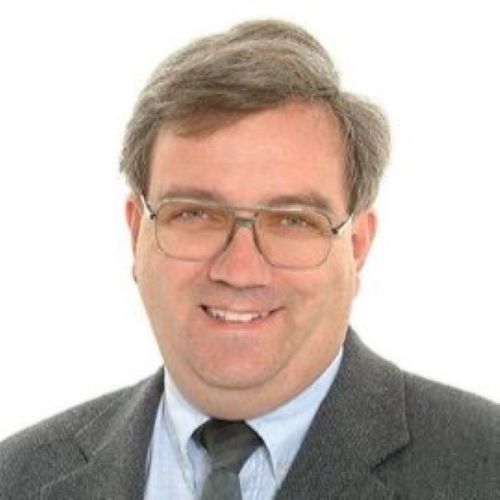
Speaker bio
Randy M. Lish
is a partner at Facemyer Law Firm in Provo, Utah, where he practices in the areas of trusts and estates, asset protection, and probate. He is a former adjunct professor at Utah Valley State College and is a lecturer for National Business Institute. Mr. Lish earned his B.A. and J.D. degrees from Brigham Young University. He is a member of the Utah State Bar and the Central Utah Bar Association.
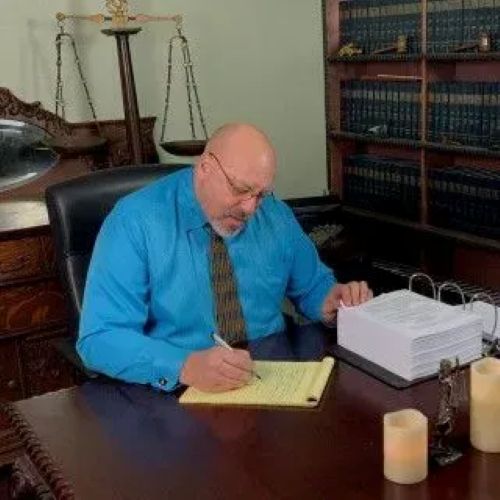
Speaker bio
Gary C. De Pury
is a solo practitioner at Law Offices of Gary De Pury, P.A. He focuses his practice on real estate law. After a lengthy Military career as a US Army Counterintelligence Agent, Mr. De Pury earned his J.D. degree from Ave Maria School of Law. He is admitted to practice law in Florida.
TOP FAQs
Have more questions? Please Contact Us