

Resolving Boundary Disputes in Virginia
Credits Available
| Credit | Status | Total | Until |
|---|---|---|---|
| Virginia CLE |
|
6 Total | 10-31-2026 |


Buy This Course
OnDemand Video
Course Book Download
Overview
A Comprehensive Guide to Resolving Disputes Over Boundaries, Easements, and Encroachments
Disagreements over easements, encroachments, and property lines are contentious, time-sensitive situations that require skilled attorneys. How comprehensive is your knowledge of the top boundary dispute resolution methods? When determining the validity of a claim, can you read surveys and legal descriptions with deftly accurate precision? If tensions escalate, can you strategically deploy prescriptive easements, quiet title actions, and other tools of the trade to swiftly secure favorable outcomes for your clients? In this information-packed overview, you will not only receive a comprehensive knowledge of the inner workings of the top boundary dispute resolution mechanisms, but you will also gain valuable strategies on using the most appropriate methods that specific situations warrant. Gain a valuable edge in your next boundary dispute - register today!
- Perfect your knowledge of the top boundary dispute resolution methods, including prescriptive easements, quiet title actions, and curative deeds.
- Obtain practical, hands-on survey and legal description deciphering skills.
- Confidently handle contentious property line issues, including encroaching fences, problem trees on property lines, and more.
- Resolve thorny situations where property sellers fail to transfer necessary easements to buyers.
- Confidently determine the legality of unauthorized access roads running across one property to another.
- Ensure quiet title actions are handled in an ethically compliant manner.
Abbreviated Agenda
- The Top Boundary Dispute Resolution Methods Explained: A Hands-On Guide to Their Mechanics and Procedures
- Using the Top Methods to Resolve Boundary Line and Encroachment Disputes
- Analyzing Surveys and Legal Descriptions to Resolve Boundary Disputes
- Using the Top Methods to Tackle Easement Disputes
- Continuous Trespass: Using Prescriptive Easements, Adverse Possession Rules, and Other Top Methods to Resolve Disputes
- Oil, Gas, and Mineral Rights Disputes: Employing the Top Methods
- Ethical Considerations
Credit Details
Credits Available
| Credit | Status | Total | Until |
|---|---|---|---|
| Virginia CLE |
|
6 Total | 10-31-2026 |
Select Jurisdiction
CLE
Agenda
-
The Top Boundary Dispute Resolution Methods Explained: A Hands-On Guide to Their Mechanics and Procedures
- Prescriptive Easements, Boundary by Acquiescence, and Adverse Possession
- Quiet Title Actions: Their Uses, Mechanics, and More
- Reviewing Existing Contracts and Agreements
- Consulting Surveys and Legal Descriptions
- Curative Deeds (Quitclaim, Warranty) and Boundary Agreements: Uses, Drafting Considerations, etc.
- Title Insurance Endorsements During Real Estate Closings
- Alternate Dispute Resolution Methods and Litigation
-
Using the Top Methods to Resolve Boundary Line and Encroachment Disputes
- Ascertaining an Encroachment Exists
- Disputed Property Lines
- Misplaced or Lost Monuments and Boundary Markers
- Party Wall Disputes
- Fences and Retaining Walls
- Spite Fences
- Encroachments by Buildings and Other Structures
- Roof Overhangs
- Large Trees on Property Lines: Potential and Actual Damage, Pruning, and Other Issues
-
Analyzing Surveys and Legal Descriptions to Resolve Boundary Disputes
- The Key Elements of Surveys and Legal Descriptions: A Practical Refresher
- Ensuring Surveys and Legal Descriptions Align
- Different Survey Types: Which is Best for Boundary Disputes?
- Determining the True Locations of Boundaries, Monuments, Encroachments, and Other Dispute-Causing Elements
- Examining Surveys and Legal Descriptions from Adjoining Properties for Conflicts: A Practical Exercise
-
Using the Top Methods to Tackle Easement Disputes
- Types of Easements Explained (Express, Necessity, Prescriptive, Implied, etc.)
- Impeding Use of Easements
- Easement Maintenance Disputes
- Blocking Ingress and Egress
- Obstructing Views
- Failure to Transfer an Easement to a Successive Property Owner
- Trespass and Encroachment on Easements
- Considerations for Conservation Easements
-
Continuous Trespass: Using Prescriptive Easements, Adverse Possession Rules, and Other Top Methods to Resolve Disputes
- Unauthorized Occupants of Dwellings and Other Structures
- Crops, Cattle, and Other Unauthorized Agricultural Uses
- Continuous Recreational Trespass
- Unauthorized Access Roads Across Neighboring Properties
- Access Roads and Other Trespasses on Government Properties
- Dealing With Paper Streets
-
Oil, Gas, and Mineral Rights Disputes: Employing the Top Methods
- Split Estate Issues: Surface Owners Leasing Severed Oil and Gas Rights
- Oil and Gas Well and Infrastructure Encroachment
- Misplaced and Unauthorized Wells and Infrastructure
- Eminent Domain Disputes Over Pipelines
- Disputes Over Landowners' Rights of Use
-
Ethical Considerations
- Acting in Good Faith
- Following the Limitations Imposed by Statute and Common Law
- Truthfulness in Negotiations
- Dealing With Difficult Clients
- Calculating Attorneys' Fees
- Ethics in Quiet Title Actions
Who Should Attend
This basic-to-intermediate level online seminar on resolving boundary disputes is for:
- Attorneys
- Surveyors
- Engineers
- Government Officials
- Title Agents
- Title Adjusters
- Title Insurance Underwriters
- Real Estate Agents
- Paralegals
Speakers
Speaker bio
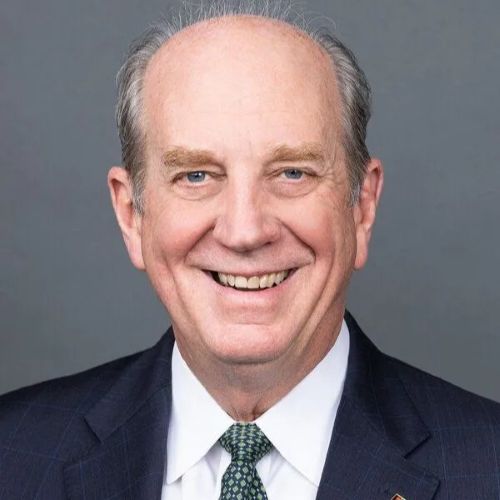
William D. Ashwell
is an attorney with Ashwell & Ashwell, PLLC. He practices in the areas of civil litigation, land use and zoning, appellate advocacy, business and commercial law, and trust and estate planning. Mr. Ashwell is admitted to practice in Virginia and before the U.S. District Court for the Eastern and Western districts of Virginia, U.S. Court of Appeals for the Fourth Circuit, U.S. Bankruptcy Court for the Eastern District of Virginia, and the U.S. Supreme Court. He is a member of the The Virginia State Bar Association and Fauquier Bar Association, and serves on the Virginia State Bar Seventh District Disciplinary Committee. Mr. Ashwell earned his B.A. degree from Hampden-Sydney College and his J.D. degree from the University of Dayton School of Law.
Speaker bio
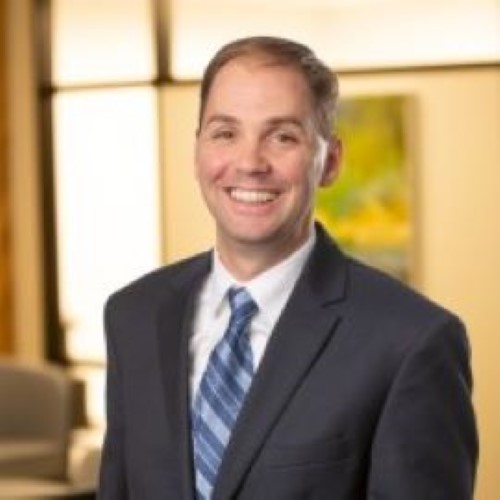
Stephen H. Moriarty, II
is a principal in the Fairfax office of Chadwick, Washington, Moriarty, Elmore & Bunn, PC. His focus area is in general counseling and representation, litigation, condominium warranty disputes, rules and covenants enforcement, contract negotiations, bylaw interpretation and amendments. Mr. Moriarty also represents Roanoke Valley-area clients at the Salem office. He has represented community associations since 1984, focusing on dispute avoidance and resolution, and trying cases in state and federal courts across Virginia. Mr. Moriarty served in the Fairfax Commonwealth's Attorney's Office from 1981 to 1984 and taught at the Northern Virginia Criminal Justice Academy in Ashburn, Virginia. He was a contributing author of Condominium and Homeowner Association Litigation: Community Association Law and has written articles for Quorum Magazine. Mr. Moriarty earned his B.A. degree in history from the University of Virginia and his J.D. degree from the University of Richmond, T.C. Williams School of Law. He has received honors from AV® Preeminent™ Peer Review RatingSM from Martindale-Hubbell®. He is admitted to practice in Virginia; U.S. District Court for the Eastern District of Virginia; as well as the U.S. Supreme Court. Mr. Moriarty is a member of the Virginia State Bar, Fairfax County Bar Association, Community Associations Institute (Washington Metropolitan and Southwest Virginia chapters). He has served on the Boards of Directors of ICON Services, Linden Resources, and the Southwest Chapter of CAI where he was president.
Speaker bio
Nicholas S. Johnson
is a partner at Bailey & Glasser, LLP. He skillfully litigates complex commercial and environmental disputes throughout the country. Prior to joining Bailey Glasser, Mr. Johnson distinguished himself as a trusted in-house lawyer for the some of the country's largest publicly traded mining and energy companies. His diverse practice includes complex litigation over large "deals gone wrong," including mineral development agreements, sale-leasebacks, financial derivatives, insurance contracts, recoupment agreements, LLC or partnership agreements, and UCC sales contracts, to name a few. Mr. Johnson also solves complex environmental and reclamation compliance and permitting issues for energy clients. He earned his J.D. degree from West Virginia University College of Law; and is admitted to practice in District of Columbia, Missouri, West Virginia and Virginia.
Speaker bio
Minturn Wright
is a founding partner with Shannon & Wright LLP in Alexandria, Virginia, where he primarily represents clients in real estate transactions and litigation matters. His three-plus decades of experience as a lawyer have been almost equally divided between real estate transfers and other transactions, and litigation (principally real estate, tax appeals and tax sales). Mr. Wright has had experience dealing with environmental issues, business entities, and patent/trademark issues, particularly licensing. He earned his B.S. degree from Yale University and his J.D., M.S. and Ph.D. degrees from the University of Southern California. Mr. Wright is admitted to practice in Virginia, the District of Columbia, and California.
Speaker bio
Peter L. Ostermiller
is a sole practitioner concentrating in legal ethics and professional responsibility matters. In 1980 he obtained his license to practice law in Kentucky. His legal ethics and professional responsibility law practice began in the mid -1980s and, since the mid-1990s has been his practice concentration. He represents attorneys in disciplinary and reinstatement proceedings, judges in judicial ethics matters, and bar exam applicants. Mr. Ostermiller has also represented parties in attorney's fee dispute proceedings, and attorneys in legal proceedings in which sanctions have been sought against the attorney. He has represented parties in attorney disqualification proceedings and counseled lawyers and law firms in their respective rights, responsibilities and duties to other attorneys and their clients. He also serves as an expert witness at the state and federal level regarding legal ethics and professional responsibility matters. Mr. Ostermiller is a member of the Kentucky Bar Association, Louisville Bar Association and Association of Professional Responsibility Lawyers. Mr. Ostermiller earned his B.A. and J.D. degrees from the University of Louisville.
TOP FAQs
Have more questions? Please Contact Us