

Evidence Admission in 8 Simple Steps
Credits Available
| Credit | Status | Total | Until |
|---|---|---|---|
| California MCLE Paralegal |
|
6 Total | 08-19-2028 |
| Alaska CLE |
|
6 Total | 08-19-2028 |
| Alabama CLE |
|
6 Total | 12-31-2026 |
| Arkansas CLE |
|
6 Total | 06-30-2027 |
| Arizona CLE |
|
6 Total | 08-19-2028 |
| California CLE |
|
6 Total | 08-19-2028 |
| Colorado CLE |
|
7 Total | 12-31-2028 |
| Connecticut CLE |
|
6 Total | 08-19-2028 |
| Delaware CLE |
|
6 Total | 08-19-2028 |
| Florida CLE |
|
7 Total | 02-29-2028 |
| Georgia CLE |
|
6 Total | 12-31-2027 |
| Hawaii CLE |
|
6 Total | 08-19-2028 |
| Iowa CLE |
|
6 Total | 08-19-2027 |
| Idaho CLE |
|
6 Total | 08-19-2031 |
| Illinois CLE |
|
6 Total | 08-17-2028 |
| Indiana CLE |
|
6 Total | 08-19-2027 |
| Kansas CLE |
|
7 Total | 08-18-2027 |
| Kentucky CLE |
|
6 Total | 06-30-2027 |
| Maine CLE |
|
6 Total | 08-17-2028 |
| Minnesota CLE |
|
6 Total | 08-19-2028 |
| Missouri CLE |
|
6 Total | 08-19-2028 |
| Northern Mariana Islands CLE |
|
6 Total | 08-19-2028 |
| Mississippi CLE |
|
6 Total | 07-31-2027 |
| Montana CLE |
|
6 Total | 08-19-2029 |
| North Carolina CLE |
|
6 Total | 02-28-2027 |
| North Dakota CLE |
|
6 Total | 08-19-2029 |
| Nebraska CLE |
|
6 Total | 08-19-2028 |
| New Hampshire CLE |
|
6 Total | 08-19-2029 |
| New Jersey CLE |
|
7.2 Total | 04-22-2027 |
| New Mexico CLE |
|
6 Total | 08-19-2028 |
| Nevada CLE |
|
6 Total | 08-19-2029 |
| New York CLE |
|
7 Total | 08-19-2029 |
| Ohio CLE |
|
6 Total | 12-31-2026 |
| Oklahoma CLE |
|
7 Total | 08-19-2028 |
| Oregon CLE |
|
6 Total | 08-19-2029 |
| Pennsylvania CLE |
|
6 Total | 08-19-2028 |
| Rhode Island CLE |
|
6 Total | 06-30-2027 |
| South Carolina CLE |
|
6 Total | 12-31-2026 |
| Tennessee CLE |
|
6 Total | 08-18-2028 |
| Texas CLE |
|
6 Total | 07-31-2027 |
| Utah CLE |
|
6 Total | 12-31-2026 |
| Virginia CLE |
|
6 Total | 10-31-2026 |
| Vermont CLE |
|
6 Total | 08-19-2028 |
| Washington CLE |
|
6 Total | 08-18-2031 |
| Wisconsin CLE |
|
7 Total | 12-31-2027 |
| West Virginia CLE |
|
7.2 Total | 08-19-2028 |
| Wyoming CLE |
|
6 Total | |
| Delaware Certified Paralegal Program |
|
6 Total | 08-19-2027 |
| Florida Registered Paralegal |
|
6 Total | 02-29-2028 |
| Indiana Paralegal CLE |
|
6 Total | 08-19-2027 |
| Montana CLE Credit for Paralegals |
|
6 Total | 08-19-2028 |
| North Carolina Continuing Paralegal Education |
|
6 Total | 02-28-2027 |
| New Mexico Paralegal Division, State Bar of |
|
6 Total | 08-19-2028 |
| Ohio Certified Paralegals |
|
6 Total | 08-19-2027 |
| NFPA |
|
0 Total | 08-19-2027 |
| Texas State Bar of Paralegal Division |
|
6 Total | 08-19-2028 |

Buy This Course
OnDemand Video
Course Book Download
Overview
Practical Rules Application for Trial Attorneys
Evidence rulings don’t happen in a vacuum - they happen in the middle of testimony, in front of a jury, under pressure. This program teaches you how to think on your feet and win evidentiary battles in real time. Using an eight-step courtroom framework, you’ll learn how to spot admissibility issues instantly, lay airtight foundations, dismantle weak exhibits, and make objections that actually move the needle. Each module focuses on what trial lawyers actually do: framing objections that stick, neutralizing damaging evidence, navigating hearsay without getting lost in the weeds, handling digital exhibits confidently, and positioning expert testimony for maximum impact. Leading case authority is woven in, not as abstract doctrine but as practical leverage you can use in motions, hearings, and trial. Hone your tactical instincts, build confidence, control the record - and ultimately handle cases more effectively. Register today!
- Develop a rapid-response relevance analysis you can apply during live testimony.
- Lay digital and documentary foundations smoothly - without fumbling or overcomplicating the record.
- Cut through hearsay confusion and identify the strongest path to admission or exclusion.
- Position expert testimony strategically - whether qualifying your own expert or challenging the other side’s.
- Deliver clear, persuasive objections and offers of proof that protect your case and strengthen appeal posture.
Abbreviated Agenda
- Step 1: Relevance (Rules 401 and 402) - Winning the First Gate
- Step 2: Rule 403 Balancing - Managing Risk Before It Hurts You
- Step 3: Authentication and Best Evidence - Foundation Without Friction
- Step 4: Privileges, Protections, and Waiver
- Step 5: Handling Hearsay (Rules 801-807)
- Step 6: Character, Impeachment, and Prior Acts - High-Impact Evidence
- Step 7: Lay and Expert Testimony - Controlling Witness Impact
- Step 8: Preservation and Offers of Proof - Protecting the Record
- Legal Ethics Guidance for Evidentiary Battles
Credit Details
Credits Available
| Credit | Status | Total | Until |
|---|---|---|---|
| California MCLE Paralegal |
|
6 Total | 08-19-2028 |
| Alaska CLE |
|
6 Total | 08-19-2028 |
| Alabama CLE |
|
6 Total | 12-31-2026 |
| Arkansas CLE |
|
6 Total | 06-30-2027 |
| Arizona CLE |
|
6 Total | 08-19-2028 |
| California CLE |
|
6 Total | 08-19-2028 |
| Colorado CLE |
|
7 Total | 12-31-2028 |
| Connecticut CLE |
|
6 Total | 08-19-2028 |
| Delaware CLE |
|
6 Total | 08-19-2028 |
| Florida CLE |
|
7 Total | 02-29-2028 |
| Georgia CLE |
|
6 Total | 12-31-2027 |
| Hawaii CLE |
|
6 Total | 08-19-2028 |
| Iowa CLE |
|
6 Total | 08-19-2027 |
| Idaho CLE |
|
6 Total | 08-19-2031 |
| Illinois CLE |
|
6 Total | 08-17-2028 |
| Indiana CLE |
|
6 Total | 08-19-2027 |
| Kansas CLE |
|
7 Total | 08-18-2027 |
| Kentucky CLE |
|
6 Total | 06-30-2027 |
| Maine CLE |
|
6 Total | 08-17-2028 |
| Minnesota CLE |
|
6 Total | 08-19-2028 |
| Missouri CLE |
|
6 Total | 08-19-2028 |
| Northern Mariana Islands CLE |
|
6 Total | 08-19-2028 |
| Mississippi CLE |
|
6 Total | 07-31-2027 |
| Montana CLE |
|
6 Total | 08-19-2029 |
| North Carolina CLE |
|
6 Total | 02-28-2027 |
| North Dakota CLE |
|
6 Total | 08-19-2029 |
| Nebraska CLE |
|
6 Total | 08-19-2028 |
| New Hampshire CLE |
|
6 Total | 08-19-2029 |
| New Jersey CLE |
|
7.2 Total | 04-22-2027 |
| New Mexico CLE |
|
6 Total | 08-19-2028 |
| Nevada CLE |
|
6 Total | 08-19-2029 |
| New York CLE |
|
7 Total | 08-19-2029 |
| Ohio CLE |
|
6 Total | 12-31-2026 |
| Oklahoma CLE |
|
7 Total | 08-19-2028 |
| Oregon CLE |
|
6 Total | 08-19-2029 |
| Pennsylvania CLE |
|
6 Total | 08-19-2028 |
| Rhode Island CLE |
|
6 Total | 06-30-2027 |
| South Carolina CLE |
|
6 Total | 12-31-2026 |
| Tennessee CLE |
|
6 Total | 08-18-2028 |
| Texas CLE |
|
6 Total | 07-31-2027 |
| Utah CLE |
|
6 Total | 12-31-2026 |
| Virginia CLE |
|
6 Total | 10-31-2026 |
| Vermont CLE |
|
6 Total | 08-19-2028 |
| Washington CLE |
|
6 Total | 08-18-2031 |
| Wisconsin CLE |
|
7 Total | 12-31-2027 |
| West Virginia CLE |
|
7.2 Total | 08-19-2028 |
| Wyoming CLE |
|
6 Total | |
| Delaware Certified Paralegal Program |
|
6 Total | 08-19-2027 |
| Florida Registered Paralegal |
|
6 Total | 02-29-2028 |
| Indiana Paralegal CLE |
|
6 Total | 08-19-2027 |
| Montana CLE Credit for Paralegals |
|
6 Total | 08-19-2028 |
| North Carolina Continuing Paralegal Education |
|
6 Total | 02-28-2027 |
| New Mexico Paralegal Division, State Bar of |
|
6 Total | 08-19-2028 |
| Ohio Certified Paralegals |
|
6 Total | 08-19-2027 |
| NFPA |
|
0 Total | 08-19-2027 |
| Texas State Bar of Paralegal Division |
|
6 Total | 08-19-2028 |
Credit Details by Jurisdiction
OnDemand Video
CLE
Credits
Alaska CLE Reciprocity · 6 Total Credits
- 1 MECLE Ethics
Earn Until
OnDemand - Alaska CLE - 6: Alaska Bar members may claim credit for attending CLE programs that have been accredited by other mandatory CLE jurisdictions. This program qualifies for 6.0 hours of credit, which includes 5.0 hours of MCLE credit and 1.0 hour of MECLE credit.
Video Download - Alaska CLE - 6: Alaska Bar members may claim credit for attending CLE programs that have been accredited by other mandatory CLE jurisdictions. This program qualifies for 6.0 hours of credit, which includes 5.0 hours of MCLE credit and 1.0 hour of MECLE credit.
Alabama CLE Approved · 6 Total Credits
- 1 Ethics/Professionalism
Earn Until
OnDemand - Alabama CLE - 6: This course or a portion thereof has been approved by the Alabama State Bar Mandatory Continuing Legal Education Commission for a maximum of 6.0 on-demand credit hours, including 1.0 ethics/professionalism credit.
Arkansas CLE Approved · 6 Total Credits
- 1 Ethics
Earn Until
OnDemand - Arkansas CLE - 6: NBI, Inc. is an accredited sponsor in the state of Arkansas. This program qualifies for 6.0 hours of on demand continuing legal education credit, including 1.0 hour of ethics, consistent with the rules and regulations of the Arkansas Supreme Court of Professional Programs.
Video Download - Arkansas CLE - 6: NBI, Inc. is an accredited sponsor in the state of Arkansas. This program qualifies for 6.0 hours of on demand continuing legal education credit, including 1.0 hour of ethics, consistent with the rules and regulations of the Arkansas Supreme Court of Professional Programs.
Arizona CLE Approved · 6 Total Credits
- 1 Professional Responsibility
Earn Until
OnDemand - Arizona CLE - 6: The State Bar of Arizona does not approve or accredit CLE activities for the Mandatory Continuing Legal Education requirement. This activity qualifies for 6.0 hours toward your annual CLE requirement for the State of Arizona, including 1.0 hour of professional responsibility.
Video Download - Arizona CLE - 6: The State Bar of Arizona does not approve or accredit CLE activities for the Mandatory Continuing Legal Education requirement. This activity qualifies for 6.0 hours toward your annual CLE requirement for the State of Arizona, including 1.0 hour of professional responsibility.
California CLE Approved · 6 Total Credits
- 1 Legal Ethics
Earn Until
OnDemand - California CLE - 6: This activity has been approved for Minimum Continuing Legal Education credit by the State Bar of California and qualifies for 6.0 hours of participatory credit, of which 1.0 hour will apply to legal ethics credit. NBI, Inc. certifies this activity conforms to the standards for approved education activities prescribed by the rules and regulations of the State Bar of California governing minimum continuing legal education. NBI, Inc. is a State Bar of California approved MCLE provider - #53.
Video Download - California CLE - 6: This activity has been approved for Minimum Continuing Legal Education credit by the State Bar of California and qualifies for 6.0 hours of self-study credit, of which 1.0 hour will apply to legal ethics credit. NBI, Inc. certifies this activity conforms to the standards for approved education activities prescribed by the rules and regulations of the State Bar of California governing minimum continuing legal education. NBI, Inc. is a State Bar of California approved MCLE provider - #53.
Colorado CLE Approved · 7 Total Credits
- 1.2 Professional Responsibility
Earn Until
OnDemand - Colorado CLE - 7: NBI, Inc. is a Certified Provider, as recognized by the Colorado Supreme Court Continuing Legal and Judicial Education Committee. This program qualifies for 7.0 hours of home study general Colorado Continuing Legal Education Credit, including 1.20 professional responsibility credit.
Video Download - Colorado CLE - 7: NBI, Inc. is a Certified Provider, as recognized by the Colorado Supreme Court Continuing Legal and Judicial Education Committee. This program qualifies for 7.0 hours of home study general Colorado Continuing Legal Education Credit, including 1.20 professional responsibility credit.
Connecticut CLE Approved · 6 Total Credits
- 1 Ethics/Professionalism
Earn Until
OnDemand - Connecticut CLE - 6: Neither the Connecticut Judicial Branch nor the Commission on Minimum Continuing Legal Education approve or accredit CLE providers or activities. It is the opinion of NBI, Inc. that this activity qualifies for 6.0 self-study hours toward your annual CLE requirement in Connecticut, including 1.0 self-study hour(s) of ethics/professionalism.
Video Download - Connecticut CLE - 6: Neither the Connecticut Judicial Branch nor the Commission on Minimum Continuing Legal Education approve or accredit CLE providers or activities. It is the opinion of NBI, Inc. that this activity qualifies for 6.0 self-study hours toward your annual CLE requirement in Connecticut, including 1.0 self-study hour(s) of ethics/professionalism.
Delaware CLE Approved · 6 Total Credits
- 1 Ethics
Earn Until
OnDemand - Delaware CLE - 6: NBI, Inc. is an accredited sponsor of the Delaware Commission on Continuing Legal Education and recommends this program for 6.0 hours of eCLE credit, including 1.0 hour of ethics.
Florida CLE Approved · 7 Total Credits
- 1 Professional Responsibility
Earn Until
OnDemand - Florida CLE - 7: Approved by The Florida Bar, this program qualifies for 7.0 general hours of CLER self-study credit including 1.0 hour of self-study professional responsibility (may include legal ethics, professionalism, substance abuse or mental illness and wellness programs).
Video Download - Florida CLE - 7: Approved by The Florida Bar, this program qualifies for 7.0 general hours of CLER self-study credit including 1.0 hour of self-study professional responsibility (may include legal ethics, professionalism, substance abuse or mental illness and wellness programs).
Georgia CLE Approved · 6 Total Credits
- 1 Ethics
Earn Until
OnDemand - Georgia CLE - 6: This program is approved by the Commission on Continuing Lawyer Competency of the State Bar of Georgia. This program qualifies for 6.0 hours of distance learning continuing legal education credit with the Georgia Commission on Continuing Lawyer Competency, which includes 1.0 hour of distance learning ethics.
Video Download - Georgia CLE - 6: This program is approved by the Commission on Continuing Lawyer Competency of the State Bar of Georgia. This program qualifies for 6.0 hours of distance learning continuing legal education credit with the Georgia Commission on Continuing Lawyer Competency, which includes 1.0 hour of distance learning ethics.
Hawaii CLE Approved · 6 Total Credits
- 1 Ethics/Professional Responsibility
Earn Until
OnDemand - Hawaii CLE - 6: NBI, Inc. is an Accredited Provider with the Hawaii State Board of Continuing Legal Education. This alternative format activity has been approved for 6.0 hours of credit for the state of Hawaii, which includes 1.0 hour of ethics or professional responsibility education.
Video Download - Hawaii CLE - 6: NBI, Inc. is an Accredited Provider with the Hawaii State Board of Continuing Legal Education. This alternative format activity has been approved for 6.0 hours of credit for the state of Hawaii, which includes 1.0 hour of ethics or professional responsibility education.
Iowa CLE Approved · 6 Total Credits
- 1 Legal Ethics
Earn Until
OnDemand - Iowa CLE - 6: "Evidence Admission in 8 Simple Steps" is an accredited program under the regulations of the Iowa Supreme Court Commission on Continuing Legal Education. It is planned that this program will provide a maximum of 6.0 hours of unmoderated activity credit toward the mandatory continuing legal education requirements under the Iowa rule, including 1.0 hour of legal ethics unmoderated activity credit.
Idaho CLE Approved · 6 Total Credits
- 1 Legal Ethics/Professional Responsibility
Earn Until
OnDemand - Idaho CLE - 6: Approved for 6.0 hours of self-study continuing legal education credit in the state of Idaho, which includes 1.0 self-study legal ethics or professional responsibility credit.
Video Download - Idaho CLE - 6: Approved for 6.0 hours of self-study continuing legal education credit in the state of Idaho, which includes 1.0 self-study legal ethics or professional responsibility credit.
Illinois CLE Approved · 6 Total Credits
- 1 Professional Responsibility
Earn Until
OnDemand - Illinois CLE - 6: This program has been approved by the Illinois MCLE Board for 6.0 hours of recorded technology CLE credit, which includes approval for 1.0 hour of legal ethics, civility, professionalism or sexual harassment prevention training CLE credit by the Illinois Supreme Court Commission on Professionalism.
Video Download - Illinois CLE - 6: This program has been approved by the Illinois MCLE Board for 6.0 hours of recorded technology CLE credit, which includes approval for 1.0 hour of legal ethics, civility, professionalism or sexual harassment prevention training CLE credit by the Illinois Supreme Court Commission on Professionalism.
Indiana CLE Approved · 6 Total Credits
- 1 Ethics
Earn Until
OnDemand - Indiana CLE - 6: This course has been approved by the Indiana Supreme Court Office of Admissions & Continuing Education. Participating attorneys are eligible to receive 6.0 hours of distance education, which includes 1.0 hour of ethics.
Kansas CLE Approved · 7 Total Credits
- 1 Ethics/Professionalism
Earn Until
OnDemand - Kansas CLE - 7: Approved by Kansas CLE for 7.0 hours of prerecorded format continuing legal education credit, which includes 1.0 hour of ethics and professionalism credit.
Video Download - Kansas CLE - 7: Approved by Kansas CLE for 7.0 hours of prerecorded format continuing legal education credit, which includes 1.0 hour of ethics and professionalism credit.
Kentucky CLE Approved · 6 Total Credits
- 1 Ethics
Earn Until
OnDemand - Kentucky CLE - 6: This program has been approved as a technological CLE activity by the Kentucky Bar Association Continuing Legal Education Commission and qualifies for 6.0 credits, including 1.0 ethics credits.
Video Download - Kentucky CLE - 6: This program has been approved as a technological CLE activity by the Kentucky Bar Association Continuing Legal Education Commission and qualifies for 6.0 credits, including 1.0 ethics credits.
Maine CLE Approved · 6 Total Credits
Earn Until
OnDemand - Maine CLE - 6: This course has been approved by the State of Maine Board of Overseers of the Bar. Lawyers who complete this course will receive 6.0 hours of self-study CLE credit.
Video Download - Maine CLE - 6: This course has been approved by the State of Maine Board of Overseers of the Bar. Lawyers who complete this course will receive 6.0 hours of self-study CLE credit.
Course Book - Maine CLE - 6: This course has been approved by the State of Maine Board of Overseers of the Bar. Lawyers who complete this course will receive 6.0 hours of self-study CLE credit.
Minnesota CLE Approved · 6 Total Credits
- 1 Ethics
Earn Until
OnDemand - Minnesota CLE - 6: Approved for 6.0 hours of standard on-demand CLE credit, including 1.0 hour of ethics credit by the Minnesota Board of Continuing Legal Education.
Video Download - Minnesota CLE - 6: Approved for 6.0 hours of standard on-demand CLE credit, including 1.0 hour of ethics credit by the Minnesota Board of Continuing Legal Education.
Missouri CLE Approved · 6 Total Credits
Earn Until
OnDemand - Missouri CLE - 6: NBI, Inc. is an accredited sponsor with Missouri Minimum Continuing Legal Education. This program qualifies for 6.0 self-study CLE credit hours.
Video Download - Missouri CLE - 6: NBI, Inc. is an accredited sponsor with Missouri Minimum Continuing Legal Education. This program qualifies for 6.0 self-study CLE credit hours.
Course Book - Missouri CLE - 6: NBI, Inc. is an accredited sponsor with Missouri Minimum Continuing Legal Education. This program qualifies for 6.0 self-study CLE credit hours.
Northern Mariana Islands CLE Approved · 6 Total Credits
Earn Until
OnDemand - Northern Mariana Islands CLE - 6: This course has been approved by the Commonwealth of the Northern Mariana Islands. Lawyers who complete this course shall receive 6.0 hours of self-study CLE credit.
Video Download - Northern Mariana Islands CLE - 6: This course has been approved by the Commonwealth of the Northern Mariana Islands. Lawyers who complete this course shall receive 6.0 hours of self-study CLE credit.
Course Book - Northern Mariana Islands CLE - 6: This course has been approved by the Commonwealth of the Northern Mariana Islands. Lawyers who complete this course shall receive 6.0 hours of self-study CLE credit.
Mississippi CLE Approved · 6 Total Credits
- 1 Ethics/Professionalism
Earn Until
OnDemand - Mississippi CLE - 6: This course has been approved by the Mississippi Commission on Continuing Legal Education for a maximum of 6.0 hours of Online credit, which includes 1.0 hour of ethics/ professionalism.
Montana CLE Approved · 6 Total Credits
- 1 Professional Fitness and Integrity
Earn Until
OnDemand - Montana CLE - 6: This program qualifies for 6.0 hours of self-study CLE credit by the Montana Commission of Continuing Legal Education, including 1.0 hour of professional fitness and integrity credit.
Video Download - Montana CLE - 6: This program qualifies for 6.0 hours of self-study CLE credit by the Montana Commission of Continuing Legal Education, including 1.0 hour of professional fitness and integrity credit.
North Carolina CLE Approved · 6 Total Credits
- 1 Professional Responsibility
Earn Until
OnDemand - North Carolina CLE - 6: NBI, Inc. is an accredited sponsor with the North Carolina State Board of Continuing Legal Education. Attendance of this program qualifies for 6.0 hours of online CLE credit, including 1.0 professional responsibility.
Video Download - North Carolina CLE - 6: NBI, Inc. is an accredited sponsor with the North Carolina State Board of Continuing Legal Education. Attendance of this program qualifies for 6.0 hours of online CLE credit, including 1.0 professional responsibility.
North Dakota CLE Approved · 6 Total Credits
- 1 Ethics
Earn Until
OnDemand - North Dakota CLE - 6: North Dakota attorneys completing this program may claim 6.0 North Dakota self-study CLE credit hours, including 1.0 hour of self-study ethics credit, on the Report of Compliance.
Video Download - North Dakota CLE - 6: North Dakota attorneys completing this program may claim 6.0 North Dakota self-study CLE credit hours, including 1.0 hour of self-study ethics credit, on the Report of Compliance.
Nebraska CLE Approved · 6 Total Credits
- 1 Professional Responsibility
Earn Until
OnDemand - Nebraska CLE - 6: NBI, Inc. is an accredited CLE sponsor in the state of Nebraska. This activity has been approved for 6.0 distance learning CLE credits, including 1.0 hour of professional responsibility credit.
Video Download - Nebraska CLE - 6: NBI, Inc. is an accredited CLE sponsor in the state of Nebraska. This activity has been approved for 6.0 distance learning CLE credits, including 1.0 hour of professional responsibility credit.
New Hampshire CLE Approved · 6 Total Credits
- 1 Ethics/Professionalism
Earn Until
OnDemand - New Hampshire CLE - 6: NHMCLE does not approve or accredit CLE activities for the NH Minimum CLE requirement. NBI, Inc. believes this course meets the requirements of NH Supreme Court Rule 53 toward the annual NHMCLE requirement.
Video Download - New Hampshire CLE - 6: NHMCLE does not approve or accredit CLE activities for the NH Minimum CLE requirement. NBI, Inc. believes this course meets the requirements of NH Supreme Court Rule 53 toward the annual NHMCLE requirement.
New Jersey CLE Approved · 7.2 Total Credits
- 1.2 Ethics/Professionalism
Earn Until
OnDemand - New Jersey CLE - 7.2: This program has been approved by the Board on Continuing Legal Education of the Supreme Court of New Jersey for 7.20 hours of alternative format CLE credit. Of these, 1.20 qualifies as hours of alternative learning format credit for ethics/professionalism.
Video Download - New Jersey CLE - 7.2: This program has been approved by the Board on Continuing Legal Education of the Supreme Court of New Jersey for 7.20 hours of alternative format CLE credit. Of these, 1.20 qualifies as hours of alternative learning format credit for ethics/professionalism.
New Mexico CLE Approved · 6 Total Credits
- 1 Ethics
Earn Until
OnDemand - New Mexico CLE - 6: This program has been approved by the Board of Bar Commissioners of the State Bar of New Mexico. This program qualifies for 6.0 hours of self-study credit, including 1.0 hour of self-study ethics credit.
Video Download - New Mexico CLE - 6: This program has been approved by the Board of Bar Commissioners of the State Bar of New Mexico. This program qualifies for 6.0 hours of self-study credit, including 1.0 hour of self-study ethics credit.
Nevada CLE Approved · 6 Total Credits
- 1 Ethical Considerations
Earn Until
OnDemand - Nevada CLE - 6: This course has been approved by the Nevada Board of Continuing Legal Education. This program qualifies for 6.0 hours of alternative format CLE credits by the Nevada Board of Continuing Legal Education, which includes 1.0 hour of alternative format ethical considerations.
Video Download - Nevada CLE - 6: This course has been approved by the Nevada Board of Continuing Legal Education. This program qualifies for 6.0 hours of alternative format CLE credits by the Nevada Board of Continuing Legal Education, which includes 1.0 hour of alternative format ethical considerations.
New York CLE Approved · 7 Total Credits
- 6 Skills
- 1 Ethics/Professionalism
Earn Until
OnDemand - New York CLE - 7: This nontraditional format course has been approved in accordance with the requirements of the New York State Continuing Legal Education Board for up to 7.0 credit hours. 6.0 hours can be applied to the skills requirement and is approved for experienced attorneys. 1.0 hour can be applied toward the Ethics/Professionalism requirement and is approved for experienced attorneys. NBI, Inc. offers a Financial Hardship Policy for qualifying individuals. To apply, please submit a request via email to our Tuition Discount Committee at customerservice@nbi-sems.com.
Video Download - New York CLE - 7: This nontraditional format course has been approved in accordance with the requirements of the New York State Continuing Legal Education Board for up to 7.0 credit hours. 6.0 hours can be applied to the skills requirement and is approved for experienced attorneys. 1.0 hour can be applied toward the Ethics/Professionalism requirement and is approved for experienced attorneys. NBI, Inc. offers a Financial Hardship Policy for qualifying individuals. To apply, please submit a request via email to our Tuition Discount Committee at customerservice@nbi-sems.com.
Ohio CLE Approved · 6 Total Credits
- 1 Professional Conduct
Earn Until
OnDemand - Ohio CLE - 6: This course has been approved by the Supreme Court of Ohio Commission on Continuing Legal Education for 6.0 self-study CLE credit hours, including 1.0 hour of attorney professional conduct instruction.
Video Download - Ohio CLE - 6: This course has been approved by the Supreme Court of Ohio Commission on Continuing Legal Education for 6.0 self-study CLE credit hours, including 1.0 hour of attorney professional conduct instruction.
Oklahoma CLE Approved · 7 Total Credits
- 1 Legal Ethics
Earn Until
OnDemand - Oklahoma CLE - 7: This course has been approved by the Oklahoma Bar Association Mandatory Continuing Legal Education Commission. This program qualifies for 7.0 of On Demand CLE credit hours, which includes 1.0 hour of legal ethics.
Video Download - Oklahoma CLE - 7: This course has been approved by the Oklahoma Bar Association Mandatory Continuing Legal Education Commission. This program qualifies for 7.0 of On Demand CLE credit hours, which includes 1.0 hour of legal ethics.
Oregon CLE Approved · 6 Total Credits
- 1 Ethics
Earn Until
OnDemand - Oregon CLE - 6: NBI, Inc. is an approved sponsor with the Oregon MCLE. This program qualifies for 5.0 hours of general continuing legal education credit and 1.0 hour of ethics credit.
Video Download - Oregon CLE - 6: NBI, Inc. is an approved sponsor with the Oregon MCLE. This program qualifies for 5.0 hours of general continuing legal education credit and 1.0 hour of ethics credit.
Pennsylvania CLE Approved · 6 Total Credits
- 1 Ethics
Earn Until
OnDemand - Pennsylvania CLE - 6: This program has been approved by the Pennsylvania Continuing Legal Education Board. This program qualifies for 6.0 hours of distance learning credit, including 5.0 hours of substantive law, practice and procedure CLE credit and 1.0 hour of ethics, professionalism or substance abuse distance learning CLE credit.
Video Download - Pennsylvania CLE - 6: This program has been approved by the Pennsylvania Continuing Legal Education Board. This program qualifies for 6.0 hours of distance learning credit, including 5.0 hours of substantive law, practice and procedure CLE credit and 1.0 hour of ethics, professionalism or substance abuse distance learning CLE credit.
Rhode Island CLE Approved · 6 Total Credits
- 1 Legal Ethics
Earn Until
OnDemand - Rhode Island CLE - 6: NBI is an accredited sponsor with the Rhode Island MCLE Commission. This program is approved for 6.0 hours of CLE video replay credit in Rhode Island, including 1.0 of legal ethics.
Video Download - Rhode Island CLE - 6: NBI is an accredited sponsor with the Rhode Island MCLE Commission. This program is approved for 6.0 hours of CLE video replay credit in Rhode Island, including 1.0 of legal ethics.
South Carolina CLE Approved · 6 Total Credits
- 1 Legal Ethics/Professional Responsibility
Earn Until
OnDemand - South Carolina CLE - 6: This course is accredited by the South Carolina Commission on Continuing Legal Education and Specialization for 6.0 alternatively delivered hours, of which 1.0 hour relates to legal ethics and professional responsibility.
Video Download - South Carolina CLE - 6: This course is accredited by the South Carolina Commission on Continuing Legal Education and Specialization for 6.0 alternatively delivered hours, of which 1.0 hour relates to legal ethics and professional responsibility.
Tennessee CLE Approved · 6 Total Credits
- 1 Ethics/Professionalism
Earn Until
OnDemand - Tennessee CLE - 6: This course has been approved by the Tennessee Commission on Continuing Legal Education for a maximum of 6.0 hours of Distance Learning credit, including 1.0 hour of ethics/professionalism (EP) credit.
Texas CLE Approved · 6 Total Credits
- 1 Legal Ethics/Professional Responsibility
Earn Until
OnDemand - Texas CLE - 6: This course is accredited for Minimum Continuing Legal Education credit by the State Bar of Texas Committee on MCLE in the amount of 6.0 credit hours, of which 1.0 credit hour will apply to legal ethics/professional responsibility credit. Hours in attendance at National Business Institute CLE seminars may be applied to the minimum Judicial Education requirement.
Video Download - Texas CLE - 6: This course is accredited for Minimum Continuing Legal Education credit by the State Bar of Texas Committee on MCLE in the amount of 6.0 credit hours, of which 1.0 credit hour will apply to legal ethics/professional responsibility credit. Hours in attendance at National Business Institute CLE seminars may be applied to the minimum Judicial Education requirement.
Utah CLE Approved · 6 Total Credits
- 1 Ethics
Earn Until
OnDemand - Utah CLE - 6: National Business Institute is an approved "presumptive provider" with the Utah State Board of Continuing Legal Education. This program qualifies for 6.0 hours of self-study CLE credit for Utah attorneys, which includes 1.0 hour of ethics credit.
Video Download - Utah CLE - 6: National Business Institute is an approved "presumptive provider" with the Utah State Board of Continuing Legal Education. This program qualifies for 6.0 hours of self-study CLE credit for Utah attorneys, which includes 1.0 hour of ethics credit.
Virginia CLE Approved · 6 Total Credits
- 1 Ethics/Professionalism
Earn Until
OnDemand - Virginia CLE - 6: This course has been approved by the Virginia Mandatory Continuing Legal Education Board for 6.0 hours of prerecorded credit, of which 1.0 hour will also apply in the area of legal ethics or professionalism.
Video Download - Virginia CLE - 6: This course has been approved by the Virginia Mandatory Continuing Legal Education Board for 6.0 hours of prerecorded credit, of which 1.0 hour will also apply in the area of legal ethics or professionalism.
Vermont CLE Approved · 6 Total Credits
- 1 Ethics
Earn Until
OnDemand - Vermont CLE - 6: This course has been approved by the Vermont Board of Mandatory Continuing Legal Education. This program qualifies for 6.0 hours of self-study credit, including 1.0 hour of self-study ethics credit.
Video Download - Vermont CLE - 6: This course has been approved by the Vermont Board of Mandatory Continuing Legal Education. This program qualifies for 6.0 hours of self-study credit, including 1.0 hour of self-study ethics credit.
Washington CLE Approved · 6 Total Credits
- 1 Ethics/Professional Responsibility
Earn Until
OnDemand - Washington CLE - 6: This program qualifies for 6.0 hours of Washington continuing legal education (Self Study) A/V credit, which includes 5.0 hours of Law and Legal Procedure and 1.0 hour of ethics and professional responsibility.
Video Download - Washington CLE - 6: This program qualifies for 6.0 hours of Washington continuing legal education (Self Study) A/V credit, which includes 5.0 hours of Law and Legal Procedure and 1.0 hour of ethics and professional responsibility.
Wisconsin CLE Approved · 7 Total Credits
Earn Until
OnDemand - Wisconsin CLE - 7: Approved for 7.0 hours of repeated on-demand CLE credit by the Board of Bar Examiners.
Video Download - Wisconsin CLE - 7: Approved for 7.0 hours of repeated on-demand CLE credit by the Board of Bar Examiners.
West Virginia CLE Approved · 7.2 Total Credits
- 1.2 Ethics
Earn Until
OnDemand - West Virginia CLE - 7.2: This program qualifies for 7.20 hours of pre-recorded credit, which includes 1.20 hour of pre-recorded ethics credit, under the West Virginia Rules for Mandatory Continuing Legal Education.
Video Download - West Virginia CLE - 7.2: This program qualifies for 7.20 hours of pre-recorded credit, which includes 1.20 hour of pre-recorded ethics credit, under the West Virginia Rules for Mandatory Continuing Legal Education.
Wyoming CLE Approved · 6 Total Credits
- 1 Ethics
OnDemand - Wyoming CLE - 6: The Wyoming State Board of Continuing Legal Education has granted 6.0 hours of Continuing Legal Education Credit, including 1.0 hour of ethics.
Video Download - Wyoming CLE - 6: The Wyoming State Board of Continuing Legal Education has granted 6.0 hours of Continuing Legal Education Credit, including 1.0 hour of ethics.
Paralegal
Credits
California MCLE Paralegal Approved · 6 Total Credits
- 1 Ethics
Earn Until
OnDemand - California MCLE Paralegal - 6: This program meets the California MCLE Paralegal requirement as specified in Business and Professions Code Section 6450(d).
Video Download - California MCLE Paralegal - 6: This program meets the California MCLE Paralegal requirement as specified in Business and Professions Code Section 6450(d).
Delaware Certified Paralegal Program Approved · 6 Total Credits
- 1 Ethics
Earn Until
OnDemand - Delaware Certified Paralegal Program - 6: This course qualifies for 6.0 DCP CLE credit hours, including 1.0 DCP ethics credit hour, toward the eligibility requirements of the DPA Delaware Certified Paralegal Program.
Video Download - Delaware Certified Paralegal Program - 6: This course qualifies for 6.0 DCP CLE credit hours, including 1.0 DCP ethics credit hour, toward the eligibility requirements of the DPA Delaware Certified Paralegal Program.
Florida Registered Paralegal Approved · 6 Total Credits
- 1 Ethics
Earn Until
OnDemand - Florida Registered Paralegal - 6: This course qualifies for 6.0 hours of self-study continuing education for paralegals, including 1.0 hour of self-study ethics credit, toward the eligibility requirements of the Florida Registered Paralegal Program. This course has been approved by NFPA.
Video Download - Florida Registered Paralegal - 6: This course qualifies for 6.0 hours of self-study continuing education for paralegals, including 1.0 hour of self-study ethics credit, toward the eligibility requirements of the Florida Registered Paralegal Program. This course has been approved by NFPA.
Indiana Paralegal CLE Approved · 6 Total Credits
- 1 Ethics
Earn Until
OnDemand - Indiana Paralegal CLE - 6: This course qualifies for 6.0 hours of distancing learning continuing education, including 1.0 hour of ethics and satisfies the CLE requirement for Indiana State Bar Association Paralegal Members and Indiana Registered Paralegals (IRP).
Video Download - Indiana Paralegal CLE - 6: This course qualifies for 6.0 hours of distancing learning continuing education, including 1.0 hour of ethics and satisfies the CLE requirement for Indiana State Bar Association Paralegal Members and Indiana Registered Paralegals (IRP).
Montana CLE Credit for Paralegals Approved · 6 Total Credits
- 1 Ethics
Earn Until
OnDemand - Montana CLE Credit for Paralegals - 6: This course has been approved for 6.0 hours of self-study CLE credit, including 1.0 hour of ethics, by Montana Commission of Continuing Legal Education. The Montana Association of Legal Assistants (MALA) and the Paralegal Section of the State Bar of Montana will honor this credit approval.
Video Download - Montana CLE Credit for Paralegals - 6: This course has been approved for 6.0 hours of self-study CLE credit, including 1.0 hour of ethics, by Montana Commission of Continuing Legal Education. The Montana Association of Legal Assistants (MALA) and the Paralegal Section of the State Bar of Montana will honor this credit approval.
North Carolina Continuing Paralegal Education Approved · 6 Total Credits
- 1 Professional Responsibility
Earn Until
OnDemand - North Carolina Continuing Paralegal Education - 6: This program has been approved by the North Carolina State Bar Board of Paralegal Certification for computer-based continuing paralegal education credit in the amount of 6.0 hours, of which 1.0 hour will also apply in the area of professional responsibility. This course is not sponsored by the Board of Paralegal Certification.
New Mexico Paralegal Division, State Bar of Approved · 6 Total Credits
- 1 Ethics
Earn Until
OnDemand - New Mexico Paralegal Division, State Bar of - 6: Approved by the Paralegal Division of the State Bar of New Mexico for 5.0 general self-study credit and 1.0 ethics self-study credit (for a total of 6.0 hours CLE).
Video Download - New Mexico Paralegal Division, State Bar of - 6: Approved by the Paralegal Division of the State Bar of New Mexico for 5.0 general self-study credit and 1.0 ethics self-study credit (for a total of 6.0 hours CLE).
Ohio Certified Paralegals Approved · 6 Total Credits
- 1 Ethics
Earn Until
OnDemand - Ohio Certified Paralegals - 6: This course qualifies for 6.0 hours of self-study continuing education for paralegals, including 1.0 hour of ethics, toward the eligibility requirements of the Ohio State Bar Association Paralegal Certification program.
Video Download - Ohio Certified Paralegals - 6: This course qualifies for 6.0 hours of self-study continuing education for paralegals, including 1.0 hour of ethics, toward the eligibility requirements of the Ohio State Bar Association Paralegal Certification program.
NFPA Approved · 0 Total Credits
Earn Until
OnDemand - NFPA - 0: NBI, Inc. is an NFPA-approved CLE provider. As such, members can claim credit for attending CLE programs that have been accredited by other mandatory CLE jurisdictions. The course duration is 360 minutes, which includes 60 minutes of ethics.
Video Download - NFPA - 0: NBI, Inc. is an NFPA-approved CLE provider. As such, members can claim credit for attending CLE programs that have been accredited by other mandatory CLE jurisdictions. The course duration is 360 minutes, which includes 60 minutes of ethics.
Texas State Bar of Paralegal Division Approved · 6 Total Credits
- 1 Ethics
Earn Until
OnDemand - Texas State Bar of Paralegal Division - 6: This course qualifies for 6.0 self-study CLE credit hours, including 1.0 ethics credit hour, toward the eligibility requirements of The Paralegal Division of the State Bar of Texas.
Video Download - Texas State Bar of Paralegal Division - 6: This course qualifies for 6.0 self-study CLE credit hours, including 1.0 ethics credit hour, toward the eligibility requirements of The Paralegal Division of the State Bar of Texas.
Course Book (PDF Download)
CLE
Credits
Maine CLE Approved · 6 Total Credits
Earn Until
Course Book - Maine CLE - 6: This course has been approved by the State of Maine Board of Overseers of the Bar. Lawyers who complete this course will receive 6.0 hours of self-study CLE credit.
Missouri CLE Approved · 6 Total Credits
Earn Until
Course Book - Missouri CLE - 6: NBI, Inc. is an accredited sponsor with Missouri Minimum Continuing Legal Education. This program qualifies for 6.0 self-study CLE credit hours.
Northern Mariana Islands CLE Approved · 6 Total Credits
Earn Until
Course Book - Northern Mariana Islands CLE - 6: This course has been approved by the Commonwealth of the Northern Mariana Islands. Lawyers who complete this course shall receive 6.0 hours of self-study CLE credit.
Select Jurisdiction
CLE
Paralegal
Agenda
-
Step 1: Relevance (Rules 401 and 402) - Winning the First Gate
- Defining Logical Relevance
- Using Conditional Relevance Strategically (Rule 104(b))
- Materiality vs. Probative Value
- Judicial Gatekeeping Function
- Judicial Notice (Rule 201)
- Examples: Framing Precise Relevance Objections
-
Step 2: Rule 403 Balancing - Managing Risk Before It Hurts You
- Unfair Prejudice vs. Legitimate Probative Force
- Confusion, Delay, Cumulative Evidence
- Strategic Stipulations and Evidentiary Narrowing
- Smart Use of Limiting Instructions (Rule 105)
- Applying Case Law as Practical Leverage
-
Step 3: Authentication and Best Evidence - Foundation Without Friction
- Rule 901 Foundation Requirements
- Self-Authentication (Rule 902, Including Electronic Evidence Updates)
- Electronic Evidence and Metadata Considerations
- Best Evidence Rule (Rules 1001-1008)
- Avoiding Common Chain-of-Custody Traps
- Anticipating and Defeating Authenticity Challenges
-
Step 4: Privileges, Protections, and Waiver
- Attorney-Client Privilege - When Privilege Objections Help (or Hurt)
- Strategic Use of Work Product Protections
- Managing Waiver Risks
- Common-Interest Coordination in Multi-Party Cases
-
Step 5: Handling Hearsay (Rules 801-807)
- Definition and Exclusions (801(d))
- Non-Hearsay Uses (Effect on Listener, Verbal Acts)
- Choosing the Strongest Exception (803 and 804)
- Business Records and Public Records
- Residual Exception Analysis
- Using Rule 106 (Rule of Completeness) to Prevent Selective Storytelling
- Navigating confrontation Issues Strategically
-
Step 6: Character, Impeachment, and Prior Acts - High-Impact Evidence
- Rule 404(a) and 404(b) Analysis
- Permissible Purposes and Notice Requirements
- Habit vs. Character Distinctions That Matter (Rule 406)
- Effective Impeachment Tools (Rules 607-609)
- Prior Convictions and Balancing Standards
-
Step 7: Lay and Expert Testimony - Controlling Witness Impact
- Applying Witness Competency and Personal Knowledge (Rules 601-603)
- Sharpening Lay Opinion Testimony (Rule 701)
- Attaching Methodology Under Reliability Standards
- The Evolving Daubert Standard
- Challenging Expert Opinions
- Using Motions in Limine Strategically
-
Step 8: Preservation and Offers of Proof - Protecting the Record
- Timing Objections for Maximum Effect
- Making Specific, Surgically Precise Objections
- Offers of Proof (Rule 103) That Actually Help
- Preserving Issues Without Over-Arguing
- Building an Appellate Record
-
Legal Ethics Guidance for Evidentiary Battles
- Handling Questionable Testimony
- Correcting the Record Without Harming Your Client
- Navigating Inadvertent Disclosures
- Candor Toward the Tribunal
- Fairness in Negotiations
Who Should Attend
This course is designed for attorneys. Paralegals and litigation support staff will also benefit.
Speakers
Speaker bio
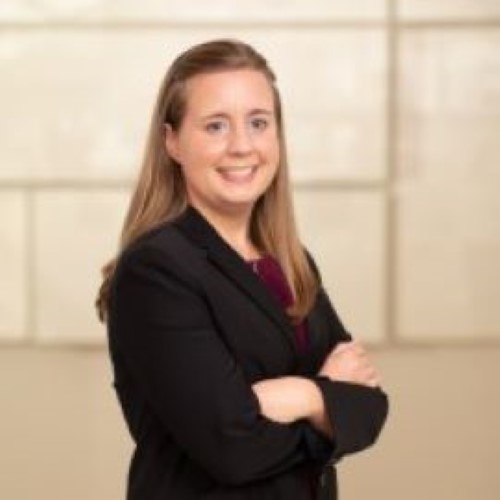
Jena G. Emory
is an associate in Taft Stettinius & Hollister LLP's commercial, class action and product liability litigation practices, with a specialization in insurance coverage. She brings extensive experience and a proven track record in handling complex legal matters, drafting legal documents, and representing clients in complex insurance coverage and general liability cases. Additionally, Ms. Emory has experience managing cases solo in both the Superior and Magistrate courts and drafting motions including complex federal jurisdiction. Ms. Emory currently serves as the programming manager for the Young Lawyers Division and co-chair of the Young Advocates Committee for the Litigation Section of the American Bar Association. She is also the former Newsletter co-editor for the Young Lawyers Division of the State Bar of Georgia, where she played a crucial role in distributing important legal updates and supporting the professional growth of fellow attorneys. Additionally, Ms. Emory is a 2020 graduate of the State Bar of Georgia's YLD Leadership Academy. She earned her J.D. degree from the University of Georgia School of Law and her B.S. degree, magna cum laude, from the University of South Carolina.
Speaker bio
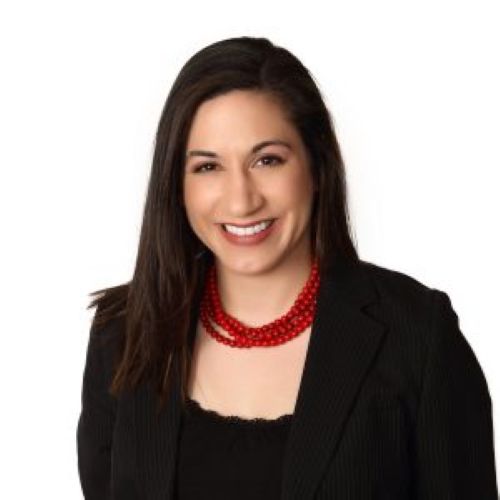
Tanya Yarbrough Bowman
is an attorney with FBT Gibbons LLP, where she concentrates her practice in the areas of commercial litigation, including financial institute, real estate, foreclosure, and trust estate litigation; as well as general business counseling and data privacy and cyber security. She represents a variety of clients, both large and small, as well as individuals, in state and federal courts across the country. Ms. Bowman is admitted to the bars in Texas, Illinois and Kentucky. She is a member of the American Bar Association, Illinois State Bar Association, State Bar of Texas, Kentucky Bar Association and the Women Lawyers' Association. Ms. Bowman earned her B.S. degree from Indiana University and her J.D. degree, cum laude, from Indiana University School of Law.
Speaker bio
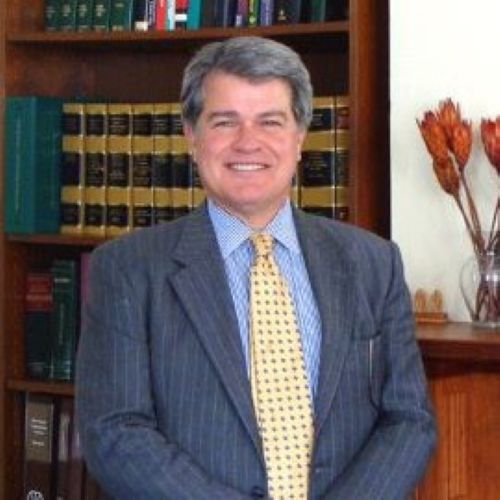
Lawrence J. Drabot
is an attorney with Ratzel & Associates, LLC. He concentrates his practice in the areas of products liability, construction litigation, motor vehicle accidents and premises liability, as well as insurance coverage disputes. Mr. Drabot has successfully defended and tried lawsuits in Wisconsin and Illinois, and has participated in numerous mediations and arbitrations, as both an attorney and an arbitrator. He has made presentations on various legal topics including multi-jurisdictional practice, mold litigation, insurance issues, construction litigation, trucking litigation, discovery and depositions, and trial preparation. Mr. Drabot is a member of the State Bar of Wisconsin, Illinois State Bar Association and Wisconsin Defense Counsel. He earned his B.A. degree from the University of Notre Dame and his J.D. degree from The John Marshall Law School.
Speaker bio
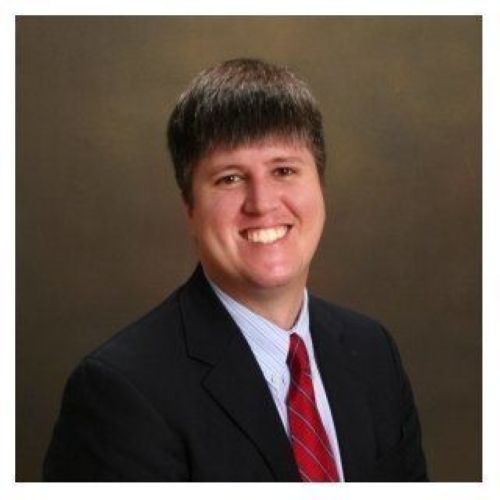
Alex Flynn
is the principal of Alex Flynn & Associates, S.C., where he practices personal injury and criminal defense law. Mr. Flynn has been designated a Super Lawyer by Milwaukee Magazine and selected by National Trial Lawyers, which recognizes the top 100 trial lawyers from each state. The Wisconsin Association of Criminal Defense Lawyers presented him the Martin Hanson Advocate Award for Excellence in the defense of a first degree homicide trial resulting in a not guilty verdict. He is a member of the American Association for Justice (formerly ATLA), the Wisconsin Association for Justice (formerly WATL), the National Association of Criminal Defense Lawyers and the Wisconsin Association of Criminal Defense Lawyers. Mr. Flynn is admitted to the Eastern and Western districts of Wisconsin, the Seventh Circuit Court of Appeals, and the U.S. Supreme Court; and is a member of the State Bar of Wisconsin and the Milwaukee Bar Association. He earned his B.A. degree from the University of Wisconsin-Milwaukee, and his J.D. degree from Marquette University Law School.
Speaker bio
William R. Bickerton
is an attorney with Bickerton Law. He practices in the area of criminal defense including child abuse charges, white collar crimes and gun and firearm crimes. Mr. Bickerton earned his B.A. degree from Grove City College and his J.D. degree from the University of Pittsburgh School of Law.
Speaker bio
Adam G. Locke
is an attorney at OGC Law, LLC. He focuses his practice on commercial litigation and outside general counsel matters, specializing in a variety of substantive and procedural areas of law and advising clients on all aspects of their business needs. Mr. Locke earned his B.A. degree, magna cum laude, from the University of Pittsburgh and his J.D. degree from the University of Pittsburgh School of Law. He is admitted to practice law in Pennsylvania and before the U.S. District Court of the Western District of Pennsylvania.
TOP FAQs
Have more questions? Please Contact Us