

AI, Attorney-Client Privilege, and Confidentiality: Ethical Implications of United States v. Heppner
Credits Available
| Credit | Status | Total | Until |
|---|---|---|---|
| Alaska CLE |
|
1 Total | 04-15-2028 |
| Alabama CLE |
|
1 Total | 12-31-2026 |
| Arkansas CLE |
|
1 Total | 06-30-2027 |
| Arizona CLE |
|
1 Total | 04-15-2028 |
| California CLE |
|
1 Total | 04-15-2028 |
| Connecticut CLE |
|
1 Total | 04-15-2028 |
| Delaware CLE |
|
1 Total | 04-15-2028 |
| Florida CLE |
|
1 Total | 10-31-2027 |
| Georgia CLE |
|
1 Total | 12-31-2027 |
| Hawaii CLE |
|
1 Total | 04-15-2028 |
| Illinois CLE |
|
1 Total | 04-14-2028 |
| Indiana CLE |
|
1 Total | 04-15-2027 |
| Kentucky CLE |
|
1 Total | 06-30-2027 |
| Maine CLE |
|
1 Total | 04-14-2028 |
| Missouri CLE |
|
1.2 Total | 04-15-2028 |
| Northern Mariana Islands CLE |
|
1 Total | 04-15-2028 |
| Montana CLE |
|
1 Total | 04-15-2029 |
| North Carolina CLE |
|
1 Total | 02-28-2027 |
| Nebraska CLE |
|
1 Total | 04-15-2028 |
| New Hampshire CLE |
|
1 Total | 04-15-2029 |
| New Jersey CLE |
|
1.2 Total | 03-10-2027 |
| New Mexico CLE |
|
1 Total | 04-15-2028 |
| Nevada CLE |
|
1 Total | 04-15-2029 |
| New York CLE |
|
1 Total | 04-15-2029 |
| Ohio CLE |
|
1 Total | 12-31-2026 |
| Oklahoma CLE |
|
1 Total | 04-15-2028 |
| Oregon CLE |
|
1 Total | 04-15-2029 |
| Pennsylvania CLE |
|
1 Total | 04-15-2028 |
| Tennessee CLE |
|
1 Total | 04-14-2028 |
| Texas CLE |
|
1 Total | 03-31-2027 |
| Virginia CLE |
|
1 Total | 10-31-2026 |
| Vermont CLE |
|
1 Total | 04-15-2028 |
| Washington CLE |
|
1 Total | 04-14-2031 |
| Wisconsin CLE |
|
1 Total | 12-31-2027 |
| West Virginia CLE |
|
1.2 Total | 04-15-2028 |
| Wyoming CLE |
|
1 Total | 04-30-2027 |
| North Carolina Continuing Paralegal Education |
|
1 Total | 02-28-2027 |
Buy This Course
OnDemand Video
Course Book Download
Overview
Recent Case Raises Hard Questions About AI and Confidentiality
A recent federal court ruling held that non-lawyer communications with artificial intelligence (AI) are not protected by attorney-client privilege or the work-product doctrine. This ruling is the first of its kind, and it creates new ethical risks for attorneys. Are you on top of the latest developments? In this updates course, our knowledgeable faculty explores the ethical implications of United States v. Heppner. Don't let AI become an ethical minefield - register today!
- Get an overview of the ethical risks raised by United States v. Heppner.
- Discover why the attorney-client privilege and the work-product doctrine failed.
- Examine best practices for safeguarding privilege in the era of AI.
*Any mention of specific products in this program is intended as part of a general overview and does not constitute NBI's endorsement or recommendation of any specific product or provider. This program is not sponsored by any technology or electronics provider.
Abbreviated Agenda
- Overview of United States v. Heppner: Background and Ethical Context
- Attorney-Client Privilege: Why It Didn't Apply
- The Work-Product Doctrine: Why It Failed
- Preserving Attorney-Client Privilege and Confidentiality in the Age of AI: Best Practices
- Developing Policies on AI Use: What Attorneys Need to Know
- Key Takeaways for Legal Professionals
Credit Details
Credits Available
| Credit | Status | Total | Until |
|---|---|---|---|
| Alaska CLE |
|
1 Total | 04-15-2028 |
| Alabama CLE |
|
1 Total | 12-31-2026 |
| Arkansas CLE |
|
1 Total | 06-30-2027 |
| Arizona CLE |
|
1 Total | 04-15-2028 |
| California CLE |
|
1 Total | 04-15-2028 |
| Connecticut CLE |
|
1 Total | 04-15-2028 |
| Delaware CLE |
|
1 Total | 04-15-2028 |
| Florida CLE |
|
1 Total | 10-31-2027 |
| Georgia CLE |
|
1 Total | 12-31-2027 |
| Hawaii CLE |
|
1 Total | 04-15-2028 |
| Illinois CLE |
|
1 Total | 04-14-2028 |
| Indiana CLE |
|
1 Total | 04-15-2027 |
| Kentucky CLE |
|
1 Total | 06-30-2027 |
| Maine CLE |
|
1 Total | 04-14-2028 |
| Missouri CLE |
|
1.2 Total | 04-15-2028 |
| Northern Mariana Islands CLE |
|
1 Total | 04-15-2028 |
| Montana CLE |
|
1 Total | 04-15-2029 |
| North Carolina CLE |
|
1 Total | 02-28-2027 |
| Nebraska CLE |
|
1 Total | 04-15-2028 |
| New Hampshire CLE |
|
1 Total | 04-15-2029 |
| New Jersey CLE |
|
1.2 Total | 03-10-2027 |
| New Mexico CLE |
|
1 Total | 04-15-2028 |
| Nevada CLE |
|
1 Total | 04-15-2029 |
| New York CLE |
|
1 Total | 04-15-2029 |
| Ohio CLE |
|
1 Total | 12-31-2026 |
| Oklahoma CLE |
|
1 Total | 04-15-2028 |
| Oregon CLE |
|
1 Total | 04-15-2029 |
| Pennsylvania CLE |
|
1 Total | 04-15-2028 |
| Tennessee CLE |
|
1 Total | 04-14-2028 |
| Texas CLE |
|
1 Total | 03-31-2027 |
| Virginia CLE |
|
1 Total | 10-31-2026 |
| Vermont CLE |
|
1 Total | 04-15-2028 |
| Washington CLE |
|
1 Total | 04-14-2031 |
| Wisconsin CLE |
|
1 Total | 12-31-2027 |
| West Virginia CLE |
|
1.2 Total | 04-15-2028 |
| Wyoming CLE |
|
1 Total | 04-30-2027 |
| North Carolina Continuing Paralegal Education |
|
1 Total | 02-28-2027 |
Credit Details by Jurisdiction
CLE
Credits
Alaska CLE Reciprocity · 1 Total Credits
- 1 MECLE Ethics
Earn Until
OnDemand - Alaska CLE - 1: Alaska Bar members may claim credit for attending CLE programs that have been accredited by other mandatory CLE jurisdictions. This program qualifies for 1.0 hours of credit, which includes 0.0 hours of MCLE credit and 1.0 hour of MECLE credit.
Video Download - Alaska CLE - 1: Alaska Bar members may claim credit for attending CLE programs that have been accredited by other mandatory CLE jurisdictions. This program qualifies for 1.0 hours of credit, which includes 0.0 hours of MCLE credit and 1.0 hour of MECLE credit.
Alabama CLE Approved · 1 Total Credits
- 1 Ethics/Professionalism
Earn Until
OnDemand - Alabama CLE - 1: This course or a portion thereof has been approved by the Alabama State Bar Mandatory Continuing Legal Education Commission for a maximum of 1.0 on-demand credit hours, including 1.0 ethics/professionalism credit.
Arkansas CLE Approved · 1 Total Credits
- 1 Ethics
Earn Until
OnDemand - Arkansas CLE - 1: NBI, Inc. is an accredited sponsor in the state of Arkansas. This program qualifies for 1.0 hours of on demand continuing legal education credit, including 1.0 hour of ethics, consistent with the rules and regulations of the Arkansas Supreme Court of Professional Programs.
Video Download - Arkansas CLE - 1: NBI, Inc. is an accredited sponsor in the state of Arkansas. This program qualifies for 1.0 hours of on demand continuing legal education credit, including 1.0 hour of ethics, consistent with the rules and regulations of the Arkansas Supreme Court of Professional Programs.
Arizona CLE Approved · 1 Total Credits
- 1 Professional Responsibility
Earn Until
OnDemand - Arizona CLE - 1: The State Bar of Arizona does not approve or accredit CLE activities for the Mandatory Continuing Legal Education requirement. This activity qualifies for 1.0 hours toward your annual CLE requirement for the State of Arizona, including 1.0 hour of professional responsibility.
Video Download - Arizona CLE - 1: The State Bar of Arizona does not approve or accredit CLE activities for the Mandatory Continuing Legal Education requirement. This activity qualifies for 1.0 hours toward your annual CLE requirement for the State of Arizona, including 1.0 hour of professional responsibility.
California CLE Approved · 1 Total Credits
- 1 Legal Ethics
Earn Until
OnDemand - California CLE - 1: This activity has been approved for Minimum Continuing Legal Education credit by the State Bar of California and qualifies for 1.0 hours of participatory credit, of which 1.0 hour will apply to legal ethics credit. NBI, Inc. certifies this activity conforms to the standards for approved education activities prescribed by the rules and regulations of the State Bar of California governing minimum continuing legal education. NBI, Inc. is a State Bar of California approved MCLE provider - #53.
Video Download - California CLE - 1: This activity has been approved for Minimum Continuing Legal Education credit by the State Bar of California and qualifies for 1.0 hours of self-study credit, of which 1.0 hour will apply to legal ethics credit. NBI, Inc. certifies this activity conforms to the standards for approved education activities prescribed by the rules and regulations of the State Bar of California governing minimum continuing legal education. NBI, Inc. is a State Bar of California approved MCLE provider - #53.
Connecticut CLE Approved · 1 Total Credits
- 1 Ethics/Professionalism
Earn Until
OnDemand - Connecticut CLE - 1: Neither the Connecticut Judicial Branch nor the Commission on Minimum Continuing Legal Education approve or accredit CLE providers or activities. It is the opinion of NBI, Inc. that this activity qualifies for 1.0 self-study hours toward your annual CLE requirement in Connecticut, including 1.0 self-study hour(s) of ethics/professionalism.
Video Download - Connecticut CLE - 1: Neither the Connecticut Judicial Branch nor the Commission on Minimum Continuing Legal Education approve or accredit CLE providers or activities. It is the opinion of NBI, Inc. that this activity qualifies for 1.0 self-study hours toward your annual CLE requirement in Connecticut, including 1.0 self-study hour(s) of ethics/professionalism.
Delaware CLE Approved · 1 Total Credits
- 1 Ethics
Earn Until
OnDemand - Delaware CLE - 1: NBI, Inc. is an accredited sponsor of the Delaware Commission on Continuing Legal Education and recommends this program for 1.0 hours of eCLE credit, including 1.0 hour of ethics.
Florida CLE Approved · 1 Total Credits
- 1 Technology
- 1 Professional Responsibility
Earn Until
OnDemand - Florida CLE - 1: Approved by The Florida Bar, this program qualifies for 1.0 general hours of CLER self-study credit including 1.0 hour of self-study professional responsibility (may include legal ethics, professionalism, substance abuse or mental illness and wellness programs) and 1.0 hour of self-study technology.
Video Download - Florida CLE - 1: Approved by The Florida Bar, this program qualifies for 1.0 general hours of CLER self-study credit including 1.0 hour of self-study professional responsibility (may include legal ethics, professionalism, substance abuse or mental illness and wellness programs) and 1.0 hour of self-study technology.
Georgia CLE Approved · 1 Total Credits
- 1 Ethics
Earn Until
OnDemand - Georgia CLE - 1: This program is approved by the Commission on Continuing Lawyer Competency of the State Bar of Georgia. This program qualifies for 1.0 hours of distance learning continuing legal education credit with the Georgia Commission on Continuing Lawyer Competency, which includes 1.0 hour of distance learning ethics.
Video Download - Georgia CLE - 1: This program is approved by the Commission on Continuing Lawyer Competency of the State Bar of Georgia. This program qualifies for 1.0 hours of distance learning continuing legal education credit with the Georgia Commission on Continuing Lawyer Competency, which includes 1.0 hour of distance learning ethics.
Hawaii CLE Approved · 1 Total Credits
- 1 Ethics/Professional Responsibility
Earn Until
OnDemand - Hawaii CLE - 1: NBI, Inc. is an Accredited Provider with the Hawaii State Board of Continuing Legal Education. This alternative format activity has been approved for 1.0 hours of credit for the state of Hawaii, which includes 1.0 hour of ethics or professional responsibility education.
Video Download - Hawaii CLE - 1: NBI, Inc. is an Accredited Provider with the Hawaii State Board of Continuing Legal Education. This alternative format activity has been approved for 1.0 hours of credit for the state of Hawaii, which includes 1.0 hour of ethics or professional responsibility education.
Illinois CLE Approved · 1 Total Credits
- 1 Professional Responsibility
Earn Until
OnDemand - Illinois CLE - 1: This program has been approved by the Illinois MCLE Board for 1.0 hours of recorded technology CLE credit, which includes approval for 1.0 hour of legal ethics, civility, professionalism or sexual harassment prevention training CLE credit by the Illinois Supreme Court Commission on Professionalism.
Video Download - Illinois CLE - 1: This program has been approved by the Illinois MCLE Board for 1.0 hours of recorded technology CLE credit, which includes approval for 1.0 hour of legal ethics, civility, professionalism or sexual harassment prevention training CLE credit by the Illinois Supreme Court Commission on Professionalism.
Indiana CLE Approved · 1 Total Credits
- 1 Ethics
Earn Until
OnDemand - Indiana CLE - 1: This course has been approved by the Indiana Supreme Court Office of Admissions & Continuing Education. Participating attorneys are eligible to receive 1.0 hours of distance education, which includes 1.0 hour of ethics.
Kentucky CLE Approved · 1 Total Credits
- 1 Ethics
Earn Until
OnDemand - Kentucky CLE - 1: This program has been approved as a technological CLE activity by the Kentucky Bar Association Continuing Legal Education Commission and qualifies for 1.0 credits, including 1.0 ethics credits.
Video Download - Kentucky CLE - 1: This program has been approved as a technological CLE activity by the Kentucky Bar Association Continuing Legal Education Commission and qualifies for 1.0 credits, including 1.0 ethics credits.
Maine CLE Approved · 1 Total Credits
Earn Until
OnDemand - Maine CLE - 1: This course has been approved by the State of Maine Board of Overseers of the Bar. Lawyers who complete this course will receive 1.0 hours of self-study CLE credit.
Video Download - Maine CLE - 1: This course has been approved by the State of Maine Board of Overseers of the Bar. Lawyers who complete this course will receive 1.0 hours of self-study CLE credit.
Missouri CLE Approved · 1.2 Total Credits
Earn Until
OnDemand - Missouri CLE - 1.2: NBI, Inc. is an accredited sponsor with Missouri Minimum Continuing Legal Education. This program qualifies for 1.20 self-study CLE credit hours.
Video Download - Missouri CLE - 1.2: NBI, Inc. is an accredited sponsor with Missouri Minimum Continuing Legal Education. This program qualifies for 1.20 self-study CLE credit hours.
Northern Mariana Islands CLE Approved · 1 Total Credits
Earn Until
OnDemand - Northern Mariana Islands CLE - 1: This course has been approved by the Commonwealth of the Northern Mariana Islands. Lawyers who complete this course shall receive 1.0 hours of self-study CLE credit.
Video Download - Northern Mariana Islands CLE - 1: This course has been approved by the Commonwealth of the Northern Mariana Islands. Lawyers who complete this course shall receive 1.0 hours of self-study CLE credit.
Montana CLE Approved · 1 Total Credits
- 1 Professional Fitness and Integrity
Earn Until
OnDemand - Montana CLE - 1: This program qualifies for 1.0 hours of self-study CLE credit by the Montana Commission of Continuing Legal Education, including 1.0 hour of professional fitness and integrity credit.
Video Download - Montana CLE - 1: This program qualifies for 1.0 hours of self-study CLE credit by the Montana Commission of Continuing Legal Education, including 1.0 hour of professional fitness and integrity credit.
North Carolina CLE Approved · 1 Total Credits
- 1 Professional Responsibility
Earn Until
OnDemand - North Carolina CLE - 1: NBI, Inc. is an accredited sponsor with the North Carolina State Board of Continuing Legal Education. Attendance of this program qualifies for 1.0 hours of online CLE credit, including 1.0 professional responsibility.
Video Download - North Carolina CLE - 1: NBI, Inc. is an accredited sponsor with the North Carolina State Board of Continuing Legal Education. Attendance of this program qualifies for 1.0 hours of online CLE credit, including 1.0 professional responsibility.
Nebraska CLE Approved · 1 Total Credits
- 1 Professional Responsibility
Earn Until
OnDemand - Nebraska CLE - 1: NBI, Inc. is an accredited CLE sponsor in the state of Nebraska. This activity has been approved for 1.0 distance learning CLE credits, including 1.0 hour of professional responsibility credit.
Video Download - Nebraska CLE - 1: NBI, Inc. is an accredited CLE sponsor in the state of Nebraska. This activity has been approved for 1.0 distance learning CLE credits, including 1.0 hour of professional responsibility credit.
New Hampshire CLE Approved · 1 Total Credits
- 1 Ethics/Professionalism
Earn Until
OnDemand - New Hampshire CLE - 1: NHMCLE does not approve or accredit CLE activities for the NH Minimum CLE requirement. NBI, Inc. believes this course meets the requirements of NH Supreme Court Rule 53 toward the annual NHMCLE requirement.
Video Download - New Hampshire CLE - 1: NHMCLE does not approve or accredit CLE activities for the NH Minimum CLE requirement. NBI, Inc. believes this course meets the requirements of NH Supreme Court Rule 53 toward the annual NHMCLE requirement.
New Jersey CLE Approved · 1.2 Total Credits
- 1.2 Ethics/Professionalism
Earn Until
OnDemand - New Jersey CLE - 1.2: This program has been approved by the Board on Continuing Legal Education of the Supreme Court of New Jersey for 1.20 hours of alternative format CLE credit. Of these, 1.20 qualifies as hours of alternative learning format credit for ethics/professionalism.
Video Download - New Jersey CLE - 1.2: This program has been approved by the Board on Continuing Legal Education of the Supreme Court of New Jersey for 1.20 hours of alternative format CLE credit. Of these, 1.20 qualifies as hours of alternative learning format credit for ethics/professionalism.
New Mexico CLE Approved · 1 Total Credits
- 1 Ethics
Earn Until
OnDemand - New Mexico CLE - 1: This program has been approved by the Board of Bar Commissioners of the State Bar of New Mexico. This program qualifies for 1.0 hours of self-study credit, including 1.0 hour of self-study ethics credit.
Video Download - New Mexico CLE - 1: This program has been approved by the Board of Bar Commissioners of the State Bar of New Mexico. This program qualifies for 1.0 hours of self-study credit, including 1.0 hour of self-study ethics credit.
Nevada CLE Approved · 1 Total Credits
- 1 Ethical Considerations
Earn Until
OnDemand - Nevada CLE - 1: This course has been approved by the Nevada Board of Continuing Legal Education. This program qualifies for 1.0 hours of alternative format CLE credits by the Nevada Board of Continuing Legal Education, which includes 1.0 hour of alternative format ethical considerations.
Video Download - Nevada CLE - 1: This course has been approved by the Nevada Board of Continuing Legal Education. This program qualifies for 1.0 hours of alternative format CLE credits by the Nevada Board of Continuing Legal Education, which includes 1.0 hour of alternative format ethical considerations.
New York CLE Approved · 1 Total Credits
- 1 Ethics/Professionalism
Earn Until
OnDemand - New York CLE - 1: This nontraditional format course has been approved in accordance with the requirements of the New York State Continuing Legal Education Board for up to 1.0 credit hours. 1.0 hour can be applied toward the Ethics/Professionalism requirement and is approved for experienced attorneys. NBI, Inc. offers a Financial Hardship Policy for qualifying individuals. To apply, please submit a request via email to our Tuition Discount Committee at customerservice@nbi-sems.com.
Video Download - New York CLE - 1: This nontraditional format course has been approved in accordance with the requirements of the New York State Continuing Legal Education Board for up to 1.0 credit hours. 1.0 hour can be applied toward the Ethics/Professionalism requirement and is approved for experienced attorneys. NBI, Inc. offers a Financial Hardship Policy for qualifying individuals. To apply, please submit a request via email to our Tuition Discount Committee at customerservice@nbi-sems.com.
Ohio CLE Approved · 1 Total Credits
- 1 Professional Conduct
Earn Until
OnDemand - Ohio CLE - 1: This course has been approved by the Supreme Court of Ohio Commission on Continuing Legal Education for 1.0 self-study CLE credit hours, including 1.0 hour of attorney professional conduct instruction.
Video Download - Ohio CLE - 1: This course has been approved by the Supreme Court of Ohio Commission on Continuing Legal Education for 1.0 self-study CLE credit hours, including 1.0 hour of attorney professional conduct instruction.
Oklahoma CLE Approved · 1 Total Credits
- 1 Legal Ethics
Earn Until
OnDemand - Oklahoma CLE - 1: This course has been approved by the Oklahoma Bar Association Mandatory Continuing Legal Education Commission. This program qualifies for 1.0 of On Demand CLE credit hours, which includes 1.0 hour of legal ethics.
Video Download - Oklahoma CLE - 1: This course has been approved by the Oklahoma Bar Association Mandatory Continuing Legal Education Commission. This program qualifies for 1.0 of On Demand CLE credit hours, which includes 1.0 hour of legal ethics.
Oregon CLE Approved · 1 Total Credits
- 1 Ethics
Earn Until
OnDemand - Oregon CLE - 1: NBI, Inc. is an approved sponsor with the Oregon MCLE. This program qualifies for 0.0 hours of general continuing legal education credit and 1.0 hour of ethics credit.
Video Download - Oregon CLE - 1: NBI, Inc. is an approved sponsor with the Oregon MCLE. This program qualifies for 0.0 hours of general continuing legal education credit and 1.0 hour of ethics credit.
Pennsylvania CLE Approved · 1 Total Credits
- 1 Ethics
Earn Until
OnDemand - Pennsylvania CLE - 1: This program has been approved by the Pennsylvania Continuing Legal Education Board. This program qualifies for 1.0 hours of distance learning credit, including 0.0 hours of substantive law, practice and procedure CLE credit and 1.0 hour of ethics, professionalism or substance abuse distance learning CLE credit.
Video Download - Pennsylvania CLE - 1: This program has been approved by the Pennsylvania Continuing Legal Education Board. This program qualifies for 1.0 hours of distance learning credit, including 0.0 hours of substantive law, practice and procedure CLE credit and 1.0 hour of ethics, professionalism or substance abuse distance learning CLE credit.
Tennessee CLE Approved · 1 Total Credits
- 1 Ethics/Professionalism
Earn Until
OnDemand - Tennessee CLE - 1: This course has been approved by the Tennessee Commission on Continuing Legal Education for a maximum of 1.0 hours of Distance Learning credit, including 1.0 hour of ethics/professionalism (EP) credit.
Texas CLE Approved · 1 Total Credits
- 1 Legal Ethics/Professional Responsibility
Earn Until
OnDemand - Texas CLE - 1: This course is accredited for Minimum Continuing Legal Education credit by the State Bar of Texas Committee on MCLE in the amount of 1.0 credit hours, of which 1.0 credit hour will apply to legal ethics/professional responsibility credit. Hours in attendance at National Business Institute CLE seminars may be applied to the minimum Judicial Education requirement.
Video Download - Texas CLE - 1: This course is accredited for Minimum Continuing Legal Education credit by the State Bar of Texas Committee on MCLE in the amount of 1.0 credit hours, of which 1.0 credit hour will apply to legal ethics/professional responsibility credit. Hours in attendance at National Business Institute CLE seminars may be applied to the minimum Judicial Education requirement.
Virginia CLE Approved · 1 Total Credits
- 1 Ethics/Professionalism
Earn Until
OnDemand - Virginia CLE - 1: This course has been approved by the Virginia Mandatory Continuing Legal Education Board for 1.0 hours of prerecorded credit, of which 1.0 hour will also apply in the area of legal ethics or professionalism.
Video Download - Virginia CLE - 1: This course has been approved by the Virginia Mandatory Continuing Legal Education Board for 1.0 hours of prerecorded credit, of which 1.0 hour will also apply in the area of legal ethics or professionalism.
Vermont CLE Approved · 1 Total Credits
- 1 Ethics
Earn Until
OnDemand - Vermont CLE - 1: This course has been approved by the Vermont Board of Mandatory Continuing Legal Education. This program qualifies for 1.0 hours of self-study credit, including 1.0 hour of self-study ethics credit.
Video Download - Vermont CLE - 1: This course has been approved by the Vermont Board of Mandatory Continuing Legal Education. This program qualifies for 1.0 hours of self-study credit, including 1.0 hour of self-study ethics credit.
Washington CLE Approved · 1 Total Credits
- 1 Ethics/Professional Responsibility
Earn Until
OnDemand - Washington CLE - 1: This program qualifies for 1.0 hours of Washington continuing legal education (Self Study) A/V credit, which includes 0.0 hours of Law and Legal Procedure and 1.0 hour of ethics and professional responsibility.
Video Download - Washington CLE - 1: This program qualifies for 1.0 hours of Washington continuing legal education (Self Study) A/V credit, which includes 0.0 hours of Law and Legal Procedure and 1.0 hour of ethics and professional responsibility.
Wisconsin CLE Approved · 1 Total Credits
Earn Until
OnDemand - Wisconsin CLE - 1: Approved for 1.0 hours of repeated on-demand CLE credit by the Board of Bar Examiners.
Video Download - Wisconsin CLE - 1: Approved for 1.0 hours of repeated on-demand CLE credit by the Board of Bar Examiners.
West Virginia CLE Approved · 1.2 Total Credits
- 1.2 Ethics
Earn Until
OnDemand - West Virginia CLE - 1.2: This program qualifies for 1.20 hours of pre-recorded credit, which includes 1.20 hour of pre-recorded ethics credit, under the West Virginia Rules for Mandatory Continuing Legal Education.
Video Download - West Virginia CLE - 1.2: This program qualifies for 1.20 hours of pre-recorded credit, which includes 1.20 hour of pre-recorded ethics credit, under the West Virginia Rules for Mandatory Continuing Legal Education.
Wyoming CLE Approved · 1 Total Credits
- 1 Ethics
Earn Until
OnDemand - Wyoming CLE - 1: The Wyoming State Board of Continuing Legal Education has granted 1.0 hours of Continuing Legal Education Credit, including 1.0 hour of ethics.
Video Download - Wyoming CLE - 1: The Wyoming State Board of Continuing Legal Education has granted 1.0 hours of Continuing Legal Education Credit, including 1.0 hour of ethics.
Paralegal
Credits
North Carolina Continuing Paralegal Education Approved · 1 Total Credits
- 1 Professional Responsibility
Earn Until
OnDemand - North Carolina Continuing Paralegal Education - 1: This program has been approved by the North Carolina State Bar Board of Paralegal Certification for computer-based continuing paralegal education credit in the amount of 1.0 hours, of which 1.0 hour will also apply in the area of professional responsibility. This course is not sponsored by the Board of Paralegal Certification.
Select Jurisdiction
CLE
Paralegal
Agenda
-
AI, Attorney-Client Privilege, and Confidentiality: Ethical Implications of United States v. Heppner
- Overview of United States v. Heppner: Background and Ethical Context
- Attorney-Client Privilege: Why It Didn't Apply
- The Work-Product Doctrine: Why It Failed
- Preserving Attorney-Client Privilege and Confidentiality in the Age of AI: Best Practices
- Developing Policies on AI Use: What Attorneys Need to Know
- Key Takeaways for Legal Professionals
Who Should Attend
This program is designed for attorneys. Paralegals may also benefit.
Speakers
Speaker bio
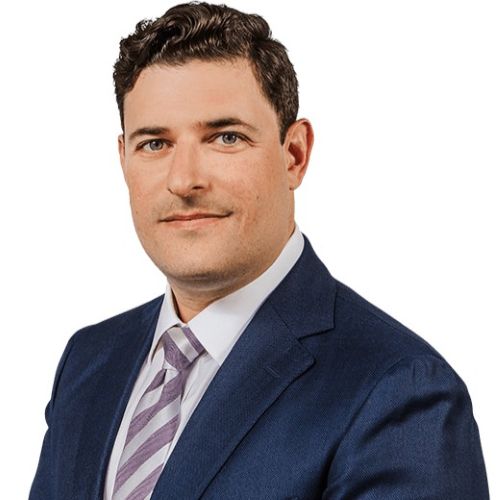
Moish E. Peltz
is co-managing partner of the New York City office of Falcon Rappaport & Berkman LLP. He co-chairs FRB's Digital Assets Practice Group and chairs FRB's Intellectual Property Practice Group. Mr. Peltz oversees coordination between the Digital Asset Practice Group and all other practice groups of the firm, to ensure that the firm's clients receive the benefit of FRB's full-service approach, custom tailored to the unique issues presented by the blockchain industry. He also advises numerous venture technology companies on emerging technology and blockchain matters, with a focus on the intersection of IP and blockchain. Mr. Peltz has been advising cryptocurrency ventures since 2014, and combines his knowledge of the blockchain with a decade of IP and business law experience where he helps entrepreneurs grow their businesses and brands and resolve disputes. His practice encompasses both transactional and business litigation matters. Mr. Peltz's practice also focuses on U.S. and worldwide trademark prosecution and enforcement, including litigation before the Trademark Trial and Appeal Board (TTAB). His previous experience includes working at a premier IP law firm where he acted as trial counsel in numerous contested IP matters before U.S. District Courts and Courts of Appeal. Mr. Peltz has worked across numerous industries, including technology, energy and renewable energy, entertainment, media, and advertising, real estate, hospitality, education, cryptocurrency and NFTs, artificial intelligence (AI), legal cannabis (including hemp and CBD), and medical/health care. He has assisted entrepreneurs, artists, and non-profits with their various legal needs. Mr. Peltz earned his B.A. degree from Union College; and his J.D. degree, with Certificate in Intellectual Property Law, from University of Florida Frederic G. Levin College of Law.
TOP FAQs
Have more questions? Please Contact Us