

Business Attorneys' Guide to AI and IP Rights in Transactions
Credits Available
| Credit | Status | Total | Until |
|---|---|---|---|
| Alaska CLE |
|
6 Total | 09-15-2028 |
| Alabama CLE |
|
6 Total | 12-31-2026 |
| Arkansas CLE |
|
6 Total | 06-30-2027 |
| Arizona CLE |
|
6 Total | 09-15-2028 |
| California CLE |
|
6 Total | 09-15-2028 |
| Colorado CLE |
|
7 Total | 12-31-2028 |
| Connecticut CLE |
|
6 Total | 09-15-2028 |
| Delaware CLE |
|
6 Total | 09-15-2028 |
| Florida CLE |
|
7 Total | 03-31-2028 |
| Georgia CLE |
|
6 Total | 12-31-2027 |
| Hawaii CLE |
|
6 Total | 09-15-2028 |
| Iowa CLE |
|
6 Total | 09-15-2027 |
| Idaho CLE |
|
6 Total | 09-15-2031 |
| Illinois CLE |
|
6 Total | 09-13-2028 |
| Indiana CLE |
|
6 Total | 09-15-2027 |
| Kansas CLE |
|
7 Total | 09-14-2027 |
| Kentucky CLE |
|
6 Total | 06-30-2027 |
| Louisiana CLE |
|
6 Total | 09-15-2027 |
| Maine CLE |
|
6 Total | 09-13-2028 |
| Minnesota CLE |
|
6 Total | 09-15-2028 |
| Missouri CLE |
|
6 Total | 09-15-2028 |
| Northern Mariana Islands CLE |
|
6 Total | 09-15-2028 |
| Mississippi CLE |
|
6 Total | 07-31-2027 |
| Montana CLE |
|
6 Total | 09-15-2029 |
| North Carolina CLE |
|
6 Total | 02-28-2027 |
| North Dakota CLE |
|
6 Total | 09-15-2029 |
| Nebraska CLE |
|
6 Total | 09-15-2028 |
| New Hampshire CLE |
|
6 Total | 09-15-2029 |
| New Jersey CLE |
|
7.2 Total | 05-05-2027 |
| New Mexico CLE |
|
6 Total | 09-15-2028 |
| Nevada CLE |
|
6 Total | 09-15-2029 |
| New York CLE |
|
7 Total | 09-15-2029 |
| Ohio CLE |
|
6 Total | 12-31-2026 |
| Oklahoma CLE |
|
7 Total | 09-15-2028 |
| Oregon CLE |
|
6 Total | 09-15-2029 |
| Pennsylvania CLE |
|
6 Total | 09-15-2028 |
| Rhode Island CLE |
|
6 Total | 06-30-2027 |
| South Carolina CLE |
|
6 Total | 12-31-2026 |
| Tennessee CLE |
|
6 Total | 09-14-2028 |
| Texas CLE |
|
6 Total | 08-31-2027 |
| Utah CLE |
|
6 Total | 12-31-2026 |
| Virginia CLE |
|
6 Total | 10-31-2026 |
| Vermont CLE |
|
6 Total | 09-15-2028 |
| Washington CLE |
|
6 Total | 09-14-2031 |
| Wisconsin CLE |
|
7 Total | 12-31-2027 |
| West Virginia CLE |
|
7.2 Total | 09-15-2029 |
| Wyoming CLE |
|
6 Total |



Buy This Course
OnDemand Video
Course Book Download
Overview
Actionable Guidance for Everyday Transactional Practice
"Who owns the output when a business uses a third-party AI tool?"
"What are the trade secret implications of employees' unauthorized use of consumer-level AI like ChatGPT?"
"What is negotiable in AI vendor contracts, and how can we boost our leverage?"
Your business clients are wrestling with a storm of new questions regarding AI that has permeated all aspects of law and business. And current regulatory and legal guidance is patchy at best. Do you have the critical IP knowledge to advise them in this rapidly changing market? This course breaks down the arcane concepts of IP and the technical jargon of AI to offer practical legal guidance for strengthening contracts and helping businesses protect their work product and trade secrets. Help your clients thrive in the brave new AI world - register today!
Abbreviated Agenda
- What Clients Are Actually Doing With AI - And Why It Creates Legal Work
- Where the Legal Risk Actually Is: AI Regulation, Liability, and Exposure
- Who Owns AI Output - and When It Matters
- Contracts in the Age of AI: Drafting for Clients Who Use or Build AI
- AI Due Diligence in M&A Transactions
- AI Governance and Trade Secret Protection
- Legal Ethics in Daily AI Use
Credit Details
Credits Available
| Credit | Status | Total | Until |
|---|---|---|---|
| Alaska CLE |
|
6 Total | 09-15-2028 |
| Alabama CLE |
|
6 Total | 12-31-2026 |
| Arkansas CLE |
|
6 Total | 06-30-2027 |
| Arizona CLE |
|
6 Total | 09-15-2028 |
| California CLE |
|
6 Total | 09-15-2028 |
| Colorado CLE |
|
7 Total | 12-31-2028 |
| Connecticut CLE |
|
6 Total | 09-15-2028 |
| Delaware CLE |
|
6 Total | 09-15-2028 |
| Florida CLE |
|
7 Total | 03-31-2028 |
| Georgia CLE |
|
6 Total | 12-31-2027 |
| Hawaii CLE |
|
6 Total | 09-15-2028 |
| Iowa CLE |
|
6 Total | 09-15-2027 |
| Idaho CLE |
|
6 Total | 09-15-2031 |
| Illinois CLE |
|
6 Total | 09-13-2028 |
| Indiana CLE |
|
6 Total | 09-15-2027 |
| Kansas CLE |
|
7 Total | 09-14-2027 |
| Kentucky CLE |
|
6 Total | 06-30-2027 |
| Louisiana CLE |
|
6 Total | 09-15-2027 |
| Maine CLE |
|
6 Total | 09-13-2028 |
| Minnesota CLE |
|
6 Total | 09-15-2028 |
| Missouri CLE |
|
6 Total | 09-15-2028 |
| Northern Mariana Islands CLE |
|
6 Total | 09-15-2028 |
| Mississippi CLE |
|
6 Total | 07-31-2027 |
| Montana CLE |
|
6 Total | 09-15-2029 |
| North Carolina CLE |
|
6 Total | 02-28-2027 |
| North Dakota CLE |
|
6 Total | 09-15-2029 |
| Nebraska CLE |
|
6 Total | 09-15-2028 |
| New Hampshire CLE |
|
6 Total | 09-15-2029 |
| New Jersey CLE |
|
7.2 Total | 05-05-2027 |
| New Mexico CLE |
|
6 Total | 09-15-2028 |
| Nevada CLE |
|
6 Total | 09-15-2029 |
| New York CLE |
|
7 Total | 09-15-2029 |
| Ohio CLE |
|
6 Total | 12-31-2026 |
| Oklahoma CLE |
|
7 Total | 09-15-2028 |
| Oregon CLE |
|
6 Total | 09-15-2029 |
| Pennsylvania CLE |
|
6 Total | 09-15-2028 |
| Rhode Island CLE |
|
6 Total | 06-30-2027 |
| South Carolina CLE |
|
6 Total | 12-31-2026 |
| Tennessee CLE |
|
6 Total | 09-14-2028 |
| Texas CLE |
|
6 Total | 08-31-2027 |
| Utah CLE |
|
6 Total | 12-31-2026 |
| Virginia CLE |
|
6 Total | 10-31-2026 |
| Vermont CLE |
|
6 Total | 09-15-2028 |
| Washington CLE |
|
6 Total | 09-14-2031 |
| Wisconsin CLE |
|
7 Total | 12-31-2027 |
| West Virginia CLE |
|
7.2 Total | 09-15-2029 |
| Wyoming CLE |
|
6 Total |
Credit Details by Jurisdiction
OnDemand Video
CLE
Credits
Alaska CLE Reciprocity · 6 Total Credits
- 1 MECLE Ethics
Earn Until
OnDemand - Alaska CLE - 6: Alaska Bar members may claim credit for attending CLE programs that have been accredited by other mandatory CLE jurisdictions. This program qualifies for 6.0 hours of credit, which includes 5.0 hours of MCLE credit and 1.0 hour of MECLE credit.
Video Download - Alaska CLE - 6: Alaska Bar members may claim credit for attending CLE programs that have been accredited by other mandatory CLE jurisdictions. This program qualifies for 6.0 hours of credit, which includes 5.0 hours of MCLE credit and 1.0 hour of MECLE credit.
Alabama CLE Approved · 6 Total Credits
- 1 Ethics/Professionalism
Earn Until
OnDemand - Alabama CLE - 6: This course or a portion thereof has been approved by the Alabama State Bar Mandatory Continuing Legal Education Commission for a maximum of 6.0 on-demand credit hours, including 1.0 ethics/professionalism credit.
Arkansas CLE Approved · 6 Total Credits
- 1 Ethics
Earn Until
OnDemand - Arkansas CLE - 6: NBI, Inc. is an accredited sponsor in the state of Arkansas. This program qualifies for 6.0 hours of on demand continuing legal education credit, including 1.0 hour of ethics, consistent with the rules and regulations of the Arkansas Supreme Court of Professional Programs.
Video Download - Arkansas CLE - 6: NBI, Inc. is an accredited sponsor in the state of Arkansas. This program qualifies for 6.0 hours of on demand continuing legal education credit, including 1.0 hour of ethics, consistent with the rules and regulations of the Arkansas Supreme Court of Professional Programs.
Arizona CLE Approved · 6 Total Credits
- 1 Professional Responsibility
Earn Until
OnDemand - Arizona CLE - 6: The State Bar of Arizona does not approve or accredit CLE activities for the Mandatory Continuing Legal Education requirement. This activity qualifies for 6.0 hours toward your annual CLE requirement for the State of Arizona, including 1.0 hour of professional responsibility.
Video Download - Arizona CLE - 6: The State Bar of Arizona does not approve or accredit CLE activities for the Mandatory Continuing Legal Education requirement. This activity qualifies for 6.0 hours toward your annual CLE requirement for the State of Arizona, including 1.0 hour of professional responsibility.
California CLE Approved · 6 Total Credits
- 1 Technology
- 1 Legal Ethics
Earn Until
OnDemand - California CLE - 6: This activity has been approved for Minimum Continuing Legal Education credit by the State Bar of California and qualifies for 6.0 hours of participatory credit, of which 1.0 hour will apply to legal ethics and 1.0 hour will apply to Technology credit. NBI, Inc. certifies this activity conforms to the standards for approved education activities prescribed by the rules and regulations of the State Bar of California governing minimum continuing legal education. NBI, Inc. is a State Bar of California approved MCLE provider - #53.
Video Download - California CLE - 6: This activity has been approved for Minimum Continuing Legal Education credit by the State Bar of California and qualifies for 6.0 hours of self-study credit, of which 1.0 hour will apply to legal ethics and 1.0 hour will apply to Technology credit. NBI, Inc. certifies this activity conforms to the standards for approved education activities prescribed by the rules and regulations of the State Bar of California governing minimum continuing legal education. NBI, Inc. is a State Bar of California approved MCLE provider - #53.
Colorado CLE Approved · 7 Total Credits
- 1.2 Professional Responsibility
Earn Until
OnDemand - Colorado CLE - 7: NBI, Inc. is a Certified Provider, as recognized by the Colorado Supreme Court Continuing Legal and Judicial Education Committee. This program qualifies for 7.0 hours of home study general Colorado Continuing Legal Education Credit, including 1.20 professional responsibility credit.
Video Download - Colorado CLE - 7: NBI, Inc. is a Certified Provider, as recognized by the Colorado Supreme Court Continuing Legal and Judicial Education Committee. This program qualifies for 7.0 hours of home study general Colorado Continuing Legal Education Credit, including 1.20 professional responsibility credit.
Connecticut CLE Approved · 6 Total Credits
- 1 Ethics/Professionalism
Earn Until
OnDemand - Connecticut CLE - 6: Neither the Connecticut Judicial Branch nor the Commission on Minimum Continuing Legal Education approve or accredit CLE providers or activities. It is the opinion of NBI, Inc. that this activity qualifies for 6.0 self-study hours toward your annual CLE requirement in Connecticut, including 1.0 self-study hour(s) of ethics/professionalism.
Video Download - Connecticut CLE - 6: Neither the Connecticut Judicial Branch nor the Commission on Minimum Continuing Legal Education approve or accredit CLE providers or activities. It is the opinion of NBI, Inc. that this activity qualifies for 6.0 self-study hours toward your annual CLE requirement in Connecticut, including 1.0 self-study hour(s) of ethics/professionalism.
Delaware CLE Approved · 6 Total Credits
- 1 Ethics
Earn Until
OnDemand - Delaware CLE - 6: NBI, Inc. is an accredited sponsor of the Delaware Commission on Continuing Legal Education and recommends this program for 6.0 hours of eCLE credit, including 1.0 hour of ethics.
Florida CLE Approved · 7 Total Credits
- 7 Technology
- 7 Intellectual Property Law
- 1 Professional Responsibility
Earn Until
OnDemand - Florida CLE - 7: Approved by The Florida Bar, this program qualifies for 7.0 general hours of CLER self-study credit including 1.0 hour of self-study professional responsibility (may include legal ethics, professionalism, substance abuse or mental illness and wellness programs) and 7.0 hours of self-study technology. Certification: 7.0 - Intellectual Property Law
Video Download - Florida CLE - 7: Approved by The Florida Bar, this program qualifies for 7.0 general hours of CLER self-study credit including 1.0 hour of self-study professional responsibility (may include legal ethics, professionalism, substance abuse or mental illness and wellness programs) and 7.0 hours of self-study technology. Certification: 7.0 - Intellectual Property Law
Georgia CLE Approved · 6 Total Credits
- 1 Ethics
Earn Until
OnDemand - Georgia CLE - 6: This program is approved by the Commission on Continuing Lawyer Competency of the State Bar of Georgia. This program qualifies for 6.0 hours of distance learning continuing legal education credit with the Georgia Commission on Continuing Lawyer Competency, which includes 1.0 hour of distance learning ethics.
Video Download - Georgia CLE - 6: This program is approved by the Commission on Continuing Lawyer Competency of the State Bar of Georgia. This program qualifies for 6.0 hours of distance learning continuing legal education credit with the Georgia Commission on Continuing Lawyer Competency, which includes 1.0 hour of distance learning ethics.
Hawaii CLE Approved · 6 Total Credits
- 1 Ethics/Professional Responsibility
Earn Until
OnDemand - Hawaii CLE - 6: NBI, Inc. is an Accredited Provider with the Hawaii State Board of Continuing Legal Education. This alternative format activity has been approved for 6.0 hours of credit for the state of Hawaii, which includes 1.0 hour of ethics or professional responsibility education.
Video Download - Hawaii CLE - 6: NBI, Inc. is an Accredited Provider with the Hawaii State Board of Continuing Legal Education. This alternative format activity has been approved for 6.0 hours of credit for the state of Hawaii, which includes 1.0 hour of ethics or professional responsibility education.
Iowa CLE Approved · 6 Total Credits
- 1 Legal Ethics
Earn Until
OnDemand - Iowa CLE - 6: "Business Attorneys' Guide to AI and IP Rights in Transactions" is an accredited program under the regulations of the Iowa Supreme Court Commission on Continuing Legal Education. It is planned that this program will provide a maximum of 6.0 hours of unmoderated activity credit toward the mandatory continuing legal education requirements under the Iowa rule, including 1.0 hour of legal ethics unmoderated activity credit.
Idaho CLE Approved · 6 Total Credits
- 1 Legal Ethics/Professional Responsibility
Earn Until
OnDemand - Idaho CLE - 6: Approved for 6.0 hours of self-study continuing legal education credit in the state of Idaho, which includes 1.0 self-study legal ethics or professional responsibility credit.
Video Download - Idaho CLE - 6: Approved for 6.0 hours of self-study continuing legal education credit in the state of Idaho, which includes 1.0 self-study legal ethics or professional responsibility credit.
Illinois CLE Approved · 6 Total Credits
- 1 Professional Responsibility
Earn Until
OnDemand - Illinois CLE - 6: This program has been approved by the Illinois MCLE Board for 6.0 hours of recorded technology CLE credit, which includes approval for 1.0 hour of legal ethics, civility, professionalism or sexual harassment prevention training CLE credit by the Illinois Supreme Court Commission on Professionalism.
Video Download - Illinois CLE - 6: This program has been approved by the Illinois MCLE Board for 6.0 hours of recorded technology CLE credit, which includes approval for 1.0 hour of legal ethics, civility, professionalism or sexual harassment prevention training CLE credit by the Illinois Supreme Court Commission on Professionalism.
Indiana CLE Approved · 6 Total Credits
- 1 Ethics
Earn Until
OnDemand - Indiana CLE - 6: This course has been approved by the Indiana Supreme Court Office of Admissions & Continuing Education. Participating attorneys are eligible to receive 6.0 hours of distance education, which includes 1.0 hour of ethics.
Kansas CLE Approved · 7 Total Credits
- 1 Ethics/Professionalism
Earn Until
OnDemand - Kansas CLE - 7: Approved by Kansas CLE for 7.0 hours of prerecorded format continuing legal education credit, which includes 1.0 hour of ethics and professionalism credit.
Video Download - Kansas CLE - 7: Approved by Kansas CLE for 7.0 hours of prerecorded format continuing legal education credit, which includes 1.0 hour of ethics and professionalism credit.
Kentucky CLE Approved · 6 Total Credits
- 1 Ethics
Earn Until
OnDemand - Kentucky CLE - 6: This program has been approved as a technological CLE activity by the Kentucky Bar Association Continuing Legal Education Commission and qualifies for 6.0 credits, including 1.0 ethics credits.
Video Download - Kentucky CLE - 6: This program has been approved as a technological CLE activity by the Kentucky Bar Association Continuing Legal Education Commission and qualifies for 6.0 credits, including 1.0 ethics credits.
Louisiana CLE Approved · 6 Total Credits
- 1 Ethics
Earn Until
OnDemand - Louisiana CLE - 6: This course or a portion thereof has been approved by the Louisiana Mandatory Continuing Legal Education Committee of the Louisiana State Bar Association. This program qualifies for 6.0 hours (based on a 60-minute credit hour) of computer based credit, of which 1.0 hour will apply to computer based ethics credit.
Maine CLE Approved · 6 Total Credits
Earn Until
OnDemand - Maine CLE - 6: This course has been approved by the State of Maine Board of Overseers of the Bar. Lawyers who complete this course will receive 6.0 hours of self-study CLE credit.
Video Download - Maine CLE - 6: This course has been approved by the State of Maine Board of Overseers of the Bar. Lawyers who complete this course will receive 6.0 hours of self-study CLE credit.
Course Book - Maine CLE - 6: This course has been approved by the State of Maine Board of Overseers of the Bar. Lawyers who complete this course will receive 6.0 hours of self-study CLE credit.
Minnesota CLE Approved · 6 Total Credits
- 1 Ethics
Earn Until
OnDemand - Minnesota CLE - 6: Approved for 6.0 hours of standard on-demand CLE credit, including 1.0 hour of ethics credit by the Minnesota Board of Continuing Legal Education.
Video Download - Minnesota CLE - 6: Approved for 6.0 hours of standard on-demand CLE credit, including 1.0 hour of ethics credit by the Minnesota Board of Continuing Legal Education.
Missouri CLE Approved · 6 Total Credits
Earn Until
OnDemand - Missouri CLE - 6: NBI, Inc. is an accredited sponsor with Missouri Minimum Continuing Legal Education. This program qualifies for 6.0 self-study CLE credit hours.
Video Download - Missouri CLE - 6: NBI, Inc. is an accredited sponsor with Missouri Minimum Continuing Legal Education. This program qualifies for 6.0 self-study CLE credit hours.
Course Book - Missouri CLE - 6: NBI, Inc. is an accredited sponsor with Missouri Minimum Continuing Legal Education. This program qualifies for 6.0 self-study CLE credit hours.
Northern Mariana Islands CLE Approved · 6 Total Credits
Earn Until
OnDemand - Northern Mariana Islands CLE - 6: This course has been approved by the Commonwealth of the Northern Mariana Islands. Lawyers who complete this course shall receive 6.0 hours of self-study CLE credit.
Video Download - Northern Mariana Islands CLE - 6: This course has been approved by the Commonwealth of the Northern Mariana Islands. Lawyers who complete this course shall receive 6.0 hours of self-study CLE credit.
Course Book - Northern Mariana Islands CLE - 6: This course has been approved by the Commonwealth of the Northern Mariana Islands. Lawyers who complete this course shall receive 6.0 hours of self-study CLE credit.
Mississippi CLE Approved · 6 Total Credits
- 1 Ethics/Professionalism
Earn Until
OnDemand - Mississippi CLE - 6: This course has been approved by the Mississippi Commission on Continuing Legal Education for a maximum of 6.0 hours of Online credit, which includes 1.0 hour of ethics/ professionalism.
Montana CLE Approved · 6 Total Credits
- 1 Professional Fitness and Integrity
Earn Until
OnDemand - Montana CLE - 6: This program qualifies for 6.0 hours of self-study CLE credit by the Montana Commission of Continuing Legal Education, including 1.0 hour of professional fitness and integrity credit.
Video Download - Montana CLE - 6: This program qualifies for 6.0 hours of self-study CLE credit by the Montana Commission of Continuing Legal Education, including 1.0 hour of professional fitness and integrity credit.
North Carolina CLE Approved · 6 Total Credits
- 6 Trademark Law
- 6 Privacy and Information Security Law
- 1 Technology
- 1 Professional Responsibility
Earn Until
OnDemand - North Carolina CLE - 6: NBI, Inc. is an accredited sponsor with the North Carolina State Board of Continuing Legal Education. Attendance of this program qualifies for 6.0 hours of online CLE credit, including 1.0 professional responsibility and 1.0 technology. This program qualifies for Privacy and Information Security Law and Trademark Law specialization certification credit.
Video Download - North Carolina CLE - 6: NBI, Inc. is an accredited sponsor with the North Carolina State Board of Continuing Legal Education. Attendance of this program qualifies for 6.0 hours of online CLE credit, including 1.0 professional responsibility and 1.0 technology. This program qualifies for Privacy and Information Security Law and Trademark Law specialization certification credit.
North Dakota CLE Approved · 6 Total Credits
- 1 Ethics
Earn Until
OnDemand - North Dakota CLE - 6: North Dakota attorneys completing this program may claim 6.0 North Dakota self-study CLE credit hours, including 1.0 hour of self-study ethics credit, on the Report of Compliance.
Video Download - North Dakota CLE - 6: North Dakota attorneys completing this program may claim 6.0 North Dakota self-study CLE credit hours, including 1.0 hour of self-study ethics credit, on the Report of Compliance.
Nebraska CLE Approved · 6 Total Credits
- 1 Professional Responsibility
Earn Until
OnDemand - Nebraska CLE - 6: NBI, Inc. is an accredited CLE sponsor in the state of Nebraska. This activity has been approved for 6.0 distance learning CLE credits, including 1.0 hour of professional responsibility credit.
Video Download - Nebraska CLE - 6: NBI, Inc. is an accredited CLE sponsor in the state of Nebraska. This activity has been approved for 6.0 distance learning CLE credits, including 1.0 hour of professional responsibility credit.
New Hampshire CLE Approved · 6 Total Credits
- 1 Ethics/Professionalism
Earn Until
OnDemand - New Hampshire CLE - 6: NHMCLE does not approve or accredit CLE activities for the NH Minimum CLE requirement. NBI, Inc. believes this course meets the requirements of NH Supreme Court Rule 53 toward the annual NHMCLE requirement.
Video Download - New Hampshire CLE - 6: NHMCLE does not approve or accredit CLE activities for the NH Minimum CLE requirement. NBI, Inc. believes this course meets the requirements of NH Supreme Court Rule 53 toward the annual NHMCLE requirement.
New Jersey CLE Approved · 7.2 Total Credits
- 1.2 Ethics/Professionalism
Earn Until
OnDemand - New Jersey CLE - 7.2: This program has been approved by the Board on Continuing Legal Education of the Supreme Court of New Jersey for 7.20 hours of alternative format CLE credit. Of these, 1.20 qualifies as hours of alternative learning format credit for ethics/professionalism.
Video Download - New Jersey CLE - 7.2: This program has been approved by the Board on Continuing Legal Education of the Supreme Court of New Jersey for 7.20 hours of alternative format CLE credit. Of these, 1.20 qualifies as hours of alternative learning format credit for ethics/professionalism.
New Mexico CLE Approved · 6 Total Credits
- 1 Ethics
Earn Until
OnDemand - New Mexico CLE - 6: This program has been approved by the Board of Bar Commissioners of the State Bar of New Mexico. This program qualifies for 6.0 hours of self-study credit, including 1.0 hour of self-study ethics credit.
Video Download - New Mexico CLE - 6: This program has been approved by the Board of Bar Commissioners of the State Bar of New Mexico. This program qualifies for 6.0 hours of self-study credit, including 1.0 hour of self-study ethics credit.
Nevada CLE Approved · 6 Total Credits
- 1 Ethical Considerations
Earn Until
OnDemand - Nevada CLE - 6: This course has been approved by the Nevada Board of Continuing Legal Education. This program qualifies for 6.0 hours of alternative format CLE credits by the Nevada Board of Continuing Legal Education, which includes 1.0 hour of alternative format ethical considerations.
Video Download - Nevada CLE - 6: This course has been approved by the Nevada Board of Continuing Legal Education. This program qualifies for 6.0 hours of alternative format CLE credits by the Nevada Board of Continuing Legal Education, which includes 1.0 hour of alternative format ethical considerations.
New York CLE Approved · 7 Total Credits
- 6 Areas of Professional Practice
- 1 Cybersecurity, Privacy and Data Protection-Ethics
Earn Until
OnDemand - New York CLE - 7: This nontraditional format course has been approved in accordance with the requirements of the New York State Continuing Legal Education Board for up to 7.0 credit hours. 6.0 hours can be applied to the areas of professional practice requirement and is approved for experienced attorneys. 1.0 hour can be applied toward the cybersecurity, privacy and data protection requirement or the Ethics/Professionalism requirement and is approved for experienced attorneys. NBI, Inc. offers a Financial Hardship Policy for qualifying individuals. To apply, please submit a request via email to our Tuition Discount Committee at customerservice@nbi-sems.com.
Video Download - New York CLE - 7: This nontraditional format course has been approved in accordance with the requirements of the New York State Continuing Legal Education Board for up to 7.0 credit hours. 6.0 hours can be applied to the areas of professional practice requirement and is approved for experienced attorneys. 1.0 hour can be applied toward the cybersecurity, privacy and data protection requirement or the Ethics/Professionalism requirement and is approved for experienced attorneys. NBI, Inc. offers a Financial Hardship Policy for qualifying individuals. To apply, please submit a request via email to our Tuition Discount Committee at customerservice@nbi-sems.com.
Ohio CLE Approved · 6 Total Credits
- 1 Professional Conduct
Earn Until
OnDemand - Ohio CLE - 6: This course has been approved by the Supreme Court of Ohio Commission on Continuing Legal Education for 6.0 self-study CLE credit hours, including 1.0 hour of attorney professional conduct instruction.
Video Download - Ohio CLE - 6: This course has been approved by the Supreme Court of Ohio Commission on Continuing Legal Education for 6.0 self-study CLE credit hours, including 1.0 hour of attorney professional conduct instruction.
Oklahoma CLE Approved · 7 Total Credits
- 1 Legal Ethics
Earn Until
OnDemand - Oklahoma CLE - 7: This course has been approved by the Oklahoma Bar Association Mandatory Continuing Legal Education Commission. This program qualifies for 7.0 of On Demand CLE credit hours, which includes 1.0 hour of legal ethics.
Video Download - Oklahoma CLE - 7: This course has been approved by the Oklahoma Bar Association Mandatory Continuing Legal Education Commission. This program qualifies for 7.0 of On Demand CLE credit hours, which includes 1.0 hour of legal ethics.
Oregon CLE Approved · 6 Total Credits
- 1 Ethics
Earn Until
OnDemand - Oregon CLE - 6: NBI, Inc. is an approved sponsor with the Oregon MCLE. This program qualifies for 5.0 hours of general continuing legal education credit and 1.0 hour of ethics credit.
Video Download - Oregon CLE - 6: NBI, Inc. is an approved sponsor with the Oregon MCLE. This program qualifies for 5.0 hours of general continuing legal education credit and 1.0 hour of ethics credit.
Pennsylvania CLE Approved · 6 Total Credits
- 1 Ethics
Earn Until
OnDemand - Pennsylvania CLE - 6: This program has been approved by the Pennsylvania Continuing Legal Education Board. This program qualifies for 6.0 hours of distance learning credit, including 5.0 hours of substantive law, practice and procedure CLE credit and 1.0 hour of ethics, professionalism or substance abuse distance learning CLE credit.
Video Download - Pennsylvania CLE - 6: This program has been approved by the Pennsylvania Continuing Legal Education Board. This program qualifies for 6.0 hours of distance learning credit, including 5.0 hours of substantive law, practice and procedure CLE credit and 1.0 hour of ethics, professionalism or substance abuse distance learning CLE credit.
Rhode Island CLE Approved · 6 Total Credits
- 1 Legal Ethics
Earn Until
OnDemand - Rhode Island CLE - 6: NBI is an accredited sponsor with the Rhode Island MCLE Commission. This program is approved for 6.0 hours of CLE video replay credit in Rhode Island, including 1.0 of legal ethics.
Video Download - Rhode Island CLE - 6: NBI is an accredited sponsor with the Rhode Island MCLE Commission. This program is approved for 6.0 hours of CLE video replay credit in Rhode Island, including 1.0 of legal ethics.
South Carolina CLE Approved · 6 Total Credits
- 1 Legal Ethics/Professional Responsibility
Earn Until
OnDemand - South Carolina CLE - 6: This course is accredited by the South Carolina Commission on Continuing Legal Education and Specialization for 6.0 alternatively delivered hours, of which 1.0 hour relates to legal ethics and professional responsibility.
Video Download - South Carolina CLE - 6: This course is accredited by the South Carolina Commission on Continuing Legal Education and Specialization for 6.0 alternatively delivered hours, of which 1.0 hour relates to legal ethics and professional responsibility.
Tennessee CLE Approved · 6 Total Credits
- 1 Ethics/Professionalism
Earn Until
OnDemand - Tennessee CLE - 6: This course has been approved by the Tennessee Commission on Continuing Legal Education for a maximum of 6.0 hours of Distance Learning credit, including 1.0 hour of ethics/professionalism (EP) credit.
Texas CLE Approved · 6 Total Credits
- 1 Legal Ethics/Professional Responsibility
Earn Until
OnDemand - Texas CLE - 6: This course is accredited for Minimum Continuing Legal Education credit by the State Bar of Texas Committee on MCLE in the amount of 6.0 credit hours, of which 1.0 credit hour will apply to legal ethics/professional responsibility credit. Hours in attendance at National Business Institute CLE seminars may be applied to the minimum Judicial Education requirement.
Video Download - Texas CLE - 6: This course is accredited for Minimum Continuing Legal Education credit by the State Bar of Texas Committee on MCLE in the amount of 6.0 credit hours, of which 1.0 credit hour will apply to legal ethics/professional responsibility credit. Hours in attendance at National Business Institute CLE seminars may be applied to the minimum Judicial Education requirement.
Utah CLE Approved · 6 Total Credits
- 1 Ethics
Earn Until
OnDemand - Utah CLE - 6: National Business Institute is an approved "presumptive provider" with the Utah State Board of Continuing Legal Education. This program qualifies for 6.0 hours of self-study CLE credit for Utah attorneys, which includes 1.0 hour of ethics credit.
Video Download - Utah CLE - 6: National Business Institute is an approved "presumptive provider" with the Utah State Board of Continuing Legal Education. This program qualifies for 6.0 hours of self-study CLE credit for Utah attorneys, which includes 1.0 hour of ethics credit.
Virginia CLE Approved · 6 Total Credits
- 1 Ethics/Professionalism
Earn Until
OnDemand - Virginia CLE - 6: This course has been approved by the Virginia Mandatory Continuing Legal Education Board for 6.0 hours of prerecorded credit, of which 1.0 hour will also apply in the area of legal ethics or professionalism.
Video Download - Virginia CLE - 6: This course has been approved by the Virginia Mandatory Continuing Legal Education Board for 6.0 hours of prerecorded credit, of which 1.0 hour will also apply in the area of legal ethics or professionalism.
Vermont CLE Approved · 6 Total Credits
- 1 Ethics
Earn Until
OnDemand - Vermont CLE - 6: This course has been approved by the Vermont Board of Mandatory Continuing Legal Education. This program qualifies for 6.0 hours of self-study credit, including 1.0 hour of self-study ethics credit.
Video Download - Vermont CLE - 6: This course has been approved by the Vermont Board of Mandatory Continuing Legal Education. This program qualifies for 6.0 hours of self-study credit, including 1.0 hour of self-study ethics credit.
Washington CLE Approved · 6 Total Credits
- 1 Ethics/Professional Responsibility
Earn Until
OnDemand - Washington CLE - 6: This program qualifies for 6.0 hours of Washington continuing legal education (Self Study) A/V credit, which includes 5.0 hours of Law and Legal Procedure and 1.0 hour of ethics and professional responsibility.
Video Download - Washington CLE - 6: This program qualifies for 6.0 hours of Washington continuing legal education (Self Study) A/V credit, which includes 5.0 hours of Law and Legal Procedure and 1.0 hour of ethics and professional responsibility.
Wisconsin CLE Approved · 7 Total Credits
Earn Until
OnDemand - Wisconsin CLE - 7: Approved for 7.0 hours of repeated on-demand CLE credit by the Board of Bar Examiners.
Video Download - Wisconsin CLE - 7: Approved for 7.0 hours of repeated on-demand CLE credit by the Board of Bar Examiners.
West Virginia CLE Approved · 7.2 Total Credits
- 1.2 Ethics
Earn Until
OnDemand - West Virginia CLE - 7.2: This program qualifies for 7.20 hours of pre-recorded credit, which includes 1.20 hour of pre-recorded ethics credit, under the West Virginia Rules for Mandatory Continuing Legal Education.
Video Download - West Virginia CLE - 7.2: This program qualifies for 7.20 hours of pre-recorded credit, which includes 1.20 hour of pre-recorded ethics credit, under the West Virginia Rules for Mandatory Continuing Legal Education.
Wyoming CLE Approved · 6 Total Credits
- 1 Ethics
OnDemand - Wyoming CLE - 6: The Wyoming State Board of Continuing Legal Education has granted 6.0 hours of Continuing Legal Education Credit, including 1.0 hour of ethics.
Video Download - Wyoming CLE - 6: The Wyoming State Board of Continuing Legal Education has granted 6.0 hours of Continuing Legal Education Credit, including 1.0 hour of ethics.
Course Book (PDF Download)
CLE
Credits
Maine CLE Approved · 6 Total Credits
Earn Until
Course Book - Maine CLE - 6: This course has been approved by the State of Maine Board of Overseers of the Bar. Lawyers who complete this course will receive 6.0 hours of self-study CLE credit.
Missouri CLE Approved · 6 Total Credits
Earn Until
Course Book - Missouri CLE - 6: NBI, Inc. is an accredited sponsor with Missouri Minimum Continuing Legal Education. This program qualifies for 6.0 self-study CLE credit hours.
Northern Mariana Islands CLE Approved · 6 Total Credits
Earn Until
Course Book - Northern Mariana Islands CLE - 6: This course has been approved by the Commonwealth of the Northern Mariana Islands. Lawyers who complete this course shall receive 6.0 hours of self-study CLE credit.
Select Jurisdiction
CLE
Agenda
-
What Clients Are Actually Doing With AI - And Why It Creates Legal Work
- How AI Is Regulated Today
- Top Client Behaviors Driving Most AI-IP Issues
- Employees Using Public AI Tools With No Policy
- Buying AI-Powered SaaS
- Building or Fine-Tuning a Proprietary Model
- Hiring Vendors Who Use AI to Create Deliverables
- Acquiring a Company With AI Components
- IP Questions Every Business Client Needs Answered
- Who Owns What the AI Makes?
- What Did We Expose, and to Whom?
- What Rights Do We Actually Have Under Our Vendor Contracts?
- Spotting AI-IP Issues in Routine Transactional Work
-
Where the Legal Risk Actually Is: AI Regulation, Liability, and Exposure
-
Who Owns AI Output - and When It Matters
- Chain of Title Issues With AI-Created "Ownerless" Assets
- Work for Hire (Thaler v. Perlmutter and the 2026 Supreme Court Cert Denial)
- How to Document "Human in the Loop" to Protect IP Rights
- How to Prove Humans - Not AI - Created the Asset
- When Your Client Can (and Cannot) Claim Ownership
- Residual Rights: Drafting "Catch-All" Assignment Clauses in the Absence of Copyright/Patent Eligibility
-
Contracts in the Age of AI: Drafting for Clients Who Use or Build AI
- What "Standard" Tech Agreements Lack
- Top 10 Provisions That MUST Be Negotiated
- AI Input Rights: Ensuring the Client Retains Ownership of Prompts and Proprietary Data
- Output Rights: Negotiating Usage Rights for "Non-Copyrightable" Outputs
- The "Training Prohibition" Clause
- Indemnification for "Hallucinated" Infringement
- Transparency Mandates: Complying With Laws Regarding AI Watermarking and Disclosures
- Tiered Negotiating Strategy by Client Market Power
- Redlining a Flawed Agreement for AI IP Issues
-
AI Due Diligence in M&A Transactions
- Evaluating the "Legal Hygiene" of a Target’s AI Model Along With Its Physical Assets
- The 5-Point Due Diligence Workstream
- Training Data
- Model Ownership
- Output Liability
- Contracts
- Governance
- Data Provenance & Scraped Inputs: Assessing the Risk of "IP Contamination" From Training Data (Fair Use vs. Infringement)
- Third-Party Dependency Risks: Evaluating the Portability of IP When the Target Relies on Proprietary Third-Party LLMs (e.g., OpenAI, Anthropic) via API
- AI-Specific Representations, Warranties, and Indemnities
-
AI Governance and Trade Secret Protection
- How Confidential Info Leaks
- Does AI Use Destroy Trade Secret Protection? Court Decision-Making
- Reasonable Measures of Protection: Defining "Secrecy" in a World of LLMs
- How to Ensure That Inputting Data Into an AI Doesn't Count as a Public Disclosure Under the Defend Trade Secrets Act (DTSA)
- Agentic AI Governance: Protecting "Agentic Workflows" and Proprietary Prompts as Trade Secrets
- Offboarding and "High-Risk Transition" Protocols: Preventing "Model Leakage" When Key AI Engineers or Data Scientists Depart for Competitors
- Structuring AI Governance for Clients: Drafting an AI Acceptable Use Policy That Actually Works
-
Legal Ethics in Daily AI Use
- Technology Competence Duty and AI
- Confidentiality and Data Security: Protecting Client Information Throughout AI Adoption
- Duty to Supervise "Non-Lawyer" Assistance
- Duty of Candor: When to Disclose Use of AI
- Obtaining Informed Client Consent for Attorney AI Use
- Malpractice Exposure From Hallucinations
Who Should Attend
This legal guide is designed for attorneys. CTOs, directors, and experienced paralegals will also benefit.
Speakers
Speaker bio
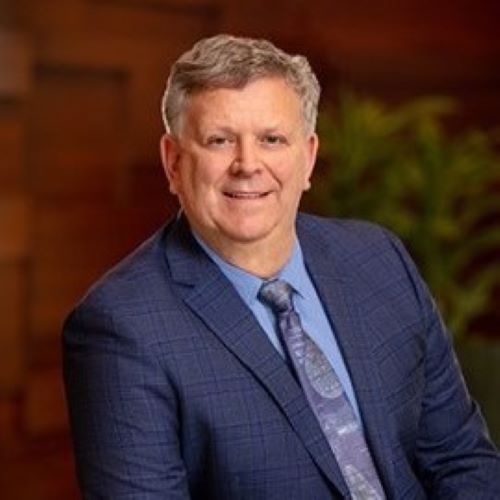
Kirk A. Damman
is a member in the St. Louis office of Lewis Rice LLC, where he practices in all areas of intellectual property law, with an emphasis on helping startup and growing companies begin to manage, license and gain value from their intellectual property (patents, trademarks, copyrights, and trade secrets), as well as obtain protection for their most important ideas and products. Mr. Damman is the co-author of two books on patent law. He also works with startups in other areas including issues related to crowdfunding campaigns and additive manufacturing (3D printing). Mr. Damman is a member of the American Intellectual Property Law Association, where he was formerly the chairman of the Committee for Emerging Technologies. He is also involved with the Intellectual Property Committee of the IEEE. Mr. Damman earned his B.A. degree, magna cum laude, from Carleton College and his J.D. degree from Harvard Law School.
Speaker bio
Naama Mandelboum
, a senior associate at Kyberia Legal, LLC, is an international attorney with dual licensing in New York- and Israel. Her areas of expertise include corporate law, intellectual property, and privacy law. Ms. Mandelboum advises businesses of all sizes, and provides consulting services to law firms on brand protection, trademark registration, and compliance with U.S. privacy regulations. With a practical and business-focused approach, she is committed to helping companies understand and navigate the legal tools that support growth and long-term success.
Speaker bio
Douglas L. Lineberry
is a shareholder with Maynard Nexsen. Whether he is assisting clients with the protection of intellectual property through patent, trademark, and copyright prosecution, or intellectual property litigation, he focuses on building relationships founded on trust and constant communication. Mr. Lineberry successfully prosecutes patent applications for mechanical, medical, and chemical technologies. He helps clients with establishing and protecting trademark portfolios, guarding against improper third-party use, and conducting enforcement actions. Mr. Lineberry advises his clients on all matters involving intellectual property, trade secrets, branding and marketing issues, and contractual and other business matters. He also works with mid-level companies within the biotech industry. This gives Mr. Lineberry the opportunity to use his broad connections to help bring their inventions to market safely while protecting their intellectual property every step of the way. He is a member of the South Carolina Bar, American Bar Association, Greenville Bar Association, Trademark & Copyright Law Association and The Carolina Patent Trademark Copyright Law Association. Mr. Lineberry earned his B.A. degree from Emory & Henry College and his J.D. degree from Mercer University School of Law.
Speaker bio
Peter L. Wechsler
is an attorney and founder of The Wechsler Law Group, LLC. He is a Florida Supreme Court Certified Circuit Civil Mediator and practices in Pinecrest (Miami), Florida. Mr. Wechsler is also a Florida Supreme Court Qualified Arbitrator and concentrates his practice in civil litigation, mediation, eDiscovery, electronically stored information (ESI), product liability, personal injury and wrongful death, insurance disputes, complex commercial litigation, motor vehicle crashworthiness, and accident reconstruction, and has been appointed by the courts numerous times as a Special Master in eDiscovery disputes. He earned his J.D. degree from Suffolk University Law School in Boston. Mr. Wechsler is board-certified in civil trial advocacy by the National Board of Trial Advocacy, and is a member of The American College of Board Certified Attorneys. He has been consistently selected by his peers as a Florida Super Lawyer®, including 2016 - 2020 in personal injury and products defense. Mr. Wechsler finished his five-year term on the Florida Board of Bar Examiners, and is now an Emeritus Member. He has been appointed to the Professionalism Committees of the Eleventh Judicial Circuit, and is a member of the Florida Supreme Court Standard Jury Instructions-Civil Committee. Mr. Wechsler is a fellow in the American College of e-Neutrals, a life member of the Association for the Advancement of Automotive Medicine (AAAM), the Society of Automotive Engineers (SAE), the Florida Defense Lawyers Association (FDLA), the Brain Injury Association of Florida, the Society of Automotive Engineers of Japan (JSAE), and many other societies and organizations. He has been dealing with Frye and Daubert matters for many years, and has been involved in qualifying and disqualifying experts in various fields at trial. Mr. Wechsler has used most types of experts in trial, including accident reconstruction, biomechanical, medical and mental health.
Speaker bio
Brian C. Focht
is senior counsel with Shumaker, Loop & Kendrick, LLP in Charlotte, North Carolina. As an attorney with extensive experience in data privacy, cybersecurity, and AI governance, he helps businesses and individuals manage complex legal challenges, from privacy compliance and AI adoption and development to data breach response. A Certified Information Privacy Professional and Certified AI Governance Professional, Mr. Focht addresses the unique challenges posed by emerging technologies and evolving privacy laws and regulations, empowering his clients to innovate securely and responsibly. His practice focuses on providing strategic guidance to businesses navigating the complexities of ensuring that the creation, development, and adoption of new technology complies with legal obligations, a fast-moving target in today's world, including advising clients on compliance with key regulatory frameworks, such as the EU General Data Protection Regulation (GDPR), California Consumer Privacy Act (CCPA), Health Insurance Portability and Accountability Act (HIPAA), Health Information Technology for Economic and Clinical Health Act (HITECH), and emerging laws like the EU AI Act and new state-level privacy laws. He frequently helps his clients draft technology-related contracts, develop privacy-by-design and secure-by-design systems, and conduct vendor audits to ensure compliance with evolving privacy and cybersecurity standards. Combining his deep understanding of legal compliance with his tech-savvy approach, Mr. Focht assists in the development of AI platforms, mobile applications, Software as a Service (SaaS) products, and online platform design and operation, collaborating with engineers and product teams to ensure seamless integration of legal frameworks into product development. He earned his B.A. degree from University of North Carolina at Chapel Hill and his J.D. degree from Wake Forest University School of Law.
Speaker bio
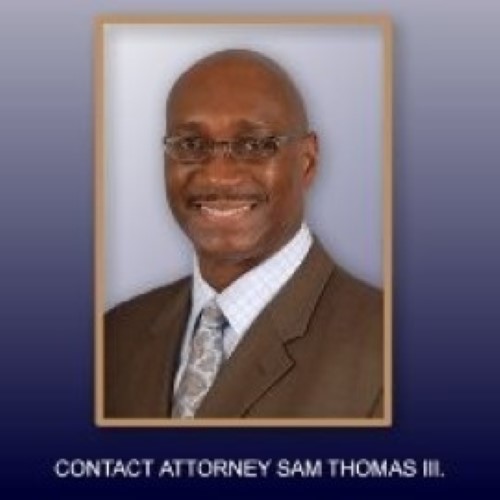
Sam Thomas, III
is an attorney with Sam Thomas III Esquire & Associates. He has practiced for 28 years in the areas of probate, foreclosure prevention, tax resolution, and debt relief. Currently, Mr. Thomas's practice focuses on estate planning. He earned his B.A. degree from Cleveland State University, his M.S. degree from Indiana University and his J.D. degree from Cleveland Marshall College of Law.
TOP FAQs
Have more questions? Please Contact Us