

Legal Writing Masterclass
Credits Available
| Credit | Status | Total | Until |
|---|---|---|---|
| Alaska CLE |
|
6 Total | 09-23-2028 |
| Alabama CLE |
|
6 Total | 12-31-2026 |
| Arkansas CLE |
|
6 Total | 06-30-2027 |
| Arizona CLE |
|
6 Total | 09-23-2028 |
| California CLE |
|
6 Total | 09-23-2028 |
| Colorado CLE |
|
7 Total | 12-31-2028 |
| Connecticut CLE |
|
6 Total | 09-23-2028 |
| Delaware CLE |
|
6 Total | 09-23-2028 |
| Florida CLE |
|
7 Total | 03-31-2028 |
| Georgia CLE |
|
6 Total | 12-31-2027 |
| Hawaii CLE |
|
6 Total | 09-23-2028 |
| Iowa CLE |
|
6 Total | 09-23-2027 |
| Idaho CLE |
|
6 Total | 09-23-2031 |
| Illinois CLE |
|
6 Total | 09-21-2028 |
| Indiana CLE |
|
6 Total | 09-23-2027 |
| Kansas CLE |
|
7 Total | 09-22-2027 |
| Kentucky CLE |
|
6 Total | 06-30-2027 |
| Louisiana CLE |
|
6 Total | 09-23-2027 |
| Maine CLE |
|
6 Total | 09-21-2028 |
| Minnesota CLE |
|
6 Total | 09-23-2028 |
| Missouri CLE |
|
6 Total | 09-23-2028 |
| Northern Mariana Islands CLE |
|
6 Total | 09-23-2028 |
| Mississippi CLE |
|
6 Total | 07-31-2027 |
| Montana CLE |
|
6 Total | 09-23-2029 |
| North Carolina CLE |
|
6 Total | 02-28-2027 |
| North Dakota CLE |
|
6 Total | 09-23-2029 |
| Nebraska CLE |
|
6 Total | 09-23-2028 |
| New Hampshire CLE |
|
6 Total | 09-23-2029 |
| New Jersey CLE |
|
7.2 Total | 05-13-2027 |
| New Mexico CLE |
|
6 Total | 09-23-2028 |
| Nevada CLE |
|
6 Total | 09-23-2029 |
| New York CLE |
|
7 Total | 09-23-2029 |
| Ohio CLE |
|
6 Total | 12-31-2026 |
| Oklahoma CLE |
|
7 Total | 09-23-2028 |
| Oregon CLE |
|
6 Total | 09-23-2029 |
| Pennsylvania CLE |
|
6 Total | 09-23-2028 |
| Rhode Island CLE |
|
6 Total | 06-30-2027 |
| South Carolina CLE |
|
6 Total | 12-31-2026 |
| Tennessee CLE |
|
6 Total | 09-22-2028 |
| Texas CLE |
|
6 Total | 08-31-2027 |
| Utah CLE |
|
6 Total | 12-31-2026 |
| Virginia CLE |
|
6 Total | 10-31-2026 |
| Vermont CLE |
|
6 Total | 09-23-2028 |
| Washington CLE |
|
6 Total | 09-22-2031 |
| Wisconsin CLE |
|
7 Total | 12-31-2027 |
| West Virginia CLE |
|
7.2 Total | 09-23-2029 |
| Wyoming CLE |
|
6 Total | 05-05-2027 |




Buy This Course
OnDemand Video
Course Book Download
Overview
Make Every Word Count
You already know how to write. This masterclass will make you dangerous. Over seven modules, you'll move beyond legal writing fundamentals to master the strategic, structural, and ethical decisions that separate competent briefs from winning ones - with live editing sessions, real documents, and exercises that mirror the pressure of actual practice. Every technique is immediately transferable, whether you litigate or advise. Register today!
- Build briefs that argue at every level, from issue statement to word choice.
- Pick the right standard, frame it strategically, and never lose it in the argument.
- Wield precedent - including adverse and conflicting authority - with precision.
- Turn your statement of facts into your first and best argument.
- Neutralize opposing arguments without giving them a word more than they deserve.
- Edit with a system, not instinct - even when the deadline is thirty minutes out.
- Know exactly where the lines are before you file, especially when AI helped you draft.
Abbreviated Agenda
- The Architecture of Persuasion: Structure, Readability, and Cognitive Load
- Standards of Review: Research, Strategy, and Framing
- Authority Hierarchy, Jurisdictional Analysis, and Citation Strategy
- Advanced Record Handling and Fact Advocacy
- Editing as Advocacy: Clarity, Tone, and Final Pass
- The Reply Brief: Discipline, Precision, and the Art of the Kill
- Ethics in Legal Writing: Obligations, Competence, and AI
Credit Details
Credits Available
| Credit | Status | Total | Until |
|---|---|---|---|
| Alaska CLE |
|
6 Total | 09-23-2028 |
| Alabama CLE |
|
6 Total | 12-31-2026 |
| Arkansas CLE |
|
6 Total | 06-30-2027 |
| Arizona CLE |
|
6 Total | 09-23-2028 |
| California CLE |
|
6 Total | 09-23-2028 |
| Colorado CLE |
|
7 Total | 12-31-2028 |
| Connecticut CLE |
|
6 Total | 09-23-2028 |
| Delaware CLE |
|
6 Total | 09-23-2028 |
| Florida CLE |
|
7 Total | 03-31-2028 |
| Georgia CLE |
|
6 Total | 12-31-2027 |
| Hawaii CLE |
|
6 Total | 09-23-2028 |
| Iowa CLE |
|
6 Total | 09-23-2027 |
| Idaho CLE |
|
6 Total | 09-23-2031 |
| Illinois CLE |
|
6 Total | 09-21-2028 |
| Indiana CLE |
|
6 Total | 09-23-2027 |
| Kansas CLE |
|
7 Total | 09-22-2027 |
| Kentucky CLE |
|
6 Total | 06-30-2027 |
| Louisiana CLE |
|
6 Total | 09-23-2027 |
| Maine CLE |
|
6 Total | 09-21-2028 |
| Minnesota CLE |
|
6 Total | 09-23-2028 |
| Missouri CLE |
|
6 Total | 09-23-2028 |
| Northern Mariana Islands CLE |
|
6 Total | 09-23-2028 |
| Mississippi CLE |
|
6 Total | 07-31-2027 |
| Montana CLE |
|
6 Total | 09-23-2029 |
| North Carolina CLE |
|
6 Total | 02-28-2027 |
| North Dakota CLE |
|
6 Total | 09-23-2029 |
| Nebraska CLE |
|
6 Total | 09-23-2028 |
| New Hampshire CLE |
|
6 Total | 09-23-2029 |
| New Jersey CLE |
|
7.2 Total | 05-13-2027 |
| New Mexico CLE |
|
6 Total | 09-23-2028 |
| Nevada CLE |
|
6 Total | 09-23-2029 |
| New York CLE |
|
7 Total | 09-23-2029 |
| Ohio CLE |
|
6 Total | 12-31-2026 |
| Oklahoma CLE |
|
7 Total | 09-23-2028 |
| Oregon CLE |
|
6 Total | 09-23-2029 |
| Pennsylvania CLE |
|
6 Total | 09-23-2028 |
| Rhode Island CLE |
|
6 Total | 06-30-2027 |
| South Carolina CLE |
|
6 Total | 12-31-2026 |
| Tennessee CLE |
|
6 Total | 09-22-2028 |
| Texas CLE |
|
6 Total | 08-31-2027 |
| Utah CLE |
|
6 Total | 12-31-2026 |
| Virginia CLE |
|
6 Total | 10-31-2026 |
| Vermont CLE |
|
6 Total | 09-23-2028 |
| Washington CLE |
|
6 Total | 09-22-2031 |
| Wisconsin CLE |
|
7 Total | 12-31-2027 |
| West Virginia CLE |
|
7.2 Total | 09-23-2029 |
| Wyoming CLE |
|
6 Total | 05-05-2027 |
Select Jurisdiction
CLE
Agenda
-
The Architecture of Persuasion: Structure, Readability, and Cognitive Load
- Deep Framing Beyond the "Questions Presented"
- Point-First Writing: Structuring Headings and Subheads as a Standalone Executive Summary
- Controlling the Narrative: Theme Development
- Opening Paragraph as a Standalone Argument
- Managing Language and Content Complexity
- Syntax for Emphasis and the Power of the Short Declarative
- Paragraph Architecture, Formatting, and Document Design
- Exercise: Sum Up a 10-Page Fact Pattern into Three Competing "Deep Issues Statements"
- Exercise: Revise a Sample Summary Judgment Motion for Persuasion and Clarity
-
Standards of Review: Research, Strategy, and Framing
- Constitutional vs. Discretionary vs. Statutory issues
- Deference Framing vs. Error Framing
- Layered Standards: When Multiple Standards Apply to a Single Issue
- How Judges Actually Read Standard-of-Review Arguments
- Research Techniques: Finding the Standard When It's Unsettled or Contested
-
Authority Hierarchy, Jurisdictional Analysis, and Citation Strategy
- Binding vs. Persuasive Authority
- Reconciling Conflicting Precedent: Distinguish, Limit, Acknowledge, or Attack
- Strategic Use of Out-of-Circuit and Minority Rule Authority
- Selecting and Sequencing Citations for Maximum Rhetorical Effect
- String Citations: When They Help, Hurt, and How to Trim Them
- Pinpoint Citations, Parentheticals, and the Art of the One-Line Case Summary
-
Advanced Record Handling and Fact Advocacy
- Characterizing the Record: Making the Facts Speak for Themselves Without Losing Credibility
- Omission Strategy: What You Don't Say and Why - Without Misrepresentation
- The Statement of Facts as a Legal Argument
- Using the Record Persuasively: Juxtaposition, Accumulation, and Contrast Techniques
- Visual Advocacy: When and How to Integrate Charts, Maps, etc., into the Body of the Brief
- AI Tools in Record-Based Writing
- Screenshare Exercise: Build a Timeline From a Multi-Source Record, Then Defend Your Omissions
-
Editing as Advocacy: Clarity, Tone, and Final Pass
- The Edit Hierarchy: Structural Before Sentence Before Word
- Logical Sequencing
- Removing Redundancy Without Losing Emphasis
- Tone Calibration: Adjusting Formality, Confidence, Audience
- Self-Editing Under Time Pressure: A Triage Protocol for Deadline Situations
- Peer and AI-Assisted Review: Using Structured Checklists and AI Feedback Loops
- Exercise: Revise a Legal Opinion Letter for Clarity and Tone Using the Hierarchy Framework
-
The Reply Brief: Discipline, Precision, and the Art of the Kill
- The Strategic Decision: What to Answer, What to Ignore, and What to Reframe
- Addressing the Strongest Counterpoints Without Lending Them Credibility
- Identifying and Dismantling Logical Fallacies in Opposing Briefs
- The One-Page Reply: Ruthless Prioritization When Space Is Limited
- Exercise: Analyze an Opposing Brief and Draft a Reply Outline With Explicit Pivot Points
-
Ethics in Legal Writing: Obligations, Competence, and AI
- Candor to the Tribunal
- Ethical Obligations in Citing Authority: Duty to Disclose Adverse Controlling Precedent
- Duty of Diligence and Competence as Applied to Legal Writing
- Technology Competence and AI Drafting Tools
- When and How to Disclose the Use of AI
- AI Hallucination Liability: Who's Responsible for AI-Generated Citations Filed With the Court
Who Should Attend
This practical legal writing course is designed for attorneys. Experienced paralegals may also benefit.
Speakers
Speaker bio
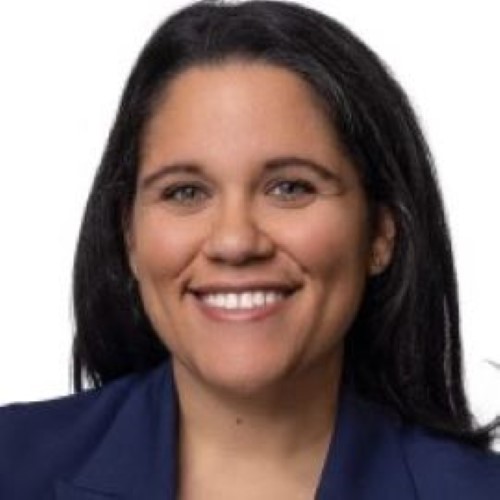
Jena G. Emory
is an associate in Taft Stettinius & Hollister LLP's commercial, class action and product liability litigation practices, with a specialization in insurance coverage. She brings extensive experience and a proven track record in handling complex legal matters, drafting legal documents, and representing clients in complex insurance coverage and general liability cases. Additionally, Ms. Emory has experience managing cases solo in both the Superior and Magistrate courts and drafting motions including complex federal jurisdiction. Ms. Emory currently serves as the programming manager for the Young Lawyers Division and co-chair of the Young Advocates Committee for the Litigation Section of the American Bar Association. She is also the former Newsletter co-editor for the Young Lawyers Division of the State Bar of Georgia, where she played a crucial role in distributing important legal updates and supporting the professional growth of fellow attorneys. Additionally, Ms. Emory is a 2020 graduate of the State Bar of Georgia's YLD Leadership Academy. She earned her J.D. degree from the University of Georgia School of Law and her B.S. degree, magna cum laude, from the University of South Carolina.
Speaker bio
Emily E. Mahler
is a partner in the Pittsburgh office in Margolis Edelstein's employment and labor law group. She represents employers in labor and employment litigation, including claims involving discrimination, harassment, retaliation, wrongful discharge, breach of contract and wage disputes. Ms. Mahler represents corporations, small businesses, nonprofit organizations and public entities. She appears regularly in federal and state courts throughout Pennsylvania and New Jersey, as well as before the U.S. Equal Employment Opportunity Commission, Pennsylvania Human Relations Commission, and other state and local administrative agencies. Ms. Mahler is a certified arbitrator in the Philadelphia Court of Common Pleas and Allegheny County Court of Common Pleas. She also counsels employers on employment policies, employee discipline and terminations, as well as compliance with the Americans with Disabilities Act, Family Medical Leave Act, Fair Labor Standards Act, Fair Credit Reporting Act, Equal Opportunity Reporting Act, Truth in Lending and identity theft, and other state and federal regulations. Ms. Mahler drafts and assists employers with implementation of employee manuals, policies and procedures. She also drafts and provides guidance on severance agreements, noncompete and confidentiality agreements. Ms. Mahler earned her B.A. degree from Pennsylvania State University and her J.D. degree from Temple University James E. Beasley School of Law.
Speaker bio
Spiro J. Verras
is the founding attorney and president of Verras Law, P.A., which maintains locations in Palm Harbor, St. Petersburg and Tampa. His current practice focuses on estate planning, probate and trusts, elder law, guardianships, corporate and commercial transactions. Mr. Verras is active in bar organizations, including the Clearwater Bar Association and the Hillsborough County Bar Association. He is also a member of the Real Property Probate and Trust Law, and Elder Law sections of The Florida Bar; Trusts, Estate, Probate and Immovable Property Law Section of the Louisiana State Bar Association; and Real Estate, Probate and Trust Law and LGBT Law sections of the State Bar of Texas. In addition to his state bar memberships, he has been admitted to practice in local and federal district courts, U.S. Fifth Circuit Court of Appeals, U.S. Eleventh Circuit Court of Appeals and U.S. Supreme Court. Mr. Verras is also a member of the Academy of Florida Elder Law Attorneys and the National Academy of Elder Law Attorneys. He earned his B.A. degree from Yale University and his J.D. degree from Tulane Law School.
Speaker bio
Bradley D. Honnold
is the founding partner with the Leawood law firm of Goza & Honnold, LLC with more than 30 years of experience trying lawsuits and managing high stake litigation throughout the country. After graduating and before starting his own law firm, he was a partner at a large nationally known firm. Since partnering and working on national litigations, the firm has represented thousands of clients, including Vioxx, Bextra/Celebrex, Fleets Phospho Soda, Trans Vaginal Mesh, DePuy ASR, Zimmer Durom, Pradaxa, Fosamax, Actos, and Power Morcellator. Mr. Honnold's most recent notable cases include JUUL Labs, Inc., MDL No. 2913 (Appointed by Hon. William Orrick, III, District Court Judge, Northern District of California, to serve on Plaintiffs' Steering Committee, In Re JUUL Products Liability Litigation), Proton-Pump Inhibitor, MDL No. 2789 (Mr. Honnold is a co-chair of the Discovery Committee and is on the Plaintiff's Steering Committee) and 3M Products Liability Litigation, MDL No. 2885 (Appointed by the Hon. M. Casey Rodgers, District Court Judge, Northern District of Florida, to serve on Plaintiffs' Steering Committee, 3M Combat Arms Ear Plug Litigation, MDL #2885). Mr. Honnold earned his B.B.A. degree With Distinction from the University of Iowa and his J.D. degree, with distinction, from the University of Iowa College of Law. He is a member of the Kansas City Metropolitan Bar Association, Phi Eta Sigma National Honor Society, University of Iowa Beta Gamma Sigma Business Honor Society, Order of Omega (Greek Honor Society) and the Delta Tau Delta Social Fraternity. He is also a member of the plaintiff's steering committee in the federal multidistrict litigations (MDL) for Xarelto, Proton Pump Inhibitor (PPI), JUUL Inc., and 3M Military Ear Plugs, as well as a co-chair of the discovery committee for the PPI and JUUL MDLs. He is admitted to practice in Kansas, Missouri, U.S. District Court, District of Kansas, U.S. District Court, Western District of Missouri and The Missouri Association of Trial Lawyers.
Speaker bio
Adam J. Sedia
is an attorney with the law firm of Johnson & Bell Ltd., where he concentrates his practice in municipal practice and civil litigation, with a special focus on appellate work. Mr. Sedia has litigated dozens of cases before the Indiana and Illinois appellate courts and the Seventh Circuit. Additionally, he represents Indiana municipal bodies, including towns and townships, as general counsel. Mr. Sedia has had scholarly articles published on a variety of subjects, from patents to insurance coverage, in various law journals, and has had poetry and short fiction published in literary journals as well. He is a past president of the Lake County Bar Association. Mr. Sedia earned his B.S. and B.A. degrees from Indiana University, and his J.D. degree from DePaul University College of Law.
TOP FAQs
Have more questions? Please Contact Us