

New York Special Education Law
Credits Available
| Credit | Status | Total |
|---|---|---|
| Connecticut CLE |
|
6 Total |
| New Jersey CLE |
|
7.2 Total |
| New York CLE |
|
7 Total |
| Pennsylvania CLE |
|
6 Total |
Fri, Nov 06, 00:00 AM – 00:00 PM

Fri, Nov 06, 00:00 AM – 00:00 PM
Register For Course
Live Webinar Registration
OnDemand Recording
Course Book Download
Overview
Comply With the Latest Special Education Laws to Avoid Liability
With increasing numbers of students qualifying for special education services, professionals working with students with disabilities know that an understanding of special education law is crucial. You need to know the law in order to deal with complex questions that arise on a regular basis. Who pays when a disabled student is placed in private schooling at the parents' election? How can a school create the least restrictive environment and promote inclusion to the best interests of all students? It can be costly if you don't know. Register today!
- Strengthen your knowledge of how recent special education legislation affects school policies and operations.
- Learn what to do and what not to do in 504 plans.
- Evaluate the legal protection offered by the Individualized Education Program (IEP).
- Successfully handle disciplinary actions for students with disabilities.
- Explore the role of manifestation determination reviews (MDRs) in disciplinary actions.
- Understand the rights of disabled students so you can avoid inadvertent illegal actions that may lead to a lawsuit.
Abbreviated Agenda
- Establishing the Framework of Special Education Law
- Section 504 Plan Documentation: What You Need to Know
- Unraveling the Requirements of the Individuals With Disabilities Education Act (IDEA)
- Successfully Handling Disciplinary Actions for Students With Disabilities
- Ensuring Successful Due Process Procedures
- Protecting the Rights of Children With Disabilities
Can't Attend Live?

Get the OnDemand Instead
Watch the recording of this event on your own schedule. We'll notify you when its ready.
Credit Details
Credits Available
| Credit | Status | Total |
|---|---|---|
| Connecticut CLE |
|
6 Total |
| New Jersey CLE |
|
7.2 Total |
| New York CLE |
|
7 Total |
| Pennsylvania CLE |
|
6 Total |
Credit Details by Jurisdiction
Live Webinar Registration
CLE
Credits
Connecticut CLE Approved · 6 Total Credits
Live - Connecticut CLE - 6: Neither the Connecticut Judicial Branch nor the Commission on Minimum Continuing Legal Education approve or accredit CLE providers or activities. It is the opinion of NBI, Inc. that this activity qualifies for 6.0 hours toward your annual CLE requirement in Connecticut, including 0.0 hour(s) of ethics/professionalism.
New Jersey CLE Approved · 7.2 Total Credits
Live - New Jersey CLE - 7.2: This program has been approved by the Board on Continuing Legal Education of the Supreme Court of New Jersey for 7.20 hours of total CLE credit. Of these, 0.0 qualifies as hours of credit for ethics/professionalism.
New York CLE Approved · 7 Total Credits
- 7 Areas of Professional Practice
Live - New York CLE - 7: This course has been approved in accordance with the requirements of the New York State Continuing Legal Education Board for a maximum of 7.0 credit hours. 7.0 hours can be applied to the areas of professional practice requirement. This nontraditional format program is approved for newly admitted and experienced attorneys. NBI, Inc. offers a Financial Hardship Policy for qualifying individuals. To apply, please submit a request via email to our Tuition Discount Committee at customerservice@nbi-sems.com.
Pennsylvania CLE Approved · 6 Total Credits
Live - Pennsylvania CLE - 6: This program has been approved by the Pennsylvania Continuing Legal Education Board for a total of 6.0 hours, including 6.0 hours of substantive law, practice and procedure CLE credit and 0.0 hour of ethics, professionalism or substance abuse CLE credit.
OnDemand Video
CLE
Credits
Connecticut CLE Approved · 6 Total Credits
Earn Until
OnDemand - Connecticut CLE - 6: Neither the Connecticut Judicial Branch nor the Commission on Minimum Continuing Legal Education approve or accredit CLE providers or activities. It is the opinion of NBI, Inc. that this activity qualifies for 6.0 self-study hours toward your annual CLE requirement in Connecticut, including 0.0 self-study hour(s) of ethics/professionalism.
Video Download - Connecticut CLE - 6: Neither the Connecticut Judicial Branch nor the Commission on Minimum Continuing Legal Education approve or accredit CLE providers or activities. It is the opinion of NBI, Inc. that this activity qualifies for 6.0 self-study hours toward your annual CLE requirement in Connecticut, including 0.0 self-study hour(s) of ethics/professionalism.
New Jersey CLE Approved · 7.2 Total Credits
Earn Until
OnDemand - New Jersey CLE - 7.2: This program has been approved by the Board on Continuing Legal Education of the Supreme Court of New Jersey for 7.20 hours of alternative format CLE credit. Of these, 0.0 qualifies as hours of alternative learning format credit for ethics/professionalism.
Video Download - New Jersey CLE - 7.2: This program has been approved by the Board on Continuing Legal Education of the Supreme Court of New Jersey for 7.20 hours of alternative format CLE credit. Of these, 0.0 qualifies as hours of alternative learning format credit for ethics/professionalism.
New York CLE Approved · 7 Total Credits
- 7 Areas of Professional Practice
Earn Until
OnDemand - New York CLE - 7: This nontraditional format course has been approved in accordance with the requirements of the New York State Continuing Legal Education Board for up to 7.0 credit hours. 7.0 hours can be applied to the areas of professional practice requirement and is approved for newly admitted and experienced attorneys. NBI, Inc. offers a Financial Hardship Policy for qualifying individuals. To apply, please submit a request via email to our Tuition Discount Committee at customerservice@nbi-sems.com.
Video Download - New York CLE - 7: This nontraditional format course has been approved in accordance with the requirements of the New York State Continuing Legal Education Board for up to 7.0 credit hours. 7.0 hours can be applied to the areas of professional practice requirement and is approved for newly admitted and experienced attorneys. NBI, Inc. offers a Financial Hardship Policy for qualifying individuals. To apply, please submit a request via email to our Tuition Discount Committee at customerservice@nbi-sems.com.
Pennsylvania CLE Approved · 6 Total Credits
Earn Until
OnDemand - Pennsylvania CLE - 6: This program has been approved by the Pennsylvania Continuing Legal Education Board. This program qualifies for 6.0 hours of distance learning credit, including 6.0 hours of substantive law, practice and procedure CLE credit and 0.0 hour of ethics, professionalism or substance abuse distance learning CLE credit.
Video Download - Pennsylvania CLE - 6: This program has been approved by the Pennsylvania Continuing Legal Education Board. This program qualifies for 6.0 hours of distance learning credit, including 6.0 hours of substantive law, practice and procedure CLE credit and 0.0 hour of ethics, professionalism or substance abuse distance learning CLE credit.
Select Jurisdiction
CLE
Agenda
-
Establishing the Framework of Special Education Law
- Overview of Laws That Govern Special Education
- Summary of Recent Developments in Special Education Law
- Relevant Case Law
-
Section 504 Plan Documentation: What You Need to Know
- Review of Section 504
- Determining When an Evaluation Is Necessary
- Information Required to Document a Disability
- Americans With Disabilities Act and 504 Plan Eligibility
- Proper Notice of Evaluation and Placement
- 504 Plan Dos and Don'ts: With Examples
-
Unraveling the Requirements of the Individuals With Disabilities Education Act (IDEA)
- What Are Early Intervention Programs?
- Defining State and Local Eligibility for Services
- Free Appropriate Public Education (FAPE)
- Conducting Evaluations and Re-Evaluations of Students With Disabilities
- The Role of the Individualized Education Program (IEP) and the IEP Team
- Availability of Personnel Who Know How to Meet the Needs of Disabled Students
- Specific Issues About Exceptional Needs Children Enrolled in Private Schools
- How, When, and Why Reauthorization Occurs
-
Successfully Handling Disciplinary Actions for Students With Disabilities
- Providing Services During Disciplinary Removal
- Defining Functional Behavioral Assessments (FBAs)
- What Are Behavioral Intervention Plans?
- How Manifestation Determination Reviews Apply
- Protections for Children Not Yet Eligible for Special Education and Related Services
- Changes in Placement
- Suspensions and the Ten-Day Rule
- Legal Rules Governing Removal or Expulsion
- Interim Alternative Educational Settings
- Other Available Remedies
- "Stay Put" Placement During Pendency of Due Process
- Expedited Due Process Hearings
-
Ensuring Successful Due Process Procedures
- Actions to Take Upon Receipt of Request for an Impartial Hearing
- Complying With Notice Requirements
- Examining Essential Timing Issues
- Providing for the Option of Mediation
- How to Prepare for a Due Process Hearing
- Crucial Elements in an Impartial Due Process Hearing
- When De Novo Reviews Apply
- Effective Ways to Avoid Due Process Litigation
-
Protecting the Rights of Children With Disabilities
- Promoting Parent Awareness of Legal Rights and Recourse for Their Child
- Understanding Placement Issues
- Least Restrictive Environment and Inclusion
- Requirements for Unilateral Placements by Parents Seeking Public Payment
- Compensatory Education
- Preventing Disability Bullying and Harassment in the Schools
- Protecting Confidentiality of Information
- Special Education Damages Liability (Including Section 1983 Liability)
- Using the Office of Civil Rights (OCR) to Ensure Compliance
Who Should Attend
This basic-to-intermediate level seminar is designed specifically for professionals who work with children with disabilities in a school setting. Those who should attend include:
- School Administrators
- Superintendents
- Board Members
- Principals
- Counselors
- School Psychologists
- Teachers
- Attorneys
Speakers
Speaker bio
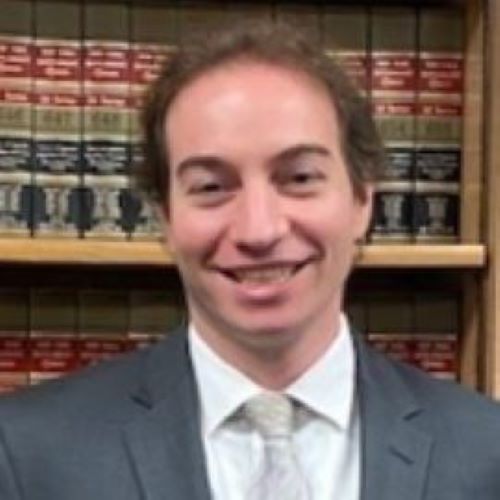
Daniel Levin
is an attorney with Frazer & Feldman, LLP where he focuses his practice on special education law, including representation of school districts in due process hearings, CSE meetings for IEPs, 504 plans, settlements, and manifestation determination reviews. Prior to joining Frazer & Feldman, LLP, Mr. Levin worked as senior counsel and legislative director in the New York State Senate, where he negotiated, drafted and advised State legislators on budget bills, voting rights legislation, criminal law and criminal justice reform, and local government issues. He also worked as a staff attorney and team leader for the Special Education Unit of the New York City Department of Education (DOE), where he investigated, settled and litigated due process complaints under the IDEA on behalf of the school district. Mr. Levin also drafted appeals to the State Review Office on IDEA hearings, and chaired a committee focused on improving the unit's litigation practice. As team leader, he supervised attorneys in representing the district on IDEA claims for settlements and hearings. Mr. Levin earned his J.D. degree from Albany Law School and was the symposium editor of the Albany Government Law Review. He earned his B.A. degree in political science from Binghamton University. Mr. Levin is admitted to practice in New York and is a member of the Nassau County Bar Association.
Speaker bio
Jacob S. Feldman
is a founding partner with Frazer & Feldman, LLP. He has handled the defense of public school districts in major federal and state litigation involving civil rights, age, race, disability and sexual discrimination matters, sexual harassment complaints, and special education matters. Mr. Feldman has handled the successful defense of dozens of impartial hearings and appeals to the SRO and federal courts on behalf of school districts. He is a frequent speaker in various special education law programs. Mr. Feldman is admitted to practice law in the state courts of New York, U.S. Supreme Court, Second Circuit and Federal Circuit Courts of Appeals, and Southern and Eastern District courts of New York. Since 1987, he has served public school districts as general counsel. Mr. Feldman earned his B.A. degree, cum laude, from Brooklyn College and his J.D. degree from Brooklyn Law School.
Speaker bio
Ellen Kimatian Eagen
Speaker bio
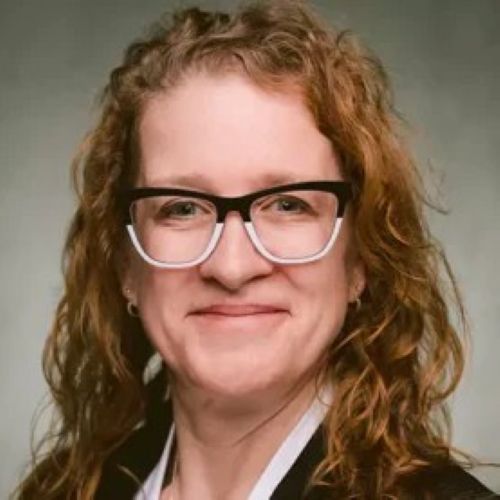
Angela L. Kovacs
is an attorney with Cuddy Law Firm, PLLC where she brings a unique perspective to special education advocacy and litigation, having navigated the world of special education as a parent prior to transitioning into a legal career. With her firsthand experience in navigating the educational system and a deep understanding of the challenges faced by families with special needs children, she provides compassionate and effective representation to her clients. Ms. Kovacs is a graduate of the University of Akron (B.S. degree in special education) and Case Western Reserve University School of Law. She is admitted to the practice of law in New York and Ohio.
Speaker bio
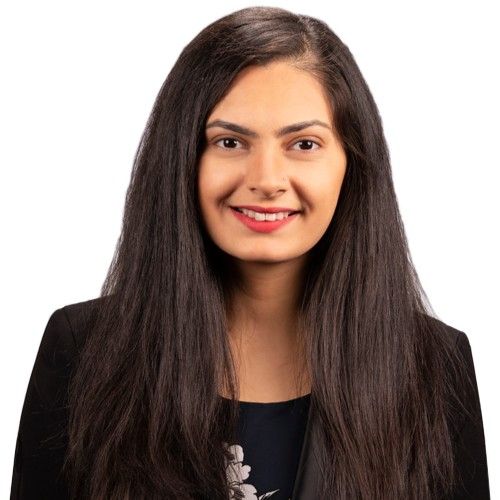
Arshi Pal
is an attorney with Littman Krooks LLP, where she focuses her practice on special education, special needs planning and estate planning. She passionately advocates to obtain the appropriate supports and services for the unique needs of the individuals. Ms. Pal participates in CSE meetings to collaborate with school officials to ensure students are receiving programming and services tailored to help them make meaningful progress. However, when the collaborative approach is insufficient to obtain the student the support they require, she zealously represents students and their families in special education impartial hearings. Ms. Pal also represents parents in state review officer appeals and federal court matters. She earned her J.D. degree from Brooklyn Law School in the two-year accelerated program. Ms. Pal is a Brooklyn Law Students for the Public Interest Fellow. She has interned for the NYC Department of Social Services and U.S. Attorney's Office Immigration department at the graduate level. Ms. Pal is admitted to practice in New York, Southern and Eastern districts of New York and the Second Circuit Court of Appeals.
TOP FAQs
Have more questions? Please Contact Us