

Ohio IEP and 504 Plan Legal Workshop
Credits Available
| Credit | Status | Total |
|---|---|---|
| Indiana CLE |
|
6 Total |
| New York CLE |
|
7 Total |
| Ohio CLE |
|
6 Total |
| Ohio Certified Paralegals |
|
6 Total |
Tue, Nov 17, 00:00 AM – 00:00 PM
Tue, Nov 17, 00:00 AM – 00:00 PM
Register For Course
Live Webinar Registration
OnDemand Recording
Course Book Download
Overview
Strengthen Your School's IEP and 504 Plan Process and Protect Student Rights
IEPs and 504 plans are essential tools to ensure positive learning outcomes for many students. They also have the potential to cause legal issues for schools if they aren't properly planned and carried out. Join our experienced faculty for this comprehensive overview of legal liabilities in IEPs and 504 plans. Take away valuable information you can use to spot potential issues in your school's IEP and 504 plan process. Register today!
- Ensure students get the tools they need to succeed by properly determining if they are eligible for an IEP or a 504 plan.
- Implement legally appropriate 504 plans that ensure a level playing field for eligible students.
- Conduct IEP meetings that include all the necessary players and know what to do if someone is unable to attend.
- Handle situations where an IEP just isn't working, and modifications are immediately needed.
- Create behavioral intervention plans (BIPs) that consider the information contained in functional behavior assessments (FBAs).
- Protect the legal rights of students with IEPs and 504 plans in situations where discipline codes are broken.
Abbreviated Agenda
- IDEA or Section 504? Determining Eligibility Under Both Laws
- Developing and Implementing 504 Plans: Ensuring a Level Playing Field
- The IEP Development Process: Handling Difficult Issues
- Key Considerations for Implementing IEPs
- Functional Behavioral Assessments (FBAs) and Behavior Intervention Plans (BIPs): Ensuring Best Practices
- Discipline and Expulsion Essentials Under IDEA and Section 504
Can't Attend Live?

Get the OnDemand Instead
Watch the recording of this event on your own schedule. We'll notify you when its ready.
Credit Details
Credits Available
| Credit | Status | Total |
|---|---|---|
| Indiana CLE |
|
6 Total |
| New York CLE |
|
7 Total |
| Ohio CLE |
|
6 Total |
| Ohio Certified Paralegals |
|
6 Total |
Credit Details by Jurisdiction
Live Webinar Registration
CLE
Credits
Indiana CLE Approved · 6 Total Credits
Live - Indiana CLE - 6: This course has been approved by the Indiana Supreme Court Office of Admissions & Continuing Education. Participating attorneys are eligible to receive 6.0 hours of distance education, which includes 0.0 hour of ethics.
New York CLE Approved · 7 Total Credits
- 7 Areas of Professional Practice
Live - New York CLE - 7: This course has been approved in accordance with the requirements of the New York State Continuing Legal Education Board for a maximum of 7.0 credit hours. 7.0 hours can be applied to the areas of professional practice requirement. This nontraditional format program is approved for newly admitted and experienced attorneys. NBI, Inc. offers a Financial Hardship Policy for qualifying individuals. To apply, please submit a request via email to our Tuition Discount Committee at customerservice@nbi-sems.com.
Ohio CLE Pending · 6 Total Credits
Live - Ohio CLE - 6: This course has been approved by the Supreme Court of Ohio Commission on Continuing Legal Education for 6.0 self-study CLE credit hours, including 0.0 hour of attorney professional conduct instruction.
Paralegal
Credits
Ohio Certified Paralegals Approved · 6 Total Credits
Live - Ohio Certified Paralegals - 6: This course qualifies for 6.0 hours of continuing education for paralegals, including 0.0 hour of ethics, toward the eligibility requirements of the Ohio State Bar Association Paralegal Certification program.
OnDemand Video
CLE
Credits
Indiana CLE Approved · 6 Total Credits
Earn Until
OnDemand - Indiana CLE - 6: This course has been approved by the Indiana Supreme Court Office of Admissions & Continuing Education. Participating attorneys are eligible to receive 6.0 hours of distance education, which includes 0.0 hour of ethics.
Ohio CLE Pending · 6 Total Credits
Earn Until
OnDemand - Ohio CLE - 6: This course has been approved by the Supreme Court of Ohio Commission on Continuing Legal Education for 6.0 self-study CLE credit hours, including 0.0 hour of attorney professional conduct instruction.
Video Download - Ohio CLE - 6: This course has been approved by the Supreme Court of Ohio Commission on Continuing Legal Education for 6.0 self-study CLE credit hours, including 0.0 hour of attorney professional conduct instruction.
Paralegal
Credits
Ohio Certified Paralegals Approved · 6 Total Credits
Earn Until
OnDemand - Ohio Certified Paralegals - 6: This course qualifies for 6.0 hours of self-study continuing education for paralegals, including 0.0 hour of ethics, toward the eligibility requirements of the Ohio State Bar Association Paralegal Certification program.
Video Download - Ohio Certified Paralegals - 6: This course qualifies for 6.0 hours of self-study continuing education for paralegals, including 0.0 hour of ethics, toward the eligibility requirements of the Ohio State Bar Association Paralegal Certification program.
Select Jurisdiction
CLE
Paralegal
Agenda
-
IDEA or Section 504? Determining Eligibility Under Both Laws
- Section 504
- What Is a Disability Under Section 504?
- Major Life Activities: What Do They Encompass?
- Substantial Limitations: What Is the Bar?
- Impairment Determinations: What Can and Can't Be Considered?
- The IDEA
- Eligibility Categories
- ADHD and Other Difficult-to-Place Disabilities
- Required Need for Specially Designed Instruction
- Best Practices for Determining Eligibility
- IDEA-Eligible Students With Additional Medical Needs
- Handling Disputes With Parents Over Eligibility
- Section 504
-
Developing and Implementing 504 Plans: Ensuring a Level Playing Field
- Eligibility: What Should Be Considered
- What Accommodations Should and Should Not Do
- 504 Accommodations vs. Specially Designed Instruction (and Why It Matters)
- Distribution of 504 Plans
- Avoiding Modifications
- Reviews and Re-Evaluations
- 504 Plan Red Flags to Avoid
-
The IEP Development Process: Handling Difficult Issues
- IDEA Evaluation Report Essentials
- The IEP Meeting: What If Parents Refuse to Come?
- Third-Party Participation at IEP Meetings: Outside Agencies, Invited Guests, etc.
- Avoiding Predetermination on IEPs
- Parent Recording of IEP Meetings: Can Schools Prohibit It?
- Ensuring the IEP Team Has All Necessary Members
- Creating Measurable IEP Goals and Progress Requirements
- Creating a Prudent Paper Trail
-
Key Considerations for Implementing IEPs
- Who Should Receive a Copy? What Form Should It Be?
- Teacher Training: Necessary Requirements to Ensure Successful Implementation
- Progress Monitoring, Documentation, and Reporting
- What to Do When IEPs Aren't Working
- Mid-Year Revisions
- Who Can Make Them?
- When Should They Be Made?
-
Functional Behavioral Assessments (FBAs) and Behavior Intervention Plans (BIPs): Ensuring Best Practices
- What IDEA Says About FBAs and BIPs
- Who Should Be Involved in the Process?
- Meeting Key Evaluation Requirements
- How to Use the Information
- BIPs and Their Relation to IEPs
- Creating BIPs That Are Useful for Staff
- Crisis Components and BIPs
- Behavior Plans and Section 504
- Handling Disagreements With Parents
-
Discipline and Expulsion Essentials Under IDEA and Section 504
- Providing Services During Disciplinary Removal
- How Manifestation Determination Reviews Apply
- Protections for Children Not Yet Eligible for Special Education and Related Services
- Changes in Placement
- Suspensions and the Ten-Day Rule
- Legal Rules Governing Removal or Expulsion
- Interim Alternative Educational Settings
- Other Available Remedies
- Multiple Suspensions and Denial of Free Appropriate Public Education
Who Should Attend
This basic-to-intermediate level program on creating legally compliant IEPs and 504 plans is for:
- School Principals and Vice Principals
- School Superintendents and Assistant Superintendents
- School Psychologists
- School Counselors
- Special Education Teachers
- General Education Teachers
- Attorneys
- Paralegals
Speakers
Speaker bio
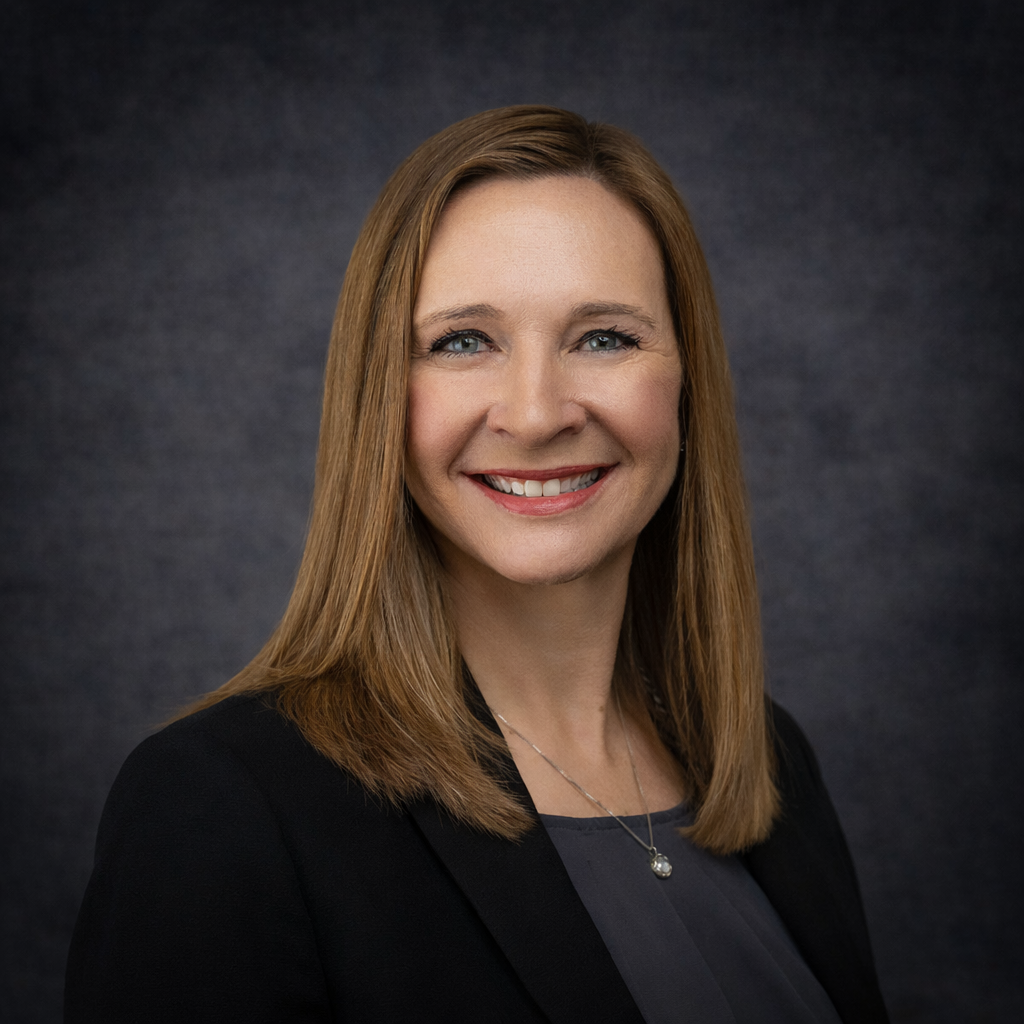
Rachel M. Reight
is a partner with Baasten, McKinley & Co., L.P.A. She practices in the areas of labor and employment law, administrative law (State Employment Relations Board, Ohio Department of Education and Children Services Investigations), workers' compensation, and defense of teachers and associations. Ms. Reight is a frequent speaker at workshops for public educators, school employees and county developmental disabilities board employees in Cuyahoga, Lorain and Summit counties. She is a member of Ohio State and Stark County (Disputed Fee committee) bar associations. Ms. Reight earned her B.A. degree from The Ohio State University and her J.D. degree from the University of Toledo College of Law.
Speaker bio
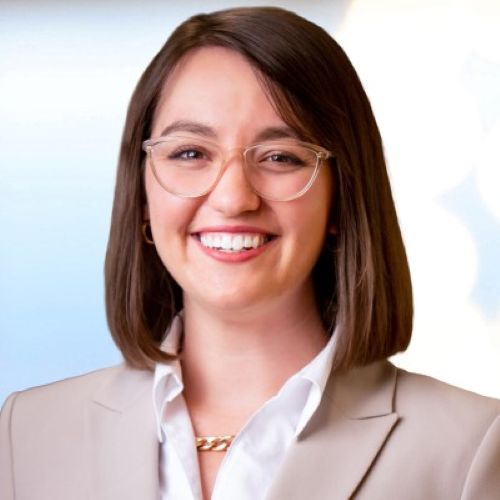
Anna E. Bullock
is an attorney with Kohrman Jackson & Krantz LLP where she plays a pivotal role in KJK's Student & Athlete Defense practice group. Her dedication lies in advocating for students and athletes during difficult or uncertain times. With a deep understanding of the laws affecting students, athletics issues, NCAA policies, and applicable regulations, she adeptly guides clients through complex matters related to sports and education. Ms. Bullock earned her Bachelor of Science degree in Anthropology from The Ohio State University, where she graduated, magna cum laude, and a Juris Doctorate degree from The Ohio State University Moritz College of Law. She is a member of the Ohio Women's Bar Association and the FDCC Ladder Down Cleveland program. Ms. Bullock is admitted to practice in Ohio and the U.S. District Court for the Northern District of Ohio.
Speaker bio
Stephanie L. Teaford
is a Member with Dickinson Wright PLLC in the firm's Columbus office. She provides support to educational institutions, including community schools, private schools and career technical schools. Ms. Teaford earned her B.A. degree in Political Science, magna cum laude, from American University and her J.D. degree, cum laude, Law Review Executive Board, Public Service Commendation from University of Toledo College of Law. She is admitted to practice in Ohio.
Speaker bio
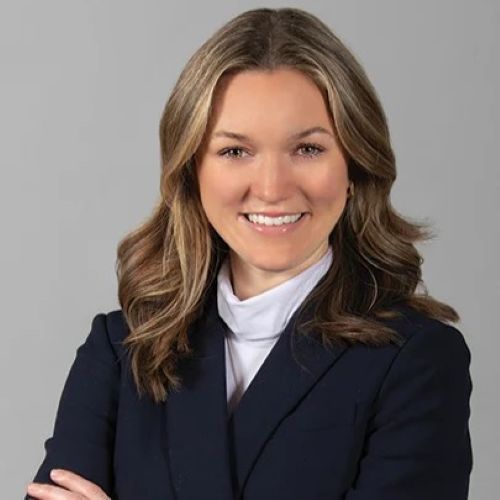
Brooke C. Howard-Svatosky
is an attorney with Dickinson Wright PLLC in the firm's Columbus office, focusing her practice on education law and provides counsel to educational institutions, including community schools, private schools, and career technical schools. She earned her B.A. degree from Miami University and her J.D. degree, magna cum laude, from Capital University Law School (note editor, Capital University Law Review; president, Women's Law Association). Ms. Howard-Svatosky is admitted to practice in Ohio.
Speaker bio
Angela L. Kovacs
is an attorney with Cuddy Law Firm, PLLC where she brings a unique perspective to special education advocacy and litigation, having navigated the world of special education as a parent prior to transitioning into a legal career. With her firsthand experience in navigating the educational system and a deep understanding of the challenges faced by families with special needs children, she provides compassionate and effective representation to her clients. Ms. Kovacs is a graduate of the University of Akron (B.S. in Special Education) and Case Western Reserve University School of Law. She is admitted to the practice of law in New York and Ohio.
TOP FAQs
Have more questions? Please Contact Us