

Oklahoma Probate Process from Start to Finish
Credits Available
| Credit | Status | Total |
|---|---|---|
| Financial Planners |
|
8 Total |
| Oklahoma CLE |
|
8 Total |
| CPE for Accountants/NASBA |
|
8 Total |
Mon, Nov 02, 00:00 AM – 00:00 PM

Mon, Nov 02, 00:00 AM – 00:00 PM
Register For Course
Live Webinar Registration
OnDemand Recording
Course Book Download
Overview
Handling Probate From Initial Notices Through the Estate Closing
This "a through z" guide to probate is designed to take you from the first days of the estate timeline through all the steps of marshaling and valuing estate assets, locating and paying the creditors, paying the beneficiaries, and laying the estate to rest. You will receive the latest updates on the probate court procedure and tax laws, practical guidance from experienced probate attorneys on using spousal elective share and resolving estate disputes, and sample forms and checklists to speed up the administration process. Build a solid foundation for your probate practice - register today!
- Learn the procedure, rules and practical steps to effectively administer a probate.
- Determine what form of administration is appropriate for a specific probate case.
- Clarify the order of inheritance for an estate when there is no will.
- Locate assets and obtain ownership documents more easily with a list of local and online resources.
- Get a complete view of the sequence of events that must happen before the estate can be closed.
- Identify common actions that trigger malpractice liability and get tips for staying in the clear.
- Get practical advice for honoring or contesting all claims against the estate.
- Find new ways to resolve liquidity issues that delay estate closing and final distributions and payments.
- Learn what common closing mistakes can allow the estate to be re-opened, and how to avoid them.
Abbreviated Agenda
- Initial Filing in Probate Court and Estate Timeline
- Law of Intestate Succession
- Inventory and Appraisement
- Probate Property vs. Non-Probate Assets
- Handling Claims Against the Estate
- Tax Reporting and Post-Mortem Tax Matters
- Probate Disputes and Litigation
- Sale of Property and Distributions
- Final Accounting and Closing the Estate
- Ethics
Can't Attend Live?

Get the OnDemand Instead
Watch the recording of this event on your own schedule. We'll notify you when its ready.
Credit Details
Credits Available
| Credit | Status | Total |
|---|---|---|
| Financial Planners |
|
8 Total |
| Oklahoma CLE |
|
8 Total |
| CPE for Accountants/NASBA |
|
8 Total |
Credit Details by Jurisdiction
Live Webinar Registration
CLE
Credits
Oklahoma CLE Approved · 8 Total Credits
- 1 Legal Ethics
Live - Oklahoma CLE - 8: This course has been approved by the Oklahoma Bar Association Mandatory Continuing Legal Education Commission for 8.0 hours of CLE credit, which includes 1.0 hour of legal ethics.
Other
Credits
Financial Planners Approved · 8 Total Credits
Live - Financial Planners - 8: This program has been accepted by the Certified Financial Planner Board of Standards Center for Financial Planning, Inc. and qualifies for 8.0 hours of CE credit for CFP® Certificants. Certified Financial Planner Board of Standards Center for Financial Planning, Inc. (CFP Board Center) owns and licenses to Certified Financial Planner Board of Standards, Inc. the CFP® certification mark, the CERTIFIED FINANCIAL PLANNER® certification mark, the CFP® (with plaque design) certification mark and the CFP® (with flame design) certification mark in the United States, which CFP Board authorizes use of by individuals who successfully complete CFP Board’s initial and ongoing certification requirements. CFP Board Center also owns and licenses to CFP Board the CFP BOARD® service mark. Any marks owned by CFP Board Center and licensed to CFP Board are used with permission.
CPE for Accountants/NASBA Approved · 8 Total Credits
- 6 Specialized Knowledge
- 1 Taxes
- 1 Regulatory Ethics
Live - CPE for Accountants/NASBA - 8: NBI, Inc. is registered with the National Association of State Boards of Accountancy (NASBA) as a sponsor of continuing professional education on the National Registry of CPE Sponsors. State boards of accountancy have final authority on the acceptance of individual courses for CPE credit. Complaints regarding registered sponsors may be submitted to the National Registry of CPE Sponsors through its website: www.nasbaregistry.org. This program is designed to qualify for 8.0 hours (based on 50 minute credit hour) of continuing professional education credit for accountants. For more information regarding administrative policies such as complaint, refund and program cancellation, please contact our offices at (800) 930-6182.
OnDemand Video
CLE
Credits
Oklahoma CLE Approved · 8 Total Credits
- 1 Legal Ethics
Earn Until
OnDemand - Oklahoma CLE - 8: This course has been approved by the Oklahoma Bar Association Mandatory Continuing Legal Education Commission. This program qualifies for 8.0 of On Demand CLE credit hours, which includes 1.0 hour of legal ethics.
Video Download - Oklahoma CLE - 8: This course has been approved by the Oklahoma Bar Association Mandatory Continuing Legal Education Commission. This program qualifies for 8.0 of On Demand CLE credit hours, which includes 1.0 hour of legal ethics.
Select Jurisdiction
CLE
Other
Agenda
-
Initial Filing in Probate Court and Estate Timeline
- Small Estate Administration
- Probate Court Procedure
- Estate Timetable/Checklist
- Formal vs. Informal Probate Administration
- Opening the Estate
- Petition for Probate and Administration and Notice of Hearing
- Required Notices (to Creditors, Heirs, DHS, IRS)
- Sample Forms
- What the Personal Representative Needs to Know and Do
- When is Ancillary Administration Necessary?
-
Law of Intestate Succession
- Who Can Inherit - Degrees of Kinship and Order of Inheritance
- Determining the Share Size
- Exceptions and Bars to Inheritance
-
Inventory and Appraisement
- Locating Insurance Policies, Deeds and Other Ownership Documents
- Obtaining a Tax ID and Marshaling Property
- Preparing the Inventory and Appraisal Forms
- Dealing with the Probate Referee
- Managing Decedent's Assets During Probate
- Handling Common Valuation Issues
- When to Hire a Valuation Specialist or Appraiser
-
Probate Property vs. Non-Probate Assets
-
Handling Claims Against the Estate
- Required Creditor Notice
- Determining Priority of Claims
- Allowing and Rejecting Claims, and Paying Them
- Handling Lawsuits Against the Estate and the Decedent
- Insolvency Issues
-
Tax Reporting and Post-Mortem Tax Matters
- Final Tax Returns Timeline, Forms and Filing Procedure
- Requesting Deadline Extensions
- Income Tax Considerations in Probate
- Selecting a Tax Year: Calendar or Fiscal?
- Decedent's Final Income Tax Return
- Estate Income Tax Return
- Tax on Income Earned by Estate after Decedent's Death
- Beneficiary Income Tax Considerations
- Proper Use of Disclaimers and Valuation Discounts
- Claiming Estate Tax Portability
- Estate and Gift Tax Considerations - When Do You Need to File Form 706?
- Coordinating with Decedent's Accounting or Investment Advisors
- GST Tax Implications
- Handling Common Property Tax Issues
-
Probate Disputes and Litigation
- Beneficiary Liability
- Fiduciary Liability
- Interpreting Testamentary Intent - Burdens of Proof, Presumptions, Evidence Rules
- Revoked, Multiple, Contested Wills
- Common Will Construction Problems
- Objections to Accounts and Petitions
-
Sale of Property and Distributions
- Disposition of Real Estate - Title Issues in Probate
- Retirement Plans and IRA Distributions
- Life Insurance and Other Beneficiary Designations and Accounts
- Preliminary and Final Distributions
- Calculating Augmented Estate and Spousal Elective Share
- Dealing with the Surviving Family Members and Other Beneficiaries
- Solving the Problem of Liquidity
- Distributions to Trusts
-
Final Accounting and Closing the Estate
- Estate Accounting Procedure
- Closing Certificate for Fiduciaries
- Closing Decedent's Remaining Accounts
- Personal Representative and Attorney Compensation
- Extraordinary Services Compensation
- When Reopening the Estate is Warranted
-
Ethics
- Who is Your Client? Avoiding Conflicts of Interest
- Protecting Client Confidentiality
- Attorney Fees
- Malpractice Liability Risks
- Negligence
- Breach of Fiduciary Duty
- Fraud
Who Should Attend
This basic level online seminar is designed for professionals who want to be more effective in handling the probate process, including:
- Attorneys
- Paralegals
- CPAs and Accountants
- Financial Planners and Wealth Managers
- Tax Professionals
- Trust Officers
Speakers
Speaker bio
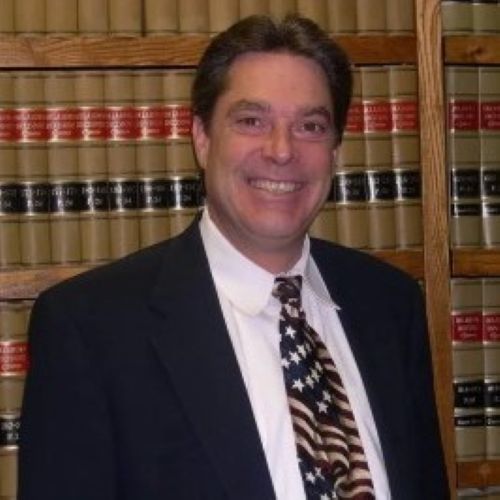
Bruce N. Powers
has been in private practice for 38 years, the last 28 as a solo practitioner in Tulsa, Oklahoma. He received his B.S. degree from Oklahoma State University and his J.D. degree from the University of Oklahoma. He is a U.S. Army veteran, having served as an Infantry Officer in the 101st Airborne Division. He has been a member of the American Inns of Court, judged college Moot Court competitions, and served as adjunct faculty at the University of Tulsa.
Speaker bio
James W. Carlton, Jr.
is a shareholder in the law firm of Garvin, Agee & Carlton, P.C., where he focuses his practice in the areas of estate planning, real estate, probate, estate administration, taxation, municipal and elder law. He is a certified public accountant in Oklahoma and has served as municipal counsel for the cities of Pauls Valley. Mr. Carlton is a member of the Oklahoma County (Real Estate Section), Garvin County, Oklahoma, and American bar associations; and the Oklahoma Society of Certified Public Accountants. He earned his B.A.C. and J.D. degrees from the University of Oklahoma College of Law.
Speaker bio
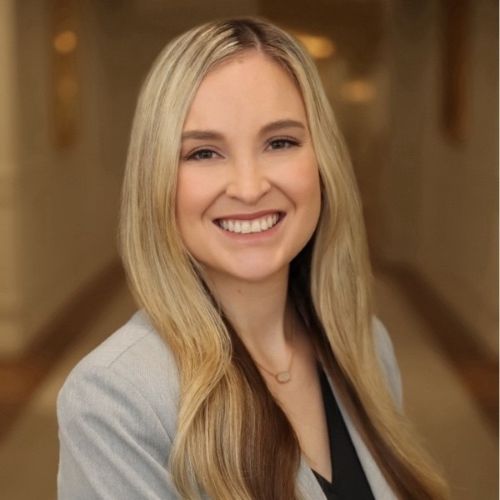
Abigael J. Ray
is an attorney at Hartzog Conger Cason, where she focuses her practice on corporate law, charitable organizations, business and entity formation and governance, estate planning, and tax planning. Ms. Ray earned her B.S. degree from Oklahoma State University and her J.D. degree from Oklahoma City University School of Law, where she was on the Dean's List. She is a member of the Oklahoma Bar Association – Estate Planning, Probate and Trust Section; Tax Section, Oklahoma County Bar Association, American Bar Association, Federal Bar Association, Heart of America Fellows Institute of the American College of Trust and Estate Counsel Class IV Participant, and Oklahoma City Estate Planning Council. Ms. Ray is admitted to practice law in Oklahoma.
TOP FAQs
Have more questions? Please Contact Us