

Bankruptcy Law: Nightmare Scenarios Edition
Credits Available
| Credit | Status | Total |
|---|---|---|
| Alaska CLE |
|
3 Total |
| Alabama CLE |
|
3 Total |
| Arkansas CLE |
|
3 Total |
| Arizona CLE |
|
3 Total |
| California CLE |
|
3 Total |
| Colorado CLE |
|
4 Total |
| Connecticut CLE |
|
3 Total |
| Delaware CLE |
|
3 Total |
| Florida CLE |
|
3.5 Total |
| Georgia CLE |
|
3 Total |
| Hawaii CLE |
|
3 Total |
| Iowa CLE |
|
3 Total |
| Idaho CLE |
|
3 Total |
| Illinois CLE |
|
3 Total |
| Indiana CLE |
|
3 Total |
| Kansas CLE |
|
3.5 Total |
| Kentucky CLE |
|
3 Total |
| Louisiana CLE |
|
3 Total |
| Maine CLE |
|
3 Total |
| Minnesota CLE |
|
3 Total |
| Missouri CLE |
|
3.6 Total |
| Northern Mariana Islands CLE |
|
3 Total |
| Montana CLE |
|
3 Total |
| North Carolina CLE |
|
3 Total |
| Nebraska CLE |
|
3 Total |
| New Hampshire CLE |
|
3 Total |
| New Jersey CLE |
|
3.6 Total |
| New Mexico CLE |
|
3 Total |
| Nevada CLE |
|
3 Total |
| New York CLE |
|
3.5 Total |
| Ohio CLE |
|
3 Total |
| Oklahoma CLE |
|
3.5 Total |
| Pennsylvania CLE |
|
3 Total |
| Rhode Island CLE |
|
3.5 Total |
| South Carolina CLE |
|
3 Total |
| Tennessee CLE |
|
3 Total |
| Texas CLE |
|
3 Total |
| Utah CLE |
|
3 Total |
| Virginia CLE |
|
3 Total |
| Vermont CLE |
|
3 Total |
| Washington CLE |
|
3 Total |
| Wisconsin CLE |
|
3.5 Total |
| West Virginia CLE |
|
3.6 Total |
| Wyoming CLE |
|
3 Total |
Mon, Oct 26, 00:00 AM – 00:00 PM

Mon, Oct 26, 00:00 AM – 00:00 PM
Register For Course
Live Webinar Registration
OnDemand Recording
Course Book Download
Overview
The Cases That Keep You Up at Night
Bankruptcy practice can feel routine - until it isn't. A non-extendable deadline is blown. A debtor's undisclosed asset surfaces post-discharge. A creditor's counsel crosses the ethical line, and you're not sure how to respond. In this practical course, faculty will walk through the most harrowing real-world situations in bankruptcy practice: from Chapter 7 and Chapter 13 traps to adversary proceeding minefields, to ethics crises. You'll leave with a clear playbook for navigating the darkest corners of bankruptcy law, protecting your clients, and preserving your license. Register today!
- Identify and avoid the most common (and most costly) procedural traps in Chapter 7 and Chapter 13 filings.
- Recognize when a bankruptcy case has gone off the rails and know your options for recovery.
- Navigate creditor misconduct, trustee disputes, and adversary proceedings without panic.
- Understand how discharge exceptions and bad-faith objections can undo your client's case.
- Apply ethical rules to real-world bankruptcy scenarios before a bar complaint lands on your desk.
Abbreviated Agenda
- Chapter 7 Horror Stories: When Liquidation Goes Wrong
- Chapter 13: The Best-Laid Plans That Come Back to Haunt You
- Adversary Proceedings: Monsters Hiding in the Docket
- Business Bankruptcy Gone Bad: Chapter 11 Warning Signs
- Ethical Landmines in Bankruptcy Practice
Can't Attend Live?

Get the OnDemand Instead
Watch the recording of this event on your own schedule. We'll notify you when its ready.
Credit Details
Credits Available
| Credit | Status | Total |
|---|---|---|
| Alaska CLE |
|
3 Total |
| Alabama CLE |
|
3 Total |
| Arkansas CLE |
|
3 Total |
| Arizona CLE |
|
3 Total |
| California CLE |
|
3 Total |
| Colorado CLE |
|
4 Total |
| Connecticut CLE |
|
3 Total |
| Delaware CLE |
|
3 Total |
| Florida CLE |
|
3.5 Total |
| Georgia CLE |
|
3 Total |
| Hawaii CLE |
|
3 Total |
| Iowa CLE |
|
3 Total |
| Idaho CLE |
|
3 Total |
| Illinois CLE |
|
3 Total |
| Indiana CLE |
|
3 Total |
| Kansas CLE |
|
3.5 Total |
| Kentucky CLE |
|
3 Total |
| Louisiana CLE |
|
3 Total |
| Maine CLE |
|
3 Total |
| Minnesota CLE |
|
3 Total |
| Missouri CLE |
|
3.6 Total |
| Northern Mariana Islands CLE |
|
3 Total |
| Montana CLE |
|
3 Total |
| North Carolina CLE |
|
3 Total |
| Nebraska CLE |
|
3 Total |
| New Hampshire CLE |
|
3 Total |
| New Jersey CLE |
|
3.6 Total |
| New Mexico CLE |
|
3 Total |
| Nevada CLE |
|
3 Total |
| New York CLE |
|
3.5 Total |
| Ohio CLE |
|
3 Total |
| Oklahoma CLE |
|
3.5 Total |
| Pennsylvania CLE |
|
3 Total |
| Rhode Island CLE |
|
3.5 Total |
| South Carolina CLE |
|
3 Total |
| Tennessee CLE |
|
3 Total |
| Texas CLE |
|
3 Total |
| Utah CLE |
|
3 Total |
| Virginia CLE |
|
3 Total |
| Vermont CLE |
|
3 Total |
| Washington CLE |
|
3 Total |
| Wisconsin CLE |
|
3.5 Total |
| West Virginia CLE |
|
3.6 Total |
| Wyoming CLE |
|
3 Total |
Credit Details by Jurisdiction
Live Webinar Registration
CLE
Credits
Alaska CLE Reciprocity · 3 Total Credits
- 1 MECLE Ethics
Live - Alaska CLE - 3: Alaska Bar members may claim credit for attending CLE programs that have been accredited by other mandatory CLE jurisdictions. This program qualifies for 3.0 hours of credit, which includes 2.0 hours of MCLE credit and 1.0 hour of MECLE credit.
Alabama CLE Approved · 3 Total Credits
- 1 Ethics/Professionalism
Live - Alabama CLE - 3: This course or a portion thereof has been approved by the Alabama State Bar Mandatory Continuing Legal Education Commission for a maximum of 3.0 credit hours, including 1.0 ethics/professionalism credit.
Arkansas CLE Approved · 3 Total Credits
- 1 Ethics
Live - Arkansas CLE - 3: NBI, Inc. is an accredited sponsor in the state of Arkansas. This program is approved for 3.0 hours of continuing legal education credit, including 1.0 hour of ethics, consistent with the rules and regulations of the Arkansas Supreme Court of Professional Programs.
Arizona CLE Approved · 3 Total Credits
- 1 Professional Responsibility
Live - Arizona CLE - 3: The State Bar of Arizona does not approve or accredit CLE activities for the Mandatory Continuing Legal Education requirement. This activity qualifies for 3.0 hours toward your annual CLE requirement for the State of Arizona, including 1.0 hour of professional responsibility.
California CLE Approved · 3 Total Credits
- 2 Bankruptcy Law
- 1 Legal Ethics
Live - California CLE - 3: This activity has been approved for Minimum Continuing Legal Education credit by the State Bar of California in the amount of 3.0 hours, of which 1.0 hour will apply to legal ethics. NBI, Inc. certifies this activity conforms to the standards for approved education activities prescribed by the rules and regulations of the State Bar of California governing minimum continuing legal education. NBI, Inc. is a State Bar of California approved MCLE provider - #53. This course has been approved for 2.0 units in the area of Bankruptcy Law by the California Board of Legal Specialization.
Colorado CLE Approved · 4 Total Credits
- 1.2 Professional Responsibility
Live - Colorado CLE - 4: NBI, Inc. is a Certified Provider, as recognized by the Colorado Supreme Court Continuing Legal and Judicial Education Committee. This program has been accredited for 4.0 hours of General Colorado Continuing Legal Education Credit, including 1.20 professional responsibility credit.
Connecticut CLE Approved · 3 Total Credits
- 1 Ethics/Professionalism
Live - Connecticut CLE - 3: Neither the Connecticut Judicial Branch nor the Commission on Minimum Continuing Legal Education approve or accredit CLE providers or activities. It is the opinion of NBI, Inc. that this activity qualifies for 3.0 hours toward your annual CLE requirement in Connecticut, including 1.0 hour(s) of ethics/professionalism.
Delaware CLE Approved · 3 Total Credits
- 1 Ethics
Live - Delaware CLE - 3: NBI, Inc. is an accredited sponsor of the Delaware Commission on Continuing Legal Education and recommends this program for 3.0 hours of eCLE credit, including 1.0 hour of ethics.
Florida CLE Approved · 3.5 Total Credits
- 3.5 Business Litigation
- 1 Professional Responsibility
Live - Florida CLE - 3.5: Approved by The Florida Bar for a maximum of 3.50 general hours of CLER credit including 1.0 hour of professional responsibility (may include legal ethics, professionalism, substance abuse or mental illness and wellness programs). Certification: 3.5 - Business Litigation
Georgia CLE Approved · 3 Total Credits
- 1 Ethics
Live - Georgia CLE - 3: This program is approved by the Commission on Continuing Lawyer Competency of the State Bar of Georgia. This program qualifies for 3.0 hours of distance learning continuing legal education credit with the Georgia Commission on Continuing Lawyer Competency, which includes 1.0 hour of distance learning ethics.
Hawaii CLE Approved · 3 Total Credits
- 1 Ethics/Professional Responsibility
Live - Hawaii CLE - 3: NBI, Inc. is an Accredited Provider with the Hawaii State Board of Continuing Legal Education. This alternative format activity has been approved for 3.0 hours of credit for the state of Hawaii, which includes 1.0 hour of ethics or professional responsibility education.
Iowa CLE Approved · 3 Total Credits
- 1 Legal Ethics
Live - Iowa CLE - 3: "Bankruptcy Law: Nightmare Scenarios Edition" is an accredited program under the regulations of the Iowa Supreme Court Commission on Continuing Legal Education. It is planned that this program will provide a maximum of 3.0 hours of regular credit toward the mandatory continuing legal education requirements under the Iowa rule, including 1.0 hour of legal ethics credit.
Idaho CLE Approved · 3 Total Credits
- 1 Legal Ethics/Professional Responsibility
Live - Idaho CLE - 3: Approved for 3.0 hours of continuing legal education credit in the state of Idaho, which includes 1.0 legal ethics or professional responsibility credit.
Illinois CLE Approved · 3 Total Credits
- 1 Professional Responsibility
Live - Illinois CLE - 3: This program has been approved by the Illinois MCLE Board for 3.0 hours of CLE credit, which includes approval for 1.0 hour of legal ethics, civility, professionalism or sexual harassment prevention training CLE credit by the Illinois Supreme Court Commission on Professionalism.
Indiana CLE Approved · 3 Total Credits
- 1 Ethics
Live - Indiana CLE - 3: This course has been approved by the Indiana Supreme Court Office of Admissions & Continuing Education. Participating attorneys are eligible to receive 3.0 hours of distance education, which includes 1.0 hour of ethics.
Kansas CLE Approved · 3.5 Total Credits
- 1 Ethics/Professionalism
Live - Kansas CLE - 3.5: Approved by Kansas CLE for 3.50 hours of continuing legal education credit, which includes 1.0 hour of ethics and professionalism credit.
Kentucky CLE Approved · 3 Total Credits
- 1 Ethics
Live - Kentucky CLE - 3: This activity has been approved by the Kentucky Bar Association Continuing Legal Education Commission for a maximum of 3.0 credits, including 1.0 ethics credits.
Louisiana CLE Approved · 3 Total Credits
- 1 Ethics
Live - Louisiana CLE - 3: This course or a portion thereof has been approved by the Louisiana Mandatory Continuing Legal Education Committee of the Louisiana State Bar Association. This program qualifies for 3.0 hours (based on a 60-minute credit hour) of computer based credit, of which 1.0 hour will apply to computer based ethics credit.
Maine CLE Approved · 3 Total Credits
- 1 Ethics
Live - Maine CLE - 3: This course has been approved by the State of Maine Board of Overseers of the Bar. Lawyers who complete this course shall receive 3.0 hours of CLE credit including 1.0 ethics hours.
Course Book - Maine CLE - 3: This course has been approved by the State of Maine Board of Overseers of the Bar. Lawyers who complete this course will receive 3.0 hours of self-study CLE credit.
Minnesota CLE Approved · 3 Total Credits
- 1 Ethics
Live - Minnesota CLE - 3: This course has been approved by the Minnesota Board of Continuing Legal Education for 3.0 hours of standard CLE credit, including 1.0 hour of ethics credit.
Missouri CLE Approved · 3.6 Total Credits
- 1.2 Ethics, Professionalism or Malpractice Prevention
Live - Missouri CLE - 3.6: NBI, Inc. is an accredited sponsor with Missouri Minimum Continuing Legal Education. This program qualifies for 3.60 hours of CLE credit, which includes 1.20 hour of ethics, professionalism or malpractice prevention credit.
Course Book - Missouri CLE - 3.6: NBI, Inc. is an accredited sponsor with Missouri Minimum Continuing Legal Education. This program qualifies for 3.60 self-study CLE credit hours.
Northern Mariana Islands CLE Approved · 3 Total Credits
Live - Northern Mariana Islands CLE - 3: This course has been approved by the Commonwealth of the Northern Mariana Islands. Lawyers who complete this course shall receive 3.0 hours of CLE credit.
Course Book - Northern Mariana Islands CLE - 3: This course has been approved by the Commonwealth of the Northern Mariana Islands. Lawyers who complete this course shall receive 3.0 hours of self-study CLE credit.
Montana CLE Approved · 3 Total Credits
- 1 Professional Fitness and Integrity
Live - Montana CLE - 3: Approved for 3.0 hours of CLE credit by the Montana Commission of Continuing Legal Education, including 1.0 hour of professional fitness and integrity credit.
North Carolina CLE Approved · 3 Total Credits
- 3 Bankruptcy Law
- 1 Professional Responsibility
Live - North Carolina CLE - 3: NBI, Inc. is an accredited sponsor with the North Carolina State Board of Continuing Legal Education. Attendance of this program will result in 3.0 hours of CLE credit, including 1.0 professional responsibility. This program qualifies for Bankruptcy Law specialization certification credit.
Nebraska CLE Approved · 3 Total Credits
- 1 Professional Responsibility
Live - Nebraska CLE - 3: NBI, Inc. is an accredited CLE sponsor in the state of Nebraska. This activity has been approved for 3.0 distance learning CLE credits, including 1.0 hour of professional responsibility credit.
New Hampshire CLE Approved · 3 Total Credits
- 1 Ethics/Professionalism
Live - New Hampshire CLE - 3: NHMCLE does not approve or accredit CLE activities for the NH Minimum CLE requirement. NBI, Inc. believes this course meets the requirements of NH Supreme Court Rule 53 toward the annual NHMCLE requirement.
New Jersey CLE Approved · 3.6 Total Credits
- 1.2 Ethics/Professionalism
Live - New Jersey CLE - 3.6: This program has been approved by the Board on Continuing Legal Education of the Supreme Court of New Jersey for 3.60 hours of total CLE credit. Of these, 1.20 qualifies as hours of credit for ethics/professionalism.
New Mexico CLE Approved · 3 Total Credits
- 1 Ethics
Live - New Mexico CLE - 3: This program has been approved by the Board of Bar Commissioners of the State Bar of New Mexico for 3.0 hours of credit, including 1.0 hour of ethics.
Nevada CLE Approved · 3 Total Credits
- 1 Ethical Considerations
Live - Nevada CLE - 3: This course has been approved by the Nevada Board of Continuing Legal Education. This program qualifies for 3.0 hours of alternative format CLE credits by the Nevada Board of Continuing Legal Education, which includes 1.0 hour of alternative format ethical considerations.
New York CLE Approved · 3.5 Total Credits
- 2.5 Areas of Professional Practice
- 1 Ethics/Professionalism
Live - New York CLE - 3.5: This course has been approved in accordance with the requirements of the New York State Continuing Legal Education Board for a maximum of 3.50 credit hours. 2.5 hours can be applied to the areas of professional practice requirement and 1.0 hour can be applied toward the Ethics/Professionalism requirement. This nontraditional format program is approved for experienced attorneys. NBI, Inc. offers a Financial Hardship Policy for qualifying individuals. To apply, please submit a request via email to our Tuition Discount Committee at customerservice@nbi-sems.com.
Ohio CLE Approved · 3 Total Credits
- 1 Professional Conduct
Live - Ohio CLE - 3: This course has been approved by the Supreme Court of Ohio Commission on Continuing Legal Education for 3.0 self-study CLE credit hours, including 1.0 hour of attorney professional conduct instruction.
Oklahoma CLE Approved · 3.5 Total Credits
- 1 Legal Ethics
Live - Oklahoma CLE - 3.5: This course has been approved by the Oklahoma Bar Association Mandatory Continuing Legal Education Commission for 3.50 hours of CLE credit, which includes 1.0 hour of legal ethics.
Pennsylvania CLE Approved · 3 Total Credits
- 1 Ethics
Live - Pennsylvania CLE - 3: This program has been approved by the Pennsylvania Continuing Legal Education Board for a total of 3.0 hours, including 2.0 hours of substantive law, practice and procedure CLE credit and 1.0 hour of ethics, professionalism or substance abuse CLE credit.
Rhode Island CLE Upon Request · 3.5 Total Credits
- 1 Legal Ethics
Live - Rhode Island CLE - 3.5: NBI is an accredited sponsor with the Rhode Island MCLE Commission. Upon course completion and credit request submittal, an application will be submitted to the Rhode Island MCLE Commission.
South Carolina CLE Approved · 3 Total Credits
- 1 Legal Ethics/Professional Responsibility
Live - South Carolina CLE - 3: This course is accredited by the South Carolina Commission on Continuing Legal Education and Specialization for 3.0 alternatively delivered hours, of which 1.0 hour relates to legal ethics and professional responsibility.
Tennessee CLE Approved · 3 Total Credits
- 1 Ethics/Professionalism
Live - Tennessee CLE - 3: This course has been approved by the Tennessee Commission on Continuing Legal Education for a maximum of 3.0 hours of Distance Learning credit, including 1.0 hour of ethics/professionalism (EP) credit.
Texas CLE Approved · 3 Total Credits
- 1 Legal Ethics/Professional Responsibility
Live - Texas CLE - 3: This course is accredited for Minimum Continuing Legal Education credit by the State Bar of Texas Committee on MCLE in the amount of 3.0 credit hours, of which 1.0 credit hour will apply to legal ethics/professional responsibility credit. Hours in attendance at National Business Institute CLE seminars may be applied to the minimum Judicial Education requirement.
Utah CLE Approved · 3 Total Credits
- 1 Ethics
Live - Utah CLE - 3: National Business Institute is an approved "presumptive provider" with the Utah State Board of Continuing Legal Education. This program qualifies for a maximum of 3.0 hours of Live CLE credit for Utah attorneys, which includes 1.0 hour of ethics credit.
Virginia CLE Approved · 3 Total Credits
- 1 Ethics/Professionalism
Live - Virginia CLE - 3: This course has been approved by the Virginia Mandatory Continuing Legal Education Board for 3.0 hours of credit, of which 1.0 hour will also apply in the area of legal ethics or professionalism.
Vermont CLE Approved · 3 Total Credits
- 1 Ethics
Live - Vermont CLE - 3: This course has been approved by the Vermont Board of Mandatory Continuing Legal Education for 3.0 hours of credit, including 1.0 hour of ethics.
Washington CLE Approved · 3 Total Credits
- 1 Ethics/Professional Responsibility
Live - Washington CLE - 3: Approved for 3.0 hours of Washington continuing legal education credit, which includes 2.0 hours of Law and Legal Procedure and 1.0 hour of ethics and professional responsibility.
Wisconsin CLE Approved · 3.5 Total Credits
- 1 Ethics/Professional Responsibility
Live - Wisconsin CLE - 3.5: Approved for 3.5 hours of continuing legal education credit by the Board of Bar Examiners. Ethics and Professional Responsibility (EPR) credit is currently pending approval.
West Virginia CLE Approved · 3.6 Total Credits
- 1.2 Ethics
Live - West Virginia CLE - 3.6: This program qualifies for 3.60 hours of credit, which includes 1.20 hour of ethics, under the West Virginia Rules for Mandatory Continuing Legal Education.
Wyoming CLE Approved · 3 Total Credits
- 1 Ethics
Live - Wyoming CLE - 3: The Wyoming State Board of Continuing Legal Education has granted 3.0 hours of Continuing Legal Education Credit, including 1.0 hour of ethics.
OnDemand Video
CLE
Credits
Alaska CLE Reciprocity · 3 Total Credits
- 1 MECLE Ethics
Earn Until
OnDemand - Alaska CLE - 3: Alaska Bar members may claim credit for attending CLE programs that have been accredited by other mandatory CLE jurisdictions. This program qualifies for 3.0 hours of credit, which includes 2.0 hours of MCLE credit and 1.0 hour of MECLE credit.
Video Download - Alaska CLE - 3: Alaska Bar members may claim credit for attending CLE programs that have been accredited by other mandatory CLE jurisdictions. This program qualifies for 3.0 hours of credit, which includes 2.0 hours of MCLE credit and 1.0 hour of MECLE credit.
Alabama CLE Approved · 3 Total Credits
- 1 Ethics/Professionalism
Earn Until
OnDemand - Alabama CLE - 3: This course or a portion thereof has been approved by the Alabama State Bar Mandatory Continuing Legal Education Commission for a maximum of 3.0 on-demand credit hours, including 1.0 ethics/professionalism credit.
Arkansas CLE Approved · 3 Total Credits
- 1 Ethics
Earn Until
OnDemand - Arkansas CLE - 3: NBI, Inc. is an accredited sponsor in the state of Arkansas. This program qualifies for 3.0 hours of on demand continuing legal education credit, including 1.0 hour of ethics, consistent with the rules and regulations of the Arkansas Supreme Court of Professional Programs.
Video Download - Arkansas CLE - 3: NBI, Inc. is an accredited sponsor in the state of Arkansas. This program qualifies for 3.0 hours of on demand continuing legal education credit, including 1.0 hour of ethics, consistent with the rules and regulations of the Arkansas Supreme Court of Professional Programs.
Arizona CLE Approved · 3 Total Credits
- 1 Professional Responsibility
Earn Until
OnDemand - Arizona CLE - 3: The State Bar of Arizona does not approve or accredit CLE activities for the Mandatory Continuing Legal Education requirement. This activity qualifies for 3.0 hours toward your annual CLE requirement for the State of Arizona, including 1.0 hour of professional responsibility.
Video Download - Arizona CLE - 3: The State Bar of Arizona does not approve or accredit CLE activities for the Mandatory Continuing Legal Education requirement. This activity qualifies for 3.0 hours toward your annual CLE requirement for the State of Arizona, including 1.0 hour of professional responsibility.
California CLE Approved · 3 Total Credits
- 2 Bankruptcy Law
- 1 Legal Ethics
Earn Until
OnDemand - California CLE - 3: This activity has been approved for Minimum Continuing Legal Education credit by the State Bar of California and qualifies for 3.0 hours of participatory credit, of which 1.0 hour will apply to legal ethics credit. NBI, Inc. certifies this activity conforms to the standards for approved education activities prescribed by the rules and regulations of the State Bar of California governing minimum continuing legal education. NBI, Inc. is a State Bar of California approved MCLE provider - #53. This course has been approved for 2.0 units in the area of Bankruptcy Law by the California Board of Legal Specialization.
Video Download - California CLE - 3: This activity has been approved for Minimum Continuing Legal Education credit by the State Bar of California and qualifies for 3.0 hours of self-study credit, of which 1.0 hour will apply to legal ethics credit. NBI, Inc. certifies this activity conforms to the standards for approved education activities prescribed by the rules and regulations of the State Bar of California governing minimum continuing legal education. NBI, Inc. is a State Bar of California approved MCLE provider - #53. This course has been approved for 2.0 units in the area of Bankruptcy Law by the California Board of Legal Specialization.
Colorado CLE Approved · 4 Total Credits
- 1.2 Professional Responsibility
Earn Until
OnDemand - Colorado CLE - 4: NBI, Inc. is a Certified Provider, as recognized by the Colorado Supreme Court Continuing Legal and Judicial Education Committee. This program qualifies for 4.0 hours of home study general Colorado Continuing Legal Education Credit, including 1.20 professional responsibility credit.
Video Download - Colorado CLE - 4: NBI, Inc. is a Certified Provider, as recognized by the Colorado Supreme Court Continuing Legal and Judicial Education Committee. This program qualifies for 4.0 hours of home study general Colorado Continuing Legal Education Credit, including 1.20 professional responsibility credit.
Connecticut CLE Approved · 3 Total Credits
- 1 Ethics/Professionalism
Earn Until
OnDemand - Connecticut CLE - 3: Neither the Connecticut Judicial Branch nor the Commission on Minimum Continuing Legal Education approve or accredit CLE providers or activities. It is the opinion of NBI, Inc. that this activity qualifies for 3.0 self-study hours toward your annual CLE requirement in Connecticut, including 1.0 self-study hour(s) of ethics/professionalism.
Video Download - Connecticut CLE - 3: Neither the Connecticut Judicial Branch nor the Commission on Minimum Continuing Legal Education approve or accredit CLE providers or activities. It is the opinion of NBI, Inc. that this activity qualifies for 3.0 self-study hours toward your annual CLE requirement in Connecticut, including 1.0 self-study hour(s) of ethics/professionalism.
Delaware CLE Approved · 3 Total Credits
- 1 Ethics
Earn Until
OnDemand - Delaware CLE - 3: NBI, Inc. is an accredited sponsor of the Delaware Commission on Continuing Legal Education and recommends this program for 3.0 hours of eCLE credit, including 1.0 hour of ethics.
Florida CLE Approved · 3.5 Total Credits
- 3.5 Business Litigation
- 1 Professional Responsibility
Earn Until
OnDemand - Florida CLE - 3.5: Approved by The Florida Bar, this program qualifies for 3.50 general hours of CLER self-study credit including 1.0 hour of self-study professional responsibility (may include legal ethics, professionalism, substance abuse or mental illness and wellness programs). Certification: 3.5 - Business Litigation
Video Download - Florida CLE - 3.5: Approved by The Florida Bar, this program qualifies for 3.50 general hours of CLER self-study credit including 1.0 hour of self-study professional responsibility (may include legal ethics, professionalism, substance abuse or mental illness and wellness programs). Certification: 3.5 - Business Litigation
Georgia CLE Approved · 3 Total Credits
- 1 Ethics
Earn Until
OnDemand - Georgia CLE - 3: This program is approved by the Commission on Continuing Lawyer Competency of the State Bar of Georgia. This program qualifies for 3.0 hours of distance learning continuing legal education credit with the Georgia Commission on Continuing Lawyer Competency, which includes 1.0 hour of distance learning ethics.
Video Download - Georgia CLE - 3: This program is approved by the Commission on Continuing Lawyer Competency of the State Bar of Georgia. This program qualifies for 3.0 hours of distance learning continuing legal education credit with the Georgia Commission on Continuing Lawyer Competency, which includes 1.0 hour of distance learning ethics.
Hawaii CLE Approved · 3 Total Credits
- 1 Ethics/Professional Responsibility
Earn Until
OnDemand - Hawaii CLE - 3: NBI, Inc. is an Accredited Provider with the Hawaii State Board of Continuing Legal Education. This alternative format activity has been approved for 3.0 hours of credit for the state of Hawaii, which includes 1.0 hour of ethics or professional responsibility education.
Video Download - Hawaii CLE - 3: NBI, Inc. is an Accredited Provider with the Hawaii State Board of Continuing Legal Education. This alternative format activity has been approved for 3.0 hours of credit for the state of Hawaii, which includes 1.0 hour of ethics or professional responsibility education.
Iowa CLE Approved · 3 Total Credits
- 1 Legal Ethics
Earn Until
OnDemand - Iowa CLE - 3: "Bankruptcy Law: Nightmare Scenarios Edition" is an accredited program under the regulations of the Iowa Supreme Court Commission on Continuing Legal Education. It is planned that this program will provide a maximum of 3.0 hours of unmoderated activity credit toward the mandatory continuing legal education requirements under the Iowa rule, including 1.0 hour of legal ethics unmoderated activity credit.
Idaho CLE Approved · 3 Total Credits
- 1 Legal Ethics/Professional Responsibility
Earn Until
OnDemand - Idaho CLE - 3: Approved for 3.0 hours of self-study continuing legal education credit in the state of Idaho, which includes 1.0 self-study legal ethics or professional responsibility credit.
Video Download - Idaho CLE - 3: Approved for 3.0 hours of self-study continuing legal education credit in the state of Idaho, which includes 1.0 self-study legal ethics or professional responsibility credit.
Illinois CLE Approved · 3 Total Credits
- 1 Professional Responsibility
Earn Until
OnDemand - Illinois CLE - 3: This program has been approved by the Illinois MCLE Board for 3.0 hours of recorded technology CLE credit, which includes approval for 1.0 hour of legal ethics, civility, professionalism or sexual harassment prevention training CLE credit by the Illinois Supreme Court Commission on Professionalism.
Video Download - Illinois CLE - 3: This program has been approved by the Illinois MCLE Board for 3.0 hours of recorded technology CLE credit, which includes approval for 1.0 hour of legal ethics, civility, professionalism or sexual harassment prevention training CLE credit by the Illinois Supreme Court Commission on Professionalism.
Indiana CLE Approved · 3 Total Credits
- 1 Ethics
Earn Until
OnDemand - Indiana CLE - 3: This course has been approved by the Indiana Supreme Court Office of Admissions & Continuing Education. Participating attorneys are eligible to receive 3.0 hours of distance education, which includes 1.0 hour of ethics.
Kansas CLE Approved · 3.5 Total Credits
- 1 Ethics/Professionalism
Earn Until
OnDemand - Kansas CLE - 3.5: Approved by Kansas CLE for 3.50 hours of prerecorded format continuing legal education credit, which includes 1.0 hour of ethics and professionalism credit.
Video Download - Kansas CLE - 3.5: Approved by Kansas CLE for 3.50 hours of prerecorded format continuing legal education credit, which includes 1.0 hour of ethics and professionalism credit.
Kentucky CLE Approved · 3 Total Credits
- 1 Ethics
Earn Until
OnDemand - Kentucky CLE - 3: This program has been approved as a technological CLE activity by the Kentucky Bar Association Continuing Legal Education Commission and qualifies for 3.0 credits, including 1.0 ethics credits.
Video Download - Kentucky CLE - 3: This program has been approved as a technological CLE activity by the Kentucky Bar Association Continuing Legal Education Commission and qualifies for 3.0 credits, including 1.0 ethics credits.
Louisiana CLE Approved · 3 Total Credits
- 1 Ethics
Earn Until
OnDemand - Louisiana CLE - 3: This course or a portion thereof has been approved by the Louisiana Mandatory Continuing Legal Education Committee of the Louisiana State Bar Association. This program qualifies for 3.0 hours (based on a 60-minute credit hour) of computer based credit, of which 1.0 hour will apply to computer-based ethics credit.
Maine CLE Approved · 3 Total Credits
Earn Until
OnDemand - Maine CLE - 3: This course has been approved by the State of Maine Board of Overseers of the Bar. Lawyers who complete this course will receive 3.0 hours of self-study CLE credit.
Video Download - Maine CLE - 3: This course has been approved by the State of Maine Board of Overseers of the Bar. Lawyers who complete this course will receive 3.0 hours of self-study CLE credit.
Course Book - Maine CLE - 3: This course has been approved by the State of Maine Board of Overseers of the Bar. Lawyers who complete this course will receive 3.0 hours of self-study CLE credit.
Minnesota CLE Approved · 3 Total Credits
- 1 Ethics
Earn Until
OnDemand - Minnesota CLE - 3: Approved for 3.0 hours of standard on-demand CLE credit, including 1.0 hour of ethics credit by the Minnesota Board of Continuing Legal Education.
Video Download - Minnesota CLE - 3: Approved for 3.0 hours of standard on-demand CLE credit, including 1.0 hour of ethics credit by the Minnesota Board of Continuing Legal Education.
Missouri CLE Approved · 3.6 Total Credits
Earn Until
OnDemand - Missouri CLE - 3.6: NBI, Inc. is an accredited sponsor with Missouri Minimum Continuing Legal Education. This program qualifies for 3.60 self-study CLE credit hours.
Video Download - Missouri CLE - 3.6: NBI, Inc. is an accredited sponsor with Missouri Minimum Continuing Legal Education. This program qualifies for 3.60 self-study CLE credit hours.
Course Book - Missouri CLE - 3.6: NBI, Inc. is an accredited sponsor with Missouri Minimum Continuing Legal Education. This program qualifies for 3.60 self-study CLE credit hours.
Northern Mariana Islands CLE Approved · 3 Total Credits
Earn Until
OnDemand - Northern Mariana Islands CLE - 3: This course has been approved by the Commonwealth of the Northern Mariana Islands. Lawyers who complete this course shall receive 3.0 hours of self-study CLE credit.
Video Download - Northern Mariana Islands CLE - 3: This course has been approved by the Commonwealth of the Northern Mariana Islands. Lawyers who complete this course shall receive 3.0 hours of self-study CLE credit.
Course Book - Northern Mariana Islands CLE - 3: This course has been approved by the Commonwealth of the Northern Mariana Islands. Lawyers who complete this course shall receive 3.0 hours of self-study CLE credit.
Montana CLE Approved · 3 Total Credits
- 1 Professional Fitness and Integrity
Earn Until
OnDemand - Montana CLE - 3: This program qualifies for 3.0 hours of self-study CLE credit by the Montana Commission of Continuing Legal Education, including 1.0 hour of professional fitness and integrity credit.
Video Download - Montana CLE - 3: This program qualifies for 3.0 hours of self-study CLE credit by the Montana Commission of Continuing Legal Education, including 1.0 hour of professional fitness and integrity credit.
North Carolina CLE Approved · 3 Total Credits
- 3 Bankruptcy Law
- 1 Professional Responsibility
Earn Until
OnDemand - North Carolina CLE - 3: NBI, Inc. is an accredited sponsor with the North Carolina State Board of Continuing Legal Education. Attendance of this program qualifies for 3.0 hours of online CLE credit, including 1.0 professional responsibility. This program qualifies for Bankruptcy Law specialization certification credit.
Video Download - North Carolina CLE - 3: NBI, Inc. is an accredited sponsor with the North Carolina State Board of Continuing Legal Education. Attendance of this program qualifies for 3.0 hours of online CLE credit, including 1.0 professional responsibility. This program qualifies for Bankruptcy Law specialization certification credit.
Nebraska CLE Approved · 3 Total Credits
- 1 Professional Responsibility
Earn Until
OnDemand - Nebraska CLE - 3: NBI, Inc. is an accredited CLE sponsor in the state of Nebraska. This activity has been approved for 3.0 distance learning CLE credits, including 1.0 hour of professional responsibility credit.
Video Download - Nebraska CLE - 3: NBI, Inc. is an accredited CLE sponsor in the state of Nebraska. This activity has been approved for 3.0 distance learning CLE credits, including 1.0 hour of professional responsibility credit.
New Hampshire CLE Approved · 3 Total Credits
- 1 Ethics/Professionalism
Earn Until
OnDemand - New Hampshire CLE - 3: NHMCLE does not approve or accredit CLE activities for the NH Minimum CLE requirement. NBI, Inc. believes this course meets the requirements of NH Supreme Court Rule 53 toward the annual NHMCLE requirement.
Video Download - New Hampshire CLE - 3: NHMCLE does not approve or accredit CLE activities for the NH Minimum CLE requirement. NBI, Inc. believes this course meets the requirements of NH Supreme Court Rule 53 toward the annual NHMCLE requirement.
New Jersey CLE Approved · 3.6 Total Credits
- 1.2 Ethics/Professionalism
Earn Until
OnDemand - New Jersey CLE - 3.6: This program has been approved by the Board on Continuing Legal Education of the Supreme Court of New Jersey for 3.60 hours of alternative format CLE credit. Of these, 1.20 qualifies as hours of alternative learning format credit for ethics/professionalism.
Video Download - New Jersey CLE - 3.6: This program has been approved by the Board on Continuing Legal Education of the Supreme Court of New Jersey for 3.60 hours of alternative format CLE credit. Of these, 1.20 qualifies as hours of alternative learning format credit for ethics/professionalism.
New Mexico CLE Approved · 3 Total Credits
- 1 Ethics
Earn Until
OnDemand - New Mexico CLE - 3: This program has been approved by the Board of Bar Commissioners of the State Bar of New Mexico. This program qualifies for 3.0 hours of self-study credit, including 1.0 hour of self-study ethics credit.
Video Download - New Mexico CLE - 3: This program has been approved by the Board of Bar Commissioners of the State Bar of New Mexico. This program qualifies for 3.0 hours of self-study credit, including 1.0 hour of self-study ethics credit.
Nevada CLE Approved · 3 Total Credits
- 1 Ethical Considerations
Earn Until
OnDemand - Nevada CLE - 3: This course has been approved by the Nevada Board of Continuing Legal Education. This program qualifies for 3.0 hours of alternative format CLE credits by the Nevada Board of Continuing Legal Education, which includes 1.0 hour of alternative format ethical considerations.
Video Download - Nevada CLE - 3: This course has been approved by the Nevada Board of Continuing Legal Education. This program qualifies for 3.0 hours of alternative format CLE credits by the Nevada Board of Continuing Legal Education, which includes 1.0 hour of alternative format ethical considerations.
New York CLE Approved · 3.5 Total Credits
- 2.5 Areas of Professional Practice
- 1 Ethics/Professionalism
Earn Until
OnDemand - New York CLE - 3.5: This nontraditional format course has been approved in accordance with the requirements of the New York State Continuing Legal Education Board for up to 3.50 credit hours. 2.5 hours can be applied to the areas of professional practice requirement and is approved for experienced attorneys. 1.0 hour can be applied toward the Ethics/Professionalism requirement and is approved for experienced attorneys. NBI, Inc. offers a Financial Hardship Policy for qualifying individuals. To apply, please submit a request via email to our Tuition Discount Committee at customerservice@nbi-sems.com.
Video Download - New York CLE - 3.5: This nontraditional format course has been approved in accordance with the requirements of the New York State Continuing Legal Education Board for up to 3.50 credit hours. 2.5 hours can be applied to the areas of professional practice requirement and is approved for experienced attorneys. 1.0 hour can be applied toward the Ethics/Professionalism requirement and is approved for experienced attorneys. NBI, Inc. offers a Financial Hardship Policy for qualifying individuals. To apply, please submit a request via email to our Tuition Discount Committee at customerservice@nbi-sems.com.
Ohio CLE Approved · 3 Total Credits
- 1 Professional Conduct
Earn Until
OnDemand - Ohio CLE - 3: This course has been approved by the Supreme Court of Ohio Commission on Continuing Legal Education for 3.0 self-study CLE credit hours, including 1.0 hour of attorney professional conduct instruction.
Video Download - Ohio CLE - 3: This course has been approved by the Supreme Court of Ohio Commission on Continuing Legal Education for 3.0 self-study CLE credit hours, including 1.0 hour of attorney professional conduct instruction.
Oklahoma CLE Approved · 3.5 Total Credits
- 1 Legal Ethics
Earn Until
OnDemand - Oklahoma CLE - 3.5: This course has been approved by the Oklahoma Bar Association Mandatory Continuing Legal Education Commission. This program qualifies for 3.50 of On Demand CLE credit hours, which includes 1.0 hour of legal ethics.
Video Download - Oklahoma CLE - 3.5: This course has been approved by the Oklahoma Bar Association Mandatory Continuing Legal Education Commission. This program qualifies for 3.50 of On Demand CLE credit hours, which includes 1.0 hour of legal ethics.
Pennsylvania CLE Approved · 3 Total Credits
- 1 Ethics
Earn Until
OnDemand - Pennsylvania CLE - 3: This program has been approved by the Pennsylvania Continuing Legal Education Board. This program qualifies for 3.0 hours of distance learning credit, including 2.0 hours of substantive law, practice and procedure CLE credit and 1.0 hour of ethics, professionalism or substance abuse distance learning CLE credit.
Video Download - Pennsylvania CLE - 3: This program has been approved by the Pennsylvania Continuing Legal Education Board. This program qualifies for 3.0 hours of distance learning credit, including 2.0 hours of substantive law, practice and procedure CLE credit and 1.0 hour of ethics, professionalism or substance abuse distance learning CLE credit.
Rhode Island CLE Upon Request · 3.5 Total Credits
- 1 Legal Ethics
Earn Until
OnDemand - Rhode Island CLE - 3.5: NBI is an accredited sponsor with the Rhode Island MCLE Commission. Upon course completion and credit request submittal, an application will be submitted to the Rhode Island MCLE Commission.
Video Download - Rhode Island CLE - 3.5: NBI is an accredited sponsor with the Rhode Island MCLE Commission. Upon course completion and credit request submittal, an application will be submitted to the Rhode Island MCLE Commission.
South Carolina CLE Approved · 3 Total Credits
- 1 Legal Ethics/Professional Responsibility
Earn Until
OnDemand - South Carolina CLE - 3: This course is accredited by the South Carolina Commission on Continuing Legal Education and Specialization for 3.0 alternatively delivered hours, of which 1.0 hour relates to legal ethics and professional responsibility.
Video Download - South Carolina CLE - 3: This course is accredited by the South Carolina Commission on Continuing Legal Education and Specialization for 3.0 alternatively delivered hours, of which 1.0 hour relates to legal ethics and professional responsibility.
Tennessee CLE Approved · 3 Total Credits
- 1 Ethics/Professionalism
Earn Until
OnDemand - Tennessee CLE - 3: This course has been approved by the Tennessee Commission on Continuing Legal Education for a maximum of 3.0 hours of Distance Learning credit, including 1.0 hour of ethics/professionalism (EP) credit.
Texas CLE Approved · 3 Total Credits
- 1 Legal Ethics/Professional Responsibility
Earn Until
OnDemand - Texas CLE - 3: This course is accredited for Minimum Continuing Legal Education credit by the State Bar of Texas Committee on MCLE in the amount of 3.0 credit hours, of which 1.0 credit hour will apply to legal ethics/professional responsibility credit. Hours in attendance at National Business Institute CLE seminars may be applied to the minimum Judicial Education requirement.
Video Download - Texas CLE - 3: This course is accredited for Minimum Continuing Legal Education credit by the State Bar of Texas Committee on MCLE in the amount of 3.0 credit hours, of which 1.0 credit hour will apply to legal ethics/professional responsibility credit. Hours in attendance at National Business Institute CLE seminars may be applied to the minimum Judicial Education requirement.
Utah CLE Approved · 3 Total Credits
- 1 Ethics
Earn Until
OnDemand - Utah CLE - 3: National Business Institute is an approved "presumptive provider" with the Utah State Board of Continuing Legal Education. This program qualifies for 3.0 hours of self-study CLE credit for Utah attorneys, which includes 1.0 hour of ethics credit.
Video Download - Utah CLE - 3: National Business Institute is an approved "presumptive provider" with the Utah State Board of Continuing Legal Education. This program qualifies for 3.0 hours of self-study CLE credit for Utah attorneys, which includes 1.0 hour of ethics credit.
Virginia CLE Approved · 3 Total Credits
- 1 Ethics/Professionalism
Earn Until
OnDemand - Virginia CLE - 3: This course has been approved by the Virginia Mandatory Continuing Legal Education Board for 3.0 hours of prerecorded credit, of which 1.0 hour will also apply in the area of legal ethics or professionalism.
Video Download - Virginia CLE - 3: This course has been approved by the Virginia Mandatory Continuing Legal Education Board for 3.0 hours of prerecorded credit, of which 1.0 hour will also apply in the area of legal ethics or professionalism.
Vermont CLE Approved · 3 Total Credits
- 1 Ethics
Earn Until
OnDemand - Vermont CLE - 3: This course has been approved by the Vermont Board of Mandatory Continuing Legal Education. This program qualifies for 3.0 hours of self-study credit, including 1.0 hour of self-study ethics credit.
Video Download - Vermont CLE - 3: This course has been approved by the Vermont Board of Mandatory Continuing Legal Education. This program qualifies for 3.0 hours of self-study credit, including 1.0 hour of self-study ethics credit.
Washington CLE Approved · 0 Total Credits
OnDemand - Washington CLE - 0: This content has been approved for Washington Continuing Legal Education credit. Credit hours will be awarded based on the actual run time.
Video Download - Washington CLE - 0: This content has been approved for Washington Continuing Legal Education credit. Credit hours will be awarded based on the actual run time.
Wisconsin CLE Approved · 3.5 Total Credits
Earn Until
OnDemand - Wisconsin CLE - 3.5: Approved for 3.50 hours of repeated on-demand CLE credit by the Board of Bar Examiners.
Video Download - Wisconsin CLE - 3.5: Approved for 3.50 hours of repeated on-demand CLE credit by the Board of Bar Examiners.
West Virginia CLE Approved · 3.6 Total Credits
- 1.2 Ethics
Earn Until
OnDemand - West Virginia CLE - 3.6: This program qualifies for 3.60 hours of pre-recorded credit, which includes 1.20 hour of pre-recorded ethics credit, under the West Virginia Rules for Mandatory Continuing Legal Education.
Video Download - West Virginia CLE - 3.6: This program qualifies for 3.60 hours of pre-recorded credit, which includes 1.20 hour of pre-recorded ethics credit, under the West Virginia Rules for Mandatory Continuing Legal Education.
Wyoming CLE Approved · 3 Total Credits
- 1 Ethics
OnDemand - Wyoming CLE - 3: The Wyoming State Board of Continuing Legal Education has granted 3.0 hours of Continuing Legal Education Credit, including 1.0 hour of ethics.
Video Download - Wyoming CLE - 3: The Wyoming State Board of Continuing Legal Education has granted 3.0 hours of Continuing Legal Education Credit, including 1.0 hour of ethics.
Course Book (PDF Download)
CLE
Credits
Maine CLE Approved · 3 Total Credits
Earn Until
Course Book - Maine CLE - 3: This course has been approved by the State of Maine Board of Overseers of the Bar. Lawyers who complete this course will receive 3.0 hours of self-study CLE credit.
Missouri CLE Approved · 3.6 Total Credits
Earn Until
Course Book - Missouri CLE - 3.6: NBI, Inc. is an accredited sponsor with Missouri Minimum Continuing Legal Education. This program qualifies for 3.60 self-study CLE credit hours.
Northern Mariana Islands CLE Approved · 3 Total Credits
Earn Until
Course Book - Northern Mariana Islands CLE - 3: This course has been approved by the Commonwealth of the Northern Mariana Islands. Lawyers who complete this course shall receive 3.0 hours of self-study CLE credit.
Select Jurisdiction
CLE
Agenda
-
Chapter 7 Horror Stories: When Liquidation Goes Wrong
- The Undisclosed Asset That Wouldn't Stay Hidden
- Exemption Errors and How Trustees Exploit Them
- Missed Deadlines That Destroy Rights
- Automatic Stay Violations: Who Pays When Things Fall Apart
-
Chapter 13: The Best-Laid Plans That Come Back to Haunt You
- Plan Confirmation Nightmares and Feasibility Failures
- Modification Minefields and Motion Practice Missteps
- When Debtors Stop Paying: Trustee Actions and Your Obligations
- The Discharge That Wasn't: Failed Completion, Bad Faith, and §1328 Limits
-
Adversary Proceedings: Monsters Hiding in the Docket
- Fraudulent Transfer Actions: Spotting Red Flags Before Filing
- Non-Dischargeability Traps Under 523(a): What Practitioners Miss
- Creditor Harassment, Automatic Stay, and Contempt Exposure
- Navigating Trustee vs. Debtor Disputes
-
Business Bankruptcy Gone Bad: Chapter 11 Warning Signs
- The Failed Reorganization: Conversion, Dismissal, and Consequences
- Critical Vendor Payments and Preference Exposure
- DIP Financing Traps and Lender Control Issues
- Fiduciary Duties When the Business Is Dying
-
Ethical Landmines in Bankruptcy Practice
- Conflicts of Interest: Joint Representation and Undisclosed Interests
- Candor to the Tribunal: When Your Client's Story Doesn't Add Up
- Rule 11 and Bankruptcy Rule 9011: Frivolous Filings and Sanctions Risk
- Fee Disclosures and Compensation Arrangements Under Scrutiny
- Duties to Creditors vs. Duties to Clients: Where the Lines Are
- Reporting Misconduct: Obligations When You Witness Fraud on the Court
Who Should Attend
This program is designed for attorneys. It is particularly valuable for bankruptcy attorneys, creditors' rights practitioners, and litigators who handle insolvency matters. Paralegals working in bankruptcy practices may also benefit.
Speakers
Speaker bio
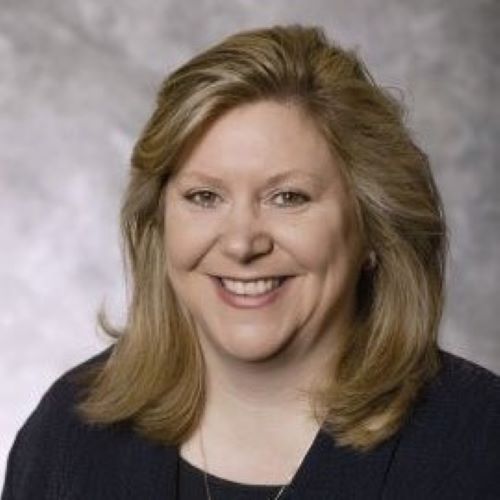
Nauni J. Manty
is the principal of Manty & Associates, P.A., where she focuses her practice on commercial litigation and complex bankruptcy matters. She has represented creditors in all types of settings, including enforcing creditors' rights and remedies in state court as well as in federal court. Ms. Manty has significant experience in bankruptcy law, representing debtors, creditors, and unsecured creditor committees. Her other areas of experience include creditor rights litigation, such as breach of contract, replevin, garnishment, and letter of creditor issues. Ms. Manty was appointed by the U.S. Trustee Department of Justice to serve as a Chapter 7 Panel Trustee for the District of Minnesota. In her position as a Chapter 7 Trustee, she oversees the administration of the Chapter 7 cases. Ms. Manty also has been appointed as a Chapter 11 Trustee. She frequently lectures on bankruptcy law, collections and analysis of financial statements. Ms. Manty was named a Super Lawyer by Minnesota Law & Politics for several years. In addition, she was named one of the Top 50 Female Attorneys in Minnesota. Ms. Manty earned her B.A. degree from Concordia University and her J.D. degree, cum laude, from William Mitchell College of Law.
Speaker bio
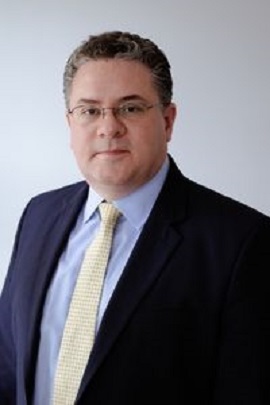
Joshua Burnett
is an attorney licensed in Massachusetts and is a partner with Amann Burnett, PLLC, which represents clients in Massachusetts and New Hampshire. He concentrates his practice in the areas of bankruptcy and commercial litigation. Mr. Burnett has appeared pro hac vice in a variety of bankruptcy and non-bankruptcy matters in other jurisdictions, including New York, Rhode Island, New Hampshire, and Virginia. In addition to representing consumer and business clients in Chapter 7, Chapter 13, and Chapter 11 bankruptcy cases, he regularly assists both debtor and creditor clients in adversary proceedings and contested matters in the U.S. Bankruptcy Court, including non-dischargeability actions, preference and recovery actions, automatic stay, and claim-related matters. As a litigator, Mr. Burnett represents both plaintiff and defendant clients in state and federal court in variety of civil matters, including business and partnership disputes, contract disputes, real estate and mortgage disputes, Uniform Commercial Code, consumer protection, and foreclosure defense. In addition to his present areas of concentration, he also has a background in mortgage foreclosure, landlord/tenant, probate law, and family law. Prior to creating Amann Burnett, PLLC with Attorney William Amann, Mr. Burnett worked for many years with a former Chapter 7 trustee in a boutique firm with a primary focus on consumer bankruptcy and was of counsel to several other bankruptcy and litigation offices in the Boston area. He also teaches bankruptcy law at Massachusetts School of Law and regularly presents local and national programs and lectures on bankruptcy-related topics for several continuing legal education providers. Mr. Burnett is a 1997 graduate of the University of Massachusetts Lowell and a 2010 graduate of the Massachusetts School of Law. He is also an accomplished pianist who played music professionally for many years, and worked extensively in in the performance, technical, and business side of the music industry.
Speaker bio
William J. Amann
is a partner with Amann Burnett, PLLC, where he concentrates his practice in the areas of bankruptcy, creditors' rights, commercial litigation, and real estate and commercial litigation. Mr. Amann regularly represents national and regional creditors in bankruptcy courts and the state courts in Massachusetts and New Hampshire. He has recently been admitted to the Southern District Federal Court for New York, representing a Massachusetts business in a contract dispute. Prior to joining the firm, Mr. Amann served as legal counsel to a Chapter 7 bankruptcy trustee for the District of New Hampshire. In addition, he has considerable experience in the areas of commercial turnarounds, debt restructuring, equitable subordination, debt recharacterization, asset sales, title insurance, real estate conveyancing, land use, receiverships, premises liability, employment law, evictions and probate administration. Mr. Amann served on the Board of Directors for the City of Manchester's Public Library Literacy Fund for two years, starting in 2009. He is an editor for the American Bankruptcy Institute and an annual editor for the New Hampshire Bar Association's Supreme Court At-a-Glance article series. Mr. Amann regularly speaks before professional and trade groups on the topics of bankruptcy, creditors' rights and real estate. Prior to practicing law, he was employed by Fidelity Investments as a trade resolution specialist, and by Ford Motor Credit Company as an account executive and branch legal liaison. Mr. Amann is a former police officer. He earned his B.A. degree from Saint Anselm College and his J.D. degree from Massachusetts School of Law.
TOP FAQs
Have more questions? Please Contact Us