

Trust and Estate Income Tax in Practice: 1041 Tactics and Pitfalls
Credits Available
| Credit | Status | Total |
|---|---|---|
| Alaska CLE |
|
6 Total |
| Alabama CLE |
|
6 Total |
| Arkansas CLE |
|
6 Total |
| Arizona CLE |
|
6 Total |
| California CLE |
|
6 Total |
| Colorado CLE |
|
7 Total |
| Connecticut CLE |
|
6 Total |
| Delaware CLE |
|
6 Total |
| Florida CLE |
|
7 Total |
| Georgia CLE |
|
6 Total |
| Hawaii CLE |
|
6 Total |
| Iowa CLE |
|
6 Total |
| Idaho CLE |
|
6 Total |
| Illinois CLE |
|
6 Total |
| Indiana CLE |
|
6 Total |
| Kansas CLE |
|
7 Total |
| Kentucky CLE |
|
6 Total |
| Louisiana CLE |
|
6 Total |
| Maine CLE |
|
6 Total |
| Minnesota CLE |
|
6 Total |
| Missouri CLE |
|
7.2 Total |
| Northern Mariana Islands CLE |
|
6 Total |
| Montana CLE |
|
6 Total |
| North Carolina CLE |
|
6 Total |
| Nebraska CLE |
|
6 Total |
| New Hampshire CLE |
|
6 Total |
| New Jersey CLE |
|
7.2 Total |
| New Mexico CLE |
|
6 Total |
| Nevada CLE |
|
6 Total |
| New York CLE |
|
7 Total |
| Ohio CLE |
|
6 Total |
| Oklahoma CLE |
|
7 Total |
| Pennsylvania CLE |
|
6 Total |
| Rhode Island CLE |
|
7 Total |
| South Carolina CLE |
|
6 Total |
| Tennessee CLE |
|
6 Total |
| Texas CLE |
|
6 Total |
| Utah CLE |
|
6 Total |
| Virginia CLE |
|
6 Total |
| Vermont CLE |
|
6 Total |
| Washington CLE |
|
6 Total |
| Wisconsin CLE |
|
7 Total |
| West Virginia CLE |
|
7.2 Total |
| Wyoming CLE |
|
6 Total |
| Arizona CPE for Accountants |
|
7 Total |
| New York CPE for Accountants |
|
7 Total |
| Washington CPE for Accountants |
|
7 Total |
| Wisconsin CPE for Accountants |
|
7.2 Total |
| Enrolled Agent |
|
7 Total |
| CPE for Accountants/NASBA |
|
7 Total |
Thu, Oct 22, 00:00 AM – 00:00 PM

Thu, Oct 22, 00:00 AM – 00:00 PM
Register For Course
Live Webinar Registration
OnDemand Recording
Course Book Download
Overview
Checklists, Forms, Sample Calculations, and Practical Strategies for Estate Planners
Estate planning attorneys know their clients' trusts can trigger complex income tax issues. Too few know how to navigate it, and the gaps are expensive. Missed elections, miscalculated DNI, and passive activity errors can quietly erode the wealth your clients worked to preserve. This 6-hour course puts fiduciary income tax mechanics directly in your hands: from the 1041 workflow and DNI calculations to IRD, post-mortem elections, and the 3.8% NIIT. Leave with annotated forms, reusable checklists, and sample calculations you can use on day one. Register today!
- Master DNI calculations and the 65-day election with step-by-step examples.
- Walk through Form 1041 line by line with a practitioner's checklist.
- Avoid the most costly passive activity and at-risk rule mistakes in trust returns.
- Plan around the 3.8% NIIT: use distributions to manage trust-level exposure.
- Advise clients on grantor trust income tax consequences before and after death.
- Handle IRD, the 691(c) deduction, and the 645 election with confidence.
Abbreviated Agenda
- Fiduciary Accounting Income vs. Taxable Income: The Foundation That Changes Everything
- Common Errors, Audit Triggers, and Corrective Strategies
- Distributable Net Income (DNI): Calculations, Traps, and Strategic Opportunities
- Passive Activity and At-Risk Rules Inside Trusts and Estates
- Form 1041: A Practitioner's Line-by-Line Workflow
- From Living Trust to Estate: Grantor Trusts, IRD, and Post-Mortem Planning
Can't Attend Live?

Get the OnDemand Instead
Watch the recording of this event on your own schedule. We'll notify you when its ready.
Credit Details
Credits Available
| Credit | Status | Total |
|---|---|---|
| Alaska CLE |
|
6 Total |
| Alabama CLE |
|
6 Total |
| Arkansas CLE |
|
6 Total |
| Arizona CLE |
|
6 Total |
| California CLE |
|
6 Total |
| Colorado CLE |
|
7 Total |
| Connecticut CLE |
|
6 Total |
| Delaware CLE |
|
6 Total |
| Florida CLE |
|
7 Total |
| Georgia CLE |
|
6 Total |
| Hawaii CLE |
|
6 Total |
| Iowa CLE |
|
6 Total |
| Idaho CLE |
|
6 Total |
| Illinois CLE |
|
6 Total |
| Indiana CLE |
|
6 Total |
| Kansas CLE |
|
7 Total |
| Kentucky CLE |
|
6 Total |
| Louisiana CLE |
|
6 Total |
| Maine CLE |
|
6 Total |
| Minnesota CLE |
|
6 Total |
| Missouri CLE |
|
7.2 Total |
| Northern Mariana Islands CLE |
|
6 Total |
| Montana CLE |
|
6 Total |
| North Carolina CLE |
|
6 Total |
| Nebraska CLE |
|
6 Total |
| New Hampshire CLE |
|
6 Total |
| New Jersey CLE |
|
7.2 Total |
| New Mexico CLE |
|
6 Total |
| Nevada CLE |
|
6 Total |
| New York CLE |
|
7 Total |
| Ohio CLE |
|
6 Total |
| Oklahoma CLE |
|
7 Total |
| Pennsylvania CLE |
|
6 Total |
| Rhode Island CLE |
|
7 Total |
| South Carolina CLE |
|
6 Total |
| Tennessee CLE |
|
6 Total |
| Texas CLE |
|
6 Total |
| Utah CLE |
|
6 Total |
| Virginia CLE |
|
6 Total |
| Vermont CLE |
|
6 Total |
| Washington CLE |
|
6 Total |
| Wisconsin CLE |
|
7 Total |
| West Virginia CLE |
|
7.2 Total |
| Wyoming CLE |
|
6 Total |
| Arizona CPE for Accountants |
|
7 Total |
| New York CPE for Accountants |
|
7 Total |
| Washington CPE for Accountants |
|
7 Total |
| Wisconsin CPE for Accountants |
|
7.2 Total |
| Enrolled Agent |
|
7 Total |
| CPE for Accountants/NASBA |
|
7 Total |
Credit Details by Jurisdiction
Live Webinar Registration
CLE
Credits
Alaska CLE Reciprocity · 6 Total Credits
Live - Alaska CLE - 6: Alaska Bar members may claim credit for attending CLE programs that have been accredited by other mandatory CLE jurisdictions. This program qualifies for 6.0 hours of credit, which includes 6.0 hours of MCLE credit and 0.0 hour of MECLE credit.
Alabama CLE Approved · 6 Total Credits
Live - Alabama CLE - 6: This course or a portion thereof has been approved by the Alabama State Bar Mandatory Continuing Legal Education Commission for a maximum of 6.0 credit hours, including 0.0 ethics/professionalism credit.
Arkansas CLE Approved · 6 Total Credits
Live - Arkansas CLE - 6: NBI, Inc. is an accredited sponsor in the state of Arkansas. This program is approved for 6.0 hours of continuing legal education credit, including 0.0 hour of ethics, consistent with the rules and regulations of the Arkansas Supreme Court of Professional Programs.
Arizona CLE Approved · 6 Total Credits
- 6 Tax Law
Live - Arizona CLE - 6: The State Bar of Arizona does not approve or accredit CLE activities for the Mandatory Continuing Legal Education requirement. This activity qualifies for 6.0 hours toward your annual CLE requirement for the State of Arizona, including 0.0 hour of professional responsibility and 6.0 hours of advanced level training in the area of Tax Law.
California CLE Approved · 6 Total Credits
- 6 Taxation Law
Live - California CLE - 6: This activity has been approved for Minimum Continuing Legal Education credit by the State Bar of California in the amount of 6.0 hours, of which 0.0 hour will apply to legal ethics. NBI, Inc. certifies this activity conforms to the standards for approved education activities prescribed by the rules and regulations of the State Bar of California governing minimum continuing legal education. NBI, Inc. is a State Bar of California approved MCLE provider - #53. This course has been approved for 6.0 units in the area of Taxation Law by the California Board of Legal Specialization.
Colorado CLE Approved · 7 Total Credits
Live - Colorado CLE - 7: NBI, Inc. is a Certified Provider, as recognized by the Colorado Supreme Court Continuing Legal and Judicial Education Committee. This program has been accredited for 7.0 hours of General Colorado Continuing Legal Education Credit, including 0.0 professional responsibility credit.
Connecticut CLE Approved · 6 Total Credits
Live - Connecticut CLE - 6: Neither the Connecticut Judicial Branch nor the Commission on Minimum Continuing Legal Education approve or accredit CLE providers or activities. It is the opinion of NBI, Inc. that this activity qualifies for 6.0 hours toward your annual CLE requirement in Connecticut, including 0.0 hour(s) of ethics/professionalism.
Delaware CLE Approved · 6 Total Credits
Live - Delaware CLE - 6: NBI, Inc. is an accredited sponsor of the Delaware Commission on Continuing Legal Education and recommends this program for 6.0 hours of eCLE credit, including 0.0 hour of ethics.
Florida CLE Approved · 7 Total Credits
- 7 Wills, Trusts and Estates
- 7 Tax
Live - Florida CLE - 7: Approved by The Florida Bar for a maximum of 7.0 general hours of CLER credit including 0.0 hour of professional responsibility (may include legal ethics, professionalism, substance abuse or mental illness and wellness programs). Certifications: 7.0 - Tax Law; 7.0 - Wills, Trusts and Estates
Georgia CLE Approved · 6 Total Credits
Live - Georgia CLE - 6: This program is approved by the Commission on Continuing Lawyer Competency of the State Bar of Georgia. This program qualifies for 6.0 hours of distance learning continuing legal education credit with the Georgia Commission on Continuing Lawyer Competency, which includes 0.0 hour of distance learning ethics.
Hawaii CLE Approved · 6 Total Credits
Live - Hawaii CLE - 6: NBI, Inc. is an Accredited Provider with the Hawaii State Board of Continuing Legal Education. This alternative format activity has been approved for 6.0 hours of credit for the state of Hawaii, which includes 0.0 hour of ethics or professional responsibility education.
Iowa CLE Approved · 6 Total Credits
Live - Iowa CLE - 6: "Trust and Estate Income Tax in Practice: 1041 Tactics and Pitfalls" is an accredited program under the regulations of the Iowa Supreme Court Commission on Continuing Legal Education. It is planned that this program will provide a maximum of 6.0 hours of regular credit toward the mandatory continuing legal education requirements under the Iowa rule, including 0.0 hour of legal ethics credit.
Idaho CLE Approved · 6 Total Credits
Live - Idaho CLE - 6: Approved for 6.0 hours of continuing legal education credit in the state of Idaho, which includes 0.0 legal ethics or professional responsibility credit.
Illinois CLE Approved · 6 Total Credits
Live - Illinois CLE - 6: This program has been approved by the Illinois MCLE Board for 6.0 hours of CLE credit, which includes approval for 0.0 hour of legal ethics, civility, professionalism CLE credit by the Illinois Supreme Court Commission on Professionalism.
Indiana CLE Approved · 6 Total Credits
Live - Indiana CLE - 6: This course has been approved by the Indiana Supreme Court Office of Admissions & Continuing Education. Participating attorneys are eligible to receive 6.0 hours of distance education, which includes 0.0 hour of ethics.
Kansas CLE Upon Request · 7 Total Credits
Live - Kansas CLE - 7: Upon course completion and credit request submittal, an application will be submitted to Kansas CLE.
Kentucky CLE Approved · 6 Total Credits
Live - Kentucky CLE - 6: This activity has been approved by the Kentucky Bar Association Continuing Legal Education Commission for a maximum of 6.0 credits, including 0.0 ethics credits.
Louisiana CLE Approved · 6 Total Credits
- 6 Tax Law
- 6 Estate Planning and Administrative
Live - Louisiana CLE - 6: This course or a portion thereof has been approved by the Louisiana Mandatory Continuing Legal Education Committee of the Louisiana State Bar Association. This program qualifies for 6.0 hours (based on a 60-minute credit hour) of computer based credit, of which 0.0 hour will apply to computer based ethics credit. This program is approved for 6.0 hour (based on a 60-minute credit hour) of credit by the Louisiana Specialization Board in the area of Estate Planning and Administration and 6.0 hour of credit in the area of Tax Law.
Maine CLE Approved · 6 Total Credits
Live - Maine CLE - 6: This course has been approved by the State of Maine Board of Overseers of the Bar. Lawyers who complete this course shall receive 6.0 hours of CLE credit including 0.0 ethics hours.
Course Book - Maine CLE - 6: This course has been approved by the State of Maine Board of Overseers of the Bar. Lawyers who complete this course will receive 6.0 hours of self-study CLE credit.
Minnesota CLE Approved · 6 Total Credits
Live - Minnesota CLE - 6: This course has been approved by the Minnesota Board of Continuing Legal Education for 6.0 hours of standard CLE credit, including 0.0 hour of ethics credit.
Missouri CLE Approved · 7.2 Total Credits
Live - Missouri CLE - 7.2: NBI, Inc. is an accredited sponsor with Missouri Minimum Continuing Legal Education. This program qualifies for 7.20 hours of CLE credit, which includes 0.0 hour of ethics, professionalism or malpractice prevention credit.
Course Book - Missouri CLE - 6: NBI, Inc. is an accredited sponsor with Missouri Minimum Continuing Legal Education. This program qualifies for 6.0 self-study CLE credit hours.
Northern Mariana Islands CLE Approved · 6 Total Credits
Live - Northern Mariana Islands CLE - 6: This course has been approved by the Commonwealth of the Northern Mariana Islands. Lawyers who complete this course shall receive 6.0 hours of CLE credit.
Course Book - Northern Mariana Islands CLE - 6: This course has been approved by the Commonwealth of the Northern Mariana Islands. Lawyers who complete this course shall receive 6.0 hours of self-study CLE credit.
Montana CLE Approved · 6 Total Credits
Live - Montana CLE - 6: Approved for 6.0 hours of CLE credit by the Montana Commission of Continuing Legal Education, including 0.0 hour of professional fitness and integrity credit.
North Carolina CLE Approved · 6 Total Credits
Live - North Carolina CLE - 6: NBI, Inc. is an accredited sponsor with the North Carolina State Board of Continuing Legal Education. Attendance of this program will result in 6.0 hours of CLE credit, including 0.0 professional responsibility.
Nebraska CLE Approved · 6 Total Credits
Live - Nebraska CLE - 6: NBI, Inc. is an accredited CLE sponsor in the state of Nebraska. This activity has been approved for 6.0 distance learning CLE credits, including 0.0 hour of professional responsibility credit.
New Hampshire CLE Approved · 6 Total Credits
Live - New Hampshire CLE - 6: NHMCLE does not approve or accredit CLE activities for the NH Minimum CLE requirement. NBI, Inc. believes this course meets the requirements of NH Supreme Court Rule 53 toward the annual NHMCLE requirement.
New Jersey CLE Approved · 7.2 Total Credits
Live - New Jersey CLE - 7.2: This program has been approved by the Board on Continuing Legal Education of the Supreme Court of New Jersey for 7.20 hours of total CLE credit. Of these, 0.0 qualifies as hours of credit for ethics/professionalism.
New Mexico CLE Approved · 6 Total Credits
Live - New Mexico CLE - 6: This program has been approved by the Board of Bar Commissioners of the State Bar of New Mexico for 6.0 hours of credit, including 0.0 hour of ethics.
Nevada CLE Approved · 6 Total Credits
Live - Nevada CLE - 6: This course has been approved by the Nevada Board of Continuing Legal Education. This program qualifies for 6.0 hours of alternative format CLE credits by the Nevada Board of Continuing Legal Education, which includes 0.0 hour of alternative format ethical considerations.
New York CLE Approved · 7 Total Credits
- 7 Areas of Professional Practice
Live - New York CLE - 7: This course has been approved in accordance with the requirements of the New York State Continuing Legal Education Board for a maximum of 7.0 credit hours. 6.0 hours can be applied to the areas of professional practice requirement. This nontraditional format program is approved for experienced attorneys. NBI, Inc. offers a Financial Hardship Policy for qualifying individuals. To apply, please submit a request via email to our Tuition Discount Committee at customerservice@nbi-sems.com.
Ohio CLE Approved · 6 Total Credits
- 6 Estate Planning, Trust and Probate
Live - Ohio CLE - 6: This course has been approved by the Supreme Court of Ohio Commission on Continuing Legal Education for 6.0 self-study CLE credit hours, including 0.0 hour of attorney professional conduct instruction. This course is approved for 6.0 hours of specialization credit by the Ohio State Bar Association in the category of Estate Planning, Trust and Probate.
Oklahoma CLE Approved · 7 Total Credits
Live - Oklahoma CLE - 7: This course has been approved by the Oklahoma Bar Association Mandatory Continuing Legal Education Commission for 7.0 hours of CLE credit, which includes 0.0 hour of legal ethics.
Pennsylvania CLE Approved · 6 Total Credits
Live - Pennsylvania CLE - 6: This program has been approved by the Pennsylvania Continuing Legal Education Board for a total of 6.0 hours, including 6.0 hours of substantive law, practice and procedure CLE credit and 0.0 hour of ethics, professionalism or substance abuse CLE credit.
Rhode Island CLE Upon Request · 7 Total Credits
Live - Rhode Island CLE - 7: NBI is an accredited sponsor with the Rhode Island MCLE Commission. Upon course completion and credit request submittal, an application will be submitted to the Rhode Island MCLE Commission.
South Carolina CLE Approved · 6 Total Credits
- 6 Taxation
- 6 Estate & Probate Law
Live - South Carolina CLE - 6: This course is accredited by the South Carolina Commission on Continuing Legal Education and Specialization for 6.0 alternatively delivered hours, of which 0.0 hour relates to legal ethics and professional responsibility. This course has been approved by the South Carolina Commission Specialization Program for 6.0 hours of credit in the field of Estate & Probate Law and 6.0 hours of credit in the field of Taxation.
Tennessee CLE Approved · 6 Total Credits
Live - Tennessee CLE - 6: This course has been approved by the Tennessee Commission on Continuing Legal Education for a maximum of 6.0 hours of Distance Learning credit, including 0.0 hour of ethics/professionalism (EP) credit.
Texas CLE Approved · 6 Total Credits
- 6 Estate Planning and Probate
Live - Texas CLE - 6: This course is accredited for Minimum Continuing Legal Education credit by the State Bar of Texas Committee on MCLE in the amount of 6.0 credit hours, of which 0.0 credit hour will apply to legal ethics/professional responsibility credit. Hours in attendance at National Business Institute CLE seminars may be applied to the minimum Judicial Education requirement. This course has been approved by the Texas Board of Legal Specialization for certification and recertification continuing legal education requirements for attorneys and paralegals in the following specialty fields: 6.0 - Estate Planning and Probate Law
Utah CLE Approved · 6 Total Credits
Live - Utah CLE - 6: National Business Institute is an approved "presumptive provider" with the Utah State Board of Continuing Legal Education. This program qualifies for a maximum of 6.0 hours of Live CLE credit for Utah attorneys, which includes 0.0 hour of ethics credit.
Virginia CLE Approved · 6 Total Credits
Live - Virginia CLE - 6: This course has been approved by the Virginia Mandatory Continuing Legal Education Board for 6.0 hours of credit, of which 0.0 hour will also apply in the area of legal ethics or professionalism.
Vermont CLE Approved · 6 Total Credits
Live - Vermont CLE - 6: This course has been approved by the Vermont Board of Mandatory Continuing Legal Education for 6.0 hours of credit, including 0.0 hour of ethics.
Washington CLE Approved · 6 Total Credits
Live - Washington CLE - 6: Approved for 6.0 hours of Washington continuing legal education credit, which includes 6.0 hours of Law and Legal Procedure and 0.0 hour of ethics and professional responsibility.
Wisconsin CLE Approved · 7 Total Credits
Live - Wisconsin CLE - 7: Approved for 7.0 hours of CLE credit by the Board of Bar Examiners, including 0.0 hour of ethics and professional responsibility (EPR) credit.
West Virginia CLE Approved · 7.2 Total Credits
Live - West Virginia CLE - 7.2: This program qualifies for 7.20 hours of credit, which includes 0.0 hour of ethics, under the West Virginia Rules for Mandatory Continuing Legal Education.
Wyoming CLE Approved · 6 Total Credits
Live - Wyoming CLE - 6: The Wyoming State Board of Continuing Legal Education has granted 6.0 hours of Continuing Legal Education Credit, including 0.0 hour of ethics.
Other
Credits
Arizona CPE for Accountants Approved · 7 Total Credits
Live - Arizona CPE for Accountants - 7: The Arizona State Board of Accountancy does not approve or accredit CPE activities for the Mandatory Continuing Professional Education requirement. This activity is designed to qualify for 7.0 hours of CPE credit for accountants toward their CPE requirement for the state of Arizona.
New York CPE for Accountants Approved · 7 Total Credits
- 7 Taxation
Live - New York CPE for Accountants - 7: National Business Institute is an approved sponsor with the New York State Board of Public Accountancy. This program is designed to qualify for 7.0 hours of CPE credit for accountants (Sponsor License # 000232).
Washington CPE for Accountants Approved · 7 Total Credits
Live - Washington CPE for Accountants - 7: This program qualifies for 7.0 hours of continuing education credit for accountants.
Wisconsin CPE for Accountants Approved · 7.2 Total Credits
Live - Wisconsin CPE for Accountants - 7.2: This activity may qualify for 7.20 hours of CPE credit for accountants toward the requirement for the state of Wisconsin.
Enrolled Agent Approved · 7 Total Credits
Live - Enrolled Agent - 7: NBI, Inc. is an IRS approved provider of continuing education for Enrolled Agents.
CPE for Accountants/NASBA Approved · 7 Total Credits
- 7 Taxes
Live - CPE for Accountants/NASBA - 7: NBI, Inc. is registered with the National Association of State Boards of Accountancy (NASBA) as a sponsor of continuing professional education on the National Registry of CPE Sponsors. State boards of accountancy have final authority on the acceptance of individual courses for CPE credit. Complaints regarding registered sponsors may be submitted to the National Registry of CPE Sponsors through its website: www.nasbaregistry.org. This program is designed to qualify for 7.0 hours (based on 50 minute credit hour) of continuing professional education credit for accountants. For more information regarding administrative policies such as complaint, refund and program cancellation, please contact our offices at (800) 930-6182.
OnDemand Video
CLE
Credits
Alaska CLE Reciprocity · 6 Total Credits
Earn Until
OnDemand - Alaska CLE - 6: Alaska Bar members may claim credit for attending CLE programs that have been accredited by other mandatory CLE jurisdictions. This program qualifies for 6.0 hours of credit, which includes 6.0 hours of MCLE credit and 0.0 hour of MECLE credit.
Video Download - Alaska CLE - 6: Alaska Bar members may claim credit for attending CLE programs that have been accredited by other mandatory CLE jurisdictions. This program qualifies for 6.0 hours of credit, which includes 6.0 hours of MCLE credit and 0.0 hour of MECLE credit.
Alabama CLE Approved · 6 Total Credits
Earn Until
OnDemand - Alabama CLE - 6: This course or a portion thereof has been approved by the Alabama State Bar Mandatory Continuing Legal Education Commission for a maximum of 6.0 on-demand credit hours, including 0.0 ethics/professionalism credit.
Arkansas CLE Approved · 6 Total Credits
Earn Until
OnDemand - Arkansas CLE - 6: NBI, Inc. is an accredited sponsor in the state of Arkansas. This program qualifies for 6.0 hours of on demand continuing legal education credit, including 0.0 hour of ethics, consistent with the rules and regulations of the Arkansas Supreme Court of Professional Programs.
Video Download - Arkansas CLE - 6: NBI, Inc. is an accredited sponsor in the state of Arkansas. This program qualifies for 6.0 hours of on demand continuing legal education credit, including 0.0 hour of ethics, consistent with the rules and regulations of the Arkansas Supreme Court of Professional Programs.
Arizona CLE Approved · 6 Total Credits
- 6 Tax Law
Earn Until
OnDemand - Arizona CLE - 6: The State Bar of Arizona does not approve or accredit CLE activities for the Mandatory Continuing Legal Education requirement. This activity qualifies for 6.0 hours toward your annual CLE requirement for the State of Arizona, including 0.0 hour of professional responsibility and 6.0 hours of advanced level training in the area of Tax Law.
Video Download - Arizona CLE - 6: The State Bar of Arizona does not approve or accredit CLE activities for the Mandatory Continuing Legal Education requirement. This activity qualifies for 6.0 hours toward your annual CLE requirement for the State of Arizona, including 0.0 hour of professional responsibility and 6.0 hours of advanced level training in the area of Tax Law.
California CLE Approved · 6 Total Credits
- 6 Taxation Law
Earn Until
OnDemand - California CLE - 6: This activity has been approved for Minimum Continuing Legal Education credit by the State Bar of California and qualifies for 6.0 hours of participatory credit, of which 0.0 hour will apply to legal ethics credit. NBI, Inc. certifies this activity conforms to the standards for approved education activities prescribed by the rules and regulations of the State Bar of California governing minimum continuing legal education. NBI, Inc. is a State Bar of California approved MCLE provider - #53. This course has been approved for 6.0 units in the area of Taxation Law by the California Board of Legal Specialization.
Video Download - California CLE - 6: This activity has been approved for Minimum Continuing Legal Education credit by the State Bar of California and qualifies for 6.0 hours of self-study credit, of which 0.0 hour will apply to legal ethics credit. NBI, Inc. certifies this activity conforms to the standards for approved education activities prescribed by the rules and regulations of the State Bar of California governing minimum continuing legal education. NBI, Inc. is a State Bar of California approved MCLE provider - #53. This course has been approved for 6.0 units in the area of Taxation Law by the California Board of Legal Specialization.
Colorado CLE Approved · 7 Total Credits
Earn Until
OnDemand - Colorado CLE - 7: NBI, Inc. is a Certified Provider, as recognized by the Colorado Supreme Court Continuing Legal and Judicial Education Committee. This program qualifies for 7.0 hours of home study general Colorado Continuing Legal Education Credit, including 0.0 professional responsibility credit.
Video Download - Colorado CLE - 7: NBI, Inc. is a Certified Provider, as recognized by the Colorado Supreme Court Continuing Legal and Judicial Education Committee. This program qualifies for 7.0 hours of home study general Colorado Continuing Legal Education Credit, including 0.0 professional responsibility credit.
Connecticut CLE Approved · 6 Total Credits
Earn Until
OnDemand - Connecticut CLE - 6: Neither the Connecticut Judicial Branch nor the Commission on Minimum Continuing Legal Education approve or accredit CLE providers or activities. It is the opinion of NBI, Inc. that this activity qualifies for 6.0 self-study hours toward your annual CLE requirement in Connecticut, including 0.0 self-study hour(s) of ethics/professionalism.
Video Download - Connecticut CLE - 6: Neither the Connecticut Judicial Branch nor the Commission on Minimum Continuing Legal Education approve or accredit CLE providers or activities. It is the opinion of NBI, Inc. that this activity qualifies for 6.0 self-study hours toward your annual CLE requirement in Connecticut, including 0.0 self-study hour(s) of ethics/professionalism.
Delaware CLE Approved · 6 Total Credits
Earn Until
OnDemand - Delaware CLE - 6: NBI, Inc. is an accredited sponsor of the Delaware Commission on Continuing Legal Education and recommends this program for 6.0 hours of eCLE credit, including 0.0 hour of ethics.
Georgia CLE Approved · 6 Total Credits
Earn Until
OnDemand - Georgia CLE - 6: This program is approved by the Commission on Continuing Lawyer Competency of the State Bar of Georgia. This program qualifies for 6.0 hours of distance learning continuing legal education credit with the Georgia Commission on Continuing Lawyer Competency, which includes 0.0 hour of distance learning ethics.
Video Download - Georgia CLE - 6: This program is approved by the Commission on Continuing Lawyer Competency of the State Bar of Georgia. This program qualifies for 6.0 hours of distance learning continuing legal education credit with the Georgia Commission on Continuing Lawyer Competency, which includes 0.0 hour of distance learning ethics.
Hawaii CLE Approved · 6 Total Credits
Earn Until
OnDemand - Hawaii CLE - 6: NBI, Inc. is an Accredited Provider with the Hawaii State Board of Continuing Legal Education. This alternative format activity has been approved for 6.0 hours of credit for the state of Hawaii, which includes 0.0 hour of ethics or professional responsibility education.
Video Download - Hawaii CLE - 6: NBI, Inc. is an Accredited Provider with the Hawaii State Board of Continuing Legal Education. This alternative format activity has been approved for 6.0 hours of credit for the state of Hawaii, which includes 0.0 hour of ethics or professional responsibility education.
Iowa CLE Approved · 6 Total Credits
Earn Until
OnDemand - Iowa CLE - 6: "Trust and Estate Income Tax in Practice: 1041 Tactics and Pitfalls" is an accredited program under the regulations of the Iowa Supreme Court Commission on Continuing Legal Education. It is planned that this program will provide a maximum of 6.0 hours of unmoderated activity credit toward the mandatory continuing legal education requirements under the Iowa rule, including 0.0 hour of legal ethics unmoderated activity credit.
Idaho CLE Approved · 6 Total Credits
Earn Until
OnDemand - Idaho CLE - 6: Approved for 6.0 hours of self-study continuing legal education credit in the state of Idaho, which includes 0.0 self-study legal ethics or professional responsibility credit.
Video Download - Idaho CLE - 6: Approved for 6.0 hours of self-study continuing legal education credit in the state of Idaho, which includes 0.0 self-study legal ethics or professional responsibility credit.
Illinois CLE Approved · 6 Total Credits
Earn Until
OnDemand - Illinois CLE - 6: This program has been approved by the Illinois MCLE Board for 6.0 hours of recorded technology CLE credit, which includes approval for 0.0 hour of legal ethics, civility, professionalism CLE credit by the Illinois Supreme Court Commission on Professionalism.
Video Download - Illinois CLE - 6: This program has been approved by the Illinois MCLE Board for 6.0 hours of recorded technology CLE credit, which includes approval for 0.0 hour of legal ethics, civility, professionalism CLE credit by the Illinois Supreme Court Commission on Professionalism.
Indiana CLE Approved · 6 Total Credits
Earn Until
OnDemand - Indiana CLE - 6: This course has been approved by the Indiana Supreme Court Office of Admissions & Continuing Education. Participating attorneys are eligible to receive 6.0 hours of distance education, which includes 0.0 hour of ethics.
Kansas CLE Upon Request · 7 Total Credits
Earn Until
OnDemand - Kansas CLE - 7: Upon course completion and credit request submittal, an application will be submitted to Kansas CLE.
Video Download - Kansas CLE - 7: Upon course completion and credit request submittal, an application will be submitted to Kansas CLE.
Kentucky CLE Approved · 6 Total Credits
Earn Until
OnDemand - Kentucky CLE - 6: This program has been approved as a technological CLE activity by the Kentucky Bar Association Continuing Legal Education Commission and qualifies for 6.0 credits, including 0.0 ethics credits.
Video Download - Kentucky CLE - 6: This program has been approved as a technological CLE activity by the Kentucky Bar Association Continuing Legal Education Commission and qualifies for 6.0 credits, including 0.0 ethics credits.
Louisiana CLE Approved · 6 Total Credits
- 6 Tax Law
- 6 Estate Planning and Administrative
Earn Until
OnDemand - Louisiana CLE - 6: This course or a portion thereof has been approved by the Louisiana Mandatory Continuing Legal Education Committee of the Louisiana State Bar Association. This program qualifies for 6.0 hours (based on a 60-minute credit hour) of computer based credit, of which 0.0 hour will apply to computer based ethics credit. This program is approved for 6.0 hour (based on a 60-minute credit hour) of credit by the Louisiana Specialization Board in the area of Estate Planning and Administration and 6.0 hour of credit in the area of Tax Law.
Maine CLE Approved · 6 Total Credits
Earn Until
OnDemand - Maine CLE - 6: This course has been approved by the State of Maine Board of Overseers of the Bar. Lawyers who complete this course will receive 6.0 hours of self-study CLE credit.
Video Download - Maine CLE - 6: This course has been approved by the State of Maine Board of Overseers of the Bar. Lawyers who complete this course will receive 6.0 hours of self-study CLE credit.
Course Book - Maine CLE - 6: This course has been approved by the State of Maine Board of Overseers of the Bar. Lawyers who complete this course will receive 6.0 hours of self-study CLE credit.
Minnesota CLE Approved · 6 Total Credits
Earn Until
OnDemand - Minnesota CLE - 6: Approved for 6.0 hours of standard on-demand CLE credit, including 0.0 hour of ethics credit by the Minnesota Board of Continuing Legal Education.
Video Download - Minnesota CLE - 6: Approved for 6.0 hours of standard on-demand CLE credit, including 0.0 hour of ethics credit by the Minnesota Board of Continuing Legal Education.
Missouri CLE Approved · 6 Total Credits
Earn Until
OnDemand - Missouri CLE - 6: NBI, Inc. is an accredited sponsor with Missouri Minimum Continuing Legal Education. This program qualifies for 6.0 self-study CLE credit hours.
Video Download - Missouri CLE - 6: NBI, Inc. is an accredited sponsor with Missouri Minimum Continuing Legal Education. This program qualifies for 6.0 self-study CLE credit hours.
Course Book - Missouri CLE - 6: NBI, Inc. is an accredited sponsor with Missouri Minimum Continuing Legal Education. This program qualifies for 6.0 self-study CLE credit hours.
Northern Mariana Islands CLE Approved · 6 Total Credits
Earn Until
OnDemand - Northern Mariana Islands CLE - 6: This course has been approved by the Commonwealth of the Northern Mariana Islands. Lawyers who complete this course shall receive 6.0 hours of self-study CLE credit.
Video Download - Northern Mariana Islands CLE - 6: This course has been approved by the Commonwealth of the Northern Mariana Islands. Lawyers who complete this course shall receive 6.0 hours of self-study CLE credit.
Course Book - Northern Mariana Islands CLE - 6: This course has been approved by the Commonwealth of the Northern Mariana Islands. Lawyers who complete this course shall receive 6.0 hours of self-study CLE credit.
Montana CLE Approved · 6 Total Credits
Earn Until
OnDemand - Montana CLE - 6: This program qualifies for 6.0 hours of self-study CLE credit by the Montana Commission of Continuing Legal Education, including 0.0 hour of professional fitness and integrity credit.
Video Download - Montana CLE - 6: This program qualifies for 6.0 hours of self-study CLE credit by the Montana Commission of Continuing Legal Education, including 0.0 hour of professional fitness and integrity credit.
North Carolina CLE Approved · 6 Total Credits
Earn Until
OnDemand - North Carolina CLE - 6: NBI, Inc. is an accredited sponsor with the North Carolina State Board of Continuing Legal Education. Attendance of this program qualifies for 6.0 hours of online CLE credit, including 0.0 professional responsibility.
Video Download - North Carolina CLE - 6: NBI, Inc. is an accredited sponsor with the North Carolina State Board of Continuing Legal Education. Attendance of this program qualifies for 6.0 hours of online CLE credit, including 0.0 professional responsibility.
Nebraska CLE Approved · 6 Total Credits
Earn Until
OnDemand - Nebraska CLE - 6: NBI, Inc. is an accredited CLE sponsor in the state of Nebraska. This activity has been approved for 6.0 distance learning CLE credits, including 0.0 hour of professional responsibility credit.
Video Download - Nebraska CLE - 6: NBI, Inc. is an accredited CLE sponsor in the state of Nebraska. This activity has been approved for 6.0 distance learning CLE credits, including 0.0 hour of professional responsibility credit.
New Hampshire CLE Approved · 6 Total Credits
Earn Until
OnDemand - New Hampshire CLE - 6: NHMCLE does not approve or accredit CLE activities for the NH Minimum CLE requirement. NBI, Inc. believes this course meets the requirements of NH Supreme Court Rule 53 toward the annual NHMCLE requirement.
Video Download - New Hampshire CLE - 6: NHMCLE does not approve or accredit CLE activities for the NH Minimum CLE requirement. NBI, Inc. believes this course meets the requirements of NH Supreme Court Rule 53 toward the annual NHMCLE requirement.
New Jersey CLE Approved · 7.2 Total Credits
Earn Until
OnDemand - New Jersey CLE - 7.2: This program has been approved by the Board on Continuing Legal Education of the Supreme Court of New Jersey for 7.20 hours of alternative format CLE credit. Of these, 0.0 qualifies as hours of alternative learning format credit for ethics/professionalism.
Video Download - New Jersey CLE - 7.2: This program has been approved by the Board on Continuing Legal Education of the Supreme Court of New Jersey for 7.20 hours of alternative format CLE credit. Of these, 0.0 qualifies as hours of alternative learning format credit for ethics/professionalism.
New Mexico CLE Approved · 6 Total Credits
Earn Until
OnDemand - New Mexico CLE - 6: This program has been approved by the Board of Bar Commissioners of the State Bar of New Mexico. This program qualifies for 6.0 hours of self-study credit, including 0.0 hour of self-study ethics credit.
Video Download - New Mexico CLE - 6: This program has been approved by the Board of Bar Commissioners of the State Bar of New Mexico. This program qualifies for 6.0 hours of self-study credit, including 0.0 hour of self-study ethics credit.
Nevada CLE Approved · 6 Total Credits
Earn Until
OnDemand - Nevada CLE - 6: This course has been approved by the Nevada Board of Continuing Legal Education. This program qualifies for 6.0 hours of alternative format CLE credits by the Nevada Board of Continuing Legal Education, which includes 0.0 hour of alternative format ethical considerations.
Video Download - Nevada CLE - 6: This course has been approved by the Nevada Board of Continuing Legal Education. This program qualifies for 6.0 hours of alternative format CLE credits by the Nevada Board of Continuing Legal Education, which includes 0.0 hour of alternative format ethical considerations.
New York CLE Approved · 7 Total Credits
- 7 Areas of Professional Practice
Earn Until
OnDemand - New York CLE - 7: This nontraditional format course has been approved in accordance with the requirements of the New York State Continuing Legal Education Board for up to 7.0 credit hours. 7.0 hours can be applied to the areas of professional practice requirement and is approved for experienced attorneys. NBI, Inc. offers a Financial Hardship Policy for qualifying individuals. To apply, please submit a request via email to our Tuition Discount Committee at customerservice@nbi-sems.com.
Video Download - New York CLE - 7: This nontraditional format course has been approved in accordance with the requirements of the New York State Continuing Legal Education Board for up to 7.0 credit hours. 7.0 hours can be applied to the areas of professional practice requirement and is approved for experienced attorneys. NBI, Inc. offers a Financial Hardship Policy for qualifying individuals. To apply, please submit a request via email to our Tuition Discount Committee at customerservice@nbi-sems.com.
Ohio CLE Approved · 6 Total Credits
- 6 Estate Planning, Trust and Probate
Earn Until
OnDemand - Ohio CLE - 6: This course has been approved by the Supreme Court of Ohio Commission on Continuing Legal Education for 6.0 self-study CLE credit hours, including 0.0 hour of attorney professional conduct instruction. This course is approved for 6.0 hours of specialization credit by the Ohio State Bar Association in the category of Estate Planning, Trust and Probate.
Video Download - Ohio CLE - 6: This course has been approved by the Supreme Court of Ohio Commission on Continuing Legal Education for 6.0 self-study CLE credit hours, including 0.0 hour of attorney professional conduct instruction. This course is approved for 6.0 hours of specialization credit by the Ohio State Bar Association in the category of Estate Planning, Trust and Probate.
Oklahoma CLE Approved · 7 Total Credits
Earn Until
OnDemand - Oklahoma CLE - 7: This course has been approved by the Oklahoma Bar Association Mandatory Continuing Legal Education Commission. This program qualifies for 7.0 of On Demand CLE credit hours, which includes 0.0 hour of legal ethics.
Video Download - Oklahoma CLE - 7: This course has been approved by the Oklahoma Bar Association Mandatory Continuing Legal Education Commission. This program qualifies for 7.0 of On Demand CLE credit hours, which includes 0.0 hour of legal ethics.
Pennsylvania CLE Approved · 6 Total Credits
Earn Until
OnDemand - Pennsylvania CLE - 6: This program has been approved by the Pennsylvania Continuing Legal Education Board. This program qualifies for 6.0 hours of distance learning credit, including 6.0 hours of substantive law, practice and procedure CLE credit and 0.0 hour of ethics, professionalism or substance abuse distance learning CLE credit.
Video Download - Pennsylvania CLE - 6: This program has been approved by the Pennsylvania Continuing Legal Education Board. This program qualifies for 6.0 hours of distance learning credit, including 6.0 hours of substantive law, practice and procedure CLE credit and 0.0 hour of ethics, professionalism or substance abuse distance learning CLE credit.
Rhode Island CLE Upon Request · 6 Total Credits
Earn Until
OnDemand - Rhode Island CLE - 6: NBI is an accredited sponsor with the Rhode Island MCLE Commission. Upon course completion and credit request submittal, an application will be submitted to the Rhode Island MCLE Commission.
Video Download - Rhode Island CLE - 6: NBI is an accredited sponsor with the Rhode Island MCLE Commission. Upon course completion and credit request submittal, an application will be submitted to the Rhode Island MCLE Commission.
South Carolina CLE Approved · 6 Total Credits
- 6 Taxation
- 6 Estate & Probate Law
Earn Until
OnDemand - South Carolina CLE - 6: This course is accredited by the South Carolina Commission on Continuing Legal Education and Specialization for 6.0 alternatively delivered hours, of which 0.0 hour relates to legal ethics and professional responsibility. This course has been approved by the South Carolina Commission Specialization Program for 6.0 hours of credit in the field of Estate & Probate Law and 6.0 hours of credit in the field of Taxation.
Video Download - South Carolina CLE - 6: This course is accredited by the South Carolina Commission on Continuing Legal Education and Specialization for 6.0 alternatively delivered hours, of which 0.0 hour relates to legal ethics and professional responsibility. This course has been approved by the South Carolina Commission Specialization Program for 6.0 hours of credit in the field of Estate & Probate Law and 6.0 hours of credit in the field of Taxation.
Tennessee CLE Approved · 6 Total Credits
Earn Until
OnDemand - Tennessee CLE - 6: This course has been approved by the Tennessee Commission on Continuing Legal Education for a maximum of 6.0 hours of Distance Learning credit, including 0.0 hour of ethics/professionalism (EP) credit.
Texas CLE Approved · 6 Total Credits
- 6 Estate Planning and Probate
Earn Until
OnDemand - Texas CLE - 6: This course is accredited for Minimum Continuing Legal Education credit by the State Bar of Texas Committee on MCLE in the amount of 6.0 credit hours, of which 0.0 credit hour will apply to legal ethics/professional responsibility credit. Hours in attendance at National Business Institute CLE seminars may be applied to the minimum Judicial Education requirement. This course has been approved by the Texas Board of Legal Specialization for certification and recertification continuing legal education requirements for attorneys and paralegals in the following specialty fields: 6.0 - Estate Planning and Probate Law
Video Download - Texas CLE - 6: This course is accredited for Minimum Continuing Legal Education credit by the State Bar of Texas Committee on MCLE in the amount of 6.0 credit hours, of which 0.0 credit hour will apply to legal ethics/professional responsibility credit. Hours in attendance at National Business Institute CLE seminars may be applied to the minimum Judicial Education requirement. This course has been approved by the Texas Board of Legal Specialization for certification and recertification continuing legal education requirements for attorneys and paralegals in the following specialty fields: 6.0 - Estate Planning and Probate Law
Utah CLE Approved · 6 Total Credits
Earn Until
OnDemand - Utah CLE - 6: National Business Institute is an approved "presumptive provider" with the Utah State Board of Continuing Legal Education. This program qualifies for 6.0 hours of self-study CLE credit for Utah attorneys, which includes 0.0 hour of ethics credit.
Video Download - Utah CLE - 6: National Business Institute is an approved "presumptive provider" with the Utah State Board of Continuing Legal Education. This program qualifies for 6.0 hours of self-study CLE credit for Utah attorneys, which includes 0.0 hour of ethics credit.
Virginia CLE Approved · 6 Total Credits
Earn Until
OnDemand - Virginia CLE - 6: This course has been approved by the Virginia Mandatory Continuing Legal Education Board for 6.0 hours of prerecorded credit, of which 0.0 hour will also apply in the area of legal ethics or professionalism.
Video Download - Virginia CLE - 6: This course has been approved by the Virginia Mandatory Continuing Legal Education Board for 6.0 hours of prerecorded credit, of which 0.0 hour will also apply in the area of legal ethics or professionalism.
Vermont CLE Approved · 6 Total Credits
Earn Until
OnDemand - Vermont CLE - 6: This course has been approved by the Vermont Board of Mandatory Continuing Legal Education. This program qualifies for 6.0 hours of self-study credit, including 0.0 hour of self-study ethics credit.
Video Download - Vermont CLE - 6: This course has been approved by the Vermont Board of Mandatory Continuing Legal Education. This program qualifies for 6.0 hours of self-study credit, including 0.0 hour of self-study ethics credit.
Washington CLE Approved · 0 Total Credits
OnDemand - Washington CLE - 0: This content has been approved for Washington Continuing Legal Education credit. Credit hours will be awarded based on the actual run time.
Video Download - Washington CLE - 0: This content has been approved for Washington Continuing Legal Education credit. Credit hours will be awarded based on the actual run time.
Wisconsin CLE Approved · 7 Total Credits
Earn Until
OnDemand - Wisconsin CLE - 7: Approved for 7.0 hours of repeated on-demand CLE credit by the Board of Bar Examiners.
Video Download - Wisconsin CLE - 7: Approved for 7.0 hours of repeated on-demand CLE credit by the Board of Bar Examiners.
West Virginia CLE Approved · 7.2 Total Credits
Earn Until
OnDemand - West Virginia CLE - 7.2: This program qualifies for 7.20 hours of pre-recorded credit, which includes 0.0 hour of pre-recorded ethics credit, under the West Virginia Rules for Mandatory Continuing Legal Education.
Video Download - West Virginia CLE - 7.2: This program qualifies for 7.20 hours of pre-recorded credit, which includes 0.0 hour of pre-recorded ethics credit, under the West Virginia Rules for Mandatory Continuing Legal Education.
Wyoming CLE Approved · 6 Total Credits
OnDemand - Wyoming CLE - 6: The Wyoming State Board of Continuing Legal Education has granted 6.0 hours of Continuing Legal Education Credit, including 0.0 hour of ethics.
Video Download - Wyoming CLE - 6: The Wyoming State Board of Continuing Legal Education has granted 6.0 hours of Continuing Legal Education Credit, including 0.0 hour of ethics.
Course Book (PDF Download)
CLE
Credits
Maine CLE Approved · 6 Total Credits
Earn Until
Course Book - Maine CLE - 6: This course has been approved by the State of Maine Board of Overseers of the Bar. Lawyers who complete this course will receive 6.0 hours of self-study CLE credit.
Missouri CLE Approved · 6 Total Credits
Earn Until
Course Book - Missouri CLE - 6: NBI, Inc. is an accredited sponsor with Missouri Minimum Continuing Legal Education. This program qualifies for 6.0 self-study CLE credit hours.
Northern Mariana Islands CLE Approved · 6 Total Credits
Earn Until
Course Book - Northern Mariana Islands CLE - 6: This course has been approved by the Commonwealth of the Northern Mariana Islands. Lawyers who complete this course shall receive 6.0 hours of self-study CLE credit.
Select Jurisdiction
CLE
Other
Agenda
-
Fiduciary Accounting Income vs. Taxable Income: The Foundation That Changes Everything
- The Uniform Principal and Income Act: Key Rules That Govern Allocations
- Practical Examples: Dividends, Interest, Capital Gains, and Depreciation - Which Bucket?
- Reading and Interpreting Trustee Reports
- Questions to Ask Before Preparing the 1041
-
Common Errors, Audit Triggers, and Corrective Strategies
- Top 1041 Errors Identified in Practice
- Estate Inclusion Techniques That Often Fail in Execution
- IRS Audit Priorities for Trust and Estate Returns
- Amended 1041s: When and How to File
- Missed Elections and How to Request Relief: 9100 Relief and Other Options
-
Distributable Net Income (DNI): Calculations, Traps, and Strategic Opportunities
- The DNI Formula Walkthrough With Annotated Calculations
- Tier 1 vs. Tier 2 Distributions: Who Gets What and When
- The Separate Share Rule: When One Trust Acts Like Many
- Qualified Disability Trusts (QDTs): Enhanced Exemption Deduction and Tax Benefits
- The 65-Day Election (IRC Sec 663(b)): How It Works, When to Use It, Tax Savings Calculations
- Common DNI Calculation Errors and How to Spot Them
-
Passive Activity and At-Risk Rules Inside Trusts and Estates
- How Passive Activity Rules Apply to Trusts, and Where They Differ From Individuals
- Material Participation by Trusts: Recent Case Law Update
- Suspended Passive Losses: What Happens at Termination and Distribution
- At-Risk Rules for Trust-Owned Real Estate and Business Interests
- ESBT and QSSSTs: S Corp Interests Held in Trust and Special Income Tax Rules
- Sec 168(k) 100% Depreciation on Qualifying Property and Impact on Trust-Held Assets
- Other Practical Examples of Real Estate and Business Interests Held in Trust
-
Form 1041: A Practitioner's Line-by-Line Workflow
- Annotated Form 1041: Every Line That Matters and Top Errors on Each
- Schedule B - Income Distribution Deduction: Calculation and Traps
- Schedule D, K-1s, and the Pass-Through of Character: How Income Retains Its Identity to Beneficiaries
- The Estate's Form 1041: Key Differences From a Trust Return
- Filing Deadlines, Extensions, and Calendar-Year vs. Fiscal-Year Elections for Estates
- Form 1041-ES: Estimated Tax Payments and When They're Required
- OBBBA Tax Planning Implications (Including 199A QBI Deduction)
- Pre-Filing Review Checklist for the 1041
-
From Living Trust to Estate: Grantor Trusts, IRD, and Post-Mortem Planning
- Grantor Trusts Under IRC Secs 671-679: Why They Don't File a 1041, and What They File Instead
- Income Tax Planning with Intentionally Defective Grantor Trusts (IDGTs)
- What Happens When the Grantor Dies: Final Return, EIN, Basis Step-Up
- The IRC 645 Election: Treating a Revocable Trust as Part of the Estate
- Income in Respect of a Decedent (IRD): Identification, Planning, and the 691(c) Deduction
- Post-Mortem Planning: Year Election, Alternate Valuation Date, and Grantor Trust Toggling
- Non-Grantor Trust Planning: CRTs, SALT Reduction, QSBS Stacking, and Income Shifting
Who Should Attend
This legal course is designed for attorneys. Accountants, enrolled agents, tax professionals, trust officers, personal representatives, wealth advisors, and paralegals will also benefit.
Speakers
Speaker bio
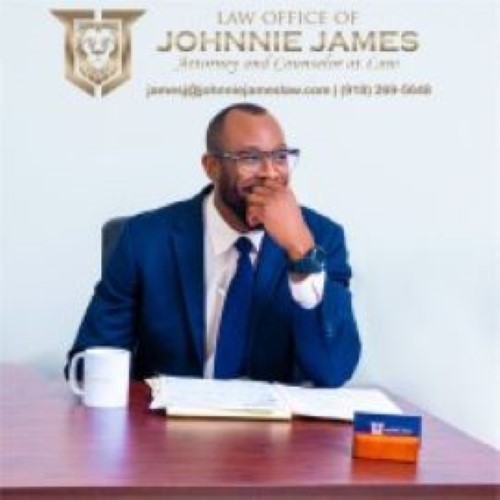
Johnnie J. James, III
is an attorney at The Law Office of Johnnie James, PLLC. He specializes in business, criminal defense, DUI law, copyright, estate planning, entertainment, intellectual property, legal consulting, personal injury, and trademark law. Within estate planning, Mr. James focuses on key elements such as wills, trusts, power of attorney, and beneficiary designations ensure assets are distributed according to your wishes while minimizing tax burdens. He earned his degree from The University of Oklahoma and his J.D. degree from Charlotte School of Law. Mr. James is admitted to practice law in Oklahoma and before the U.S. District Court, Northern District of Oklahoma.
Speaker bio
George L. Goodridge
practices law in Massachusetts and Vermont, where he works with clients in the areas of estate planning, trust and estate administration, and business law. He has represented clients in a variety of matters in state and federal courts involving will contests, actions to terminate and modify trusts, guardianships and conservatorships. Mr. Goodridge works closely with estate planning clients to implement a comprehensive plan that meets the family's goals and advises fiduciaries about probate, estate taxes, trust funding and administration. He serves as counsel to nonprofit organizations and has a particular interest in working with land trusts and private landowners on land protection projects. Mr. Goodridge earned his B.S. degree, summa cum laude, from the University of Massachusetts, Amherst; his J.D. degree from the University of Connecticut School of Law; and an LL.M. in taxation from Boston University School of Law. He is admitted to practice in Massachusetts, Vermont, U.S. Court for the District of Massachusetts, U.S. Court of Appeals for the First Circuit and the U.S. Patent and Trademark Office.
Speaker bio
Lisa A. Casey Labelle
is a partner at Vacovec, Mayotte & Singer, LLP where she concentrates her practice on estate planning services for a diverse client base ranging from young families executing an estate plan for the first time to high net-worth individuals. The latter routinely includes more complex planning strategies, such as generation-skipping trusts, spousal trusts, life insurance trusts, and annual gift trusts (commonly called "Crummey" trusts). Ms. Labelle also prepares gift tax returns to ensure adequate reporting to the IRS of such gifting strategies. She also provides trust and estate administration services, including the preparation of estate tax returns, fiduciary income tax returns, and trust and estate accountings. In her prior capacity as a professional trustee for a group of family trusts benefiting multiple generations, Ms. Labelle frequently dealt with questions of proper trust administration and the income and gift tax consequences arising from trustee actions. Her experience in preparing tax returns allows her to apply her knowledge of the Internal Revenue Service Code and Treasury Regulations to her clients' real-world scenarios yielding. the most favorable outcomes for them. She is admitted to practice law in Massachusetts, Florida and New York. Ms. Labelle earned her B.A. degree from Dartmouth College, her J.D. degree from Cornell Law School and her LL.M. degree in taxation from Boston University School of Law.
TOP FAQs
Have more questions? Please Contact Us