

Register For Course
Live Webinar Registration
OnDemand Recording
Course Book Download
Overview
Tribal Law in Alaska: Navigating Jurisdiction, Courts, and Contracts
Practicing in Alaska requires a different playbook. Between ANCSA, the limited scope of “Indian Country,” and overlapping sovereign authority, even experienced attorneys can misidentify jurisdiction, misunderstand land status, or structure agreements incorrectly. This course focuses on where attorneys get it wrong - and how to get it right. You'll learn how to distinguish between tribes and Alaska Native corporations, understand why land ownership does not determine jurisdiction in Alaska, determine the proper forum, navigate tribal courts, and draft contracts. If your practice touches Alaska Native clients, lands, or entities, this course will give you the clarity needed to avoid costly mistakes. Register today!
- Identify when Alaska Native or tribal law is implicated.
- Distinguish between tribes and Alaska Native Corporations (ANCs).
- Determine the proper forum when tribal, state, and federal authority overlap.
- Navigate Alaska tribal courts and anticipate how state courts will treat tribal decisions.
- Structure contracts with tribes and ANCs to account for sovereign immunity and jurisdictional issues.
- Apply ICWA requirements in practice and avoid procedural missteps that create appeal risk.
- Analyze criminal jurisdiction in rural Alaska and understand the roles of federal, state, and tribal authorities.
- Avoid cultural and ethical missteps when representing clients in tribal law matters.
Abbreviated Agenda
- Understanding Alaska Native Law
- ANCSA and Land: What Most Attorneys Misunderstand
- Family Law and ICWA in a Nutshell
Can't Attend Live?

Get the OnDemand Instead
Watch the recording of this event on your own schedule. We'll notify you when its ready.
Credit Details
Credits Available
| Credit | Status | Total |
|---|---|---|
| Alaska CLE |
|
3 Total |
Credit Details by Jurisdiction
Live Webinar Registration
CLE
Credits
Alaska CLE Approved · 3 Total Credits
Live - Alaska CLE - 3: This program is approved by the Alaska Bar Association for 3.0 hours of credit, which includes 3.0 hours of MCLE credit and 0.0 hour of MECLE credit.
OnDemand Video
CLE
Credits
Alaska CLE Approved · 3 Total Credits
Earn Until
OnDemand - Alaska CLE - 3: This program is approved by the Alaska Bar Association for 3.0 hours of technology-delivered credit, which includes 3.0 hours of MCLE credit and 0.0 hour of MECLE credit.
Video Download - Alaska CLE - 3: This program is approved by the Alaska Bar Association for 3.0 hours of technology-delivered credit, which includes 3.0 hours of MCLE credit and 0.0 hour of MECLE credit.
Select Jurisdiction
CLE
Agenda
-
Understanding Alaska Native Law
- Overview of Alaska Native Tribes
- Absence of Traditional Reservations (With Exceptions)
- Relationship Between Tribes, State, and Federal Government
-
ANCSA and Land: What Most Attorneys Misunderstand
- Alaska Native Claims Settlement Act (ANCSA): What You Need to Know
- Understanding Alaska Native Corporations (ANCs)
- Regional Corporate Variation
- Title, Easements, and Land Status Disputes
- Alaska Native Allotments and Individual Land Tenure
- BIA Fee-to-Trust in Alaska
- Ongoing Litigation Shaping Alaska Native Land Rights
- Subsistence Rights and the Rural Priority
- Land Use and Natural Resources
-
Family Law and ICWA in a Nutshell
- Indian Child Welfare Act (ICWA) Basics
- Role of Tribal Courts in Child Custody
- Active Efforts and Placement Preferences in Practice
- Concurrent Jurisdiction Issues
- Avoiding Procedural Missteps That Create Appeal Risk
Who Should Attend
This basic level online seminar is designed for attorneys whose practice touches Alaska Native clients, lands, or entities, including:
- Civil litigators handling jurisdictional or cross-sovereign disputes
- Criminal law practitioners navigating overlapping federal, state, and tribal authority
- Family law attorneys working with ICWA and tribal court jurisdiction
- Business and transactional attorneys contracting with tribes or Alaska Native corporations (ANCs)
- Real estate and natural resources attorneys dealing with land status, title, and ANCSA-related issues
- Government and in-house counsel advising on regulatory, employment, or compliance matters
No prior experience in tribal law is required.
Speakers

Speaker bio
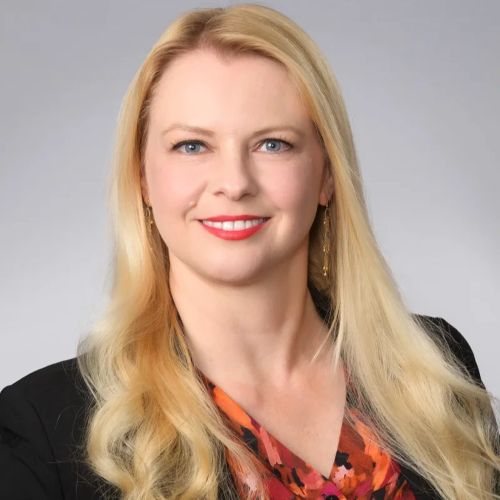
Kristen Boyert
is a senior associate attorney assisting Native American Tribal Nations and Tribal entities on a variety of matters such as tribal sovereignty and governance, business and economic development, contract negotiation and drafting, land acquisitions, tribal gaming, tribal law, human resources and employment matters, and cases involving the Indian Child Welfare Act (ICWA). Her work has encompassed advising Tribal Councils, tribal departments, and tribal entities; drafting and negotiating employment, independent contractor, commercial and service, and other agreements; drafting tribal ordinances and codes, policies, and resolutions; representing Tribes in ICWA related cases; among an array of other matters. Ms. Boyert previously served as the senior tribal attorney in the Office of Tribal Attorney for the Hoopa Valley Tribe. A high point of her tenure was the 2023 historic re-acquisition of 10,395 acres of the Tribe's ancestral lands, marking the largest acquisition of land since the establishment of the Hoopa Valley Reservation in 1864. Before her career in Federal Indian law, Ms. Boyert gained valuable experience in the high-tech industry, holding positions at companies such as Google and Lyft, as well as early-stage start-ups. She earned her LL.M. degree in intellectual property law from Santa Clara University School of Law, her J.D. degree from Albany Law School of Union University with a concentration certificate in International Law and Practice, and her B.A. degree from the University of Southern California.
Speaker bio
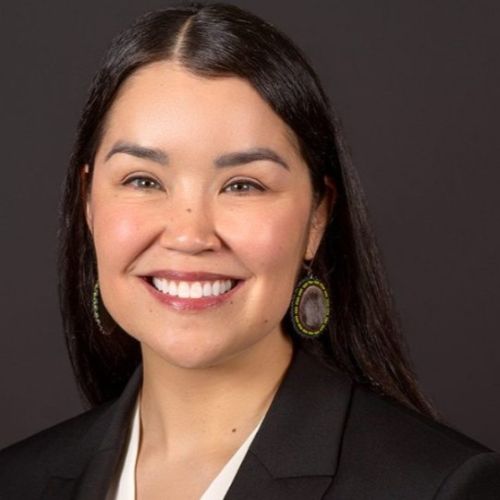
Andrea G. Montag
is Of Counsel with Schawbe with industry focus on Indian Country & Alaska Native Corporations. Having served as in-house counsel for a global research company and an Alaska Native Corporation, she offers a unique perspective for navigating complex commercial and corporate matters, as well as litigation. Ms. Montag is well versed on issues of corporate governance, contracts, legal and risk management, and mergers and acquisitions. In addition, she sits on the board of an Alaska Native Corporation. Combined with her broad legal background across various industries and her upbringing in rural Alaska, this gives Ms. Montag an invaluable grasp of the inner workings and challenges faced by Alaska Native Corporations and tribes, and equips me to provide strategic, tailored guidance that aligns with the needs of her clients. She is an enrolled member of the Native Village of Kotzebue and a shareholder in three Alaska Native Corporations. Ms. Montag earned her BA degree from University of Montana and JD degree from Lewis & Clark.
Speaker bio
Sam Schimmel
is an associate with Schwabe, where he counsels Tribal governments and Alaska Native Corporations on a spectrum of legal needs, including governance, economic development, and corporate-related matters. He strives to translate community priorities into actionable legal strategies that hold up in boardrooms and government forums alike. Prior to coming to Schwabe, Mr. Schimmel gained valuable experience at the Alaska Native Justice Center, where he assisted in protecting victims of domestic violence. He also served in leadership roles for national Tribal advocacy organizations, Tribal resource agencies, and Native focused non-profits. These experiences helped to deepen Mr. Schimmel's understanding of how to address the complex issues facing Native American and Alaska Native communities. He earned his B.A. degree from Standford University and his J.D. degree from Georgetown University Law Center. He is St. Lawrence Island Siberian Yupik and Kenaitze Indian.
TOP FAQs
Have more questions? Please Contact Us