

Investment Tools All Estate Planners Must Understand
Credits Available
| Credit | Status | Total |
|---|---|---|
| California MCLE Paralegal |
|
1 Total |
| Alaska CLE |
|
1 Total |
| Alabama CLE |
|
1 Total |
| Arkansas CLE |
|
1 Total |
| Arizona CLE |
|
1 Total |
| California CLE |
|
1 Total |
| Colorado CLE |
|
1 Total |
| Connecticut CLE |
|
1 Total |
| Delaware CLE |
|
1 Total |
| Florida CLE |
|
1 Total |
| Georgia CLE |
|
1 Total |
| Hawaii CLE |
|
1 Total |
| Iowa CLE |
|
1 Total |
| Idaho CLE |
|
1 Total |
| Illinois CLE |
|
1 Total |
| Indiana CLE |
|
1 Total |
| Kansas CLE |
|
1 Total |
| Louisiana CLE |
|
1 Total |
| Maine CLE |
|
1 Total |
| Minnesota CLE |
|
1 Total |
| Missouri CLE |
|
1.2 Total |
| Northern Mariana Islands CLE |
|
1 Total |
| Montana CLE |
|
1 Total |
| North Carolina CLE |
|
1 Total |
| North Dakota CLE |
|
1 Total |
| Nebraska CLE |
|
1 Total |
| New Hampshire CLE |
|
1 Total |
| New Jersey CLE |
|
1.2 Total |
| New Mexico CLE |
|
1 Total |
| Nevada CLE |
|
1 Total |
| New York CLE |
|
1 Total |
| Ohio CLE |
|
1 Total |
| Oklahoma CLE |
|
1 Total |
| Pennsylvania CLE |
|
1 Total |
| Rhode Island CLE |
|
1 Total |
| South Carolina CLE |
|
1 Total |
| Tennessee CLE |
|
1 Total |
| Texas CLE |
|
1 Total |
| Utah CLE |
|
1 Total |
| Virginia CLE |
|
1 Total |
| Vermont CLE |
|
1 Total |
| Washington CLE |
|
1 Total |
| Wisconsin CLE |
|
1 Total |
| West Virginia CLE |
|
1.2 Total |
| Wyoming CLE |
|
1 Total |
| Arizona CPE for Accountants |
|
1 Total |
| New York CPE for Accountants |
|
1 Total |
| Washington CPE for Accountants |
|
1 Total |
| Wisconsin CPE for Accountants |
|
1.2 Total |
| Delaware Certified Paralegal Program |
|
1 Total |
| Florida Registered Paralegal |
|
1 Total |
| Indiana Paralegal CLE |
|
1 Total |
| Montana CLE Credit for Paralegals |
|
1 Total |
| CPE for Accountants/NASBA |
|
1 Total |
| North Carolina Continuing Paralegal Education |
|
1 Total |
| New Mexico Paralegal Division, State Bar of |
|
1 Total |
| NFPA |
|
0 Total |
| Texas State Bar of Paralegal Division |
|
1 Total |
Wed, Oct 21, 00:00 AM – 00:00 PM
Wed, Oct 21, 00:00 AM – 00:00 PM
Register For Course
Live Webinar Registration
OnDemand Recording
Course Book Download
Overview
Know the Assets Behind the Estate Plan - and the Coordination Pitfalls That Derail Them
Estate planning is not just about drafting documents. You must also understand how assets actually transfer, how beneficiary designations operate, and where investment-related mistakes can derail an otherwise sound plan. This practical program examines the investment and financial tools estate planners encounter most often: retirement accounts, brokerage accounts, annuities, 529 plans, life insurance, business interests, and crypto assets - with a focus on the tax, fiduciary, and coordination issues that routinely create problems in planning and administration. Register today!
- Learn why retirement accounts are often the most consequential (and more mishandled) asset in estate planning.
- Discover the basis planning opportunities many estate plans miss.
- Identify planning pitfalls unique to life insurance, business interests, and nontraditional assets.
- Walk away with a practical checklist you can apply to every client file.
Abbreviated Agenda
- Retirement Accounts: Why They're the Most Dangerous Asset in Estate Planning
- Brokerage Accounts, Annuities, and 529 Plans: What to Know
- Basis Planning: The Tax Savings Most Plans Leave on the Table
- Fiduciary Investing and Trustee Responsibility: UPIA Standards, Delegation, and Liability Exposure
- Life Insurance, Business Interests, and Digital Assets
- The "Must Review" Checklist: Ownership, Beneficiaries, Taxes, Liquidity, Administration, and Coordination
Can't Attend Live?

Get the OnDemand Instead
Watch the recording of this event on your own schedule. We'll notify you when its ready.
Credit Details
Credits Available
| Credit | Status | Total |
|---|---|---|
| California MCLE Paralegal |
|
1 Total |
| Alaska CLE |
|
1 Total |
| Alabama CLE |
|
1 Total |
| Arkansas CLE |
|
1 Total |
| Arizona CLE |
|
1 Total |
| California CLE |
|
1 Total |
| Colorado CLE |
|
1 Total |
| Connecticut CLE |
|
1 Total |
| Delaware CLE |
|
1 Total |
| Florida CLE |
|
1 Total |
| Georgia CLE |
|
1 Total |
| Hawaii CLE |
|
1 Total |
| Iowa CLE |
|
1 Total |
| Idaho CLE |
|
1 Total |
| Illinois CLE |
|
1 Total |
| Indiana CLE |
|
1 Total |
| Kansas CLE |
|
1 Total |
| Louisiana CLE |
|
1 Total |
| Maine CLE |
|
1 Total |
| Minnesota CLE |
|
1 Total |
| Missouri CLE |
|
1.2 Total |
| Northern Mariana Islands CLE |
|
1 Total |
| Montana CLE |
|
1 Total |
| North Carolina CLE |
|
1 Total |
| North Dakota CLE |
|
1 Total |
| Nebraska CLE |
|
1 Total |
| New Hampshire CLE |
|
1 Total |
| New Jersey CLE |
|
1.2 Total |
| New Mexico CLE |
|
1 Total |
| Nevada CLE |
|
1 Total |
| New York CLE |
|
1 Total |
| Ohio CLE |
|
1 Total |
| Oklahoma CLE |
|
1 Total |
| Pennsylvania CLE |
|
1 Total |
| Rhode Island CLE |
|
1 Total |
| South Carolina CLE |
|
1 Total |
| Tennessee CLE |
|
1 Total |
| Texas CLE |
|
1 Total |
| Utah CLE |
|
1 Total |
| Virginia CLE |
|
1 Total |
| Vermont CLE |
|
1 Total |
| Washington CLE |
|
1 Total |
| Wisconsin CLE |
|
1 Total |
| West Virginia CLE |
|
1.2 Total |
| Wyoming CLE |
|
1 Total |
| Arizona CPE for Accountants |
|
1 Total |
| New York CPE for Accountants |
|
1 Total |
| Washington CPE for Accountants |
|
1 Total |
| Wisconsin CPE for Accountants |
|
1.2 Total |
| Delaware Certified Paralegal Program |
|
1 Total |
| Florida Registered Paralegal |
|
1 Total |
| Indiana Paralegal CLE |
|
1 Total |
| Montana CLE Credit for Paralegals |
|
1 Total |
| CPE for Accountants/NASBA |
|
1 Total |
| North Carolina Continuing Paralegal Education |
|
1 Total |
| New Mexico Paralegal Division, State Bar of |
|
1 Total |
| NFPA |
|
0 Total |
| Texas State Bar of Paralegal Division |
|
1 Total |
Select Jurisdiction
CLE
Paralegal
Other
Agenda
-
Investment Tools All Estate Planners Must Understand
- Retirement Accounts: Why They're the Most Dangerous Asset in Estate Planning
- Brokerage Accounts, Annuities, and 529 Plans: What to Know
- Basis Planning: The Tax Savings Most Plans Leave on the Table
- Fiduciary Investing and Trustee Responsibility: UPIA Standards, Delegation, and Liability Exposure
- Life Insurance, Business Interests, and Digital Assets
- The "Must Review" Checklist: Ownership, Beneficiaries, Taxes, Liquidity, Administration, and Coordination
Who Should Attend
This program is designed for estate planning, probate, trust administration, elder law, and wealth preservation attorneys, as well as lawyers advising fiduciaries and closely held businesses. It will also benefit accountants, paralegals, and other professionals involved in estate planning, trust administration, and beneficiary coordination matters.
Speakers
Speaker bio
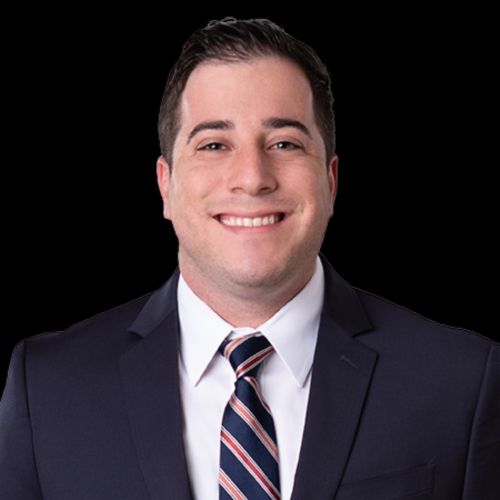
Jordan R. Inver
is an attorney at Stark & Stark PC, in the Trusts & Estates group. He assists clients in various aspects of estate planning services, including wills, irrevocable trusts, business succession planning, guardianships, conservatorships, durable powers of attorney, and health care directives. Prior to joining Stark & Stark, Mr. Inver served as a Tax Attorney for an accounting firm in Philadelphia, PA where he assisted clients with their tax disputes. He also served as a student attorney for the Villanova Law Federal Tax Clinic, where he represented low-income individuals involved in examinations, administrative appeals, collection matters, and cases before the United States Tax Court and Federal District courts. Mr. Inver has served several clerkships and legal externships, and judicial internships. He served as a law clerk for Green & Schafle in Philadelphia, as well as for Gawthrop Greenwood, PC in West Chester, PA. Mr. Inver earned his B.S degree from University of Delaware and his J.D degree from Villanova University Charles Widger School of Law.
TOP FAQs
Have more questions? Please Contact Us