

Federal Court Practice and Procedure 2027
Credits Available
| Credit | Status | Total |
|---|---|---|
| California MCLE Paralegal |
|
3 Total |
| Alaska CLE |
|
3 Total |
| Alabama CLE |
|
3 Total |
| Arkansas CLE |
|
3 Total |
| Arizona CLE |
|
3 Total |
| California CLE |
|
3 Total |
| Colorado CLE |
|
4 Total |
| Connecticut CLE |
|
3 Total |
| Delaware CLE |
|
3 Total |
| Florida CLE |
|
3.5 Total |
| Georgia CLE |
|
3 Total |
| Hawaii CLE |
|
3 Total |
| Iowa CLE |
|
3 Total |
| Idaho CLE |
|
3 Total |
| Illinois CLE |
|
3 Total |
| Indiana CLE |
|
3 Total |
| Kansas CLE |
|
3.5 Total |
| Kentucky CLE |
|
3 Total |
| Louisiana CLE |
|
3 Total |
| Maine CLE |
|
3 Total |
| Minnesota CLE |
|
3 Total |
| Missouri CLE |
|
3.6 Total |
| Northern Mariana Islands CLE |
|
3 Total |
| Mississippi CLE |
|
3 Total |
| Montana CLE |
|
3 Total |
| North Carolina CLE |
|
3 Total |
| North Dakota CLE |
|
3 Total |
| Nebraska CLE |
|
3 Total |
| New Hampshire CLE |
|
3 Total |
| New Jersey CLE |
|
3.6 Total |
| New Mexico CLE |
|
3 Total |
| Nevada CLE |
|
3 Total |
| New York CLE |
|
3.5 Total |
| Ohio CLE |
|
3 Total |
| Oklahoma CLE |
|
3.5 Total |
| Oregon CLE |
|
3 Total |
| Pennsylvania CLE |
|
3 Total |
| Rhode Island CLE |
|
3.5 Total |
| South Carolina CLE |
|
3 Total |
| Tennessee CLE |
|
3 Total |
| Texas CLE |
|
3 Total |
| Utah CLE |
|
3 Total |
| Virginia CLE |
|
3 Total |
| Vermont CLE |
|
3 Total |
| Washington CLE |
|
3 Total |
| Wisconsin CLE |
|
3.5 Total |
| West Virginia CLE |
|
3.6 Total |
| Wyoming CLE |
|
3 Total |
| Delaware Certified Paralegal Program |
|
3 Total |
| Florida Registered Paralegal |
|
3.5 Total |
| Indiana Paralegal CLE |
|
3 Total |
| Montana CLE Credit for Paralegals |
|
3 Total |
| North Carolina Continuing Paralegal Education |
|
3 Total |
| New Mexico Paralegal Division, State Bar of |
|
3 Total |
| Ohio Certified Paralegals |
|
3 Total |
| NFPA |
|
0 Total |
| Texas State Bar of Paralegal Division |
|
3 Total |
Wed, Nov 11, 00:00 AM – 00:00 PM
Wed, Nov 11, 00:00 AM – 00:00 PM
Register For Course
Live Webinar Registration
OnDemand Recording
Course Book Download
Overview
Civil Rule Changes, AI, and Federal Court Hot Buttons
Federal court practice is shifting fast. New evidence rules are taking effect, a wave of proposed amendments is working through the pipeline, and artificial intelligence is reshaping discovery disputes, sanctions exposure, and evidentiary battles in ways courts are still sorting out. This three-hour webinar cuts through the noise. Learn the rules, cases, and strategies that matter for your practice this year and beyond - register today!
- Apply the amended Rule 801 to texts, emails, social media posts, and recorded conversations.
- Anticipate the impact of proposed Rule 707 on machine-generated evidence in your cases.
- Avoid sanctions when AI assists in research, drafting, and case preparation.
- Stay current on the federal court developments reshaping litigation strategy right now.
Abbreviated Agenda
- Privilege Protocol Changes: Year in Review
- Evidence Rule 801 - December 1, 2026 Amendment
- The 2027 Rules Package: What to Watch
- AI, Sanctions, and Case Management: Rule 11, Rule 37, and Judicial Expectations
- Proportionality, ESI, and AI Discovery: Rule 26(b)(1) in the New Battlefield
- Key Case Developments: What Federal Litigators Need to Know
Can't Attend Live?

Get the OnDemand Instead
Watch the recording of this event on your own schedule. We'll notify you when its ready.
Credit Details
Credits Available
| Credit | Status | Total |
|---|---|---|
| California MCLE Paralegal |
|
3 Total |
| Alaska CLE |
|
3 Total |
| Alabama CLE |
|
3 Total |
| Arkansas CLE |
|
3 Total |
| Arizona CLE |
|
3 Total |
| California CLE |
|
3 Total |
| Colorado CLE |
|
4 Total |
| Connecticut CLE |
|
3 Total |
| Delaware CLE |
|
3 Total |
| Florida CLE |
|
3.5 Total |
| Georgia CLE |
|
3 Total |
| Hawaii CLE |
|
3 Total |
| Iowa CLE |
|
3 Total |
| Idaho CLE |
|
3 Total |
| Illinois CLE |
|
3 Total |
| Indiana CLE |
|
3 Total |
| Kansas CLE |
|
3.5 Total |
| Kentucky CLE |
|
3 Total |
| Louisiana CLE |
|
3 Total |
| Maine CLE |
|
3 Total |
| Minnesota CLE |
|
3 Total |
| Missouri CLE |
|
3.6 Total |
| Northern Mariana Islands CLE |
|
3 Total |
| Mississippi CLE |
|
3 Total |
| Montana CLE |
|
3 Total |
| North Carolina CLE |
|
3 Total |
| North Dakota CLE |
|
3 Total |
| Nebraska CLE |
|
3 Total |
| New Hampshire CLE |
|
3 Total |
| New Jersey CLE |
|
3.6 Total |
| New Mexico CLE |
|
3 Total |
| Nevada CLE |
|
3 Total |
| New York CLE |
|
3.5 Total |
| Ohio CLE |
|
3 Total |
| Oklahoma CLE |
|
3.5 Total |
| Oregon CLE |
|
3 Total |
| Pennsylvania CLE |
|
3 Total |
| Rhode Island CLE |
|
3.5 Total |
| South Carolina CLE |
|
3 Total |
| Tennessee CLE |
|
3 Total |
| Texas CLE |
|
3 Total |
| Utah CLE |
|
3 Total |
| Virginia CLE |
|
3 Total |
| Vermont CLE |
|
3 Total |
| Washington CLE |
|
3 Total |
| Wisconsin CLE |
|
3.5 Total |
| West Virginia CLE |
|
3.6 Total |
| Wyoming CLE |
|
3 Total |
| Delaware Certified Paralegal Program |
|
3 Total |
| Florida Registered Paralegal |
|
3.5 Total |
| Indiana Paralegal CLE |
|
3 Total |
| Montana CLE Credit for Paralegals |
|
3 Total |
| North Carolina Continuing Paralegal Education |
|
3 Total |
| New Mexico Paralegal Division, State Bar of |
|
3 Total |
| Ohio Certified Paralegals |
|
3 Total |
| NFPA |
|
0 Total |
| Texas State Bar of Paralegal Division |
|
3 Total |
Credit Details by Jurisdiction
Live Webinar Registration
CLE
Credits
Alaska CLE Reciprocity · 3 Total Credits
Live - Alaska CLE - 3: Alaska Bar members may claim credit for attending CLE programs that have been accredited by other mandatory CLE jurisdictions. This program qualifies for 3.0 hours of credit, which includes 3.0 hours of MCLE credit and 0.0 hour of MECLE credit.
Alabama CLE Approved · 3 Total Credits
Live - Alabama CLE - 3: This course or a portion thereof has been approved by the Alabama State Bar Mandatory Continuing Legal Education Commission for a maximum of 3.0 credit hours, including 0.0 ethics/professionalism credit.
Arkansas CLE Approved · 3 Total Credits
Live - Arkansas CLE - 3: NBI, Inc. is an accredited sponsor in the state of Arkansas. This program is approved for 3.0 hours of continuing legal education credit, including 0.0 hour of ethics, consistent with the rules and regulations of the Arkansas Supreme Court of Professional Programs.
Arizona CLE Approved · 3 Total Credits
Live - Arizona CLE - 3: The State Bar of Arizona does not approve or accredit CLE activities for the Mandatory Continuing Legal Education requirement. This activity qualifies for 3.0 hours toward your annual CLE requirement for the State of Arizona, including 0.0 hour of professional responsibility.
California CLE Approved · 3 Total Credits
- 1 Technology
Live - California CLE - 3: This activity has been approved for Minimum Continuing Legal Education credit by the State Bar of California in the amount of 3.0 hours, of which 0.0 hour will apply to legal ethics and 1.0 hour will apply to Technology. NBI, Inc. certifies this activity conforms to the standards for approved education activities prescribed by the rules and regulations of the State Bar of California governing minimum continuing legal education. NBI, Inc. is a State Bar of California approved MCLE provider - #53.
Colorado CLE Approved · 4 Total Credits
Live - Colorado CLE - 4: NBI, Inc. is a Certified Provider, as recognized by the Colorado Supreme Court Continuing Legal and Judicial Education Committee. This program has been accredited for 4.0 hours of General Colorado Continuing Legal Education Credit, including 0.0 professional responsibility credit.
Connecticut CLE Approved · 3 Total Credits
Live - Connecticut CLE - 3: Neither the Connecticut Judicial Branch nor the Commission on Minimum Continuing Legal Education approve or accredit CLE providers or activities. It is the opinion of NBI, Inc. that this activity qualifies for 3.0 hours toward your annual CLE requirement in Connecticut, including 0.0 hour(s) of ethics/professionalism.
Delaware CLE Approved · 3 Total Credits
Live - Delaware CLE - 3: NBI, Inc. is an accredited sponsor of the Delaware Commission on Continuing Legal Education and recommends this program for 3.0 hours of eCLE credit, including 0.0 hour of ethics.
Florida CLE Approved · 3.5 Total Credits
- 3.5 Technology
- 3.5 State & Federal Government & Administrative Practice
Live - Florida CLE - 3.5: Approved by The Florida Bar for a maximum of 3.50 general hours of CLER credit including 0.0 hour of professional responsibility (may include legal ethics, professionalism, substance abuse or mental illness and wellness programs) and 3.5 hours of technology. Certification: 3.5 - State and Federal Government and Administrative Practice
Georgia CLE Approved · 3 Total Credits
Live - Georgia CLE - 3: This program is approved by the Commission on Continuing Lawyer Competency of the State Bar of Georgia. This program qualifies for 3.0 hours of distance learning continuing legal education credit with the Georgia Commission on Continuing Lawyer Competency, which includes 0.0 hour of distance learning ethics.
Hawaii CLE Approved · 3 Total Credits
Live - Hawaii CLE - 3: NBI, Inc. is an Accredited Provider with the Hawaii State Board of Continuing Legal Education. This alternative format activity has been approved for 3.0 hours of credit for the state of Hawaii, which includes 0.0 hour of ethics or professional responsibility education.
Iowa CLE Approved · 3 Total Credits
Live - Iowa CLE - 3: "Federal Court Practice and Procedure 2027" is an accredited program under the regulations of the Iowa Supreme Court Commission on Continuing Legal Education. It is planned that this program will provide a maximum of 3.0 hours of regular credit toward the mandatory continuing legal education requirements under the Iowa rule, including 0.0 hour of legal ethics credit.
Idaho CLE Approved · 3 Total Credits
Live - Idaho CLE - 3: Approved for 3.0 hours of continuing legal education credit in the state of Idaho, which includes 0.0 legal ethics or professional responsibility credit.
Illinois CLE Approved · 3 Total Credits
Live - Illinois CLE - 3: This program has been approved by the Illinois MCLE Board for 3.0 hours of CLE credit, which includes approval for 0.0 hour of legal ethics, civility, professionalism CLE credit by the Illinois Supreme Court Commission on Professionalism.
Indiana CLE Approved · 3 Total Credits
Live - Indiana CLE - 3: This course has been approved by the Indiana Supreme Court Office of Admissions & Continuing Education. Participating attorneys are eligible to receive 3.0 hours of distance education, which includes 0.0 hour of ethics.
Kansas CLE Approved · 3.5 Total Credits
Live - Kansas CLE - 3.5: Approved by Kansas CLE for 3.50 hours of continuing legal education credit, which includes 0.0 hour of ethics and professionalism credit.
Kentucky CLE Approved · 3 Total Credits
Live - Kentucky CLE - 3: This activity has been approved by the Kentucky Bar Association Continuing Legal Education Commission for a maximum of 3.0 credits, including 0.0 ethics credits.
Louisiana CLE Approved · 3 Total Credits
Live - Louisiana CLE - 3: This course or a portion thereof has been approved by the Louisiana Mandatory Continuing Legal Education Committee of the Louisiana State Bar Association. This program qualifies for 3.0 hours (based on a 60-minute credit hour) of computer based credit, of which 0.0 hour will apply to computer based ethics credit. This course will apply toward the fulfillment of the newly admitted member requirement.
Maine CLE Approved · 3 Total Credits
Live - Maine CLE - 3: This course has been approved by the State of Maine Board of Overseers of the Bar. Lawyers who complete this course shall receive 3.0 hours of CLE credit including 0.0 ethics hours.
Course Book - Maine CLE - 3: This course has been approved by the State of Maine Board of Overseers of the Bar. Lawyers who complete this course will receive 3.0 hours of self-study CLE credit.
Minnesota CLE Approved · 3 Total Credits
Live - Minnesota CLE - 3: This course has been approved by the Minnesota Board of Continuing Legal Education for 3.0 hours of standard CLE credit, including 0.0 hour of ethics credit.
Missouri CLE Approved · 3.6 Total Credits
Live - Missouri CLE - 3.6: NBI, Inc. is an accredited sponsor with Missouri Minimum Continuing Legal Education. This program qualifies for 3.60 hours of CLE credit, which includes 0.0 hour of ethics, professionalism or malpractice prevention credit.
Course Book - Missouri CLE - 3.6: NBI, Inc. is an accredited sponsor with Missouri Minimum Continuing Legal Education. This program qualifies for 3.60 self-study CLE credit hours.
Northern Mariana Islands CLE Approved · 3 Total Credits
Live - Northern Mariana Islands CLE - 3: This course has been approved by the Commonwealth of the Northern Mariana Islands. Lawyers who complete this course shall receive 3.0 hours of CLE credit.
Course Book - Northern Mariana Islands CLE - 3: This course has been approved by the Commonwealth of the Northern Mariana Islands. Lawyers who complete this course shall receive 3.0 hours of self-study CLE credit.
Mississippi CLE Approved · 3 Total Credits
Live - Mississippi CLE - 3: This course has been approved by the Mississippi Commission on Continuing Legal Education for a maximum of 3.0 hours of Online credit, which includes 0.0 hour of ethics/ professionalism.
Montana CLE Approved · 3 Total Credits
Live - Montana CLE - 3: Approved for 3.0 hours of CLE credit by the Montana Commission of Continuing Legal Education, including 0.0 hour of professional fitness and integrity credit.
North Carolina CLE Approved · 3 Total Credits
- 1 Technology
Live - North Carolina CLE - 3: NBI, Inc. is an accredited sponsor with the North Carolina State Board of Continuing Legal Education. Attendance of this program will result in 3.0 hours of CLE credit, including 0.0 professional responsibility and 1.0 technology.
North Dakota CLE Approved · 3 Total Credits
Live - North Dakota CLE - 3: This program has been approved by the North Dakota Commission for Continuing Legal Education for 3.0 hours of CLE credit, including 0.0 hour of ethics credit.
Nebraska CLE Approved · 3 Total Credits
Live - Nebraska CLE - 3: NBI, Inc. is an accredited CLE sponsor in the state of Nebraska. This activity has been approved for 3.0 distance learning CLE credits, including 0.0 hour of professional responsibility credit.
New Hampshire CLE Approved · 3 Total Credits
Live - New Hampshire CLE - 3: NHMCLE does not approve or accredit CLE activities for the NH Minimum CLE requirement. NBI, Inc. believes this course meets the requirements of NH Supreme Court Rule 53 toward the annual NHMCLE requirement.
New Jersey CLE Approved · 3.6 Total Credits
Live - New Jersey CLE - 3.6: This program has been approved by the Board on Continuing Legal Education of the Supreme Court of New Jersey for 3.60 hours of total CLE credit. Of these, 0.0 qualifies as hours of credit for ethics/professionalism.
New Mexico CLE Approved · 3 Total Credits
Live - New Mexico CLE - 3: This program has been approved by the Board of Bar Commissioners of the State Bar of New Mexico for 3.0 hours of credit, including 0.0 hour of ethics.
Nevada CLE Approved · 3 Total Credits
Live - Nevada CLE - 3: This course has been approved by the Nevada Board of Continuing Legal Education. This program qualifies for 3.0 hours of alternative format CLE credits by the Nevada Board of Continuing Legal Education, which includes 0.0 hour of alternative format ethical considerations.
New York CLE Approved · 3.5 Total Credits
- 2.5 Areas of Professional Practice
- 1 Cybersecurity, Privacy and Data Protection-General
Live - New York CLE - 3.5: This course has been approved in accordance with the requirements of the New York State Continuing Legal Education Board for a maximum of 3.50 credit hours. 2.50 hours can be applied to the areas of professional practice requirement and 1.0 hour can be applied to the cybersecurity, privacy and data protection requirement. This nontraditional format program is approved for newly admitted attorneys. NBI, Inc. offers a Financial Hardship Policy for qualifying individuals. To apply, please submit a request via email to our Tuition Discount Committee at customerservice@nbi-sems.com.
Ohio CLE Approved · 3 Total Credits
- 3 New Lawyer Training
Live - Ohio CLE - 3: This course has been approved by the Supreme Court of Ohio Commission on Continuing Legal Education for 3.0 self-study CLE credit hours, including 0.0 hour of attorney professional conduct instruction. This course is approved for 3.0 hours of New Lawyer Training credit.
Oklahoma CLE Approved · 3.5 Total Credits
Live - Oklahoma CLE - 3.5: This course has been approved by the Oklahoma Bar Association Mandatory Continuing Legal Education Commission for 3.50 hours of CLE credit, which includes 0.0 hour of legal ethics.
Oregon CLE Approved · 3 Total Credits
Live - Oregon CLE - 3: NBI, Inc. is an approved sponsor with the Oregon MCLE. This program is approved for 3.0 hours of general continuing legal education credit and 0.0 hour of ethics credit.
Pennsylvania CLE Approved · 3 Total Credits
Live - Pennsylvania CLE - 3: This program has been approved by the Pennsylvania Continuing Legal Education Board for a total of 3.0 hours, including 3.0 hours of substantive law, practice and procedure CLE credit and 0.0 hour of ethics, professionalism or substance abuse CLE credit.
Rhode Island CLE Approved · 3.5 Total Credits
Live - Rhode Island CLE - 3.5: NBI is an accredited sponsor with the Rhode Island MCLE Commission. This program is approved for 3.50 hours of CLE credit in Rhode Island, including 0.0 of legal ethics.
South Carolina CLE Approved · 3 Total Credits
Live - South Carolina CLE - 3: This course is accredited by the South Carolina Commission on Continuing Legal Education and Specialization for 3.0 alternatively delivered hours, of which 0.0 hour relates to legal ethics and professional responsibility.
Tennessee CLE Approved · 3 Total Credits
Live - Tennessee CLE - 3: This course has been approved by the Tennessee Commission on Continuing Legal Education for a maximum of 3.0 hours of Distance Learning credit, including 0.0 hour of ethics/professionalism (EP) credit.
Texas CLE Approved · 3 Total Credits
Live - Texas CLE - 3: This course is accredited for Minimum Continuing Legal Education credit by the State Bar of Texas Committee on MCLE in the amount of 3.0 credit hours, of which 0.0 credit hour will apply to legal ethics/professional responsibility credit. Hours in attendance at National Business Institute CLE seminars may be applied to the minimum Judicial Education requirement.
Utah CLE Approved · 3 Total Credits
Live - Utah CLE - 3: National Business Institute is an approved "presumptive provider" with the Utah State Board of Continuing Legal Education. This program qualifies for a maximum of 3.0 hours of Live CLE credit for Utah attorneys, which includes 0.0 hour of ethics credit.
Virginia CLE Approved · 3 Total Credits
Live - Virginia CLE - 3: This course has been approved by the Virginia Mandatory Continuing Legal Education Board for 3.0 hours of credit, of which 0.0 hour will also apply in the area of legal ethics or professionalism.
Vermont CLE Approved · 3 Total Credits
Live - Vermont CLE - 3: This course has been approved by the Vermont Board of Mandatory Continuing Legal Education for 3.0 hours of credit, including 0.0 hour of ethics.
Washington CLE Approved · 3 Total Credits
Live - Washington CLE - 3: Approved for 3.0 hours of Washington continuing legal education credit, which includes 3.0 hours of Law and Legal Procedure and 0.0 hour of ethics and professional responsibility.
Wisconsin CLE Approved · 3.5 Total Credits
Live - Wisconsin CLE - 3.5: Approved for 3.50 hours of CLE credit by the Board of Bar Examiners, including 0.0 hour of ethics and professional responsibility (EPR) credit.
West Virginia CLE Approved · 3.6 Total Credits
Live - West Virginia CLE - 3.6: This program qualifies for 3.60 hours of credit, which includes 0.0 hour of ethics, under the West Virginia Rules for Mandatory Continuing Legal Education.
Wyoming CLE Approved · 3 Total Credits
Live - Wyoming CLE - 3: The Wyoming State Board of Continuing Legal Education has granted 3.0 hours of Continuing Legal Education Credit, including 0.0 hour of ethics.
Paralegal
Credits
California MCLE Paralegal Approved · 3 Total Credits
Live - California MCLE Paralegal - 3: This program meets the California MCLE Paralegal requirement as specified in Business and Professions Code Section 6450(d).
Delaware Certified Paralegal Program Approved · 3 Total Credits
Live - Delaware Certified Paralegal Program - 3: This course qualifies for 3.0 DCP CLE credit hours, including 0.0 DCP ethics credit hour, toward the eligibility requirements of the DPA Delaware Certified Paralegal Program.
Florida Registered Paralegal Approved · 3.5 Total Credits
- 3.5 Technology
Live - Florida Registered Paralegal - 3.5: This course qualifies for 3.50 hours of continuing education for paralegals, including 0.0 hour of ethics and 3.50 hours of technology, toward the eligibility requirements of the Florida Registered Paralegal Program. This course has been approved by NFPA.
Indiana Paralegal CLE Approved · 3 Total Credits
Live - Indiana Paralegal CLE - 3: This course qualifies for 3.0 hours of continuing education, including 0.0 hour of ethics and satisfies the CLE requirement for Indiana State Bar Association Paralegal Members and Indiana Registered Paralegals (IRP).
Montana CLE Credit for Paralegals Approved · 3 Total Credits
Live - Montana CLE Credit for Paralegals - 3: This course has been approved for 3.0 hours of CLE credit, including 0.0 hour of ethics, by the Montana Commission of Continuing Legal Education. The Montana Association of Legal Assistants (MALA) and the Paralegal Section of the State Bar of Montana will honor this credit approval.
North Carolina Continuing Paralegal Education Approved · 3 Total Credits
Live - North Carolina Continuing Paralegal Education - 3: This program has been approved by the North Carolina State Bar Board of Paralegal Certification for continuing paralegal education credit in the amount of 3.0 hours, of which 0.0 hour will also apply in the area of professional responsibility. This course is not sponsored by the Board of Paralegal Certification.
New Mexico Paralegal Division, State Bar of Approved · 3 Total Credits
Live - New Mexico Paralegal Division, State Bar of - 3: Approved by the Paralegal Division of the State Bar of New Mexico for 3.0 general and 0.0 ethics (for a total of 3.0 hours CLE).
Ohio Certified Paralegals Approved · 3 Total Credits
Live - Ohio Certified Paralegals - 3: This course qualifies for 3.0 hours of continuing education for paralegals, including 0.0 hour of ethics, toward the eligibility requirements of the Ohio State Bar Association Paralegal Certification program.
NFPA Approved · 0 Total Credits
Live - NFPA - 0: NBI, Inc. is an NFPA-approved CLE provider. As such, members can claim credit for attending CLE programs that have been accredited by other mandatory CLE jurisdictions. The course duration is 180 minutes, which includes 0 minutes of ethics.
Texas State Bar of Paralegal Division Approved · 3 Total Credits
Live - Texas State Bar of Paralegal Division - 3: This course qualifies for 3.0 CLE credit hours, including 0.0 ethics credit hour, toward the eligibility requirements of The Paralegal Division of the State Bar of Texas.
OnDemand Video
CLE
Credits
Alaska CLE Reciprocity · 3 Total Credits
Earn Until
OnDemand - Alaska CLE - 3: Alaska Bar members may claim credit for attending CLE programs that have been accredited by other mandatory CLE jurisdictions. This program qualifies for 3.0 hours of credit, which includes 3.0 hours of MCLE credit and 0.0 hour of MECLE credit.
Video Download - Alaska CLE - 3: Alaska Bar members may claim credit for attending CLE programs that have been accredited by other mandatory CLE jurisdictions. This program qualifies for 3.0 hours of credit, which includes 3.0 hours of MCLE credit and 0.0 hour of MECLE credit.
Alabama CLE Approved · 3 Total Credits
Earn Until
OnDemand - Alabama CLE - 3: This course or a portion thereof has been approved by the Alabama State Bar Mandatory Continuing Legal Education Commission for a maximum of 3.0 on-demand credit hours, including 0.0 ethics/professionalism credit.
Arkansas CLE Approved · 3 Total Credits
Earn Until
OnDemand - Arkansas CLE - 3: NBI, Inc. is an accredited sponsor in the state of Arkansas. This program qualifies for 3.0 hours of on demand continuing legal education credit, including 0.0 hour of ethics, consistent with the rules and regulations of the Arkansas Supreme Court of Professional Programs.
Video Download - Arkansas CLE - 3: NBI, Inc. is an accredited sponsor in the state of Arkansas. This program qualifies for 3.0 hours of on demand continuing legal education credit, including 0.0 hour of ethics, consistent with the rules and regulations of the Arkansas Supreme Court of Professional Programs.
Arizona CLE Approved · 3 Total Credits
Earn Until
OnDemand - Arizona CLE - 3: The State Bar of Arizona does not approve or accredit CLE activities for the Mandatory Continuing Legal Education requirement. This activity qualifies for 3.0 hours toward your annual CLE requirement for the State of Arizona, including 0.0 hour of professional responsibility.
Video Download - Arizona CLE - 3: The State Bar of Arizona does not approve or accredit CLE activities for the Mandatory Continuing Legal Education requirement. This activity qualifies for 3.0 hours toward your annual CLE requirement for the State of Arizona, including 0.0 hour of professional responsibility.
California CLE Approved · 3 Total Credits
- 1 Technology
Earn Until
OnDemand - California CLE - 3: This activity has been approved for Minimum Continuing Legal Education credit by the State Bar of California and qualifies for 3.0 hours of participatory credit, of which 0.0 hour will apply to legal ethics and 1.0 hour will apply to Technology credit. NBI, Inc. certifies this activity conforms to the standards for approved education activities prescribed by the rules and regulations of the State Bar of California governing minimum continuing legal education. NBI, Inc. is a State Bar of California approved MCLE provider - #53.
Video Download - California CLE - 3: This activity has been approved for Minimum Continuing Legal Education credit by the State Bar of California and qualifies for 3.0 hours of self-study credit, of which 0.0 hour will apply to legal ethics and 1.0 hour will apply to Technology credit. NBI, Inc. certifies this activity conforms to the standards for approved education activities prescribed by the rules and regulations of the State Bar of California governing minimum continuing legal education. NBI, Inc. is a State Bar of California approved MCLE provider - #53.
Colorado CLE Approved · 4 Total Credits
Earn Until
OnDemand - Colorado CLE - 4: NBI, Inc. is a Certified Provider, as recognized by the Colorado Supreme Court Continuing Legal and Judicial Education Committee. This program qualifies for 4.0 hours of home study general Colorado Continuing Legal Education Credit, including 0.0 professional responsibility credit.
Video Download - Colorado CLE - 4: NBI, Inc. is a Certified Provider, as recognized by the Colorado Supreme Court Continuing Legal and Judicial Education Committee. This program qualifies for 4.0 hours of home study general Colorado Continuing Legal Education Credit, including 0.0 professional responsibility credit.
Connecticut CLE Approved · 3 Total Credits
Earn Until
OnDemand - Connecticut CLE - 3: Neither the Connecticut Judicial Branch nor the Commission on Minimum Continuing Legal Education approve or accredit CLE providers or activities. It is the opinion of NBI, Inc. that this activity qualifies for 3.0 self-study hours toward your annual CLE requirement in Connecticut, including 0.0 self-study hour(s) of ethics/professionalism.
Video Download - Connecticut CLE - 3: Neither the Connecticut Judicial Branch nor the Commission on Minimum Continuing Legal Education approve or accredit CLE providers or activities. It is the opinion of NBI, Inc. that this activity qualifies for 3.0 self-study hours toward your annual CLE requirement in Connecticut, including 0.0 self-study hour(s) of ethics/professionalism.
Delaware CLE Approved · 3 Total Credits
Earn Until
OnDemand - Delaware CLE - 3: NBI, Inc. is an accredited sponsor of the Delaware Commission on Continuing Legal Education and recommends this program for 3.0 hours of eCLE credit, including 0.0 hour of ethics.
Florida CLE Approved · 3.5 Total Credits
- 3.5 Technology
- 3.5 State & Federal Government & Administrative Practice
Earn Until
OnDemand - Florida CLE - 3.5: Approved by The Florida Bar, this program qualifies for 3.50 general hours of CLER self-study credit including 0.0 hour of self-study professional responsibility (may include legal ethics, professionalism, substance abuse or mental illness and wellness programs) and 3.5 hours of self-study technology. Certification: 3.5 - State and Federal Government and Administrative Practice
Video Download - Florida CLE - 3.5: Approved by The Florida Bar, this program qualifies for 3.50 general hours of CLER self-study credit including 0.0 hour of self-study professional responsibility (may include legal ethics, professionalism, substance abuse or mental illness and wellness programs) and 3.5 hours of self-study technology. Certification: 3.5 - State and Federal Government and Administrative Practice
Georgia CLE Approved · 3 Total Credits
Earn Until
OnDemand - Georgia CLE - 3: This program is approved by the Commission on Continuing Lawyer Competency of the State Bar of Georgia. This program qualifies for 3.0 hours of distance learning continuing legal education credit with the Georgia Commission on Continuing Lawyer Competency, which includes 0.0 hour of distance learning ethics.
Video Download - Georgia CLE - 3: This program is approved by the Commission on Continuing Lawyer Competency of the State Bar of Georgia. This program qualifies for 3.0 hours of distance learning continuing legal education credit with the Georgia Commission on Continuing Lawyer Competency, which includes 0.0 hour of distance learning ethics.
Hawaii CLE Approved · 3 Total Credits
Earn Until
OnDemand - Hawaii CLE - 3: NBI, Inc. is an Accredited Provider with the Hawaii State Board of Continuing Legal Education. This alternative format activity has been approved for 3.0 hours of credit for the state of Hawaii, which includes 0.0 hour of ethics or professional responsibility education.
Video Download - Hawaii CLE - 3: NBI, Inc. is an Accredited Provider with the Hawaii State Board of Continuing Legal Education. This alternative format activity has been approved for 3.0 hours of credit for the state of Hawaii, which includes 0.0 hour of ethics or professional responsibility education.
Iowa CLE Approved · 3 Total Credits
Earn Until
OnDemand - Iowa CLE - 3: "Federal Court Practice and Procedure 2027" is an accredited program under the regulations of the Iowa Supreme Court Commission on Continuing Legal Education. It is planned that this program will provide a maximum of 3.0 hours of unmoderated activity credit toward the mandatory continuing legal education requirements under the Iowa rule, including 0.0 hour of legal ethics unmoderated activity credit.
Idaho CLE Approved · 3 Total Credits
Earn Until
OnDemand - Idaho CLE - 3: Approved for 3.0 hours of self-study continuing legal education credit in the state of Idaho, which includes 0.0 self-study legal ethics or professional responsibility credit.
Video Download - Idaho CLE - 3: Approved for 3.0 hours of self-study continuing legal education credit in the state of Idaho, which includes 0.0 self-study legal ethics or professional responsibility credit.
Illinois CLE Approved · 3 Total Credits
Earn Until
OnDemand - Illinois CLE - 3: This program has been approved by the Illinois MCLE Board for 3.0 hours of recorded technology CLE credit, which includes approval for 0.0 hour of legal ethics, civility, professionalism CLE credit by the Illinois Supreme Court Commission on Professionalism.
Video Download - Illinois CLE - 3: This program has been approved by the Illinois MCLE Board for 3.0 hours of recorded technology CLE credit, which includes approval for 0.0 hour of legal ethics, civility, professionalism CLE credit by the Illinois Supreme Court Commission on Professionalism.
Indiana CLE Approved · 3 Total Credits
Earn Until
OnDemand - Indiana CLE - 3: This course has been approved by the Indiana Supreme Court Office of Admissions & Continuing Education. Participating attorneys are eligible to receive 3.0 hours of distance education, which includes 0.0 hour of ethics.
Kansas CLE Approved · 3.5 Total Credits
Earn Until
OnDemand - Kansas CLE - 3.5: Approved by Kansas CLE for 3.50 hours of prerecorded format continuing legal education credit, which includes 0.0 hour of ethics and professionalism credit.
Video Download - Kansas CLE - 3.5: Approved by Kansas CLE for 3.50 hours of prerecorded format continuing legal education credit, which includes 0.0 hour of ethics and professionalism credit.
Kentucky CLE Approved · 3 Total Credits
Earn Until
OnDemand - Kentucky CLE - 3: This program has been approved as a technological CLE activity by the Kentucky Bar Association Continuing Legal Education Commission and qualifies for 3.0 credits, including 0.0 ethics credits.
Video Download - Kentucky CLE - 3: This program has been approved as a technological CLE activity by the Kentucky Bar Association Continuing Legal Education Commission and qualifies for 3.0 credits, including 0.0 ethics credits.
Louisiana CLE Approved · 3 Total Credits
Earn Until
OnDemand - Louisiana CLE - 3: This course or a portion thereof has been approved by the Louisiana Mandatory Continuing Legal Education Committee of the Louisiana State Bar Association. This program qualifies for 3.0 hours (based on a 60-minute credit hour) of computer based credit, of which 0.0 hour will apply to computer-based ethics credit. This course will apply toward the fulfillment of the newly admitted member requirement.
Maine CLE Approved · 3 Total Credits
Earn Until
OnDemand - Maine CLE - 3: This course has been approved by the State of Maine Board of Overseers of the Bar. Lawyers who complete this course will receive 3.0 hours of self-study CLE credit.
Video Download - Maine CLE - 3: This course has been approved by the State of Maine Board of Overseers of the Bar. Lawyers who complete this course will receive 3.0 hours of self-study CLE credit.
Course Book - Maine CLE - 3: This course has been approved by the State of Maine Board of Overseers of the Bar. Lawyers who complete this course will receive 3.0 hours of self-study CLE credit.
Minnesota CLE Approved · 3 Total Credits
Earn Until
OnDemand - Minnesota CLE - 3: Approved for 3.0 hours of standard on-demand CLE credit, including 0.0 hour of ethics credit by the Minnesota Board of Continuing Legal Education.
Video Download - Minnesota CLE - 3: Approved for 3.0 hours of standard on-demand CLE credit, including 0.0 hour of ethics credit by the Minnesota Board of Continuing Legal Education.
Missouri CLE Approved · 3.6 Total Credits
Earn Until
OnDemand - Missouri CLE - 3.6: NBI, Inc. is an accredited sponsor with Missouri Minimum Continuing Legal Education. This program qualifies for 3.60 self-study CLE credit hours.
Video Download - Missouri CLE - 3.6: NBI, Inc. is an accredited sponsor with Missouri Minimum Continuing Legal Education. This program qualifies for 3.60 self-study CLE credit hours.
Course Book - Missouri CLE - 3.6: NBI, Inc. is an accredited sponsor with Missouri Minimum Continuing Legal Education. This program qualifies for 3.60 self-study CLE credit hours.
Northern Mariana Islands CLE Approved · 3 Total Credits
Earn Until
OnDemand - Northern Mariana Islands CLE - 3: This course has been approved by the Commonwealth of the Northern Mariana Islands. Lawyers who complete this course shall receive 3.0 hours of self-study CLE credit.
Video Download - Northern Mariana Islands CLE - 3: This course has been approved by the Commonwealth of the Northern Mariana Islands. Lawyers who complete this course shall receive 3.0 hours of self-study CLE credit.
Course Book - Northern Mariana Islands CLE - 3: This course has been approved by the Commonwealth of the Northern Mariana Islands. Lawyers who complete this course shall receive 3.0 hours of self-study CLE credit.
Mississippi CLE Approved · 3 Total Credits
Earn Until
OnDemand - Mississippi CLE - 3: This course has been approved by the Mississippi Commission on Continuing Legal Education for a maximum of 3.0 hours of Online credit, which includes 0.0 hour of ethics/ professionalism.
Montana CLE Approved · 3 Total Credits
Earn Until
OnDemand - Montana CLE - 3: This program qualifies for 3.0 hours of self-study CLE credit by the Montana Commission of Continuing Legal Education, including 0.0 hour of professional fitness and integrity credit.
Video Download - Montana CLE - 3: This program qualifies for 3.0 hours of self-study CLE credit by the Montana Commission of Continuing Legal Education, including 0.0 hour of professional fitness and integrity credit.
North Carolina CLE Approved · 3 Total Credits
- 1 Technology
Earn Until
OnDemand - North Carolina CLE - 3: NBI, Inc. is an accredited sponsor with the North Carolina State Board of Continuing Legal Education. Attendance of this program qualifies for 3.0 hours of online CLE credit, including 0.0 professional responsibility and 1.0 technology.
Video Download - North Carolina CLE - 3: NBI, Inc. is an accredited sponsor with the North Carolina State Board of Continuing Legal Education. Attendance of this program qualifies for 3.0 hours of online CLE credit, including 0.0 professional responsibility and 1.0 technology.
North Dakota CLE Approved · 3 Total Credits
Earn Until
OnDemand - North Dakota CLE - 3: North Dakota attorneys completing this program may claim 3.0 North Dakota self-study CLE credit hours, including 0.0 hour of self-study ethics credit, on the Report of Compliance.
Video Download - North Dakota CLE - 3: North Dakota attorneys completing this program may claim 3.0 North Dakota self-study CLE credit hours, including 0.0 hour of self-study ethics credit, on the Report of Compliance.
Nebraska CLE Approved · 3 Total Credits
Earn Until
OnDemand - Nebraska CLE - 3: NBI, Inc. is an accredited CLE sponsor in the state of Nebraska. This activity has been approved for 3.0 distance learning CLE credits, including 0.0 hour of professional responsibility credit.
Video Download - Nebraska CLE - 3: NBI, Inc. is an accredited CLE sponsor in the state of Nebraska. This activity has been approved for 3.0 distance learning CLE credits, including 0.0 hour of professional responsibility credit.
New Hampshire CLE Approved · 3 Total Credits
Earn Until
OnDemand - New Hampshire CLE - 3: NHMCLE does not approve or accredit CLE activities for the NH Minimum CLE requirement. NBI, Inc. believes this course meets the requirements of NH Supreme Court Rule 53 toward the annual NHMCLE requirement.
Video Download - New Hampshire CLE - 3: NHMCLE does not approve or accredit CLE activities for the NH Minimum CLE requirement. NBI, Inc. believes this course meets the requirements of NH Supreme Court Rule 53 toward the annual NHMCLE requirement.
New Jersey CLE Approved · 3.6 Total Credits
Earn Until
OnDemand - New Jersey CLE - 3.6: This program has been approved by the Board on Continuing Legal Education of the Supreme Court of New Jersey for 3.60 hours of alternative format CLE credit. Of these, 0.0 qualifies as hours of alternative learning format credit for ethics/professionalism.
Video Download - New Jersey CLE - 3.6: This program has been approved by the Board on Continuing Legal Education of the Supreme Court of New Jersey for 3.60 hours of alternative format CLE credit. Of these, 0.0 qualifies as hours of alternative learning format credit for ethics/professionalism.
New Mexico CLE Approved · 3 Total Credits
Earn Until
OnDemand - New Mexico CLE - 3: This program has been approved by the Board of Bar Commissioners of the State Bar of New Mexico. This program qualifies for 3.0 hours of self-study credit, including 0.0 hour of self-study ethics credit.
Video Download - New Mexico CLE - 3: This program has been approved by the Board of Bar Commissioners of the State Bar of New Mexico. This program qualifies for 3.0 hours of self-study credit, including 0.0 hour of self-study ethics credit.
Nevada CLE Approved · 3 Total Credits
Earn Until
OnDemand - Nevada CLE - 3: This course has been approved by the Nevada Board of Continuing Legal Education. This program qualifies for 3.0 hours of alternative format CLE credits by the Nevada Board of Continuing Legal Education, which includes 0.0 hour of alternative format ethical considerations.
Video Download - Nevada CLE - 3: This course has been approved by the Nevada Board of Continuing Legal Education. This program qualifies for 3.0 hours of alternative format CLE credits by the Nevada Board of Continuing Legal Education, which includes 0.0 hour of alternative format ethical considerations.
New York CLE Approved · 3.5 Total Credits
- 2.5 Areas of Professional Practice
- 1 Cybersecurity, Privacy and Data Protection-General
Earn Until
OnDemand - New York CLE - 3.5: This nontraditional format course has been approved in accordance with the requirements of the New York State Continuing Legal Education Board for up to 3.50 credit hours. 2.50 hours can be applied to the areas of professional practice requirement and 1.0 hour can be applied to the cybersecurity, privacy and data protection requirement. and is approved for newly admitted attorneys. NBI, Inc. offers a Financial Hardship Policy for qualifying individuals. To apply, please submit a request via email to our Tuition Discount Committee at customerservice@nbi-sems.com.
Video Download - New York CLE - 3.5: This nontraditional format course has been approved in accordance with the requirements of the New York State Continuing Legal Education Board for up to 3.50 credit hours. 2.50 hours can be applied to the areas of professional practice requirement and 1.0 hour can be applied to the cybersecurity, privacy and data protection requirement. and is approved for newly admitted attorneys. NBI, Inc. offers a Financial Hardship Policy for qualifying individuals. To apply, please submit a request via email to our Tuition Discount Committee at customerservice@nbi-sems.com.
Ohio CLE Approved · 3 Total Credits
Earn Until
OnDemand - Ohio CLE - 3: This course has been approved by the Supreme Court of Ohio Commission on Continuing Legal Education for 3.0 self-study CLE credit hours, including 0.0 hour of attorney professional conduct instruction.
Video Download - Ohio CLE - 3: This course has been approved by the Supreme Court of Ohio Commission on Continuing Legal Education for 3.0 self-study CLE credit hours, including 0.0 hour of attorney professional conduct instruction.
Oklahoma CLE Approved · 3.5 Total Credits
Earn Until
OnDemand - Oklahoma CLE - 3.5: This course has been approved by the Oklahoma Bar Association Mandatory Continuing Legal Education Commission. This program qualifies for 3.50 of On Demand CLE credit hours, which includes 0.0 hour of legal ethics.
Video Download - Oklahoma CLE - 3.5: This course has been approved by the Oklahoma Bar Association Mandatory Continuing Legal Education Commission. This program qualifies for 3.50 of On Demand CLE credit hours, which includes 0.0 hour of legal ethics.
Oregon CLE Approved · 3 Total Credits
Earn Until
OnDemand - Oregon CLE - 3: NBI, Inc. is an approved sponsor with the Oregon MCLE. This program qualifies for 3.0 hours of general continuing legal education credit and 0.0 hour of ethics credit.
Video Download - Oregon CLE - 3: NBI, Inc. is an approved sponsor with the Oregon MCLE. This program qualifies for 3.0 hours of general continuing legal education credit and 0.0 hour of ethics credit.
Pennsylvania CLE Approved · 3 Total Credits
Earn Until
OnDemand - Pennsylvania CLE - 3: This program has been approved by the Pennsylvania Continuing Legal Education Board. This program qualifies for 3.0 hours of distance learning credit, including 3.0 hours of substantive law, practice and procedure CLE credit and 0.0 hour of ethics, professionalism or substance abuse distance learning CLE credit.
Video Download - Pennsylvania CLE - 3: This program has been approved by the Pennsylvania Continuing Legal Education Board. This program qualifies for 3.0 hours of distance learning credit, including 3.0 hours of substantive law, practice and procedure CLE credit and 0.0 hour of ethics, professionalism or substance abuse distance learning CLE credit.
Rhode Island CLE Approved · 3.5 Total Credits
Earn Until
OnDemand - Rhode Island CLE - 3.5: NBI is an accredited sponsor with the Rhode Island MCLE Commission. This program is approved for 3.50 hours of CLE video replay credit in Rhode Island, including 0.0 of legal ethics.
Video Download - Rhode Island CLE - 3.5: NBI is an accredited sponsor with the Rhode Island MCLE Commission. This program is approved for 3.50 hours of CLE video replay credit in Rhode Island, including 0.0 of legal ethics.
South Carolina CLE Approved · 3 Total Credits
Earn Until
OnDemand - South Carolina CLE - 3: This course is accredited by the South Carolina Commission on Continuing Legal Education and Specialization for 3.0 alternatively delivered hours, of which 0.0 hour relates to legal ethics and professional responsibility.
Video Download - South Carolina CLE - 3: This course is accredited by the South Carolina Commission on Continuing Legal Education and Specialization for 3.0 alternatively delivered hours, of which 0.0 hour relates to legal ethics and professional responsibility.
Tennessee CLE Approved · 3 Total Credits
Earn Until
OnDemand - Tennessee CLE - 3: This course has been approved by the Tennessee Commission on Continuing Legal Education for a maximum of 3.0 hours of Distance Learning credit, including 0.0 hour of ethics/professionalism (EP) credit.
Texas CLE Approved · 3 Total Credits
Earn Until
OnDemand - Texas CLE - 3: This course is accredited for Minimum Continuing Legal Education credit by the State Bar of Texas Committee on MCLE in the amount of 3.0 credit hours, of which 0.0 credit hour will apply to legal ethics/professional responsibility credit. Hours in attendance at National Business Institute CLE seminars may be applied to the minimum Judicial Education requirement.
Video Download - Texas CLE - 3: This course is accredited for Minimum Continuing Legal Education credit by the State Bar of Texas Committee on MCLE in the amount of 3.0 credit hours, of which 0.0 credit hour will apply to legal ethics/professional responsibility credit. Hours in attendance at National Business Institute CLE seminars may be applied to the minimum Judicial Education requirement.
Utah CLE Approved · 3 Total Credits
Earn Until
OnDemand - Utah CLE - 3: National Business Institute is an approved "presumptive provider" with the Utah State Board of Continuing Legal Education. This program qualifies for 3.0 hours of self-study CLE credit for Utah attorneys, which includes 0.0 hour of ethics credit.
Video Download - Utah CLE - 3: National Business Institute is an approved "presumptive provider" with the Utah State Board of Continuing Legal Education. This program qualifies for 3.0 hours of self-study CLE credit for Utah attorneys, which includes 0.0 hour of ethics credit.
Virginia CLE Approved · 3 Total Credits
Earn Until
OnDemand - Virginia CLE - 3: This course has been approved by the Virginia Mandatory Continuing Legal Education Board for 3.0 hours of prerecorded credit, of which 0.0 hour will also apply in the area of legal ethics or professionalism.
Video Download - Virginia CLE - 3: This course has been approved by the Virginia Mandatory Continuing Legal Education Board for 3.0 hours of prerecorded credit, of which 0.0 hour will also apply in the area of legal ethics or professionalism.
Vermont CLE Approved · 3 Total Credits
Earn Until
OnDemand - Vermont CLE - 3: This course has been approved by the Vermont Board of Mandatory Continuing Legal Education. This program qualifies for 3.0 hours of self-study credit, including 0.0 hour of self-study ethics credit.
Video Download - Vermont CLE - 3: This course has been approved by the Vermont Board of Mandatory Continuing Legal Education. This program qualifies for 3.0 hours of self-study credit, including 0.0 hour of self-study ethics credit.
Washington CLE Approved · 0 Total Credits
OnDemand - Washington CLE - 0: This content has been approved for Washington Continuing Legal Education credit. Credit hours will be awarded based on the actual run time.
Video Download - Washington CLE - 0: This content has been approved for Washington Continuing Legal Education credit. Credit hours will be awarded based on the actual run time.
Wisconsin CLE Approved · 3.5 Total Credits
Earn Until
OnDemand - Wisconsin CLE - 3.5: Approved for 3.50 hours of repeated on-demand CLE credit by the Board of Bar Examiners.
Video Download - Wisconsin CLE - 3.5: Approved for 3.50 hours of repeated on-demand CLE credit by the Board of Bar Examiners.
West Virginia CLE Approved · 3.6 Total Credits
Earn Until
OnDemand - West Virginia CLE - 3.6: This program qualifies for 3.60 hours of pre-recorded credit, which includes 0.0 hour of pre-recorded ethics credit, under the West Virginia Rules for Mandatory Continuing Legal Education.
Video Download - West Virginia CLE - 3.6: This program qualifies for 3.60 hours of pre-recorded credit, which includes 0.0 hour of pre-recorded ethics credit, under the West Virginia Rules for Mandatory Continuing Legal Education.
Wyoming CLE Approved · 3 Total Credits
OnDemand - Wyoming CLE - 3: The Wyoming State Board of Continuing Legal Education has granted 3.0 hours of Continuing Legal Education Credit, including 0.0 hour of ethics.
Video Download - Wyoming CLE - 3: The Wyoming State Board of Continuing Legal Education has granted 3.0 hours of Continuing Legal Education Credit, including 0.0 hour of ethics.
Paralegal
Credits
California MCLE Paralegal Approved · 3 Total Credits
Earn Until
OnDemand - California MCLE Paralegal - 3: This program meets the California MCLE Paralegal requirement as specified in Business and Professions Code Section 6450(d).
Video Download - California MCLE Paralegal - 3: This program meets the California MCLE Paralegal requirement as specified in Business and Professions Code Section 6450(d).
Delaware Certified Paralegal Program Approved · 3 Total Credits
Earn Until
OnDemand - Delaware Certified Paralegal Program - 3: This course qualifies for 3.0 DCP CLE credit hours, including 0.0 DCP ethics credit hour, toward the eligibility requirements of the DPA Delaware Certified Paralegal Program.
Video Download - Delaware Certified Paralegal Program - 3: This course qualifies for 3.0 DCP CLE credit hours, including 0.0 DCP ethics credit hour, toward the eligibility requirements of the DPA Delaware Certified Paralegal Program.
Florida Registered Paralegal Approved · 3.5 Total Credits
- 3.5 Technology
Earn Until
OnDemand - Florida Registered Paralegal - 3.5: This course qualifies for 3.50 hours of self-study continuing education for paralegals, including 0.0 hour of self-study ethics credit and 3.50 hours of self-study technology credit, toward the eligibility requirements of the Florida Registered Paralegal Program. This course has been approved by NFPA.
Video Download - Florida Registered Paralegal - 3.5: This course qualifies for 3.50 hours of self-study continuing education for paralegals, including 0.0 hour of self-study ethics credit and 3.50 hours of self-study technology credit, toward the eligibility requirements of the Florida Registered Paralegal Program. This course has been approved by NFPA.
Indiana Paralegal CLE Approved · 3 Total Credits
Earn Until
OnDemand - Indiana Paralegal CLE - 3: This course qualifies for 3.0 hours of distancing learning continuing education, including 0.0 hour of ethics and satisfies the CLE requirement for Indiana State Bar Association Paralegal Members and Indiana Registered Paralegals (IRP).
Video Download - Indiana Paralegal CLE - 3: This course qualifies for 3.0 hours of distancing learning continuing education, including 0.0 hour of ethics and satisfies the CLE requirement for Indiana State Bar Association Paralegal Members and Indiana Registered Paralegals (IRP).
Montana CLE Credit for Paralegals Approved · 3 Total Credits
Earn Until
OnDemand - Montana CLE Credit for Paralegals - 3: This course has been approved for 3.0 hours of self-study CLE credit, including 0.0 hour of ethics, by Montana Commission of Continuing Legal Education. The Montana Association of Legal Assistants (MALA) and the Paralegal Section of the State Bar of Montana will honor this credit approval.
Video Download - Montana CLE Credit for Paralegals - 3: This course has been approved for 3.0 hours of self-study CLE credit, including 0.0 hour of ethics, by Montana Commission of Continuing Legal Education. The Montana Association of Legal Assistants (MALA) and the Paralegal Section of the State Bar of Montana will honor this credit approval.
North Carolina Continuing Paralegal Education Approved · 3 Total Credits
Earn Until
OnDemand - North Carolina Continuing Paralegal Education - 3: This program has been approved by the North Carolina State Bar Board of Paralegal Certification for computer-based continuing paralegal education credit in the amount of 3.0 hours, of which 0.0 hour will also apply in the area of professional responsibility. This course is not sponsored by the Board of Paralegal Certification.
New Mexico Paralegal Division, State Bar of Approved · 3 Total Credits
Earn Until
OnDemand - New Mexico Paralegal Division, State Bar of - 3: Approved by the Paralegal Division of the State Bar of New Mexico for 3.0 general self-study credit and 0.0 ethics self-study credit (for a total of 3.0 hours CLE).
Video Download - New Mexico Paralegal Division, State Bar of - 3: Approved by the Paralegal Division of the State Bar of New Mexico for 3.0 general self-study credit and 0.0 ethics self-study credit (for a total of 3.0 hours CLE).
Ohio Certified Paralegals Approved · 3 Total Credits
Earn Until
OnDemand - Ohio Certified Paralegals - 3: This course qualifies for 3.0 hours of self-study continuing education for paralegals, including 0.0 hour of ethics, toward the eligibility requirements of the Ohio State Bar Association Paralegal Certification program.
Video Download - Ohio Certified Paralegals - 3: This course qualifies for 3.0 hours of self-study continuing education for paralegals, including 0.0 hour of ethics, toward the eligibility requirements of the Ohio State Bar Association Paralegal Certification program.
NFPA Approved · 0 Total Credits
Earn Until
OnDemand - NFPA - 0: NBI, Inc. is an NFPA-approved CLE provider. As such, members can claim credit for attending CLE programs that have been accredited by other mandatory CLE jurisdictions. The course duration is 180 minutes, which includes 0 minutes of ethics.
Video Download - NFPA - 0: NBI, Inc. is an NFPA-approved CLE provider. As such, members can claim credit for attending CLE programs that have been accredited by other mandatory CLE jurisdictions. The course duration is 180 minutes, which includes 0 minutes of ethics.
Texas State Bar of Paralegal Division Approved · 3 Total Credits
Earn Until
OnDemand - Texas State Bar of Paralegal Division - 3: This course qualifies for 3.0 self-study CLE credit hours, including 0.0 ethics credit hour, toward the eligibility requirements of The Paralegal Division of the State Bar of Texas.
Video Download - Texas State Bar of Paralegal Division - 3: This course qualifies for 3.0 self-study CLE credit hours, including 0.0 ethics credit hour, toward the eligibility requirements of The Paralegal Division of the State Bar of Texas.
Course Book (PDF Download)
CLE
Credits
Maine CLE Approved · 3 Total Credits
Earn Until
Course Book - Maine CLE - 3: This course has been approved by the State of Maine Board of Overseers of the Bar. Lawyers who complete this course will receive 3.0 hours of self-study CLE credit.
Missouri CLE Approved · 3.6 Total Credits
Earn Until
Course Book - Missouri CLE - 3.6: NBI, Inc. is an accredited sponsor with Missouri Minimum Continuing Legal Education. This program qualifies for 3.60 self-study CLE credit hours.
Northern Mariana Islands CLE Approved · 3 Total Credits
Earn Until
Course Book - Northern Mariana Islands CLE - 3: This course has been approved by the Commonwealth of the Northern Mariana Islands. Lawyers who complete this course shall receive 3.0 hours of self-study CLE credit.
Select Jurisdiction
CLE
Paralegal
Agenda
-
Privilege Protocol Changes: Year in Review
-
Evidence Rule 801 - December 1, 2026 Amendment
- Changes Explained
- Practical Impact on Hearsay Objections and Admissibility Arguments
- Interaction With AI-Generated Evidence and Out-of-Court Statements
-
The 2027 Rules Package: What to Watch
- FRE 707: AI and Machine-Generated Evidence
- FRE 609: Raising the Bar for Prior Conviction Impeachment
- FRCP Rules 26, 43, and 45: Remote Testimony and Subpoena Power
- FRCP Rule 41: Voluntary Dismissal of Individual Claims
- FRCP Rule 7.1: Expanded Corporate Disclosure
-
AI, Sanctions, and Case Management: Rule 11, Rule 37, and Judicial Expectations
- Rule 11 in the AI Era: Reasonable Inquiry When AI Assists in Drafting
- Rule 37(e) Spoliation Sanctions: Negligence vs. Intent to Deprive
- Adverse Inference Instructions - What Courts Are Actually Awarding
- Inherent Authority Sanctions and Attorney Conduct Expectations
- Judicial AI Disclosure Requirements and Standing Orders
-
Proportionality, ESI, and AI Discovery: Rule 26(b)(1) in the New Battlefield
- Scope of Discovery When AI-Generated Data is at Issue - Relevance and Proportionality Applied
- Burden and Cost Arguments for Producing Prompt Histories, Chat Logs, and Vendor Records
- Cost-Shifting for Voluminous or Inaccessible AI-Generated ESI
- When Courts Are Ordering Production Anyway - and When They're Not
- Scoping AI Discovery Requests to Survive a Proportionality Challenge
- Drafting Protective Orders and ESI Protocols That Account for AI Data
-
Key Case Developments: What Federal Litigators Need to Know
- Standing and Article III Developments
- Federal Jurisdiction: Recent Developments
- Injunctive Relief After Trump v. CASA
- Post-Chevron Challenges: Where Things Stand Now
- Daubert and Expert Reliability
- Other Recent Developments and Emerging Issues
Who Should Attend
This program is designed for attorneys. Paralegals may also benefit.
Speakers
Speaker bio
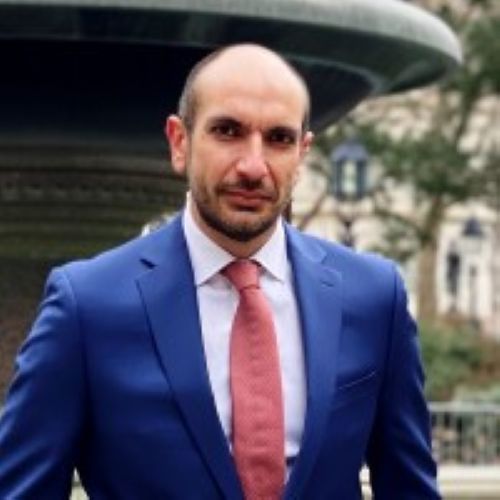
Stefan Savic
is a partner at Reinhardt Savic Foley LLP. He represents clients in all stages of litigation, administrative, and alternative dispute resolution proceedings. Mr. Savic's litigation practice focuses on commercial litigation in federal and state courts across the country as well as before administrative bodies. While his work focuses heavily on civil litigation, he also assists businesses in avoiding costly litigation by assuring that clients have safeguards in place at all stages of their ventures. Mr. Savic works with clients on formation, employment, shareholders, and licensing agreements, using his litigation experience to account for worst-case scenarios and minimize any potential headaches in the long term. Some of his past work experience includes working at the United Nations Development Programme, United States District Court for the District of Connecticut, one of Connecticut's largest law firms, and a Fortune 500 company's legal department. Mr. Savic is also a FINRA arbitrator and a certified mediator in the state of Connecticut. He earned his B.A degree from Columbia University and his J.D degree from Quinnipiac University.
Speaker bio
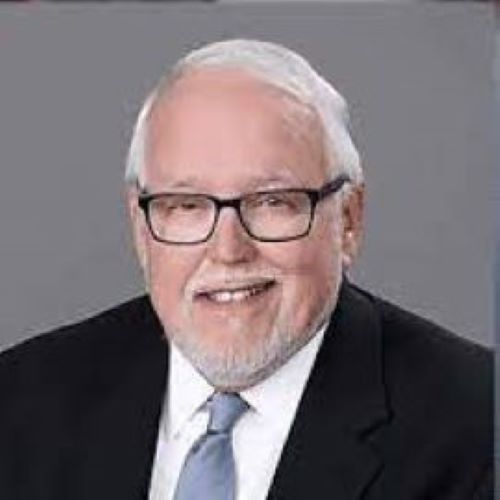
Richard M. Kerger
is a partner at The Kerger Law Firm LLC located in Toledo, Ohio, where he specializes in trials and appeals. He is a member of the American College of Trial Lawyers, American Board of Trial Advocates, International Society of Barristers and the American, Ohio State (member, Board of Governors 1993-96; chairman, Federal Court and Practice Committee 1985-87) and Toledo bar associations. Mr. Kerger has been selected as senior counsel in The College of Master Advocates and Barristers. He has been selected for inclusion in Best Lawyers of America since 1994 in business litigation and in criminal defense since 2002. Mr. Kerger was an adjunct professor at the University of Toledo College of Law, where he taught "Litigation - Strategy & Tactics". He is the author of The Art of Being a Trial Lawyer published in 2005 and The Client's Guide to Litigation published in 2007, and a co-author of Commercial Litigation in Ohio published in 1995. Mr. Kerger has also been selected as one of Ohio's Super Lawyers by Cincinnati Magazine for 2004 through 2023. He lectures and writes on legal topics for a variety of organizations and publications. Mr. Kerger earned his B.A. degree in journalism from The Ohio State University and his J.D. degree, cum laude, from The Ohio State University College of Law.
TOP FAQs
Have more questions? Please Contact Us