

Medicaid Planning for Business Owners
Credits Available
| Credit | Status | Total |
|---|---|---|
| Alaska CLE |
|
6 Total |
| Alabama CLE |
|
6 Total |
| Arkansas CLE |
|
6 Total |
| Arizona CLE |
|
6 Total |
| California CLE |
|
6 Total |
| Colorado CLE |
|
7 Total |
| Connecticut CLE |
|
6 Total |
| Delaware CLE |
|
6 Total |
| Florida CLE |
|
7 Total |
| Georgia CLE |
|
6 Total |
| Hawaii CLE |
|
6 Total |
| Iowa CLE |
|
6 Total |
| Idaho CLE |
|
6 Total |
| Illinois CLE |
|
6 Total |
| Indiana CLE |
|
6 Total |
| Kansas CLE |
|
7 Total |
| Kentucky CLE |
|
6 Total |
| Louisiana CLE |
|
6 Total |
| Maine CLE |
|
6 Total |
| Minnesota CLE |
|
6 Total |
| Missouri CLE |
|
7.2 Total |
| Northern Mariana Islands CLE |
|
6 Total |
| Montana CLE |
|
6 Total |
| North Carolina CLE |
|
6 Total |
| Nebraska CLE |
|
6 Total |
| New Hampshire CLE |
|
6 Total |
| New Jersey CLE |
|
7.2 Total |
| New Mexico CLE |
|
6 Total |
| Nevada CLE |
|
6 Total |
| New York CLE |
|
7 Total |
| Ohio CLE |
|
6 Total |
| Oklahoma CLE |
|
7 Total |
| Pennsylvania CLE |
|
6 Total |
| Rhode Island CLE |
|
7 Total |
| South Carolina CLE |
|
6 Total |
| Tennessee CLE |
|
6 Total |
| Texas CLE |
|
6 Total |
| Utah CLE |
|
6 Total |
| Virginia CLE |
|
6 Total |
| Vermont CLE |
|
6 Total |
| Washington CLE |
|
6 Total |
| Wisconsin CLE |
|
7 Total |
| West Virginia CLE |
|
7.2 Total |
| Wyoming CLE |
|
6 Total |
| Arizona CPE for Accountants |
|
7 Total |
| New York CPE for Accountants |
|
7 Total |
| Washington CPE for Accountants |
|
7 Total |
| Wisconsin CPE for Accountants |
|
7.2 Total |
| CPE for Accountants/NASBA |
|
7 Total |
Wed, Nov 04, 00:00 AM – 00:00 PM



Wed, Nov 04, 00:00 AM – 00:00 PM
Register For Course
Live Webinar Registration
OnDemand Recording
Course Book Download
Overview
Don't Let a Nursing Home Stay Cost Your Client the Business
Your client spent decades building a business, and a single nursing home admission can dismantle it in months. With skilled nursing care running roughly $10,000 to $15,000 a month, private-pay costs drain liquidity fast, and the closely-held business is usually the family's largest and least liquid asset. Without a plan, families get forced into fire-sale buyouts, distress transfers that trigger Medicaid penalty periods, and the loss of an enterprise meant to support a spouse and pass to the next generation. This intensive, full-day program gives you a clear, practical framework for protecting the business while securing Medicaid coverage for long-term care. Don't miss this opportunity to turn a high-stakes scenario into a structured plan - register today!
- Master the income, asset, lookback, and spousal-impoverishment rules behind every long-term care case.
- Pin down when a closely-held business is countable and when it is exempt as property essential to self-support.
- Move business value outside the five-year window with trusts, entity restructuring, and succession coordination.
- Rescue the business in a crisis with spend-down, annuity, promissory note, and caregiver-agreement strategies.
- Structure business income and operations so distributions and salary don't sink eligibility.
- Sidestep the capital gains, basis, and estate-recovery traps that quietly erode protected value.
- Handle the conflicts, capacity, and confidentiality issues unique to planning around a family business.
Abbreviated Agenda
- Medicaid Long-Term Care Eligibility: The Rules That Govern Every Plan
- Ethics in Family-Business Medicaid Planning
- Pre-Need Planning: Protecting the Business Outside the Five-Year Window
- Crisis Planning: Saving the Business When the Nursing Home Is Imminent
- Why Business Owners Are Different: Countable, Exempt, and the Self-Support Question
- Income, Distributions, and Keeping the Business Running
- Tax Traps, Estate Recovery, and Multidisciplinary Coordination
Can't Attend Live?

Get the OnDemand Instead
Watch the recording of this event on your own schedule. We'll notify you when its ready.
Credit Details
Credits Available
| Credit | Status | Total |
|---|---|---|
| Alaska CLE |
|
6 Total |
| Alabama CLE |
|
6 Total |
| Arkansas CLE |
|
6 Total |
| Arizona CLE |
|
6 Total |
| California CLE |
|
6 Total |
| Colorado CLE |
|
7 Total |
| Connecticut CLE |
|
6 Total |
| Delaware CLE |
|
6 Total |
| Florida CLE |
|
7 Total |
| Georgia CLE |
|
6 Total |
| Hawaii CLE |
|
6 Total |
| Iowa CLE |
|
6 Total |
| Idaho CLE |
|
6 Total |
| Illinois CLE |
|
6 Total |
| Indiana CLE |
|
6 Total |
| Kansas CLE |
|
7 Total |
| Kentucky CLE |
|
6 Total |
| Louisiana CLE |
|
6 Total |
| Maine CLE |
|
6 Total |
| Minnesota CLE |
|
6 Total |
| Missouri CLE |
|
7.2 Total |
| Northern Mariana Islands CLE |
|
6 Total |
| Montana CLE |
|
6 Total |
| North Carolina CLE |
|
6 Total |
| Nebraska CLE |
|
6 Total |
| New Hampshire CLE |
|
6 Total |
| New Jersey CLE |
|
7.2 Total |
| New Mexico CLE |
|
6 Total |
| Nevada CLE |
|
6 Total |
| New York CLE |
|
7 Total |
| Ohio CLE |
|
6 Total |
| Oklahoma CLE |
|
7 Total |
| Pennsylvania CLE |
|
6 Total |
| Rhode Island CLE |
|
7 Total |
| South Carolina CLE |
|
6 Total |
| Tennessee CLE |
|
6 Total |
| Texas CLE |
|
6 Total |
| Utah CLE |
|
6 Total |
| Virginia CLE |
|
6 Total |
| Vermont CLE |
|
6 Total |
| Washington CLE |
|
6 Total |
| Wisconsin CLE |
|
7 Total |
| West Virginia CLE |
|
7.2 Total |
| Wyoming CLE |
|
6 Total |
| Arizona CPE for Accountants |
|
7 Total |
| New York CPE for Accountants |
|
7 Total |
| Washington CPE for Accountants |
|
7 Total |
| Wisconsin CPE for Accountants |
|
7.2 Total |
| CPE for Accountants/NASBA |
|
7 Total |
Select Jurisdiction
CLE
Other
Agenda
-
Medicaid Long-Term Care Eligibility: The Rules That Govern Every Plan
- Institutional Medicaid vs. Waiver and Home-Care Pathways, What “Nursing Home Medicaid” Actually Covers
- The Four Gates: Income, Resource (Asset), 60-Month Lookback, and Level-of-Care
- Countable vs. Exempt Resources and Limits
- Spousal Impoverishment: The Community Spouse Resource Allowance (CSRA) and the MMMNA
- Transfer Penalties: How Uncompensated Gifts Create a Penalty Period and Why Timing is Everything
-
Ethics in Family-Business Medicaid Planning
- Who Is the Client? Conflicts Among the Owner, the Spouse, and the Next-Generation Successors
- Capacity, Undue Influence, and Planning When the Owner's Decision-Making is Declining
- Confidentiality and Joint Representation in a Family Enterprise
- Counseling Boundaries: Lawful Planning vs. Fraudulent Transfer and Misrepresentation to the Agency
-
Pre-Need Planning: Protecting the Business Outside the Five-Year Window
- Medicaid Asset Protection Trusts (MAPTs) and How to Fund Them With Business Interests
- Entity Restructuring: Recapitalization, Voting vs. Non-Voting Interests, and Gifting Non-Voting Shares
- Family Limited Partnerships and LLCs as Planning and Consolidation Vehicles
- Coordinating With Buy-Sell Agreements and the Existing Business Succession Plan
- Retained-Income and Retained-Control Traps That Pull Assets Back Into the Countable Estate
-
Crisis Planning: Saving the Business When the Nursing Home Is Imminent
- Spend-Down Done Right: Converting Countable Assets to Exempt Without Wasting Value
- The “Half-a-Loaf” Gift-and-Promissory-Note Strategy and Medicaid-Compliant Annuities
- Protecting the Community Spouse Who Runs or Depends on the Business
- Personal Services/Caregiver Agreements Involving the Business and its Payroll
- Sequencing and Documentation: Building a Record That Survives Agency Review and a Fair Hearing
-
Why Business Owners Are Different: Countable, Exempt, and the Self-Support Question
- How Medicaid Characterizes a Business Interest: Active Trade or Business vs. Passive Investment
- The “Property Essential to Self-Support” Exclusion: When an Operating Business is not Counted, and Its Limits
- Valuing Closely-Held Interests: Minority and Marketability Discounts, and What the Agency Will Scrutinize
- Income Attribution: Salary, Guaranteed Payments, K-1 Pass-Through Income, and Distributions
- Special Cases: Family Farms, Professional Practices, Real-Estate Holding Entities, and Sole Proprietorships
-
Income, Distributions, and Keeping the Business Running
- Restructuring how the Owner is Paid to Preserve Income Eligibility
- Qualified Income (Miller) Trusts in Income-Cap States
- Operating the Business During Institutionalization: Management, Authority, and Powers of Attorney
- Coordinating Distributions With the Community Spouse's Income Allowance
-
Tax Traps, Estate Recovery, and Multidisciplinary Coordination
- Lifetime Transfer vs. Step-up in Basis: The Capital Gains Cost of “Protecting” the Business too Early
- Medicaid Estate Recovery Exposure on Business Assets and How to Limit It
- Working With the CPA, Financial Planner, and Business Attorney: Who Owns Which Piece
- Building a Written, Defensible Plan the Family and Successors Can Actually Execute
Who Should Attend
This program is designed for attorneys. Paralegals who support elder law, estate planning, and Medicaid application work will also benefit, as will accountants, financial planners, and trust officers who advise business-owning families. The content is especially valuable for elder law, estate planning, business, and tax attorneys who counsel owners of closely-held businesses, family farms, and professional practices.
Speakers
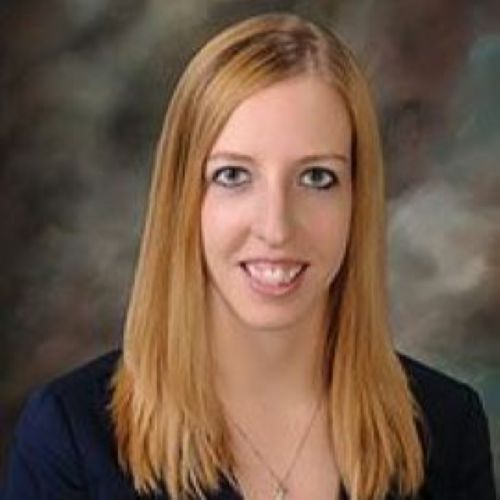
Speaker bio
Charles W. Beinhauer
is of counsel in the Buffalo law firm of Pfalzgraf Beinhauer Grear Harris Schuller LLP. His practice focuses entirely in the fields of estates and trusts, estate administration, and elder law. Mr. Beinhauer is a former member of the New York State Bar Association's Elder Law Committee. He is a former member of the Bar Association of Erie County's Elder Law Committee, Surrogate Court Practice and Procedure Committee, Lawyers Helping Lawyers Committee, and the Speakers Bureau. Mr. Beinhauer is a former member of the New York State Lawyers Assistance Trust and the New York State Bar Association's Lawyers Assistance Committee. He is a graduate of Georgetown University and the Columbus School of Law Catholic University of America in Washington, D.C.
Speaker bio
Jennifer M. McInerney
is an attorney with McInerney Law, where she assists individuals and families with a variety of important legal matters. Her primary practice areas include wills and trusts, special needs planning, estate administration, trust administration, business succession planning/formation, guardianships (and alternatives), and conservatorships. Ms. McInerney is the founding member and co-president of the Board of Directors of Special Siblings, which provides support for children with special needs siblings. She currently serves as the president of the Board of Directors of the Jefferson County Intellectual and Developmental Disability Authority. Ms. McInerney is a member of the Board of Directors for Down Syndrome Alabama, Shelby Humane Society and 25:35. She is a graduate and member of Leadership Birmingham (2022) and Leadership Shelby County (2012). Ms. McInerney is a proud graduate of Partners in Policymaking Alabama "PIPA" (2021). She is also a member of the Birmingham Bar, Solo/Small Firm Section of the Alabama State Bar, and the current vice president of the Probate Section of the Birmingham Bar. Ms. McInerney is a graduate of the Birmingham Bar's Future Leaders Forum (2011). She is a member of the National Academy of Elder Law Attorneys and Special Needs Alliance. Ms. McInerney earned her B.A. degree, magna cum laude, as well as her M.A. degree, summa cum laude, from the University of Alabama at Birmingham. She earned her J.D. degree from Indiana University School of Law and her LL.M. degree in taxation from Washington University in St. Louis. Ms. McInerney is licensed in Alabama, Utah, Oregon, and Mississippi.
Speaker bio
Christopher E. Denney
, MPA, MST, CPA, CGMA, ABV, CVA, CM & AA, CFF, CEPA, IFRS, is the managing member with Silvermark CPAs & Advisors, where he has more than 20 years of consulting experience. He has represented three Big 4 accounting firms, some in tax leadership roles, and a Fortune 500 Company as a tax officer. Mr. Denney's strengths are in identifying tax planning opportunities and areas of tax risk, and some of his tax research has been nationally published. He is a member of the American Institute of Certified Public Accountants, and the ABV Section; Indiana CPA Society; National Association of Certified Valuation Analysts; and Ball State University Accounting Department Executive Advisory Council. Mr. Denney earned his B.S. degree in accounting from Ball State University; and both of his M.S. degrees, in taxation and professional accountancy, from Indiana University.
Speaker bio
Brittney Shearin
is a legal-technical attorney with a passion for estate planning. She currently serves as the director of legal education at Lawyers with Purpose®, a national membership organization for estate planning attorneys. Ms. Shearin is also the product owner of STEPS™, LWP's proprietary estate planning and Medicaid qualification software. From 2015 to 2020, she honed her expertise as a drafter and practicing estate planning attorney, cultivating a deep appreciation for the art and technical precision involved in drafting estate plans. Ms. Shearin earned her B.A. degree from Wilkes University and her J.D. degree from Syracuse University College of Law. She is admitted to practice law in New York.
TOP FAQs
Have more questions? Please Contact Us