

The Foreclosure-Bankruptcy Playbook: What Both Sides Need to Know
Credits Available
| Credit | Status | Total |
|---|---|---|
| California MCLE Paralegal |
|
6 Total |
| Alaska CLE |
|
6 Total |
| Alabama CLE |
|
6 Total |
| Arkansas CLE |
|
6 Total |
| Arizona CLE |
|
6 Total |
| California CLE |
|
6 Total |
| Colorado CLE |
|
7 Total |
| Connecticut CLE |
|
6 Total |
| Delaware CLE |
|
6 Total |
| Florida CLE |
|
7 Total |
| Georgia CLE |
|
6 Total |
| Hawaii CLE |
|
6 Total |
| Iowa CLE |
|
6 Total |
| Idaho CLE |
|
6 Total |
| Illinois CLE |
|
6 Total |
| Indiana CLE |
|
6 Total |
| Kansas CLE |
|
7 Total |
| Kentucky CLE |
|
6 Total |
| Louisiana CLE |
|
6 Total |
| Maine CLE |
|
6 Total |
| Minnesota CLE |
|
6 Total |
| Missouri CLE |
|
7.2 Total |
| Northern Mariana Islands CLE |
|
6 Total |
| Mississippi CLE |
|
6 Total |
| Montana CLE |
|
6 Total |
| North Carolina CLE |
|
6 Total |
| North Dakota CLE |
|
6 Total |
| Nebraska CLE |
|
6 Total |
| New Hampshire CLE |
|
6 Total |
| New Jersey CLE |
|
7.2 Total |
| New Mexico CLE |
|
6 Total |
| Nevada CLE |
|
6 Total |
| New York CLE |
|
7 Total |
| Ohio CLE |
|
6 Total |
| Oklahoma CLE |
|
7 Total |
| Oregon CLE |
|
6 Total |
| Pennsylvania CLE |
|
6 Total |
| Rhode Island CLE |
|
7 Total |
| South Carolina CLE |
|
6 Total |
| Tennessee CLE |
|
6 Total |
| Texas CLE |
|
6 Total |
| Utah CLE |
|
6 Total |
| Virginia CLE |
|
6 Total |
| Vermont CLE |
|
6 Total |
| Washington CLE |
|
6 Total |
| Wisconsin CLE |
|
7 Total |
| West Virginia CLE |
|
7.2 Total |
| Wyoming CLE |
|
6 Total |
| Delaware Certified Paralegal Program |
|
6 Total |
| Florida Registered Paralegal |
|
7 Total |
| Indiana Paralegal CLE |
|
6 Total |
| Montana CLE Credit for Paralegals |
|
6 Total |
| North Carolina Continuing Paralegal Education |
|
6 Total |
| New Mexico Paralegal Division, State Bar of |
|
6 Total |
| Ohio Certified Paralegals |
|
6 Total |
| NFPA |
|
0 Total |
| Texas State Bar of Paralegal Division |
|
6 Total |
Fri, Nov 06, 00:00 AM – 00:00 PM
Fri, Nov 06, 00:00 AM – 00:00 PM
Register For Course
Live Webinar Registration
OnDemand Recording
Course Book Download
Overview
One case, two systems. When the petition is filed, can you protect your client?
When bankruptcy and foreclosure intersect, the legal dynamic changes instantly. While a pending foreclosure remains subject to state law, the automatic stay immediately halts or alters the process. For foreclosure attorneys, this introduces motions for relief from stay and Chapter 13 cure provisions; for bankruptcy attorneys, it requires a firm grasp of state foreclosure timelines and sale procedures to effectively protect clients.
This practical program examines how bankruptcy and foreclosure interact, the differing outcomes of Chapter 7 and Chapter 13, how mortgage arrears are cured, how courts evaluate stay-relief motions, and how to coordinate the timing of both proceedings. Register today!
- Understand exactly what the automatic stay does to a pending foreclosure and what it doesn't.
- Tell at a glance whether Chapter 7 or Chapter 13 will delay, stop, or merely postpone the sale.
- Follow how a Chapter 13 plan cures mortgage arrears and what keeps the home in play.
- Bring or defend a motion for relief from stay and recognize the standing and evidentiary failures that sink them.
- Time and sequence the foreclosure and bankruptcy tracks, and coordinate with counsel on the other side.
Abbreviated Agenda
- The Foreclosure-Bankruptcy Intersection: How the Two Systems Meet
- The Automatic Stay in Depth
- Chapter 7 vs. Chapter 13: Very Different Outcomes for the Home
- Curing Arrears and the Chapter 13 Plan
- Valuation, Claims, and Lien Treatment
- Relief from Stay: Winning and Defending the Motion
- Putting It Together: A Case-Study Walkthrough
Can't Attend Live?

Get the OnDemand Instead
Watch the recording of this event on your own schedule. We'll notify you when its ready.
Credit Details
Credits Available
| Credit | Status | Total |
|---|---|---|
| California MCLE Paralegal |
|
6 Total |
| Alaska CLE |
|
6 Total |
| Alabama CLE |
|
6 Total |
| Arkansas CLE |
|
6 Total |
| Arizona CLE |
|
6 Total |
| California CLE |
|
6 Total |
| Colorado CLE |
|
7 Total |
| Connecticut CLE |
|
6 Total |
| Delaware CLE |
|
6 Total |
| Florida CLE |
|
7 Total |
| Georgia CLE |
|
6 Total |
| Hawaii CLE |
|
6 Total |
| Iowa CLE |
|
6 Total |
| Idaho CLE |
|
6 Total |
| Illinois CLE |
|
6 Total |
| Indiana CLE |
|
6 Total |
| Kansas CLE |
|
7 Total |
| Kentucky CLE |
|
6 Total |
| Louisiana CLE |
|
6 Total |
| Maine CLE |
|
6 Total |
| Minnesota CLE |
|
6 Total |
| Missouri CLE |
|
7.2 Total |
| Northern Mariana Islands CLE |
|
6 Total |
| Mississippi CLE |
|
6 Total |
| Montana CLE |
|
6 Total |
| North Carolina CLE |
|
6 Total |
| North Dakota CLE |
|
6 Total |
| Nebraska CLE |
|
6 Total |
| New Hampshire CLE |
|
6 Total |
| New Jersey CLE |
|
7.2 Total |
| New Mexico CLE |
|
6 Total |
| Nevada CLE |
|
6 Total |
| New York CLE |
|
7 Total |
| Ohio CLE |
|
6 Total |
| Oklahoma CLE |
|
7 Total |
| Oregon CLE |
|
6 Total |
| Pennsylvania CLE |
|
6 Total |
| Rhode Island CLE |
|
7 Total |
| South Carolina CLE |
|
6 Total |
| Tennessee CLE |
|
6 Total |
| Texas CLE |
|
6 Total |
| Utah CLE |
|
6 Total |
| Virginia CLE |
|
6 Total |
| Vermont CLE |
|
6 Total |
| Washington CLE |
|
6 Total |
| Wisconsin CLE |
|
7 Total |
| West Virginia CLE |
|
7.2 Total |
| Wyoming CLE |
|
6 Total |
| Delaware Certified Paralegal Program |
|
6 Total |
| Florida Registered Paralegal |
|
7 Total |
| Indiana Paralegal CLE |
|
6 Total |
| Montana CLE Credit for Paralegals |
|
6 Total |
| North Carolina Continuing Paralegal Education |
|
6 Total |
| New Mexico Paralegal Division, State Bar of |
|
6 Total |
| Ohio Certified Paralegals |
|
6 Total |
| NFPA |
|
0 Total |
| Texas State Bar of Paralegal Division |
|
6 Total |
Select Jurisdiction
CLE
Paralegal
Agenda
-
The Foreclosure-Bankruptcy Intersection: How the Two Systems Meet
- State Foreclosure Overview: Judicial vs. Non-Judicial Process and the Sale Timeline
- What Changes the Instant a Petition is Filed and What Stays Governed by State Law
- Mapping the Two Parallel Tracks: Who Decides What, and in Which Forum
- Spotting the Intersection Early, From Both the Foreclosure and Bankruptcy Sides
-
The Automatic Stay in Depth
- How the Stay Halts a Foreclosure - Even a Sale Scheduled for the Same Day
- Scope of the Stay: What It Covers, Key Exceptions, and Post-Petition Acts
- Stay Violations: Sanctions, Actual and Punitive Damages, and How They Arise
- Repeat-Filer Limits: When the Stay is Shortened, Terminated, or Never Arises
- The Co-Debtor Stay and Its Effect on Guarantors and Co-Owners
-
Chapter 7 vs. Chapter 13: Very Different Outcomes for the Home
- Chapter 7: Temporary Delay, Discharge of Personal Liability, and Why the Lien Survives
- Reaffirmation, Redemption, and Surrender in Chapter 7
- Chapter 13: Curing Arrears Over a 3-5 Year Plan While Keeping the Home
- Why Post-Petition Payments Must Continue, and What Happens if They Don't
- Eligibility, the Means Test, and Conversion or Dismissal (and What Each Means for the Foreclosure)
-
Curing Arrears and the Chapter 13 Plan
- How Arrears, Late Fees, and Servicer Costs are Treated in the Plan
- The Cure-and-Maintain Structure and Mortgage Payment Changes During the Case
- Bankruptcy Loss-Mitigation and Mortgage-Modification Programs
- Plan Confirmation Requirements and Common Objections
- How State-Law Cure and Reinstatement Rights Interact With Bankruptcy Cure Rights
-
Valuation, Claims, and Lien Treatment
- Proof of Claim: Filing, Reviewing, and Objecting (and Common Overcharges to Catch)
- Section 506 Valuation and Establishing Property Value Through Appraisal
- Lien Stripping of Wholly Unsecured Junior Mortgages: Requirements and the Wholly-Unsecured Test
- The Nobelman Antimodification Rule and Why the First Mortgage Can't be Modified
- Cramdown on Non-Principal-Residence Property, and the “Chapter 20” Wrinkle
-
Relief from Stay: Winning and Defending the Motion
- Grounds for Relief: Lack of Adequate Protection, no Equity, not Necessary for Reorganization
- Standing and Evidentiary Proof, the Same Chain-of-Title Issues You Know From Foreclosure Defense
- How Debtors Oppose: Adequate Protection Payments and Curing the Post-Petition Default
- Conditional Orders, Drop-Dead Provisions, and in Rem Relief
- What Happens to the Foreclosure Once Relief is Granted
-
Putting It Together: A Case-Study Walkthrough
- Working a Single Matter From Default Through Filing, Plan, and Resolution
- Decision Points From Both the Foreclosure and Bankruptcy Chair
- Common Mistakes That Cost the Home - or the Sale - and How to Avoid Them
- Practical Checklists and Takeaways for the First Weeks After a Petition
Who Should Attend
This program is designed for attorneys. Paralegals and legal assistants who support foreclosure, bankruptcy, creditors' rights, or real estate practices will benefit substantially. It is built for practitioners on both sides of the intersection - foreclosure attorneys (creditor/servicer-side and homeowner-side), consumer bankruptcy attorneys, and real estate and creditors' rights practitioners - who handle matters where a foreclosure and a bankruptcy collide and need working command of both systems.
Speakers
Speaker bio
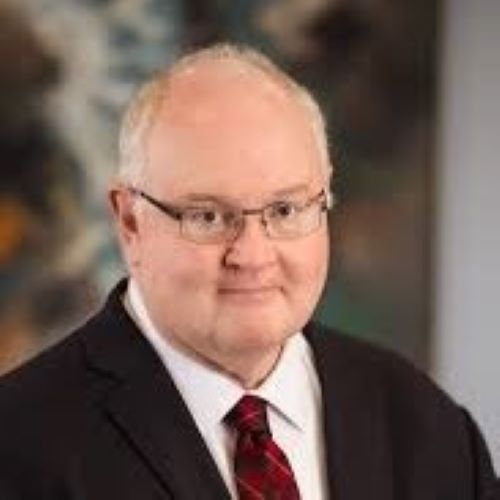
Trev E. Peterson
is a partner with Knudsen Law Firm. He has more than 40 years of experience in the commercial and real estate lending, real estate, bankruptcy, foreclosure, and commercial litigation practice areas. Mr. Peterson has represented lenders in cases under Chapters 7, 11, 12, and 13 of the bankruptcy code. He is a frequent speaker at seminars involving lending, bankruptcy and foreclosure. Mr. Peterson is a member of the American, Nebraska State, and Lincoln bar associations; and the American Bankruptcy Institute. He is a fellow in the American College of Real Estate Lawyers and Litigation Counsel of America, as well as a past president of the Banking Law Section and Bankruptcy Section of the Nebraska State Bar Association. Mr. Peterson earned his B.A. degree from the University of Nebraska-Lincoln and his J.D. degree from the University of Nebraska College of Law.
Speaker bio
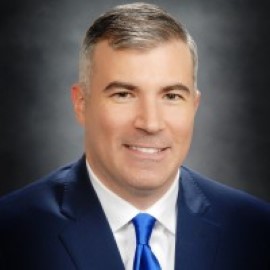
Joseph A. Ferrise
is a staff attorney at the Office of the Chapter 13 Trustee in Akron, Ohio. He also is an adjunct professor at the University of Akron. Mr. Ferrise earned his B.A. degree from the University of Akron and his J.D. degree from the University of Akron School of Law.
Speaker bio
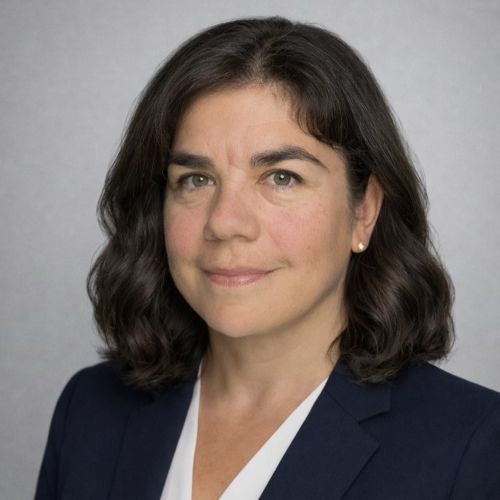
Molly Simons
is a senior attorney with MDK Legal focusing on bankruptcy matters in Ohio and Kentucky, including mortgage and vehicle claims. Her experience includes bankruptcy litigation, claim drafting and defense, Chapter 13 proceedings, jurisdictional research and creditor representation. Ms. Simons brings a combination of technical knowledge and practical insight, having spent years on both the debtor and creditor sides. After ten years of working as a debtor's counsel, she changed course and began working for creditors in 2018. Now at MDK, Ms. Simons brings with her extensive experience across 16 federal courts. She earned her J.D. degree from Cleveland State University College of Law and graduated cum laude from Kent State University, where she studied hospitality and restaurant management. Ms. Simons is admitted to practice in Ohio, Kentucky, West Virginia, Michigan, District of Wisconsin, U.S.Districtt Court for the District of Colorado, U.S. District Court for the Southern, Central and Northern districts of Illinois, U.S. District Court for the Southern and Northern districts of Indiana, U.S. District Court for the Eastern and Western districts of Kentucky, U.S. District Court for the Eastern and Western districts of Michigan, U.S. District Court for the Southern and Northern districts of Ohio, U.S. District Court for the Southern and Northern districts of West Virginia, and U.S. District Court for the Eastern and Western districts of Wisconsin.
Speaker bio
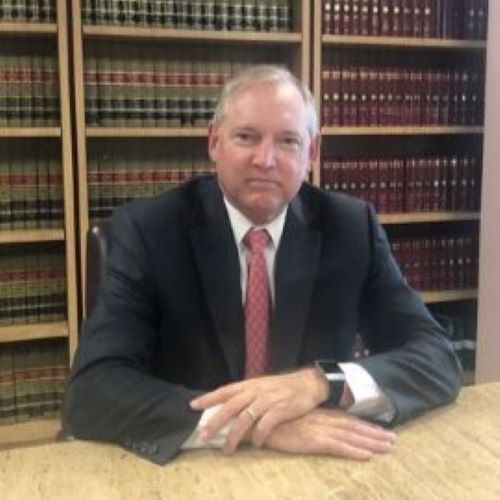
Robert C. Meyer
is a sole practitioner in Miami, where he focuses his practice in the areas of commercial litigation, bankruptcy, and taxation. A former adjunct professor teaching bankruptcy taxation in the LL.M. taxation program at the University of Miami Law School, he has written and co-written a number of publications, including "Accelerated Payment in Chapter 13 = Modification," The Florida Bar Journal, Nov. 2011, Vol 85, No. 9; "Bankruptcy Service of Process is Complex and Confusing," NABTalk, Fall 2012, Volume 28, No. 3; and "Divorce Issues in Bankruptcy Often Make Handling Divorce Matters Advantageous," ABI Committee News (Consumer Bankruptcy Committee), February 2017. Mr. Meyer earned his B.A. degree from Grinnell College and his J.D. and LL.M. degrees from the University of Miami. He is a member of the Coral Gables, Miami-Dade County, and American bar associations; The Florida Bar (member, sections on Business and Tax); Association of Trial Lawyers of America; Bankruptcy Bar Association for the Southern District of Florida; National Association of Bankruptcy Trustees; National Association of Consumer Bankruptcy Attorneys; and American Bankruptcy Institute.
TOP FAQs
Have more questions? Please Contact Us