

Revocable vs. Irrevocable Trusts: Drafting, Administration, Top Uses
Credits Available
| Credit | Status | Total |
|---|---|---|
| Alaska CLE |
|
6 Total |
| Alabama CLE |
|
6 Total |
| Arkansas CLE |
|
6 Total |
| Arizona CLE |
|
6 Total |
| California CLE |
|
6 Total |
| Colorado CLE |
|
7 Total |
| Connecticut CLE |
|
6 Total |
| Delaware CLE |
|
6 Total |
| Florida CLE |
|
7 Total |
| Georgia CLE |
|
6 Total |
| Hawaii CLE |
|
6 Total |
| Iowa CLE |
|
6 Total |
| Idaho CLE |
|
6 Total |
| Illinois CLE |
|
6 Total |
| Indiana CLE |
|
6 Total |
| Kansas CLE |
|
7 Total |
| Kentucky CLE |
|
6 Total |
| Louisiana CLE |
|
6 Total |
| Maine CLE |
|
6 Total |
| Minnesota CLE |
|
6 Total |
| Missouri CLE |
|
7.2 Total |
| Northern Mariana Islands CLE |
|
6 Total |
| Montana CLE |
|
6 Total |
| North Carolina CLE |
|
6 Total |
| Nebraska CLE |
|
6 Total |
| New Hampshire CLE |
|
6 Total |
| New Jersey CLE |
|
7.2 Total |
| New Mexico CLE |
|
6 Total |
| Nevada CLE |
|
6 Total |
| New York CLE |
|
7 Total |
| Ohio CLE |
|
6 Total |
| Oklahoma CLE |
|
7 Total |
| Pennsylvania CLE |
|
6 Total |
| Rhode Island CLE |
|
7 Total |
| South Carolina CLE |
|
6 Total |
| Tennessee CLE |
|
6 Total |
| Texas CLE |
|
6 Total |
| Utah CLE |
|
6 Total |
| Virginia CLE |
|
6 Total |
| Vermont CLE |
|
6 Total |
| Washington CLE |
|
6 Total |
| Wisconsin CLE |
|
7 Total |
| West Virginia CLE |
|
7.2 Total |
| Wyoming CLE |
|
6 Total |
| Arizona CPE for Accountants |
|
7 Total |
| New York CPE for Accountants |
|
7 Total |
| Washington CPE for Accountants |
|
7 Total |
| Wisconsin CPE for Accountants |
|
7.2 Total |
| CPE for Accountants/NASBA |
|
7 Total |
Tue, Dec 22, 00:00 AM – 00:00 PM


Tue, Dec 22, 00:00 AM – 00:00 PM
Register For Course
Live Webinar Registration
OnDemand Recording
Course Book Download
Overview
A Foundational Guide to Trusts
Trusts are the essential building block of every estate plan. Do you know exactly when and how they're used for the best effect? This legal guide will walk you through the comparative analysis of revocable and irrevocable trusts from creation through administration, tax consequences, and main uses. Build your trusts knowledge - register today!
- Explore the best uses for specific irrevocable trusts.
- Compare revocable living trusts and wills.
- Clarify key tax reporting differences between revocable and irrevocable trusts.
- Examine events that trigger conversion from revocable to irrevocable.
- Get a glimpse of specialized uses of irrevocable trusts, including Medicaid and life insurance planning.
Abbreviated Agenda
- Trust Law: Key Terms and Concepts
- Revocable Trusts: Types of Trusts and Their Uses
- Irrevocable Trusts: Top Structures and Their Uses
- Tax Consequences, Treatment and Reporting: Revocable vs. Irrevocable
- Trust Administration Differences
- Mistakes When a Revocable Trust Becomes Irrevocable
- Modifying the Trust: Decanting How-to's
- Legal Ethics in Trusts and Estates Practice
Can't Attend Live?

Get the OnDemand Instead
Watch the recording of this event on your own schedule. We'll notify you when its ready.
Credit Details
Credits Available
| Credit | Status | Total |
|---|---|---|
| Alaska CLE |
|
6 Total |
| Alabama CLE |
|
6 Total |
| Arkansas CLE |
|
6 Total |
| Arizona CLE |
|
6 Total |
| California CLE |
|
6 Total |
| Colorado CLE |
|
7 Total |
| Connecticut CLE |
|
6 Total |
| Delaware CLE |
|
6 Total |
| Florida CLE |
|
7 Total |
| Georgia CLE |
|
6 Total |
| Hawaii CLE |
|
6 Total |
| Iowa CLE |
|
6 Total |
| Idaho CLE |
|
6 Total |
| Illinois CLE |
|
6 Total |
| Indiana CLE |
|
6 Total |
| Kansas CLE |
|
7 Total |
| Kentucky CLE |
|
6 Total |
| Louisiana CLE |
|
6 Total |
| Maine CLE |
|
6 Total |
| Minnesota CLE |
|
6 Total |
| Missouri CLE |
|
7.2 Total |
| Northern Mariana Islands CLE |
|
6 Total |
| Montana CLE |
|
6 Total |
| North Carolina CLE |
|
6 Total |
| Nebraska CLE |
|
6 Total |
| New Hampshire CLE |
|
6 Total |
| New Jersey CLE |
|
7.2 Total |
| New Mexico CLE |
|
6 Total |
| Nevada CLE |
|
6 Total |
| New York CLE |
|
7 Total |
| Ohio CLE |
|
6 Total |
| Oklahoma CLE |
|
7 Total |
| Pennsylvania CLE |
|
6 Total |
| Rhode Island CLE |
|
7 Total |
| South Carolina CLE |
|
6 Total |
| Tennessee CLE |
|
6 Total |
| Texas CLE |
|
6 Total |
| Utah CLE |
|
6 Total |
| Virginia CLE |
|
6 Total |
| Vermont CLE |
|
6 Total |
| Washington CLE |
|
6 Total |
| Wisconsin CLE |
|
7 Total |
| West Virginia CLE |
|
7.2 Total |
| Wyoming CLE |
|
6 Total |
| Arizona CPE for Accountants |
|
7 Total |
| New York CPE for Accountants |
|
7 Total |
| Washington CPE for Accountants |
|
7 Total |
| Wisconsin CPE for Accountants |
|
7.2 Total |
| CPE for Accountants/NASBA |
|
7 Total |
Credit Details by Jurisdiction
Live Webinar Registration
CLE
Credits
Alaska CLE Reciprocity · 6 Total Credits
- 1 MECLE Ethics
Live - Alaska CLE - 6: Alaska Bar members may claim credit for attending CLE programs that have been accredited by other mandatory CLE jurisdictions. This program qualifies for 6.0 hours of credit, which includes 5.0 hours of MCLE credit and 1.0 hour of MECLE credit.
Alabama CLE Approved · 6 Total Credits
- 1 Ethics/Professionalism
Live - Alabama CLE - 6: This course or a portion thereof has been approved by the Alabama State Bar Mandatory Continuing Legal Education Commission for a maximum of 6.0 credit hours, including 1.0 ethics/professionalism credit.
Arkansas CLE Approved · 6 Total Credits
- 1 Ethics
Live - Arkansas CLE - 6: NBI, Inc. is an accredited sponsor in the state of Arkansas. This program is approved for 6.0 hours of continuing legal education credit, including 1.0 hour of ethics, consistent with the rules and regulations of the Arkansas Supreme Court of Professional Programs.
Arizona CLE Approved · 6 Total Credits
- 1 Professional Responsibility
Live - Arizona CLE - 6: The State Bar of Arizona does not approve or accredit CLE activities for the Mandatory Continuing Legal Education requirement. This activity qualifies for 6.0 hours toward your annual CLE requirement for the State of Arizona, including 1.0 hour of professional responsibility.
California CLE Approved · 6 Total Credits
- 1 Legal Ethics
Live - California CLE - 6: This activity has been approved for Minimum Continuing Legal Education credit by the State Bar of California in the amount of 6.0 hours, of which 1.0 hour will apply to legal ethics. NBI, Inc. certifies this activity conforms to the standards for approved education activities prescribed by the rules and regulations of the State Bar of California governing minimum continuing legal education. NBI, Inc. is a State Bar of California approved MCLE provider - #53.
Colorado CLE Approved · 7 Total Credits
- 1.2 Professional Responsibility
Live - Colorado CLE - 7: NBI, Inc. is a Certified Provider, as recognized by the Colorado Supreme Court Continuing Legal and Judicial Education Committee. This program has been accredited for 7.0 hours of General Colorado Continuing Legal Education Credit, including 1.20 professional responsibility credit.
Connecticut CLE Approved · 6 Total Credits
- 1 Ethics/Professionalism
Live - Connecticut CLE - 6: Neither the Connecticut Judicial Branch nor the Commission on Minimum Continuing Legal Education approve or accredit CLE providers or activities. It is the opinion of NBI, Inc. that this activity qualifies for 6.0 hours toward your annual CLE requirement in Connecticut, including 1.0 hour(s) of ethics/professionalism.
Delaware CLE Approved · 6 Total Credits
- 1 Ethics
Live - Delaware CLE - 6: NBI, Inc. is an accredited sponsor of the Delaware Commission on Continuing Legal Education and recommends this program for 6.0 hours of eCLE credit, including 1.0 hour of ethics.
Florida CLE Approved · 7 Total Credits
- 7 Wills, Trusts and Estates
- 1 Professional Responsibility
Live - Florida CLE - 7: Approved by The Florida Bar for a maximum of 7.0 general hours of CLER credit including 1.0 hour of professional responsibility (may include legal ethics, professionalism, substance abuse or mental illness and wellness programs). Certification: 7.0 - Wills, Trusts and Estates
Georgia CLE Approved · 6 Total Credits
- 1 Ethics
Live - Georgia CLE - 6: This program is approved by the Commission on Continuing Lawyer Competency of the State Bar of Georgia. This program qualifies for 6.0 hours of distance learning continuing legal education credit with the Georgia Commission on Continuing Lawyer Competency, which includes 1.0 hour of distance learning ethics.
Hawaii CLE Approved · 6 Total Credits
- 1 Ethics/Professional Responsibility
Live - Hawaii CLE - 6: NBI, Inc. is an Accredited Provider with the Hawaii State Board of Continuing Legal Education. This alternative format activity has been approved for 6.0 hours of credit for the state of Hawaii, which includes 1.0 hour of ethics or professional responsibility education.
Iowa CLE Approved · 6 Total Credits
- 1 Legal Ethics
Live - Iowa CLE - 6: "Revocable vs. Irrevocable Trusts: Drafting, Administration, Top Uses" is an accredited program under the regulations of the Iowa Supreme Court Commission on Continuing Legal Education. It is planned that this program will provide a maximum of 6.0 hours of regular credit toward the mandatory continuing legal education requirements under the Iowa rule, including 1.0 hour of legal ethics credit.
Idaho CLE Approved · 6 Total Credits
- 1 Legal Ethics/Professional Responsibility
Live - Idaho CLE - 6: Approved for 6.0 hours of continuing legal education credit in the state of Idaho, which includes 1.0 legal ethics or professional responsibility credit.
Illinois CLE Approved · 6 Total Credits
- 1 Professional Responsibility
Live - Illinois CLE - 6: This program has been approved by the Illinois MCLE Board for 6.0 hours of CLE credit, which includes approval for 1.0 hour of legal ethics, civility, professionalism or sexual harassment prevention training CLE credit by the Illinois Supreme Court Commission on Professionalism.
Indiana CLE Approved · 6 Total Credits
- 1 Ethics
Live - Indiana CLE - 6: This course has been approved by the Indiana Supreme Court Office of Admissions & Continuing Education. Participating attorneys are eligible to receive 6.0 hours of distance education, which includes 1.0 hour of ethics.
Kansas CLE Upon Request · 7 Total Credits
- 1 Ethics/Professionalism
Live - Kansas CLE - 7: Upon course completion and credit request submittal, an application will be submitted to Kansas CLE.
Kentucky CLE Upon Request · 6 Total Credits
- 1 Ethics
Live - Kentucky CLE - 6: Upon course completion and credit request submittal, an application will be submitted to the Kentucky Bar Association Continuing Legal Education Commission.
Louisiana CLE Approved · 6 Total Credits
- 6 Estate Planning and Administrative
- 1 Ethics
Live - Louisiana CLE - 6: This course or a portion thereof has been approved by the Louisiana Mandatory Continuing Legal Education Committee of the Louisiana State Bar Association. This program qualifies for 6.0 hours (based on a 60-minute credit hour) of computer based credit, of which 1.0 hour will apply to computer based ethics credit. This course will apply toward the fulfillment of the newly admitted member requirement. This program is approved for 6.0 hours (based on a 60-minute credit hour) of credit by the Louisiana Specialization Board in the area of Estate Planning and Administrative.
Maine CLE Approved · 6 Total Credits
- 1 Ethics
Live - Maine CLE - 6: This course has been approved by the State of Maine Board of Overseers of the Bar. Lawyers who complete this course shall receive 6.0 hours of CLE credit including 1.0 ethics hours.
Course Book - Maine CLE - 6: This course has been approved by the State of Maine Board of Overseers of the Bar. Lawyers who complete this course will receive 6.0 hours of self-study CLE credit.
Minnesota CLE Approved · 6 Total Credits
- 1 Ethics
Live - Minnesota CLE - 6: This course has been approved by the Minnesota Board of Continuing Legal Education for 6.0 hours of standard CLE credit, including 1.0 hour of ethics credit.
Missouri CLE Approved · 7.2 Total Credits
- 1.2 Ethics, Professionalism or Malpractice Prevention
Live - Missouri CLE - 7.2: NBI, Inc. is an accredited sponsor with Missouri Minimum Continuing Legal Education. This program qualifies for 7.20 hours of CLE credit, which includes 1.20 hour of ethics, professionalism or malpractice prevention credit.
Course Book - Missouri CLE - 6: NBI, Inc. is an accredited sponsor with Missouri Minimum Continuing Legal Education. This program qualifies for 6.0 self-study CLE credit hours.
Northern Mariana Islands CLE Approved · 6 Total Credits
Live - Northern Mariana Islands CLE - 6: This course has been approved by the Commonwealth of the Northern Mariana Islands. Lawyers who complete this course shall receive 6.0 hours of CLE credit.
Course Book - Northern Mariana Islands CLE - 6: This course has been approved by the Commonwealth of the Northern Mariana Islands. Lawyers who complete this course shall receive 6.0 hours of self-study CLE credit.
Montana CLE Approved · 6 Total Credits
- 1 Professional Fitness and Integrity
Live - Montana CLE - 6: Approved for 6.0 hours of CLE credit by the Montana Commission of Continuing Legal Education, including 1.0 hour of professional fitness and integrity credit.
North Carolina CLE Approved · 6 Total Credits
- 6 Estate Planning and Probate Law
- 1 Professional Responsibility
Live - North Carolina CLE - 6: NBI, Inc. is an accredited sponsor with the North Carolina State Board of Continuing Legal Education. Attendance of this program will result in 6.0 hours of CLE credit, including 1.0 professional responsibility. This program qualifies for Estate Planning and Probate Law specialization certification credit.
Nebraska CLE Approved · 6 Total Credits
- 1 Professional Responsibility
Live - Nebraska CLE - 6: NBI, Inc. is an accredited CLE sponsor in the state of Nebraska. This activity has been approved for 6.0 distance learning CLE credits, including 1.0 hour of professional responsibility credit.
New Hampshire CLE Approved · 6 Total Credits
- 1 Ethics/Professionalism
Live - New Hampshire CLE - 6: NHMCLE does not approve or accredit CLE activities for the NH Minimum CLE requirement. NBI, Inc. believes this course meets the requirements of NH Supreme Court Rule 53 toward the annual NHMCLE requirement.
New Jersey CLE Approved · 7.2 Total Credits
- 1.2 Ethics/Professionalism
Live - New Jersey CLE - 7.2: This program has been approved by the Board on Continuing Legal Education of the Supreme Court of New Jersey for 7.20 hours of total CLE credit. Of these, 1.20 qualifies as hours of credit for ethics/professionalism.
New Mexico CLE Approved · 6 Total Credits
- 1 Ethics
Live - New Mexico CLE - 6: This program has been approved by the Board of Bar Commissioners of the State Bar of New Mexico for 6.0 hours of credit, including 1.0 hour of ethics.
Nevada CLE Approved · 6 Total Credits
- 1 Ethical Considerations
Live - Nevada CLE - 6: This course has been approved by the Nevada Board of Continuing Legal Education. This program qualifies for 6.0 hours of alternative format CLE credits by the Nevada Board of Continuing Legal Education, which includes 1.0 hour of alternative format ethical considerations.
New York CLE Approved · 7 Total Credits
- 6 Areas of Professional Practice
- 1 Ethics/Professionalism
Live - New York CLE - 7: This course has been approved in accordance with the requirements of the New York State Continuing Legal Education Board for a maximum of 7.0 credit hours. 6.0 hours can be applied to the areas of professional practice requirement and 1.0 hour can be applied toward the Ethics/Professionalism requirement. This nontraditional format program is appropriate for newly admitted attorneys. NBI, Inc. offers a Financial Hardship Policy for qualifying individuals. To apply, please submit a request via email to our Tuition Discount Committee at customerservice@nbi-sems.com.
Ohio CLE Approved · 6 Total Credits
- 6 New Lawyer Training
- 1 Professional Conduct
Live - Ohio CLE - 6: This course has been approved by the Supreme Court of Ohio Commission on Continuing Legal Education for 6.0 CLE credit hours, including 1.0 hour of attorney professional conduct instruction. This course is approved for 6.0 hours of New Lawyer Training credit. NLT credit is only available on “Live Webcast” and "Webcast Replay" versions of this program.
Oklahoma CLE Approved · 7 Total Credits
- 1 Legal Ethics
Live - Oklahoma CLE - 7: This course has been approved by the Oklahoma Bar Association Mandatory Continuing Legal Education Commission for 7.0 hours of CLE credit, which includes 1.0 hour of legal ethics.
Pennsylvania CLE Approved · 6 Total Credits
- 1 Ethics
Live - Pennsylvania CLE - 6: This program has been approved by the Pennsylvania Continuing Legal Education Board for a total of 6.0 hours, including 5.0 hours of substantive law, practice and procedure CLE credit and 1.0 hour of ethics, professionalism or substance abuse CLE credit.
Rhode Island CLE Upon Request · 7 Total Credits
- 1 Legal Ethics
Live - Rhode Island CLE - 7: NBI is an accredited sponsor with the Rhode Island MCLE Commission. Upon course completion and credit request submittal, an application will be submitted to the Rhode Island MCLE Commission.
South Carolina CLE Approved · 6 Total Credits
- 1 Legal Ethics/Professional Responsibility
Live - South Carolina CLE - 6: This course is accredited by the South Carolina Commission on Continuing Legal Education and Specialization for 6.0 alternatively delivered hours, of which 1.0 hour relates to legal ethics and professional responsibility.
Tennessee CLE Approved · 6 Total Credits
- 1 Ethics/Professionalism
Live - Tennessee CLE - 6: This course has been approved by the Tennessee Commission on Continuing Legal Education for a maximum of 6.0 hours of Distance Learning credit, including 1.0 hour of ethics/professionalism (EP) credit.
Texas CLE Approved · 6 Total Credits
- 6 Estate Planning and Probate
- 1 Legal Ethics/Professional Responsibility
Live - Texas CLE - 6: This course is accredited for Minimum Continuing Legal Education credit by the State Bar of Texas Committee on MCLE in the amount of 6.0 credit hours, of which 1.0 credit hour will apply to legal ethics/professional responsibility credit. Hours in attendance at National Business Institute CLE seminars may be applied to the minimum Judicial Education requirement. This course has been approved by the Texas Board of Legal Specialization for certification and recertification continuing legal education requirements for attorneys and paralegals in the following specialty fields: 6.0 - Estate Planning and Probate Law
Utah CLE Approved · 6 Total Credits
- 1 Ethics
Live - Utah CLE - 6: National Business Institute is an approved "presumptive provider" with the Utah State Board of Continuing Legal Education. This program qualifies for a maximum of 6.0 hours of Live CLE credit for Utah attorneys, which includes 1.0 hour of ethics credit.
Virginia CLE Approved · 6 Total Credits
- 1 Ethics/Professionalism
Live - Virginia CLE - 6: This course has been approved by the Virginia Mandatory Continuing Legal Education Board for 6.0 hours of credit, of which 1.0 hour will also apply in the area of legal ethics or professionalism.
Vermont CLE Approved · 6 Total Credits
- 1 Ethics
Live - Vermont CLE - 6: This course has been approved by the Vermont Board of Mandatory Continuing Legal Education for 6.0 hours of credit, including 1.0 hour of ethics.
Washington CLE Approved · 6 Total Credits
- 1 Ethics/Professional Responsibility
Live - Washington CLE - 6: Approved for 6.0 hours of Washington continuing legal education credit, which includes 5.0 hours of Law and Legal Procedure and 1.0 hour of ethics and professional responsibility.
Wisconsin CLE Approved · 7 Total Credits
- 1 Ethics/Professional Responsibility
Live - Wisconsin CLE - 7: Approved for 7.0 hours of CLE credit by the Board of Bar Examiners, including 1.0 hour of ethics and professional responsibility (EPR) credit.
West Virginia CLE Approved · 7.2 Total Credits
- 1.2 Ethics
Live - West Virginia CLE - 7.2: This program qualifies for 7.20 hours of credit, which includes 1.20 hour of ethics, under the West Virginia Rules for Mandatory Continuing Legal Education.
Wyoming CLE Approved · 6 Total Credits
- 1 Ethics
Live - Wyoming CLE - 6: The Wyoming State Board of Continuing Legal Education has granted 6.0 hours of Continuing Legal Education Credit, including 1.0 hour of ethics.
Other
Credits
Arizona CPE for Accountants Approved · 7 Total Credits
Live - Arizona CPE for Accountants - 7: The Arizona State Board of Accountancy does not approve or accredit CPE activities for the Mandatory Continuing Professional Education requirement. This activity is designed to qualify for 7.0 hours of CPE credit for accountants toward their CPE requirement for the state of Arizona.
New York CPE for Accountants Approved · 7 Total Credits
- 6 Advisory Services
- 1 Taxation
Live - New York CPE for Accountants - 7: National Business Institute is an approved sponsor with the New York State Board of Public Accountancy. This program is designed to qualify for 7.0 hours of CPE credit for accountants (Sponsor License # 000232).
Washington CPE for Accountants Approved · 7 Total Credits
Live - Washington CPE for Accountants - 7: This program qualifies for 7.0 hours of continuing education credit for accountants.
Wisconsin CPE for Accountants Approved · 7.2 Total Credits
- 1.2 Ethics
Live - Wisconsin CPE for Accountants - 7.2: This activity may qualify for 7.20 hours of CPE credit for accountants toward the requirement for the state of Wisconsin.
CPE for Accountants/NASBA Approved · 7 Total Credits
- 5 Specialized Knowledge
- 1 Taxes
- 1 Regulatory Ethics
Live - CPE for Accountants/NASBA - 7: NBI, Inc. is registered with the National Association of State Boards of Accountancy (NASBA) as a sponsor of continuing professional education on the National Registry of CPE Sponsors. State boards of accountancy have final authority on the acceptance of individual courses for CPE credit. Complaints regarding registered sponsors may be submitted to the National Registry of CPE Sponsors through its website: www.nasbaregistry.org. This program is designed to qualify for 7.0 hours (based on 50 minute credit hour) of continuing professional education credit for accountants. For more information regarding administrative policies such as complaint, refund and program cancellation, please contact our offices at (800) 930-6182.
OnDemand Video
CLE
Credits
Alaska CLE Reciprocity · 6 Total Credits
- 1 MECLE Ethics
Earn Until
OnDemand - Alaska CLE - 6: Alaska Bar members may claim credit for attending CLE programs that have been accredited by other mandatory CLE jurisdictions. This program qualifies for 6.0 hours of credit, which includes 5.0 hours of MCLE credit and 1.0 hour of MECLE credit.
Video Download - Alaska CLE - 6: Alaska Bar members may claim credit for attending CLE programs that have been accredited by other mandatory CLE jurisdictions. This program qualifies for 6.0 hours of credit, which includes 5.0 hours of MCLE credit and 1.0 hour of MECLE credit.
Alabama CLE Approved · 6 Total Credits
- 1 Ethics/Professionalism
Earn Until
OnDemand - Alabama CLE - 6: This course or a portion thereof has been approved by the Alabama State Bar Mandatory Continuing Legal Education Commission for a maximum of 6.0 on-demand credit hours, including 1.0 ethics/professionalism credit.
Arkansas CLE Approved · 6 Total Credits
- 1 Ethics
Earn Until
OnDemand - Arkansas CLE - 6: NBI, Inc. is an accredited sponsor in the state of Arkansas. This program qualifies for 6.0 hours of on demand continuing legal education credit, including 1.0 hour of ethics, consistent with the rules and regulations of the Arkansas Supreme Court of Professional Programs.
Video Download - Arkansas CLE - 6: NBI, Inc. is an accredited sponsor in the state of Arkansas. This program qualifies for 6.0 hours of on demand continuing legal education credit, including 1.0 hour of ethics, consistent with the rules and regulations of the Arkansas Supreme Court of Professional Programs.
Arizona CLE Approved · 6 Total Credits
- 1 Professional Responsibility
Earn Until
OnDemand - Arizona CLE - 6: The State Bar of Arizona does not approve or accredit CLE activities for the Mandatory Continuing Legal Education requirement. This activity qualifies for 6.0 hours toward your annual CLE requirement for the State of Arizona, including 1.0 hour of professional responsibility.
Video Download - Arizona CLE - 6: The State Bar of Arizona does not approve or accredit CLE activities for the Mandatory Continuing Legal Education requirement. This activity qualifies for 6.0 hours toward your annual CLE requirement for the State of Arizona, including 1.0 hour of professional responsibility.
California CLE Approved · 6 Total Credits
- 1 Legal Ethics
Earn Until
OnDemand - California CLE - 6: This activity has been approved for Minimum Continuing Legal Education credit by the State Bar of California and qualifies for 6.0 hours of participatory credit, of which 1.0 hour will apply to legal ethics credit. NBI, Inc. certifies this activity conforms to the standards for approved education activities prescribed by the rules and regulations of the State Bar of California governing minimum continuing legal education. NBI, Inc. is a State Bar of California approved MCLE provider - #53.
Video Download - California CLE - 6: This activity has been approved for Minimum Continuing Legal Education credit by the State Bar of California and qualifies for 6.0 hours of self-study credit, of which 1.0 hour will apply to legal ethics credit. NBI, Inc. certifies this activity conforms to the standards for approved education activities prescribed by the rules and regulations of the State Bar of California governing minimum continuing legal education. NBI, Inc. is a State Bar of California approved MCLE provider - #53.
Colorado CLE Approved · 7 Total Credits
- 1.2 Professional Responsibility
Earn Until
OnDemand - Colorado CLE - 7: NBI, Inc. is a Certified Provider, as recognized by the Colorado Supreme Court Continuing Legal and Judicial Education Committee. This program qualifies for 7.0 hours of home study general Colorado Continuing Legal Education Credit, including 1.20 professional responsibility credit.
Video Download - Colorado CLE - 7: NBI, Inc. is a Certified Provider, as recognized by the Colorado Supreme Court Continuing Legal and Judicial Education Committee. This program qualifies for 7.0 hours of home study general Colorado Continuing Legal Education Credit, including 1.20 professional responsibility credit.
Connecticut CLE Approved · 6 Total Credits
- 1 Ethics/Professionalism
Earn Until
OnDemand - Connecticut CLE - 6: Neither the Connecticut Judicial Branch nor the Commission on Minimum Continuing Legal Education approve or accredit CLE providers or activities. It is the opinion of NBI, Inc. that this activity qualifies for 6.0 self-study hours toward your annual CLE requirement in Connecticut, including 1.0 self-study hour(s) of ethics/professionalism.
Video Download - Connecticut CLE - 6: Neither the Connecticut Judicial Branch nor the Commission on Minimum Continuing Legal Education approve or accredit CLE providers or activities. It is the opinion of NBI, Inc. that this activity qualifies for 6.0 self-study hours toward your annual CLE requirement in Connecticut, including 1.0 self-study hour(s) of ethics/professionalism.
Delaware CLE Approved · 6 Total Credits
- 1 Ethics
Earn Until
OnDemand - Delaware CLE - 6: NBI, Inc. is an accredited sponsor of the Delaware Commission on Continuing Legal Education and recommends this program for 6.0 hours of eCLE credit, including 1.0 hour of ethics.
Florida CLE Approved · 7 Total Credits
- 7 Wills, Trusts and Estates
- 1 Professional Responsibility
Earn Until
OnDemand - Florida CLE - 7: Approved by The Florida Bar, this program qualifies for 7.0 general hours of CLER self-study credit including 1.0 hour of self-study professional responsibility (may include legal ethics, professionalism, substance abuse or mental illness and wellness programs). Certification: 7.0 - Wills, Trusts and Estates
Video Download - Florida CLE - 7: Approved by The Florida Bar, this program qualifies for 7.0 general hours of CLER self-study credit including 1.0 hour of self-study professional responsibility (may include legal ethics, professionalism, substance abuse or mental illness and wellness programs). Certification: 7.0 - Wills, Trusts and Estates
Georgia CLE Approved · 6 Total Credits
- 1 Ethics
Earn Until
OnDemand - Georgia CLE - 6: This program is approved by the Commission on Continuing Lawyer Competency of the State Bar of Georgia. This program qualifies for 6.0 hours of distance learning continuing legal education credit with the Georgia Commission on Continuing Lawyer Competency, which includes 1.0 hour of distance learning ethics.
Video Download - Georgia CLE - 6: This program is approved by the Commission on Continuing Lawyer Competency of the State Bar of Georgia. This program qualifies for 6.0 hours of distance learning continuing legal education credit with the Georgia Commission on Continuing Lawyer Competency, which includes 1.0 hour of distance learning ethics.
Hawaii CLE Approved · 6 Total Credits
- 1 Ethics/Professional Responsibility
Earn Until
OnDemand - Hawaii CLE - 6: NBI, Inc. is an Accredited Provider with the Hawaii State Board of Continuing Legal Education. This alternative format activity has been approved for 6.0 hours of credit for the state of Hawaii, which includes 1.0 hour of ethics or professional responsibility education.
Video Download - Hawaii CLE - 6: NBI, Inc. is an Accredited Provider with the Hawaii State Board of Continuing Legal Education. This alternative format activity has been approved for 6.0 hours of credit for the state of Hawaii, which includes 1.0 hour of ethics or professional responsibility education.
Iowa CLE Approved · 6 Total Credits
- 1 Legal Ethics
Earn Until
OnDemand - Iowa CLE - 6: "Revocable vs. Irrevocable Trusts: Drafting, Administration, Top Uses" is an accredited program under the regulations of the Iowa Supreme Court Commission on Continuing Legal Education. It is planned that this program will provide a maximum of 6.0 hours of unmoderated activity credit toward the mandatory continuing legal education requirements under the Iowa rule, including 1.0 hour of legal ethics unmoderated activity credit.
Idaho CLE Approved · 6 Total Credits
- 1 Legal Ethics/Professional Responsibility
Earn Until
OnDemand - Idaho CLE - 6: Approved for 6.0 hours of self-study continuing legal education credit in the state of Idaho, which includes 1.0 self-study legal ethics or professional responsibility credit.
Video Download - Idaho CLE - 6: Approved for 6.0 hours of self-study continuing legal education credit in the state of Idaho, which includes 1.0 self-study legal ethics or professional responsibility credit.
Illinois CLE Approved · 6 Total Credits
- 1 Professional Responsibility
Earn Until
OnDemand - Illinois CLE - 6: This program has been approved by the Illinois MCLE Board for 6.0 hours of recorded technology CLE credit, which includes approval for 1.0 hour of legal ethics, civility, professionalism or sexual harassment prevention training CLE credit by the Illinois Supreme Court Commission on Professionalism.
Video Download - Illinois CLE - 6: This program has been approved by the Illinois MCLE Board for 6.0 hours of recorded technology CLE credit, which includes approval for 1.0 hour of legal ethics, civility, professionalism or sexual harassment prevention training CLE credit by the Illinois Supreme Court Commission on Professionalism.
Indiana CLE Approved · 6 Total Credits
- 1 Ethics
Earn Until
OnDemand - Indiana CLE - 6: This course has been approved by the Indiana Supreme Court Office of Admissions & Continuing Education. Participating attorneys are eligible to receive 6.0 hours of distance education, which includes 1.0 hour of ethics.
Kansas CLE Upon Request · 7 Total Credits
- 1 Ethics/Professionalism
Earn Until
OnDemand - Kansas CLE - 7: Upon course completion and credit request submittal, an application will be submitted to Kansas CLE.
Video Download - Kansas CLE - 7: Upon course completion and credit request submittal, an application will be submitted to Kansas CLE.
Kentucky CLE Upon Request · 6 Total Credits
- 1 Ethics
OnDemand - Kentucky CLE - 6: Upon course completion and credit request submittal, an application will be submitted to the Kentucky Bar Association Continuing Legal Education Commission.
Video Download - Kentucky CLE - 6: Upon course completion and credit request submittal, an application will be submitted to the Kentucky Bar Association Continuing Legal Education Commission.
Louisiana CLE Approved · 6 Total Credits
- 6 Estate Planning and Administrative
- 1 Ethics
Earn Until
OnDemand - Louisiana CLE - 6: This course or a portion thereof has been approved by the Louisiana Mandatory Continuing Legal Education Committee of the Louisiana State Bar Association. This program qualifies for 6.0 hours (based on a 60-minute credit hour) of computer based credit, of which 1.0 hour will apply to computer based ethics credit. This course will apply toward the fulfillment of the newly admitted member requirement. This program is approved for 6.0 hours (based on a 60-minute credit hour) of credit by the Louisiana Specialization Board in the area of Estate Planning and Administrative.
Maine CLE Approved · 6 Total Credits
Earn Until
OnDemand - Maine CLE - 6: This course has been approved by the State of Maine Board of Overseers of the Bar. Lawyers who complete this course will receive 6.0 hours of self-study CLE credit.
Video Download - Maine CLE - 6: This course has been approved by the State of Maine Board of Overseers of the Bar. Lawyers who complete this course will receive 6.0 hours of self-study CLE credit.
Course Book - Maine CLE - 6: This course has been approved by the State of Maine Board of Overseers of the Bar. Lawyers who complete this course will receive 6.0 hours of self-study CLE credit.
Minnesota CLE Approved · 6 Total Credits
- 1 Ethics
Earn Until
OnDemand - Minnesota CLE - 6: Approved for 6.0 hours of standard on-demand CLE credit, including 1.0 hour of ethics credit by the Minnesota Board of Continuing Legal Education.
Video Download - Minnesota CLE - 6: Approved for 6.0 hours of standard on-demand CLE credit, including 1.0 hour of ethics credit by the Minnesota Board of Continuing Legal Education.
Missouri CLE Approved · 6 Total Credits
Earn Until
OnDemand - Missouri CLE - 6: NBI, Inc. is an accredited sponsor with Missouri Minimum Continuing Legal Education. This program qualifies for 6.0 self-study CLE credit hours.
Video Download - Missouri CLE - 6: NBI, Inc. is an accredited sponsor with Missouri Minimum Continuing Legal Education. This program qualifies for 6.0 self-study CLE credit hours.
Course Book - Missouri CLE - 6: NBI, Inc. is an accredited sponsor with Missouri Minimum Continuing Legal Education. This program qualifies for 6.0 self-study CLE credit hours.
Northern Mariana Islands CLE Approved · 6 Total Credits
Earn Until
OnDemand - Northern Mariana Islands CLE - 6: This course has been approved by the Commonwealth of the Northern Mariana Islands. Lawyers who complete this course shall receive 6.0 hours of self-study CLE credit.
Video Download - Northern Mariana Islands CLE - 6: This course has been approved by the Commonwealth of the Northern Mariana Islands. Lawyers who complete this course shall receive 6.0 hours of self-study CLE credit.
Course Book - Northern Mariana Islands CLE - 6: This course has been approved by the Commonwealth of the Northern Mariana Islands. Lawyers who complete this course shall receive 6.0 hours of self-study CLE credit.
Montana CLE Approved · 6 Total Credits
- 1 Professional Fitness and Integrity
Earn Until
OnDemand - Montana CLE - 6: This program qualifies for 6.0 hours of self-study CLE credit by the Montana Commission of Continuing Legal Education, including 1.0 hour of professional fitness and integrity credit.
Video Download - Montana CLE - 6: This program qualifies for 6.0 hours of self-study CLE credit by the Montana Commission of Continuing Legal Education, including 1.0 hour of professional fitness and integrity credit.
North Carolina CLE Approved · 6 Total Credits
- 6 Estate Planning and Probate Law
- 1 Professional Responsibility
Earn Until
OnDemand - North Carolina CLE - 6: NBI, Inc. is an accredited sponsor with the North Carolina State Board of Continuing Legal Education. Attendance of this program qualifies for 6.0 hours of online CLE credit, including 1.0 professional responsibility. This program qualifies for Estate Planning and Probate Law specialization certification credit.
Video Download - North Carolina CLE - 6: NBI, Inc. is an accredited sponsor with the North Carolina State Board of Continuing Legal Education. Attendance of this program qualifies for 6.0 hours of online CLE credit, including 1.0 professional responsibility. This program qualifies for Estate Planning and Probate Law specialization certification credit.
North Dakota CLE Approved · 6 Total Credits
- 1 Ethics
Earn Until
OnDemand - North Dakota CLE - 6: North Dakota attorneys completing this program may claim 6.0 North Dakota self-study CLE credit hours, including 1.0 hour of self-study ethics credit, on the Report of Compliance.
Video Download - North Dakota CLE - 6: North Dakota attorneys completing this program may claim 6.0 North Dakota self-study CLE credit hours, including 1.0 hour of self-study ethics credit, on the Report of Compliance.
Nebraska CLE Approved · 6 Total Credits
- 1 Professional Responsibility
Earn Until
OnDemand - Nebraska CLE - 6: NBI, Inc. is an accredited CLE sponsor in the state of Nebraska. This activity has been approved for 6.0 distance learning CLE credits, including 1.0 hour of professional responsibility credit.
Video Download - Nebraska CLE - 6: NBI, Inc. is an accredited CLE sponsor in the state of Nebraska. This activity has been approved for 6.0 distance learning CLE credits, including 1.0 hour of professional responsibility credit.
New Hampshire CLE Approved · 6 Total Credits
- 1 Ethics/Professionalism
Earn Until
OnDemand - New Hampshire CLE - 6: NHMCLE does not approve or accredit CLE activities for the NH Minimum CLE requirement. NBI, Inc. believes this course meets the requirements of NH Supreme Court Rule 53 toward the annual NHMCLE requirement.
Video Download - New Hampshire CLE - 6: NHMCLE does not approve or accredit CLE activities for the NH Minimum CLE requirement. NBI, Inc. believes this course meets the requirements of NH Supreme Court Rule 53 toward the annual NHMCLE requirement.
New Jersey CLE Approved · 7.2 Total Credits
- 1.2 Ethics/Professionalism
Earn Until
OnDemand - New Jersey CLE - 7.2: This program has been approved by the Board on Continuing Legal Education of the Supreme Court of New Jersey for 7.20 hours of alternative format CLE credit. Of these, 1.20 qualifies as hours of alternative learning format credit for ethics/professionalism.
Video Download - New Jersey CLE - 7.2: This program has been approved by the Board on Continuing Legal Education of the Supreme Court of New Jersey for 7.20 hours of alternative format CLE credit. Of these, 1.20 qualifies as hours of alternative learning format credit for ethics/professionalism.
New Mexico CLE Approved · 6 Total Credits
- 1 Ethics
Earn Until
OnDemand - New Mexico CLE - 6: This program has been approved by the Board of Bar Commissioners of the State Bar of New Mexico. This program qualifies for 6.0 hours of self-study credit, including 1.0 hour of self-study ethics credit.
Video Download - New Mexico CLE - 6: This program has been approved by the Board of Bar Commissioners of the State Bar of New Mexico. This program qualifies for 6.0 hours of self-study credit, including 1.0 hour of self-study ethics credit.
Nevada CLE Approved · 6 Total Credits
- 1 Ethical Considerations
Earn Until
OnDemand - Nevada CLE - 6: This course has been approved by the Nevada Board of Continuing Legal Education. This program qualifies for 6.0 hours of alternative format CLE credits by the Nevada Board of Continuing Legal Education, which includes 1.0 hour of alternative format ethical considerations.
Video Download - Nevada CLE - 6: This course has been approved by the Nevada Board of Continuing Legal Education. This program qualifies for 6.0 hours of alternative format CLE credits by the Nevada Board of Continuing Legal Education, which includes 1.0 hour of alternative format ethical considerations.
New York CLE Approved · 7 Total Credits
- 6 Areas of Professional Practice
- 1 Ethics/Professionalism
Earn Until
OnDemand - New York CLE - 7: This nontraditional format course has been approved in accordance with the requirements of the New York State Continuing Legal Education Board for up to 7.0 credit hours. 6.0 hours can be applied to the areas of professional practice requirement and is approved for newly admitted attorneys. 1.0 hour can be applied toward the Ethics/Professionalism requirement and is approved for experienced attorneys. NBI, Inc. offers a Financial Hardship Policy for qualifying individuals. To apply, please submit a request via email to our Tuition Discount Committee at customerservice@nbi-sems.com.
Video Download - New York CLE - 7: This nontraditional format course has been approved in accordance with the requirements of the New York State Continuing Legal Education Board for up to 7.0 credit hours. 6.0 hours can be applied to the areas of professional practice requirement and is approved for newly admitted attorneys. 1.0 hour can be applied toward the Ethics/Professionalism requirement and is approved for experienced attorneys. NBI, Inc. offers a Financial Hardship Policy for qualifying individuals. To apply, please submit a request via email to our Tuition Discount Committee at customerservice@nbi-sems.com.
Ohio CLE Approved · 6 Total Credits
- 1 Professional Conduct
Earn Until
OnDemand - Ohio CLE - 6: This course has been approved by the Supreme Court of Ohio Commission on Continuing Legal Education for 6.0 CLE credit hours, including 1.0 hour of attorney professional conduct instruction.
Video Download - Ohio CLE - 6: This course has been approved by the Supreme Court of Ohio Commission on Continuing Legal Education for 6.0 CLE credit hours, including 1.0 hour of attorney professional conduct instruction.
Oklahoma CLE Approved · 7 Total Credits
- 1 Legal Ethics
Earn Until
OnDemand - Oklahoma CLE - 7: This course has been approved by the Oklahoma Bar Association Mandatory Continuing Legal Education Commission. This program qualifies for 7.0 of On Demand CLE credit hours, which includes 1.0 hour of legal ethics.
Video Download - Oklahoma CLE - 7: This course has been approved by the Oklahoma Bar Association Mandatory Continuing Legal Education Commission. This program qualifies for 7.0 of On Demand CLE credit hours, which includes 1.0 hour of legal ethics.
Pennsylvania CLE Approved · 6 Total Credits
- 1 Ethics
Earn Until
OnDemand - Pennsylvania CLE - 6: This program has been approved by the Pennsylvania Continuing Legal Education Board. This program qualifies for 6.0 hours of distance learning credit, including 5.0 hours of substantive law, practice and procedure CLE credit and 1.0 hour of ethics, professionalism or substance abuse distance learning CLE credit.
Video Download - Pennsylvania CLE - 6: This program has been approved by the Pennsylvania Continuing Legal Education Board. This program qualifies for 6.0 hours of distance learning credit, including 5.0 hours of substantive law, practice and procedure CLE credit and 1.0 hour of ethics, professionalism or substance abuse distance learning CLE credit.
Rhode Island CLE Upon Request · 6 Total Credits
- 1 Legal Ethics
Earn Until
OnDemand - Rhode Island CLE - 6: NBI is an accredited sponsor with the Rhode Island MCLE Commission. Upon course completion and credit request submittal, an application will be submitted to the Rhode Island MCLE Commission.
Video Download - Rhode Island CLE - 6: NBI is an accredited sponsor with the Rhode Island MCLE Commission. Upon course completion and credit request submittal, an application will be submitted to the Rhode Island MCLE Commission.
South Carolina CLE Approved · 6 Total Credits
- 1 Legal Ethics/Professional Responsibility
Earn Until
OnDemand - South Carolina CLE - 6: This course is accredited by the South Carolina Commission on Continuing Legal Education and Specialization for 6.0 alternatively delivered hours, of which 1.0 hour relates to legal ethics and professional responsibility.
Video Download - South Carolina CLE - 6: This course is accredited by the South Carolina Commission on Continuing Legal Education and Specialization for 6.0 alternatively delivered hours, of which 1.0 hour relates to legal ethics and professional responsibility.
Tennessee CLE Approved · 6 Total Credits
- 1 Ethics/Professionalism
Earn Until
OnDemand - Tennessee CLE - 6: This course has been approved by the Tennessee Commission on Continuing Legal Education for a maximum of 6.0 hours of Distance Learning credit, including 1.0 hour of ethics/professionalism (EP) credit.
Texas CLE Approved · 6 Total Credits
- 6 Estate Planning and Probate
- 1 Legal Ethics/Professional Responsibility
Earn Until
OnDemand - Texas CLE - 6: This course is accredited for Minimum Continuing Legal Education credit by the State Bar of Texas Committee on MCLE in the amount of 6.0 credit hours, of which 1.0 credit hour will apply to legal ethics/professional responsibility credit. Hours in attendance at National Business Institute CLE seminars may be applied to the minimum Judicial Education requirement. This course has been approved by the Texas Board of Legal Specialization for certification and recertification continuing legal education requirements for attorneys and paralegals in the following specialty fields: 6.0 - Estate Planning and Probate Law
Video Download - Texas CLE - 6: This course is accredited for Minimum Continuing Legal Education credit by the State Bar of Texas Committee on MCLE in the amount of 6.0 credit hours, of which 1.0 credit hour will apply to legal ethics/professional responsibility credit. Hours in attendance at National Business Institute CLE seminars may be applied to the minimum Judicial Education requirement. This course has been approved by the Texas Board of Legal Specialization for certification and recertification continuing legal education requirements for attorneys and paralegals in the following specialty fields: 6.0 - Estate Planning and Probate Law
Utah CLE Approved · 6 Total Credits
- 1 Ethics
Earn Until
OnDemand - Utah CLE - 6: National Business Institute is an approved "presumptive provider" with the Utah State Board of Continuing Legal Education. This program qualifies for 6.0 hours of self-study CLE credit for Utah attorneys, which includes 1.0 hour of ethics credit.
Video Download - Utah CLE - 6: National Business Institute is an approved "presumptive provider" with the Utah State Board of Continuing Legal Education. This program qualifies for 6.0 hours of self-study CLE credit for Utah attorneys, which includes 1.0 hour of ethics credit.
Virginia CLE Approved · 6 Total Credits
- 1 Ethics/Professionalism
Earn Until
OnDemand - Virginia CLE - 6: This course has been approved by the Virginia Mandatory Continuing Legal Education Board for 6.0 hours of prerecorded credit, of which 1.0 hour will also apply in the area of legal ethics or professionalism.
Video Download - Virginia CLE - 6: This course has been approved by the Virginia Mandatory Continuing Legal Education Board for 6.0 hours of prerecorded credit, of which 1.0 hour will also apply in the area of legal ethics or professionalism.
Vermont CLE Approved · 6 Total Credits
- 1 Ethics
Earn Until
OnDemand - Vermont CLE - 6: This course has been approved by the Vermont Board of Mandatory Continuing Legal Education. This program qualifies for 6.0 hours of self-study credit, including 1.0 hour of self-study ethics credit.
Video Download - Vermont CLE - 6: This course has been approved by the Vermont Board of Mandatory Continuing Legal Education. This program qualifies for 6.0 hours of self-study credit, including 1.0 hour of self-study ethics credit.
Washington CLE Approved · 0 Total Credits
OnDemand - Washington CLE - 0: This content has been approved for Washington Continuing Legal Education credit. Credit hours will be awarded based on the actual run time.
Video Download - Washington CLE - 0: This content has been approved for Washington Continuing Legal Education credit. Credit hours will be awarded based on the actual run time.
Wisconsin CLE Approved · 7 Total Credits
Earn Until
OnDemand - Wisconsin CLE - 7: Approved for 7.0 hours of repeated on-demand CLE credit by the Board of Bar Examiners.
Video Download - Wisconsin CLE - 7: Approved for 7.0 hours of repeated on-demand CLE credit by the Board of Bar Examiners.
West Virginia CLE Approved · 7.2 Total Credits
- 1.2 Ethics
Earn Until
OnDemand - West Virginia CLE - 7.2: This program qualifies for 7.20 hours of pre-recorded credit, which includes 1.20 hour of pre-recorded ethics credit, under the West Virginia Rules for Mandatory Continuing Legal Education.
Video Download - West Virginia CLE - 7.2: This program qualifies for 7.20 hours of pre-recorded credit, which includes 1.20 hour of pre-recorded ethics credit, under the West Virginia Rules for Mandatory Continuing Legal Education.
Wyoming CLE Approved · 6 Total Credits
- 1 Ethics
Earn Until
OnDemand - Wyoming CLE - 6: The Wyoming State Board of Continuing Legal Education has granted 6.0 hours of Continuing Legal Education Credit, including 1.0 hour of ethics.
Video Download - Wyoming CLE - 6: The Wyoming State Board of Continuing Legal Education has granted 6.0 hours of Continuing Legal Education Credit, including 1.0 hour of ethics.
Course Book (PDF Download)
CLE
Credits
Maine CLE Approved · 6 Total Credits
Earn Until
Course Book - Maine CLE - 6: This course has been approved by the State of Maine Board of Overseers of the Bar. Lawyers who complete this course will receive 6.0 hours of self-study CLE credit.
Missouri CLE Approved · 6 Total Credits
Earn Until
Course Book - Missouri CLE - 6: NBI, Inc. is an accredited sponsor with Missouri Minimum Continuing Legal Education. This program qualifies for 6.0 self-study CLE credit hours.
Northern Mariana Islands CLE Approved · 6 Total Credits
Earn Until
Course Book - Northern Mariana Islands CLE - 6: This course has been approved by the Commonwealth of the Northern Mariana Islands. Lawyers who complete this course shall receive 6.0 hours of self-study CLE credit.
Select Jurisdiction
CLE
Other
Agenda
-
Trust Law: Key Terms and Concepts
- Main Terms Defined
- Major Laws Governing Creation and Administration of Trusts
- Who are the Main Parties? Their Duties and Responsibilities to a Trust
- Determining Your Client's Planning Needs
- Reasons for Drafting a Trust
-
Revocable Trusts: Types of Trusts and Their Uses
- Revocable Trusts vs. Wills
- Top Revocable Living Trust Structures
- Pour-Over Wills
-
Irrevocable Trusts: Top Structures and Their Uses
- Medicaid Income-Only Trusts
- Special Needs Trusts
- Irrevocable Life Insurance Trusts
- Other Irrevocable Trust Structures
-
Tax Consequences, Treatment and Reporting: Revocable vs. Irrevocable
-
Trust Administration Differences
- Grantor Power in Administration of Revocable Trusts
- Trustee Powers
- Interpretation of the Trust Instrument
- Management of Trust Assets
-
Mistakes When a Revocable Trust Becomes Irrevocable
- Common Triggers of Conversion from Revocable to Irrevocable
- Trust Language that Triggers Upon the Death of the Grantor
- Asset Protection Oversights When Planning for Conversion from Revocable to Irrevocable
- Unwise Choice of Recipient Trust Structure When the Original Trust Splits into Multiple Irrevocable Trusts
- Incorrect Interpretation of Trust Language
- Improper Execution of Trust
- Incompletely Funded Revocable Living Trusts
-
Modifying the Trust: Decanting How-to's
-
Legal Ethics in Trusts and Estates Practice
- Who is the Client?
- Guarding Confidentiality
- Attorney Fees and Client Trust Accounts
- Client Communications
Who Should Attend
This program is designed for attorneys. Accountants, trust officers, tax professionals, and paralegals may also benefit.
Speakers
Speaker bio
Stephen B. Keogh
is the principal of Keogh.Law, practicing primarily in elder law and probate law. A magna cum laude graduate of Yale College, Mr. Keogh earned his J.D. degree from Columbia University. He is a member of the Fairfield County, Connecticut and American bar associations, and the National Academy of Elder Law Attorneys. Mr. Keogh is a member of the Board of Directors of the Connecticut Chapter of the National Academy of Elder Law Attorneys, member of the Executive Committee of the Elder Law Section of the Connecticut Bar Association, and past co-chair of the Elder Law Section of the Fairfield County Bar Association. He is also a member of the Community Bioethics Forum, which is sponsored by the Program for Biomedical Ethics at the Yale School of Medicine, of both the Bioethics Committee and the Pediatric Bioethics Committee of Yale-New Haven Hospital. Mr. Keogh was the first recipient of the Glenn E. Knierim Pro Bono Award, given by the Connecticut Probate Assembly in April 2012.
Speaker bio
Howard Davidoff
is an attorney at Howard Davidoff Attorney, specializing in tax and estate planning. He has 30 plus years of experience in dealing with the intricacies of ever-changing landscape in the areas of wills, trusts, estates, probate and taxation. Mr. Davidoff is not only a seasoned estate attorney, he is also a Certified Public Accountant, a tenured professor and a published author. His books include: "The McGraw-Hill 36-Hour Course Accounting" and "Keeping Your Assets in the Family." Mr. Davidoff earned his BBA degree from Hofstra University, his J.D. degree from Maurice A. Deane School of Law at Hofstra University, and his LL.M. in Taxation from New York University School of Law. He is admitted to practice law in New York.
Speaker bio
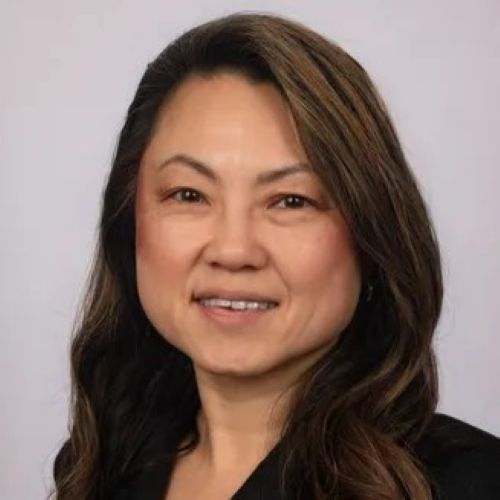
Jennifer Galstad-Lee
is a dual-licensed CPA-Attorney at Avara Law, LLC, specializing in U.S. international taxation, tax controversies, U.S. inbound business formation and structuring, and estate planning for domestic and international individuals. Her practice areas are tax, business, wills, trusts, and estates. Ms. Galstad-Lee offers comprehensive tax advice, business, and estate planning to clients with cross-border activities, holistically crafted with accounting and financial expertise from 20+ years of public accounting practice. She volunteers as an attorney with the Pro Bono Resource Center of Maryland, providing legal support to those in need. As a Community Educator for the Alzheimer’s Association, Ms. Galstad-Lee helps raise awareness and educate the public about Alzheimer’s and dementia. Additionally, she serves as Treasurer for Equipment Connections for Children, a nonprofit organization that provides adaptive equipment to children with special needs. Ms. Galstad-Lee received her B.A. from Korea University and her J.D. from the Catholic University of America, Columbus School of Law. She is admitted to practice law in the District of Columbia, Maryland, and before the U.S. Tax Court.
Speaker bio
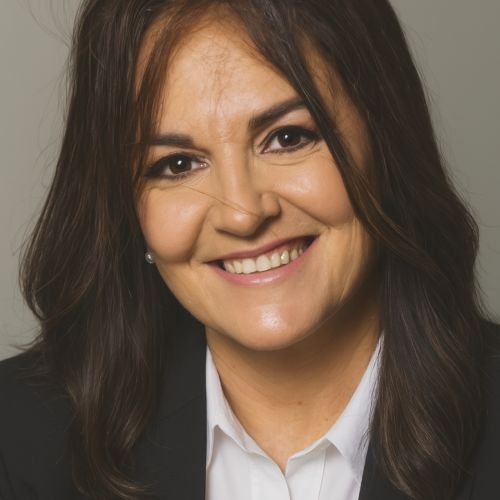
Esther Engelson
is an attorney at the Law Office of Esther Engelson, P.C. She has over two decades of experience in litigation, appellate advocacy, estate planning, and elder law. Ms. Engelson earned her B.A. degree from Touro University NYSCAS, her M.A. degree from Yeshiva University, and her J.D. degree from Fordham University School of Law. She is admitted to practice law in New York.
TOP FAQs
Have more questions? Please Contact Us