

Estate Planning for Blended and Nontraditional Families
Credits Available
| Credit | Status | Total |
|---|---|---|
| California MCLE Paralegal |
|
6 Total |
| Alaska CLE |
|
6 Total |
| Alabama CLE |
|
6 Total |
| Arkansas CLE |
|
6 Total |
| Arizona CLE |
|
6 Total |
| California CLE |
|
6 Total |
| Colorado CLE |
|
7 Total |
| Connecticut CLE |
|
6 Total |
| Delaware CLE |
|
6 Total |
| Florida CLE |
|
7 Total |
| Georgia CLE |
|
6 Total |
| Hawaii CLE |
|
6 Total |
| Iowa CLE |
|
6 Total |
| Idaho CLE |
|
6 Total |
| Illinois CLE |
|
6 Total |
| Indiana CLE |
|
6 Total |
| Kansas CLE |
|
7 Total |
| Kentucky CLE |
|
6 Total |
| Louisiana CLE |
|
6 Total |
| Maine CLE |
|
6 Total |
| Minnesota CLE |
|
6 Total |
| Missouri CLE |
|
7.2 Total |
| Northern Mariana Islands CLE |
|
6 Total |
| Montana CLE |
|
6 Total |
| North Carolina CLE |
|
6 Total |
| Nebraska CLE |
|
6 Total |
| New Hampshire CLE |
|
6 Total |
| New Jersey CLE |
|
7.2 Total |
| New Mexico CLE |
|
6 Total |
| Nevada CLE |
|
6 Total |
| New York CLE |
|
7 Total |
| Ohio CLE |
|
6 Total |
| Oklahoma CLE |
|
7 Total |
| Pennsylvania CLE |
|
6 Total |
| Rhode Island CLE |
|
7 Total |
| South Carolina CLE |
|
6 Total |
| Tennessee CLE |
|
6 Total |
| Texas CLE |
|
6 Total |
| Utah CLE |
|
6 Total |
| Virginia CLE |
|
6 Total |
| Vermont CLE |
|
6 Total |
| Washington CLE |
|
6 Total |
| Wisconsin CLE |
|
7 Total |
| West Virginia CLE |
|
7.2 Total |
| Wyoming CLE |
|
6 Total |
| Arizona CPE for Accountants |
|
7 Total |
| New York CPE for Accountants |
|
7 Total |
| Washington CPE for Accountants |
|
7 Total |
| Wisconsin CPE for Accountants |
|
7.2 Total |
| Delaware Certified Paralegal Program |
|
6 Total |
| Florida Registered Paralegal |
|
7 Total |
| Indiana Paralegal CLE |
|
6 Total |
| Montana CLE Credit for Paralegals |
|
6 Total |
| CPE for Accountants/NASBA |
|
7 Total |
| North Carolina Continuing Paralegal Education |
|
6 Total |
| New Mexico Paralegal Division, State Bar of |
|
6 Total |
| Ohio Certified Paralegals |
|
6 Total |
| NFPA |
|
0 Total |
| Texas State Bar of Paralegal Division |
|
6 Total |
Wed, Dec 02, 00:00 AM – 00:00 PM


Wed, Dec 02, 00:00 AM – 00:00 PM
Register For Course
Live Webinar Registration
OnDemand Recording
Course Book Download
Overview
When "Standard" Doesn't Fit Your Client's Family, Neither Should Your Planning
Blended families, unmarried partners, same-sex couples, and single parents are now the norm, not the exception. Yet most estate planning defaults are built around the traditional nuclear family model, leaving nontraditional clients exposed to unintended disinheritance, contested distributions, and fractured relationships. This course delivers practical strategies for drafting plans that reflect your clients' real family structures, navigate competing interests across generations, and hold up when relationships and family dynamics get complicated. Register today!
- Identify planning gaps that trigger disputes in blended and nontraditional families.
- Draft documents that account for stepchildren, half-siblings, and unmarried partners.
- Protect surviving spouses without disinheriting children from prior relationships.
- Counsel unmarried cohabitants who have no automatic inheritance rights.
- Protect families formed through adoption, IVF, and surrogacy with thoughtful estate planning.
- Spot and manage ethics issues in complex family representations.
Abbreviated Agenda
- Intestacy Laws and Client Intake Essentials
- Planning for Blended Families: The Competing Interests Problem
- Unmarried Cohabitants and Domestic Partners
- Drafting Strategies and Document Pitfalls (With Sample Language)
- Same-Sex Couples, Parentage, and Estate Planning Issues
- Ethics in Complex Family Representation
Can't Attend Live?

Get the OnDemand Instead
Watch the recording of this event on your own schedule. We'll notify you when its ready.
Credit Details
Credits Available
| Credit | Status | Total |
|---|---|---|
| California MCLE Paralegal |
|
6 Total |
| Alaska CLE |
|
6 Total |
| Alabama CLE |
|
6 Total |
| Arkansas CLE |
|
6 Total |
| Arizona CLE |
|
6 Total |
| California CLE |
|
6 Total |
| Colorado CLE |
|
7 Total |
| Connecticut CLE |
|
6 Total |
| Delaware CLE |
|
6 Total |
| Florida CLE |
|
7 Total |
| Georgia CLE |
|
6 Total |
| Hawaii CLE |
|
6 Total |
| Iowa CLE |
|
6 Total |
| Idaho CLE |
|
6 Total |
| Illinois CLE |
|
6 Total |
| Indiana CLE |
|
6 Total |
| Kansas CLE |
|
7 Total |
| Kentucky CLE |
|
6 Total |
| Louisiana CLE |
|
6 Total |
| Maine CLE |
|
6 Total |
| Minnesota CLE |
|
6 Total |
| Missouri CLE |
|
7.2 Total |
| Northern Mariana Islands CLE |
|
6 Total |
| Montana CLE |
|
6 Total |
| North Carolina CLE |
|
6 Total |
| Nebraska CLE |
|
6 Total |
| New Hampshire CLE |
|
6 Total |
| New Jersey CLE |
|
7.2 Total |
| New Mexico CLE |
|
6 Total |
| Nevada CLE |
|
6 Total |
| New York CLE |
|
7 Total |
| Ohio CLE |
|
6 Total |
| Oklahoma CLE |
|
7 Total |
| Pennsylvania CLE |
|
6 Total |
| Rhode Island CLE |
|
7 Total |
| South Carolina CLE |
|
6 Total |
| Tennessee CLE |
|
6 Total |
| Texas CLE |
|
6 Total |
| Utah CLE |
|
6 Total |
| Virginia CLE |
|
6 Total |
| Vermont CLE |
|
6 Total |
| Washington CLE |
|
6 Total |
| Wisconsin CLE |
|
7 Total |
| West Virginia CLE |
|
7.2 Total |
| Wyoming CLE |
|
6 Total |
| Arizona CPE for Accountants |
|
7 Total |
| New York CPE for Accountants |
|
7 Total |
| Washington CPE for Accountants |
|
7 Total |
| Wisconsin CPE for Accountants |
|
7.2 Total |
| Delaware Certified Paralegal Program |
|
6 Total |
| Florida Registered Paralegal |
|
7 Total |
| Indiana Paralegal CLE |
|
6 Total |
| Montana CLE Credit for Paralegals |
|
6 Total |
| CPE for Accountants/NASBA |
|
7 Total |
| North Carolina Continuing Paralegal Education |
|
6 Total |
| New Mexico Paralegal Division, State Bar of |
|
6 Total |
| Ohio Certified Paralegals |
|
6 Total |
| NFPA |
|
0 Total |
| Texas State Bar of Paralegal Division |
|
6 Total |
Credit Details by Jurisdiction
Live Webinar Registration
CLE
Credits
Alaska CLE Reciprocity · 6 Total Credits
- 1 MECLE Ethics
Live - Alaska CLE - 6: Alaska Bar members may claim credit for attending CLE programs that have been accredited by other mandatory CLE jurisdictions. This program qualifies for 6.0 hours of credit, which includes 5.0 hours of MCLE credit and 1.0 hour of MECLE credit.
Alabama CLE Approved · 6 Total Credits
- 1 Ethics/Professionalism
Live - Alabama CLE - 6: This course or a portion thereof has been approved by the Alabama State Bar Mandatory Continuing Legal Education Commission for a maximum of 6.0 credit hours, including 1.0 ethics/professionalism credit.
Arkansas CLE Approved · 6 Total Credits
- 1 Ethics
Live - Arkansas CLE - 6: NBI, Inc. is an accredited sponsor in the state of Arkansas. This program is approved for 6.0 hours of continuing legal education credit, including 1.0 hour of ethics, consistent with the rules and regulations of the Arkansas Supreme Court of Professional Programs.
Arizona CLE Approved · 6 Total Credits
- 1 Professional Responsibility
Live - Arizona CLE - 6: The State Bar of Arizona does not approve or accredit CLE activities for the Mandatory Continuing Legal Education requirement. This activity qualifies for 6.0 hours toward your annual CLE requirement for the State of Arizona, including 1.0 hour of professional responsibility.
California CLE Approved · 6 Total Credits
- 1 Legal Ethics
Live - California CLE - 6: This activity has been approved for Minimum Continuing Legal Education credit by the State Bar of California in the amount of 6.0 hours, of which 1.0 hour will apply to legal ethics. NBI, Inc. certifies this activity conforms to the standards for approved education activities prescribed by the rules and regulations of the State Bar of California governing minimum continuing legal education. NBI, Inc. is a State Bar of California approved MCLE provider - #53.
Colorado CLE Approved · 7 Total Credits
- 1.2 Professional Responsibility
Live - Colorado CLE - 7: NBI, Inc. is a Certified Provider, as recognized by the Colorado Supreme Court Continuing Legal and Judicial Education Committee. This program has been accredited for 7.0 hours of General Colorado Continuing Legal Education Credit, including 1.20 professional responsibility credit.
Connecticut CLE Approved · 6 Total Credits
- 1 Ethics/Professionalism
Live - Connecticut CLE - 6: Neither the Connecticut Judicial Branch nor the Commission on Minimum Continuing Legal Education approve or accredit CLE providers or activities. It is the opinion of NBI, Inc. that this activity qualifies for 6.0 hours toward your annual CLE requirement in Connecticut, including 1.0 hour(s) of ethics/professionalism.
Delaware CLE Approved · 6 Total Credits
- 1 Ethics
Live - Delaware CLE - 6: NBI, Inc. is an accredited sponsor of the Delaware Commission on Continuing Legal Education and recommends this program for 6.0 hours of eCLE credit, including 1.0 hour of ethics.
Florida CLE Approved · 7 Total Credits
- 7 Wills, Trusts and Estates
- 1 Professional Responsibility
Live - Florida CLE - 7: Approved by The Florida Bar for a maximum of 7.0 general hours of CLER credit including 1.0 hour of professional responsibility (may include legal ethics, professionalism, substance abuse or mental illness and wellness programs). Certification: 7.0 - Wills, Trusts and Estates
Georgia CLE Approved · 6 Total Credits
- 1 Ethics
Live - Georgia CLE - 6: This program is approved by the Commission on Continuing Lawyer Competency of the State Bar of Georgia. This program qualifies for 6.0 hours of distance learning continuing legal education credit with the Georgia Commission on Continuing Lawyer Competency, which includes 1.0 hour of distance learning ethics.
Hawaii CLE Approved · 6 Total Credits
- 1 Ethics/Professional Responsibility
Live - Hawaii CLE - 6: NBI, Inc. is an Accredited Provider with the Hawaii State Board of Continuing Legal Education. This alternative format activity has been approved for 6.0 hours of credit for the state of Hawaii, which includes 1.0 hour of ethics or professional responsibility education.
Iowa CLE Approved · 6 Total Credits
- 1 Legal Ethics
Live - Iowa CLE - 6: "Estate Planning for Blended and Nontraditional Families" is an accredited program under the regulations of the Iowa Supreme Court Commission on Continuing Legal Education. It is planned that this program will provide a maximum of 6.0 hours of regular credit toward the mandatory continuing legal education requirements under the Iowa rule, including 1.0 hour of legal ethics credit.
Idaho CLE Approved · 6 Total Credits
- 1 Legal Ethics/Professional Responsibility
Live - Idaho CLE - 6: Approved for 6.0 hours of continuing legal education credit in the state of Idaho, which includes 1.0 legal ethics or professional responsibility credit.
Illinois CLE Approved · 6 Total Credits
- 1 Professional Responsibility
Live - Illinois CLE - 6: This program has been approved by the Illinois MCLE Board for 6.0 hours of CLE credit, which includes approval for 1.0 hour of legal ethics, civility, professionalism or sexual harassment prevention training CLE credit by the Illinois Supreme Court Commission on Professionalism.
Indiana CLE Approved · 6 Total Credits
- 1 Ethics
Live - Indiana CLE - 6: This course has been approved by the Indiana Supreme Court Office of Admissions & Continuing Education. Participating attorneys are eligible to receive 6.0 hours of distance education, which includes 1.0 hour of ethics.
Kansas CLE Approved · 7 Total Credits
- 1 Ethics/Professionalism
Live - Kansas CLE - 7: Approved by Kansas CLE for 7.0 hours of continuing legal education credit, which includes 1.0 hour of ethics and professionalism credit.
Kentucky CLE Upon Request · 6 Total Credits
- 1 Ethics
Live - Kentucky CLE - 6: Upon course completion and credit request submittal, an application will be submitted to the Kentucky Bar Association Continuing Legal Education Commission.
Louisiana CLE Approved · 6 Total Credits
- 6 Estate Planning and Administrative
- 1 Ethics
Live - Louisiana CLE - 6: This course or a portion thereof has been approved by the Louisiana Mandatory Continuing Legal Education Committee of the Louisiana State Bar Association. This program qualifies for 6.0 hours (based on a 60-minute credit hour) of computer based credit, of which 1.0 hour will apply to computer based ethics credit. This course will apply toward the fulfillment of the newly admitted member requirement. This program is approved for 6.0 hours (based on a 60-minute credit hour) of credit by the Louisiana Specialization Board in the area of Estate Planning and Administration.
Maine CLE Approved · 6 Total Credits
- 1 Ethics
Live - Maine CLE - 6: This course has been approved by the State of Maine Board of Overseers of the Bar. Lawyers who complete this course shall receive 6.0 hours of CLE credit including 1.0 ethics hours.
Course Book - Maine CLE - 6: This course has been approved by the State of Maine Board of Overseers of the Bar. Lawyers who complete this course will receive 6.0 hours of self-study CLE credit.
Minnesota CLE Approved · 6 Total Credits
- 1 Ethics
Live - Minnesota CLE - 6: This course has been approved by the Minnesota Board of Continuing Legal Education for 6.0 hours of standard CLE credit, including 1.0 hour of ethics credit.
Missouri CLE Approved · 7.2 Total Credits
- 1.2 Ethics, Professionalism or Malpractice Prevention
Live - Missouri CLE - 7.2: NBI, Inc. is an accredited sponsor with Missouri Minimum Continuing Legal Education. This program qualifies for 7.20 hours of CLE credit, which includes 1.20 hour of ethics, professionalism or malpractice prevention credit.
Course Book - Missouri CLE - 6: NBI, Inc. is an accredited sponsor with Missouri Minimum Continuing Legal Education. This program qualifies for 6.0 self-study CLE credit hours.
Northern Mariana Islands CLE Approved · 6 Total Credits
Live - Northern Mariana Islands CLE - 6: This course has been approved by the Commonwealth of the Northern Mariana Islands. Lawyers who complete this course shall receive 6.0 hours of CLE credit.
Course Book - Northern Mariana Islands CLE - 6: This course has been approved by the Commonwealth of the Northern Mariana Islands. Lawyers who complete this course shall receive 6.0 hours of self-study CLE credit.
Montana CLE Approved · 6 Total Credits
- 1 Professional Fitness and Integrity
Live - Montana CLE - 6: Approved for 6.0 hours of CLE credit by the Montana Commission of Continuing Legal Education, including 1.0 hour of professional fitness and integrity credit.
North Carolina CLE Approved · 6 Total Credits
- 6 Estate Planning and Probate Law
- 1 Professional Responsibility
Live - North Carolina CLE - 6: NBI, Inc. is an accredited sponsor with the North Carolina State Board of Continuing Legal Education. Attendance of this program will result in 6.0 hours of CLE credit, including 1.0 professional responsibility. This program qualifies for Estate Planning and Probate Law specialization certification credit.
Nebraska CLE Approved · 6 Total Credits
- 1 Professional Responsibility
Live - Nebraska CLE - 6: NBI, Inc. is an accredited CLE sponsor in the state of Nebraska. This activity has been approved for 6.0 distance learning CLE credits, including 1.0 hour of professional responsibility credit.
New Hampshire CLE Approved · 6 Total Credits
- 1 Ethics/Professionalism
Live - New Hampshire CLE - 6: NHMCLE does not approve or accredit CLE activities for the NH Minimum CLE requirement. NBI, Inc. believes this course meets the requirements of NH Supreme Court Rule 53 toward the annual NHMCLE requirement.
New Jersey CLE Approved · 7.2 Total Credits
- 1.2 Ethics/Professionalism
Live - New Jersey CLE - 7.2: This program has been approved by the Board on Continuing Legal Education of the Supreme Court of New Jersey for 7.20 hours of total CLE credit. Of these, 1.20 qualifies as hours of credit for ethics/professionalism.
New Mexico CLE Approved · 6 Total Credits
- 1 Ethics
Live - New Mexico CLE - 6: This program has been approved by the Board of Bar Commissioners of the State Bar of New Mexico for 6.0 hours of credit, including 1.0 hour of ethics.
Nevada CLE Approved · 6 Total Credits
- 1 Ethical Considerations
Live - Nevada CLE - 6: This course has been approved by the Nevada Board of Continuing Legal Education. This program qualifies for 6.0 hours of alternative format CLE credits by the Nevada Board of Continuing Legal Education, which includes 1.0 hour of alternative format ethical considerations.
New York CLE Approved · 7 Total Credits
- 6 Areas of Professional Practice
- 1 Ethics/Professionalism
Live - New York CLE - 7: This course has been approved in accordance with the requirements of the New York State Continuing Legal Education Board for a maximum of 7.0 credit hours. 6.0 hours can be applied to the areas of professional practice requirement and 1.0 hour can be applied toward the Ethics/Professionalism requirement. This nontraditional format program is approved for newly admitted attorneys. NBI, Inc. offers a Financial Hardship Policy for qualifying individuals. To apply, please submit a request via email to our Tuition Discount Committee at customerservice@nbi-sems.com.
Ohio CLE Approved · 6 Total Credits
- 6 New Lawyer Training
- 1 Professional Conduct
Live - Ohio CLE - 6: This course has been approved by the Supreme Court of Ohio Commission on Continuing Legal Education for 6.0 CLE credit hours, including 1.0 hour of attorney professional conduct instruction. This course is approved for 6.0 hours of New Lawyer Training credit. NLT credit is only available on “Live Webcast” and "Webcast Replay" versions of this program.
Oklahoma CLE Approved · 7 Total Credits
- 1 Legal Ethics
Live - Oklahoma CLE - 7: This course has been approved by the Oklahoma Bar Association Mandatory Continuing Legal Education Commission for 7.0 hours of CLE credit, which includes 1.0 hour of legal ethics.
Pennsylvania CLE Approved · 6 Total Credits
- 1 Ethics
Live - Pennsylvania CLE - 6: This program has been approved by the Pennsylvania Continuing Legal Education Board for a total of 6.0 hours, including 5.0 hours of substantive law, practice and procedure CLE credit and 1.0 hour of ethics, professionalism or substance abuse CLE credit.
Rhode Island CLE Upon Request · 7 Total Credits
- 1 Legal Ethics
Live - Rhode Island CLE - 7: NBI is an accredited sponsor with the Rhode Island MCLE Commission. Upon course completion and credit request submittal, an application will be submitted to the Rhode Island MCLE Commission.
South Carolina CLE Approved · 6 Total Credits
- 1 Legal Ethics/Professional Responsibility
Live - South Carolina CLE - 6: This course is accredited by the South Carolina Commission on Continuing Legal Education and Specialization for 6.0 alternatively delivered hours, of which 1.0 hour relates to legal ethics and professional responsibility.
Tennessee CLE Approved · 6 Total Credits
- 1 Ethics/Professionalism
Live - Tennessee CLE - 6: This course has been approved by the Tennessee Commission on Continuing Legal Education for a maximum of 6.0 hours of Distance Learning credit, including 1.0 hour of ethics/professionalism (EP) credit.
Texas CLE Approved · 6 Total Credits
- 6 Estate Planning and Probate
- 1 Legal Ethics/Professional Responsibility
Live - Texas CLE - 6: This course is accredited for Minimum Continuing Legal Education credit by the State Bar of Texas Committee on MCLE in the amount of 6.0 credit hours, of which 1.0 credit hour will apply to legal ethics/professional responsibility credit. Hours in attendance at National Business Institute CLE seminars may be applied to the minimum Judicial Education requirement. This course has been approved by the Texas Board of Legal Specialization for certification and recertification continuing legal education requirements for attorneys and paralegals in the following specialty fields: 6.0 - Estate Planning and Probate Law
Utah CLE Approved · 6 Total Credits
- 1 Ethics
Live - Utah CLE - 6: National Business Institute is an approved "presumptive provider" with the Utah State Board of Continuing Legal Education. This program qualifies for a maximum of 6.0 hours of Live CLE credit for Utah attorneys, which includes 1.0 hour of ethics credit.
Virginia CLE Approved · 6 Total Credits
- 1 Ethics/Professionalism
Live - Virginia CLE - 6: This course has been approved by the Virginia Mandatory Continuing Legal Education Board for 6.0 hours of credit, of which 1.0 hour will also apply in the area of legal ethics or professionalism.
Vermont CLE Approved · 6 Total Credits
- 1 Ethics
Live - Vermont CLE - 6: This course has been approved by the Vermont Board of Mandatory Continuing Legal Education for 6.0 hours of credit, including 1.0 hour of ethics.
Washington CLE Approved · 6 Total Credits
- 1 Ethics/Professional Responsibility
Live - Washington CLE - 6: Approved for 6.0 hours of Washington continuing legal education credit, which includes 5.0 hours of Law and Legal Procedure and 1.0 hour of ethics and professional responsibility.
Wisconsin CLE Approved · 7 Total Credits
- 1 Ethics/Professional Responsibility
Live - Wisconsin CLE - 7: Approved for 7.0 hours of continuing legal education credit by the Board of Bar Examiners. Ethics and Professional Responsibility (EPR) credit is currently pending approval.
West Virginia CLE Approved · 7.2 Total Credits
- 1.2 Ethics
Live - West Virginia CLE - 7.2: This program qualifies for 7.20 hours of credit, which includes 1.20 hour of ethics, under the West Virginia Rules for Mandatory Continuing Legal Education.
Wyoming CLE Approved · 6 Total Credits
- 1 Ethics
Live - Wyoming CLE - 6: The Wyoming State Board of Continuing Legal Education has granted 6.0 hours of Continuing Legal Education Credit, including 1.0 hour of ethics.
Paralegal
Credits
California MCLE Paralegal Approved · 6 Total Credits
- 1 Ethics
Live - California MCLE Paralegal - 6: This program meets the California MCLE Paralegal requirement as specified in Business and Professions Code Section 6450(d).
Delaware Certified Paralegal Program Approved · 6 Total Credits
- 1 Ethics
Live - Delaware Certified Paralegal Program - 6: This course qualifies for 6.0 DCP CLE credit hours, including 1.0 DCP ethics credit hour, toward the eligibility requirements of the DPA Delaware Certified Paralegal Program.
Florida Registered Paralegal Approved · 7 Total Credits
- 1 Ethics
Live - Florida Registered Paralegal - 7: This course qualifies for 7.0 hours of continuing education for paralegals, including 1.0 hour of ethics, toward the eligibility requirements of the Florida Registered Paralegal Program. This course has been approved by NFPA.
Indiana Paralegal CLE Approved · 6 Total Credits
- 1 Ethics
Live - Indiana Paralegal CLE - 6: This course qualifies for 6.0 hours of continuing education, including 1.0 hour of ethics and satisfies the CLE requirement for Indiana State Bar Association Paralegal Members and Indiana Registered Paralegals (IRP).
Montana CLE Credit for Paralegals Approved · 6 Total Credits
- 1 Ethics
Live - Montana CLE Credit for Paralegals - 6: This course has been approved for 6.0 hours of CLE credit, including 1.0 hour of ethics, by the Montana Commission of Continuing Legal Education. The Montana Association of Legal Assistants (MALA) and the Paralegal Section of the State Bar of Montana will honor this credit approval.
North Carolina Continuing Paralegal Education Approved · 6 Total Credits
- 1 Professional Responsibility
Live - North Carolina Continuing Paralegal Education - 6: This program has been approved by the North Carolina State Bar Board of Paralegal Certification for continuing paralegal education credit in the amount of 6.0 hours, of which 1.0 hour will also apply in the area of professional responsibility. This course is not sponsored by the Board of Paralegal Certification.
New Mexico Paralegal Division, State Bar of Approved · 6 Total Credits
- 1 Ethics
Live - New Mexico Paralegal Division, State Bar of - 6: Approved by the Paralegal Division of the State Bar of New Mexico for 5.0 general and 1.0 ethics (for a total of 6.0 hours CLE).
Ohio Certified Paralegals Approved · 6 Total Credits
- 1 Ethics
Live - Ohio Certified Paralegals - 6: This course qualifies for 6.0 hours of continuing education for paralegals, including 1.0 hour of ethics, toward the eligibility requirements of the Ohio State Bar Association Paralegal Certification program.
NFPA Approved · 0 Total Credits
Live - NFPA - 0: NBI, Inc. is an NFPA-approved CLE provider. As such, members can claim credit for attending CLE programs that have been accredited by other mandatory CLE jurisdictions. The course duration is 360 minutes, which includes 60 minutes of ethics.
Texas State Bar of Paralegal Division Approved · 6 Total Credits
- 1 Ethics
Live - Texas State Bar of Paralegal Division - 6: This course qualifies for 6.0 CLE credit hours, including 1.0 ethics credit hour, toward the eligibility requirements of The Paralegal Division of the State Bar of Texas.
Other
Credits
Arizona CPE for Accountants Approved · 7 Total Credits
Live - Arizona CPE for Accountants - 7: The Arizona State Board of Accountancy does not approve or accredit CPE activities for the Mandatory Continuing Professional Education requirement. This activity is designed to qualify for 7.0 hours of CPE credit for accountants toward their CPE requirement for the state of Arizona.
New York CPE for Accountants Approved · 7 Total Credits
- 7 Advisory Services
Live - New York CPE for Accountants - 7: National Business Institute is an approved sponsor with the New York State Board of Public Accountancy. This program is designed to qualify for 7.0 hours of CPE credit for accountants (Sponsor License # 000232).
Washington CPE for Accountants Approved · 7 Total Credits
Live - Washington CPE for Accountants - 7: This program qualifies for 7.0 hours of continuing education credit for accountants.
Wisconsin CPE for Accountants Approved · 7.2 Total Credits
Live - Wisconsin CPE for Accountants - 7.2: This activity may qualify for 7.20 hours of CPE credit for accountants toward the requirement for the state of Wisconsin.
CPE for Accountants/NASBA Approved · 7 Total Credits
- 6 Specialized Knowledge
- 1 Regulatory Ethics
Live - CPE for Accountants/NASBA - 7: NBI, Inc. is registered with the National Association of State Boards of Accountancy (NASBA) as a sponsor of continuing professional education on the National Registry of CPE Sponsors. State boards of accountancy have final authority on the acceptance of individual courses for CPE credit. Complaints regarding registered sponsors may be submitted to the National Registry of CPE Sponsors through its website: www.nasbaregistry.org. This program is designed to qualify for 7.0 hours (based on 50 minute credit hour) of continuing professional education credit for accountants. For more information regarding administrative policies such as complaint, refund and program cancellation, please contact our offices at (800) 930-6182.
OnDemand Video
CLE
Credits
Alaska CLE Reciprocity · 6 Total Credits
- 1 MECLE Ethics
Earn Until
OnDemand - Alaska CLE - 6: Alaska Bar members may claim credit for attending CLE programs that have been accredited by other mandatory CLE jurisdictions. This program qualifies for 6.0 hours of credit, which includes 5.0 hours of MCLE credit and 1.0 hour of MECLE credit.
Video Download - Alaska CLE - 6: Alaska Bar members may claim credit for attending CLE programs that have been accredited by other mandatory CLE jurisdictions. This program qualifies for 6.0 hours of credit, which includes 5.0 hours of MCLE credit and 1.0 hour of MECLE credit.
Alabama CLE Approved · 6 Total Credits
- 1 Ethics/Professionalism
Earn Until
OnDemand - Alabama CLE - 6: This course or a portion thereof has been approved by the Alabama State Bar Mandatory Continuing Legal Education Commission for a maximum of 6.0 on-demand credit hours, including 1.0 ethics/professionalism credit.
Arkansas CLE Approved · 6 Total Credits
- 1 Ethics
Earn Until
OnDemand - Arkansas CLE - 6: NBI, Inc. is an accredited sponsor in the state of Arkansas. This program qualifies for 6.0 hours of on demand continuing legal education credit, including 1.0 hour of ethics, consistent with the rules and regulations of the Arkansas Supreme Court of Professional Programs.
Video Download - Arkansas CLE - 6: NBI, Inc. is an accredited sponsor in the state of Arkansas. This program qualifies for 6.0 hours of on demand continuing legal education credit, including 1.0 hour of ethics, consistent with the rules and regulations of the Arkansas Supreme Court of Professional Programs.
Arizona CLE Approved · 6 Total Credits
- 1 Professional Responsibility
Earn Until
OnDemand - Arizona CLE - 6: The State Bar of Arizona does not approve or accredit CLE activities for the Mandatory Continuing Legal Education requirement. This activity qualifies for 6.0 hours toward your annual CLE requirement for the State of Arizona, including 1.0 hour of professional responsibility.
Video Download - Arizona CLE - 6: The State Bar of Arizona does not approve or accredit CLE activities for the Mandatory Continuing Legal Education requirement. This activity qualifies for 6.0 hours toward your annual CLE requirement for the State of Arizona, including 1.0 hour of professional responsibility.
California CLE Approved · 6 Total Credits
- 1 Legal Ethics
Earn Until
OnDemand - California CLE - 6: This activity has been approved for Minimum Continuing Legal Education credit by the State Bar of California and qualifies for 6.0 hours of participatory credit, of which 1.0 hour will apply to legal ethics credit. NBI, Inc. certifies this activity conforms to the standards for approved education activities prescribed by the rules and regulations of the State Bar of California governing minimum continuing legal education. NBI, Inc. is a State Bar of California approved MCLE provider - #53.
Video Download - California CLE - 6: This activity has been approved for Minimum Continuing Legal Education credit by the State Bar of California and qualifies for 6.0 hours of self-study credit, of which 1.0 hour will apply to legal ethics credit. NBI, Inc. certifies this activity conforms to the standards for approved education activities prescribed by the rules and regulations of the State Bar of California governing minimum continuing legal education. NBI, Inc. is a State Bar of California approved MCLE provider - #53.
Colorado CLE Approved · 7 Total Credits
- 1.2 Professional Responsibility
Earn Until
OnDemand - Colorado CLE - 7: NBI, Inc. is a Certified Provider, as recognized by the Colorado Supreme Court Continuing Legal and Judicial Education Committee. This program qualifies for 7.0 hours of home study general Colorado Continuing Legal Education Credit, including 1.20 professional responsibility credit.
Video Download - Colorado CLE - 7: NBI, Inc. is a Certified Provider, as recognized by the Colorado Supreme Court Continuing Legal and Judicial Education Committee. This program qualifies for 7.0 hours of home study general Colorado Continuing Legal Education Credit, including 1.20 professional responsibility credit.
Connecticut CLE Approved · 6 Total Credits
- 1 Ethics/Professionalism
Earn Until
OnDemand - Connecticut CLE - 6: Neither the Connecticut Judicial Branch nor the Commission on Minimum Continuing Legal Education approve or accredit CLE providers or activities. It is the opinion of NBI, Inc. that this activity qualifies for 6.0 self-study hours toward your annual CLE requirement in Connecticut, including 1.0 self-study hour(s) of ethics/professionalism.
Video Download - Connecticut CLE - 6: Neither the Connecticut Judicial Branch nor the Commission on Minimum Continuing Legal Education approve or accredit CLE providers or activities. It is the opinion of NBI, Inc. that this activity qualifies for 6.0 self-study hours toward your annual CLE requirement in Connecticut, including 1.0 self-study hour(s) of ethics/professionalism.
Delaware CLE Approved · 6 Total Credits
- 1 Ethics
Earn Until
OnDemand - Delaware CLE - 6: NBI, Inc. is an accredited sponsor of the Delaware Commission on Continuing Legal Education and recommends this program for 6.0 hours of eCLE credit, including 1.0 hour of ethics.
Florida CLE Approved · 7 Total Credits
- 7 Wills, Trusts and Estates
- 1 Professional Responsibility
Earn Until
OnDemand - Florida CLE - 7: Approved by The Florida Bar, this program qualifies for 7.0 general hours of CLER self-study credit including 1.0 hour of self-study professional responsibility (may include legal ethics, professionalism, substance abuse or mental illness and wellness programs). Certification: 7.0 - Wills, Trusts and Estates
Video Download - Florida CLE - 7: Approved by The Florida Bar, this program qualifies for 7.0 general hours of CLER self-study credit including 1.0 hour of self-study professional responsibility (may include legal ethics, professionalism, substance abuse or mental illness and wellness programs). Certification: 7.0 - Wills, Trusts and Estates
Georgia CLE Approved · 6 Total Credits
- 1 Ethics
Earn Until
OnDemand - Georgia CLE - 6: This program is approved by the Commission on Continuing Lawyer Competency of the State Bar of Georgia. This program qualifies for 6.0 hours of distance learning continuing legal education credit with the Georgia Commission on Continuing Lawyer Competency, which includes 1.0 hour of distance learning ethics.
Video Download - Georgia CLE - 6: This program is approved by the Commission on Continuing Lawyer Competency of the State Bar of Georgia. This program qualifies for 6.0 hours of distance learning continuing legal education credit with the Georgia Commission on Continuing Lawyer Competency, which includes 1.0 hour of distance learning ethics.
Hawaii CLE Approved · 6 Total Credits
- 1 Ethics/Professional Responsibility
Earn Until
OnDemand - Hawaii CLE - 6: NBI, Inc. is an Accredited Provider with the Hawaii State Board of Continuing Legal Education. This alternative format activity has been approved for 6.0 hours of credit for the state of Hawaii, which includes 1.0 hour of ethics or professional responsibility education.
Video Download - Hawaii CLE - 6: NBI, Inc. is an Accredited Provider with the Hawaii State Board of Continuing Legal Education. This alternative format activity has been approved for 6.0 hours of credit for the state of Hawaii, which includes 1.0 hour of ethics or professional responsibility education.
Iowa CLE Approved · 6 Total Credits
- 1 Legal Ethics
Earn Until
OnDemand - Iowa CLE - 6: "Estate Planning for Blended and Nontraditional Families" is an accredited program under the regulations of the Iowa Supreme Court Commission on Continuing Legal Education. It is planned that this program will provide a maximum of 6.0 hours of unmoderated activity credit toward the mandatory continuing legal education requirements under the Iowa rule, including 1.0 hour of legal ethics unmoderated activity credit.
Idaho CLE Approved · 6 Total Credits
- 1 Legal Ethics/Professional Responsibility
Earn Until
OnDemand - Idaho CLE - 6: Approved for 6.0 hours of self-study continuing legal education credit in the state of Idaho, which includes 1.0 self-study legal ethics or professional responsibility credit.
Video Download - Idaho CLE - 6: Approved for 6.0 hours of self-study continuing legal education credit in the state of Idaho, which includes 1.0 self-study legal ethics or professional responsibility credit.
Illinois CLE Approved · 6 Total Credits
- 1 Professional Responsibility
Earn Until
OnDemand - Illinois CLE - 6: This program has been approved by the Illinois MCLE Board for 6.0 hours of recorded technology CLE credit, which includes approval for 1.0 hour of legal ethics, civility, professionalism or sexual harassment prevention training CLE credit by the Illinois Supreme Court Commission on Professionalism.
Video Download - Illinois CLE - 6: This program has been approved by the Illinois MCLE Board for 6.0 hours of recorded technology CLE credit, which includes approval for 1.0 hour of legal ethics, civility, professionalism or sexual harassment prevention training CLE credit by the Illinois Supreme Court Commission on Professionalism.
Indiana CLE Approved · 6 Total Credits
- 1 Ethics
Earn Until
OnDemand - Indiana CLE - 6: This course has been approved by the Indiana Supreme Court Office of Admissions & Continuing Education. Participating attorneys are eligible to receive 6.0 hours of distance education, which includes 1.0 hour of ethics.
Kansas CLE Approved · 7 Total Credits
- 1 Ethics/Professionalism
Earn Until
OnDemand - Kansas CLE - 7: Approved by Kansas CLE for 7.0 hours of prerecorded format continuing legal education credit, which includes 1.0 hour of ethics and professionalism credit.
Video Download - Kansas CLE - 7: Approved by Kansas CLE for 7.0 hours of prerecorded format continuing legal education credit, which includes 1.0 hour of ethics and professionalism credit.
Kentucky CLE Upon Request · 6 Total Credits
- 1 Ethics
OnDemand - Kentucky CLE - 6: Upon course completion and credit request submittal, an application will be submitted to the Kentucky Bar Association Continuing Legal Education Commission.
Video Download - Kentucky CLE - 6: Upon course completion and credit request submittal, an application will be submitted to the Kentucky Bar Association Continuing Legal Education Commission.
Louisiana CLE Approved · 6 Total Credits
- 6 Estate Planning and Administrative
- 1 Ethics
Earn Until
OnDemand - Louisiana CLE - 6: This course or a portion thereof has been approved by the Louisiana Mandatory Continuing Legal Education Committee of the Louisiana State Bar Association. This program qualifies for 6.0 hours (based on a 60-minute credit hour) of computer based credit, of which 1.0 hour will apply to computer based ethics credit. This course will apply toward the fulfillment of the newly admitted member requirement. This program is approved for 6.0 hours (based on a 60-minute credit hour) of credit by the Louisiana Specialization Board in the area of Estate Planning and Administration.
Maine CLE Approved · 6 Total Credits
Earn Until
OnDemand - Maine CLE - 6: This course has been approved by the State of Maine Board of Overseers of the Bar. Lawyers who complete this course will receive 6.0 hours of self-study CLE credit.
Video Download - Maine CLE - 6: This course has been approved by the State of Maine Board of Overseers of the Bar. Lawyers who complete this course will receive 6.0 hours of self-study CLE credit.
Course Book - Maine CLE - 6: This course has been approved by the State of Maine Board of Overseers of the Bar. Lawyers who complete this course will receive 6.0 hours of self-study CLE credit.
Minnesota CLE Approved · 6 Total Credits
- 1 Ethics
Earn Until
OnDemand - Minnesota CLE - 6: Approved for 6.0 hours of standard on-demand CLE credit, including 1.0 hour of ethics credit by the Minnesota Board of Continuing Legal Education.
Video Download - Minnesota CLE - 6: Approved for 6.0 hours of standard on-demand CLE credit, including 1.0 hour of ethics credit by the Minnesota Board of Continuing Legal Education.
Missouri CLE Approved · 6 Total Credits
Earn Until
OnDemand - Missouri CLE - 6: NBI, Inc. is an accredited sponsor with Missouri Minimum Continuing Legal Education. This program qualifies for 6.0 self-study CLE credit hours.
Video Download - Missouri CLE - 6: NBI, Inc. is an accredited sponsor with Missouri Minimum Continuing Legal Education. This program qualifies for 6.0 self-study CLE credit hours.
Course Book - Missouri CLE - 6: NBI, Inc. is an accredited sponsor with Missouri Minimum Continuing Legal Education. This program qualifies for 6.0 self-study CLE credit hours.
Northern Mariana Islands CLE Approved · 6 Total Credits
Earn Until
OnDemand - Northern Mariana Islands CLE - 6: This course has been approved by the Commonwealth of the Northern Mariana Islands. Lawyers who complete this course shall receive 6.0 hours of self-study CLE credit.
Video Download - Northern Mariana Islands CLE - 6: This course has been approved by the Commonwealth of the Northern Mariana Islands. Lawyers who complete this course shall receive 6.0 hours of self-study CLE credit.
Course Book - Northern Mariana Islands CLE - 6: This course has been approved by the Commonwealth of the Northern Mariana Islands. Lawyers who complete this course shall receive 6.0 hours of self-study CLE credit.
Montana CLE Approved · 6 Total Credits
- 1 Professional Fitness and Integrity
Earn Until
OnDemand - Montana CLE - 6: This program qualifies for 6.0 hours of self-study CLE credit by the Montana Commission of Continuing Legal Education, including 1.0 hour of professional fitness and integrity credit.
Video Download - Montana CLE - 6: This program qualifies for 6.0 hours of self-study CLE credit by the Montana Commission of Continuing Legal Education, including 1.0 hour of professional fitness and integrity credit.
North Carolina CLE Approved · 6 Total Credits
- 6 Estate Planning and Probate Law
- 1 Professional Responsibility
Earn Until
OnDemand - North Carolina CLE - 6: NBI, Inc. is an accredited sponsor with the North Carolina State Board of Continuing Legal Education. Attendance of this program qualifies for 6.0 hours of online CLE credit, including 1.0 professional responsibility. This program qualifies for Estate Planning and Probate Law specialization certification credit.
Video Download - North Carolina CLE - 6: NBI, Inc. is an accredited sponsor with the North Carolina State Board of Continuing Legal Education. Attendance of this program qualifies for 6.0 hours of online CLE credit, including 1.0 professional responsibility. This program qualifies for Estate Planning and Probate Law specialization certification credit.
Nebraska CLE Approved · 6 Total Credits
- 1 Professional Responsibility
Earn Until
OnDemand - Nebraska CLE - 6: NBI, Inc. is an accredited CLE sponsor in the state of Nebraska. This activity has been approved for 6.0 distance learning CLE credits, including 1.0 hour of professional responsibility credit.
Video Download - Nebraska CLE - 6: NBI, Inc. is an accredited CLE sponsor in the state of Nebraska. This activity has been approved for 6.0 distance learning CLE credits, including 1.0 hour of professional responsibility credit.
New Hampshire CLE Approved · 6 Total Credits
- 1 Ethics/Professionalism
Earn Until
OnDemand - New Hampshire CLE - 6: NHMCLE does not approve or accredit CLE activities for the NH Minimum CLE requirement. NBI, Inc. believes this course meets the requirements of NH Supreme Court Rule 53 toward the annual NHMCLE requirement.
Video Download - New Hampshire CLE - 6: NHMCLE does not approve or accredit CLE activities for the NH Minimum CLE requirement. NBI, Inc. believes this course meets the requirements of NH Supreme Court Rule 53 toward the annual NHMCLE requirement.
New Jersey CLE Approved · 7.2 Total Credits
- 1.2 Ethics/Professionalism
Earn Until
OnDemand - New Jersey CLE - 7.2: This program has been approved by the Board on Continuing Legal Education of the Supreme Court of New Jersey for 7.20 hours of alternative format CLE credit. Of these, 1.20 qualifies as hours of alternative learning format credit for ethics/professionalism.
Video Download - New Jersey CLE - 7.2: This program has been approved by the Board on Continuing Legal Education of the Supreme Court of New Jersey for 7.20 hours of alternative format CLE credit. Of these, 1.20 qualifies as hours of alternative learning format credit for ethics/professionalism.
New Mexico CLE Approved · 6 Total Credits
- 1 Ethics
Earn Until
OnDemand - New Mexico CLE - 6: This program has been approved by the Board of Bar Commissioners of the State Bar of New Mexico. This program qualifies for 6.0 hours of self-study credit, including 1.0 hour of self-study ethics credit.
Video Download - New Mexico CLE - 6: This program has been approved by the Board of Bar Commissioners of the State Bar of New Mexico. This program qualifies for 6.0 hours of self-study credit, including 1.0 hour of self-study ethics credit.
Nevada CLE Approved · 6 Total Credits
- 1 Ethical Considerations
Earn Until
OnDemand - Nevada CLE - 6: This course has been approved by the Nevada Board of Continuing Legal Education. This program qualifies for 6.0 hours of alternative format CLE credits by the Nevada Board of Continuing Legal Education, which includes 1.0 hour of alternative format ethical considerations.
Video Download - Nevada CLE - 6: This course has been approved by the Nevada Board of Continuing Legal Education. This program qualifies for 6.0 hours of alternative format CLE credits by the Nevada Board of Continuing Legal Education, which includes 1.0 hour of alternative format ethical considerations.
New York CLE Approved · 7 Total Credits
- 6 Areas of Professional Practice
- 1 Ethics/Professionalism
Earn Until
OnDemand - New York CLE - 7: This nontraditional format course has been approved in accordance with the requirements of the New York State Continuing Legal Education Board for up to 7.0 credit hours. 6.0 hours can be applied to the areas of professional practice requirement and is approved for newly admitted attorneys. 1.0 hour can be applied toward the Ethics/Professionalism requirement and is approved for experienced attorneys. NBI, Inc. offers a Financial Hardship Policy for qualifying individuals. To apply, please submit a request via email to our Tuition Discount Committee at customerservice@nbi-sems.com.
Video Download - New York CLE - 7: This nontraditional format course has been approved in accordance with the requirements of the New York State Continuing Legal Education Board for up to 7.0 credit hours. 6.0 hours can be applied to the areas of professional practice requirement and is approved for newly admitted attorneys. 1.0 hour can be applied toward the Ethics/Professionalism requirement and is approved for experienced attorneys. NBI, Inc. offers a Financial Hardship Policy for qualifying individuals. To apply, please submit a request via email to our Tuition Discount Committee at customerservice@nbi-sems.com.
Ohio CLE Approved · 6 Total Credits
- 1 Professional Conduct
Earn Until
OnDemand - Ohio CLE - 6: This course has been approved by the Supreme Court of Ohio Commission on Continuing Legal Education for 6.0 CLE credit hours, including 1.0 hour of attorney professional conduct instruction.
Video Download - Ohio CLE - 6: This course has been approved by the Supreme Court of Ohio Commission on Continuing Legal Education for 6.0 CLE credit hours, including 1.0 hour of attorney professional conduct instruction.
Oklahoma CLE Approved · 7 Total Credits
- 1 Legal Ethics
Earn Until
OnDemand - Oklahoma CLE - 7: This course has been approved by the Oklahoma Bar Association Mandatory Continuing Legal Education Commission. This program qualifies for 7.0 of On Demand CLE credit hours, which includes 1.0 hour of legal ethics.
Video Download - Oklahoma CLE - 7: This course has been approved by the Oklahoma Bar Association Mandatory Continuing Legal Education Commission. This program qualifies for 7.0 of On Demand CLE credit hours, which includes 1.0 hour of legal ethics.
Pennsylvania CLE Approved · 6 Total Credits
- 1 Ethics
Earn Until
OnDemand - Pennsylvania CLE - 6: This program has been approved by the Pennsylvania Continuing Legal Education Board. This program qualifies for 6.0 hours of distance learning credit, including 5.0 hours of substantive law, practice and procedure CLE credit and 1.0 hour of ethics, professionalism or substance abuse distance learning CLE credit.
Video Download - Pennsylvania CLE - 6: This program has been approved by the Pennsylvania Continuing Legal Education Board. This program qualifies for 6.0 hours of distance learning credit, including 5.0 hours of substantive law, practice and procedure CLE credit and 1.0 hour of ethics, professionalism or substance abuse distance learning CLE credit.
Rhode Island CLE Upon Request · 6 Total Credits
- 1 Legal Ethics
Earn Until
OnDemand - Rhode Island CLE - 6: NBI is an accredited sponsor with the Rhode Island MCLE Commission. Upon course completion and credit request submittal, an application will be submitted to the Rhode Island MCLE Commission.
Video Download - Rhode Island CLE - 6: NBI is an accredited sponsor with the Rhode Island MCLE Commission. Upon course completion and credit request submittal, an application will be submitted to the Rhode Island MCLE Commission.
South Carolina CLE Approved · 6 Total Credits
- 1 Legal Ethics/Professional Responsibility
Earn Until
OnDemand - South Carolina CLE - 6: This course is accredited by the South Carolina Commission on Continuing Legal Education and Specialization for 6.0 alternatively delivered hours, of which 1.0 hour relates to legal ethics and professional responsibility.
Video Download - South Carolina CLE - 6: This course is accredited by the South Carolina Commission on Continuing Legal Education and Specialization for 6.0 alternatively delivered hours, of which 1.0 hour relates to legal ethics and professional responsibility.
Tennessee CLE Approved · 6 Total Credits
- 1 Ethics/Professionalism
Earn Until
OnDemand - Tennessee CLE - 6: This course has been approved by the Tennessee Commission on Continuing Legal Education for a maximum of 6.0 hours of Distance Learning credit, including 1.0 hour of ethics/professionalism (EP) credit.
Texas CLE Approved · 6 Total Credits
- 6 Estate Planning and Probate
- 1 Legal Ethics/Professional Responsibility
Earn Until
OnDemand - Texas CLE - 6: This course is accredited for Minimum Continuing Legal Education credit by the State Bar of Texas Committee on MCLE in the amount of 6.0 credit hours, of which 1.0 credit hour will apply to legal ethics/professional responsibility credit. Hours in attendance at National Business Institute CLE seminars may be applied to the minimum Judicial Education requirement. This course has been approved by the Texas Board of Legal Specialization for certification and recertification continuing legal education requirements for attorneys and paralegals in the following specialty fields: 6.0 - Estate Planning and Probate Law
Video Download - Texas CLE - 6: This course is accredited for Minimum Continuing Legal Education credit by the State Bar of Texas Committee on MCLE in the amount of 6.0 credit hours, of which 1.0 credit hour will apply to legal ethics/professional responsibility credit. Hours in attendance at National Business Institute CLE seminars may be applied to the minimum Judicial Education requirement. This course has been approved by the Texas Board of Legal Specialization for certification and recertification continuing legal education requirements for attorneys and paralegals in the following specialty fields: 6.0 - Estate Planning and Probate Law
Utah CLE Approved · 6 Total Credits
- 1 Ethics
Earn Until
OnDemand - Utah CLE - 6: National Business Institute is an approved "presumptive provider" with the Utah State Board of Continuing Legal Education. This program qualifies for 6.0 hours of self-study CLE credit for Utah attorneys, which includes 1.0 hour of ethics credit.
Video Download - Utah CLE - 6: National Business Institute is an approved "presumptive provider" with the Utah State Board of Continuing Legal Education. This program qualifies for 6.0 hours of self-study CLE credit for Utah attorneys, which includes 1.0 hour of ethics credit.
Virginia CLE Approved · 6 Total Credits
- 1 Ethics/Professionalism
Earn Until
OnDemand - Virginia CLE - 6: This course has been approved by the Virginia Mandatory Continuing Legal Education Board for 6.0 hours of prerecorded credit, of which 1.0 hour will also apply in the area of legal ethics or professionalism.
Video Download - Virginia CLE - 6: This course has been approved by the Virginia Mandatory Continuing Legal Education Board for 6.0 hours of prerecorded credit, of which 1.0 hour will also apply in the area of legal ethics or professionalism.
Vermont CLE Approved · 6 Total Credits
- 1 Ethics
Earn Until
OnDemand - Vermont CLE - 6: This course has been approved by the Vermont Board of Mandatory Continuing Legal Education. This program qualifies for 6.0 hours of self-study credit, including 1.0 hour of self-study ethics credit.
Video Download - Vermont CLE - 6: This course has been approved by the Vermont Board of Mandatory Continuing Legal Education. This program qualifies for 6.0 hours of self-study credit, including 1.0 hour of self-study ethics credit.
Washington CLE Approved · 0 Total Credits
OnDemand - Washington CLE - 0: This content has been approved for Washington Continuing Legal Education credit. Credit hours will be awarded based on the actual run time.
Video Download - Washington CLE - 0: This content has been approved for Washington Continuing Legal Education credit. Credit hours will be awarded based on the actual run time.
Wisconsin CLE Approved · 7 Total Credits
Earn Until
OnDemand - Wisconsin CLE - 7: Approved for 7.0 hours of repeated on-demand CLE credit by the Board of Bar Examiners.
Video Download - Wisconsin CLE - 7: Approved for 7.0 hours of repeated on-demand CLE credit by the Board of Bar Examiners.
West Virginia CLE Approved · 7.2 Total Credits
- 1.2 Ethics
Earn Until
OnDemand - West Virginia CLE - 7.2: This program qualifies for 7.20 hours of pre-recorded credit, which includes 1.20 hour of pre-recorded ethics credit, under the West Virginia Rules for Mandatory Continuing Legal Education.
Video Download - West Virginia CLE - 7.2: This program qualifies for 7.20 hours of pre-recorded credit, which includes 1.20 hour of pre-recorded ethics credit, under the West Virginia Rules for Mandatory Continuing Legal Education.
Wyoming CLE Approved · 6 Total Credits
- 1 Ethics
Earn Until
OnDemand - Wyoming CLE - 6: The Wyoming State Board of Continuing Legal Education has granted 6.0 hours of Continuing Legal Education Credit, including 1.0 hour of ethics.
Video Download - Wyoming CLE - 6: The Wyoming State Board of Continuing Legal Education has granted 6.0 hours of Continuing Legal Education Credit, including 1.0 hour of ethics.
Paralegal
Credits
California MCLE Paralegal Approved · 6 Total Credits
- 1 Ethics
Earn Until
OnDemand - California MCLE Paralegal - 6: This program meets the California MCLE Paralegal requirement as specified in Business and Professions Code Section 6450(d).
Video Download - California MCLE Paralegal - 6: This program meets the California MCLE Paralegal requirement as specified in Business and Professions Code Section 6450(d).
Delaware Certified Paralegal Program Approved · 6 Total Credits
- 1 Ethics
Earn Until
OnDemand - Delaware Certified Paralegal Program - 6: This course qualifies for 6.0 DCP CLE credit hours, including 1.0 DCP ethics credit hour, toward the eligibility requirements of the DPA Delaware Certified Paralegal Program.
Video Download - Delaware Certified Paralegal Program - 6: This course qualifies for 6.0 DCP CLE credit hours, including 1.0 DCP ethics credit hour, toward the eligibility requirements of the DPA Delaware Certified Paralegal Program.
Florida Registered Paralegal Approved · 7 Total Credits
- 1 Ethics
Earn Until
OnDemand - Florida Registered Paralegal - 7: This course qualifies for 7.0 hours of self-study continuing education for paralegals, including 1.0 hour of self-study ethics credit, toward the eligibility requirements of the Florida Registered Paralegal Program. This course has been approved by NFPA.
Video Download - Florida Registered Paralegal - 7: This course qualifies for 7.0 hours of self-study continuing education for paralegals, including 1.0 hour of self-study ethics credit, toward the eligibility requirements of the Florida Registered Paralegal Program. This course has been approved by NFPA.
Indiana Paralegal CLE Approved · 6 Total Credits
- 1 Ethics
Earn Until
OnDemand - Indiana Paralegal CLE - 6: This course qualifies for 6.0 hours of distancing learning continuing education, including 1.0 hour of ethics and satisfies the CLE requirement for Indiana State Bar Association Paralegal Members and Indiana Registered Paralegals (IRP).
Video Download - Indiana Paralegal CLE - 6: This course qualifies for 6.0 hours of distancing learning continuing education, including 1.0 hour of ethics and satisfies the CLE requirement for Indiana State Bar Association Paralegal Members and Indiana Registered Paralegals (IRP).
Montana CLE Credit for Paralegals Approved · 6 Total Credits
- 1 Ethics
Earn Until
OnDemand - Montana CLE Credit for Paralegals - 6: This course has been approved for 6.0 hours of self-study CLE credit, including 1.0 hour of ethics, by Montana Commission of Continuing Legal Education. The Montana Association of Legal Assistants (MALA) and the Paralegal Section of the State Bar of Montana will honor this credit approval.
Video Download - Montana CLE Credit for Paralegals - 6: This course has been approved for 6.0 hours of self-study CLE credit, including 1.0 hour of ethics, by Montana Commission of Continuing Legal Education. The Montana Association of Legal Assistants (MALA) and the Paralegal Section of the State Bar of Montana will honor this credit approval.
North Carolina Continuing Paralegal Education Approved · 6 Total Credits
- 1 Professional Responsibility
Earn Until
OnDemand - North Carolina Continuing Paralegal Education - 6: This program has been approved by the North Carolina State Bar Board of Paralegal Certification for computer-based continuing paralegal education credit in the amount of 6.0 hours, of which 1.0 hour will also apply in the area of professional responsibility. This course is not sponsored by the Board of Paralegal Certification.
New Mexico Paralegal Division, State Bar of Approved · 6 Total Credits
- 1 Ethics
Earn Until
OnDemand - New Mexico Paralegal Division, State Bar of - 6: Approved by the Paralegal Division of the State Bar of New Mexico for 5.0 general self-study credit and 1.0 ethics self-study credit (for a total of 6.0 hours CLE).
Video Download - New Mexico Paralegal Division, State Bar of - 6: Approved by the Paralegal Division of the State Bar of New Mexico for 5.0 general self-study credit and 1.0 ethics self-study credit (for a total of 6.0 hours CLE).
Ohio Certified Paralegals Approved · 6 Total Credits
- 1 Ethics
Earn Until
OnDemand - Ohio Certified Paralegals - 6: This course qualifies for 6.0 hours of self-study continuing education for paralegals, including 1.0 hour of ethics, toward the eligibility requirements of the Ohio State Bar Association Paralegal Certification program.
Video Download - Ohio Certified Paralegals - 6: This course qualifies for 6.0 hours of self-study continuing education for paralegals, including 1.0 hour of ethics, toward the eligibility requirements of the Ohio State Bar Association Paralegal Certification program.
NFPA Approved · 0 Total Credits
Earn Until
OnDemand - NFPA - 0: NBI, Inc. is an NFPA-approved CLE provider. As such, members can claim credit for attending CLE programs that have been accredited by other mandatory CLE jurisdictions. The course duration is 360 minutes, which includes 60 minutes of ethics.
Video Download - NFPA - 0: NBI, Inc. is an NFPA-approved CLE provider. As such, members can claim credit for attending CLE programs that have been accredited by other mandatory CLE jurisdictions. The course duration is 360 minutes, which includes 60 minutes of ethics.
Texas State Bar of Paralegal Division Approved · 6 Total Credits
- 1 Ethics
Earn Until
OnDemand - Texas State Bar of Paralegal Division - 6: This course qualifies for 6.0 self-study CLE credit hours, including 1.0 ethics credit hour, toward the eligibility requirements of The Paralegal Division of the State Bar of Texas.
Video Download - Texas State Bar of Paralegal Division - 6: This course qualifies for 6.0 self-study CLE credit hours, including 1.0 ethics credit hour, toward the eligibility requirements of The Paralegal Division of the State Bar of Texas.
Course Book (PDF Download)
CLE
Credits
Maine CLE Approved · 6 Total Credits
Earn Until
Course Book - Maine CLE - 6: This course has been approved by the State of Maine Board of Overseers of the Bar. Lawyers who complete this course will receive 6.0 hours of self-study CLE credit.
Missouri CLE Approved · 6 Total Credits
Earn Until
Course Book - Missouri CLE - 6: NBI, Inc. is an accredited sponsor with Missouri Minimum Continuing Legal Education. This program qualifies for 6.0 self-study CLE credit hours.
Northern Mariana Islands CLE Approved · 6 Total Credits
Earn Until
Course Book - Northern Mariana Islands CLE - 6: This course has been approved by the Commonwealth of the Northern Mariana Islands. Lawyers who complete this course shall receive 6.0 hours of self-study CLE credit.
Select Jurisdiction
CLE
Paralegal
Other
Agenda
-
Intestacy Laws and Client Intake Essentials
- Who Counts as "Family"? Intestacy Defaults and Their Failure Points for Nontraditional Clients
- Stepchildren, Half-Siblings, and Legally Unrecognized Children: Status Under State Law
- Common Fact Patterns: Remarriage With Children, Unmarried Cohabitation, Single Parenthood, Same-Sex Couples
- Intake and Client Identification: Asking the Right Questions From the Start
-
Planning for Blended Families: The Competing Interests Problem
- Balancing the Surviving Spouse's Needs Against Children From Prior Relationships
- QTIP Trusts and Other Mechanisms for Staged Distribution Across Family Lines
- Structuring Trusts to Protect Children While Providing Spousal Income
- Tax Considerations in Blended Family Planning: Marital Deduction, Portability, Basis, and GST Issues
- Prenuptial and Postnuptial Agreements as Estate Planning Tools: Coordination Considerations
-
Unmarried Cohabitants and Domestic Partners
- Planning Without Default Inheritance Rights: What the Law Does and Doesn't Provide
- Cohabitation Agreements, Joint Ownership Structures, and Beneficiary Designation Strategy
- Healthcare Proxies, Financial POAs, and Advance Directives: Ensuring Legal Standing for Partners
- Planning for Relationship Dissolution: Revocation-on-Divorce Analogs and Their Limits
-
Drafting Strategies and Document Pitfalls (With Sample Language)
- Defining "Children," "Descendants," and "Family" in Governing Instruments: Precision Matters
- Beneficiary Designation Disasters and Coordination Across Retirement Accounts, Life Insurance, and Trusts
- No-Contest Clauses, in Terrorem Provisions, and Managing the Risk of Family Disputes
- Incapacity Planning
- Planning for Every Member of the Family: Pet Trusts and Care Provisions
- Practical Checklist: Document Audit for Blended and Nontraditional Family Clients
-
Same-Sex Couples, Parentage, and Estate Planning Issues
- Planning After Obergefell: Remaining Legal and Practical Considerations
- Modern Parentage Issues: Adoption, Assisted Reproduction, Surrogacy, and Inheritance Rights
- Couples With Existing Pre-Marriage Plans: Review Triggers and Update Priorities
- Interstate Portability Issues and Planning for Clients Who May Relocate
-
Ethics in Complex Family Representation
- Conflicts of Interest: Representing Spouses, Partners, or Multiple Family Members
- Confidentiality Across Joint Representations: What to Disclose and to Whom
- Competence Obligations When Family Structures Raise Unfamiliar Legal Questions
- Withdrawal and Disengagement: Navigating Client Relationships When Family Dynamics Shift
Who Should Attend
This legal course is designed for attorneys. Accountants, fiduciaries, and paralegals will also benefit.
Speakers
Speaker bio
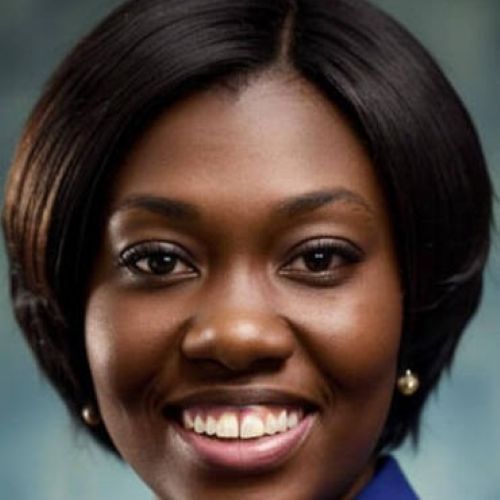
Miriam Rhoden-Shedden
is an attorney and owner of Shedden Law LLC. She is a dedicated estate planning attorney with a passion for educating her clients and ensuring their needs are at the forefront of every decision. Ms. Rhoden-Shedden is licensed to practice in Maryland, Washington D.C., Vermont, and Jamaica.
Speaker bio
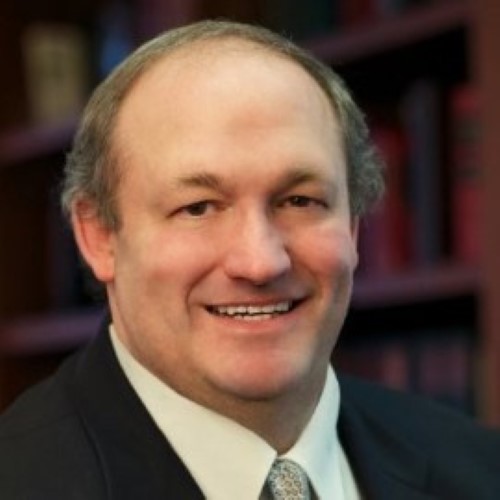
Thomas D. Begley, III
is the president of Thomas D. Begley III, LLC, where he concentrates his practice in the areas of estate and tax planning, estate administration, small business representation, elder law, and probate litigation. Mr. Begley is a certified elder law attorney (CELA) as accredited by the National Elder Law Foundation. He is an accomplished author and lecturer. Mr. Begley is a member of the New Jersey State Bar Association (former director of the Elder Law Section) and the Burlington County Bar Association (former chair of the Estate Planning and Probate Committee). He is admitted to practice in New Jersey and Pennsylvania. Mr. Begley earned his B.A. degree from Georgetown University College of Arts and Sciences and his J.D. degree from Georgetown University Law Center.
Speaker bio
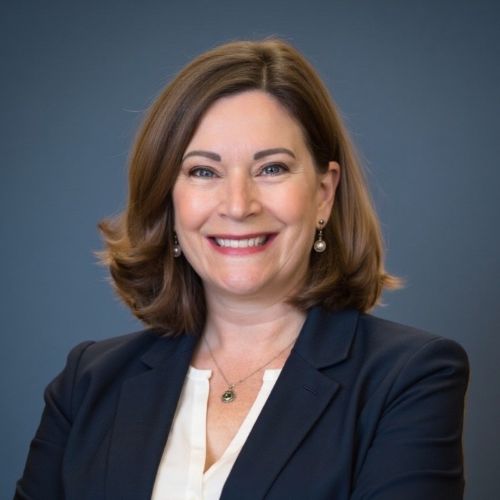
Wesley J. Dickson
is an attorney at Three Oaks Law. He focuses his practice on real property, probate, and trusts. Mr. Dickson earned his B.A. degree from Stetson University and his J.D. degree from Stetson University College of Law. He is admitted to practice law in Florida.
Speaker bio
Aaron M. Esman
is an attorney at Ziering & Esman PLLC. He is a tax controversy and litigation attorney based in New York, representing individual and entity taxpayers before the Internal Revenue Service, the Department of Justice, and state and local taxing authorities. Mr. Esman represents taxpayers in all stages of tax controversy, including audits, appeals, and litigation. He also advises clients on tax matters related to corporate transactions, mergers & acquisitions, compliance, and corporate governance. Mr. Esman is an active member of the American Bar Association Section of Taxation, where he serves as chair of the Standards of Tax Practice Committee and vice-chair of the LGBTQ+ Lawyers in Tax Forum. He received his undergraduate degrees from the University of Miami and his J.D. degree from Emory University School of Law. Mr. Esman then went on to receive his LL.M. degree in taxation from New York University School of Law. He is admitted to practice law in New York, New Jersey, District of Columbia and before the Supreme Court of the United States, U.S. Tax Court, U.S. Court of Federal Claims, Southern, Eastern and Western districts of New York, and Northern District of Illinois.
Speaker bio
Mary L. Greenwood McDermott
is an attorney at Brandon Family Law Center, LLC. Her practice includes personal client services in the areas of adoption and surrogacy, elder law, estate planning, probate and guardianship. She also has extensive experience advising clients in family law matters, including pre-marital and post-marital planning. Ms. Greenwood McDermott earned her undergraduate degrees from Hillsdale College and her J.D. from the University of Michigan Law School. She is a member of the American Bar Association, Florida Bar Association, the Hillsborough County Bar Association, the Brandon Bar Association, the Florida Adoption Council, and the National Association of Elder Law Attorneys. She is also proud to offer service to the community through the Brandon Foundation, and as President of the Board of Directors for Apostles Village, an affordable housing community for seniors. Ms. Greenwood McDermott is admitted to practice law in Florida.
Speaker bio
Sharyn Fisk
is an Associate Professor at Cal Poly Pomona, Department of Accounting. She is also a tax attorney who specializes in federal and state tax controversy matters. Ms. Fisk is a Certified Tax Law Specialist with the California State Bar. In 2017, she was appointed to the IRS Advisory Council (IRSAC). Ms. Fisk has served as Chair of the Los Angeles County Bar Association Taxation Section Executive Committee, a board member of the Inland Empire Association of Certified Fraud Examiners, and a member of Taxation Section of both the American Bar Association and California Bar Association. She earned her J.D. degree from Rutgers School of Law and her LL.M. in Taxation from the New York University School of Law.
TOP FAQs
Have more questions? Please Contact Us