

Deposing Experts, Corporate Reps, and Other Challenging Witnesses
Credits Available
| Credit | Status | Total |
|---|---|---|
| Alaska CLE |
|
6 Total |
| Alabama CLE |
|
6 Total |
| Arkansas CLE |
|
6 Total |
| Arizona CLE |
|
6 Total |
| California CLE |
|
6 Total |
| Colorado CLE |
|
7 Total |
| Connecticut CLE |
|
6 Total |
| Delaware CLE |
|
6 Total |
| Florida CLE |
|
7 Total |
| Georgia CLE |
|
6 Total |
| Hawaii CLE |
|
6 Total |
| Iowa CLE |
|
6 Total |
| Idaho CLE |
|
6 Total |
| Illinois CLE |
|
6 Total |
| Indiana CLE |
|
6 Total |
| Kansas CLE |
|
7 Total |
| Kentucky CLE |
|
6 Total |
| Louisiana CLE |
|
6 Total |
| Maine CLE |
|
6 Total |
| Minnesota CLE |
|
6 Total |
| Missouri CLE |
|
7.2 Total |
| Northern Mariana Islands CLE |
|
6 Total |
| Montana CLE |
|
6 Total |
| North Carolina CLE |
|
6 Total |
| Nebraska CLE |
|
6 Total |
| New Hampshire CLE |
|
6 Total |
| New Jersey CLE |
|
7.2 Total |
| New Mexico CLE |
|
6 Total |
| Nevada CLE |
|
6 Total |
| New York CLE |
|
7 Total |
| Ohio CLE |
|
6 Total |
| Oklahoma CLE |
|
7 Total |
| Pennsylvania CLE |
|
6 Total |
| Rhode Island CLE |
|
7 Total |
| South Carolina CLE |
|
6 Total |
| Tennessee CLE |
|
6 Total |
| Texas CLE |
|
6 Total |
| Utah CLE |
|
6 Total |
| Virginia CLE |
|
6 Total |
| Vermont CLE |
|
6 Total |
| Washington CLE |
|
6 Total |
| Wisconsin CLE |
|
7 Total |
| West Virginia CLE |
|
7.2 Total |
| Wyoming CLE |
|
6 Total |
Wed, Dec 02, 00:00 AM – 00:00 PM
Wed, Dec 02, 00:00 AM – 00:00 PM
Register For Course
Live Webinar Registration
OnDemand Recording
Course Book Download
Overview
Mastering the Difficult Deposition: A Witness-by-Witness Playbook
Every witness type has a different weak point. Learn how to find it - and use it. This program breaks depositions down by witness psychology, giving distinct, tested approaches for the most difficult deponents you will encounter. From the expert who knows exactly how much to concede, the corporate designee who hides behind "I don't know," to the government witness who may not even show up without a fight, discover tailored and tested strategies that will help you steer testimony where it needs to go. Take your deposition skills to the next level - register today!
- Dismantle the retained expert's practiced answers.
- Move past clinical hedging to lock in causation and prognosis testimony from physicians.
- Obtain usable admissions from corporate designees and well-coached employees.
- Navigate access fights and strip away the discretion defense with government witnesses.
- Control hostile, emotional deponents without escalating or losing control of the record.
- Shut down speaking objections, privilege gamesmanship, and other obstruction tactics from opposing counsel.
- Question trauma survivors, minors, and other vulnerable witnesses without crossing ethical lines.
Abbreviated Agenda
- The Retained Expert Witness
- The Physician/Treating Doctor
- The Corporate Witness: 30(b)(6) Representatives, Senior Executives, and Coached Employees
- The Government Witness: Agency Investigators, Public Officials, and Law Enforcement
- The Hostile Party Opponent
- The Unreliable Witness: Evasion, Memory Impairment, and Outright Deception
- The Obstructionist Opposing Counsel
- The Vulnerable Witnesses: Strategy, Sensitivity, and Professional Responsibility (LEGAL ETHICS)
Can't Attend Live?

Get the OnDemand Instead
Watch the recording of this event on your own schedule. We'll notify you when its ready.
Credit Details
Credits Available
| Credit | Status | Total |
|---|---|---|
| Alaska CLE |
|
6 Total |
| Alabama CLE |
|
6 Total |
| Arkansas CLE |
|
6 Total |
| Arizona CLE |
|
6 Total |
| California CLE |
|
6 Total |
| Colorado CLE |
|
7 Total |
| Connecticut CLE |
|
6 Total |
| Delaware CLE |
|
6 Total |
| Florida CLE |
|
7 Total |
| Georgia CLE |
|
6 Total |
| Hawaii CLE |
|
6 Total |
| Iowa CLE |
|
6 Total |
| Idaho CLE |
|
6 Total |
| Illinois CLE |
|
6 Total |
| Indiana CLE |
|
6 Total |
| Kansas CLE |
|
7 Total |
| Kentucky CLE |
|
6 Total |
| Louisiana CLE |
|
6 Total |
| Maine CLE |
|
6 Total |
| Minnesota CLE |
|
6 Total |
| Missouri CLE |
|
7.2 Total |
| Northern Mariana Islands CLE |
|
6 Total |
| Montana CLE |
|
6 Total |
| North Carolina CLE |
|
6 Total |
| Nebraska CLE |
|
6 Total |
| New Hampshire CLE |
|
6 Total |
| New Jersey CLE |
|
7.2 Total |
| New Mexico CLE |
|
6 Total |
| Nevada CLE |
|
6 Total |
| New York CLE |
|
7 Total |
| Ohio CLE |
|
6 Total |
| Oklahoma CLE |
|
7 Total |
| Pennsylvania CLE |
|
6 Total |
| Rhode Island CLE |
|
7 Total |
| South Carolina CLE |
|
6 Total |
| Tennessee CLE |
|
6 Total |
| Texas CLE |
|
6 Total |
| Utah CLE |
|
6 Total |
| Virginia CLE |
|
6 Total |
| Vermont CLE |
|
6 Total |
| Washington CLE |
|
6 Total |
| Wisconsin CLE |
|
7 Total |
| West Virginia CLE |
|
7.2 Total |
| Wyoming CLE |
|
6 Total |
Select Jurisdiction
CLE
Agenda
-
The Retained Expert Witness
-
The retained expert has testified dozens of times, is paid to hold a position, and has spent a career learning exactly how much to say and when to stop. Their answers are calibrated to sound authoritative while conceding nothing. This session teaches how to use the expert's own report, prior testimony, and publications against them; how to attack methodology rather than conclusions; and how to sequence questions so that concessions accumulate before the expert sees where you're headed.
-
-
The Physician/Treating Doctor
-
Treating physicians are smart, authoritative, and utterly convinced that the deposition room is beneath them. They hedge causation opinions with clinical qualifications, resist specific timelines, and treat every hard question as an invitation to lecture. Learn how to navigate physician authority without surrendering control, use the medical record to surface the gap between what the chart says and what the witness is now claiming, and lock in causation and prognosis testimony before the witness realizes how much they've conceded.
-
-
The Corporate Witness: 30(b)(6) Representatives, Senior Executives, and Coached Employees
-
Corporate witnesses rarely arrive unprepared. Whether you're questioning a Rule 30(b)(6) designee, a senior executive, or a carefully coached employee, their goal is the same: limit admissions, protect the company, and give you as little as possible. Learn how to expose preparation gaps, prevent witnesses from hiding behind "I don't know," pin responsibility on the organization, and obtain usable admissions before the deposition ends.
-
-
The Government Witness: Agency Investigators, Public Officials, and Law Enforcement
-
The police officer retreats to officer discretion and departmental policy. The agency official hides behind regulatory procedure and deliberative process. Before any of that, you may have to fight just to get them in the room. This session covers how to navigate the threshold access issues that protect government witnesses from deposition in the first place, then how to use the agency's own policies against them, penetrate investigative files opposing counsel will fight to shield, and strip away the discretion defense.
-
-
The Hostile Party Opponent
-
Emotion, anger, and self-interest make hostile parties unpredictable, and that unpredictability can derail even the best outline. Learn how to maintain control without escalating, use documents to redirect a volatile witness, and build a usable record regardless of how the deposition devolves.
-
-
The Unreliable Witness: Evasion, Memory Impairment, and Outright Deception
-
The genuinely confused eyewitness, the strategically amnesiac document author, and the witness who is simply lying each require a completely different response. This session covers the full spectrum: documentary anchoring for strategic amnesia, sequencing technique for locking in a shifting eyewitness narrative, and how to build impeachment that is precise and devastating without tipping your hand until the moment it matters.
-
-
The Obstructionist Opposing Counsel
-
Sometimes the biggest obstacle isn't the witness - it's the lawyer defending them. Whether it's a speaking objection designed to coach the witness mid-answer, a privilege assertion deployed to block legitimate questioning, or a pattern of harassment intended to run out the clock, opposing counsel misconduct puts the examining attorney in a difficult position. Learn when to push back, when to let it go, and how to make either choice work in your favor.
-
-
The Vulnerable Witnesses: Strategy, Sensitivity, and Professional Responsibility (LEGAL ETHICS)
-
Some of the most consequential depositions involve witnesses who don't fit the standard adversarial model - not because they are strategic or coached, but because they are genuinely fragile. Trauma survivors, minors, elderly witnesses, individuals with cognitive or psychiatric impairments, and non-native speakers each present a distinct challenge: standard control techniques don't work, overreach creates appellate and ethical exposure, and the line between effective examination and witness abuse is one that opposing counsel, judges, and juries will all be watching.
-
Who Should Attend
This program is designed for litigators.
Speakers
Speaker bio
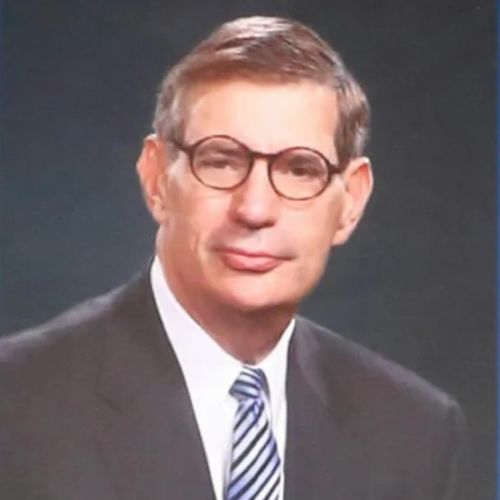
Hon. Dennis J. Curran
served as a Massachusetts Superior Court judge for 15 years. During his judicial tenure, he presided over 450 civil and criminal trials. Justice Curran is a graduate of Boston Latin School, and received his bachelor’s and master’s degrees in an accelerated joint-degree program from the University of Pennsylvania, and his law degree from the University of Virginia. Justice Curran has received four statewide awards for judicial excellence. During his judgeship, he mentored over 100 judicial student interns, many of whom keep in touch with him. Justice Curran has served as a Professor of the Practice at Tufts University, and teaches at Brown University’s summer program. He presently works as an Arbitrator. Justice Curran has also been engaged by the luxury cruise line industry to give enrichment lectures all around the world.
Speaker bio
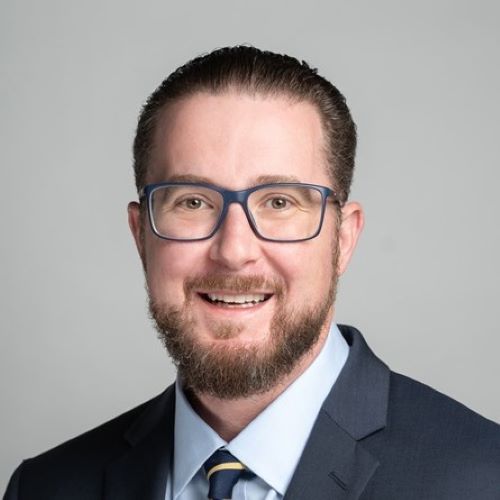
Joshua C. Offenhartz
is an attorney with Offenhartz Law PLLC. He is a business attorney who represents clients in the finance, medical, construction, real estate and culinary industries. Mr. Offenhartz has significant experience managing all phases of litigation, including preliminary investigations, discovery, depositions, settlement negotiations, mediation, motions for summary judgment, trial and appeals. Additionally, he serves as outside counsel for several small, medium and growing businesses that need day-to-day legal advice for their growing companies. Mr. Offenhartz is a member of Madison School District's Financial Advisory Board and a board member of the Desert States Region of Jewish National Fund. He supports the Phoenix Art Museum as a member of the Men's Art Council, and helps others by volunteering with Big Brothers and Big Sisters of Arizona, Saint Mary's Food Bank and the Wounded Warrior Project. Mr. Offenhartz earned his B.S. degree in public administration from the University of Arizona, and his master's and J.D. degrees from Arizona State University. He is licensed to practice law in Arizona; Southern District Court, District of Arizona; and Southern Court of Appeals, Ninth Circuit.
Speaker bio
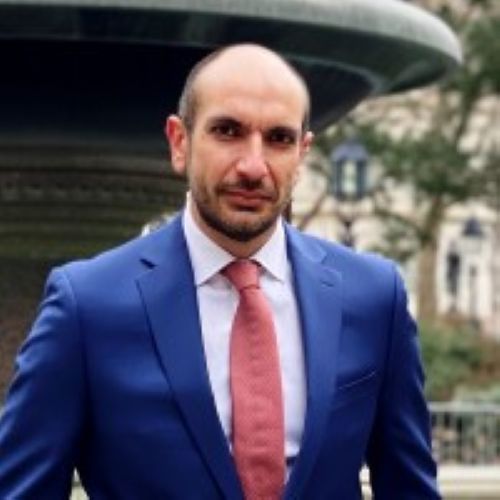
Stefan Savic
is a partner at Reinhardt Savic Foley LLP. He represents clients in all stages of litigation, administrative, and alternative dispute resolution proceedings. Mr. Savic's litigation practice focuses on commercial litigation in federal and state courts across the country as well as before administrative bodies. While his work focuses heavily on civil litigation, he also assists businesses in avoiding costly litigation by assuring that clients have safeguards in place at all stages of their ventures. Mr. Savic works with clients on formation, employment, shareholders, and licensing agreements, using his litigation experience to account for worst-case scenarios and minimize any potential headaches in the long term. Some of his past work experience includes working at the United Nations Development Programme, United States District Court for the District of Connecticut, one of Connecticut's largest law firms, and a Fortune 500 company's legal department. Mr. Savic is also a FINRA arbitrator and a certified mediator in the state of Connecticut. He earned his B.A degree from Columbia University and his J.D degree from Quinnipiac University.
Speaker bio
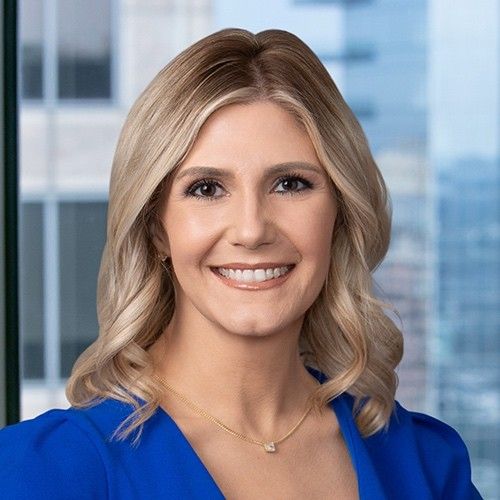
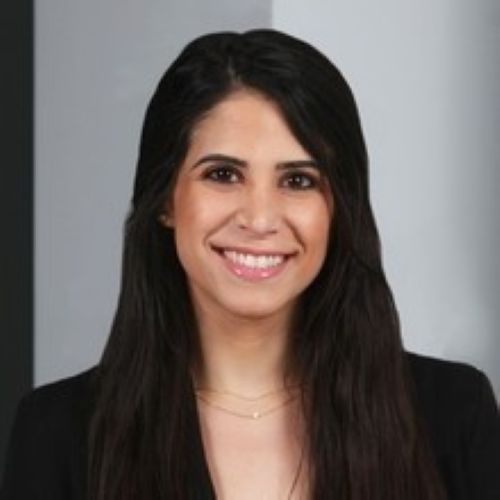
Hope Z. Miranda
is a partner at Thompson, Coe, Cousins & Irons, LLP. She focuses her practice on personal injury litigation, including premises liability cases, maritime cases, automobile accidents, Dram shop claims, on-premises assaults, and oil and gas cases. Ms. Miranda also represents small businesses in a broad range of contractual and commercial disputes. However, she has litigated on behalf of clients in personal injury, nonsubscriber, medical malpractice, subrogation, and investment fraud matters in over 10 states nationwide. With her vast and versatile experience in both plaintiff and defense cases, Ms. Miranda brings a unique perspective to each case, anticipating the arguments and strategies of opposing counsel and accurately calculating their expectations. Having also obtained an MBA, her versatile skillset allows her to understand complex legal and regulatory issues and assist in implementing an effective and strategic solution. Ms. Miranda strives to set realistic expectations for her clients fighting cases that warrant it without incurring unnecessary fees and expenses on those that are better suited for an alternative resolution strategy. She earned her B.A. degree from Texas A&M University, her J.D. degree from Southern Methodist University Dedman School of Law and her M.B.A. degree from Southern Methodist University Cox School of Business.
Speaker bio
Ninna M. Salom
is an attorney at Thompson, Coe, Cousins & Irons, LLP. She primarily represents companies in personal injury defense and multi-party construction defect litigation. Ms. Salom works thoroughly with clients in the telecommunication infrastructure construction service industry. She is also experienced in personal injury, insurance defense, commercial litigation, healthcare liability defense, electric utility law, and telecommunications. Ms. Salom has obtained clients and co-counsels from all over the country by preparing well-informed, carefully crafted strategies in all stages of litigation. She is known for obtaining quick and satisfactory resolutions for her clients. Ms. Salom earned her B.A. degree from University of Texas at Dallas, her M.B.A. degree from St. Mary's University, Greehey School of Business and her J.D. degree from St. Mary's University School of Law.
TOP FAQs
Have more questions? Please Contact Us