

Advanced Estate Administration
Credits Available
| Credit | Status | Total |
|---|---|---|
| Alaska CLE |
|
6 Total |
| Alabama CLE |
|
6 Total |
| Arkansas CLE |
|
6 Total |
| Arizona CLE |
|
6 Total |
| California CLE |
|
6 Total |
| Colorado CLE |
|
7 Total |
| Connecticut CLE |
|
6 Total |
| Delaware CLE |
|
6 Total |
| Florida CLE |
|
7 Total |
| Georgia CLE |
|
6 Total |
| Hawaii CLE |
|
6 Total |
| Iowa CLE |
|
6 Total |
| Idaho CLE |
|
6 Total |
| Illinois CLE |
|
6 Total |
| Indiana CLE |
|
6 Total |
| Kansas CLE |
|
7 Total |
| Kentucky CLE |
|
6 Total |
| Louisiana CLE |
|
6 Total |
| Maine CLE |
|
6 Total |
| Minnesota CLE |
|
6 Total |
| Missouri CLE |
|
7.2 Total |
| Northern Mariana Islands CLE |
|
6 Total |
| Montana CLE |
|
6 Total |
| North Carolina CLE |
|
6 Total |
| Nebraska CLE |
|
6 Total |
| New Hampshire CLE |
|
6 Total |
| New Jersey CLE |
|
7.2 Total |
| New Mexico CLE |
|
6 Total |
| Nevada CLE |
|
6 Total |
| New York CLE |
|
7 Total |
| Ohio CLE |
|
6 Total |
| Oklahoma CLE |
|
7 Total |
| Oregon CLE |
|
6 Total |
| Pennsylvania CLE |
|
6 Total |
| Rhode Island CLE |
|
7 Total |
| South Carolina CLE |
|
6 Total |
| Tennessee CLE |
|
6 Total |
| Texas CLE |
|
6 Total |
| Utah CLE |
|
6 Total |
| Virginia CLE |
|
6 Total |
| Vermont CLE |
|
6 Total |
| Washington CLE |
|
6 Total |
| Wisconsin CLE |
|
7 Total |
| West Virginia CLE |
|
7.2 Total |
| Wyoming CLE |
|
6 Total |
| Arizona CPE for Accountants |
|
7 Total |
| New York CPE for Accountants |
|
7 Total |
| Washington CPE for Accountants |
|
7 Total |
| Wisconsin CPE for Accountants |
|
7.2 Total |
| CPE for Accountants/NASBA |
|
7 Total |
Fri, Dec 18, 00:00 AM – 00:00 PM

Fri, Dec 18, 00:00 AM – 00:00 PM
Register For Course
Live Webinar Registration
OnDemand Recording
Course Book Download
Overview
Complex Estates Don't Forgive Mistakes and Neither Do Your Clients
When an estate involves multiple jurisdictions, closely held business interests, contested claims, or significant tax exposure, the margin for error disappears fast. A missed portability election, a mishandled creditor claim, or a single fiduciary misstep can expose your client to major liability and you to a malpractice claim you never saw coming.
Most attorneys handle routine estates just fine. But the cases that keep you up at night are the complicated ones: multi-state assets that need coordinating, business interests that need valuing, beneficiaries who can't agree, and tax traps at every turn. The foundational estate planning and probate training you completed years ago wasn't built for cases like these.
Advanced Estate Administration gives you a practical, end-to-end framework for navigating every stage of a complex estate. In this 6-hour program, you'll work through fiduciary duty analysis, estate and income tax strategy, contested estate scenarios, trust administration coordination, and final accounting - with guidance you can apply to your next complex matter. Power up your skills - register today!
- Tackle multi-jurisdictional probate and ancillary administration with confidence.
- Manage fiduciary liability and defend against surcharge claims.
- Navigate estate tax, portability elections, and Form 1041 filing obligations.
- Handle contested estates, creditor disputes, and family disagreements.
- Close complex estates cleanly and protect yourself from post-closing claims.
Abbreviated Agenda
- Complex Probate and Multi-Jurisdictional Administration
- Fiduciary Duties, Powers, and Liability Management
- Valuing and Administering Complex Estate Assets
- Tax Administration: Federal Estate Tax, Income Tax, and Generation-Skipping Transfer Tax
- Trust Administration and Coordination With Probate
- Creditor Claims and Contested Estates
- Final Accounting, Distributions, and Closing the Estate
- Complex Client Scenarios: Applying the Framework
Can't Attend Live?

Get the OnDemand Instead
Watch the recording of this event on your own schedule. We'll notify you when its ready.
Credit Details
Credits Available
| Credit | Status | Total |
|---|---|---|
| Alaska CLE |
|
6 Total |
| Alabama CLE |
|
6 Total |
| Arkansas CLE |
|
6 Total |
| Arizona CLE |
|
6 Total |
| California CLE |
|
6 Total |
| Colorado CLE |
|
7 Total |
| Connecticut CLE |
|
6 Total |
| Delaware CLE |
|
6 Total |
| Florida CLE |
|
7 Total |
| Georgia CLE |
|
6 Total |
| Hawaii CLE |
|
6 Total |
| Iowa CLE |
|
6 Total |
| Idaho CLE |
|
6 Total |
| Illinois CLE |
|
6 Total |
| Indiana CLE |
|
6 Total |
| Kansas CLE |
|
7 Total |
| Kentucky CLE |
|
6 Total |
| Louisiana CLE |
|
6 Total |
| Maine CLE |
|
6 Total |
| Minnesota CLE |
|
6 Total |
| Missouri CLE |
|
7.2 Total |
| Northern Mariana Islands CLE |
|
6 Total |
| Montana CLE |
|
6 Total |
| North Carolina CLE |
|
6 Total |
| Nebraska CLE |
|
6 Total |
| New Hampshire CLE |
|
6 Total |
| New Jersey CLE |
|
7.2 Total |
| New Mexico CLE |
|
6 Total |
| Nevada CLE |
|
6 Total |
| New York CLE |
|
7 Total |
| Ohio CLE |
|
6 Total |
| Oklahoma CLE |
|
7 Total |
| Oregon CLE |
|
6 Total |
| Pennsylvania CLE |
|
6 Total |
| Rhode Island CLE |
|
7 Total |
| South Carolina CLE |
|
6 Total |
| Tennessee CLE |
|
6 Total |
| Texas CLE |
|
6 Total |
| Utah CLE |
|
6 Total |
| Virginia CLE |
|
6 Total |
| Vermont CLE |
|
6 Total |
| Washington CLE |
|
6 Total |
| Wisconsin CLE |
|
7 Total |
| West Virginia CLE |
|
7.2 Total |
| Wyoming CLE |
|
6 Total |
| Arizona CPE for Accountants |
|
7 Total |
| New York CPE for Accountants |
|
7 Total |
| Washington CPE for Accountants |
|
7 Total |
| Wisconsin CPE for Accountants |
|
7.2 Total |
| CPE for Accountants/NASBA |
|
7 Total |
Credit Details by Jurisdiction
Live Webinar Registration
CLE
Credits
Alaska CLE Reciprocity · 6 Total Credits
Live - Alaska CLE - 6: Alaska Bar members may claim credit for attending CLE programs that have been accredited by other mandatory CLE jurisdictions. This program qualifies for 6.0 hours of credit, which includes 6.0 hours of MCLE credit and 0.0 hour of MECLE credit.
Alabama CLE Approved · 6 Total Credits
Live - Alabama CLE - 6: This course or a portion thereof has been approved by the Alabama State Bar Mandatory Continuing Legal Education Commission for a maximum of 6.0 credit hours, including 0.0 ethics/professionalism credit.
Arkansas CLE Approved · 6 Total Credits
Live - Arkansas CLE - 6: NBI, Inc. is an accredited sponsor in the state of Arkansas. This program is approved for 6.0 hours of continuing legal education credit, including 0.0 hour of ethics, consistent with the rules and regulations of the Arkansas Supreme Court of Professional Programs.
Arizona CLE Approved · 6 Total Credits
- 5 Estate and Trust Law
- 1 Tax Law
Live - Arizona CLE - 6: The State Bar of Arizona does not approve or accredit CLE activities for the Mandatory Continuing Legal Education requirement. This activity qualifies for 6.0 hours toward your annual CLE requirement for the State of Arizona, including 0.0 hour of professional responsibility, 5.0 hours of advanced level training in the area of Estate and Trust Law and 1.0 hour of advanced level training in the area of Tax Law.
California CLE Approved · 6 Total Credits
- 5 Estate Planning, Trust and Probate Law
- 1 Taxation Law
Live - California CLE - 6: This activity has been approved for Minimum Continuing Legal Education credit by the State Bar of California in the amount of 6.0 hours, of which 0.0 hour will apply to legal ethics. NBI, Inc. certifies this activity conforms to the standards for approved education activities prescribed by the rules and regulations of the State Bar of California governing minimum continuing legal education. NBI, Inc. is a State Bar of California approved MCLE provider - #53. This course has been approved for 5.0 units in the area of Estate Planning, Trust and Probate Law, and 1.0 units in the area of Taxation Law by the California Board of Legal Specialization.
Colorado CLE Approved · 7 Total Credits
Live - Colorado CLE - 7: NBI, Inc. is a Certified Provider, as recognized by the Colorado Supreme Court Continuing Legal and Judicial Education Committee. This program has been accredited for 7.0 hours of General Colorado Continuing Legal Education Credit, including 0.0 professional responsibility credit.
Connecticut CLE Approved · 6 Total Credits
Live - Connecticut CLE - 6: Neither the Connecticut Judicial Branch nor the Commission on Minimum Continuing Legal Education approve or accredit CLE providers or activities. It is the opinion of NBI, Inc. that this activity qualifies for 6.0 hours toward your annual CLE requirement in Connecticut, including 0.0 hour(s) of ethics/professionalism.
Delaware CLE Approved · 6 Total Credits
Live - Delaware CLE - 6: NBI, Inc. is an accredited sponsor of the Delaware Commission on Continuing Legal Education and recommends this program for 6.0 hours of eCLE credit, including 0.0 hour of ethics.
Florida CLE Approved · 7 Total Credits
- 7 Wills, Trusts and Estates
Live - Florida CLE - 7: Approved by The Florida Bar for a maximum of 7.0 general hours of CLER credit including 0.0 hour of professional responsibility (may include legal ethics, professionalism, substance abuse or mental illness and wellness programs).
Georgia CLE Approved · 6 Total Credits
Live - Georgia CLE - 6: This program is approved by the Commission on Continuing Lawyer Competency of the State Bar of Georgia. This program qualifies for 6.0 hours of distance learning continuing legal education credit with the Georgia Commission on Continuing Lawyer Competency, which includes 0.0 hour of distance learning ethics.
Hawaii CLE Approved · 6 Total Credits
Live - Hawaii CLE - 6: NBI, Inc. is an Accredited Provider with the Hawaii State Board of Continuing Legal Education. This alternative format activity has been approved for 6.0 hours of credit for the state of Hawaii, which includes 0.0 hour of ethics or professional responsibility education.
Iowa CLE Approved · 6 Total Credits
Live - Iowa CLE - 6: "Advanced Estate Administration" is an accredited program under the regulations of the Iowa Supreme Court Commission on Continuing Legal Education. It is planned that this program will provide a maximum of 6.0 hours of regular credit toward the mandatory continuing legal education requirements under the Iowa rule, including 0.0 hour of legal ethics credit.
Idaho CLE Pending · 6 Total Credits
Live - Idaho CLE - 6: This program has been submitted for continuing legal education credit in the state of Idaho.
Illinois CLE Approved · 6 Total Credits
Live - Illinois CLE - 6: This program has been approved by the Illinois MCLE Board for 6.0 hours of CLE credit, which includes approval for 0.0 hour of legal ethics, civility, professionalism CLE credit by the Illinois Supreme Court Commission on Professionalism.
Indiana CLE Approved · 6 Total Credits
Live - Indiana CLE - 6: This course has been approved by the Indiana Supreme Court Office of Admissions & Continuing Education. Participating attorneys are eligible to receive 6.0 hours of distance education, which includes 0.0 hour of ethics.
Kansas CLE Approved · 7 Total Credits
Live - Kansas CLE - 7: Approved by Kansas CLE for 7.0 hours of continuing legal education credit, which includes 0.0 hour of ethics and professionalism credit.
Kentucky CLE Approved · 6 Total Credits
Live - Kentucky CLE - 6: This activity has been approved by the Kentucky Bar Association Continuing Legal Education Commission for a maximum of 6.0 credits, including 0.0 ethics credits.
Louisiana CLE Approved · 6 Total Credits
- 6 Estate Planning and Administrative
Live - Louisiana CLE - 6: This course or a portion thereof has been approved by the Louisiana Mandatory Continuing Legal Education Committee of the Louisiana State Bar Association. This program qualifies for 6.0 hours (based on a 60-minute credit hour) of computer based credit, of which 0.0 hour will apply to computer based ethics credit. This program is approved for 6.0 hours (based on a 60-minute credit hour) of credit by the Louisiana Specialization Board in the area of Estate Planning and Administration.
Maine CLE Approved · 6 Total Credits
Live - Maine CLE - 6: This course has been approved by the State of Maine Board of Overseers of the Bar. Lawyers who complete this course shall receive 6.0 hours of CLE credit including 0.0 ethics hours.
Course Book - Maine CLE - 6: This course has been approved by the State of Maine Board of Overseers of the Bar. Lawyers who complete this course will receive 6.0 hours of self-study CLE credit.
Minnesota CLE Approved · 6 Total Credits
Live - Minnesota CLE - 6: This course has been approved by the Minnesota Board of Continuing Legal Education for 6.0 hours of standard CLE credit, including 0.0 hour of ethics credit.
Missouri CLE Approved · 7.2 Total Credits
Live - Missouri CLE - 7.2: NBI, Inc. is an accredited sponsor with Missouri Minimum Continuing Legal Education. This program qualifies for 7.20 hours of CLE credit, which includes 0.0 hour of ethics, professionalism or malpractice prevention credit.
Course Book - Missouri CLE - 6: NBI, Inc. is an accredited sponsor with Missouri Minimum Continuing Legal Education. This program qualifies for 6.0 self-study CLE credit hours.
Northern Mariana Islands CLE Approved · 6 Total Credits
Live - Northern Mariana Islands CLE - 6: This course has been approved by the Commonwealth of the Northern Mariana Islands. Lawyers who complete this course shall receive 6.0 hours of CLE credit.
Course Book - Northern Mariana Islands CLE - 6: This course has been approved by the Commonwealth of the Northern Mariana Islands. Lawyers who complete this course shall receive 6.0 hours of self-study CLE credit.
Montana CLE Approved · 6 Total Credits
Live - Montana CLE - 6: Approved for 6.0 hours of CLE credit by the Montana Commission of Continuing Legal Education, including 0.0 hour of professional fitness and integrity credit.
North Carolina CLE Approved · 6 Total Credits
- 6 Estate Planning and Probate Law
Live - North Carolina CLE - 6: NBI, Inc. is an accredited sponsor with the North Carolina State Board of Continuing Legal Education. Attendance of this program will result in 6.0 hours of CLE credit, including 0.0 professional responsibility. This program qualifies for Estate Planning and Probate Law specialization certification credit.
Nebraska CLE Approved · 6 Total Credits
Live - Nebraska CLE - 6: NBI, Inc. is an accredited CLE sponsor in the state of Nebraska. This activity has been approved for 6.0 distance learning CLE credits, including 0.0 hour of professional responsibility credit.
New Hampshire CLE Approved · 6 Total Credits
Live - New Hampshire CLE - 6: NHMCLE does not approve or accredit CLE activities for the NH Minimum CLE requirement. NBI, Inc. believes this course meets the requirements of NH Supreme Court Rule 53 toward the annual NHMCLE requirement.
New Jersey CLE Approved · 7.2 Total Credits
Live - New Jersey CLE - 7.2: This program has been approved by the Board on Continuing Legal Education of the Supreme Court of New Jersey for 7.20 hours of total CLE credit. Of these, 0.0 qualifies as hours of credit for ethics/professionalism.
New Mexico CLE Approved · 6 Total Credits
Live - New Mexico CLE - 6: This program has been approved by the Board of Bar Commissioners of the State Bar of New Mexico for 6.0 hours of credit, including 0.0 hour of ethics.
Nevada CLE Approved · 6 Total Credits
Live - Nevada CLE - 6: This course has been approved by the Nevada Board of Continuing Legal Education. This program qualifies for 6.0 hours of alternative format CLE credits by the Nevada Board of Continuing Legal Education, which includes 0.0 hour of alternative format ethical considerations.
New York CLE Approved · 7 Total Credits
- 7 Areas of Professional Practice
Live - New York CLE - 7: This course has been approved in accordance with the requirements of the New York State Continuing Legal Education Board for a maximum of 7.0 credit hours. 7.0 hours can be applied to the areas of professional practice requirement. This nontraditional format program is approved for experienced attorneys. NBI, Inc. offers a Financial Hardship Policy for qualifying individuals. To apply, please submit a request via email to our Tuition Discount Committee at customerservice@nbi-sems.com.
Ohio CLE Approved · 6 Total Credits
- 6 Estate Planning, Trust and Probate
Live - Ohio CLE - 6: This course has been approved by the Supreme Court of Ohio Commission on Continuing Legal Education for 6.0 CLE credit hours, including 0.0 hour of attorney professional conduct instruction. This course is approved for 6.0 hours of specialization credit by the Ohio State Bar Association in the category of Estate Planning, Trust and Probate.
Oklahoma CLE Approved · 7 Total Credits
Live - Oklahoma CLE - 7: This course has been approved by the Oklahoma Bar Association Mandatory Continuing Legal Education Commission for 7.0 hours of CLE credit, which includes 0.0 hour of legal ethics.
Oregon CLE Approved · 6 Total Credits
Live - Oregon CLE - 6: NBI, Inc. is an approved sponsor with the Oregon MCLE. This program is approved for 6.0 hours of general continuing legal education credit and 0.0 hour of ethics credit.
Pennsylvania CLE Approved · 6 Total Credits
Live - Pennsylvania CLE - 6: This program has been approved by the Pennsylvania Continuing Legal Education Board for a total of 6.0 hours, including 6.0 hours of substantive law, practice and procedure CLE credit and 0.0 hour of ethics, professionalism or substance abuse CLE credit.
Rhode Island CLE Upon Request · 7 Total Credits
Live - Rhode Island CLE - 7: NBI is an accredited sponsor with the Rhode Island MCLE Commission. Upon course completion and credit request submittal, an application will be submitted to the Rhode Island MCLE Commission.
South Carolina CLE Approved · 6 Total Credits
- 6 Estate & Probate Law
Live - South Carolina CLE - 6: This course is accredited by the South Carolina Commission on Continuing Legal Education and Specialization for 6.0 alternatively delivered hours, of which 0.0 hour relates to legal ethics and professional responsibility.
Tennessee CLE Approved · 6 Total Credits
Live - Tennessee CLE - 6: This course has been approved by the Tennessee Commission on Continuing Legal Education for a maximum of 6.0 hours of Distance Learning credit, including 0.0 hour of ethics/professionalism (EP) credit.
Texas CLE Approved · 6 Total Credits
- 6 Estate Planning and Probate
Live - Texas CLE - 6: This course is accredited for Minimum Continuing Legal Education credit by the State Bar of Texas Committee on MCLE in the amount of 6.0 credit hours, of which 0.0 credit hour will apply to legal ethics/professional responsibility credit. Hours in attendance at National Business Institute CLE seminars may be applied to the minimum Judicial Education requirement. This course has been approved by the Texas Board of Legal Specialization for certification and recertification continuing legal education requirements for attorneys and paralegals in the following specialty fields: 6.0 - Estate Planning and Probate Law
Utah CLE Approved · 6 Total Credits
Live - Utah CLE - 6: National Business Institute is an approved "presumptive provider" with the Utah State Board of Continuing Legal Education. This program qualifies for a maximum of 6.0 hours of Live CLE credit for Utah attorneys, which includes 0.0 hour of ethics credit.
Virginia CLE Approved · 6 Total Credits
Live - Virginia CLE - 6: This course has been approved by the Virginia Mandatory Continuing Legal Education Board for 6.0 hours of credit, of which 0.0 hour will also apply in the area of legal ethics or professionalism.
Vermont CLE Approved · 6 Total Credits
Live - Vermont CLE - 6: This course has been approved by the Vermont Board of Mandatory Continuing Legal Education for 6.0 hours of credit, including 0.0 hour of ethics.
Washington CLE Approved · 6 Total Credits
Live - Washington CLE - 6: Approved for 6.0 hours of Washington continuing legal education credit, which includes 6.0 hours of Law and Legal Procedure and 0.0 hour of ethics and professional responsibility.
Wisconsin CLE Approved · 7 Total Credits
Live - Wisconsin CLE - 7: Approved for 7.0 hours of CLE credit by the Board of Bar Examiners, including 0.0 hour of ethics and professional responsibility (EPR) credit.
West Virginia CLE Approved · 7.2 Total Credits
Live - West Virginia CLE - 7.2: This program qualifies for 7.20 hours of credit, which includes 0.0 hour of ethics, under the West Virginia Rules for Mandatory Continuing Legal Education.
Wyoming CLE Approved · 6 Total Credits
Live - Wyoming CLE - 6: The Wyoming State Board of Continuing Legal Education has granted 6.0 hours of Continuing Legal Education Credit, including 0.0 hour of ethics.
Other
Credits
Arizona CPE for Accountants Approved · 7 Total Credits
Live - Arizona CPE for Accountants - 7: The Arizona State Board of Accountancy does not approve or accredit CPE activities for the Mandatory Continuing Professional Education requirement. This activity is designed to qualify for 7.0 hours of CPE credit for accountants toward their CPE requirement for the state of Arizona.
New York CPE for Accountants Approved · 7 Total Credits
- 6 Advisory Services
- 1 Taxation
Live - New York CPE for Accountants - 7: National Business Institute is an approved sponsor with the New York State Board of Public Accountancy. This program is designed to qualify for 7.0 hours of CPE credit for accountants (Sponsor License # 000232).
Washington CPE for Accountants Approved · 7 Total Credits
Live - Washington CPE for Accountants - 7: This program qualifies for 7.0 hours of continuing education credit for accountants.
Wisconsin CPE for Accountants Approved · 7.2 Total Credits
Live - Wisconsin CPE for Accountants - 7.2: This activity may qualify for 7.20 hours of CPE credit for accountants toward the requirement for the state of Wisconsin.
CPE for Accountants/NASBA Approved · 7 Total Credits
- 6 Specialized Knowledge
- 1 Taxes
Live - CPE for Accountants/NASBA - 7: NBI, Inc. is registered with the National Association of State Boards of Accountancy (NASBA) as a sponsor of continuing professional education on the National Registry of CPE Sponsors. State boards of accountancy have final authority on the acceptance of individual courses for CPE credit. Complaints regarding registered sponsors may be submitted to the National Registry of CPE Sponsors through its website: www.nasbaregistry.org. This program is designed to qualify for 7.0 hours (based on 50 minute credit hour) of continuing professional education credit for accountants. For more information regarding administrative policies such as complaint, refund and program cancellation, please contact our offices at (800) 930-6182.
OnDemand Video
CLE
Credits
Alaska CLE Reciprocity · 6 Total Credits
Earn Until
OnDemand - Alaska CLE - 6: Alaska Bar members may claim credit for attending CLE programs that have been accredited by other mandatory CLE jurisdictions. This program qualifies for 6.0 hours of credit, which includes 6.0 hours of MCLE credit and 0.0 hour of MECLE credit.
Video Download - Alaska CLE - 6: Alaska Bar members may claim credit for attending CLE programs that have been accredited by other mandatory CLE jurisdictions. This program qualifies for 6.0 hours of credit, which includes 6.0 hours of MCLE credit and 0.0 hour of MECLE credit.
Alabama CLE Approved · 6 Total Credits
Earn Until
OnDemand - Alabama CLE - 6: This course or a portion thereof has been approved by the Alabama State Bar Mandatory Continuing Legal Education Commission for a maximum of 6.0 on-demand credit hours, including 0.0 ethics/professionalism credit.
Arkansas CLE Approved · 6 Total Credits
Earn Until
OnDemand - Arkansas CLE - 6: NBI, Inc. is an accredited sponsor in the state of Arkansas. This program qualifies for 6.0 hours of on demand continuing legal education credit, including 0.0 hour of ethics, consistent with the rules and regulations of the Arkansas Supreme Court of Professional Programs.
Video Download - Arkansas CLE - 6: NBI, Inc. is an accredited sponsor in the state of Arkansas. This program qualifies for 6.0 hours of on demand continuing legal education credit, including 0.0 hour of ethics, consistent with the rules and regulations of the Arkansas Supreme Court of Professional Programs.
Arizona CLE Approved · 6 Total Credits
- 5 Estate and Trust Law
- 1 Tax Law
Earn Until
OnDemand - Arizona CLE - 6: The State Bar of Arizona does not approve or accredit CLE activities for the Mandatory Continuing Legal Education requirement. This activity qualifies for 6.0 hours toward your annual CLE requirement for the State of Arizona, including 0.0 hour of professional responsibility, 5.0 hours of advanced level training in the area of Estate and Trust Law and 1.0 hour of advanced level training in the area of Tax Law.
Video Download - Arizona CLE - 6: The State Bar of Arizona does not approve or accredit CLE activities for the Mandatory Continuing Legal Education requirement. This activity qualifies for 6.0 hours toward your annual CLE requirement for the State of Arizona, including 0.0 hour of professional responsibility, 5.0 hours of advanced level training in the area of Estate and Trust Law and 1.0 hour of advanced level training in the area of Tax Law.
California CLE Approved · 6 Total Credits
- 5 Estate Planning, Trust and Probate Law
- 1 Taxation Law
Earn Until
OnDemand - California CLE - 6: This activity has been approved for Minimum Continuing Legal Education credit by the State Bar of California and qualifies for 6.0 hours of participatory credit, of which 0.0 hour will apply to legal ethics credit. NBI, Inc. certifies this activity conforms to the standards for approved education activities prescribed by the rules and regulations of the State Bar of California governing minimum continuing legal education. NBI, Inc. is a State Bar of California approved MCLE provider - #53. This course has been approved for 5.0 units in the area of Estate Planning, Trust and Probate Law, and 1.0 units in the area of Taxation Law by the California Board of Legal Specialization.
Video Download - California CLE - 6: This activity has been approved for Minimum Continuing Legal Education credit by the State Bar of California and qualifies for 6.0 hours of self-study credit, of which 0.0 hour will apply to legal ethics credit. NBI, Inc. certifies this activity conforms to the standards for approved education activities prescribed by the rules and regulations of the State Bar of California governing minimum continuing legal education. NBI, Inc. is a State Bar of California approved MCLE provider - #53. This course has been approved for 5.0 units in the area of Estate Planning, Trust and Probate Law, and 1.0 units in the area of Taxation Law by the California Board of Legal Specialization.
Colorado CLE Approved · 7 Total Credits
Earn Until
OnDemand - Colorado CLE - 7: NBI, Inc. is a Certified Provider, as recognized by the Colorado Supreme Court Continuing Legal and Judicial Education Committee. This program qualifies for 7.0 hours of home study general Colorado Continuing Legal Education Credit, including 0.0 professional responsibility credit.
Video Download - Colorado CLE - 7: NBI, Inc. is a Certified Provider, as recognized by the Colorado Supreme Court Continuing Legal and Judicial Education Committee. This program qualifies for 7.0 hours of home study general Colorado Continuing Legal Education Credit, including 0.0 professional responsibility credit.
Connecticut CLE Approved · 6 Total Credits
Earn Until
OnDemand - Connecticut CLE - 6: Neither the Connecticut Judicial Branch nor the Commission on Minimum Continuing Legal Education approve or accredit CLE providers or activities. It is the opinion of NBI, Inc. that this activity qualifies for 6.0 self-study hours toward your annual CLE requirement in Connecticut, including 0.0 self-study hour(s) of ethics/professionalism.
Video Download - Connecticut CLE - 6: Neither the Connecticut Judicial Branch nor the Commission on Minimum Continuing Legal Education approve or accredit CLE providers or activities. It is the opinion of NBI, Inc. that this activity qualifies for 6.0 self-study hours toward your annual CLE requirement in Connecticut, including 0.0 self-study hour(s) of ethics/professionalism.
Delaware CLE Approved · 6 Total Credits
Earn Until
OnDemand - Delaware CLE - 6: NBI, Inc. is an accredited sponsor of the Delaware Commission on Continuing Legal Education and recommends this program for 6.0 hours of eCLE credit, including 0.0 hour of ethics.
Florida CLE Approved · 7 Total Credits
- 7 Wills, Trusts and Estates
Earn Until
OnDemand - Florida CLE - 7: Approved by The Florida Bar, this program qualifies for 7.0 general hours of CLER self-study credit including 0.0 hour of self-study professional responsibility (may include legal ethics, professionalism, substance abuse or mental illness and wellness programs). Certificate: 7.0 - Wills, Trusts and Estates
Video Download - Florida CLE - 7: Approved by The Florida Bar, this program qualifies for 7.0 general hours of CLER self-study credit including 0.0 hour of self-study professional responsibility (may include legal ethics, professionalism, substance abuse or mental illness and wellness programs). Certificate: 7.0 - Wills, Trusts and Estates
Georgia CLE Approved · 6 Total Credits
Earn Until
OnDemand - Georgia CLE - 6: This program is approved by the Commission on Continuing Lawyer Competency of the State Bar of Georgia. This program qualifies for 6.0 hours of distance learning continuing legal education credit with the Georgia Commission on Continuing Lawyer Competency, which includes 0.0 hour of distance learning ethics.
Video Download - Georgia CLE - 6: This program is approved by the Commission on Continuing Lawyer Competency of the State Bar of Georgia. This program qualifies for 6.0 hours of distance learning continuing legal education credit with the Georgia Commission on Continuing Lawyer Competency, which includes 0.0 hour of distance learning ethics.
Hawaii CLE Approved · 6 Total Credits
Earn Until
OnDemand - Hawaii CLE - 6: NBI, Inc. is an Accredited Provider with the Hawaii State Board of Continuing Legal Education. This alternative format activity has been approved for 6.0 hours of credit for the state of Hawaii, which includes 0.0 hour of ethics or professional responsibility education.
Video Download - Hawaii CLE - 6: NBI, Inc. is an Accredited Provider with the Hawaii State Board of Continuing Legal Education. This alternative format activity has been approved for 6.0 hours of credit for the state of Hawaii, which includes 0.0 hour of ethics or professional responsibility education.
Iowa CLE Approved · 6 Total Credits
Earn Until
OnDemand - Iowa CLE - 6: "Advanced Estate Administration" is an accredited program under the regulations of the Iowa Supreme Court Commission on Continuing Legal Education. It is planned that this program will provide a maximum of 6.0 hours of unmoderated activity credit toward the mandatory continuing legal education requirements under the Iowa rule, including 0.0 hour of legal ethics unmoderated activity credit.
Idaho CLE Pending · 6 Total Credits
OnDemand - Idaho CLE - 6: This program has been submitted for continuing legal education credit in the state of Idaho.
Video Download - Idaho CLE - 6: This program has been submitted for continuing legal education credit in the state of Idaho.
Illinois CLE Approved · 6 Total Credits
Earn Until
OnDemand - Illinois CLE - 6: This program has been approved by the Illinois MCLE Board for 6.0 hours of recorded technology CLE credit, which includes approval for 0.0 hour of legal ethics, civility, professionalism CLE credit by the Illinois Supreme Court Commission on Professionalism.
Video Download - Illinois CLE - 6: This program has been approved by the Illinois MCLE Board for 6.0 hours of recorded technology CLE credit, which includes approval for 0.0 hour of legal ethics, civility, professionalism CLE credit by the Illinois Supreme Court Commission on Professionalism.
Indiana CLE Approved · 6 Total Credits
Earn Until
OnDemand - Indiana CLE - 6: This course has been approved by the Indiana Supreme Court Office of Admissions & Continuing Education. Participating attorneys are eligible to receive 6.0 hours of distance education, which includes 0.0 hour of ethics.
Kansas CLE Approved · 7 Total Credits
Earn Until
OnDemand - Kansas CLE - 7: Approved by Kansas CLE for 7.0 hours of prerecorded format continuing legal education credit, which includes 0.0 hour of ethics and professionalism credit.
Video Download - Kansas CLE - 7: Approved by Kansas CLE for 7.0 hours of prerecorded format continuing legal education credit, which includes 0.0 hour of ethics and professionalism credit.
Kentucky CLE Approved · 6 Total Credits
Earn Until
OnDemand - Kentucky CLE - 6: This program has been approved as a technological CLE activity by the Kentucky Bar Association Continuing Legal Education Commission and qualifies for 6.0 credits, including 0.0 ethics credits.
Video Download - Kentucky CLE - 6: This program has been approved as a technological CLE activity by the Kentucky Bar Association Continuing Legal Education Commission and qualifies for 6.0 credits, including 0.0 ethics credits.
Louisiana CLE Approved · 6 Total Credits
- 6 Estate Planning and Administrative
Earn Until
OnDemand - Louisiana CLE - 6: This course or a portion thereof has been approved by the Louisiana Mandatory Continuing Legal Education Committee of the Louisiana State Bar Association. This program qualifies for 6.0 hours (based on a 60-minute credit hour) of computer based credit, of which 0.0 hour will apply to computer based ethics credit. This program is approved for 6.0 hours (based on a 60-minute credit hour) of credit by the Louisiana Specialization Board in the area of Estate Planning and Administration.
Maine CLE Approved · 6 Total Credits
Earn Until
OnDemand - Maine CLE - 6: This course has been approved by the State of Maine Board of Overseers of the Bar. Lawyers who complete this course will receive 6.0 hours of self-study CLE credit.
Video Download - Maine CLE - 6: This course has been approved by the State of Maine Board of Overseers of the Bar. Lawyers who complete this course will receive 6.0 hours of self-study CLE credit.
Course Book - Maine CLE - 6: This course has been approved by the State of Maine Board of Overseers of the Bar. Lawyers who complete this course will receive 6.0 hours of self-study CLE credit.
Minnesota CLE Approved · 6 Total Credits
Earn Until
OnDemand - Minnesota CLE - 6: Approved for 6.0 hours of standard on-demand CLE credit, including 0.0 hour of ethics credit by the Minnesota Board of Continuing Legal Education.
Video Download - Minnesota CLE - 6: Approved for 6.0 hours of standard on-demand CLE credit, including 0.0 hour of ethics credit by the Minnesota Board of Continuing Legal Education.
Missouri CLE Approved · 6 Total Credits
Earn Until
OnDemand - Missouri CLE - 6: NBI, Inc. is an accredited sponsor with Missouri Minimum Continuing Legal Education. This program qualifies for 6.0 self-study CLE credit hours.
Video Download - Missouri CLE - 6: NBI, Inc. is an accredited sponsor with Missouri Minimum Continuing Legal Education. This program qualifies for 6.0 self-study CLE credit hours.
Course Book - Missouri CLE - 6: NBI, Inc. is an accredited sponsor with Missouri Minimum Continuing Legal Education. This program qualifies for 6.0 self-study CLE credit hours.
Northern Mariana Islands CLE Approved · 6 Total Credits
Earn Until
OnDemand - Northern Mariana Islands CLE - 6: This course has been approved by the Commonwealth of the Northern Mariana Islands. Lawyers who complete this course shall receive 6.0 hours of self-study CLE credit.
Video Download - Northern Mariana Islands CLE - 6: This course has been approved by the Commonwealth of the Northern Mariana Islands. Lawyers who complete this course shall receive 6.0 hours of self-study CLE credit.
Course Book - Northern Mariana Islands CLE - 6: This course has been approved by the Commonwealth of the Northern Mariana Islands. Lawyers who complete this course shall receive 6.0 hours of self-study CLE credit.
Montana CLE Approved · 6 Total Credits
Earn Until
OnDemand - Montana CLE - 6: This program qualifies for 6.0 hours of self-study CLE credit by the Montana Commission of Continuing Legal Education, including 0.0 hour of professional fitness and integrity credit.
Video Download - Montana CLE - 6: This program qualifies for 6.0 hours of self-study CLE credit by the Montana Commission of Continuing Legal Education, including 0.0 hour of professional fitness and integrity credit.
North Carolina CLE Approved · 6 Total Credits
- 6 Estate Planning and Probate Law
Earn Until
OnDemand - North Carolina CLE - 6: NBI, Inc. is an accredited sponsor with the North Carolina State Board of Continuing Legal Education. Attendance of this program qualifies for 6.0 hours of online CLE credit, including 0.0 professional responsibility. This program qualifies for Estate Planning and Probate Law specialization certification credit.
Video Download - North Carolina CLE - 6: NBI, Inc. is an accredited sponsor with the North Carolina State Board of Continuing Legal Education. Attendance of this program qualifies for 6.0 hours of online CLE credit, including 0.0 professional responsibility. This program qualifies for Estate Planning and Probate Law specialization certification credit.
Nebraska CLE Approved · 6 Total Credits
Earn Until
OnDemand - Nebraska CLE - 6: NBI, Inc. is an accredited CLE sponsor in the state of Nebraska. This activity has been approved for 6.0 distance learning CLE credits, including 0.0 hour of professional responsibility credit.
Video Download - Nebraska CLE - 6: NBI, Inc. is an accredited CLE sponsor in the state of Nebraska. This activity has been approved for 6.0 distance learning CLE credits, including 0.0 hour of professional responsibility credit.
New Hampshire CLE Approved · 6 Total Credits
Earn Until
OnDemand - New Hampshire CLE - 6: NHMCLE does not approve or accredit CLE activities for the NH Minimum CLE requirement. NBI, Inc. believes this course meets the requirements of NH Supreme Court Rule 53 toward the annual NHMCLE requirement.
Video Download - New Hampshire CLE - 6: NHMCLE does not approve or accredit CLE activities for the NH Minimum CLE requirement. NBI, Inc. believes this course meets the requirements of NH Supreme Court Rule 53 toward the annual NHMCLE requirement.
New Jersey CLE Approved · 7.2 Total Credits
Earn Until
OnDemand - New Jersey CLE - 7.2: This program has been approved by the Board on Continuing Legal Education of the Supreme Court of New Jersey for 7.20 hours of alternative format CLE credit. Of these, 0.0 qualifies as hours of alternative learning format credit for ethics/professionalism.
Video Download - New Jersey CLE - 7.2: This program has been approved by the Board on Continuing Legal Education of the Supreme Court of New Jersey for 7.20 hours of alternative format CLE credit. Of these, 0.0 qualifies as hours of alternative learning format credit for ethics/professionalism.
New Mexico CLE Approved · 6 Total Credits
Earn Until
OnDemand - New Mexico CLE - 6: This program has been approved by the Board of Bar Commissioners of the State Bar of New Mexico. This program qualifies for 6.0 hours of self-study credit, including 0.0 hour of self-study ethics credit.
Video Download - New Mexico CLE - 6: This program has been approved by the Board of Bar Commissioners of the State Bar of New Mexico. This program qualifies for 6.0 hours of self-study credit, including 0.0 hour of self-study ethics credit.
Nevada CLE Approved · 6 Total Credits
Earn Until
OnDemand - Nevada CLE - 6: This course has been approved by the Nevada Board of Continuing Legal Education. This program qualifies for 6.0 hours of alternative format CLE credits by the Nevada Board of Continuing Legal Education, which includes 0.0 hour of alternative format ethical considerations.
Video Download - Nevada CLE - 6: This course has been approved by the Nevada Board of Continuing Legal Education. This program qualifies for 6.0 hours of alternative format CLE credits by the Nevada Board of Continuing Legal Education, which includes 0.0 hour of alternative format ethical considerations.
New York CLE Approved · 7 Total Credits
- 7 Areas of Professional Practice
Earn Until
OnDemand - New York CLE - 7: This nontraditional format course has been approved in accordance with the requirements of the New York State Continuing Legal Education Board for up to 7.0 credit hours. 7.0 hours can be applied to the areas of professional practice requirement and is approved for experienced attorneys. NBI, Inc. offers a Financial Hardship Policy for qualifying individuals. To apply, please submit a request via email to our Tuition Discount Committee at customerservice@nbi-sems.com.
Video Download - New York CLE - 7: This nontraditional format course has been approved in accordance with the requirements of the New York State Continuing Legal Education Board for up to 7.0 credit hours. 7.0 hours can be applied to the areas of professional practice requirement and is approved for experienced attorneys. NBI, Inc. offers a Financial Hardship Policy for qualifying individuals. To apply, please submit a request via email to our Tuition Discount Committee at customerservice@nbi-sems.com.
Ohio CLE Approved · 6 Total Credits
- 6 Estate Planning, Trust and Probate
Earn Until
OnDemand - Ohio CLE - 6: This course has been approved by the Supreme Court of Ohio Commission on Continuing Legal Education for 6.0 CLE credit hours, including 0.0 hour of attorney professional conduct instruction. This course is approved for 6.0 hours of specialization credit by the Ohio State Bar Association in the category of Estate Planning, Trust and Probate.
Video Download - Ohio CLE - 6: This course has been approved by the Supreme Court of Ohio Commission on Continuing Legal Education for 6.0 CLE credit hours, including 0.0 hour of attorney professional conduct instruction. This course is approved for 6.0 hours of specialization credit by the Ohio State Bar Association in the category of Estate Planning, Trust and Probate.
Oklahoma CLE Approved · 7 Total Credits
Earn Until
OnDemand - Oklahoma CLE - 7: This course has been approved by the Oklahoma Bar Association Mandatory Continuing Legal Education Commission. This program qualifies for 7.0 of On Demand CLE credit hours, which includes 0.0 hour of legal ethics.
Video Download - Oklahoma CLE - 7: This course has been approved by the Oklahoma Bar Association Mandatory Continuing Legal Education Commission. This program qualifies for 7.0 of On Demand CLE credit hours, which includes 0.0 hour of legal ethics.
Oregon CLE Approved · 6 Total Credits
Earn Until
OnDemand - Oregon CLE - 6: NBI, Inc. is an approved sponsor with the Oregon MCLE. This program qualifies for 6.0 hours of general continuing legal education credit and 0.0 hour of ethics credit.
Video Download - Oregon CLE - 6: NBI, Inc. is an approved sponsor with the Oregon MCLE. This program qualifies for 6.0 hours of general continuing legal education credit and 0.0 hour of ethics credit.
Pennsylvania CLE Approved · 6 Total Credits
Earn Until
OnDemand - Pennsylvania CLE - 6: This program has been approved by the Pennsylvania Continuing Legal Education Board. This program qualifies for 6.0 hours of distance learning credit, including 6.0 hours of substantive law, practice and procedure CLE credit and 0.0 hour of ethics, professionalism or substance abuse distance learning CLE credit.
Video Download - Pennsylvania CLE - 6: This program has been approved by the Pennsylvania Continuing Legal Education Board. This program qualifies for 6.0 hours of distance learning credit, including 6.0 hours of substantive law, practice and procedure CLE credit and 0.0 hour of ethics, professionalism or substance abuse distance learning CLE credit.
Rhode Island CLE Upon Request · 6 Total Credits
Earn Until
OnDemand - Rhode Island CLE - 6: NBI is an accredited sponsor with the Rhode Island MCLE Commission. Upon course completion and credit request submittal, an application will be submitted to the Rhode Island MCLE Commission.
Video Download - Rhode Island CLE - 6: NBI is an accredited sponsor with the Rhode Island MCLE Commission. Upon course completion and credit request submittal, an application will be submitted to the Rhode Island MCLE Commission.
South Carolina CLE Approved · 6 Total Credits
- 6 Estate & Probate Law
Earn Until
OnDemand - South Carolina CLE - 6: This course is accredited by the South Carolina Commission on Continuing Legal Education and Specialization for 6.0 alternatively delivered hours, of which 0.0 hour relates to legal ethics and professional responsibility.
Video Download - South Carolina CLE - 6: This course is accredited by the South Carolina Commission on Continuing Legal Education and Specialization for 6.0 alternatively delivered hours, of which 0.0 hour relates to legal ethics and professional responsibility.
Tennessee CLE Approved · 6 Total Credits
Earn Until
OnDemand - Tennessee CLE - 6: This course has been approved by the Tennessee Commission on Continuing Legal Education for a maximum of 6.0 hours of Distance Learning credit, including 0.0 hour of ethics/professionalism (EP) credit.
Texas CLE Approved · 6 Total Credits
- 6 Estate Planning and Probate
Earn Until
OnDemand - Texas CLE - 6: This course is accredited for Minimum Continuing Legal Education credit by the State Bar of Texas Committee on MCLE in the amount of 6.0 credit hours, of which 0.0 credit hour will apply to legal ethics/professional responsibility credit. Hours in attendance at National Business Institute CLE seminars may be applied to the minimum Judicial Education requirement. This course has been approved by the Texas Board of Legal Specialization for certification and recertification continuing legal education requirements for attorneys and paralegals in the following specialty fields: 6.0 - Estate Planning and Probate Law
Video Download - Texas CLE - 6: This course is accredited for Minimum Continuing Legal Education credit by the State Bar of Texas Committee on MCLE in the amount of 6.0 credit hours, of which 0.0 credit hour will apply to legal ethics/professional responsibility credit. Hours in attendance at National Business Institute CLE seminars may be applied to the minimum Judicial Education requirement. This course has been approved by the Texas Board of Legal Specialization for certification and recertification continuing legal education requirements for attorneys and paralegals in the following specialty fields: 6.0 - Estate Planning and Probate Law
Utah CLE Approved · 6 Total Credits
Earn Until
OnDemand - Utah CLE - 6: National Business Institute is an approved "presumptive provider" with the Utah State Board of Continuing Legal Education. This program qualifies for 6.0 hours of self-study CLE credit for Utah attorneys, which includes 0.0 hour of ethics credit.
Video Download - Utah CLE - 6: National Business Institute is an approved "presumptive provider" with the Utah State Board of Continuing Legal Education. This program qualifies for 6.0 hours of self-study CLE credit for Utah attorneys, which includes 0.0 hour of ethics credit.
Virginia CLE Approved · 6 Total Credits
Earn Until
OnDemand - Virginia CLE - 6: This course has been approved by the Virginia Mandatory Continuing Legal Education Board for 6.0 hours of prerecorded credit, of which 0.0 hour will also apply in the area of legal ethics or professionalism.
Video Download - Virginia CLE - 6: This course has been approved by the Virginia Mandatory Continuing Legal Education Board for 6.0 hours of prerecorded credit, of which 0.0 hour will also apply in the area of legal ethics or professionalism.
Vermont CLE Approved · 6 Total Credits
Earn Until
OnDemand - Vermont CLE - 6: This course has been approved by the Vermont Board of Mandatory Continuing Legal Education. This program qualifies for 6.0 hours of self-study credit, including 0.0 hour of self-study ethics credit.
Video Download - Vermont CLE - 6: This course has been approved by the Vermont Board of Mandatory Continuing Legal Education. This program qualifies for 6.0 hours of self-study credit, including 0.0 hour of self-study ethics credit.
Washington CLE Approved · 0 Total Credits
OnDemand - Washington CLE - 0: This content has been approved for Washington Continuing Legal Education credit. Credit hours will be awarded based on the actual run time.
Video Download - Washington CLE - 0: This content has been approved for Washington Continuing Legal Education credit. Credit hours will be awarded based on the actual run time.
Wisconsin CLE Approved · 7 Total Credits
Earn Until
OnDemand - Wisconsin CLE - 7: Approved for 7.0 hours of repeated on-demand CLE credit by the Board of Bar Examiners.
Video Download - Wisconsin CLE - 7: Approved for 7.0 hours of repeated on-demand CLE credit by the Board of Bar Examiners.
West Virginia CLE Approved · 7.2 Total Credits
Earn Until
OnDemand - West Virginia CLE - 7.2: This program qualifies for 7.20 hours of pre-recorded credit, which includes 0.0 hour of pre-recorded ethics credit, under the West Virginia Rules for Mandatory Continuing Legal Education.
Video Download - West Virginia CLE - 7.2: This program qualifies for 7.20 hours of pre-recorded credit, which includes 0.0 hour of pre-recorded ethics credit, under the West Virginia Rules for Mandatory Continuing Legal Education.
Wyoming CLE Approved · 6 Total Credits
Earn Until
OnDemand - Wyoming CLE - 6: The Wyoming State Board of Continuing Legal Education has granted 6.0 hours of Continuing Legal Education Credit, including 0.0 hour of ethics.
Video Download - Wyoming CLE - 6: The Wyoming State Board of Continuing Legal Education has granted 6.0 hours of Continuing Legal Education Credit, including 0.0 hour of ethics.
Course Book (PDF Download)
CLE
Credits
Maine CLE Approved · 6 Total Credits
Earn Until
Course Book - Maine CLE - 6: This course has been approved by the State of Maine Board of Overseers of the Bar. Lawyers who complete this course will receive 6.0 hours of self-study CLE credit.
Missouri CLE Approved · 6 Total Credits
Earn Until
Course Book - Missouri CLE - 6: NBI, Inc. is an accredited sponsor with Missouri Minimum Continuing Legal Education. This program qualifies for 6.0 self-study CLE credit hours.
Northern Mariana Islands CLE Approved · 6 Total Credits
Earn Until
Course Book - Northern Mariana Islands CLE - 6: This course has been approved by the Commonwealth of the Northern Mariana Islands. Lawyers who complete this course shall receive 6.0 hours of self-study CLE credit.
Select Jurisdiction
CLE
Other
Agenda
-
Complex Probate and Multi-Jurisdictional Administration
- Independent vs. Court-Supervised Administration: Strategic Election and Liability Trade-Offs
- Ancillary Probate: Coordinating Assets and Obligations Across State Lines
- Domicile Disputes and Jurisdictional Conflicts: Litigation Strategies and Risk Management
-
Fiduciary Duties, Powers, and Liability Management
- When Fiduciary Duties Collide: Impartiality, Loyalty, and Prudent Investor Tensions in Complex and Contested Estates
- Delegation Authority and Investment Management Under the UPIA
- Identifying and Managing Conflicts of Interest in Complex Estates
- Surcharge Claims and Breach of Fiduciary Duty: Defense Strategies and Risk Reduction
- Contested Executor Compensation: Defending Fee Claims Against Beneficiary Challenges and Court Scrutiny
-
Valuing and Administering Complex Estate Assets
- Closely Held Business Interests: Valuation Approaches and IRS Defense
- Minority and Marketability Discounts: Appraisal Requirements and Strategy
- Inherited IRAs Under SECURE 2.0: The 10-Year Rule and Trust Beneficiary Traps
- Unique Asset Valuation: Digital Assets, Mineral Rights, Art, and IP
- Improperly Transferred Assets: Reclamation Claims and Executor Risk
-
Tax Administration: Federal Estate Tax, Income Tax, and Generation-Skipping Transfer Tax
- Federal Estate Tax Under OBBBA: The $15 Million Exemption, State Exposure, and Filing Obligations
- Portability Elections: Timing, Late Election Rules, and the Formula Clause Trap
- Income Tax as the New Priority: Basis Step-Up, Form 8971, and Post-OBBBA Strategy
- Form 1041: Fiduciary Income Tax, DNI, and Charitable Deduction Strategy
- GST Tax Under OBBBA: Exemptions, Non-Portability, and Multi-Generational Planning
-
Trust Administration and Coordination With Probate
- Funding and Administering Testamentary Trusts After the Decedent's Death
- Coordinating Revocable Trust Administration With the Probate Estate
- OBBBA's Impact on Credit Shelter Trust Formula Clauses: Recognizing and Correcting Outdated Documents
- Decanting, Modification, and Termination Options Under the Uniform Trust Code
-
Creditor Claims and Contested Estates
- Contesting Creditor Claims: Disputing Invalid Claims, Navigating Priority Conflicts, and Managing Executor Liability
- Insolvent Estates: Administration Strategy, Priority Rules, and Common Pitfalls
- Will Contests, Undue Influence, and Testamentary Capacity Challenges
- Family Settlement Agreements: Binding Effect on All Parties and Risk Management
-
Final Accounting, Distributions, and Closing the Estate
- Final Accounting Under Challenge: Defending Against Beneficiary Objections and Surcharge Exposure
- In-Kind vs. Cash Distributions and the Tax Consequences of Each
- Receipts, Releases, and Protecting the Executor From Post-Closing Claims
- Formal Discharge: Court Approval Procedures and Record Retention Requirements
-
Complex Client Scenarios: Applying the Framework
- Domicile Dispute, Ancillary Probate, and a Closely Held Business Interest: A decedent splits time between two states, leaving a contested domicile determination, real property in a third state, and a minority interest in a family LLC requiring valuation. What are the administration priorities and risks?
- The SECURE 2.0 Trust Trap: A trust is named as beneficiary of a $1.2 million IRA. The trust was drafted pre-SECURE Act and does not satisfy see-through requirements. The account reverts to a non-designated beneficiary. What are the tax consequences and what options remain?
- Pre-Death Asset Transfers and Insolvent Estate: The decedent transferred a vacation home to an adult child 18 months before death while insolvent. Creditors are now asserting fraudulent transfer claims. How does the executor evaluate the claim, and what are the fiduciary obligations in a contested insolvency?
- The Formula Clause That Backfired: A credit shelter trust funded under a pre-OBBBA formula clause now captures assets that would have passed to the surviving spouse, denying a basis step-up on appreciated assets worth $4 million. What are the options for the surviving spouse and the estate's counsel?
Who Should Attend
This legal course is designed for attorneys. Accountants, fiduciaries, and paralegals will also benefit.
Speakers
Speaker bio
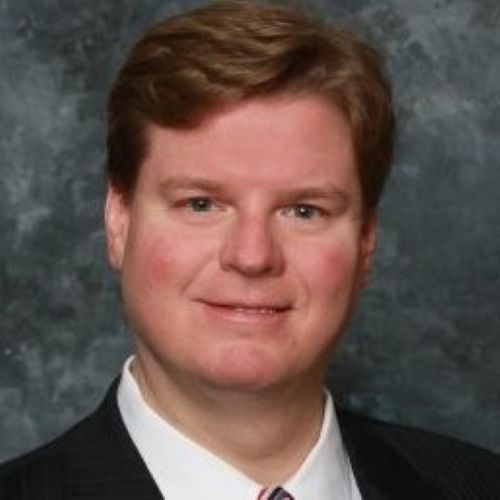
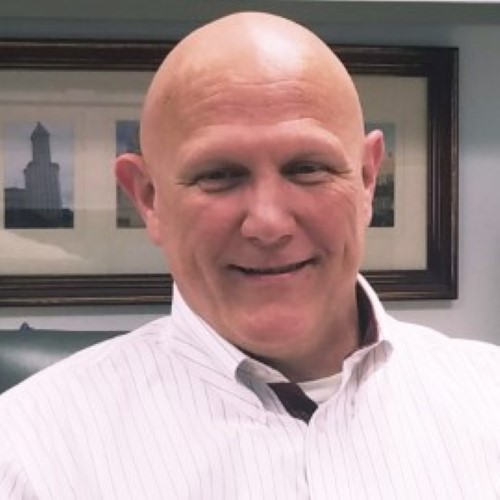
David F. Johnson
is the managing shareholder of Winstead PC, where his practice focuses on trust, estate, and closely held business disputes. A frequent writer and speaker, Mr. Johnson is known around the state as a thought leader in the fiduciary area. His award-winning blog, The Fiduciary Litigator, features recent case law, legislative changes, and other precedent that impacts fiduciaries in Texas. Mr. Johnson received the JD Supra 2020 Readers' Choice Award for Wealth Management, which was his third year in a row for such an award. He was also named a "Go-To Thought Leader" in fiduciary litigation by the National Law Review in 2020. Mr. Johnson's experience in trust and estate disputes includes will contests, elder abuse, mental competency, undue influence, trust modification/reformation/clarification, breach of fiduciary duty and related claims. He also handles matters involving trust decanting, trust severance and joinder, account disputes, power of attorney disputes, suits for judicial instruction and discharges, heirship proceedings, suits to remove a fiduciary, and accountings. Additionally, Mr. Johnson has a transactional practice for trust departments in providing legal opinions on the construction of trust documents, documenting release and consent agreements, resignations, successor appointments, modification of trusts, trust mergers and trust severances. He earned his B.B.A. degree in accounting from Baylor University and his J.D. degree, magna cum laude, from Baylor School of Law.
Speaker bio
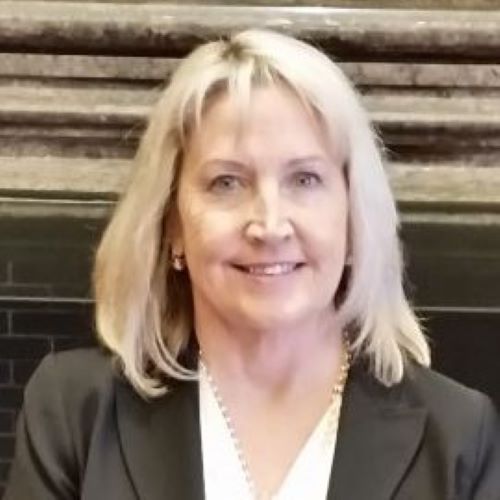
Alice W. Meehan
is the attorney with Alice W. Meehan Esq. LLC in Hackensack and Eatontown. She has been a practicing attorney for more than 30 years and concentrates her practice in the areas of wills, trusts, estate probate and estate and trust litigation. This area of practice includes preparation of wills and trusts, powers of attorney, living wills and health directives, guardianship applications, litigating will contests on behalf of beneficiaries or the estate. Ms. Meehan earned her B.A. degree from the University of Virginia and her J.D. degree from Antonin Scalia School of Law. She is a member of the Bergen County Bar Association, New Jersey State Bar, New York Bar and Women Lawyers of Bergen County.
Speaker bio
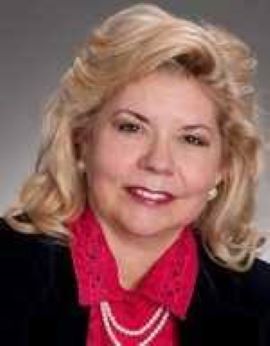
Sharon L. Michaels
is the owner of her law firm located in Houston, Texas. She earned her Bachelor of Science degree in journalism, with honors, from Northwestern University; and her J.D. degree, magna cum laude, from the University of Houston. The First Court of Appeals in Houston selected Ms. Michaels as a briefing attorney with attendance at the court's oral arguments for cases upon appeal and drafted proposed court opinions for Justice James Warren. After service with the court, she began her own law firm emphasizing on the areas of trusts, estate planning, probate, and business transactional work.
Speaker bio
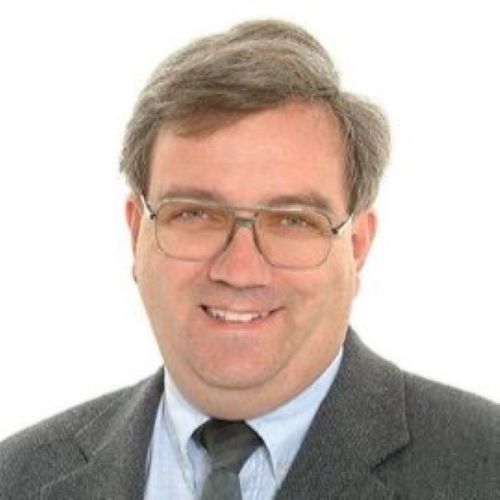
Alexander C. Winkle
is an attorney at Snell & Wilmer, where he assists clients in estate planning, estate and trust administration, and a variety of tax-related matters. He earned both his J.D. and LL.M. degrees in 2015, with honors, from Loyola Law School of Los Angeles. During law school, Mr. Winkle clerked for the Internal Revenue Service and the Franchise Tax Board. He earned his B.A. degree in political science and his B.F.A. degree in film production from Chapman University, both with University Honors, cum laude. Prior to joining Henderson, Caverly & Pum LLP, Mr. Winkle was an associate attorney at Schwartz Law Group, Inc. from 2016-2021, where he designed, drafted and implemented comprehensive federal, state and international tax planning; estate planning; and business planning for businesses and individuals with a focus on control, growth, profitability, protection of assets and succession planning. He also represented clients in probate matters before the California Superior Court. Mr. Winkle is a certified specialist in both estate planning, trust and probate law, as well as taxation law by the California State Bar Board of Legal Specialization. He served on the board of several non-profit organizations including Habitat for Humanity Monterey Bay.
Speaker bio
Randy M. Lish
is a partner at Facemyer Law Firm in Provo, Utah, where he practices in the areas of trusts and estates, asset protection, and probate. He is a former adjunct professor at Utah Valley State College and is a lecturer for National Business Institute. Mr. Lish earned his B.A. and J.D. degrees from Brigham Young University. He is a member of the Utah State Bar and the Central Utah Bar Association.
Speaker bio
C. Blake West
is a member of Vertical Estate Planning, LLC. He practices estate planning and elder law, including VA benefit, Medicaid planning, special needs provisions and asset protection. He also deals with estate related tax issues. Mr. Blake is a frequent lecturer and past vice president and president of Cullman County Bar Association. He was also on the Advisory Council for Elder Law Section of the Alabama State Bar in 2020-2022. He earned his B.S. degree from Auburn University and his J.D. degree from Birmingham School of Law.
TOP FAQs
Have more questions? Please Contact Us