

Legal Writing That Lands
Credits Available
| Credit | Status | Total |
|---|---|---|
| Alaska CLE |
|
4 Total |
| Alabama CLE |
|
4 Total |
| Arkansas CLE |
|
4 Total |
| Arizona CLE |
|
4 Total |
| California CLE |
|
4 Total |
| Colorado CLE |
|
5 Total |
| Connecticut CLE |
|
4 Total |
| Delaware CLE |
|
4 Total |
| Florida CLE |
|
5 Total |
| Georgia CLE |
|
4 Total |
| Hawaii CLE |
|
4 Total |
| Iowa CLE |
|
4 Total |
| Idaho CLE |
|
4 Total |
| Illinois CLE |
|
4 Total |
| Indiana CLE |
|
4 Total |
| Kansas CLE |
|
4.5 Total |
| Kentucky CLE |
|
4 Total |
| Louisiana CLE |
|
4 Total |
| Maine CLE |
|
4 Total |
| Minnesota CLE |
|
4 Total |
| Missouri CLE |
|
4.8 Total |
| Northern Mariana Islands CLE |
|
4 Total |
| Mississippi CLE |
|
4 Total |
| Montana CLE |
|
4 Total |
| North Carolina CLE |
|
4 Total |
| North Dakota CLE |
|
4 Total |
| Nebraska CLE |
|
4 Total |
| New Hampshire CLE |
|
4 Total |
| New Jersey CLE |
|
4.8 Total |
| New Mexico CLE |
|
4 Total |
| Nevada CLE |
|
4 Total |
| New York CLE |
|
4.5 Total |
| Ohio CLE |
|
4 Total |
| Oklahoma CLE |
|
5 Total |
| Oregon CLE |
|
4 Total |
| Pennsylvania CLE |
|
4 Total |
| Rhode Island CLE |
|
4.5 Total |
| South Carolina CLE |
|
4 Total |
| Tennessee CLE |
|
4 Total |
| Texas CLE |
|
4 Total |
| Utah CLE |
|
4 Total |
| Virginia CLE |
|
4 Total |
| Vermont CLE |
|
4 Total |
| Washington CLE |
|
4 Total |
| Wisconsin CLE |
|
4.5 Total |
| West Virginia CLE |
|
4.8 Total |
| Wyoming CLE |
|
4 Total |
Tue, Dec 08, 00:00 AM – 00:00 PM
Tue, Dec 08, 00:00 AM – 00:00 PM
Register For Course
Live Webinar Registration
OnDemand Recording
Course Book Download
Overview
Let the Science of Reading Do the Work
Most legal writing is technically correct and practically ignored. Judges skim. Clients reread the same paragraph three times. Partners send drafts back covered in the same comments they made last month. The problem usually isn't legal knowledge - it's that the writing wasn't built for how a reader's brain actually works, and the drafting process wasn't built to catch that before it went out the door. This course fixes both ends of the problem. You'll learn the cognitive science behind what readers remember, skim, and forget, and you'll leave with a concrete AI-assisted drafting workflow (from prompt library to firm-wide precedent bank) that captures your voice and your firm's language so every draft starts closer to done. Pair that with sharper structure, cleaner citations, and a real editing process, and your writing stops competing for attention and starts winning it. Register today!
- Understand the cognitive science behind why readers misread or forget legal writing.
- Learn how to structure documents to work with the brain instead of against it.
- Build an AI drafting partner that reflects your voice, your firm's precedent language, and its preferred contract terms.
- Apply drafting techniques that prioritize structure and comprehension from the first sentence.
- Manage citations so they support the argument without breaking the reader's flow.
- Use a layered editing process that catches structural, sentence-level, and word-level problems before a document goes out.
*Mention of specific products or providers is informational only and does not constitute NBI endorsement. This program is not sponsored by any technology or electronics provider.
Abbreviated Agenda
- How Your Reader's Brain Works
- Training AI to Act as Your Writing Partner
- Drafting for the Reader From the Start
- Citations Without Disruption
- Editing: The Most Important Step
Can't Attend Live?

Get the OnDemand Instead
Watch the recording of this event on your own schedule. We'll notify you when its ready.
Credit Details
Credits Available
| Credit | Status | Total |
|---|---|---|
| Alaska CLE |
|
4 Total |
| Alabama CLE |
|
4 Total |
| Arkansas CLE |
|
4 Total |
| Arizona CLE |
|
4 Total |
| California CLE |
|
4 Total |
| Colorado CLE |
|
5 Total |
| Connecticut CLE |
|
4 Total |
| Delaware CLE |
|
4 Total |
| Florida CLE |
|
5 Total |
| Georgia CLE |
|
4 Total |
| Hawaii CLE |
|
4 Total |
| Iowa CLE |
|
4 Total |
| Idaho CLE |
|
4 Total |
| Illinois CLE |
|
4 Total |
| Indiana CLE |
|
4 Total |
| Kansas CLE |
|
4.5 Total |
| Kentucky CLE |
|
4 Total |
| Louisiana CLE |
|
4 Total |
| Maine CLE |
|
4 Total |
| Minnesota CLE |
|
4 Total |
| Missouri CLE |
|
4.8 Total |
| Northern Mariana Islands CLE |
|
4 Total |
| Mississippi CLE |
|
4 Total |
| Montana CLE |
|
4 Total |
| North Carolina CLE |
|
4 Total |
| North Dakota CLE |
|
4 Total |
| Nebraska CLE |
|
4 Total |
| New Hampshire CLE |
|
4 Total |
| New Jersey CLE |
|
4.8 Total |
| New Mexico CLE |
|
4 Total |
| Nevada CLE |
|
4 Total |
| New York CLE |
|
4.5 Total |
| Ohio CLE |
|
4 Total |
| Oklahoma CLE |
|
5 Total |
| Oregon CLE |
|
4 Total |
| Pennsylvania CLE |
|
4 Total |
| Rhode Island CLE |
|
4.5 Total |
| South Carolina CLE |
|
4 Total |
| Tennessee CLE |
|
4 Total |
| Texas CLE |
|
4 Total |
| Utah CLE |
|
4 Total |
| Virginia CLE |
|
4 Total |
| Vermont CLE |
|
4 Total |
| Washington CLE |
|
4 Total |
| Wisconsin CLE |
|
4.5 Total |
| West Virginia CLE |
|
4.8 Total |
| Wyoming CLE |
|
4 Total |
Credit Details by Jurisdiction
Live Webinar Registration
CLE
Credits
Alaska CLE Reciprocity · 4 Total Credits
- 4 MECLE Ethics
Live - Alaska CLE - 4: Alaska Bar members may claim credit for attending CLE programs that have been accredited by other mandatory CLE jurisdictions. This program qualifies for 4.0 hours of credit, which includes 0.0 hours of MCLE credit and 4.0 hour of MECLE credit.
Alabama CLE Approved · 4 Total Credits
Live - Alabama CLE - 4: This course or a portion thereof has been approved by the Alabama State Bar Mandatory Continuing Legal Education Commission for a maximum of 4.0 credit hours, including 0.0 ethics/professionalism credit.
Arkansas CLE Approved · 4 Total Credits
Live - Arkansas CLE - 4: NBI, Inc. is an accredited sponsor in the state of Arkansas. This program is approved for 4.0 hours of continuing legal education credit, including 0.0 hour of ethics, consistent with the rules and regulations of the Arkansas Supreme Court of Professional Programs.
Arizona CLE Approved · 4 Total Credits
Live - Arizona CLE - 4: The State Bar of Arizona does not approve or accredit CLE activities for the Mandatory Continuing Legal Education requirement. This activity qualifies for 4.0 hours toward your annual CLE requirement for the State of Arizona, including 0.0 hour of professional responsibility.
California CLE Approved · 4 Total Credits
- 1 Technology
Live - California CLE - 4: This activity has been approved for Minimum Continuing Legal Education credit by the State Bar of California in the amount of 4.0 hours, of which 0.0 hour will apply to legal ethics and 1.0 hour will apply to Technology. NBI, Inc. certifies this activity conforms to the standards for approved education activities prescribed by the rules and regulations of the State Bar of California governing minimum continuing legal education. NBI, Inc. is a State Bar of California approved MCLE provider - #53.
Colorado CLE Approved · 5 Total Credits
Live - Colorado CLE - 5: NBI, Inc. is a Certified Provider, as recognized by the Colorado Supreme Court Continuing Legal and Judicial Education Committee. This program has been accredited for 5.0 hours of General Colorado Continuing Legal Education Credit, including 0.0 professional responsibility credit.
Connecticut CLE Approved · 4 Total Credits
- 4 Ethics/Professionalism
Live - Connecticut CLE - 4: Neither the Connecticut Judicial Branch nor the Commission on Minimum Continuing Legal Education approve or accredit CLE providers or activities. It is the opinion of NBI, Inc. that this activity qualifies for 4.0 hours toward your annual CLE requirement in Connecticut, including 4.0 hour(s) of ethics/professionalism.
Delaware CLE Approved · 4 Total Credits
Live - Delaware CLE - 4: NBI, Inc. is an accredited sponsor of the Delaware Commission on Continuing Legal Education and recommends this program for 4.0 hours of CLE credit, including 0.0 hour of ethics.
Florida CLE Approved · 5 Total Credits
- 5 Technology
Live - Florida CLE - 5: Approved by The Florida Bar for a maximum of 5.0 general hours of CLER credit including 0.0 hour of professional responsibility (may include legal ethics, professionalism, substance abuse or mental illness and wellness programs) and 5.0 hours of technology.
Georgia CLE Approved · 4 Total Credits
Live - Georgia CLE - 4: This program is approved by the Commission on Continuing Lawyer Competency of the State Bar of Georgia. This program qualifies for 4.0 hours of distance learning continuing legal education credit with the Georgia Commission on Continuing Lawyer Competency, which includes 0.0 hour of distance learning ethics.
Hawaii CLE Approved · 4 Total Credits
Live - Hawaii CLE - 4: NBI, Inc. is an Accredited Provider with the Hawaii State Board of Continuing Legal Education. This alternative format activity has been approved for 4.0 hours of credit for the state of Hawaii, which includes 0.0 hour of ethics or professional responsibility education.
Iowa CLE Approved · 4 Total Credits
Live - Iowa CLE - 4: "Legal Writing That Lands" is an accredited program under the regulations of the Iowa Supreme Court Commission on Continuing Legal Education. It is planned that this program will provide a maximum of 4.0 hours of regular credit toward the mandatory continuing legal education requirements under the Iowa rule, including 0.0 hour of legal ethics credit.
Idaho CLE Approved · 4 Total Credits
Live - Idaho CLE - 4: Approved for 4.0 hours of continuing legal education credit in the state of Idaho, which includes 0.0 legal ethics or professional responsibility credit.
Illinois CLE Approved · 4 Total Credits
Live - Illinois CLE - 4: This program has been approved by the Illinois MCLE Board for 4.0 hours of CLE credit, which includes approval for 0.0 hour of legal ethics, civility, professionalism or sexual harassment prevention training CLE credit by the Illinois Supreme Court Commission on Professionalism.
Indiana CLE Approved · 4 Total Credits
Live - Indiana CLE - 4: This course has been approved by the Indiana Supreme Court Office of Admissions & Continuing Education. Participating attorneys are eligible to receive 4.0 hours of distance education, which includes 0.0 hour of ethics.
Kansas CLE Approved · 4.5 Total Credits
Live - Kansas CLE - 4.5: Approved by Kansas CLE for 4.50 hours of continuing legal education credit, which includes 0.0 hour of ethics and professionalism credit.
Kentucky CLE Approved · 4 Total Credits
Live - Kentucky CLE - 4: This activity has been approved by the Kentucky Bar Association Continuing Legal Education Commission for a maximum of 4.0 credits, including 0.0 ethics credits.
Louisiana CLE Approved · 4 Total Credits
Live - Louisiana CLE - 4: This course or a portion thereof has been approved by the Louisiana Mandatory Continuing Legal Education Committee of the Louisiana State Bar Association. This program qualifies for 4.0 hours (based on a 60-minute credit hour) of computer based credit, of which 0.0 hour will apply to computer based ethics credit.
Maine CLE Approved · 4 Total Credits
Live - Maine CLE - 4: This course has been approved by the State of Maine Board of Overseers of the Bar. Lawyers who complete this course shall receive 4.0 hours of CLE credit including 0.0 ethics hours.
Course Book - Maine CLE - 4: This course has been approved by the State of Maine Board of Overseers of the Bar. Lawyers who complete this course will receive 4.0 hours of self-study CLE credit.
Minnesota CLE Approved · 4 Total Credits
Live - Minnesota CLE - 4: This course has been approved by the Minnesota Board of Continuing Legal Education for 4.0 hours of standard CLE credit, including 0.0 hour of ethics credit.
Missouri CLE Approved · 4.8 Total Credits
Live - Missouri CLE - 4.8: NBI, Inc. is an accredited sponsor with Missouri Minimum Continuing Legal Education. This program qualifies for 4.80 hours of CLE credit, which includes 0.0 hour of ethics, professionalism or malpractice prevention credit.
Course Book - Missouri CLE - 4.8: NBI, Inc. is an accredited sponsor with Missouri Minimum Continuing Legal Education. This program qualifies for 4.80 self-study CLE credit hours.
Northern Mariana Islands CLE Approved · 4 Total Credits
Live - Northern Mariana Islands CLE - 4: This course has been approved by the Commonwealth of the Northern Mariana Islands. Lawyers who complete this course shall receive 4.0 hours of CLE credit.
Course Book - Northern Mariana Islands CLE - 4: This course has been approved by the Commonwealth of the Northern Mariana Islands. Lawyers who complete this course shall receive 4.0 hours of self-study CLE credit.
Mississippi CLE Approved · 4 Total Credits
Live - Mississippi CLE - 4: This course has been approved by the Mississippi Commission on Continuing Legal Education for a maximum of 4.0 hours of Online credit, which includes 0.0 hour of ethics/professionalism.
Montana CLE Approved · 4 Total Credits
Live - Montana CLE - 4: Approved for 4.0 hours of CLE credit by the Montana Commission of Continuing Legal Education, including 0.0 hour of professional fitness and integrity credit.
North Carolina CLE Approved · 4 Total Credits
- 1 Technology
Live - North Carolina CLE - 4: NBI, Inc. is an accredited sponsor with the North Carolina State Board of Continuing Legal Education. Attendance of this program will result in 4.0 hours of CLE credit, including 0.0 professional responsibility and 1.0 technology.
North Dakota CLE Approved · 4 Total Credits
Live - North Dakota CLE - 4: This program has been approved by the North Dakota Commission for Continuing Legal Education for 4.0 hours of CLE credit, including 0.0 hour of ethics credit.
Nebraska CLE Approved · 4 Total Credits
Live - Nebraska CLE - 4: NBI, Inc. is an accredited CLE sponsor in the state of Nebraska. This activity has been approved for 4.0 distance learning CLE credits, including 0.0 hour of professional responsibility credit.
New Hampshire CLE Approved · 4 Total Credits
Live - New Hampshire CLE - 4: NHMCLE does not approve or accredit CLE activities for the NH Minimum CLE requirement. NBI, Inc. believes this course meets the requirements of NH Supreme Court Rule 53 toward the annual NHMCLE requirement.
New Jersey CLE Approved · 4.8 Total Credits
Live - New Jersey CLE - 4.8: This program has been approved by the Board on Continuing Legal Education of the Supreme Court of New Jersey for 4.80 hours of total CLE credit. Of these, 0.0 qualifies as hours of credit for ethics/professionalism.
New Mexico CLE Approved · 4 Total Credits
Live - New Mexico CLE - 4: This program has been approved by the Board of Bar Commissioners of the State Bar of New Mexico for 4.0 hours of credit, including 0.0 hour of ethics.
Nevada CLE Approved · 4 Total Credits
Live - Nevada CLE - 4: This course has been approved by the Nevada Board of Continuing Legal Education. This program qualifies for 4.0 hours of alternative format CLE credits by the Nevada Board of Continuing Legal Education, which includes 0.0 hour of alternative format ethical considerations.
New York CLE Approved · 4.5 Total Credits
- 4.5 Skills
Live - New York CLE - 4.5: This course has been approved in accordance with the requirements of the New York State Continuing Legal Education Board for a maximum of 4.50 credit hours. 4.5 hours can be applied to the skills requirement. This nontraditional format program is approved for experienced attorneys. NBI, Inc. offers a Financial Hardship Policy for qualifying individuals. To apply, please submit a request via email to our Tuition Discount Committee at customerservice@nbi-sems.com.
Ohio CLE Approved · 4 Total Credits
Live - Ohio CLE - 4: This course has been approved by the Supreme Court of Ohio Commission on Continuing Legal Education for 4.0 CLE credit hours, including 0.0 hour of attorney professional conduct instruction.
Oklahoma CLE Approved · 5 Total Credits
Live - Oklahoma CLE - 5: This course has been approved by the Oklahoma Bar Association Mandatory Continuing Legal Education Commission for 5.0 hours of CLE credit, which includes 0.0 hour of legal ethics.
Oregon CLE Approved · 4 Total Credits
Live - Oregon CLE - 4: NBI, Inc. is an approved sponsor with the Oregon MCLE. This program is approved for 4.0 hours of general continuing legal education credit and 0.0 hour of ethics credit.
Pennsylvania CLE Approved · 4 Total Credits
Live - Pennsylvania CLE - 4: This program has been approved by the Pennsylvania Continuing Legal Education Board for a total of 4.0 hours, including 4.0 hours of substantive law, practice and procedure CLE credit and 0.0 hour of ethics, professionalism or substance abuse CLE credit.
Rhode Island CLE Approved · 4.5 Total Credits
Live - Rhode Island CLE - 4.5: NBI is an accredited sponsor with the Rhode Island MCLE Commission. This program is approved for 4.50 hours of CLE credit in Rhode Island, including 0.0 of legal ethics.
South Carolina CLE Approved · 4 Total Credits
Live - South Carolina CLE - 4: This course is accredited by the South Carolina Commission on Continuing Legal Education and Specialization for 4.0 alternatively delivered hours, of which 0.0 hour relates to legal ethics and professional responsibility.
Tennessee CLE Approved · 4 Total Credits
Live - Tennessee CLE - 4: This course has been approved by the Tennessee Commission on Continuing Legal Education for a maximum of 4.0 hours of Distance Learning credit, including 0.0 hour of ethics/professionalism (EP) credit.
Texas CLE Approved · 4 Total Credits
Live - Texas CLE - 4: This course is accredited for Minimum Continuing Legal Education credit by the State Bar of Texas Committee on MCLE in the amount of 4.0 credit hours, of which 0.0 credit hour will apply to legal ethics/professional responsibility credit. Hours in attendance at National Business Institute CLE seminars may be applied to the minimum Judicial Education requirement.
Utah CLE Approved · 4 Total Credits
Live - Utah CLE - 4: National Business Institute is an approved "presumptive provider" with the Utah State Board of Continuing Legal Education. This program qualifies for a maximum of 4.0 hours of Live CLE credit for Utah attorneys, which includes 0.0 hour of ethics credit.
Virginia CLE Approved · 4 Total Credits
Live - Virginia CLE - 4: This course has been approved by the Virginia Mandatory Continuing Legal Education Board for 4.0 hours of credit, of which 0.0 hour will also apply in the area of legal ethics or professionalism.
Vermont CLE Approved · 4 Total Credits
Live - Vermont CLE - 4: This course has been approved by the Vermont Board of Mandatory Continuing Legal Education for 4.0 hours of credit, including 0.0 hour of ethics.
Washington CLE Approved · 4 Total Credits
- 4 Office Management
Live - Washington CLE - 4: Approved for 4.0 hours of Washington continuing legal education credit, which includes 0.0 hours of Law and Legal Procedure, 4.0 hours of Other Approved Subject Areas in the area of office management and 0.0 hour of ethics/professionalism.
Wisconsin CLE Approved · 4.5 Total Credits
Live - Wisconsin CLE - 4.5: Approved for 4.50 hours of CLE credit by the Board of Bar Examiners, including 0.0 hour of ethics and professional responsibility (EPR) credit.
West Virginia CLE Approved · 4.8 Total Credits
- 4.8 Office Management
Live - West Virginia CLE - 4.8: This program qualifies for 4.80 hours of credit, which includes 4.8 hour of Office Management, under the West Virginia Rules for Mandatory Continuing Legal Education.
Wyoming CLE Approved · 4 Total Credits
Live - Wyoming CLE - 4: The Wyoming State Board of Continuing Legal Education has granted 4.0 hours of Continuing Legal Education Credit, including 0.0 hour of ethics.
OnDemand Video
CLE
Credits
Alaska CLE Reciprocity · 4 Total Credits
- 4 MECLE Ethics
Earn Until
OnDemand - Alaska CLE - 4: Alaska Bar members may claim credit for attending CLE programs that have been accredited by other mandatory CLE jurisdictions. This program qualifies for 4.0 hours of credit, which includes 0.0 hours of MCLE credit and 4.0 hour of MECLE credit.
Video Download - Alaska CLE - 4: Alaska Bar members may claim credit for attending CLE programs that have been accredited by other mandatory CLE jurisdictions. This program qualifies for 4.0 hours of credit, which includes 0.0 hours of MCLE credit and 4.0 hour of MECLE credit.
Alabama CLE Approved · 4 Total Credits
Earn Until
OnDemand - Alabama CLE - 4: This course or a portion thereof has been approved by the Alabama State Bar Mandatory Continuing Legal Education Commission for a maximum of 4.0 on-demand credit hours, including 0.0 ethics/professionalism credit.
Arkansas CLE Approved · 4 Total Credits
Earn Until
OnDemand - Arkansas CLE - 4: NBI, Inc. is an accredited sponsor in the state of Arkansas. This program qualifies for 4.0 hours of on demand continuing legal education credit, including 0.0 hour of ethics, consistent with the rules and regulations of the Arkansas Supreme Court of Professional Programs.
Video Download - Arkansas CLE - 4: NBI, Inc. is an accredited sponsor in the state of Arkansas. This program qualifies for 4.0 hours of on demand continuing legal education credit, including 0.0 hour of ethics, consistent with the rules and regulations of the Arkansas Supreme Court of Professional Programs.
Arizona CLE Approved · 4 Total Credits
Earn Until
OnDemand - Arizona CLE - 4: The State Bar of Arizona does not approve or accredit CLE activities for the Mandatory Continuing Legal Education requirement. This activity qualifies for 4.0 hours toward your annual CLE requirement for the State of Arizona, including 0.0 hour of professional responsibility.
Video Download - Arizona CLE - 4: The State Bar of Arizona does not approve or accredit CLE activities for the Mandatory Continuing Legal Education requirement. This activity qualifies for 4.0 hours toward your annual CLE requirement for the State of Arizona, including 0.0 hour of professional responsibility.
California CLE Approved · 4 Total Credits
- 1 Technology
Earn Until
OnDemand - California CLE - 4: This activity has been approved for Minimum Continuing Legal Education credit by the State Bar of California and qualifies for 4.0 hours of participatory credit, of which 0.0 hour will apply to legal ethics and 1.0 hour will apply to Technology credit. NBI, Inc. certifies this activity conforms to the standards for approved education activities prescribed by the rules and regulations of the State Bar of California governing minimum continuing legal education. NBI, Inc. is a State Bar of California approved MCLE provider - #53.
Video Download - California CLE - 4: This activity has been approved for Minimum Continuing Legal Education credit by the State Bar of California and qualifies for 4.0 hours of self-study credit, of which 0.0 hour will apply to legal ethics and 1.0 hour will apply to Technology credit. NBI, Inc. certifies this activity conforms to the standards for approved education activities prescribed by the rules and regulations of the State Bar of California governing minimum continuing legal education. NBI, Inc. is a State Bar of California approved MCLE provider - #53.
Colorado CLE Approved · 5 Total Credits
Earn Until
OnDemand - Colorado CLE - 5: NBI, Inc. is a Certified Provider, as recognized by the Colorado Supreme Court Continuing Legal and Judicial Education Committee. This program qualifies for 5.0 hours of home study general Colorado Continuing Legal Education Credit, including 0.0 professional responsibility credit.
Video Download - Colorado CLE - 5: NBI, Inc. is a Certified Provider, as recognized by the Colorado Supreme Court Continuing Legal and Judicial Education Committee. This program qualifies for 5.0 hours of home study general Colorado Continuing Legal Education Credit, including 0.0 professional responsibility credit.
Connecticut CLE Approved · 4 Total Credits
- 4 Ethics/Professionalism
Earn Until
OnDemand - Connecticut CLE - 4: Neither the Connecticut Judicial Branch nor the Commission on Minimum Continuing Legal Education approve or accredit CLE providers or activities. It is the opinion of NBI, Inc. that this activity qualifies for 4.0 self-study hours toward your annual CLE requirement in Connecticut, including 4.0 self-study hour(s) of ethics/professionalism.
Video Download - Connecticut CLE - 4: Neither the Connecticut Judicial Branch nor the Commission on Minimum Continuing Legal Education approve or accredit CLE providers or activities. It is the opinion of NBI, Inc. that this activity qualifies for 4.0 self-study hours toward your annual CLE requirement in Connecticut, including 4.0 self-study hour(s) of ethics/professionalism.
Delaware CLE Approved · 4 Total Credits
Earn Until
OnDemand - Delaware CLE - 4: NBI, Inc. is an accredited sponsor of the Delaware Commission on Continuing Legal Education and recommends this program for 4.0 hours of eCLE credit, including 0.0 hour of ethics.
Florida CLE Approved · 5 Total Credits
- 5 Technology
Earn Until
OnDemand - Florida CLE - 5: Approved by The Florida Bar, this program qualifies for 5.0 general hours of CLER self-study credit including 0.0 hour of self-study professional responsibility (may include legal ethics, professionalism, substance abuse or mental illness and wellness programs) and 5.0 hours of self-study technology.
Video Download - Florida CLE - 5: Approved by The Florida Bar, this program qualifies for 5.0 general hours of CLER self-study credit including 0.0 hour of self-study professional responsibility (may include legal ethics, professionalism, substance abuse or mental illness and wellness programs) and 5.0 hours of self-study technology.
Georgia CLE Approved · 4 Total Credits
Earn Until
OnDemand - Georgia CLE - 4: This program is approved by the Commission on Continuing Lawyer Competency of the State Bar of Georgia. This program qualifies for 4.0 hours of distance learning continuing legal education credit with the Georgia Commission on Continuing Lawyer Competency, which includes 0.0 hour of distance learning ethics.
Video Download - Georgia CLE - 4: This program is approved by the Commission on Continuing Lawyer Competency of the State Bar of Georgia. This program qualifies for 4.0 hours of distance learning continuing legal education credit with the Georgia Commission on Continuing Lawyer Competency, which includes 0.0 hour of distance learning ethics.
Hawaii CLE Approved · 4 Total Credits
Earn Until
OnDemand - Hawaii CLE - 4: NBI, Inc. is an Accredited Provider with the Hawaii State Board of Continuing Legal Education. This alternative format activity has been approved for 4.0 hours of credit for the state of Hawaii, which includes 0.0 hour of ethics or professional responsibility education.
Video Download - Hawaii CLE - 4: NBI, Inc. is an Accredited Provider with the Hawaii State Board of Continuing Legal Education. This alternative format activity has been approved for 4.0 hours of credit for the state of Hawaii, which includes 0.0 hour of ethics or professional responsibility education.
Iowa CLE Approved · 4 Total Credits
Earn Until
OnDemand - Iowa CLE - 4: "Legal Writing That Lands" is an accredited program under the regulations of the Iowa Supreme Court Commission on Continuing Legal Education. It is planned that this program will provide a maximum of 4.0 hours of unmoderated activity credit toward the mandatory continuing legal education requirements under the Iowa rule, including 0.0 hour of legal ethics unmoderated activity credit.
Idaho CLE Approved · 4 Total Credits
Earn Until
OnDemand - Idaho CLE - 4: Approved for 4.0 hours of self-study continuing legal education credit in the state of Idaho, which includes 0.0 self-study legal ethics or professional responsibility credit.
Video Download - Idaho CLE - 4: Approved for 4.0 hours of self-study continuing legal education credit in the state of Idaho, which includes 0.0 self-study legal ethics or professional responsibility credit.
Illinois CLE Approved · 4 Total Credits
Earn Until
OnDemand - Illinois CLE - 4: This program has been approved by the Illinois MCLE Board for 4.0 hours of recorded technology CLE credit, which includes approval for 0.0 hour of legal ethics, civility, professionalism or sexual harassment prevention training CLE credit by the Illinois Supreme Court Commission on Professionalism.
Video Download - Illinois CLE - 4: This program has been approved by the Illinois MCLE Board for 4.0 hours of recorded technology CLE credit, which includes approval for 0.0 hour of legal ethics, civility, professionalism or sexual harassment prevention training CLE credit by the Illinois Supreme Court Commission on Professionalism.
Indiana CLE Approved · 4 Total Credits
Earn Until
OnDemand - Indiana CLE - 4: This course has been approved by the Indiana Supreme Court Office of Admissions & Continuing Education. Participating attorneys are eligible to receive 4.0 hours of distance education, which includes 0.0 hour of ethics.
Kansas CLE Approved · 4.5 Total Credits
Earn Until
OnDemand - Kansas CLE - 4.5: Approved by Kansas CLE for 4.50 hours of prerecorded format continuing legal education credit, which includes 0.0 hour of ethics and professionalism credit.
Video Download - Kansas CLE - 4.5: Approved by Kansas CLE for 4.50 hours of prerecorded format continuing legal education credit, which includes 0.0 hour of ethics and professionalism credit.
Kentucky CLE Approved · 4 Total Credits
Earn Until
OnDemand - Kentucky CLE - 4: This program has been approved as a technological CLE activity by the Kentucky Bar Association Continuing Legal Education Commission and qualifies for 4.0 credits, including 0.0 ethics credits.
Video Download - Kentucky CLE - 4: This program has been approved as a technological CLE activity by the Kentucky Bar Association Continuing Legal Education Commission and qualifies for 4.0 credits, including 0.0 ethics credits.
Louisiana CLE Approved · 4 Total Credits
Earn Until
OnDemand - Louisiana CLE - 4: This course or a portion thereof has been approved by the Louisiana Mandatory Continuing Legal Education Committee of the Louisiana State Bar Association. This program qualifies for 4.0 hours (based on a 60-minute credit hour) of computer based credit, of which 0.0 hour will apply to computer based ethics credit.
Maine CLE Approved · 4 Total Credits
Earn Until
OnDemand - Maine CLE - 4: This course has been approved by the State of Maine Board of Overseers of the Bar. Lawyers who complete this course will receive 4.0 hours of self-study CLE credit.
Video Download - Maine CLE - 4: This course has been approved by the State of Maine Board of Overseers of the Bar. Lawyers who complete this course will receive 4.0 hours of self-study CLE credit.
Course Book - Maine CLE - 4: This course has been approved by the State of Maine Board of Overseers of the Bar. Lawyers who complete this course will receive 4.0 hours of self-study CLE credit.
Minnesota CLE Approved · 4 Total Credits
Earn Until
OnDemand - Minnesota CLE - 4: Approved for 4.0 hours of standard on-demand CLE credit, including 0.0 hour of ethics credit by the Minnesota Board of Continuing Legal Education.
Video Download - Minnesota CLE - 4: Approved for 4.0 hours of standard on-demand CLE credit, including 0.0 hour of ethics credit by the Minnesota Board of Continuing Legal Education.
Missouri CLE Approved · 4.8 Total Credits
Earn Until
OnDemand - Missouri CLE - 4.8: NBI, Inc. is an accredited sponsor with Missouri Minimum Continuing Legal Education. This program qualifies for 4.80 self-study CLE credit hours.
Video Download - Missouri CLE - 4.8: NBI, Inc. is an accredited sponsor with Missouri Minimum Continuing Legal Education. This program qualifies for 4.80 self-study CLE credit hours.
Course Book - Missouri CLE - 4.8: NBI, Inc. is an accredited sponsor with Missouri Minimum Continuing Legal Education. This program qualifies for 4.80 self-study CLE credit hours.
Northern Mariana Islands CLE Approved · 4 Total Credits
Earn Until
OnDemand - Northern Mariana Islands CLE - 4: This course has been approved by the Commonwealth of the Northern Mariana Islands. Lawyers who complete this course shall receive 4.0 hours of self-study CLE credit.
Video Download - Northern Mariana Islands CLE - 4: This course has been approved by the Commonwealth of the Northern Mariana Islands. Lawyers who complete this course shall receive 4.0 hours of self-study CLE credit.
Course Book - Northern Mariana Islands CLE - 4: This course has been approved by the Commonwealth of the Northern Mariana Islands. Lawyers who complete this course shall receive 4.0 hours of self-study CLE credit.
Mississippi CLE Approved · 4 Total Credits
Earn Until
OnDemand - Mississippi CLE - 4: This course has been approved by the Mississippi Commission on Continuing Legal Education for a maximum of 4.0 hours of Online credit, which includes 0.0 hour of ethics/professionalism.
Montana CLE Approved · 4 Total Credits
Earn Until
OnDemand - Montana CLE - 4: This program qualifies for 4.0 hours of self-study CLE credit by the Montana Commission of Continuing Legal Education, including 0.0 hour of professional fitness and integrity credit.
Video Download - Montana CLE - 4: This program qualifies for 4.0 hours of self-study CLE credit by the Montana Commission of Continuing Legal Education, including 0.0 hour of professional fitness and integrity credit.
North Carolina CLE Approved · 4 Total Credits
- 1 Technology
Earn Until
OnDemand - North Carolina CLE - 4: NBI, Inc. is an accredited sponsor with the North Carolina State Board of Continuing Legal Education. Attendance of this program qualifies for 4.0 hours of online CLE credit, including 0.0 professional responsibility and 1.0 technology.
Video Download - North Carolina CLE - 4: NBI, Inc. is an accredited sponsor with the North Carolina State Board of Continuing Legal Education. Attendance of this program qualifies for 4.0 hours of online CLE credit, including 0.0 professional responsibility and 1.0 technology.
North Dakota CLE Approved · 4 Total Credits
Earn Until
OnDemand - North Dakota CLE - 4: North Dakota attorneys completing this program may claim 4.0 North Dakota self-study CLE credit hours, including 0.0 hour of self-study ethics credit, on the Report of Compliance.
Video Download - North Dakota CLE - 4: North Dakota attorneys completing this program may claim 4.0 North Dakota self-study CLE credit hours, including 0.0 hour of self-study ethics credit, on the Report of Compliance.
Nebraska CLE Approved · 4 Total Credits
Earn Until
OnDemand - Nebraska CLE - 4: NBI, Inc. is an accredited CLE sponsor in the state of Nebraska. This activity has been approved for 4.0 distance learning CLE credits, including 0.0 hour of professional responsibility credit.
Video Download - Nebraska CLE - 4: NBI, Inc. is an accredited CLE sponsor in the state of Nebraska. This activity has been approved for 4.0 distance learning CLE credits, including 0.0 hour of professional responsibility credit.
New Hampshire CLE Approved · 4 Total Credits
Earn Until
OnDemand - New Hampshire CLE - 4: NHMCLE does not approve or accredit CLE activities for the NH Minimum CLE requirement. NBI, Inc. believes this course meets the requirements of NH Supreme Court Rule 53 toward the annual NHMCLE requirement.
Video Download - New Hampshire CLE - 4: NHMCLE does not approve or accredit CLE activities for the NH Minimum CLE requirement. NBI, Inc. believes this course meets the requirements of NH Supreme Court Rule 53 toward the annual NHMCLE requirement.
New Jersey CLE Approved · 4.8 Total Credits
Earn Until
OnDemand - New Jersey CLE - 4.8: This program has been approved by the Board on Continuing Legal Education of the Supreme Court of New Jersey for 4.80 hours of alternative format CLE credit. Of these, 0.0 qualifies as hours of alternative learning format credit for ethics/professionalism.
Video Download - New Jersey CLE - 4.8: This program has been approved by the Board on Continuing Legal Education of the Supreme Court of New Jersey for 4.80 hours of alternative format CLE credit. Of these, 0.0 qualifies as hours of alternative learning format credit for ethics/professionalism.
New Mexico CLE Approved · 4 Total Credits
Earn Until
OnDemand - New Mexico CLE - 4: This program has been approved by the Board of Bar Commissioners of the State Bar of New Mexico. This program qualifies for 4.0 hours of self-study credit, including 0.0 hour of self-study ethics credit.
Video Download - New Mexico CLE - 4: This program has been approved by the Board of Bar Commissioners of the State Bar of New Mexico. This program qualifies for 4.0 hours of self-study credit, including 0.0 hour of self-study ethics credit.
Nevada CLE Approved · 4 Total Credits
Earn Until
OnDemand - Nevada CLE - 4: This course has been approved by the Nevada Board of Continuing Legal Education. This program qualifies for 4.0 hours of alternative format CLE credits by the Nevada Board of Continuing Legal Education, which includes 0.0 hour of alternative format ethical considerations.
Video Download - Nevada CLE - 4: This course has been approved by the Nevada Board of Continuing Legal Education. This program qualifies for 4.0 hours of alternative format CLE credits by the Nevada Board of Continuing Legal Education, which includes 0.0 hour of alternative format ethical considerations.
New York CLE Approved · 4.5 Total Credits
- 4.5 Skills
Earn Until
OnDemand - New York CLE - 4.5: This nontraditional format course has been approved in accordance with the requirements of the New York State Continuing Legal Education Board for up to 4.50 credit hours. 4.5 hours can be applied to the skills requirement and is approved for experienced attorneys. NBI, Inc. offers a Financial Hardship Policy for qualifying individuals. To apply, please submit a request via email to our Tuition Discount Committee at customerservice@nbi-sems.com.
Video Download - New York CLE - 4.5: This nontraditional format course has been approved in accordance with the requirements of the New York State Continuing Legal Education Board for up to 4.50 credit hours. 4.5 hours can be applied to the skills requirement and is approved for experienced attorneys. NBI, Inc. offers a Financial Hardship Policy for qualifying individuals. To apply, please submit a request via email to our Tuition Discount Committee at customerservice@nbi-sems.com.
Ohio CLE Approved · 4 Total Credits
Earn Until
OnDemand - Ohio CLE - 4: This course has been approved by the Supreme Court of Ohio Commission on Continuing Legal Education for 4.0 CLE credit hours, including 0.0 hour of attorney professional conduct instruction.
Video Download - Ohio CLE - 4: This course has been approved by the Supreme Court of Ohio Commission on Continuing Legal Education for 4.0 CLE credit hours, including 0.0 hour of attorney professional conduct instruction.
Oklahoma CLE Approved · 5 Total Credits
Earn Until
OnDemand - Oklahoma CLE - 5: This course has been approved by the Oklahoma Bar Association Mandatory Continuing Legal Education Commission. This program qualifies for 5.0 of On Demand CLE credit hours, which includes 0.0 hour of legal ethics.
Video Download - Oklahoma CLE - 5: This course has been approved by the Oklahoma Bar Association Mandatory Continuing Legal Education Commission. This program qualifies for 5.0 of On Demand CLE credit hours, which includes 0.0 hour of legal ethics.
Oregon CLE Approved · 4 Total Credits
Earn Until
OnDemand - Oregon CLE - 4: NBI, Inc. is an approved sponsor with the Oregon MCLE. This program qualifies for 4.0 hours of general continuing legal education credit and 0.0 hour of ethics credit.
Video Download - Oregon CLE - 4: NBI, Inc. is an approved sponsor with the Oregon MCLE. This program qualifies for 4.0 hours of general continuing legal education credit and 0.0 hour of ethics credit.
Pennsylvania CLE Approved · 4 Total Credits
Earn Until
OnDemand - Pennsylvania CLE - 4: This program has been approved by the Pennsylvania Continuing Legal Education Board. This program qualifies for 4.0 hours of distance learning credit, including 4.0 hours of substantive law, practice and procedure CLE credit and 0.0 hour of ethics, professionalism or substance abuse distance learning CLE credit.
Video Download - Pennsylvania CLE - 4: This program has been approved by the Pennsylvania Continuing Legal Education Board. This program qualifies for 4.0 hours of distance learning credit, including 4.0 hours of substantive law, practice and procedure CLE credit and 0.0 hour of ethics, professionalism or substance abuse distance learning CLE credit.
Rhode Island CLE Approved · 4.5 Total Credits
Earn Until
OnDemand - Rhode Island CLE - 4.5: NBI is an accredited sponsor with the Rhode Island MCLE Commission. This program is approved for 4.50 hours of CLE video replay credit in Rhode Island, including 0.0 of legal ethics.
Video Download - Rhode Island CLE - 4.5: NBI is an accredited sponsor with the Rhode Island MCLE Commission. This program is approved for 4.50 hours of CLE video replay credit in Rhode Island, including 0.0 of legal ethics.
South Carolina CLE Approved · 4 Total Credits
Earn Until
OnDemand - South Carolina CLE - 4: This course is accredited by the South Carolina Commission on Continuing Legal Education and Specialization for 4.0 alternatively delivered hours, of which 0.0 hour relates to legal ethics and professional responsibility.
Video Download - South Carolina CLE - 4: This course is accredited by the South Carolina Commission on Continuing Legal Education and Specialization for 4.0 alternatively delivered hours, of which 0.0 hour relates to legal ethics and professional responsibility.
Tennessee CLE Approved · 4 Total Credits
Earn Until
OnDemand - Tennessee CLE - 4: This course has been approved by the Tennessee Commission on Continuing Legal Education for a maximum of 4.0 hours of Distance Learning credit, including 0.0 hour of ethics/professionalism (EP) credit.
Texas CLE Approved · 4 Total Credits
Earn Until
OnDemand - Texas CLE - 4: This course is accredited for Minimum Continuing Legal Education credit by the State Bar of Texas Committee on MCLE in the amount of 4.0 credit hours, of which 0.0 credit hour will apply to legal ethics/professional responsibility credit. Hours in attendance at National Business Institute CLE seminars may be applied to the minimum Judicial Education requirement.
Video Download - Texas CLE - 4: This course is accredited for Minimum Continuing Legal Education credit by the State Bar of Texas Committee on MCLE in the amount of 4.0 credit hours, of which 0.0 credit hour will apply to legal ethics/professional responsibility credit. Hours in attendance at National Business Institute CLE seminars may be applied to the minimum Judicial Education requirement.
Utah CLE Approved · 4 Total Credits
Earn Until
OnDemand - Utah CLE - 4: National Business Institute is an approved "presumptive provider" with the Utah State Board of Continuing Legal Education. This program qualifies for 4.0 hours of self-study CLE credit for Utah attorneys, which includes 0.0 hour of ethics credit.
Video Download - Utah CLE - 4: National Business Institute is an approved "presumptive provider" with the Utah State Board of Continuing Legal Education. This program qualifies for 4.0 hours of self-study CLE credit for Utah attorneys, which includes 0.0 hour of ethics credit.
Virginia CLE Approved · 4 Total Credits
Earn Until
OnDemand - Virginia CLE - 4: This course has been approved by the Virginia Mandatory Continuing Legal Education Board for 4.0 hours of prerecorded credit, of which 0.0 hour will also apply in the area of legal ethics or professionalism.
Video Download - Virginia CLE - 4: This course has been approved by the Virginia Mandatory Continuing Legal Education Board for 4.0 hours of prerecorded credit, of which 0.0 hour will also apply in the area of legal ethics or professionalism.
Vermont CLE Approved · 4 Total Credits
Earn Until
OnDemand - Vermont CLE - 4: This course has been approved by the Vermont Board of Mandatory Continuing Legal Education. This program qualifies for 4.0 hours of self-study credit, including 0.0 hour of self-study ethics credit.
Video Download - Vermont CLE - 4: This course has been approved by the Vermont Board of Mandatory Continuing Legal Education. This program qualifies for 4.0 hours of self-study credit, including 0.0 hour of self-study ethics credit.
Washington CLE Approved · 0 Total Credits
OnDemand - Washington CLE - 0: This content has been approved for Washington Continuing Legal Education credit. Credit hours will be awarded based on the actual run time.
Video Download - Washington CLE - 0: This content has been approved for Washington Continuing Legal Education credit. Credit hours will be awarded based on the actual run time.
Wisconsin CLE Approved · 4.5 Total Credits
Earn Until
OnDemand - Wisconsin CLE - 4.5: Approved for 4.50 hours of repeated on-demand CLE credit by the Board of Bar Examiners.
Video Download - Wisconsin CLE - 4.5: Approved for 4.50 hours of repeated on-demand CLE credit by the Board of Bar Examiners.
West Virginia CLE Approved · 4.8 Total Credits
- 4.8 Office Management
Earn Until
OnDemand - West Virginia CLE - 4.8: This program qualifies for 4.80 hours of pre-recorded credit, which includes 4.8 hour of pre-recorded Office Management credit, under the West Virginia Rules for Mandatory Continuing Legal Education.
Video Download - West Virginia CLE - 4.8: This program qualifies for 4.80 hours of pre-recorded credit, which includes 4.8 hour of pre-recorded Office Management credit, under the West Virginia Rules for Mandatory Continuing Legal Education.
Wyoming CLE Approved · 4 Total Credits
Earn Until
OnDemand - Wyoming CLE - 4: The Wyoming State Board of Continuing Legal Education has granted 4.0 hours of Continuing Legal Education Credit, including 0.0 hour of ethics.
Video Download - Wyoming CLE - 4: The Wyoming State Board of Continuing Legal Education has granted 4.0 hours of Continuing Legal Education Credit, including 0.0 hour of ethics.
Course Book (PDF Download)
CLE
Credits
Maine CLE Approved · 4 Total Credits
Earn Until
Course Book - Maine CLE - 4: This course has been approved by the State of Maine Board of Overseers of the Bar. Lawyers who complete this course will receive 4.0 hours of self-study CLE credit.
Missouri CLE Approved · 4.8 Total Credits
Earn Until
Course Book - Missouri CLE - 4.8: NBI, Inc. is an accredited sponsor with Missouri Minimum Continuing Legal Education. This program qualifies for 4.80 self-study CLE credit hours.
Northern Mariana Islands CLE Approved · 4 Total Credits
Earn Until
Course Book - Northern Mariana Islands CLE - 4: This course has been approved by the Commonwealth of the Northern Mariana Islands. Lawyers who complete this course shall receive 4.0 hours of self-study CLE credit.
Select Jurisdiction
CLE
Agenda
-
How Your Reader's Brain Works
- Primacy and Recency Effects: What Readers Remember and Why
- Cognitive Load Theory: When Writing Becomes Work
- Attention, Fatigue, and the Cost of Complexity
- Implications for Legal Documents Specifically
-
Training AI to Act as Your Writing Partner
- What Writing "Style" Actually Means and How to Articulate Yours
- Using AI as a Drafting Partner: Brainstorming Strategies
- Building a Firm-Wide Knowledge Base of Precedents and Decision Patterns From Senior Attorneys
- Building a Prompt Library That Reflects Your Voice
- Creating Templates/Projects/Agents for Frequently Drafted Documents
- Calibrating to the Firm's Preferred Contract Language
- Practical Workflows: Before, During, and After Drafting
-
Drafting for the Reader From the Start
- Structure Before Sentences: Organizing for Comprehension
- Sentence Length, Rhythm, and the Burden of the Passive Voice
- Word Choice: Precision vs. Accessibility
- How to Avoid Legalese
- Headers, White Space, and Visual Hierarchy as Cognitive Tools
-
Citations Without Disruption
- How Citations Break Reading Flow and How to Manage It
- Inline vs. Footnote: When Each Serves the Reader
- Streamlining Citation Strings and Parentheticals
-
Editing: The Most Important Step
- Why Drafting Brain ≠ Editing Brain
- The Layered Edit: Structure → Paragraph → Sentence → Word
- Reading Aloud, Reverse Outlining, and Other Practical Techniques
- Common Legal Writing Habits Worth Breaking
Who Should Attend
This legal course is designed for attorneys. Paralegals, legal writing specialists, and knowledge management professionals will also benefit from this practical, skills-focused training.
Speakers
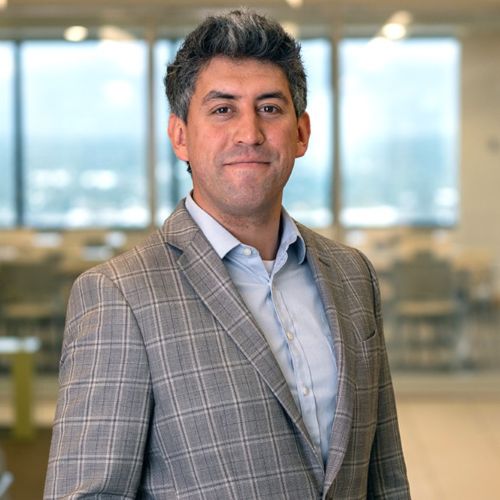
Speaker bio
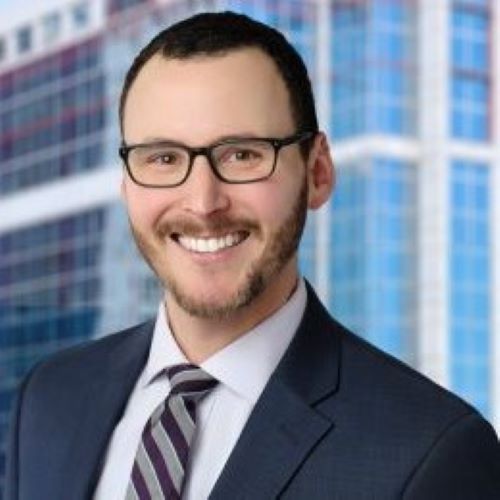
Adam G. Gutbezahl
is an attorney with Ruberto, Israel & Weiner with nearly a decade of experience representing individuals and businesses in a wide variety of matters, including complex commercial, employment, land use, and real estate disputes. He has a proven track record of success in Massachusetts Land Court and Superior Court, as well as the Massachusetts Appeals Court. In addition to handling contentious, high stakes cases in Massachusetts state and federal courts, Mr. Gutbezahl counsels his clients on the importance of developing best practices to avoid litigation and mitigate risks. He represents municipalities in a wide array of litigation matters, including labor and employment, land use, and zoning. Mr. Gutbezahl is also a recognized thought leader on the legal implications of Generative Artificial Intelligence and serves on multiple steering committees and task forces regarding the use of this technology. He is also a member of the Trust Fund Commission in the Town of Wayland, a position to which he was first elected in 2019. Mr. Gutbezahl's municipal experience includes time serving on multiple boards and committees in Wayland, including the Select Board, Finance Committee, and Cultural Council. Prior to moving to Massachusetts, he was employed by multiple legislative committees within the Council of the District of Columbia, through which he performed oversight for administrative agencies and authored more than 20 pieces of legislation addressing various topics, including consumer protection, employment law, and tax transparency. Since joining the private sector, Mr. Gutbezahl has been recognized by various organizations and publications, including Massachusetts Lawyers Weekly, Boston Magazine, Super Lawyers Magazine, and the New England Real Estate Journal. While attending The George Washington University Law School, Mr. Gutbezahl served as an executive editor of The George Washington Law Review and was a member of the Moot Court Board. He earned his B.A. degree from George Washington University and his J.D. degree from The George Washington University Law School. Mr. Gutbezahl is admitted to practice in Massachusetts and the U.S. District Court of Massachusetts.
Speaker bio
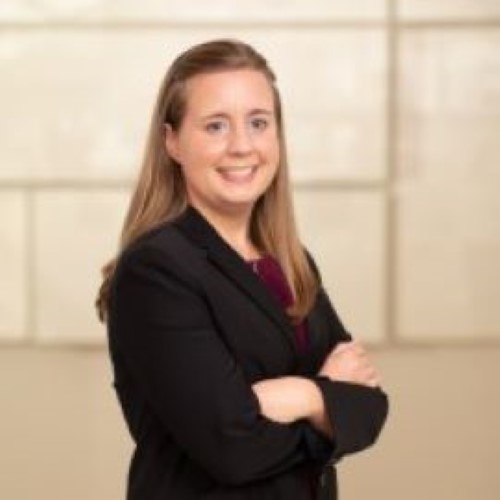
Jena G. Emory
is a senior associate in Taft Stettinius & Hollister LLP's commercial, class action and product liability litigation practices, with a specialization in insurance coverage. She brings extensive experience and a proven track record in handling complex legal matters, drafting legal documents, and representing clients in complex insurance coverage and general liability cases. Additionally, Ms. Emory has experience managing cases solo in both the Superior and Magistrate courts and drafting motions including complex federal jurisdiction. She currently serves as the programming manager for the Young Lawyers Division and co-chair of the Young Advocates Committee for the Litigation Section of the American Bar Association. Ms. Emory is also the former Newsletter co-editor for the Young Lawyers Division of the State Bar of Georgia, where she played a crucial role in distributing important legal updates and supporting the professional growth of fellow attorneys. Additionally, she is a 2020 graduate of the State Bar of Georgia's YLD Leadership Academy. Ms. Emory earned her J.D. degree from the University of Georgia School of Law and her B.S. degree, magna cum laude, from the University of South Carolina.
Speaker bio
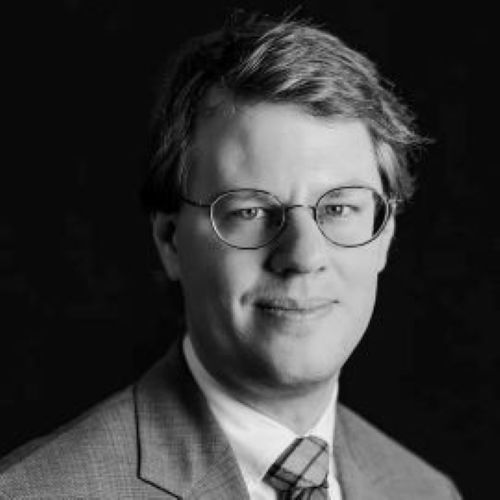
Dan Gibson
is a partner with Davis Hartman Wright LLP. He practices appeals, North Carolina Constitutional law, and civil litigation throughout North Carolina. Martindale-Hubbell has rated Mr. Gibson as AV, and he has been recognized as a Rising Star by Thomson Reuters and Business North Carolina lists him among their Legal Elite for Appellate Practice. He has written articles for the North Carolina State Bar's Journal, North Carolina Lawyers Weekly, and the North Carolina Bar Association on appellate practice and civil procedure. Mr. Gibson is the co-author of Cemetery Law: the Common Law of Burying Grounds. He has taught CLEs for the Wake County Bar Association and North Carolina Bar Association, including Appellate Practice for Trial Work. In addition to private practice, Mr. Gibson is an adjunct professor teaching legal writing for Judicial Chambers at Wake Forest University School of Law. He earned his B.A. degree, summa cum laude, from Campbell University and his J.D. from Wake Forest University School of Law.
Speaker bio
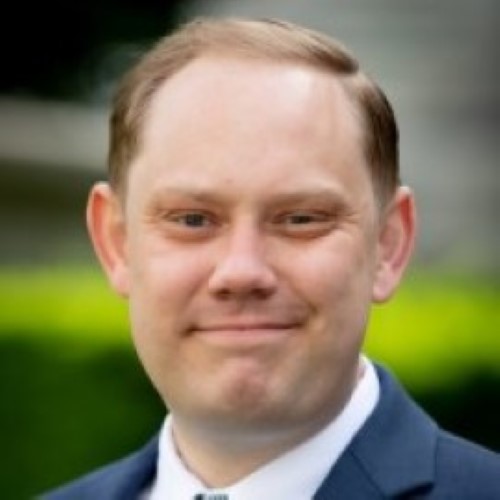
Jonathan J. Schutrum
is an associate with Gerber Ciano Kelly Brady LLP, where he focuses his practice on defending businesses, insurers, property owners, manufacturers, transportation companies and other clients in complex liability matters. With more than a decade of legal experience, he has handled a broad range of matters involving general negligence, motor vehicle and trucking liability, premises liability, products liability, medical malpractice, professional liability, toxic torts, municipal liability and other commercial and personal injury disputes. Mr. Schutrum has successfully prosecuted and defended legal actions in both New York state and federal courts. He also has experience handling and resolving matters through alternative dispute resolution and mediation. Mr. Schutrum graduated, magna cum laude, from George Washington University, before earning his law degree from the Syracuse University College of Law. He is a member of the New York State Bar Association and Bar Association of Erie County.
Speaker bio
Tony Arias
is an associate with the Denver office of Holland & Hart LLP, where he helps clients navigate complex and rapidly evolving laws and regulations, deploying industry best practices across AI, privacy, security, consumer finance, and risk management issues. He holds CIPP/US, CIPM, and AIGP certifications from the International Association of Privacy Professionals. With clients ranging from nimble startups to prominent Fortune 500 companies, Mr. Arias provides counsel on U.S. and international privacy, security, and fintech regulatory compliance and contractual matters. As corporate counsel and data privacy officer for a fintech company, he gained valuable experience providing SaaS solutions to top-tier financial institutions. In this role, Mr. Arias negotiated and executed complex, high-value transactions and improved the business's data management and privacy compliance. He also brings private practice experience representing clients in consumer finance regulatory compliance matters, complex commercial lawsuits, and federal and state government investigations. Beyond his professional commitments, Mr. Arias is deeply involved with his community, serving as a mentor and adopting leadership roles in various professional and civic organizations. He has been instrumental in establishing and distributing scholarship funds for deserving individuals, championing equity in education, and contributing to increased visibility for local artists. Mr. Arias earned his B.A. degree from University of Evansville and his J.D. degree from University of Denver Sturm College of Law.
TOP FAQs
Have more questions? Please Contact Us