

Generative AI
NBI Applied
NBI Applied Courses show how legal work is actually done — using real-world examples, forms, workflows, and demonstrations.
AI for Litigators: Live Demonstrations, Prompt Libraries, and Workflows
Credits Available
| Credit | Status | Total |
|---|---|---|
| Alaska CLE |
|
6 Total |
| Alabama CLE |
|
6 Total |
| Arkansas CLE |
|
6 Total |
| Arizona CLE |
|
6 Total |
| California CLE |
|
6 Total |
| Colorado CLE |
|
7 Total |
| Connecticut CLE |
|
6 Total |
| Delaware CLE |
|
6 Total |
| Florida CLE |
|
7 Total |
| Georgia CLE |
|
6 Total |
| Hawaii CLE |
|
6 Total |
| Iowa CLE |
|
6 Total |
| Idaho CLE |
|
6 Total |
| Illinois CLE |
|
6 Total |
| Indiana CLE |
|
6 Total |
| Kansas CLE |
|
7 Total |
| Kentucky CLE |
|
6 Total |
| Louisiana CLE |
|
6 Total |
| Maine CLE |
|
6 Total |
| Minnesota CLE |
|
6 Total |
| Missouri CLE |
|
7.2 Total |
| Northern Mariana Islands CLE |
|
6 Total |
| Mississippi CLE |
|
6 Total |
| Montana CLE |
|
6 Total |
| North Carolina CLE |
|
6 Total |
| North Dakota CLE |
|
6 Total |
| Nebraska CLE |
|
6 Total |
| New Hampshire CLE |
|
6 Total |
| New Jersey CLE |
|
7.2 Total |
| New Mexico CLE |
|
6 Total |
| Nevada CLE |
|
6 Total |
| New York CLE |
|
7 Total |
| Ohio CLE |
|
6 Total |
| Oklahoma CLE |
|
7 Total |
| Oregon CLE |
|
6 Total |
| Pennsylvania CLE |
|
6 Total |
| Rhode Island CLE |
|
7 Total |
| South Carolina CLE |
|
6 Total |
| Tennessee CLE |
|
6 Total |
| Texas CLE |
|
6 Total |
| Utah CLE |
|
6 Total |
| Virginia CLE |
|
6 Total |
| Vermont CLE |
|
6 Total |
| Washington CLE |
|
6 Total |
| Wisconsin CLE |
|
7 Total |
| West Virginia CLE |
|
7.2 Total |
| Wyoming CLE |
|
6 Total |
Thu, Dec 10, 00:00 AM – 00:00 PM
Thu, Dec 10, 00:00 AM – 00:00 PM
Register For Course
Live Webinar Registration
OnDemand Recording
Course Book Download
Overview
AI Skills and Prompts Built for the Way You Work
Most AI content for lawyers stops at generalities - what it is, why it matters, why you should be careful. Let's cut straight to the good stuff: how to actually use it.
Every session in this CLE program is a working walkthrough. You'll watch real prompts built and refined live, on-screen, using actual litigation tasks - drafting a motion, summarizing case law, generating deposition question suggestions. This isn't a lecture on what AI could do. It's 6 hours of watching exactly how to do it - and walking out with the prompts to do it yourself. Register today!
- Learn the prompt-writing techniques that separate a mediocre AI output from a genuinely useful one.
- Walk away with a clear line between what's safe to input into AI and what never should be.
- Get practical AI insights for narrowing case law, summarizing opinions, and surfacing adverse authority faster.
- Watch a motion get drafted live, from basic details to a review-ready document.
- Learn how to move through large productions faster without missing what matters.
- Get prompt language for summarizing transcripts and cross-referencing testimony against discovery.
- Learn how to spot AI-generated or AI-enhanced evidence before it becomes a problem.
- Watch a voir dire question bank get generated live from case facts and anticipated juror bias.
- Learn how predictive analytics can inform your read on case value, judge tendencies, and venue risk.
Mention of specific products or providers is informational only and does not constitute NBI endorsement. This program is not sponsored by any technology or electronics provider.
Abbreviated Agenda
- Art of the Prompt: Engineering and Building Your Library
- Legal Research and Case Law Analysis with AI (With Demos)
- Ethics of AI: How Good Lawyers End Up in Bad Headlines
- Drafting Pleadings, Memos, Motions, and Briefs (With Demos)
- Deposition Preparation and Testimony Analysis with AI (With Demos)
- AI in Settlement Negotiation and Mediation (With Demos)
- Evidence, Exhibits, and AI: Creative AI Uses and Pitfalls to Avoid
- Hearing and Trial Preparation With AI (With Demos)
- Discovery and Document Review Made Easier (With Demos)
Can't Attend Live?

Get the OnDemand Instead
Watch the recording of this event on your own schedule. We'll notify you when its ready.
Credit Details
Credits Available
| Credit | Status | Total |
|---|---|---|
| Alaska CLE |
|
6 Total |
| Alabama CLE |
|
6 Total |
| Arkansas CLE |
|
6 Total |
| Arizona CLE |
|
6 Total |
| California CLE |
|
6 Total |
| Colorado CLE |
|
7 Total |
| Connecticut CLE |
|
6 Total |
| Delaware CLE |
|
6 Total |
| Florida CLE |
|
7 Total |
| Georgia CLE |
|
6 Total |
| Hawaii CLE |
|
6 Total |
| Iowa CLE |
|
6 Total |
| Idaho CLE |
|
6 Total |
| Illinois CLE |
|
6 Total |
| Indiana CLE |
|
6 Total |
| Kansas CLE |
|
7 Total |
| Kentucky CLE |
|
6 Total |
| Louisiana CLE |
|
6 Total |
| Maine CLE |
|
6 Total |
| Minnesota CLE |
|
6 Total |
| Missouri CLE |
|
7.2 Total |
| Northern Mariana Islands CLE |
|
6 Total |
| Mississippi CLE |
|
6 Total |
| Montana CLE |
|
6 Total |
| North Carolina CLE |
|
6 Total |
| North Dakota CLE |
|
6 Total |
| Nebraska CLE |
|
6 Total |
| New Hampshire CLE |
|
6 Total |
| New Jersey CLE |
|
7.2 Total |
| New Mexico CLE |
|
6 Total |
| Nevada CLE |
|
6 Total |
| New York CLE |
|
7 Total |
| Ohio CLE |
|
6 Total |
| Oklahoma CLE |
|
7 Total |
| Oregon CLE |
|
6 Total |
| Pennsylvania CLE |
|
6 Total |
| Rhode Island CLE |
|
7 Total |
| South Carolina CLE |
|
6 Total |
| Tennessee CLE |
|
6 Total |
| Texas CLE |
|
6 Total |
| Utah CLE |
|
6 Total |
| Virginia CLE |
|
6 Total |
| Vermont CLE |
|
6 Total |
| Washington CLE |
|
6 Total |
| Wisconsin CLE |
|
7 Total |
| West Virginia CLE |
|
7.2 Total |
| Wyoming CLE |
|
6 Total |
Credit Details by Jurisdiction
Live Webinar Registration
CLE
Credits
Alaska CLE Reciprocity · 6 Total Credits
- 1 MECLE Ethics
Live - Alaska CLE - 6: Alaska Bar members may claim credit for attending CLE programs that have been accredited by other mandatory CLE jurisdictions. This program qualifies for 6.0 hours of credit, which includes 5.0 hours of MCLE credit and 1.0 hour of MECLE credit.
Alabama CLE Approved · 6 Total Credits
- 1 Ethics/Professionalism
Live - Alabama CLE - 6: This course or a portion thereof has been approved by the Alabama State Bar Mandatory Continuing Legal Education Commission for a maximum of 6.0 credit hours, including 1.0 ethics/professionalism credit.
Arkansas CLE Approved · 6 Total Credits
- 1 Ethics
Live - Arkansas CLE - 6: NBI, Inc. is an accredited sponsor in the state of Arkansas. This program is approved for 6.0 hours of continuing legal education credit, including 1.0 hour of ethics, consistent with the rules and regulations of the Arkansas Supreme Court of Professional Programs.
Arizona CLE Approved · 6 Total Credits
- 1 Professional Responsibility
Live - Arizona CLE - 6: The State Bar of Arizona does not approve or accredit CLE activities for the Mandatory Continuing Legal Education requirement. This activity qualifies for 6.0 hours toward your annual CLE requirement for the State of Arizona, including 1.0 hour of professional responsibility.
California CLE Approved · 6 Total Credits
- 1 Technology
- 1 Legal Ethics
Live - California CLE - 6: This activity has been approved for Minimum Continuing Legal Education credit by the State Bar of California in the amount of 6.0 hours, of which 1.0 hour will apply to legal ethics and 1.0 hour will apply to Technology. NBI, Inc. certifies this activity conforms to the standards for approved education activities prescribed by the rules and regulations of the State Bar of California governing minimum continuing legal education. NBI, Inc. is a State Bar of California approved MCLE provider - #53.
Colorado CLE Approved · 7 Total Credits
- 1.2 Professional Responsibility
Live - Colorado CLE - 7: NBI, Inc. is a Certified Provider, as recognized by the Colorado Supreme Court Continuing Legal and Judicial Education Committee. This program has been accredited for 7.0 hours of General Colorado Continuing Legal Education Credit, including 1.20 professional responsibility credit.
Connecticut CLE Approved · 6 Total Credits
- 1 Ethics/Professionalism
Live - Connecticut CLE - 6: Neither the Connecticut Judicial Branch nor the Commission on Minimum Continuing Legal Education approve or accredit CLE providers or activities. It is the opinion of NBI, Inc. that this activity qualifies for 6.0 hours toward your annual CLE requirement in Connecticut, including 1.0 hour(s) of ethics/professionalism.
Delaware CLE Approved · 6 Total Credits
- 1 Ethics
Live - Delaware CLE - 6: NBI, Inc. is an accredited sponsor of the Delaware Commission on Continuing Legal Education and recommends this program for 6.0 hours of eCLE credit, including 1.0 hour of ethics.
Florida CLE Approved · 7 Total Credits
- 7 Technology
- 1 Professional Responsibility
Live - Florida CLE - 7: Approved by The Florida Bar for a maximum of 7.0 general hours of CLER credit including 1.0 hour of professional responsibility (may include legal ethics, professionalism, substance abuse or mental illness and wellness programs) and 7.0 hours of technology.
Georgia CLE Approved · 6 Total Credits
- 1 Ethics
Live - Georgia CLE - 6: This program is approved by the Commission on Continuing Lawyer Competency of the State Bar of Georgia. This program qualifies for 6.0 hours of distance learning continuing legal education credit with the Georgia Commission on Continuing Lawyer Competency, which includes 1.0 hour of distance learning ethics.
Hawaii CLE Approved · 6 Total Credits
- 1 Ethics/Professional Responsibility
Live - Hawaii CLE - 6: NBI, Inc. is an Accredited Provider with the Hawaii State Board of Continuing Legal Education. This alternative format activity has been approved for 6.0 hours of credit for the state of Hawaii, which includes 1.0 hour of ethics or professional responsibility education.
Iowa CLE Approved · 6 Total Credits
- 1 Legal Ethics
Live - Iowa CLE - 6: "AI for Litigators: Live Demonstrations, Prompt Libraries, and Workflows" is an accredited program under the regulations of the Iowa Supreme Court Commission on Continuing Legal Education. It is planned that this program will provide a maximum of 6.0 hours of regular credit toward the mandatory continuing legal education requirements under the Iowa rule, including 1.0 hour of legal ethics credit.
Idaho CLE Approved · 6 Total Credits
- 1 Legal Ethics/Professional Responsibility
Live - Idaho CLE - 6: Approved for 6.0 hours of continuing legal education credit in the state of Idaho, which includes 1.0 legal ethics or professional responsibility credit.
Illinois CLE Approved · 6 Total Credits
- 1 Professional Responsibility
Live - Illinois CLE - 6: This program has been approved by the Illinois MCLE Board for 6.0 hours of CLE credit, which includes approval for 1.0 hour of legal ethics, civility, professionalism or sexual harassment prevention training CLE credit by the Illinois Supreme Court Commission on Professionalism.
Indiana CLE Approved · 6 Total Credits
- 1 Ethics
Live - Indiana CLE - 6: This course has been approved by the Indiana Supreme Court Office of Admissions & Continuing Education. Participating attorneys are eligible to receive 6.0 hours of distance education, which includes 1.0 hour of ethics.
Kansas CLE Approved · 7 Total Credits
- 1 Ethics/Professionalism
Live - Kansas CLE - 7: Approved by Kansas CLE for 7.0 hours of continuing legal education credit, which includes 1.0 hour of ethics and professionalism credit.
Kentucky CLE Approved · 6 Total Credits
- 1 Ethics
Live - Kentucky CLE - 6: This activity has been approved by the Kentucky Bar Association Continuing Legal Education Commission for a maximum of 6.0 credits, including 1.0 ethics credits.
Louisiana CLE Approved · 6 Total Credits
- 1 Ethics
Live - Louisiana CLE - 6: This course or a portion thereof has been approved by the Louisiana Mandatory Continuing Legal Education Committee of the Louisiana State Bar Association. This program qualifies for 6.0 hours (based on a 60-minute credit hour) of computer based credit, of which 1.0 hour will apply to computer based ethics credit.
Maine CLE Approved · 6 Total Credits
- 1 Ethics
Live - Maine CLE - 6: This course has been approved by the State of Maine Board of Overseers of the Bar. Lawyers who complete this course shall receive 6.0 hours of CLE credit including 1.0 ethics hours.
Course Book - Maine CLE - 6: This course has been approved by the State of Maine Board of Overseers of the Bar. Lawyers who complete this course will receive 6.0 hours of self-study CLE credit.
Minnesota CLE Approved · 6 Total Credits
- 1 Ethics
Live - Minnesota CLE - 6: This course has been approved by the Minnesota Board of Continuing Legal Education for 6.0 hours of standard CLE credit, including 1.0 hour of ethics credit.
Missouri CLE Approved · 7.2 Total Credits
- 1.2 Ethics, Professionalism or Malpractice Prevention
Live - Missouri CLE - 7.2: NBI, Inc. is an accredited sponsor with Missouri Minimum Continuing Legal Education. This program qualifies for 7.20 hours of CLE credit, which includes 1.20 hour of ethics, professionalism or malpractice prevention credit.
Course Book - Missouri CLE - 6: NBI, Inc. is an accredited sponsor with Missouri Minimum Continuing Legal Education. This program qualifies for 6.0 self-study CLE credit hours.
Northern Mariana Islands CLE Approved · 6 Total Credits
Live - Northern Mariana Islands CLE - 6: This course has been approved by the Commonwealth of the Northern Mariana Islands. Lawyers who complete this course shall receive 6.0 hours of CLE credit.
Course Book - Northern Mariana Islands CLE - 6: This course has been approved by the Commonwealth of the Northern Mariana Islands. Lawyers who complete this course shall receive 6.0 hours of self-study CLE credit.
Mississippi CLE Approved · 6 Total Credits
- 1 Ethics/Professionalism
Live - Mississippi CLE - 6: This course has been approved by the Mississippi Commission on Continuing Legal Education for a maximum of 6.0 hours of Online credit, which includes 1.0 hour of ethics/ professionalism.
Montana CLE Approved · 6 Total Credits
- 1 Professional Fitness and Integrity
Live - Montana CLE - 6: Approved for 6.0 hours of CLE credit by the Montana Commission of Continuing Legal Education, including 1.0 hour of professional fitness and integrity credit.
North Carolina CLE Approved · 6 Total Credits
- 1 Technology
- 1 Professional Responsibility
Live - North Carolina CLE - 6: NBI, Inc. is an accredited sponsor with the North Carolina State Board of Continuing Legal Education. Attendance of this program will result in 6.0 hours of CLE credit, including 1.0 professional responsibility and 1.0 technology.
North Dakota CLE Approved · 6 Total Credits
- 1 Ethics
Live - North Dakota CLE - 6: This program has been approved by the North Dakota Commission for Continuing Legal Education for 6.0 hours of CLE credit, including 1.0 hour of ethics credit.
Nebraska CLE Approved · 6 Total Credits
- 1 Professional Responsibility
Live - Nebraska CLE - 6: NBI, Inc. is an accredited CLE sponsor in the state of Nebraska. This activity has been approved for 6.0 distance learning CLE credits, including 1.0 hour of professional responsibility credit.
New Hampshire CLE Approved · 6 Total Credits
- 1 Ethics/Professionalism
Live - New Hampshire CLE - 6: NHMCLE does not approve or accredit CLE activities for the NH Minimum CLE requirement. NBI, Inc. believes this course meets the requirements of NH Supreme Court Rule 53 toward the annual NHMCLE requirement.
New Jersey CLE Approved · 7.2 Total Credits
- 1.2 Ethics/Professionalism
Live - New Jersey CLE - 7.2: This program has been approved by the Board on Continuing Legal Education of the Supreme Court of New Jersey for 7.20 hours of total CLE credit. Of these, 1.20 qualifies as hours of credit for ethics/professionalism.
New Mexico CLE Approved · 6 Total Credits
- 1 Ethics
Live - New Mexico CLE - 6: This program has been approved by the Board of Bar Commissioners of the State Bar of New Mexico for 6.0 hours of credit, including 1.0 hour of ethics.
Nevada CLE Approved · 6 Total Credits
- 1 Ethical Considerations
Live - Nevada CLE - 6: This course has been approved by the Nevada Board of Continuing Legal Education. This program qualifies for 6.0 hours of alternative format CLE credits by the Nevada Board of Continuing Legal Education, which includes 1.0 hour of alternative format ethical considerations.
New York CLE Approved · 7 Total Credits
- 6 Skills
- 1 Ethics/Professionalism
Live - New York CLE - 7: This course has been approved in accordance with the requirements of the New York State Continuing Legal Education Board for a maximum of 7.0 credit hours. 6.0 hours can be applied to the skills requirement and 1.0 hour can be applied toward the Ethics/Professionalism requirement. This nontraditional format program is approved for experienced attorneys. NBI, Inc. offers a Financial Hardship Policy for qualifying individuals. To apply, please submit a request via email to our Tuition Discount Committee at customerservice@nbi-sems.com.
Ohio CLE Approved · 6 Total Credits
- 1 Professional Conduct
Live - Ohio CLE - 6: This course has been approved by the Supreme Court of Ohio Commission on Continuing Legal Education for 6.0 CLE credit hours, including 1.0 hour of attorney professional conduct instruction.
Oklahoma CLE Approved · 7 Total Credits
- 1 Legal Ethics
Live - Oklahoma CLE - 7: This course has been approved by the Oklahoma Bar Association Mandatory Continuing Legal Education Commission for 7.0 hours of CLE credit, which includes 1.0 hour of legal ethics.
Oregon CLE Approved · 6 Total Credits
- 1 Ethics
Live - Oregon CLE - 6: NBI, Inc. is an approved sponsor with the Oregon MCLE. This program is approved for 5.0 hours of general continuing legal education credit and 1.0 hour of ethics credit.
Pennsylvania CLE Approved · 6 Total Credits
- 1 Ethics
Live - Pennsylvania CLE - 6: This program has been approved by the Pennsylvania Continuing Legal Education Board for a total of 6.0 hours, including 5.0 hours of substantive law, practice and procedure CLE credit and 1.0 hour of ethics, professionalism or substance abuse CLE credit.
Rhode Island CLE Approved · 7 Total Credits
- 1 Legal Ethics
Live - Rhode Island CLE - 7: NBI is an accredited sponsor with the Rhode Island MCLE Commission. This program is approved for 7.0 hours of CLE credit in Rhode Island, including 1.0 of legal ethics.
South Carolina CLE Approved · 6 Total Credits
- 1 Legal Ethics/Professional Responsibility
Live - South Carolina CLE - 6: This course is accredited by the South Carolina Commission on Continuing Legal Education and Specialization for 6.0 alternatively delivered hours, of which 1.0 hour relates to legal ethics and professional responsibility.
Tennessee CLE Approved · 6 Total Credits
- 1 Ethics/Professionalism
Live - Tennessee CLE - 6: This course has been approved by the Tennessee Commission on Continuing Legal Education for a maximum of 6.0 hours of Distance Learning credit, including 1.0 hour of ethics/professionalism (EP) credit.
Texas CLE Approved · 6 Total Credits
- 1 Legal Ethics/Professional Responsibility
Live - Texas CLE - 6: This course is accredited for Minimum Continuing Legal Education credit by the State Bar of Texas Committee on MCLE in the amount of 6.0 credit hours, of which 1.0 credit hour will apply to legal ethics/professional responsibility credit. Hours in attendance at National Business Institute CLE seminars may be applied to the minimum Judicial Education requirement.
Utah CLE Approved · 6 Total Credits
- 1 Ethics
Live - Utah CLE - 6: National Business Institute is an approved "presumptive provider" with the Utah State Board of Continuing Legal Education. This program qualifies for a maximum of 6.0 hours of Live CLE credit for Utah attorneys, which includes 1.0 hour of ethics credit.
Virginia CLE Approved · 6 Total Credits
- 1 Ethics/Professionalism
Live - Virginia CLE - 6: This course has been approved by the Virginia Mandatory Continuing Legal Education Board for 6.0 hours of credit, of which 1.0 hour will also apply in the area of legal ethics or professionalism.
Vermont CLE Approved · 6 Total Credits
- 1 Ethics
Live - Vermont CLE - 6: This course has been approved by the Vermont Board of Mandatory Continuing Legal Education for 6.0 hours of credit, including 1.0 hour of ethics.
Washington CLE Approved · 6 Total Credits
- 1 Ethics/Professional Responsibility
Live - Washington CLE - 6: Approved for 6.0 hours of Washington continuing legal education credit, which includes 5.0 hours of Law and Legal Procedure and 1.0 hour of ethics and professional responsibility.
Wisconsin CLE Approved · 7 Total Credits
- 1 Ethics/Professional Responsibility
Live - Wisconsin CLE - 7: Approved for 7.0 hours of continuing legal education credit by the Board of Bar Examiners. Ethics and Professional Responsibility (EPR) credit is currently pending approval.
West Virginia CLE Approved · 7.2 Total Credits
- 1.2 Ethics
Live - West Virginia CLE - 7.2: This program qualifies for 7.20 hours of credit, which includes 1.20 hour of ethics, under the West Virginia Rules for Mandatory Continuing Legal Education.
Wyoming CLE Approved · 6 Total Credits
- 1 Ethics
Live - Wyoming CLE - 6: The Wyoming State Board of Continuing Legal Education has granted 6.0 hours of Continuing Legal Education Credit, including 1.0 hour of ethics.
OnDemand Video
CLE
Credits
Alaska CLE Reciprocity · 6 Total Credits
- 1 MECLE Ethics
Earn Until
OnDemand - Alaska CLE - 6: Alaska Bar members may claim credit for attending CLE programs that have been accredited by other mandatory CLE jurisdictions. This program qualifies for 6.0 hours of credit, which includes 5.0 hours of MCLE credit and 1.0 hour of MECLE credit.
Video Download - Alaska CLE - 6: Alaska Bar members may claim credit for attending CLE programs that have been accredited by other mandatory CLE jurisdictions. This program qualifies for 6.0 hours of credit, which includes 5.0 hours of MCLE credit and 1.0 hour of MECLE credit.
Alabama CLE Approved · 6 Total Credits
- 1 Ethics/Professionalism
Earn Until
OnDemand - Alabama CLE - 6: This course or a portion thereof has been approved by the Alabama State Bar Mandatory Continuing Legal Education Commission for a maximum of 6.0 on-demand credit hours, including 1.0 ethics/professionalism credit.
Arkansas CLE Approved · 6 Total Credits
- 1 Ethics
Earn Until
OnDemand - Arkansas CLE - 6: NBI, Inc. is an accredited sponsor in the state of Arkansas. This program qualifies for 6.0 hours of on demand continuing legal education credit, including 1.0 hour of ethics, consistent with the rules and regulations of the Arkansas Supreme Court of Professional Programs.
Video Download - Arkansas CLE - 6: NBI, Inc. is an accredited sponsor in the state of Arkansas. This program qualifies for 6.0 hours of on demand continuing legal education credit, including 1.0 hour of ethics, consistent with the rules and regulations of the Arkansas Supreme Court of Professional Programs.
Arizona CLE Approved · 6 Total Credits
- 1 Professional Responsibility
Earn Until
OnDemand - Arizona CLE - 6: The State Bar of Arizona does not approve or accredit CLE activities for the Mandatory Continuing Legal Education requirement. This activity qualifies for 6.0 hours toward your annual CLE requirement for the State of Arizona, including 1.0 hour of professional responsibility.
Video Download - Arizona CLE - 6: The State Bar of Arizona does not approve or accredit CLE activities for the Mandatory Continuing Legal Education requirement. This activity qualifies for 6.0 hours toward your annual CLE requirement for the State of Arizona, including 1.0 hour of professional responsibility.
California CLE Approved · 6 Total Credits
- 1 Technology
- 1 Legal Ethics
Earn Until
OnDemand - California CLE - 6: This activity has been approved for Minimum Continuing Legal Education credit by the State Bar of California and qualifies for 6.0 hours of participatory credit, of which 1.0 hour will apply to legal ethics and 1.0 hour will apply to Technology credit. NBI, Inc. certifies this activity conforms to the standards for approved education activities prescribed by the rules and regulations of the State Bar of California governing minimum continuing legal education. NBI, Inc. is a State Bar of California approved MCLE provider - #53.
Video Download - California CLE - 6: This activity has been approved for Minimum Continuing Legal Education credit by the State Bar of California and qualifies for 6.0 hours of self-study credit, of which 1.0 hour will apply to legal ethics and 1.0 hour will apply to Technology credit. NBI, Inc. certifies this activity conforms to the standards for approved education activities prescribed by the rules and regulations of the State Bar of California governing minimum continuing legal education. NBI, Inc. is a State Bar of California approved MCLE provider - #53.
Colorado CLE Approved · 7 Total Credits
- 1.2 Professional Responsibility
Earn Until
OnDemand - Colorado CLE - 7: NBI, Inc. is a Certified Provider, as recognized by the Colorado Supreme Court Continuing Legal and Judicial Education Committee. This program qualifies for 7.0 hours of home study general Colorado Continuing Legal Education Credit, including 1.20 professional responsibility credit.
Video Download - Colorado CLE - 7: NBI, Inc. is a Certified Provider, as recognized by the Colorado Supreme Court Continuing Legal and Judicial Education Committee. This program qualifies for 7.0 hours of home study general Colorado Continuing Legal Education Credit, including 1.20 professional responsibility credit.
Connecticut CLE Approved · 6 Total Credits
- 1 Ethics/Professionalism
Earn Until
OnDemand - Connecticut CLE - 6: Neither the Connecticut Judicial Branch nor the Commission on Minimum Continuing Legal Education approve or accredit CLE providers or activities. It is the opinion of NBI, Inc. that this activity qualifies for 6.0 self-study hours toward your annual CLE requirement in Connecticut, including 1.0 self-study hour(s) of ethics/professionalism.
Video Download - Connecticut CLE - 6: Neither the Connecticut Judicial Branch nor the Commission on Minimum Continuing Legal Education approve or accredit CLE providers or activities. It is the opinion of NBI, Inc. that this activity qualifies for 6.0 self-study hours toward your annual CLE requirement in Connecticut, including 1.0 self-study hour(s) of ethics/professionalism.
Delaware CLE Approved · 6 Total Credits
- 1 Ethics
Earn Until
OnDemand - Delaware CLE - 6: NBI, Inc. is an accredited sponsor of the Delaware Commission on Continuing Legal Education and recommends this program for 6.0 hours of eCLE credit, including 1.0 hour of ethics.
Florida CLE Approved · 7 Total Credits
- 7 Technology
- 1 Professional Responsibility
Earn Until
OnDemand - Florida CLE - 7: Approved by The Florida Bar, this program qualifies for 7.0 general hours of CLER self-study credit including 1.0 hour of self-study professional responsibility (may include legal ethics, professionalism, substance abuse or mental illness and wellness programs) and 7.0 hours of self-study technology.
Video Download - Florida CLE - 7: Approved by The Florida Bar, this program qualifies for 7.0 general hours of CLER self-study credit including 1.0 hour of self-study professional responsibility (may include legal ethics, professionalism, substance abuse or mental illness and wellness programs) and 7.0 hours of self-study technology.
Georgia CLE Approved · 6 Total Credits
- 1 Ethics
Earn Until
OnDemand - Georgia CLE - 6: This program is approved by the Commission on Continuing Lawyer Competency of the State Bar of Georgia. This program qualifies for 6.0 hours of distance learning continuing legal education credit with the Georgia Commission on Continuing Lawyer Competency, which includes 1.0 hour of distance learning ethics.
Video Download - Georgia CLE - 6: This program is approved by the Commission on Continuing Lawyer Competency of the State Bar of Georgia. This program qualifies for 6.0 hours of distance learning continuing legal education credit with the Georgia Commission on Continuing Lawyer Competency, which includes 1.0 hour of distance learning ethics.
Hawaii CLE Approved · 6 Total Credits
- 1 Ethics/Professional Responsibility
Earn Until
OnDemand - Hawaii CLE - 6: NBI, Inc. is an Accredited Provider with the Hawaii State Board of Continuing Legal Education. This alternative format activity has been approved for 6.0 hours of credit for the state of Hawaii, which includes 1.0 hour of ethics or professional responsibility education.
Video Download - Hawaii CLE - 6: NBI, Inc. is an Accredited Provider with the Hawaii State Board of Continuing Legal Education. This alternative format activity has been approved for 6.0 hours of credit for the state of Hawaii, which includes 1.0 hour of ethics or professional responsibility education.
Iowa CLE Approved · 6 Total Credits
- 1 Legal Ethics
Earn Until
OnDemand - Iowa CLE - 6: "AI for Litigators: Live Demonstrations, Prompt Libraries, and Workflows" is an accredited program under the regulations of the Iowa Supreme Court Commission on Continuing Legal Education. It is planned that this program will provide a maximum of 6.0 hours of unmoderated activity credit toward the mandatory continuing legal education requirements under the Iowa rule, including 1.0 hour of legal ethics unmoderated activity credit.
Idaho CLE Approved · 6 Total Credits
- 1 Legal Ethics/Professional Responsibility
Earn Until
OnDemand - Idaho CLE - 6: Approved for 6.0 hours of self-study continuing legal education credit in the state of Idaho, which includes 1.0 self-study legal ethics or professional responsibility credit.
Video Download - Idaho CLE - 6: Approved for 6.0 hours of self-study continuing legal education credit in the state of Idaho, which includes 1.0 self-study legal ethics or professional responsibility credit.
Illinois CLE Approved · 6 Total Credits
- 1 Professional Responsibility
Earn Until
OnDemand - Illinois CLE - 6: This program has been approved by the Illinois MCLE Board for 6.0 hours of recorded technology CLE credit, which includes approval for 1.0 hour of legal ethics, civility, professionalism or sexual harassment prevention training CLE credit by the Illinois Supreme Court Commission on Professionalism.
Video Download - Illinois CLE - 6: This program has been approved by the Illinois MCLE Board for 6.0 hours of recorded technology CLE credit, which includes approval for 1.0 hour of legal ethics, civility, professionalism or sexual harassment prevention training CLE credit by the Illinois Supreme Court Commission on Professionalism.
Indiana CLE Approved · 6 Total Credits
- 1 Ethics
Earn Until
OnDemand - Indiana CLE - 6: This course has been approved by the Indiana Supreme Court Office of Admissions & Continuing Education. Participating attorneys are eligible to receive 6.0 hours of distance education, which includes 1.0 hour of ethics.
Kansas CLE Approved · 7 Total Credits
- 1 Ethics/Professionalism
Earn Until
OnDemand - Kansas CLE - 7: Approved by Kansas CLE for 7.0 hours of prerecorded format continuing legal education credit, which includes 1.0 hour of ethics and professionalism credit.
Video Download - Kansas CLE - 7: Approved by Kansas CLE for 7.0 hours of prerecorded format continuing legal education credit, which includes 1.0 hour of ethics and professionalism credit.
Kentucky CLE Approved · 6 Total Credits
- 1 Ethics
Earn Until
OnDemand - Kentucky CLE - 6: This program has been approved as a technological CLE activity by the Kentucky Bar Association Continuing Legal Education Commission and qualifies for 6.0 credits, including 1.0 ethics credits.
Video Download - Kentucky CLE - 6: This program has been approved as a technological CLE activity by the Kentucky Bar Association Continuing Legal Education Commission and qualifies for 6.0 credits, including 1.0 ethics credits.
Louisiana CLE Approved · 6 Total Credits
- 1 Ethics
Earn Until
OnDemand - Louisiana CLE - 6: This course or a portion thereof has been approved by the Louisiana Mandatory Continuing Legal Education Committee of the Louisiana State Bar Association. This program qualifies for 6.0 hours (based on a 60-minute credit hour) of computer based credit, of which 1.0 hour will apply to computer based ethics credit.
Maine CLE Approved · 6 Total Credits
Earn Until
OnDemand - Maine CLE - 6: This course has been approved by the State of Maine Board of Overseers of the Bar. Lawyers who complete this course will receive 6.0 hours of self-study CLE credit.
Video Download - Maine CLE - 6: This course has been approved by the State of Maine Board of Overseers of the Bar. Lawyers who complete this course will receive 6.0 hours of self-study CLE credit.
Course Book - Maine CLE - 6: This course has been approved by the State of Maine Board of Overseers of the Bar. Lawyers who complete this course will receive 6.0 hours of self-study CLE credit.
Minnesota CLE Approved · 6 Total Credits
- 1 Ethics
Earn Until
OnDemand - Minnesota CLE - 6: Approved for 6.0 hours of standard on-demand CLE credit, including 1.0 hour of ethics credit by the Minnesota Board of Continuing Legal Education.
Video Download - Minnesota CLE - 6: Approved for 6.0 hours of standard on-demand CLE credit, including 1.0 hour of ethics credit by the Minnesota Board of Continuing Legal Education.
Missouri CLE Approved · 6 Total Credits
Earn Until
OnDemand - Missouri CLE - 6: NBI, Inc. is an accredited sponsor with Missouri Minimum Continuing Legal Education. This program qualifies for 6.0 self-study CLE credit hours.
Video Download - Missouri CLE - 6: NBI, Inc. is an accredited sponsor with Missouri Minimum Continuing Legal Education. This program qualifies for 6.0 self-study CLE credit hours.
Course Book - Missouri CLE - 6: NBI, Inc. is an accredited sponsor with Missouri Minimum Continuing Legal Education. This program qualifies for 6.0 self-study CLE credit hours.
Northern Mariana Islands CLE Approved · 6 Total Credits
Earn Until
OnDemand - Northern Mariana Islands CLE - 6: This course has been approved by the Commonwealth of the Northern Mariana Islands. Lawyers who complete this course shall receive 6.0 hours of self-study CLE credit.
Video Download - Northern Mariana Islands CLE - 6: This course has been approved by the Commonwealth of the Northern Mariana Islands. Lawyers who complete this course shall receive 6.0 hours of self-study CLE credit.
Course Book - Northern Mariana Islands CLE - 6: This course has been approved by the Commonwealth of the Northern Mariana Islands. Lawyers who complete this course shall receive 6.0 hours of self-study CLE credit.
Mississippi CLE Approved · 6 Total Credits
- 1 Ethics/Professionalism
Earn Until
OnDemand - Mississippi CLE - 6: This course has been approved by the Mississippi Commission on Continuing Legal Education for a maximum of 6.0 hours of Online credit, which includes 1.0 hour of ethics/ professionalism.
Montana CLE Approved · 6 Total Credits
- 1 Professional Fitness and Integrity
Earn Until
OnDemand - Montana CLE - 6: This program qualifies for 6.0 hours of self-study CLE credit by the Montana Commission of Continuing Legal Education, including 1.0 hour of professional fitness and integrity credit.
Video Download - Montana CLE - 6: This program qualifies for 6.0 hours of self-study CLE credit by the Montana Commission of Continuing Legal Education, including 1.0 hour of professional fitness and integrity credit.
North Carolina CLE Approved · 6 Total Credits
- 1 Technology
- 1 Professional Responsibility
Earn Until
OnDemand - North Carolina CLE - 6: NBI, Inc. is an accredited sponsor with the North Carolina State Board of Continuing Legal Education. Attendance of this program qualifies for 6.0 hours of online CLE credit, including 1.0 professional responsibility and 1.0 technology.
Video Download - North Carolina CLE - 6: NBI, Inc. is an accredited sponsor with the North Carolina State Board of Continuing Legal Education. Attendance of this program qualifies for 6.0 hours of online CLE credit, including 1.0 professional responsibility and 1.0 technology.
North Dakota CLE Approved · 6 Total Credits
- 1 Ethics
Earn Until
OnDemand - North Dakota CLE - 6: North Dakota attorneys completing this program may claim 6.0 North Dakota self-study CLE credit hours, including 1.0 hour of self-study ethics credit, on the Report of Compliance.
Video Download - North Dakota CLE - 6: North Dakota attorneys completing this program may claim 6.0 North Dakota self-study CLE credit hours, including 1.0 hour of self-study ethics credit, on the Report of Compliance.
Nebraska CLE Approved · 6 Total Credits
- 1 Professional Responsibility
Earn Until
OnDemand - Nebraska CLE - 6: NBI, Inc. is an accredited CLE sponsor in the state of Nebraska. This activity has been approved for 6.0 distance learning CLE credits, including 1.0 hour of professional responsibility credit.
Video Download - Nebraska CLE - 6: NBI, Inc. is an accredited CLE sponsor in the state of Nebraska. This activity has been approved for 6.0 distance learning CLE credits, including 1.0 hour of professional responsibility credit.
New Hampshire CLE Approved · 6 Total Credits
- 1 Ethics/Professionalism
Earn Until
OnDemand - New Hampshire CLE - 6: NHMCLE does not approve or accredit CLE activities for the NH Minimum CLE requirement. NBI, Inc. believes this course meets the requirements of NH Supreme Court Rule 53 toward the annual NHMCLE requirement.
Video Download - New Hampshire CLE - 6: NHMCLE does not approve or accredit CLE activities for the NH Minimum CLE requirement. NBI, Inc. believes this course meets the requirements of NH Supreme Court Rule 53 toward the annual NHMCLE requirement.
New Jersey CLE Approved · 7.2 Total Credits
- 1.2 Ethics/Professionalism
Earn Until
OnDemand - New Jersey CLE - 7.2: This program has been approved by the Board on Continuing Legal Education of the Supreme Court of New Jersey for 7.20 hours of alternative format CLE credit. Of these, 1.20 qualifies as hours of alternative learning format credit for ethics/professionalism.
Video Download - New Jersey CLE - 7.2: This program has been approved by the Board on Continuing Legal Education of the Supreme Court of New Jersey for 7.20 hours of alternative format CLE credit. Of these, 1.20 qualifies as hours of alternative learning format credit for ethics/professionalism.
New Mexico CLE Approved · 6 Total Credits
- 1 Ethics
Earn Until
OnDemand - New Mexico CLE - 6: This program has been approved by the Board of Bar Commissioners of the State Bar of New Mexico. This program qualifies for 6.0 hours of self-study credit, including 1.0 hour of self-study ethics credit.
Video Download - New Mexico CLE - 6: This program has been approved by the Board of Bar Commissioners of the State Bar of New Mexico. This program qualifies for 6.0 hours of self-study credit, including 1.0 hour of self-study ethics credit.
Nevada CLE Approved · 6 Total Credits
- 1 Ethical Considerations
Earn Until
OnDemand - Nevada CLE - 6: This course has been approved by the Nevada Board of Continuing Legal Education. This program qualifies for 6.0 hours of alternative format CLE credits by the Nevada Board of Continuing Legal Education, which includes 1.0 hour of alternative format ethical considerations.
Video Download - Nevada CLE - 6: This course has been approved by the Nevada Board of Continuing Legal Education. This program qualifies for 6.0 hours of alternative format CLE credits by the Nevada Board of Continuing Legal Education, which includes 1.0 hour of alternative format ethical considerations.
New York CLE Approved · 7 Total Credits
- 6 Skills
- 1 Ethics/Professionalism
Earn Until
OnDemand - New York CLE - 7: This nontraditional format course has been approved in accordance with the requirements of the New York State Continuing Legal Education Board for up to 7.0 credit hours. 6.0 hours can be applied to the skills requirement and is approved for experienced attorneys. 1.0 hour can be applied toward the Ethics/Professionalism requirement and is approved for experienced attorneys. NBI, Inc. offers a Financial Hardship Policy for qualifying individuals. To apply, please submit a request via email to our Tuition Discount Committee at customerservice@nbi-sems.com.
Video Download - New York CLE - 7: This nontraditional format course has been approved in accordance with the requirements of the New York State Continuing Legal Education Board for up to 7.0 credit hours. 6.0 hours can be applied to the skills requirement and is approved for experienced attorneys. 1.0 hour can be applied toward the Ethics/Professionalism requirement and is approved for experienced attorneys. NBI, Inc. offers a Financial Hardship Policy for qualifying individuals. To apply, please submit a request via email to our Tuition Discount Committee at customerservice@nbi-sems.com.
Ohio CLE Approved · 6 Total Credits
- 1 Professional Conduct
Earn Until
OnDemand - Ohio CLE - 6: This course has been approved by the Supreme Court of Ohio Commission on Continuing Legal Education for 6.0 CLE credit hours, including 1.0 hour of attorney professional conduct instruction.
Video Download - Ohio CLE - 6: This course has been approved by the Supreme Court of Ohio Commission on Continuing Legal Education for 6.0 CLE credit hours, including 1.0 hour of attorney professional conduct instruction.
Oklahoma CLE Approved · 7 Total Credits
- 1 Legal Ethics
Earn Until
OnDemand - Oklahoma CLE - 7: This course has been approved by the Oklahoma Bar Association Mandatory Continuing Legal Education Commission. This program qualifies for 7.0 of On Demand CLE credit hours, which includes 1.0 hour of legal ethics.
Video Download - Oklahoma CLE - 7: This course has been approved by the Oklahoma Bar Association Mandatory Continuing Legal Education Commission. This program qualifies for 7.0 of On Demand CLE credit hours, which includes 1.0 hour of legal ethics.
Oregon CLE Approved · 6 Total Credits
- 1 Ethics
Earn Until
OnDemand - Oregon CLE - 6: NBI, Inc. is an approved sponsor with the Oregon MCLE. This program qualifies for 5.0 hours of general continuing legal education credit and 1.0 hour of ethics credit.
Video Download - Oregon CLE - 6: NBI, Inc. is an approved sponsor with the Oregon MCLE. This program qualifies for 5.0 hours of general continuing legal education credit and 1.0 hour of ethics credit.
Pennsylvania CLE Approved · 6 Total Credits
- 1 Ethics
Earn Until
OnDemand - Pennsylvania CLE - 6: This program has been approved by the Pennsylvania Continuing Legal Education Board. This program qualifies for 6.0 hours of distance learning credit, including 5.0 hours of substantive law, practice and procedure CLE credit and 1.0 hour of ethics, professionalism or substance abuse distance learning CLE credit.
Video Download - Pennsylvania CLE - 6: This program has been approved by the Pennsylvania Continuing Legal Education Board. This program qualifies for 6.0 hours of distance learning credit, including 5.0 hours of substantive law, practice and procedure CLE credit and 1.0 hour of ethics, professionalism or substance abuse distance learning CLE credit.
Rhode Island CLE Approved · 6 Total Credits
- 1 Legal Ethics
Earn Until
OnDemand - Rhode Island CLE - 6: NBI is an accredited sponsor with the Rhode Island MCLE Commission. This program is approved for 6.0 hours of CLE video replay credit in Rhode Island, including 1.0 of legal ethics.
Video Download - Rhode Island CLE - 6: NBI is an accredited sponsor with the Rhode Island MCLE Commission. This program is approved for 6.0 hours of CLE video replay credit in Rhode Island, including 1.0 of legal ethics.
South Carolina CLE Approved · 6 Total Credits
- 1 Legal Ethics/Professional Responsibility
Earn Until
OnDemand - South Carolina CLE - 6: This course is accredited by the South Carolina Commission on Continuing Legal Education and Specialization for 6.0 alternatively delivered hours, of which 1.0 hour relates to legal ethics and professional responsibility.
Video Download - South Carolina CLE - 6: This course is accredited by the South Carolina Commission on Continuing Legal Education and Specialization for 6.0 alternatively delivered hours, of which 1.0 hour relates to legal ethics and professional responsibility.
Tennessee CLE Approved · 6 Total Credits
- 1 Ethics/Professionalism
Earn Until
OnDemand - Tennessee CLE - 6: This course has been approved by the Tennessee Commission on Continuing Legal Education for a maximum of 6.0 hours of Distance Learning credit, including 1.0 hour of ethics/professionalism (EP) credit.
Texas CLE Approved · 6 Total Credits
- 1 Legal Ethics/Professional Responsibility
Earn Until
OnDemand - Texas CLE - 6: This course is accredited for Minimum Continuing Legal Education credit by the State Bar of Texas Committee on MCLE in the amount of 6.0 credit hours, of which 1.0 credit hour will apply to legal ethics/professional responsibility credit. Hours in attendance at National Business Institute CLE seminars may be applied to the minimum Judicial Education requirement.
Video Download - Texas CLE - 6: This course is accredited for Minimum Continuing Legal Education credit by the State Bar of Texas Committee on MCLE in the amount of 6.0 credit hours, of which 1.0 credit hour will apply to legal ethics/professional responsibility credit. Hours in attendance at National Business Institute CLE seminars may be applied to the minimum Judicial Education requirement.
Utah CLE Approved · 6 Total Credits
- 1 Ethics
Earn Until
OnDemand - Utah CLE - 6: National Business Institute is an approved "presumptive provider" with the Utah State Board of Continuing Legal Education. This program qualifies for 6.0 hours of self-study CLE credit for Utah attorneys, which includes 1.0 hour of ethics credit.
Video Download - Utah CLE - 6: National Business Institute is an approved "presumptive provider" with the Utah State Board of Continuing Legal Education. This program qualifies for 6.0 hours of self-study CLE credit for Utah attorneys, which includes 1.0 hour of ethics credit.
Virginia CLE Approved · 6 Total Credits
- 1 Ethics/Professionalism
Earn Until
OnDemand - Virginia CLE - 6: This course has been approved by the Virginia Mandatory Continuing Legal Education Board for 6.0 hours of prerecorded credit, of which 1.0 hour will also apply in the area of legal ethics or professionalism.
Video Download - Virginia CLE - 6: This course has been approved by the Virginia Mandatory Continuing Legal Education Board for 6.0 hours of prerecorded credit, of which 1.0 hour will also apply in the area of legal ethics or professionalism.
Vermont CLE Approved · 6 Total Credits
- 1 Ethics
Earn Until
OnDemand - Vermont CLE - 6: This course has been approved by the Vermont Board of Mandatory Continuing Legal Education. This program qualifies for 6.0 hours of self-study credit, including 1.0 hour of self-study ethics credit.
Video Download - Vermont CLE - 6: This course has been approved by the Vermont Board of Mandatory Continuing Legal Education. This program qualifies for 6.0 hours of self-study credit, including 1.0 hour of self-study ethics credit.
Washington CLE Approved · 0 Total Credits
OnDemand - Washington CLE - 0: This content has been approved for Washington Continuing Legal Education credit. Credit hours will be awarded based on the actual run time.
Video Download - Washington CLE - 0: This content has been approved for Washington Continuing Legal Education credit. Credit hours will be awarded based on the actual run time.
Wisconsin CLE Approved · 7 Total Credits
Earn Until
OnDemand - Wisconsin CLE - 7: Approved for 7.0 hours of repeated on-demand CLE credit by the Board of Bar Examiners.
Video Download - Wisconsin CLE - 7: Approved for 7.0 hours of repeated on-demand CLE credit by the Board of Bar Examiners.
West Virginia CLE Approved · 7.2 Total Credits
- 1.2 Ethics
Earn Until
OnDemand - West Virginia CLE - 7.2: This program qualifies for 7.20 hours of pre-recorded credit, which includes 1.20 hour of pre-recorded ethics credit, under the West Virginia Rules for Mandatory Continuing Legal Education.
Video Download - West Virginia CLE - 7.2: This program qualifies for 7.20 hours of pre-recorded credit, which includes 1.20 hour of pre-recorded ethics credit, under the West Virginia Rules for Mandatory Continuing Legal Education.
Wyoming CLE Approved · 6 Total Credits
- 1 Ethics
OnDemand - Wyoming CLE - 6: The Wyoming State Board of Continuing Legal Education has granted 6.0 hours of Continuing Legal Education Credit, including 1.0 hour of ethics.
Video Download - Wyoming CLE - 6: The Wyoming State Board of Continuing Legal Education has granted 6.0 hours of Continuing Legal Education Credit, including 1.0 hour of ethics.
Course Book (PDF Download)
CLE
Credits
Maine CLE Approved · 6 Total Credits
Earn Until
Course Book - Maine CLE - 6: This course has been approved by the State of Maine Board of Overseers of the Bar. Lawyers who complete this course will receive 6.0 hours of self-study CLE credit.
Missouri CLE Approved · 6 Total Credits
Earn Until
Course Book - Missouri CLE - 6: NBI, Inc. is an accredited sponsor with Missouri Minimum Continuing Legal Education. This program qualifies for 6.0 self-study CLE credit hours.
Northern Mariana Islands CLE Approved · 6 Total Credits
Earn Until
Course Book - Northern Mariana Islands CLE - 6: This course has been approved by the Commonwealth of the Northern Mariana Islands. Lawyers who complete this course shall receive 6.0 hours of self-study CLE credit.
Select Jurisdiction
CLE
Agenda
-
Art of the Prompt: Engineering and Building Your Library
- Prompt Engineering Best Practices Reminder: Specificity, Context, and Iteration
- Refining a Weak Prompt Into a Strong One, Step by Step
- Structuring Reusable Prompts for Repeatable Tasks
- Beyond Plain Chat: How to Make Your AI Custom
- Prompt Library Organized by Litigation Task
-
Legal Research and Case Law Analysis with AI (With Demos)
- AI-Assisted Case Law Research: Narrowing to On-Point Authority Faster
- Summarizing Opinions and Extracting Key Holdings
- Identifying and Distinguishing Adverse Authority
- Research Memos First Drafts
- Cite-Checking and Verification Workflows Before Filing
-
Ethics of AI: How Good Lawyers End Up in Bad Headlines
- What Large Language Models Can and Cannot Reliably Do
- The Hallucination Problem
- Competence and Supervision Duties
- Confidentiality and Privilege: What Never Goes Into a Public AI Tool
- AI Disclosure Rules and Standing Orders
-
Drafting Pleadings, Memos, Motions, and Briefs (With Demos)
- Drafting First-Draft Complaints, Answers, and Motions
- Using AI to Anticipate Opposing Counsel's Arguments and Counterpoints
- Using AI to Stress-Test Filings: Yours and Theirs
- Editing for Tone, Length, and Court-Specific Formatting Requirements
- Drafting Client Updates and Internal Case Strategy Memos
-
Deposition Preparation and Testimony Analysis with AI (With Demos)
- Generating Deposition Outlines and Follow-Up Question Banks
- Summarizing Deposition Transcripts
- Cross-Referencing Deposition Testimony Against Discovery Documents
- Identifying Inconsistencies Across Witness Statements and Documents
-
AI in Settlement Negotiation and Mediation (With Demos)
- Predictive Analytics: Assessing Case Outcomes, Judge Tendencies, and Venue Data
- Damages Modeling and Scenario Analysis
- Drafting and Analyzing Settlement Demand Letters
- Preparing for Mediation with AI
-
Evidence, Exhibits, and AI: Creative AI Uses and Pitfalls to Avoid
- Reviewing Exhibits and Documents for Admissibility Issues
- Summarizing Expert Reports and Flagging Daubert/Frye Vulnerabilities
- Spotting AI-Generated or AI-Enhanced Evidence (Deepfakes, Enhanced Images/Audio, Synthetic Media)
- Admissibility Standards for AI-Generated Demonstratives and AI-Enhanced Exhibits
-
Hearing and Trial Preparation With AI (With Demos)
- Building Chronologies and Fact Timelines from Case Records
- Organizing and Summarizing Exhibits for Binders
- Preparing Witness Examination Outlines (Direct and Cross)
- Generating Voir Dire Questions Tailored to Case Themes and Juror Biases
- Modeling Case Themes and Testing Narrative Framing Before Trial
-
Discovery and Document Review Made Easier (With Demos)
- AI-Assisted Document Review
- Reviewing Contracts for Key Terms, Ambiguities, Material Changes
- Privilege Screening
- Drafting Discovery Requests and Responses
- Summarizing and Extracting Key Facts, Dates, and Admissions from Voluminous Records
Who Should Attend
This course is designed to provide attorneys with live demonstrations, ready-to-use prompt language, and practical workflows for applying AI across every stage of litigation, from legal research through trial and settlement. Paralegals may also benefit.
Speakers
Speaker bio
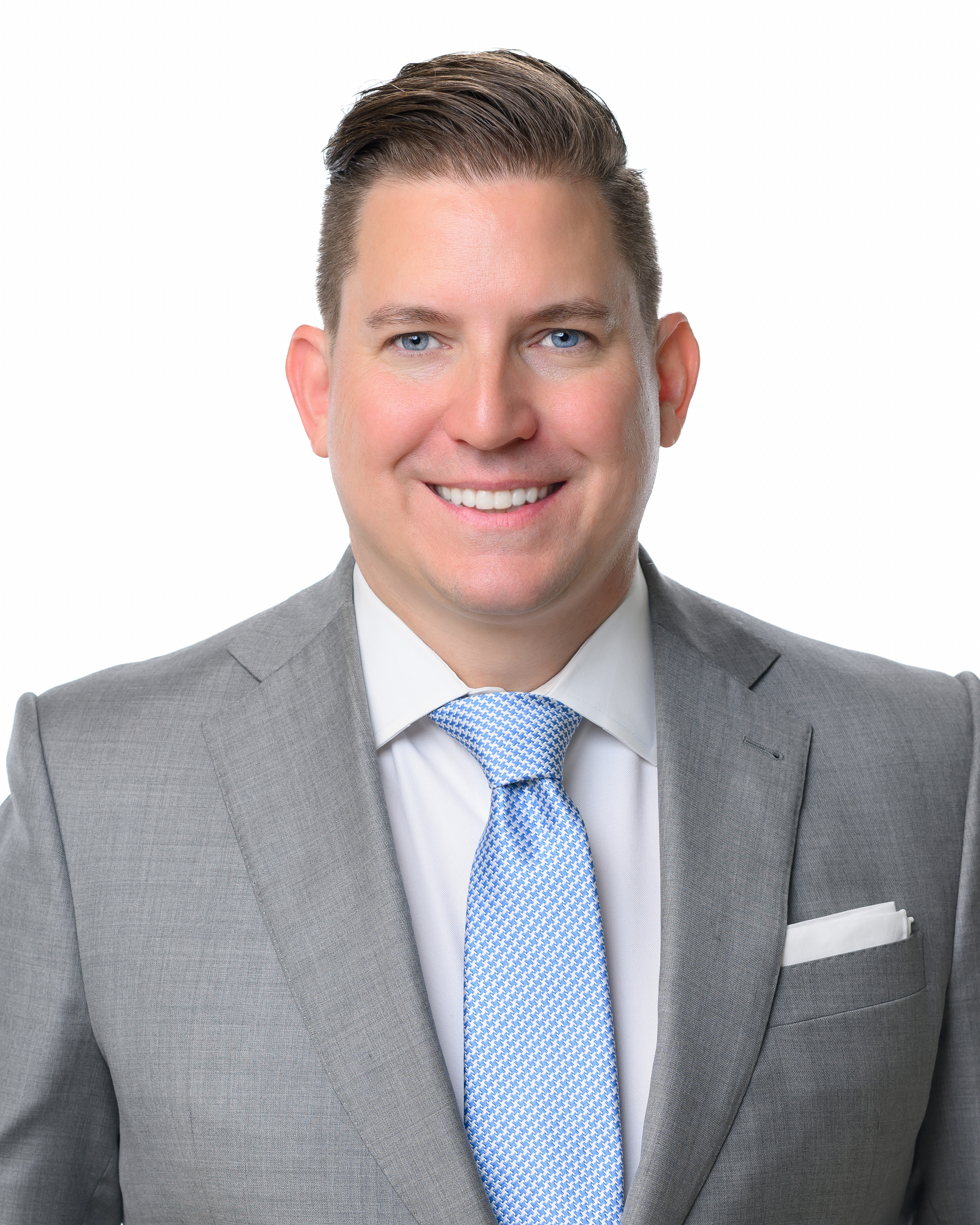
Brian W. Harrell
is a veteran trial attorney and the Managing Partner for Louisiana at Quintairos, Prieto, Wood & Boyer, P.A. (QPWB), where he leads complex civil litigation matters and advises clients on risk management, technology, and emerging issues at the intersection of law and innovation. In addition to his firm leadership role, he is the co-founder and co-owner of InGlobo AI, an AI consulting and education company he operates with his brother, Scott Harrell. Through InGlobo AI, Mr. Harrell works directly with lawyers, law firms, and professional organizations to help them understand, adopt, and govern artificial intelligence in a manner that is practical, secure, and ethically defensible. He is a certified Artificial Intelligence Governance Professional (AIGP), a credential awarded by the International Association of Privacy Professionals (IAPP) recognizing demonstrated expertise in AI governance, risk management, and responsible deployment. He has also pursued extensive formal education in artificial intelligence, ethics, and applied technology, earning a broad portfolio of AI-related certifications from leading universities and industry organizations. His training spans generative AI, prompt engineering, AI governance, risk management, and responsible deployment, with coursework and credentials from institutions such as IBM, Oxford Saïd, Vanderbilt University, the University of Michigan, the London School of Economics, and other globally recognized programs. This combination of hands-on legal practice and rigorous AI education informs his work as a speaker, writer, and advisor on AI ethics, where he emphasizes a skeptical, disciplined approach.
Speaker bio
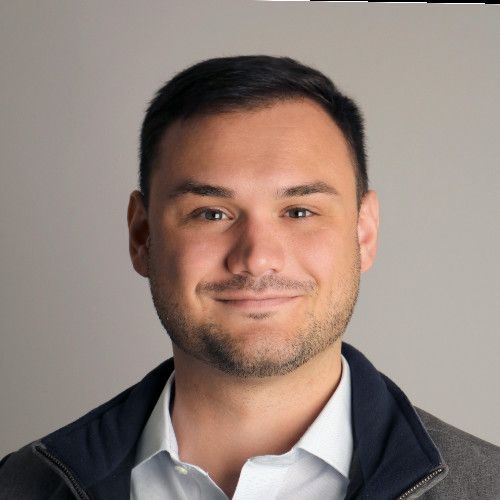
Ryan H. Giarusso
is an attorney with Witherspoon Brajcich McPhee, PLLC. His practice focuses on civil litigation, including contract, real property, and tort disputes. Mr. Giarusso represents clients before state and federal courts, administrative agencies, and associated appellate bodies. He combines his current litigation practice with previous experience in both large and small internal legal departments and as a small business owner to provide clients with sound legal counsel by identifying compliance and litigation risks and efficiently mitigating them. Mr. Giarusso earned his B.S. degree from University of Northern Iowa and his J.D. degree from Harvard Law School.
Speaker bio
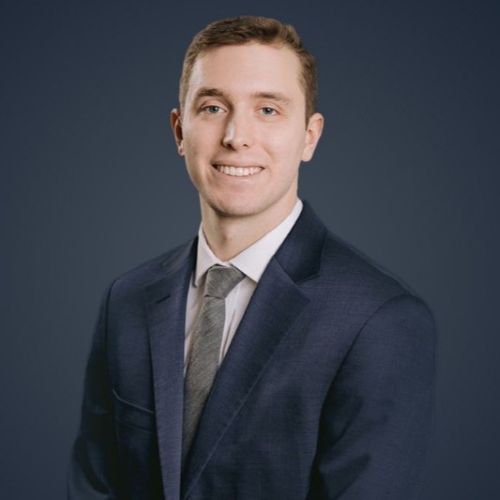
Kent Hushion
is a shareholder at Reminger, where he practices in the firm's Dayton and Columbus offices and focuses on employment litigation, governmental and public entity liability, directors and officers liability, and general liability matters. His practice encompasses a wide range of litigation activities, including pre-suit investigations, discovery, motions practice, trial preparation, and appellate advocacy, and he represents clients in complex disputes involving employment practices, civil rights defense, and professional liability claims. Mr. Hushion is admitted to practice law in Ohio and before the U.S. District Court for the Southern District of Ohio. He earned his J.D. degree from Case Western Reserve University School of Law and his Bachelor of Arts degree in English from Kent State University.
Speaker bio
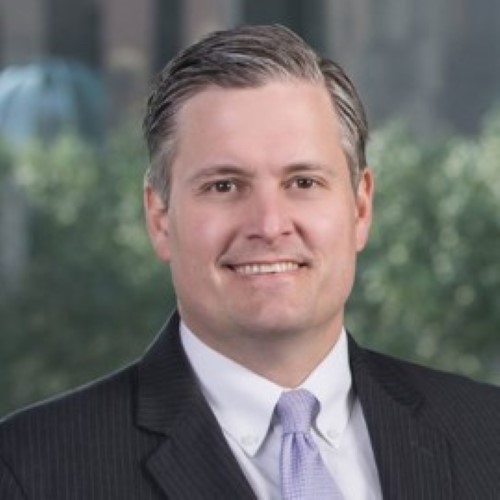
Casey S. Erick
is a partner with Lewis Brisbois Bisgaard & Smith LLP and a member of the Labor and Employment practice. He focuses on commercial litigation and employment law. Mr. Erick has represented clients in both litigation and transactional matters that span across commercial law, labor and employment, real estate, consumer protection, and general litigation; including, but not limited to breach of contract, corporate trade secret theft, tortious interference, defamation, personal injury, fraud, and various other kinds of civil litigation. He is a member of the State Bar of Texas and Dallas Bar Association, and is board-certified in civil trial law. Mr. Erick earned his B.A. degree, cum laude, from the University of Mississippi and his J.D. degree from Baylor School of Law.
Speaker bio
Angela E. Shapiro
is a shareholder at Butzel Long's Detroit office. She has extensive experience in all aspects of commercial litigation, with a strong focus on electronic discovery ("E-Discovery"). Ms. Shapiro is a Certified E-Discovery Specialist, having earned CEDS certification through ACEDS. She leverages her training and years of experience to efficiently and cost-effectively guide clients through complicated global and domestic E-Discovery requirements in lawsuits, arbitrations, and governmental investigations (including DOJ, NHTSA and Congressional investigations). Ms. Shapiro oversees all stages of the E-Discovery life cycle, including information management, developing and executing preservation plans, working with the client to identify and collect data, creating efficient review workflows, assessing and utilizing technology assisted review where appropriate, managing contract reviewers, negotiating production protocols, and approving final deliverables for production. She also litigates electronic discovery issues, including spoliation and cost shifting, and negotiates contracts with technology and other vendors. Ms. Shapiro has been repeatedly recognized by her peers and DBusiness magazine as a "Top Lawyer" in the areas of Information Management and E-Discovery. In 2018, Crain's Detroit Business included her in its inaugural class of "Notable Women in Technology." Ms. Shapiro sits on the firm's Technology and Pro Bono Committees. She is a member of the State Bar of Michigan, the American Bar Association, and the Eastern District of Michigan Chapter of the Federal Bar Association. Ms. Shapiro is admitted to practice in all Michigan state and federal courts, the United States Court of Appeals for the Sixth Circuit, and the Supreme Court of the United States of America. She graduated from Michigan State University (1994) and the Michigan State University College of Law (J.D., magna cum laude, 1998). Ms. Shapiro earned numerous honors during her academic career and was the recipient of an Eve August Moot Court Scholarship and the International Academy of Trial Lawyers Plaque.
TOP FAQs
Have more questions? Please Contact Us