

Managing and Destroying Employment Documents and Records: Legal Best Practices
Credits Available
| Credit | Status | Total |
|---|---|---|
| Alaska CLE |
|
1.5 Total |
| Alabama CLE |
|
1.5 Total |
| Arkansas CLE |
|
1.5 Total |
| Arizona CLE |
|
1.5 Total |
| California CLE |
|
1.5 Total |
| Colorado CLE |
|
2 Total |
| Connecticut CLE |
|
1.5 Total |
| Delaware CLE |
|
1.5 Total |
| Florida CLE |
|
2 Total |
| Georgia CLE |
|
1.5 Total |
| Hawaii CLE |
|
1.5 Total |
| Iowa CLE |
|
1.5 Total |
| Idaho CLE |
|
1.5 Total |
| Illinois CLE |
|
1.5 Total |
| Indiana CLE |
|
1.5 Total |
| Kansas CLE |
|
1.5 Total |
| Kentucky CLE |
|
1.5 Total |
| Louisiana CLE |
|
1.5 Total |
| Maine CLE |
|
1.5 Total |
| Minnesota CLE |
|
1.5 Total |
| Missouri CLE |
|
1.8 Total |
| Northern Mariana Islands CLE |
|
1.5 Total |
| Montana CLE |
|
1.5 Total |
| North Carolina CLE |
|
1.5 Total |
| Nebraska CLE |
|
1.5 Total |
| New Hampshire CLE |
|
1.5 Total |
| New Jersey CLE |
|
1.8 Total |
| New Mexico CLE |
|
1.5 Total |
| Nevada CLE |
|
1.5 Total |
| New York CLE |
|
1.5 Total |
| Ohio CLE |
|
1.5 Total |
| Oklahoma CLE |
|
2 Total |
| Pennsylvania CLE |
|
1.5 Total |
| Rhode Island CLE |
|
1.5 Total |
| South Carolina CLE |
|
1.5 Total |
| Tennessee CLE |
|
1.5 Total |
| Texas CLE |
|
1.5 Total |
| Utah CLE |
|
1.5 Total |
| Virginia CLE |
|
1.5 Total |
| Vermont CLE |
|
1.5 Total |
| Washington CLE |
|
1.5 Total |
| Wisconsin CLE |
|
1.5 Total |
| West Virginia CLE |
|
1.8 Total |
| Wyoming CLE |
|
1.5 Total |
| Arizona CPE for Accountants |
|
1.5 Total |
| New York CPE for Accountants |
|
1.5 Total |
| Washington CPE for Accountants |
|
1.5 Total |
| Wisconsin CPE for Accountants |
|
1.8 Total |
| HRCI |
|
1.5 Total |
| CPE for Accountants/NASBA |
|
1.5 Total |
| SHRM CP/SCP |
|
1.5 Total |
Fri, Dec 18, 00:00 AM – 00:00 PM
Fri, Dec 18, 00:00 AM – 00:00 PM
Register For Course
Live Webinar Registration
OnDemand Recording
Course Book Download
Overview
Close Your Recordkeeping Gaps Before They Cost You
One missing file, one deleted message - that's often all it takes to turn an employee complaint, DOL audit, or EEOC charge into costly litigation. Employment recordkeeping spans the FLSA, Title VII, ADA, FMLA, and more, each with its own retention rules - and new challenges like BYOD communications and AI-generated documents are making compliance harder than ever. This program shows you exactly what to keep, how to keep it, what to delete, and when. You'll leave with a statute-by-statute retention chart, a framework for handling electronic communications and high-risk files, and strategies for responding to records requests with confidence. Register today!
- Get clear, defensible answers on what to keep, what to destroy, and when to do it.
- Learn the recordkeeping mistakes that most often create liability.
- Build a defensible approach to managing email, texts, Teams/Slack, and BYOD communications.
- Understand the risks created by - and best practices for handling - AI-generated employment documents.
- Get a framework for responding to records requests from employees, the EEOC, the DOL, and subpoenas.
Abbreviated Agenda
- Recordkeeping Requirements/Retention Chart (FLSA, Title VII, ADA, ADEA, FMLA, and More)
- Retention, Litigation Readiness, and Destruction Policy Best Practices: What to Keep, What to Destroy, and When
- The Biggest Recordkeeping Mistakes That Create Liability
- Electronic Communications (Email, Texts, Slack, Teams, etc.) and BYOD Issues
- AI-Generated Employment Documents and New Recordkeeping Challenges
- Protecting Employment Records: Cybersecurity, Privacy, and Data Breach Response
- Handling Medical/ADA Files and Other High-Risk Employment Records
- Responding to Requests for Records (Employee, EEOC, DOL, Subpoenas)
Can't Attend Live?

Get the OnDemand Instead
Watch the recording of this event on your own schedule. We'll notify you when its ready.
Credit Details
Credits Available
| Credit | Status | Total |
|---|---|---|
| Alaska CLE |
|
1.5 Total |
| Alabama CLE |
|
1.5 Total |
| Arkansas CLE |
|
1.5 Total |
| Arizona CLE |
|
1.5 Total |
| California CLE |
|
1.5 Total |
| Colorado CLE |
|
2 Total |
| Connecticut CLE |
|
1.5 Total |
| Delaware CLE |
|
1.5 Total |
| Florida CLE |
|
2 Total |
| Georgia CLE |
|
1.5 Total |
| Hawaii CLE |
|
1.5 Total |
| Iowa CLE |
|
1.5 Total |
| Idaho CLE |
|
1.5 Total |
| Illinois CLE |
|
1.5 Total |
| Indiana CLE |
|
1.5 Total |
| Kansas CLE |
|
1.5 Total |
| Kentucky CLE |
|
1.5 Total |
| Louisiana CLE |
|
1.5 Total |
| Maine CLE |
|
1.5 Total |
| Minnesota CLE |
|
1.5 Total |
| Missouri CLE |
|
1.8 Total |
| Northern Mariana Islands CLE |
|
1.5 Total |
| Montana CLE |
|
1.5 Total |
| North Carolina CLE |
|
1.5 Total |
| Nebraska CLE |
|
1.5 Total |
| New Hampshire CLE |
|
1.5 Total |
| New Jersey CLE |
|
1.8 Total |
| New Mexico CLE |
|
1.5 Total |
| Nevada CLE |
|
1.5 Total |
| New York CLE |
|
1.5 Total |
| Ohio CLE |
|
1.5 Total |
| Oklahoma CLE |
|
2 Total |
| Pennsylvania CLE |
|
1.5 Total |
| Rhode Island CLE |
|
1.5 Total |
| South Carolina CLE |
|
1.5 Total |
| Tennessee CLE |
|
1.5 Total |
| Texas CLE |
|
1.5 Total |
| Utah CLE |
|
1.5 Total |
| Virginia CLE |
|
1.5 Total |
| Vermont CLE |
|
1.5 Total |
| Washington CLE |
|
1.5 Total |
| Wisconsin CLE |
|
1.5 Total |
| West Virginia CLE |
|
1.8 Total |
| Wyoming CLE |
|
1.5 Total |
| Arizona CPE for Accountants |
|
1.5 Total |
| New York CPE for Accountants |
|
1.5 Total |
| Washington CPE for Accountants |
|
1.5 Total |
| Wisconsin CPE for Accountants |
|
1.8 Total |
| HRCI |
|
1.5 Total |
| CPE for Accountants/NASBA |
|
1.5 Total |
| SHRM CP/SCP |
|
1.5 Total |
Credit Details by Jurisdiction
Live Webinar Registration
CLE
Credits
Alaska CLE Reciprocity · 1.5 Total Credits
Live - Alaska CLE - 1.5: Alaska Bar members may claim credit for attending CLE programs that have been accredited by other mandatory CLE jurisdictions. This program qualifies for 1.50 hours of credit, which includes 1.50 hours of MCLE credit and 0.0 hour of MECLE credit.
Alabama CLE Approved · 1.5 Total Credits
Live - Alabama CLE - 1.5: This course or a portion thereof has been approved by the Alabama State Bar Mandatory Continuing Legal Education Commission for a maximum of 1.50 credit hours, including 0.0 ethics/professionalism credit.
Arkansas CLE Approved · 1.5 Total Credits
Live - Arkansas CLE - 1.5: NBI, Inc. is an accredited sponsor in the state of Arkansas. This program is approved for 1.50 hours of continuing legal education credit, including 0.0 hour of ethics, consistent with the rules and regulations of the Arkansas Supreme Court of Professional Programs.
Arizona CLE Approved · 1.5 Total Credits
Live - Arizona CLE - 1.5: The State Bar of Arizona does not approve or accredit CLE activities for the Mandatory Continuing Legal Education requirement. This activity qualifies for 1.50 hours toward your annual CLE requirement for the State of Arizona, including 0.0 hour of professional responsibility.
California CLE Approved · 1.5 Total Credits
Live - California CLE - 1.5: This activity has been approved for Minimum Continuing Legal Education credit by the State Bar of California in the amount of 1.50 hours, of which 0.0 hour will apply to legal ethics. NBI, Inc. certifies this activity conforms to the standards for approved education activities prescribed by the rules and regulations of the State Bar of California governing minimum continuing legal education. NBI, Inc. is a State Bar of California approved MCLE provider - #53.
Colorado CLE Approved · 2 Total Credits
Live - Colorado CLE - 2: NBI, Inc. is a Certified Provider, as recognized by the Colorado Supreme Court Continuing Legal and Judicial Education Committee. This program has been accredited for 2.0 hours of General Colorado Continuing Legal Education Credit, including 0.0 professional responsibility credit.
Connecticut CLE Approved · 1.5 Total Credits
Live - Connecticut CLE - 1.5: Neither the Connecticut Judicial Branch nor the Commission on Minimum Continuing Legal Education approve or accredit CLE providers or activities. It is the opinion of NBI, Inc. that this activity qualifies for 1.50 hours toward your annual CLE requirement in Connecticut, including 0.0 hour(s) of ethics/professionalism.
Delaware CLE Approved · 1.5 Total Credits
Live - Delaware CLE - 1.5: NBI, Inc. is an accredited sponsor of the Delaware Commission on Continuing Legal Education and recommends this program for 1.50 hours of eCLE credit, including 0.0 hour of ethics.
Florida CLE Approved · 2 Total Credits
- 2 Labor and Employment
Live - Florida CLE - 2: Approved by The Florida Bar for a maximum of 2.0 general hours of CLER credit including 0.0 hour of professional responsibility (may include legal ethics, professionalism, substance abuse or mental illness and wellness programs). Certification: 2.0 - Labor and Employment Law
Georgia CLE Approved · 1.5 Total Credits
Live - Georgia CLE - 1.5: This program is approved by the Commission on Continuing Lawyer Competency of the State Bar of Georgia. This program qualifies for 1.50 hours of distance learning continuing legal education credit with the Georgia Commission on Continuing Lawyer Competency, which includes 0.0 hour of distance learning ethics.
Hawaii CLE Approved · 1.5 Total Credits
Live - Hawaii CLE - 1.5: NBI, Inc. is an Accredited Provider with the Hawaii State Board of Continuing Legal Education. This alternative format activity has been approved for 1.50 hours of credit for the state of Hawaii, which includes 0.0 hour of ethics or professional responsibility education.
Iowa CLE Approved · 1.5 Total Credits
Live - Iowa CLE - 1.5: "Managing and Destroying Employment Documents and Records: Legal Best Practices" is an accredited program under the regulations of the Iowa Supreme Court Commission on Continuing Legal Education. It is planned that this program will provide a maximum of 1.50 hours of regular credit toward the mandatory continuing legal education requirements under the Iowa rule, including 0.0 hour of legal ethics credit.
Idaho CLE Pending · 1.5 Total Credits
Live - Idaho CLE - 1.5: This program has been submitted for continuing legal education credit in the state of Idaho.
Illinois CLE Approved · 1.5 Total Credits
Live - Illinois CLE - 1.5: This program has been approved by the Illinois MCLE Board for 1.50 hours of CLE credit, which includes approval for 0.0 hour of legal ethics, civility, professionalism CLE credit by the Illinois Supreme Court Commission on Professionalism.
Indiana CLE Approved · 1.5 Total Credits
Live - Indiana CLE - 1.5: This course has been approved by the Indiana Supreme Court Office of Admissions & Continuing Education. Participating attorneys are eligible to receive 1.50 hours of distance education, which includes 0.0 hour of ethics.
Kansas CLE Upon Request · 1.5 Total Credits
Live - Kansas CLE - 1.5: Upon course completion and credit request submittal, an application will be submitted to Kansas CLE.
Kentucky CLE Upon Request · 1.5 Total Credits
Live - Kentucky CLE - 1.5: Upon course completion and credit request submittal, an application will be submitted to the Kentucky Bar Association Continuing Legal Education Commission.
Louisiana CLE Approved · 1.5 Total Credits
- 1.5 Employment Law
Live - Louisiana CLE - 1.5: This course or a portion thereof has been approved by the Louisiana Mandatory Continuing Legal Education Committee of the Louisiana State Bar Association. This program qualifies for 1.50 hours (based on a 60-minute credit hour) of computer based credit, of which 0.0 hour will apply to computer based ethics credit. This program is approved for 1.50 hours (based on a 60-minute credit hour) of credit by the Louisiana Specialization Board in the area of Employment Law.
Maine CLE Approved · 1.5 Total Credits
Live - Maine CLE - 1.5: This course has been approved by the State of Maine Board of Overseers of the Bar. Lawyers who complete this course shall receive 1.50 hours of CLE credit including 0.0 ethics hours.
Minnesota CLE Approved · 1.5 Total Credits
Live - Minnesota CLE - 1.5: This course has been approved by the Minnesota Board of Continuing Legal Education for 1.50 hours of standard CLE credit, including 0.0 hour of ethics credit.
Missouri CLE Approved · 1.8 Total Credits
Live - Missouri CLE - 1.8: NBI, Inc. is an accredited sponsor with Missouri Minimum Continuing Legal Education. This program qualifies for 1.80 hours of CLE credit, which includes 0.0 hour of ethics, professionalism or malpractice prevention credit.
Northern Mariana Islands CLE Approved · 1.5 Total Credits
Live - Northern Mariana Islands CLE - 1.5: This course has been approved by the Commonwealth of the Northern Mariana Islands. Lawyers who complete this course shall receive 1.50 hours of CLE credit.
Montana CLE Approved · 1.5 Total Credits
Live - Montana CLE - 1.5: Approved for 1.50 hours of CLE credit by the Montana Commission of Continuing Legal Education, including 0.0 hour of professional fitness and integrity credit.
North Carolina CLE Approved · 1.5 Total Credits
Live - North Carolina CLE - 1.5: NBI, Inc. is an accredited sponsor with the North Carolina State Board of Continuing Legal Education. Attendance of this program will result in 1.50 hours of CLE credit, including 0.0 professional responsibility.
Nebraska CLE Approved · 1.5 Total Credits
Live - Nebraska CLE - 1.5: NBI, Inc. is an accredited CLE sponsor in the state of Nebraska. This activity has been approved for 1.50 distance learning CLE credits, including 0.0 hour of professional responsibility credit.
New Hampshire CLE Approved · 1.5 Total Credits
Live - New Hampshire CLE - 1.5: NHMCLE does not approve or accredit CLE activities for the NH Minimum CLE requirement. NBI, Inc. believes this course meets the requirements of NH Supreme Court Rule 53 toward the annual NHMCLE requirement.
New Jersey CLE Approved · 1.8 Total Credits
Live - New Jersey CLE - 1.8: This program has been approved by the Board on Continuing Legal Education of the Supreme Court of New Jersey for 1.80 hours of total CLE credit. Of these, 0.0 qualifies as hours of credit for ethics/professionalism.
New Mexico CLE Approved · 1.5 Total Credits
Live - New Mexico CLE - 1.5: This program has been approved by the Board of Bar Commissioners of the State Bar of New Mexico for 1.50 hours of credit, including 0.0 hour of ethics.
Nevada CLE Approved · 1.5 Total Credits
Live - Nevada CLE - 1.5: This course has been approved by the Nevada Board of Continuing Legal Education. This program qualifies for 1.50 hours of alternative format CLE credits by the Nevada Board of Continuing Legal Education, which includes 0.0 hour of alternative format ethical considerations.
New York CLE Approved · 1.5 Total Credits
- 1.5 Areas of Professional Practice
Live - New York CLE - 1.5: This course has been approved in accordance with the requirements of the New York State Continuing Legal Education Board for a maximum of 1.50 credit hours. 1.50 hours can be applied to the areas of professional practice requirement. This nontraditional format program is approved for experienced attorneys. NBI, Inc. offers a Financial Hardship Policy for qualifying individuals. To apply, please submit a request via email to our Tuition Discount Committee at customerservice@nbi-sems.com.
Ohio CLE Approved · 1.5 Total Credits
Live - Ohio CLE - 1.5: This course has been approved by the Supreme Court of Ohio Commission on Continuing Legal Education for 1.50 CLE credit hours, including 0.0 hour of attorney professional conduct instruction.
Oklahoma CLE Approved · 2 Total Credits
Live - Oklahoma CLE - 2: This course has been approved by the Oklahoma Bar Association Mandatory Continuing Legal Education Commission for 2.0 hours of CLE credit, which includes 0.0 hour of legal ethics.
Pennsylvania CLE Approved · 1.5 Total Credits
Live - Pennsylvania CLE - 1.5: This program has been approved by the Pennsylvania Continuing Legal Education Board for a total of 1.50 hours, including 1.50 hours of substantive law, practice and procedure CLE credit and 0.0 hour of ethics, professionalism or substance abuse CLE credit.
Rhode Island CLE Upon Request · 1.5 Total Credits
Live - Rhode Island CLE - 1.5: NBI is an accredited sponsor with the Rhode Island MCLE Commission. Upon course completion and credit request submittal, an application will be submitted to the Rhode Island MCLE Commission.
South Carolina CLE Approved · 1.5 Total Credits
Live - South Carolina CLE - 1.5: This course is accredited by the South Carolina Commission on Continuing Legal Education and Specialization for 1.50 alternatively delivered hours, of which 0.0 hour relates to legal ethics and professional responsibility.
Tennessee CLE Approved · 1.5 Total Credits
Live - Tennessee CLE - 1.5: This course has been approved by the Tennessee Commission on Continuing Legal Education for a maximum of 1.50 hours of Distance Learning credit, including 0.0 hour of ethics/professionalism (EP) credit.
Texas CLE Approved · 1.5 Total Credits
Live - Texas CLE - 1.5: This course is accredited for Minimum Continuing Legal Education credit by the State Bar of Texas Committee on MCLE in the amount of 1.50 credit hours, of which 0.0 credit hour will apply to legal ethics/professional responsibility credit. Hours in attendance at National Business Institute CLE seminars may be applied to the minimum Judicial Education requirement.
Utah CLE Approved · 1.5 Total Credits
Live - Utah CLE - 1.5: National Business Institute is an approved "presumptive provider" with the Utah State Board of Continuing Legal Education. This program qualifies for a maximum of 1.50 hours of Live CLE credit for Utah attorneys, which includes 0.0 hour of ethics credit.
Virginia CLE Approved · 1.5 Total Credits
Live - Virginia CLE - 1.5: This course has been approved by the Virginia Mandatory Continuing Legal Education Board for 1.50 hours of credit, of which 0.0 hour will also apply in the area of legal ethics or professionalism.
Vermont CLE Approved · 1.5 Total Credits
Live - Vermont CLE - 1.5: This course has been approved by the Vermont Board of Mandatory Continuing Legal Education for 1.50 hours of credit, including 0.0 hour of ethics.
Washington CLE Approved · 1.5 Total Credits
Live - Washington CLE - 1.5: Approved for 1.50 hours of Washington continuing legal education credit, which includes 1.50 hours of Law and Legal Procedure and 0.0 hour of ethics and professional responsibility.
Wisconsin CLE Approved · 1.5 Total Credits
Live - Wisconsin CLE - 1.5: Approved for 1.50 hours of CLE credit by the Board of Bar Examiners, including 0.0 hour of ethics and professional responsibility (EPR) credit.
West Virginia CLE Approved · 1.8 Total Credits
Live - West Virginia CLE - 1.8: This program qualifies for 1.80 hours of credit, which includes 0.0 hour of ethics, under the West Virginia Rules for Mandatory Continuing Legal Education.
Wyoming CLE Approved · 1.5 Total Credits
Live - Wyoming CLE - 1.5: The Wyoming State Board of Continuing Legal Education has granted 1.50 hours of Continuing Legal Education Credit, including 0.0 hour of ethics.
Other
Credits
Arizona CPE for Accountants Approved · 1.5 Total Credits
Live - Arizona CPE for Accountants - 1.5: The Arizona State Board of Accountancy does not approve or accredit CPE activities for the Mandatory Continuing Professional Education requirement. This activity is designed to qualify for 1.50 hours of CPE credit for accountants toward their CPE requirement for the state of Arizona.
New York CPE for Accountants Approved · 1.5 Total Credits
- 1.5 Advisory Services
Live - New York CPE for Accountants - 1.5: National Business Institute is an approved sponsor with the New York State Board of Public Accountancy. This program is designed to qualify for 1.50 hours of CPE credit for accountants (Sponsor License # 000232).
Washington CPE for Accountants Approved · 1.5 Total Credits
Live - Washington CPE for Accountants - 1.5: This program qualifies for 1.50 hours of continuing education credit for accountants.
Wisconsin CPE for Accountants Approved · 1.8 Total Credits
Live - Wisconsin CPE for Accountants - 1.8: This activity may qualify for 1.80 hours of CPE credit for accountants toward the requirement for the state of Wisconsin.
HRCI Approved · 1.5 Total Credits
Live - HRCI - 1.5: This Program has been pre-approved for 1.50 recertification credit hours toward aPHR®, aPHRi™, PHR®, PHRca®, SPHR®, GPHR®, PHRi™ and SPHRi™ recertification through HR Certification Institute® (HRCI®).
CPE for Accountants/NASBA Approved · 1.5 Total Credits
- 1.5 Personnel/Human Resources
Live - CPE for Accountants/NASBA - 1.5: NBI, Inc. is registered with the National Association of State Boards of Accountancy (NASBA) as a sponsor of continuing professional education on the National Registry of CPE Sponsors. State boards of accountancy have final authority on the acceptance of individual courses for CPE credit. Complaints regarding registered sponsors may be submitted to the National Registry of CPE Sponsors through its website: www.nasbaregistry.org. This program is designed to qualify for 1.50 hours (based on 50 minute credit hour) of continuing professional education credit for accountants. For more information regarding administrative policies such as complaint, refund and program cancellation, please contact our offices at (800) 930-6182.
SHRM CP/SCP Approved · 1.5 Total Credits
Live - SHRM CP/SCP - 1.5: NBI, Inc. is recognized by SHRM to offer Professional Development Credits (PDCs) for the SHRM-CP or SHRM-SCP. This program is valid for 1.50 Self-Paced Professional Development Credits PDCs for the SHRM-CP or SHRM-SCP. For more information about certification or recertification, please visit www.shrmcertification.org.
OnDemand Video
CLE
Credits
Alaska CLE Reciprocity · 1.5 Total Credits
Earn Until
OnDemand - Alaska CLE - 1.5: Alaska Bar members may claim credit for attending CLE programs that have been accredited by other mandatory CLE jurisdictions. This program qualifies for 1.50 hours of credit, which includes 1.50 hours of MCLE credit and 0.0 hour of MECLE credit.
Video Download - Alaska CLE - 1.5: Alaska Bar members may claim credit for attending CLE programs that have been accredited by other mandatory CLE jurisdictions. This program qualifies for 1.50 hours of credit, which includes 1.50 hours of MCLE credit and 0.0 hour of MECLE credit.
Alabama CLE Approved · 1.5 Total Credits
Earn Until
OnDemand - Alabama CLE - 1.5: This course or a portion thereof has been approved by the Alabama State Bar Mandatory Continuing Legal Education Commission for a maximum of 1.50 on-demand credit hours, including 0.0 ethics/professionalism credit.
Arkansas CLE Approved · 1.5 Total Credits
Earn Until
OnDemand - Arkansas CLE - 1.5: NBI, Inc. is an accredited sponsor in the state of Arkansas. This program qualifies for 1.50 hours of on demand continuing legal education credit, including 0.0 hour of ethics, consistent with the rules and regulations of the Arkansas Supreme Court of Professional Programs.
Video Download - Arkansas CLE - 1.5: NBI, Inc. is an accredited sponsor in the state of Arkansas. This program qualifies for 1.50 hours of on demand continuing legal education credit, including 0.0 hour of ethics, consistent with the rules and regulations of the Arkansas Supreme Court of Professional Programs.
Arizona CLE Approved · 1.5 Total Credits
Earn Until
OnDemand - Arizona CLE - 1.5: The State Bar of Arizona does not approve or accredit CLE activities for the Mandatory Continuing Legal Education requirement. This activity qualifies for 1.50 hours toward your annual CLE requirement for the State of Arizona, including 0.0 hour of professional responsibility.
Video Download - Arizona CLE - 1.5: The State Bar of Arizona does not approve or accredit CLE activities for the Mandatory Continuing Legal Education requirement. This activity qualifies for 1.50 hours toward your annual CLE requirement for the State of Arizona, including 0.0 hour of professional responsibility.
California CLE Approved · 1.5 Total Credits
Earn Until
OnDemand - California CLE - 1.5: This activity has been approved for Minimum Continuing Legal Education credit by the State Bar of California and qualifies for 1.50 hours of participatory credit, of which 0.0 hour will apply to legal ethics credit. NBI, Inc. certifies this activity conforms to the standards for approved education activities prescribed by the rules and regulations of the State Bar of California governing minimum continuing legal education. NBI, Inc. is a State Bar of California approved MCLE provider - #53.
Video Download - California CLE - 1.5: This activity has been approved for Minimum Continuing Legal Education credit by the State Bar of California and qualifies for 1.50 hours of self-study credit, of which 0.0 hour will apply to legal ethics credit. NBI, Inc. certifies this activity conforms to the standards for approved education activities prescribed by the rules and regulations of the State Bar of California governing minimum continuing legal education. NBI, Inc. is a State Bar of California approved MCLE provider - #53.
Colorado CLE Approved · 2 Total Credits
Earn Until
OnDemand - Colorado CLE - 2: NBI, Inc. is a Certified Provider, as recognized by the Colorado Supreme Court Continuing Legal and Judicial Education Committee. This program qualifies for 2.0 hours of home study general Colorado Continuing Legal Education Credit, including 0.0 professional responsibility credit.
Video Download - Colorado CLE - 2: NBI, Inc. is a Certified Provider, as recognized by the Colorado Supreme Court Continuing Legal and Judicial Education Committee. This program qualifies for 2.0 hours of home study general Colorado Continuing Legal Education Credit, including 0.0 professional responsibility credit.
Connecticut CLE Approved · 1.5 Total Credits
Earn Until
OnDemand - Connecticut CLE - 1.5: Neither the Connecticut Judicial Branch nor the Commission on Minimum Continuing Legal Education approve or accredit CLE providers or activities. It is the opinion of NBI, Inc. that this activity qualifies for 1.50 self-study hours toward your annual CLE requirement in Connecticut, including 0.0 self-study hour(s) of ethics/professionalism.
Video Download - Connecticut CLE - 1.5: Neither the Connecticut Judicial Branch nor the Commission on Minimum Continuing Legal Education approve or accredit CLE providers or activities. It is the opinion of NBI, Inc. that this activity qualifies for 1.50 self-study hours toward your annual CLE requirement in Connecticut, including 0.0 self-study hour(s) of ethics/professionalism.
Delaware CLE Approved · 1.5 Total Credits
Earn Until
OnDemand - Delaware CLE - 1.5: NBI, Inc. is an accredited sponsor of the Delaware Commission on Continuing Legal Education and recommends this program for 1.50 hours of eCLE credit, including 0.0 hour of ethics.
Florida CLE Approved · 2 Total Credits
- 2 Labor and Employment
Earn Until
OnDemand - Florida CLE - 2: Approved by The Florida Bar, this program qualifies for 2.0 general hours of CLER self-study credit including 0.0 hour of self-study professional responsibility (may include legal ethics, professionalism, substance abuse or mental illness and wellness programs). Certification: 2.0 - Labor and Employment Law
Video Download - Florida CLE - 2: Approved by The Florida Bar, this program qualifies for 2.0 general hours of CLER self-study credit including 0.0 hour of self-study professional responsibility (may include legal ethics, professionalism, substance abuse or mental illness and wellness programs). Certification: 2.0 - Labor and Employment Law
Georgia CLE Approved · 1.5 Total Credits
Earn Until
OnDemand - Georgia CLE - 1.5: This program is approved by the Commission on Continuing Lawyer Competency of the State Bar of Georgia. This program qualifies for 1.50 hours of distance learning continuing legal education credit with the Georgia Commission on Continuing Lawyer Competency, which includes 0.0 hour of distance learning ethics.
Video Download - Georgia CLE - 1.5: This program is approved by the Commission on Continuing Lawyer Competency of the State Bar of Georgia. This program qualifies for 1.50 hours of distance learning continuing legal education credit with the Georgia Commission on Continuing Lawyer Competency, which includes 0.0 hour of distance learning ethics.
Hawaii CLE Approved · 1.5 Total Credits
Earn Until
OnDemand - Hawaii CLE - 1.5: NBI, Inc. is an Accredited Provider with the Hawaii State Board of Continuing Legal Education. This alternative format activity has been approved for 1.50 hours of credit for the state of Hawaii, which includes 0.0 hour of ethics or professional responsibility education.
Video Download - Hawaii CLE - 1.5: NBI, Inc. is an Accredited Provider with the Hawaii State Board of Continuing Legal Education. This alternative format activity has been approved for 1.50 hours of credit for the state of Hawaii, which includes 0.0 hour of ethics or professional responsibility education.
Iowa CLE Approved · 1.5 Total Credits
Earn Until
OnDemand - Iowa CLE - 1.5: "Managing and Destroying Employment Documents and Records: Legal Best Practices" is an accredited program under the regulations of the Iowa Supreme Court Commission on Continuing Legal Education. It is planned that this program will provide a maximum of 1.50 hours of unmoderated activity credit toward the mandatory continuing legal education requirements under the Iowa rule, including 0.0 hour of legal ethics unmoderated activity credit.
Idaho CLE Pending · 1.5 Total Credits
OnDemand - Idaho CLE - 1.5: This program has been submitted for continuing legal education credit in the state of Idaho.
Video Download - Idaho CLE - 1.5: This program has been submitted for continuing legal education credit in the state of Idaho.
Illinois CLE Approved · 1.5 Total Credits
Earn Until
OnDemand - Illinois CLE - 1.5: This program has been approved by the Illinois MCLE Board for 1.50 hours of recorded technology CLE credit, which includes approval for 0.0 hour of legal ethics, civility, professionalism CLE credit by the Illinois Supreme Court Commission on Professionalism.
Video Download - Illinois CLE - 1.5: This program has been approved by the Illinois MCLE Board for 1.50 hours of recorded technology CLE credit, which includes approval for 0.0 hour of legal ethics, civility, professionalism CLE credit by the Illinois Supreme Court Commission on Professionalism.
Indiana CLE Approved · 1.5 Total Credits
Earn Until
OnDemand - Indiana CLE - 1.5: This course has been approved by the Indiana Supreme Court Office of Admissions & Continuing Education. Participating attorneys are eligible to receive 1.50 hours of distance education, which includes 0.0 hour of ethics.
Kansas CLE Upon Request · 1.5 Total Credits
Earn Until
OnDemand - Kansas CLE - 1.5: Upon course completion and credit request submittal, an application will be submitted to Kansas CLE.
Video Download - Kansas CLE - 1.5: Upon course completion and credit request submittal, an application will be submitted to Kansas CLE.
Kentucky CLE Upon Request · 1.5 Total Credits
Earn Until
OnDemand - Kentucky CLE - 1.5: Upon course completion and credit request submittal, an application will be submitted to the Kentucky Bar Association Continuing Legal Education Commission.
Video Download - Kentucky CLE - 1.5: Upon course completion and credit request submittal, an application will be submitted to the Kentucky Bar Association Continuing Legal Education Commission.
Louisiana CLE Approved · 1.5 Total Credits
- 1.5 Employment Law
Earn Until
OnDemand - Louisiana CLE - 1.5: This course or a portion thereof has been approved by the Louisiana Mandatory Continuing Legal Education Committee of the Louisiana State Bar Association. This program qualifies for 1.50 hours (based on a 60-minute credit hour) of computer based credit, of which 0.0 hour will apply to computer-based ethics credit. This program is approved for 1.50 hours (based on a 60-minute credit hour) of credit by the Louisiana Specialization Board in the area of Employment Law.
Maine CLE Approved · 1.5 Total Credits
Earn Until
OnDemand - Maine CLE - 1.5: This course has been approved by the State of Maine Board of Overseers of the Bar. Lawyers who complete this course will receive 1.50 hours of self-study CLE credit.
Video Download - Maine CLE - 1.5: This course has been approved by the State of Maine Board of Overseers of the Bar. Lawyers who complete this course will receive 1.50 hours of self-study CLE credit.
Minnesota CLE Approved · 1.5 Total Credits
Earn Until
OnDemand - Minnesota CLE - 1.5: Approved for 1.50 hours of standard on-demand CLE credit, including 0.0 hour of ethics credit by the Minnesota Board of Continuing Legal Education.
Video Download - Minnesota CLE - 1.5: Approved for 1.50 hours of standard on-demand CLE credit, including 0.0 hour of ethics credit by the Minnesota Board of Continuing Legal Education.
Missouri CLE Approved · 1.8 Total Credits
Earn Until
OnDemand - Missouri CLE - 1.8: NBI, Inc. is an accredited sponsor with Missouri Minimum Continuing Legal Education. This program qualifies for 1.80 self-study CLE credit hours.
Video Download - Missouri CLE - 1.8: NBI, Inc. is an accredited sponsor with Missouri Minimum Continuing Legal Education. This program qualifies for 1.80 self-study CLE credit hours.
Northern Mariana Islands CLE Approved · 1.5 Total Credits
Earn Until
OnDemand - Northern Mariana Islands CLE - 1.5: This course has been approved by the Commonwealth of the Northern Mariana Islands. Lawyers who complete this course shall receive 1.50 hours of self-study CLE credit.
Video Download - Northern Mariana Islands CLE - 1.5: This course has been approved by the Commonwealth of the Northern Mariana Islands. Lawyers who complete this course shall receive 1.50 hours of self-study CLE credit.
Montana CLE Approved · 1.5 Total Credits
Earn Until
OnDemand - Montana CLE - 1.5: This program qualifies for 1.50 hours of self-study CLE credit by the Montana Commission of Continuing Legal Education, including 0.0 hour of professional fitness and integrity credit.
Video Download - Montana CLE - 1.5: This program qualifies for 1.50 hours of self-study CLE credit by the Montana Commission of Continuing Legal Education, including 0.0 hour of professional fitness and integrity credit.
North Carolina CLE Approved · 1.5 Total Credits
Earn Until
OnDemand - North Carolina CLE - 1.5: NBI, Inc. is an accredited sponsor with the North Carolina State Board of Continuing Legal Education. Attendance of this program qualifies for 1.50 hours of online CLE credit, including 0.0 professional responsibility.
Video Download - North Carolina CLE - 1.5: NBI, Inc. is an accredited sponsor with the North Carolina State Board of Continuing Legal Education. Attendance of this program qualifies for 1.50 hours of online CLE credit, including 0.0 professional responsibility.
Nebraska CLE Approved · 1.5 Total Credits
Earn Until
OnDemand - Nebraska CLE - 1.5: NBI, Inc. is an accredited CLE sponsor in the state of Nebraska. This activity has been approved for 1.50 distance learning CLE credits, including 0.0 hour of professional responsibility credit.
Video Download - Nebraska CLE - 1.5: NBI, Inc. is an accredited CLE sponsor in the state of Nebraska. This activity has been approved for 1.50 distance learning CLE credits, including 0.0 hour of professional responsibility credit.
New Hampshire CLE Approved · 1.5 Total Credits
Earn Until
OnDemand - New Hampshire CLE - 1.5: NHMCLE does not approve or accredit CLE activities for the NH Minimum CLE requirement. NBI, Inc. believes this course meets the requirements of NH Supreme Court Rule 53 toward the annual NHMCLE requirement.
Video Download - New Hampshire CLE - 1.5: NHMCLE does not approve or accredit CLE activities for the NH Minimum CLE requirement. NBI, Inc. believes this course meets the requirements of NH Supreme Court Rule 53 toward the annual NHMCLE requirement.
New Jersey CLE Approved · 1.8 Total Credits
Earn Until
OnDemand - New Jersey CLE - 1.8: This program has been approved by the Board on Continuing Legal Education of the Supreme Court of New Jersey for 1.80 hours of alternative format CLE credit. Of these, 0.0 qualifies as hours of alternative learning format credit for ethics/professionalism.
Video Download - New Jersey CLE - 1.8: This program has been approved by the Board on Continuing Legal Education of the Supreme Court of New Jersey for 1.80 hours of alternative format CLE credit. Of these, 0.0 qualifies as hours of alternative learning format credit for ethics/professionalism.
New Mexico CLE Approved · 1.5 Total Credits
Earn Until
OnDemand - New Mexico CLE - 1.5: This program has been approved by the Board of Bar Commissioners of the State Bar of New Mexico. This program qualifies for 1.50 hours of self-study credit, including 0.0 hour of self-study ethics credit.
Video Download - New Mexico CLE - 1.5: This program has been approved by the Board of Bar Commissioners of the State Bar of New Mexico. This program qualifies for 1.50 hours of self-study credit, including 0.0 hour of self-study ethics credit.
Nevada CLE Approved · 1.5 Total Credits
Earn Until
OnDemand - Nevada CLE - 1.5: This course has been approved by the Nevada Board of Continuing Legal Education. This program qualifies for 1.50 hours of alternative format CLE credits by the Nevada Board of Continuing Legal Education, which includes 0.0 hour of alternative format ethical considerations.
Video Download - Nevada CLE - 1.5: This course has been approved by the Nevada Board of Continuing Legal Education. This program qualifies for 1.50 hours of alternative format CLE credits by the Nevada Board of Continuing Legal Education, which includes 0.0 hour of alternative format ethical considerations.
New York CLE Approved · 1.5 Total Credits
- 1.5 Areas of Professional Practice
Earn Until
OnDemand - New York CLE - 1.5: This nontraditional format course has been approved in accordance with the requirements of the New York State Continuing Legal Education Board for up to 1.50 credit hours. 1.50 hours can be applied to the areas of professional practice requirement and is approved for experienced attorneys. NBI, Inc. offers a Financial Hardship Policy for qualifying individuals. To apply, please submit a request via email to our Tuition Discount Committee at customerservice@nbi-sems.com.
Video Download - New York CLE - 1.5: This nontraditional format course has been approved in accordance with the requirements of the New York State Continuing Legal Education Board for up to 1.50 credit hours. 1.50 hours can be applied to the areas of professional practice requirement and is approved for experienced attorneys. NBI, Inc. offers a Financial Hardship Policy for qualifying individuals. To apply, please submit a request via email to our Tuition Discount Committee at customerservice@nbi-sems.com.
Ohio CLE Approved · 1.5 Total Credits
Earn Until
OnDemand - Ohio CLE - 1.5: This course has been approved by the Supreme Court of Ohio Commission on Continuing Legal Education for 1.50 CLE credit hours, including 0.0 hour of attorney professional conduct instruction.
Video Download - Ohio CLE - 1.5: This course has been approved by the Supreme Court of Ohio Commission on Continuing Legal Education for 1.50 CLE credit hours, including 0.0 hour of attorney professional conduct instruction.
Oklahoma CLE Approved · 2 Total Credits
Earn Until
OnDemand - Oklahoma CLE - 2: This course has been approved by the Oklahoma Bar Association Mandatory Continuing Legal Education Commission. This program qualifies for 2.0 of On Demand CLE credit hours, which includes 0.0 hour of legal ethics.
Video Download - Oklahoma CLE - 2: This course has been approved by the Oklahoma Bar Association Mandatory Continuing Legal Education Commission. This program qualifies for 2.0 of On Demand CLE credit hours, which includes 0.0 hour of legal ethics.
Pennsylvania CLE Approved · 1.5 Total Credits
Earn Until
OnDemand - Pennsylvania CLE - 1.5: This program has been approved by the Pennsylvania Continuing Legal Education Board. This program qualifies for 1.50 hours of distance learning credit, including 1.50 hours of substantive law, practice and procedure CLE credit and 0.0 hour of ethics, professionalism or substance abuse distance learning CLE credit.
Video Download - Pennsylvania CLE - 1.5: This program has been approved by the Pennsylvania Continuing Legal Education Board. This program qualifies for 1.50 hours of distance learning credit, including 1.50 hours of substantive law, practice and procedure CLE credit and 0.0 hour of ethics, professionalism or substance abuse distance learning CLE credit.
Rhode Island CLE Upon Request · 1.5 Total Credits
Earn Until
OnDemand - Rhode Island CLE - 1.5: NBI is an accredited sponsor with the Rhode Island MCLE Commission. Upon course completion and credit request submittal, an application will be submitted to the Rhode Island MCLE Commission.
Video Download - Rhode Island CLE - 1.5: NBI is an accredited sponsor with the Rhode Island MCLE Commission. Upon course completion and credit request submittal, an application will be submitted to the Rhode Island MCLE Commission.
South Carolina CLE Approved · 1.5 Total Credits
Earn Until
OnDemand - South Carolina CLE - 1.5: This course is accredited by the South Carolina Commission on Continuing Legal Education and Specialization for 1.50 alternatively delivered hours, of which 0.0 hour relates to legal ethics and professional responsibility.
Video Download - South Carolina CLE - 1.5: This course is accredited by the South Carolina Commission on Continuing Legal Education and Specialization for 1.50 alternatively delivered hours, of which 0.0 hour relates to legal ethics and professional responsibility.
Tennessee CLE Approved · 1.5 Total Credits
Earn Until
OnDemand - Tennessee CLE - 1.5: This course has been approved by the Tennessee Commission on Continuing Legal Education for a maximum of 1.50 hours of Distance Learning credit, including 0.0 hour of ethics/professionalism (EP) credit.
Texas CLE Approved · 1.5 Total Credits
Earn Until
OnDemand - Texas CLE - 1.5: This course is accredited for Minimum Continuing Legal Education credit by the State Bar of Texas Committee on MCLE in the amount of 1.50 credit hours, of which 0.0 credit hour will apply to legal ethics/professional responsibility credit. Hours in attendance at National Business Institute CLE seminars may be applied to the minimum Judicial Education requirement.
Video Download - Texas CLE - 1.5: This course is accredited for Minimum Continuing Legal Education credit by the State Bar of Texas Committee on MCLE in the amount of 1.50 credit hours, of which 0.0 credit hour will apply to legal ethics/professional responsibility credit. Hours in attendance at National Business Institute CLE seminars may be applied to the minimum Judicial Education requirement.
Utah CLE Approved · 1.5 Total Credits
Earn Until
OnDemand - Utah CLE - 1.5: National Business Institute is an approved "presumptive provider" with the Utah State Board of Continuing Legal Education. This program qualifies for 1.50 hours of self-study CLE credit for Utah attorneys, which includes 0.0 hour of ethics credit.
Video Download - Utah CLE - 1.5: National Business Institute is an approved "presumptive provider" with the Utah State Board of Continuing Legal Education. This program qualifies for 1.50 hours of self-study CLE credit for Utah attorneys, which includes 0.0 hour of ethics credit.
Virginia CLE Approved · 1.5 Total Credits
Earn Until
OnDemand - Virginia CLE - 1.5: This course has been approved by the Virginia Mandatory Continuing Legal Education Board for 1.50 hours of prerecorded credit, of which 0.0 hour will also apply in the area of legal ethics or professionalism.
Video Download - Virginia CLE - 1.5: This course has been approved by the Virginia Mandatory Continuing Legal Education Board for 1.50 hours of prerecorded credit, of which 0.0 hour will also apply in the area of legal ethics or professionalism.
Vermont CLE Approved · 1.5 Total Credits
Earn Until
OnDemand - Vermont CLE - 1.5: This course has been approved by the Vermont Board of Mandatory Continuing Legal Education. This program qualifies for 1.50 hours of self-study credit, including 0.0 hour of self-study ethics credit.
Video Download - Vermont CLE - 1.5: This course has been approved by the Vermont Board of Mandatory Continuing Legal Education. This program qualifies for 1.50 hours of self-study credit, including 0.0 hour of self-study ethics credit.
Washington CLE Approved · 0 Total Credits
OnDemand - Washington CLE - 0: This content has been approved for Washington Continuing Legal Education credit. Credit hours will be awarded based on the actual run time.
Video Download - Washington CLE - 0: This content has been approved for Washington Continuing Legal Education credit. Credit hours will be awarded based on the actual run time.
Wisconsin CLE Approved · 1.5 Total Credits
Earn Until
OnDemand - Wisconsin CLE - 1.5: Approved for 1.50 hours of repeated on-demand CLE credit by the Board of Bar Examiners.
Video Download - Wisconsin CLE - 1.5: Approved for 1.50 hours of repeated on-demand CLE credit by the Board of Bar Examiners.
West Virginia CLE Approved · 1.8 Total Credits
Earn Until
OnDemand - West Virginia CLE - 1.8: This program qualifies for 1.80 hours of pre-recorded credit, which includes 0.0 hour of pre-recorded ethics credit, under the West Virginia Rules for Mandatory Continuing Legal Education.
Video Download - West Virginia CLE - 1.8: This program qualifies for 1.80 hours of pre-recorded credit, which includes 0.0 hour of pre-recorded ethics credit, under the West Virginia Rules for Mandatory Continuing Legal Education.
Wyoming CLE Approved · 1.5 Total Credits
Earn Until
OnDemand - Wyoming CLE - 1.5: The Wyoming State Board of Continuing Legal Education has granted 1.50 hours of Continuing Legal Education Credit, including 0.0 hour of ethics.
Video Download - Wyoming CLE - 1.5: The Wyoming State Board of Continuing Legal Education has granted 1.50 hours of Continuing Legal Education Credit, including 0.0 hour of ethics.
Other
Credits
HRCI Approved · 1.5 Total Credits
Earn Until
OnDemand - HRCI - 1.5: This Program has been pre-approved for 1.50 recertification credit hours toward aPHR®, aPHRi™, PHR®, PHRca®, SPHR®, GPHR®, PHRi™ and SPHRi™ recertification through HR Certification Institute® (HRCI®).
SHRM CP/SCP Approved · 1.5 Total Credits
Earn Until
OnDemand - SHRM CP/SCP - 1.5: NBI, Inc. is recognized by SHRM to offer Professional Development Credits (PDCs) for the SHRM-CP or SHRM-SCP. This program is valid for 1.50 Self-Paced Professional Development Credits PDCs for the SHRM-CP or SHRM-SCP. For more information about certification or recertification, please visit www.shrmcertification.org.
Select Jurisdiction
CLE
Other
Agenda
-
Managing and Destroying Employment Documents and Records: Legal Best Practices
- Recordkeeping Requirements/Retention Chart (FLSA, Title VII, ADA, ADEA, FMLA, and More)
- Retention, Litigation Readiness, and Destruction Policy Best Practices: What to Keep, What to Destroy, and When
- The Biggest Recordkeeping Mistakes That Create Liability
- Electronic Communications (Email, Texts, Slack, Teams, etc.) and BYOD Issues
- AI-Generated Employment Documents and New Recordkeeping Challenges
- Protecting Employment Records: Cybersecurity, Privacy, and Data Breach Response
- Handling Medical/ADA Files and Other High-Risk Employment Records
- Responding to Requests for Records (Employee, EEOC, DOL, Subpoenas)
Who Should Attend
This program is designed for attorneys. HR professionals, accountants, and paralegals will also benefit.
Speakers
Speaker bio
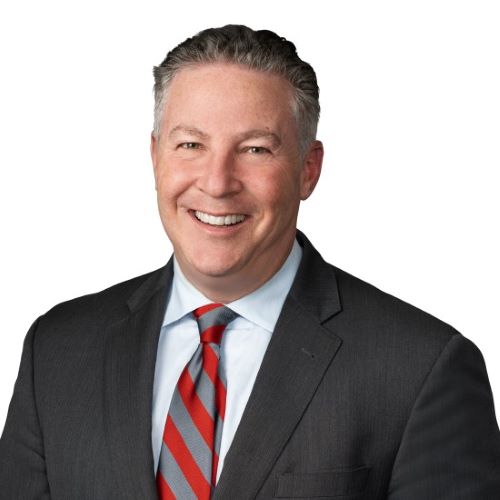
Scott I. Unger
is a shareholder and member of Stark & Stark PC's Litigation Group, where he concentrates his practice on litigation arising out of business and commercial disputes. He regularly counsels business owners on the prosecution and defense of minority oppression litigation (corporate divorces), breach of contract cases, uniform commercial code (U.C.C.) litigation, consumer fraud claims, appellate practice, employment, and estate litigation. Mr. Unger has extensive experience litigating cases in a variety of jurisdictions, including, New Jersey, New York, Pennsylvania, Ohio, Massachusetts, Texas, and Maryland. Recently, he authored chapters of an American Bar Association Treatise entitled "Business Divorce," specifically addressing the minority oppression cause of action and procedural limitations associated with asserting derivative claims. Mr. Unger earned his B.A. degree (magna cum laude; President's List; Dean's List; Golden Key National Honor Society, Member) from The Ohio State University; and his J.D. degree, (Zendell Scholarship for academic excellence and service to The Ohio State College of Law) from The Ohio State University Moritz College of Law. He is a member of the New Jersey Association for Justice, co-chair, Business Tort Committee; Pennsylvania Bar Association; New Jersey State Bar Association; Mercer County American Inn of Court; Bucks County Bar Association; American Bar Association, Business Divorce Subcommittee; and Mercer County Bar Association. Mr. Unger is admitted to practice in New Jersey, New York, Pennsylvania and Ohio; U.S. Court of Appeals Second and Third circuits; U.S. District Court, District of New Jersey, Southern, Eastern and Northern districts of New York; U.S. District Court, Eastern and Middle districts of Pennsylvania; U.S. District Court, Northern and Southern districts of Ohio; U.S. District Court, Central District of Illinois; and U.S. District Court, Eastern and Northern districts of Texas.
TOP FAQs
Have more questions? Please Contact Us