

Estate Planning Ethics: Conflicts of Interest When Representing Families
Credits Available
| Credit | Status | Total |
|---|---|---|
| California MCLE Paralegal |
|
1 Total |
| Alaska CLE |
|
1 Total |
| Alabama CLE |
|
1 Total |
| Arkansas CLE |
|
1 Total |
| Arizona CLE |
|
1 Total |
| California CLE |
|
1 Total |
| Colorado CLE |
|
1 Total |
| Connecticut CLE |
|
1 Total |
| Delaware CLE |
|
1 Total |
| Florida CLE |
|
1 Total |
| Georgia CLE |
|
1 Total |
| Hawaii CLE |
|
1 Total |
| Iowa CLE |
|
1 Total |
| Idaho CLE |
|
1 Total |
| Illinois CLE |
|
1 Total |
| Indiana CLE |
|
1 Total |
| Kansas CLE |
|
1 Total |
| Kentucky CLE |
|
1 Total |
| Louisiana CLE |
|
1 Total |
| Maine CLE |
|
1 Total |
| Minnesota CLE |
|
1 Total |
| Missouri CLE |
|
1.2 Total |
| Northern Mariana Islands CLE |
|
1 Total |
| Mississippi CLE |
|
1 Total |
| Montana CLE |
|
1 Total |
| North Carolina CLE |
|
1 Total |
| North Dakota CLE |
|
1 Total |
| Nebraska CLE |
|
1 Total |
| New Hampshire CLE |
|
1 Total |
| New Jersey CLE |
|
1.2 Total |
| New Mexico CLE |
|
1 Total |
| Nevada CLE |
|
1 Total |
| New York CLE |
|
1 Total |
| Ohio CLE |
|
1 Total |
| Oklahoma CLE |
|
1 Total |
| Oregon CLE |
|
1 Total |
| Pennsylvania CLE |
|
1 Total |
| Rhode Island CLE |
|
1 Total |
| South Carolina CLE |
|
1 Total |
| Tennessee CLE |
|
1 Total |
| Texas CLE |
|
1 Total |
| Utah CLE |
|
1 Total |
| Virginia CLE |
|
1 Total |
| Vermont CLE |
|
1 Total |
| Washington CLE |
|
1 Total |
| Wisconsin CLE |
|
1 Total |
| West Virginia CLE |
|
1.2 Total |
| Wyoming CLE |
|
1 Total |
| Delaware Certified Paralegal Program |
|
1 Total |
| Florida Registered Paralegal |
|
1 Total |
| Indiana Paralegal CLE |
|
1 Total |
| Montana CLE Credit for Paralegals |
|
1 Total |
| North Carolina Continuing Paralegal Education |
|
1 Total |
| New Mexico Paralegal Division, State Bar of |
|
1 Total |
| Ohio Certified Paralegals |
|
1 Total |
| NFPA |
|
0 Total |
| Texas State Bar of Paralegal Division |
|
1 Total |
Mon, Dec 28, 00:00 AM – 00:00 PM
Mon, Dec 28, 00:00 AM – 00:00 PM
Register For Course
Live Webinar Registration
OnDemand Recording
Course Book Download
Overview
One Family, One Attorney, One Set of Rules - And a Dozen Ways It Can Go Wrong
Estate planning attorneys routinely represent spouses, parents and children, business partners, and blended families, often without stopping to ask whether they should. When the goals align, joint representation is efficient and cost-effective. When they don't, it can become an ethical minefield. This course examines the conflicts of interest that arise most frequently in family estate planning engagements: identifying them at intake, managing communication when clients' interests diverge, and knowing when to withdraw. Examine rules of professional conduct through realistic planning scenarios - register today!
- Spot the conflict triggers estate planning attorneys most often miss, before they become bar complaints.
- Apply MRPC 1.7 and 1.9 to your most common joint representation scenarios: spouses, parent-child, blended families, and business co-owners.
- Draft engagement letters and consent disclosures that hold up when family dynamics shift.
- Recognize when withdrawal is required - and how to exit without making things worse.
Abbreviated Agenda
- How Conflict Risk Changes Across the Planning Lifecycle: Intake, Drafting, Execution, Administration
- Identifying Conflicts at Intake: Non-Disclosing Spouses, Unequal Gifts, Disinherited Children
- Informed Consent: What It Requires and What It Doesn't Excuse
- Joint and Successive Representation Scenarios in Practice
- When and How to Withdraw Representation
- Building an Ethics-Safe Family Representation Protocol
Can't Attend Live?

Get the OnDemand Instead
Watch the recording of this event on your own schedule. We'll notify you when its ready.
Credit Details
Credits Available
| Credit | Status | Total |
|---|---|---|
| California MCLE Paralegal |
|
1 Total |
| Alaska CLE |
|
1 Total |
| Alabama CLE |
|
1 Total |
| Arkansas CLE |
|
1 Total |
| Arizona CLE |
|
1 Total |
| California CLE |
|
1 Total |
| Colorado CLE |
|
1 Total |
| Connecticut CLE |
|
1 Total |
| Delaware CLE |
|
1 Total |
| Florida CLE |
|
1 Total |
| Georgia CLE |
|
1 Total |
| Hawaii CLE |
|
1 Total |
| Iowa CLE |
|
1 Total |
| Idaho CLE |
|
1 Total |
| Illinois CLE |
|
1 Total |
| Indiana CLE |
|
1 Total |
| Kansas CLE |
|
1 Total |
| Kentucky CLE |
|
1 Total |
| Louisiana CLE |
|
1 Total |
| Maine CLE |
|
1 Total |
| Minnesota CLE |
|
1 Total |
| Missouri CLE |
|
1.2 Total |
| Northern Mariana Islands CLE |
|
1 Total |
| Mississippi CLE |
|
1 Total |
| Montana CLE |
|
1 Total |
| North Carolina CLE |
|
1 Total |
| North Dakota CLE |
|
1 Total |
| Nebraska CLE |
|
1 Total |
| New Hampshire CLE |
|
1 Total |
| New Jersey CLE |
|
1.2 Total |
| New Mexico CLE |
|
1 Total |
| Nevada CLE |
|
1 Total |
| New York CLE |
|
1 Total |
| Ohio CLE |
|
1 Total |
| Oklahoma CLE |
|
1 Total |
| Oregon CLE |
|
1 Total |
| Pennsylvania CLE |
|
1 Total |
| Rhode Island CLE |
|
1 Total |
| South Carolina CLE |
|
1 Total |
| Tennessee CLE |
|
1 Total |
| Texas CLE |
|
1 Total |
| Utah CLE |
|
1 Total |
| Virginia CLE |
|
1 Total |
| Vermont CLE |
|
1 Total |
| Washington CLE |
|
1 Total |
| Wisconsin CLE |
|
1 Total |
| West Virginia CLE |
|
1.2 Total |
| Wyoming CLE |
|
1 Total |
| Delaware Certified Paralegal Program |
|
1 Total |
| Florida Registered Paralegal |
|
1 Total |
| Indiana Paralegal CLE |
|
1 Total |
| Montana CLE Credit for Paralegals |
|
1 Total |
| North Carolina Continuing Paralegal Education |
|
1 Total |
| New Mexico Paralegal Division, State Bar of |
|
1 Total |
| Ohio Certified Paralegals |
|
1 Total |
| NFPA |
|
0 Total |
| Texas State Bar of Paralegal Division |
|
1 Total |
Credit Details by Jurisdiction
Live Webinar Registration
CLE
Credits
Alaska CLE Reciprocity · 1 Total Credits
- 1 MECLE Ethics
Live - Alaska CLE - 1: Alaska Bar members may claim credit for attending CLE programs that have been accredited by other mandatory CLE jurisdictions. This program qualifies for 1.0 hours of credit, which includes 0.0 hours of MCLE credit and 1.0 hour of MECLE credit.
Alabama CLE Approved · 1 Total Credits
- 1 Ethics/Professionalism
Live - Alabama CLE - 1: This course or a portion thereof has been approved by the Alabama State Bar Mandatory Continuing Legal Education Commission for a maximum of 1.0 credit hours, including 1.0 ethics/professionalism credit.
Arkansas CLE Approved · 1 Total Credits
- 1 Ethics
Live - Arkansas CLE - 1: NBI, Inc. is an accredited sponsor in the state of Arkansas. This program is approved for 1.0 hours of continuing legal education credit, including 1.0 hour of ethics, consistent with the rules and regulations of the Arkansas Supreme Court of Professional Programs.
Arizona CLE Approved · 1 Total Credits
- 1 Professional Responsibility
Live - Arizona CLE - 1: The State Bar of Arizona does not approve or accredit CLE activities for the Mandatory Continuing Legal Education requirement. This activity qualifies for 1.0 hours toward your annual CLE requirement for the State of Arizona, including 1.0 hour of professional responsibility.
California CLE Approved · 1 Total Credits
- 1 Legal Ethics
Live - California CLE - 1: This activity has been approved for Minimum Continuing Legal Education credit by the State Bar of California in the amount of 1.0 hours, of which 1.0 hour will apply to legal ethics. NBI, Inc. certifies this activity conforms to the standards for approved education activities prescribed by the rules and regulations of the State Bar of California governing minimum continuing legal education. NBI, Inc. is a State Bar of California approved MCLE provider - #53.
Colorado CLE Approved · 1 Total Credits
- 1 Professional Responsibility
Live - Colorado CLE - 1: NBI, Inc. is a Certified Provider, as recognized by the Colorado Supreme Court Continuing Legal and Judicial Education Committee. This program has been accredited for 1.0 hours of General Colorado Continuing Legal Education Credit, including 1.0 professional responsibility credit.
Connecticut CLE Approved · 1 Total Credits
- 1 Ethics/Professionalism
Live - Connecticut CLE - 1: Neither the Connecticut Judicial Branch nor the Commission on Minimum Continuing Legal Education approve or accredit CLE providers or activities. It is the opinion of NBI, Inc. that this activity qualifies for 1.0 hours toward your annual CLE requirement in Connecticut, including 1.0 hour(s) of ethics/professionalism.
Delaware CLE Approved · 1 Total Credits
- 1 Ethics
Live - Delaware CLE - 1: NBI, Inc. is an accredited sponsor of the Delaware Commission on Continuing Legal Education and recommends this program for 1.0 hours of eCLE credit, including 1.0 hour of ethics.
Florida CLE Approved · 1 Total Credits
- 1 Professional Responsibility
- 1 Wills, Trusts and Estates
Live - Florida CLE - 1: Approved by The Florida Bar for a maximum of 1.0 general hours of CLER credit including 1.0 hour of professional responsibility (may include legal ethics, professionalism, substance abuse or mental illness and wellness programs). Certification: 1.0 - Wills, Trusts and Estates
Georgia CLE Approved · 1 Total Credits
- 1 Ethics
Live - Georgia CLE - 1: This program is approved by the Commission on Continuing Lawyer Competency of the State Bar of Georgia. This program qualifies for 1.0 hours of distance learning continuing legal education credit with the Georgia Commission on Continuing Lawyer Competency, which includes 1.0 hour of distance learning ethics.
Hawaii CLE Approved · 1 Total Credits
- 1 Ethics/Professional Responsibility
Live - Hawaii CLE - 1: NBI, Inc. is an Accredited Provider with the Hawaii State Board of Continuing Legal Education. This alternative format activity has been approved for 1.0 hours of credit for the state of Hawaii, which includes 1.0 hour of ethics or professional responsibility education.
Iowa CLE Approved · 1 Total Credits
- 1 Legal Ethics
Live - Iowa CLE - 1: "Estate Planning Ethics: Conflicts of Interest When Representing Families" is an accredited program under the regulations of the Iowa Supreme Court Commission on Continuing Legal Education. It is planned that this program will provide a maximum of 1.0 hours of regular credit toward the mandatory continuing legal education requirements under the Iowa rule, including 1.0 hour of legal ethics credit.
Idaho CLE Pending · 1 Total Credits
- 1 Legal Ethics/Professional Responsibility
Live - Idaho CLE - 1: This program has been submitted for continuing legal education credit in the state of Idaho.
Illinois CLE Approved · 1 Total Credits
- 1 Professional Responsibility
Live - Illinois CLE - 1: This program has been approved by the Illinois MCLE Board for 1.0 hours of CLE credit, which includes approval for 1.0 hour of legal ethics, civility, professionalism or sexual harassment prevention training CLE credit by the Illinois Supreme Court Commission on Professionalism.
Indiana CLE Approved · 1 Total Credits
- 1 Ethics
Live - Indiana CLE - 1: This course has been approved by the Indiana Supreme Court Office of Admissions & Continuing Education. Participating attorneys are eligible to receive 1.0 hours of distance education, which includes 1.0 hour of ethics.
Kansas CLE Approved · 1 Total Credits
- 1 Ethics/Professionalism
Live - Kansas CLE - 1: Approved by Kansas CLE for 1.0 hours of continuing legal education credit, which includes 1.0 hour of ethics and professionalism credit.
Kentucky CLE Approved · 1 Total Credits
- 1 Ethics
Live - Kentucky CLE - 1: This activity has been approved by the Kentucky Bar Association Continuing Legal Education Commission for a maximum of 1.0 credits, including 1.0 ethics credits.
Louisiana CLE Approved · 1 Total Credits
- 1 Ethics
- 1 Estate Planning and Administrative
Live - Louisiana CLE - 1: This course or a portion thereof has been approved by the Louisiana Mandatory Continuing Legal Education Committee of the Louisiana State Bar Association. This program qualifies for 1.0 hours (based on a 60-minute credit hour) of computer based credit, of which 1.0 hour will apply to computer based ethics credit. This course will apply toward the fulfillment of the newly admitted member requirement. This program is approved for 1.0 hours (based on a 60-minute credit hour) of credit by the Louisiana Specialization Board in the area of Estate Planning and Administration.
Maine CLE Approved · 1 Total Credits
- 1 Ethics
Live - Maine CLE - 1: This course has been approved by the State of Maine Board of Overseers of the Bar. Lawyers who complete this course shall receive 1.0 hours of CLE credit including 1.0 ethics hours.
Minnesota CLE Approved · 1 Total Credits
- 1 Ethics
Live - Minnesota CLE - 1: This course has been approved by the Minnesota Board of Continuing Legal Education for 1.0 hours of standard CLE credit, including 1.0 hour of ethics credit.
Missouri CLE Approved · 1.2 Total Credits
- 1.2 Ethics, Professionalism or Malpractice Prevention
Live - Missouri CLE - 1.2: NBI, Inc. is an accredited sponsor with Missouri Minimum Continuing Legal Education. This program qualifies for 1.20 hours of CLE credit, which includes 1.20 hour of ethics, professionalism or malpractice prevention credit.
Northern Mariana Islands CLE Approved · 1 Total Credits
Live - Northern Mariana Islands CLE - 1: This course has been approved by the Commonwealth of the Northern Mariana Islands. Lawyers who complete this course shall receive 1.0 hours of CLE credit.
Mississippi CLE Approved · 1 Total Credits
- 1 Ethics/Professionalism
Live - Mississippi CLE - 1: Upon course completion and credit request submittal, an application will be submitted to the Mississippi Commission on Continuing Legal Education.
Montana CLE Approved · 1 Total Credits
- 1 Professional Fitness and Integrity
Live - Montana CLE - 1: Approved for 1.0 hours of CLE credit by the Montana Commission of Continuing Legal Education, including 1.0 hour of professional fitness and integrity credit.
North Carolina CLE Approved · 1 Total Credits
- 1 Professional Responsibility
- 1 Estate Planning and Probate Law
Live - North Carolina CLE - 1: NBI, Inc. is an accredited sponsor with the North Carolina State Board of Continuing Legal Education. Attendance of this program will result in 1.0 hours of CLE credit, including 1.0 professional responsibility. This program qualifies for Estate Planning and Probate Law specialization certification credit.
North Dakota CLE Approved · 1 Total Credits
- 1 Ethics
Live - North Dakota CLE - 1: This program has been approved by the North Dakota Commission for Continuing Legal Education for 1.0 hours of CLE credit, or 1.0 hour of ethics credit.
Nebraska CLE Approved · 1 Total Credits
- 1 Professional Responsibility
Live - Nebraska CLE - 1: NBI, Inc. is an accredited CLE sponsor in the state of Nebraska. This activity has been approved for 1.0 distance learning CLE credits, including 1.0 hour of professional responsibility credit.
New Hampshire CLE Approved · 1 Total Credits
- 1 Ethics/Professionalism
Live - New Hampshire CLE - 1: NHMCLE does not approve or accredit CLE activities for the NH Minimum CLE requirement. NBI, Inc. believes this course meets the requirements of NH Supreme Court Rule 53 toward the annual NHMCLE requirement.
New Jersey CLE Approved · 1.2 Total Credits
- 1.2 Ethics/Professionalism
Live - New Jersey CLE - 1.2: This program has been approved by the Board on Continuing Legal Education of the Supreme Court of New Jersey for 1.20 hours of total CLE credit. Of these, 1.20 qualifies as hours of credit for ethics/professionalism.
New Mexico CLE Approved · 1 Total Credits
- 1 Ethics
Live - New Mexico CLE - 1: This program has been approved by the Board of Bar Commissioners of the State Bar of New Mexico for 1.0 hours of credit, including 1.0 hour of ethics.
Nevada CLE Approved · 1 Total Credits
- 1 Ethical Considerations
Live - Nevada CLE - 1: This course has been approved by the Nevada Board of Continuing Legal Education. This program qualifies for 1.0 hours of alternative format CLE credits by the Nevada Board of Continuing Legal Education, which includes 1.0 hour of alternative format ethical considerations.
New York CLE Approved · 1 Total Credits
- 1 Ethics/Professionalism
Live - New York CLE - 1: This course has been approved in accordance with the requirements of the New York State Continuing Legal Education Board for a maximum of 1.0 credit hours. 1.0 hour can be applied toward the Ethics/Professionalism requirement. This nontraditional format program is approved for newly admitted attorneys. NBI, Inc. offers a Financial Hardship Policy for qualifying individuals. To apply, please submit a request via email to our Tuition Discount Committee at customerservice@nbi-sems.com.
Ohio CLE Approved · 1 Total Credits
- 1 Professional Conduct
Live - Ohio CLE - 1: This course has been approved by the Supreme Court of Ohio Commission on Continuing Legal Education for 1.0 CLE credit hours, including 1.0 hour of attorney professional conduct instruction.
Oklahoma CLE Approved · 1 Total Credits
- 1 Legal Ethics
Live - Oklahoma CLE - 1: This course has been approved by the Oklahoma Bar Association Mandatory Continuing Legal Education Commission for 1.0 hours of CLE credit, which includes 1.0 hour of legal ethics.
Oregon CLE Approved · 1 Total Credits
- 1 Ethics
Live - Oregon CLE - 1: NBI, Inc. is an approved sponsor with the Oregon MCLE. This program is approved for 0.0 hours of general continuing legal education credit and 1.0 hour of ethics credit.
Pennsylvania CLE Approved · 1 Total Credits
- 1 Ethics
Live - Pennsylvania CLE - 1: This program has been approved by the Pennsylvania Continuing Legal Education Board for a total of 1.0 hours, including 0.0 hours of substantive law, practice and procedure CLE credit and 1.0 hour of ethics, professionalism or substance abuse CLE credit.
Rhode Island CLE Approved · 1 Total Credits
- 1 Legal Ethics
Live - Rhode Island CLE - 1: NBI is an accredited sponsor with the Rhode Island MCLE Commission. This program is approved for 1.0 hours of CLE credit in Rhode Island, including 1.0 of legal ethics.
South Carolina CLE Approved · 1 Total Credits
- 1 Legal Ethics/Professional Responsibility
Live - South Carolina CLE - 1: This course is accredited by the South Carolina Commission on Continuing Legal Education and Specialization for 1.0 alternatively delivered hours, of which 1.0 hour relates to legal ethics and professional responsibility.
Tennessee CLE Approved · 1 Total Credits
- 1 Ethics/Professionalism
Live - Tennessee CLE - 1: This course has been approved by the Tennessee Commission on Continuing Legal Education for a maximum of 1.0 hours of Distance Learning credit, including 1.0 hour of ethics/professionalism (EP) credit.
Texas CLE Approved · 1 Total Credits
- 1 Legal Ethics/Professional Responsibility
Live - Texas CLE - 1: This course is accredited for Minimum Continuing Legal Education credit by the State Bar of Texas Committee on MCLE in the amount of 1.0 credit hours, of which 1.0 credit hour will apply to legal ethics/professional responsibility credit. Hours in attendance at National Business Institute CLE seminars may be applied to the minimum Judicial Education requirement.
Utah CLE Approved · 1 Total Credits
- 1 Ethics
Live - Utah CLE - 1: National Business Institute is an approved "presumptive provider" with the Utah State Board of Continuing Legal Education. This program qualifies for a maximum of 1.0 hours of Live CLE credit for Utah attorneys, which includes 1.0 hour of ethics credit.
Virginia CLE Approved · 1 Total Credits
- 1 Ethics/Professionalism
Live - Virginia CLE - 1: This course has been approved by the Virginia Mandatory Continuing Legal Education Board for 1.0 hours of credit, of which 1.0 hour will also apply in the area of legal ethics or professionalism.
Vermont CLE Approved · 1 Total Credits
- 1 Ethics
Live - Vermont CLE - 1: This course has been approved by the Vermont Board of Mandatory Continuing Legal Education for 1.0 hours of credit, including 1.0 hour of ethics.
Washington CLE Approved · 1 Total Credits
- 1 Ethics/Professional Responsibility
Live - Washington CLE - 1: Approved for 1.0 hours of Washington continuing legal education credit, which includes 0.0 hours of Law and Legal Procedure and 1.0 hour of ethics and professional responsibility.
Wisconsin CLE Approved · 1 Total Credits
- 1 Ethics/Professional Responsibility
Live - Wisconsin CLE - 1: Approved for 1.0 hours of CLE credit by the Board of Bar Examiners, including 1.0 hour of ethics and professional responsibility (EPR) credit.
West Virginia CLE Approved · 1.2 Total Credits
- 1.2 Ethics
Live - West Virginia CLE - 1.2: This program qualifies for 1.20 hours of credit, which includes 1.20 hour of ethics, under the West Virginia Rules for Mandatory Continuing Legal Education.
Wyoming CLE Approved · 1 Total Credits
- 1 Ethics
Live - Wyoming CLE - 1: The Wyoming State Board of Continuing Legal Education has granted 1.0 hours of Continuing Legal Education Credit, including 1.0 hour of ethics.
Paralegal
Credits
California MCLE Paralegal Approved · 1 Total Credits
- 1 Ethics
Live - California MCLE Paralegal - 1: This program meets the California MCLE Paralegal requirement as specified in Business and Professions Code Section 6450(d).
Delaware Certified Paralegal Program Approved · 1 Total Credits
- 1 Ethics
Live - Delaware Certified Paralegal Program - 1: This course qualifies for 1.0 DCP CLE credit hours, including 1.0 DCP ethics credit hour, toward the eligibility requirements of the DPA Delaware Certified Paralegal Program.
Florida Registered Paralegal Approved · 1 Total Credits
- 1 Ethics
Live - Florida Registered Paralegal - 1: This course qualifies for 1.0 hours of continuing education for paralegals, including 1.0 hour of ethics, toward the eligibility requirements of the Florida Registered Paralegal Program. This course has been approved by NFPA.
Indiana Paralegal CLE Approved · 1 Total Credits
- 1 Ethics
Live - Indiana Paralegal CLE - 1: This course qualifies for 1.0 hours of continuing education, including 1.0 hour of ethics and satisfies the CLE requirement for Indiana State Bar Association Paralegal Members and Indiana Registered Paralegals (IRP).
Montana CLE Credit for Paralegals Approved · 1 Total Credits
- 1 Ethics
Live - Montana CLE Credit for Paralegals - 1: This course has been approved for 1.0 hours of CLE credit, including 1.0 hour of ethics, by the Montana Commission of Continuing Legal Education. The Montana Association of Legal Assistants (MALA) and the Paralegal Section of the State Bar of Montana will honor this credit approval.
North Carolina Continuing Paralegal Education Approved · 1 Total Credits
- 1 Professional Responsibility
Live - North Carolina Continuing Paralegal Education - 1: This program has been approved by the North Carolina State Bar Board of Paralegal Certification for continuing paralegal education credit in the amount of 1.0 hours, of which 1.0 hour will also apply in the area of professional responsibility. This course is not sponsored by the Board of Paralegal Certification.
New Mexico Paralegal Division, State Bar of Approved · 1 Total Credits
- 1 Ethics
Live - New Mexico Paralegal Division, State Bar of - 1: Approved by the Paralegal Division of the State Bar of New Mexico for 0.0 general and 1.0 ethics (for a total of 1.0 hours CLE).
Ohio Certified Paralegals Approved · 1 Total Credits
- 1 Ethics
Live - Ohio Certified Paralegals - 1: This course qualifies for 1.0 hours of continuing education for paralegals, including 1.0 hour of ethics, toward the eligibility requirements of the Ohio State Bar Association Paralegal Certification program.
NFPA Approved · 0 Total Credits
Live - NFPA - 0: NBI, Inc. is an NFPA-approved CLE provider. As such, members can claim credit for attending CLE programs that have been accredited by other mandatory CLE jurisdictions. The course duration is 60 minutes, which includes 60 minutes of ethics.
Texas State Bar of Paralegal Division Approved · 1 Total Credits
- 1 Ethics
Live - Texas State Bar of Paralegal Division - 1: This course qualifies for 1.0 CLE credit hours, including 1.0 ethics credit hour, toward the eligibility requirements of The Paralegal Division of the State Bar of Texas.
OnDemand Video
CLE
Credits
Alaska CLE Reciprocity · 1 Total Credits
- 1 MECLE Ethics
Earn Until
OnDemand - Alaska CLE - 1: Alaska Bar members may claim credit for attending CLE programs that have been accredited by other mandatory CLE jurisdictions. This program qualifies for 1.0 hours of credit, which includes 0.0 hours of MCLE credit and 1.0 hour of MECLE credit.
Video Download - Alaska CLE - 1: Alaska Bar members may claim credit for attending CLE programs that have been accredited by other mandatory CLE jurisdictions. This program qualifies for 1.0 hours of credit, which includes 0.0 hours of MCLE credit and 1.0 hour of MECLE credit.
Alabama CLE Approved · 1 Total Credits
- 1 Ethics/Professionalism
Earn Until
OnDemand - Alabama CLE - 1: This course or a portion thereof has been approved by the Alabama State Bar Mandatory Continuing Legal Education Commission for a maximum of 1.0 on-demand credit hours, including 1.0 ethics/professionalism credit.
Arkansas CLE Approved · 1 Total Credits
- 1 Ethics
Earn Until
OnDemand - Arkansas CLE - 1: NBI, Inc. is an accredited sponsor in the state of Arkansas. This program qualifies for 1.0 hours of on demand continuing legal education credit, including 1.0 hour of ethics, consistent with the rules and regulations of the Arkansas Supreme Court of Professional Programs.
Video Download - Arkansas CLE - 1: NBI, Inc. is an accredited sponsor in the state of Arkansas. This program qualifies for 1.0 hours of on demand continuing legal education credit, including 1.0 hour of ethics, consistent with the rules and regulations of the Arkansas Supreme Court of Professional Programs.
Arizona CLE Approved · 1 Total Credits
- 1 Professional Responsibility
Earn Until
OnDemand - Arizona CLE - 1: The State Bar of Arizona does not approve or accredit CLE activities for the Mandatory Continuing Legal Education requirement. This activity qualifies for 1.0 hours toward your annual CLE requirement for the State of Arizona, including 1.0 hour of professional responsibility.
Video Download - Arizona CLE - 1: The State Bar of Arizona does not approve or accredit CLE activities for the Mandatory Continuing Legal Education requirement. This activity qualifies for 1.0 hours toward your annual CLE requirement for the State of Arizona, including 1.0 hour of professional responsibility.
California CLE Approved · 1 Total Credits
- 1 Legal Ethics
Earn Until
OnDemand - California CLE - 1: This activity has been approved for Minimum Continuing Legal Education credit by the State Bar of California and qualifies for 1.0 hours of participatory credit, of which 1.0 hour will apply to legal ethics credit. NBI, Inc. certifies this activity conforms to the standards for approved education activities prescribed by the rules and regulations of the State Bar of California governing minimum continuing legal education. NBI, Inc. is a State Bar of California approved MCLE provider - #53.
Video Download - California CLE - 1: This activity has been approved for Minimum Continuing Legal Education credit by the State Bar of California and qualifies for 1.0 hours of self-study credit, of which 1.0 hour will apply to legal ethics credit. NBI, Inc. certifies this activity conforms to the standards for approved education activities prescribed by the rules and regulations of the State Bar of California governing minimum continuing legal education. NBI, Inc. is a State Bar of California approved MCLE provider - #53.
Colorado CLE Approved · 1 Total Credits
- 1 Professional Responsibility
Earn Until
OnDemand - Colorado CLE - 1: NBI, Inc. is a Certified Provider, as recognized by the Colorado Supreme Court Continuing Legal and Judicial Education Committee. This program qualifies for 1.0 hours of home study general Colorado Continuing Legal Education Credit, including 1.0 professional responsibility credit.
Video Download - Colorado CLE - 1: NBI, Inc. is a Certified Provider, as recognized by the Colorado Supreme Court Continuing Legal and Judicial Education Committee. This program qualifies for 1.0 hours of home study general Colorado Continuing Legal Education Credit, including 1.0 professional responsibility credit.
Connecticut CLE Approved · 1 Total Credits
- 1 Ethics/Professionalism
Earn Until
OnDemand - Connecticut CLE - 1: Neither the Connecticut Judicial Branch nor the Commission on Minimum Continuing Legal Education approve or accredit CLE providers or activities. It is the opinion of NBI, Inc. that this activity qualifies for 1.0 self-study hours toward your annual CLE requirement in Connecticut, including 1.0 self-study hour(s) of ethics/professionalism.
Video Download - Connecticut CLE - 1: Neither the Connecticut Judicial Branch nor the Commission on Minimum Continuing Legal Education approve or accredit CLE providers or activities. It is the opinion of NBI, Inc. that this activity qualifies for 1.0 self-study hours toward your annual CLE requirement in Connecticut, including 1.0 self-study hour(s) of ethics/professionalism.
Delaware CLE Approved · 1 Total Credits
- 1 Ethics
Earn Until
OnDemand - Delaware CLE - 1: NBI, Inc. is an accredited sponsor of the Delaware Commission on Continuing Legal Education and recommends this program for 1.0 hours of eCLE credit, including 1.0 hour of ethics.
Florida CLE Approved · 1 Total Credits
- 1 Professional Responsibility
- 1 Wills, Trusts and Estates
Earn Until
OnDemand - Florida CLE - 1: Approved by The Florida Bar, this program qualifies for 1.0 general hours of CLER self-study credit including 1.0 hour of self-study professional responsibility (may include legal ethics, professionalism, substance abuse or mental illness and wellness programs). Certification: 1.0 - Wills, Trusts and Estates
Video Download - Florida CLE - 1: Approved by The Florida Bar, this program qualifies for 1.0 general hours of CLER self-study credit including 1.0 hour of self-study professional responsibility (may include legal ethics, professionalism, substance abuse or mental illness and wellness programs). Certification: 1.0 - Wills, Trusts and Estates
Georgia CLE Approved · 1 Total Credits
- 1 Ethics
Earn Until
OnDemand - Georgia CLE - 1: This program is approved by the Commission on Continuing Lawyer Competency of the State Bar of Georgia. This program qualifies for 1.0 hours of distance learning continuing legal education credit with the Georgia Commission on Continuing Lawyer Competency, which includes 1.0 hour of distance learning ethics.
Video Download - Georgia CLE - 1: This program is approved by the Commission on Continuing Lawyer Competency of the State Bar of Georgia. This program qualifies for 1.0 hours of distance learning continuing legal education credit with the Georgia Commission on Continuing Lawyer Competency, which includes 1.0 hour of distance learning ethics.
Hawaii CLE Approved · 1 Total Credits
- 1 Ethics/Professional Responsibility
Earn Until
OnDemand - Hawaii CLE - 1: NBI, Inc. is an Accredited Provider with the Hawaii State Board of Continuing Legal Education. This alternative format activity has been approved for 1.0 hours of credit for the state of Hawaii, which includes 1.0 hour of ethics or professional responsibility education.
Video Download - Hawaii CLE - 1: NBI, Inc. is an Accredited Provider with the Hawaii State Board of Continuing Legal Education. This alternative format activity has been approved for 1.0 hours of credit for the state of Hawaii, which includes 1.0 hour of ethics or professional responsibility education.
Iowa CLE Approved · 1 Total Credits
- 1 Legal Ethics
Earn Until
OnDemand - Iowa CLE - 1: "Estate Planning Ethics: Conflicts of Interest When Representing Families" is an accredited program under the regulations of the Iowa Supreme Court Commission on Continuing Legal Education. It is planned that this program will provide a maximum of 1.0 hours of unmoderated activity credit toward the mandatory continuing legal education requirements under the Iowa rule, including 1.0 hour of legal ethics unmoderated activity credit.
Idaho CLE Pending · 1 Total Credits
- 1 Legal Ethics/Professional Responsibility
OnDemand - Idaho CLE - 1: This program has been submitted for continuing legal education credit in the state of Idaho.
Video Download - Idaho CLE - 1: This program has been submitted for continuing legal education credit in the state of Idaho.
Illinois CLE Approved · 1 Total Credits
- 1 Professional Responsibility
Earn Until
OnDemand - Illinois CLE - 1: This program has been approved by the Illinois MCLE Board for 1.0 hours of recorded technology CLE credit, which includes approval for 1.0 hour of legal ethics, civility, professionalism or sexual harassment prevention training CLE credit by the Illinois Supreme Court Commission on Professionalism.
Video Download - Illinois CLE - 1: This program has been approved by the Illinois MCLE Board for 1.0 hours of recorded technology CLE credit, which includes approval for 1.0 hour of legal ethics, civility, professionalism or sexual harassment prevention training CLE credit by the Illinois Supreme Court Commission on Professionalism.
Indiana CLE Approved · 1 Total Credits
- 1 Ethics
Earn Until
OnDemand - Indiana CLE - 1: This course has been approved by the Indiana Supreme Court Office of Admissions & Continuing Education. Participating attorneys are eligible to receive 1.0 hours of distance education, which includes 1.0 hour of ethics.
Kansas CLE Approved · 1 Total Credits
- 1 Ethics/Professionalism
Earn Until
OnDemand - Kansas CLE - 1: Approved by Kansas CLE for 1.0 hours of prerecorded format continuing legal education credit, which includes 1.0 hour of ethics and professionalism credit.
Video Download - Kansas CLE - 1: Approved by Kansas CLE for 1.0 hours of prerecorded format continuing legal education credit, which includes 1.0 hour of ethics and professionalism credit.
Kentucky CLE Approved · 1 Total Credits
- 1 Ethics
Earn Until
OnDemand - Kentucky CLE - 1: This program has been approved as a technological CLE activity by the Kentucky Bar Association Continuing Legal Education Commission and qualifies for 1.0 credits, including 1.0 ethics credits.
Video Download - Kentucky CLE - 1: This program has been approved as a technological CLE activity by the Kentucky Bar Association Continuing Legal Education Commission and qualifies for 1.0 credits, including 1.0 ethics credits.
Louisiana CLE Approved · 1 Total Credits
- 1 Ethics
- 1 Estate Planning and Administrative
Earn Until
OnDemand - Louisiana CLE - 1: This course or a portion thereof has been approved by the Louisiana Mandatory Continuing Legal Education Committee of the Louisiana State Bar Association. This program qualifies for 1.0 hours (based on a 60-minute credit hour) of computer based credit, of which 1.0 hour will apply to computer-based ethics credit. This course will apply toward the fulfillment of the newly admitted member requirement. This program is approved for 1.0 hours (based on a 60-minute credit hour) of credit by the Louisiana Specialization Board in the area of Estate Planning and Administration.
Maine CLE Approved · 1 Total Credits
Earn Until
OnDemand - Maine CLE - 1: This course has been approved by the State of Maine Board of Overseers of the Bar. Lawyers who complete this course will receive 1.0 hours of self-study CLE credit.
Video Download - Maine CLE - 1: This course has been approved by the State of Maine Board of Overseers of the Bar. Lawyers who complete this course will receive 1.0 hours of self-study CLE credit.
Minnesota CLE Approved · 1 Total Credits
- 1 Ethics
Earn Until
OnDemand - Minnesota CLE - 1: Approved for 1.0 hours of standard on-demand CLE credit, including 1.0 hour of ethics credit by the Minnesota Board of Continuing Legal Education.
Video Download - Minnesota CLE - 1: Approved for 1.0 hours of standard on-demand CLE credit, including 1.0 hour of ethics credit by the Minnesota Board of Continuing Legal Education.
Missouri CLE Approved · 1.2 Total Credits
Earn Until
OnDemand - Missouri CLE - 1.2: NBI, Inc. is an accredited sponsor with Missouri Minimum Continuing Legal Education. This program qualifies for 1.20 self-study CLE credit hours.
Video Download - Missouri CLE - 1.2: NBI, Inc. is an accredited sponsor with Missouri Minimum Continuing Legal Education. This program qualifies for 1.20 self-study CLE credit hours.
Northern Mariana Islands CLE Approved · 1 Total Credits
Earn Until
OnDemand - Northern Mariana Islands CLE - 1: This course has been approved by the Commonwealth of the Northern Mariana Islands. Lawyers who complete this course shall receive 1.0 hours of self-study CLE credit.
Video Download - Northern Mariana Islands CLE - 1: This course has been approved by the Commonwealth of the Northern Mariana Islands. Lawyers who complete this course shall receive 1.0 hours of self-study CLE credit.
Mississippi CLE Approved · 1 Total Credits
- 1 Ethics/Professionalism
Earn Until
OnDemand - Mississippi CLE - 1: Upon course completion and credit request submittal, an application will be submitted to the Mississippi Commission on Continuing Legal Education.
Montana CLE Approved · 1 Total Credits
- 1 Professional Fitness and Integrity
Earn Until
OnDemand - Montana CLE - 1: This program qualifies for 1.0 hours of self-study CLE credit by the Montana Commission of Continuing Legal Education, including 1.0 hour of professional fitness and integrity credit.
Video Download - Montana CLE - 1: This program qualifies for 1.0 hours of self-study CLE credit by the Montana Commission of Continuing Legal Education, including 1.0 hour of professional fitness and integrity credit.
North Carolina CLE Approved · 1 Total Credits
- 1 Professional Responsibility
- 1 Estate Planning and Probate Law
Earn Until
OnDemand - North Carolina CLE - 1: NBI, Inc. is an accredited sponsor with the North Carolina State Board of Continuing Legal Education. Attendance of this program qualifies for 1.0 hours of online CLE credit, including 1.0 professional responsibility. This program qualifies for Estate Planning and Probate Law specialization certification credit.
Video Download - North Carolina CLE - 1: NBI, Inc. is an accredited sponsor with the North Carolina State Board of Continuing Legal Education. Attendance of this program qualifies for 1.0 hours of online CLE credit, including 1.0 professional responsibility. This program qualifies for Estate Planning and Probate Law specialization certification credit.
North Dakota CLE Approved · 1 Total Credits
- 1 Ethics
Earn Until
OnDemand - North Dakota CLE - 1: North Dakota attorneys completing this program may claim 1.0 North Dakota self-study CLE credit hours, or 1.0 hour of self-study ethics credit, on the Report of Compliance.
Video Download - North Dakota CLE - 1: North Dakota attorneys completing this program may claim 1.0 North Dakota self-study CLE credit hours, or 1.0 hour of self-study ethics credit, on the Report of Compliance.
Nebraska CLE Approved · 1 Total Credits
- 1 Professional Responsibility
Earn Until
OnDemand - Nebraska CLE - 1: NBI, Inc. is an accredited CLE sponsor in the state of Nebraska. This activity has been approved for 1.0 distance learning CLE credits, including 1.0 hour of professional responsibility credit.
Video Download - Nebraska CLE - 1: NBI, Inc. is an accredited CLE sponsor in the state of Nebraska. This activity has been approved for 1.0 distance learning CLE credits, including 1.0 hour of professional responsibility credit.
New Hampshire CLE Approved · 1 Total Credits
- 1 Ethics/Professionalism
Earn Until
OnDemand - New Hampshire CLE - 1: NHMCLE does not approve or accredit CLE activities for the NH Minimum CLE requirement. NBI, Inc. believes this course meets the requirements of NH Supreme Court Rule 53 toward the annual NHMCLE requirement.
Video Download - New Hampshire CLE - 1: NHMCLE does not approve or accredit CLE activities for the NH Minimum CLE requirement. NBI, Inc. believes this course meets the requirements of NH Supreme Court Rule 53 toward the annual NHMCLE requirement.
New Jersey CLE Approved · 1.2 Total Credits
- 1.2 Ethics/Professionalism
Earn Until
OnDemand - New Jersey CLE - 1.2: This program has been approved by the Board on Continuing Legal Education of the Supreme Court of New Jersey for 1.20 hours of alternative format CLE credit. Of these, 1.20 qualifies as hours of alternative learning format credit for ethics/professionalism.
Video Download - New Jersey CLE - 1.2: This program has been approved by the Board on Continuing Legal Education of the Supreme Court of New Jersey for 1.20 hours of alternative format CLE credit. Of these, 1.20 qualifies as hours of alternative learning format credit for ethics/professionalism.
New Mexico CLE Approved · 1 Total Credits
- 1 Ethics
Earn Until
OnDemand - New Mexico CLE - 1: This program has been approved by the Board of Bar Commissioners of the State Bar of New Mexico. This program qualifies for 1.0 hours of self-study credit, including 1.0 hour of self-study ethics credit.
Video Download - New Mexico CLE - 1: This program has been approved by the Board of Bar Commissioners of the State Bar of New Mexico. This program qualifies for 1.0 hours of self-study credit, including 1.0 hour of self-study ethics credit.
Nevada CLE Approved · 1 Total Credits
- 1 Ethical Considerations
Earn Until
OnDemand - Nevada CLE - 1: This course has been approved by the Nevada Board of Continuing Legal Education. This program qualifies for 1.0 hours of alternative format CLE credits by the Nevada Board of Continuing Legal Education, which includes 1.0 hour of alternative format ethical considerations.
Video Download - Nevada CLE - 1: This course has been approved by the Nevada Board of Continuing Legal Education. This program qualifies for 1.0 hours of alternative format CLE credits by the Nevada Board of Continuing Legal Education, which includes 1.0 hour of alternative format ethical considerations.
New York CLE Approved · 1 Total Credits
- 1 Ethics/Professionalism
Earn Until
OnDemand - New York CLE - 1: This nontraditional format course has been approved in accordance with the requirements of the New York State Continuing Legal Education Board for up to 1.0 credit hours. 1.0 hour can be applied toward the Ethics/Professionalism requirement and is approved for experienced attorneys. NBI, Inc. offers a Financial Hardship Policy for qualifying individuals. To apply, please submit a request via email to our Tuition Discount Committee at customerservice@nbi-sems.com.
Video Download - New York CLE - 1: This nontraditional format course has been approved in accordance with the requirements of the New York State Continuing Legal Education Board for up to 1.0 credit hours. 1.0 hour can be applied toward the Ethics/Professionalism requirement and is approved for experienced attorneys. NBI, Inc. offers a Financial Hardship Policy for qualifying individuals. To apply, please submit a request via email to our Tuition Discount Committee at customerservice@nbi-sems.com.
Ohio CLE Approved · 1 Total Credits
- 1 Professional Conduct
Earn Until
OnDemand - Ohio CLE - 1: This course has been approved by the Supreme Court of Ohio Commission on Continuing Legal Education for 1.0 CLE credit hours, including 1.0 hour of attorney professional conduct instruction.
Video Download - Ohio CLE - 1: This course has been approved by the Supreme Court of Ohio Commission on Continuing Legal Education for 1.0 CLE credit hours, including 1.0 hour of attorney professional conduct instruction.
Oklahoma CLE Approved · 1 Total Credits
- 1 Legal Ethics
Earn Until
OnDemand - Oklahoma CLE - 1: This course has been approved by the Oklahoma Bar Association Mandatory Continuing Legal Education Commission. This program qualifies for 1.0 of On Demand CLE credit hours, which includes 1.0 hour of legal ethics.
Video Download - Oklahoma CLE - 1: This course has been approved by the Oklahoma Bar Association Mandatory Continuing Legal Education Commission. This program qualifies for 1.0 of On Demand CLE credit hours, which includes 1.0 hour of legal ethics.
Oregon CLE Approved · 1 Total Credits
- 1 Ethics
Earn Until
OnDemand - Oregon CLE - 1: NBI, Inc. is an approved sponsor with the Oregon MCLE. This program qualifies for 0.0 hours of general continuing legal education credit and 1.0 hour of ethics credit.
Video Download - Oregon CLE - 1: NBI, Inc. is an approved sponsor with the Oregon MCLE. This program qualifies for 0.0 hours of general continuing legal education credit and 1.0 hour of ethics credit.
Pennsylvania CLE Approved · 1 Total Credits
- 1 Ethics
Earn Until
OnDemand - Pennsylvania CLE - 1: This program has been approved by the Pennsylvania Continuing Legal Education Board. This program qualifies for 1.0 hours of distance learning credit, including 0.0 hours of substantive law, practice and procedure CLE credit and 1.0 hour of ethics, professionalism or substance abuse distance learning CLE credit.
Video Download - Pennsylvania CLE - 1: This program has been approved by the Pennsylvania Continuing Legal Education Board. This program qualifies for 1.0 hours of distance learning credit, including 0.0 hours of substantive law, practice and procedure CLE credit and 1.0 hour of ethics, professionalism or substance abuse distance learning CLE credit.
Rhode Island CLE Approved · 1 Total Credits
- 1 Legal Ethics
Earn Until
OnDemand - Rhode Island CLE - 1: NBI is an accredited sponsor with the Rhode Island MCLE Commission. This program is approved for 1.0 hours of CLE video replay credit in Rhode Island, including 1.0 of legal ethics.
Video Download - Rhode Island CLE - 1: NBI is an accredited sponsor with the Rhode Island MCLE Commission. This program is approved for 1.0 hours of CLE video replay credit in Rhode Island, including 1.0 of legal ethics.
South Carolina CLE Approved · 1 Total Credits
- 1 Legal Ethics/Professional Responsibility
Earn Until
OnDemand - South Carolina CLE - 1: This course is accredited by the South Carolina Commission on Continuing Legal Education and Specialization for 1.0 alternatively delivered hours, of which 1.0 hour relates to legal ethics and professional responsibility.
Video Download - South Carolina CLE - 1: This course is accredited by the South Carolina Commission on Continuing Legal Education and Specialization for 1.0 alternatively delivered hours, of which 1.0 hour relates to legal ethics and professional responsibility.
Tennessee CLE Approved · 1 Total Credits
- 1 Ethics/Professionalism
Earn Until
OnDemand - Tennessee CLE - 1: This course has been approved by the Tennessee Commission on Continuing Legal Education for a maximum of 1.0 hours of Distance Learning credit, including 1.0 hour of ethics/professionalism (EP) credit.
Texas CLE Approved · 1 Total Credits
- 1 Legal Ethics/Professional Responsibility
Earn Until
OnDemand - Texas CLE - 1: This course is accredited for Minimum Continuing Legal Education credit by the State Bar of Texas Committee on MCLE in the amount of 1.0 credit hours, of which 1.0 credit hour will apply to legal ethics/professional responsibility credit. Hours in attendance at National Business Institute CLE seminars may be applied to the minimum Judicial Education requirement.
Video Download - Texas CLE - 1: This course is accredited for Minimum Continuing Legal Education credit by the State Bar of Texas Committee on MCLE in the amount of 1.0 credit hours, of which 1.0 credit hour will apply to legal ethics/professional responsibility credit. Hours in attendance at National Business Institute CLE seminars may be applied to the minimum Judicial Education requirement.
Utah CLE Approved · 1 Total Credits
- 1 Ethics
Earn Until
OnDemand - Utah CLE - 1: National Business Institute is an approved "presumptive provider" with the Utah State Board of Continuing Legal Education. This program qualifies for 1.0 hours of self-study CLE credit for Utah attorneys, which includes 1.0 hour of ethics credit.
Video Download - Utah CLE - 1: National Business Institute is an approved "presumptive provider" with the Utah State Board of Continuing Legal Education. This program qualifies for 1.0 hours of self-study CLE credit for Utah attorneys, which includes 1.0 hour of ethics credit.
Vermont CLE Approved · 1 Total Credits
- 1 Ethics
Earn Until
OnDemand - Vermont CLE - 1: This course has been approved by the Vermont Board of Mandatory Continuing Legal Education. This program qualifies for 1.0 hours of self-study credit, including 1.0 hour of self-study ethics credit.
Video Download - Vermont CLE - 1: This course has been approved by the Vermont Board of Mandatory Continuing Legal Education. This program qualifies for 1.0 hours of self-study credit, including 1.0 hour of self-study ethics credit.
Washington CLE Approved · 0 Total Credits
OnDemand - Washington CLE - 0: This content has been approved for Washington Continuing Legal Education credit. Credit hours will be awarded based on the actual run time.
Video Download - Washington CLE - 0: This content has been approved for Washington Continuing Legal Education credit. Credit hours will be awarded based on the actual run time.
Wisconsin CLE Approved · 1 Total Credits
Earn Until
OnDemand - Wisconsin CLE - 1: Approved for 1.0 hours of repeated on-demand CLE credit by the Board of Bar Examiners.
Video Download - Wisconsin CLE - 1: Approved for 1.0 hours of repeated on-demand CLE credit by the Board of Bar Examiners.
West Virginia CLE Approved · 1.2 Total Credits
- 1.2 Ethics
Earn Until
OnDemand - West Virginia CLE - 1.2: This program qualifies for 1.20 hours of pre-recorded credit, which includes 1.20 hour of pre-recorded ethics credit, under the West Virginia Rules for Mandatory Continuing Legal Education.
Video Download - West Virginia CLE - 1.2: This program qualifies for 1.20 hours of pre-recorded credit, which includes 1.20 hour of pre-recorded ethics credit, under the West Virginia Rules for Mandatory Continuing Legal Education.
Wyoming CLE Approved · 1 Total Credits
- 1 Ethics
Earn Until
OnDemand - Wyoming CLE - 1: The Wyoming State Board of Continuing Legal Education has granted 1.0 hours of Continuing Legal Education Credit, including 1.0 hour of ethics.
Video Download - Wyoming CLE - 1: The Wyoming State Board of Continuing Legal Education has granted 1.0 hours of Continuing Legal Education Credit, including 1.0 hour of ethics.
Paralegal
Credits
California MCLE Paralegal Approved · 1 Total Credits
- 1 Ethics
Earn Until
OnDemand - California MCLE Paralegal - 1: This program meets the California MCLE Paralegal requirement as specified in Business and Professions Code Section 6450(d).
Video Download - California MCLE Paralegal - 1: This program meets the California MCLE Paralegal requirement as specified in Business and Professions Code Section 6450(d).
Delaware Certified Paralegal Program Approved · 1 Total Credits
- 1 Ethics
Earn Until
OnDemand - Delaware Certified Paralegal Program - 1: This course qualifies for 1.0 DCP CLE credit hours, including 1.0 DCP ethics credit hour, toward the eligibility requirements of the DPA Delaware Certified Paralegal Program.
Video Download - Delaware Certified Paralegal Program - 1: This course qualifies for 1.0 DCP CLE credit hours, including 1.0 DCP ethics credit hour, toward the eligibility requirements of the DPA Delaware Certified Paralegal Program.
Florida Registered Paralegal Approved · 1 Total Credits
- 1 Ethics
Earn Until
OnDemand - Florida Registered Paralegal - 1: This course qualifies for 1.0 hours of self-study continuing education for paralegals, including 1.0 hour of self-study ethics credit, toward the eligibility requirements of the Florida Registered Paralegal Program. This course has been approved by NFPA.
Video Download - Florida Registered Paralegal - 1: This course qualifies for 1.0 hours of self-study continuing education for paralegals, including 1.0 hour of self-study ethics credit, toward the eligibility requirements of the Florida Registered Paralegal Program. This course has been approved by NFPA.
Indiana Paralegal CLE Approved · 1 Total Credits
- 1 Ethics
Earn Until
OnDemand - Indiana Paralegal CLE - 1: This course qualifies for 1.0 hours of distancing learning continuing education, including 1.0 hour of ethics and satisfies the CLE requirement for Indiana State Bar Association Paralegal Members and Indiana Registered Paralegals (IRP).
Video Download - Indiana Paralegal CLE - 1: This course qualifies for 1.0 hours of distancing learning continuing education, including 1.0 hour of ethics and satisfies the CLE requirement for Indiana State Bar Association Paralegal Members and Indiana Registered Paralegals (IRP).
Montana CLE Credit for Paralegals Approved · 1 Total Credits
- 1 Ethics
Earn Until
OnDemand - Montana CLE Credit for Paralegals - 1: This course has been approved for 1.0 hours of self-study CLE credit, including 1.0 hour of ethics, by Montana Commission of Continuing Legal Education. The Montana Association of Legal Assistants (MALA) and the Paralegal Section of the State Bar of Montana will honor this credit approval.
Video Download - Montana CLE Credit for Paralegals - 1: This course has been approved for 1.0 hours of self-study CLE credit, including 1.0 hour of ethics, by Montana Commission of Continuing Legal Education. The Montana Association of Legal Assistants (MALA) and the Paralegal Section of the State Bar of Montana will honor this credit approval.
North Carolina Continuing Paralegal Education Approved · 1 Total Credits
- 1 Professional Responsibility
Earn Until
OnDemand - North Carolina Continuing Paralegal Education - 1: This program has been approved by the North Carolina State Bar Board of Paralegal Certification for computer-based continuing paralegal education credit in the amount of 1.0 hours, of which 1.0 hour will also apply in the area of professional responsibility. This course is not sponsored by the Board of Paralegal Certification.
New Mexico Paralegal Division, State Bar of Approved · 1 Total Credits
- 1 Ethics
Earn Until
OnDemand - New Mexico Paralegal Division, State Bar of - 1: Approved by the Paralegal Division of the State Bar of New Mexico for 0.0 general self-study credit and 1.0 ethics self-study credit (for a total of 1.0 hours CLE).
Video Download - New Mexico Paralegal Division, State Bar of - 1: Approved by the Paralegal Division of the State Bar of New Mexico for 0.0 general self-study credit and 1.0 ethics self-study credit (for a total of 1.0 hours CLE).
Ohio Certified Paralegals Approved · 1 Total Credits
- 1 Ethics
Earn Until
OnDemand - Ohio Certified Paralegals - 1: This course qualifies for 1.0 hours of self-study continuing education for paralegals, including 1.0 hour of ethics, toward the eligibility requirements of the Ohio State Bar Association Paralegal Certification program.
Video Download - Ohio Certified Paralegals - 1: This course qualifies for 1.0 hours of self-study continuing education for paralegals, including 1.0 hour of ethics, toward the eligibility requirements of the Ohio State Bar Association Paralegal Certification program.
NFPA Approved · 0 Total Credits
Earn Until
OnDemand - NFPA - 0: NBI, Inc. is an NFPA-approved CLE provider. As such, members can claim credit for attending CLE programs that have been accredited by other mandatory CLE jurisdictions. The course duration is 60 minutes, which includes 60 minutes of ethics.
Video Download - NFPA - 0: NBI, Inc. is an NFPA-approved CLE provider. As such, members can claim credit for attending CLE programs that have been accredited by other mandatory CLE jurisdictions. The course duration is 60 minutes, which includes 60 minutes of ethics.
Texas State Bar of Paralegal Division Approved · 1 Total Credits
- 1 Ethics
Earn Until
OnDemand - Texas State Bar of Paralegal Division - 1: This course qualifies for 1.0 self-study CLE credit hours, including 1.0 ethics credit hour, toward the eligibility requirements of The Paralegal Division of the State Bar of Texas.
Video Download - Texas State Bar of Paralegal Division - 1: This course qualifies for 1.0 self-study CLE credit hours, including 1.0 ethics credit hour, toward the eligibility requirements of The Paralegal Division of the State Bar of Texas.
Select Jurisdiction
CLE
Paralegal
Agenda
-
Estate Planning Ethics: Conflicts of Interest When Representing Families
- How Conflict Risk Changes Across the Planning Lifecycle: Intake, Drafting, Execution, Administration
- Identifying Conflicts at Intake: Non-Disclosing Spouses, Unequal Gifts, Disinherited Children
- Informed Consent: What It Requires and What It Doesn't Excuse
- Joint and Successive Representation Scenarios in Practice
- When and How to Withdraw Representation
- Building an Ethics-Safe Family Representation Protocol
Who Should Attend
This legal ethics guide is designed for attorneys. Paralegals may also benefit.
Speakers
Speaker bio
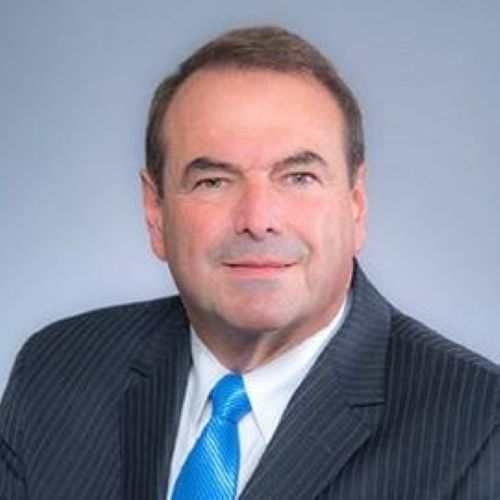
Stephen E. Diamond
is a solo practitioner at Stephen E. Diamond LLC with 40 years of experience. He has relocated to Daytona Beach Florida and continues to provide consulting services to New York attorneys in the areas of estate and elder law planning. Mr. Diamond earned his J.D. degree from Pepperdine University and his LL.M. degree in taxation from the University of Florida Gainesville. He is admitted to practice in New York, Florida, and Massachusetts. Mr. Diamond is a past chairman of and prior legal counsel to the Dutchess County Regional Chamber of Commerce, and Habitat for Humanity of Dutchess County. In 2023, he was awarded the New York State Bar Association Root Stimson Award, given annually to one attorney each year in recognition for outstanding commitment to community service and improvement of the justice system. Mr. Diamond served in the Arlington Fire District for 19 years and his last 5 as Assistant Chief. He has served as a Judge in the Town of Union Vale from 2022- 2025.
TOP FAQs
Have more questions? Please Contact Us