

Crimes of the Century CLE: The Lindsay Clancy Trial - Investigation, Trial Strategy, Forensics, and Ethics
Credits Available
| Credit | Status | Total | Until |
|---|---|---|---|
| Alaska CLE |
|
3 Total | 10-13-2028 |
| Alabama CLE |
|
3 Total | 12-31-2026 |
| Arkansas CLE |
|
3 Total | 06-30-2027 |
| Arizona CLE |
|
3 Total | 10-13-2028 |
| California CLE |
|
3 Total | 10-13-2028 |
| Colorado CLE |
|
4 Total | 12-31-2028 |
| Connecticut CLE |
|
3 Total | 10-13-2028 |
| Delaware CLE |
|
3 Total | 10-13-2028 |
| Florida CLE |
|
3.5 Total | 04-30-2028 |
| Georgia CLE |
|
3 Total | 12-31-2027 |
| Hawaii CLE |
|
3 Total | 10-13-2028 |
| Iowa CLE |
|
3 Total | 10-13-2027 |
| Idaho CLE |
|
3 Total | |
| Illinois CLE |
|
3 Total | 10-11-2028 |
| Indiana CLE |
|
3 Total | 10-13-2027 |
| Kansas CLE |
|
3.5 Total | 10-12-2027 |
| Kentucky CLE |
|
3 Total | 06-30-2027 |
| Louisiana CLE |
|
3 Total | 10-13-2027 |
| Maine CLE |
|
3 Total | 10-11-2028 |
| Minnesota CLE |
|
3 Total | 10-13-2028 |
| Missouri CLE |
|
3.6 Total | 10-13-2028 |
| Northern Mariana Islands CLE |
|
3 Total | 10-13-2028 |
| Mississippi CLE |
|
3 Total | 07-31-2027 |
| Montana CLE |
|
3 Total | 10-13-2029 |
| North Carolina CLE |
|
3 Total | 02-28-2027 |
| North Dakota CLE |
|
3 Total | 10-13-2029 |
| Nebraska CLE |
|
3 Total | 10-13-2028 |
| New Hampshire CLE |
|
3 Total | 10-13-2029 |
| New Jersey CLE |
|
3.6 Total | 09-08-2027 |
| New Mexico CLE |
|
3 Total | 10-13-2028 |
| Nevada CLE |
|
3 Total | 10-13-2029 |
| New York CLE |
|
3.5 Total | 10-13-2029 |
| Ohio CLE |
|
3 Total | 12-31-2026 |
| Oklahoma CLE |
|
3.5 Total | 10-13-2028 |
| Oregon CLE |
|
3 Total | 10-13-2029 |
| Pennsylvania CLE |
|
3 Total | 10-13-2028 |
| Rhode Island CLE |
|
3.5 Total | 06-30-2027 |
| South Carolina CLE |
|
3 Total | 12-31-2026 |
| Tennessee CLE |
|
3 Total | 10-12-2028 |
| Texas CLE |
|
3 Total | 09-30-2027 |
| Utah CLE |
|
3 Total | 12-31-2027 |
| Virginia CLE |
|
3 Total | 10-31-2026 |
| Vermont CLE |
|
3 Total | 10-13-2028 |
| Washington CLE |
|
3 Total | 10-12-2031 |
| Wisconsin CLE |
|
3.5 Total | 12-31-2027 |
| West Virginia CLE |
|
3.6 Total | 10-13-2029 |
| Wyoming CLE |
|
3 Total | 09-08-2027 |
Buy This Course
OnDemand Video
Course Book Download
Overview
When the Trial Isn't About What Happened, But Why
On a January evening in 2023, inside a quiet home on Summer Street in Duxbury, Massachusetts, a young mother did the unthinkable—and then tried to end her own life by leaping from a second-story window. Lindsay Clancy survived the fall, but the injuries left her paralyzed from the waist down. Her three children—Cora, 5, Dawson, 3, and baby Callan, just 8 months old—did not survive. What followed was not a whodunit, but something arguably more unsettling: a case where the facts of what happened were never seriously in dispute, and everything hinged on the question of why. Was this a calculated act, or a mind shattered by an illness few fully understand?
By the time Clancy's trial opened in Plymouth Superior Court in July 2026, the case had already become a flashpoint in the national conversation around postpartum mental illness. Her defense leaned entirely into an insanity plea, calling psychiatric experts to testify that she was in the grip of postpartum psychosis—an exceedingly rare but well-documented condition—at the moment she acted. Prosecutors countered with their own battery of mental health experts, arguing she knew exactly what she was doing. Add to that a legal skirmish over a journalist's notes from an interview with Clancy's husband, and a jury deadlocked after days of deliberation —and you have a trial that plays out less like a courtroom drama and more like a real-time referendum on where the line between illness and culpability actually sits.
This class dissects the Lindsay Clancy case as a masterclass in trying an insanity defense: how attorneys wage a battle of dueling experts, how they humanize—or fail to humanize—a client accused of the unthinkable, and how they navigate a media environment hungry for a verdict before the jury has one. We'll walk through the trial strategy on both sides, the ethical tightropes counsel had to walk, and the practice lessons litigators can take into their own high-stakes, high-scrutiny cases. Register today!
This program is designed in conjunction with attorney Joel Oster, Comedian of Law and True Crime Podcaster.
Abbreviated Agenda
- The Charges and Procedural Posture
- Facts and Investigation
- Pretrial Suppression, Admissibility, and Constitutional Issues
- Opening Statements and the Competing Theories
- Key Witnesses and Forensic Evidence
- Trial Turning Points and Rebuttal
- Ethics Issues Surfaced Throughout the Case
Credit Details
Credits Available
| Credit | Status | Total | Until |
|---|---|---|---|
| Alaska CLE |
|
3 Total | 10-13-2028 |
| Alabama CLE |
|
3 Total | 12-31-2026 |
| Arkansas CLE |
|
3 Total | 06-30-2027 |
| Arizona CLE |
|
3 Total | 10-13-2028 |
| California CLE |
|
3 Total | 10-13-2028 |
| Colorado CLE |
|
4 Total | 12-31-2028 |
| Connecticut CLE |
|
3 Total | 10-13-2028 |
| Delaware CLE |
|
3 Total | 10-13-2028 |
| Florida CLE |
|
3.5 Total | 04-30-2028 |
| Georgia CLE |
|
3 Total | 12-31-2027 |
| Hawaii CLE |
|
3 Total | 10-13-2028 |
| Iowa CLE |
|
3 Total | 10-13-2027 |
| Idaho CLE |
|
3 Total | |
| Illinois CLE |
|
3 Total | 10-11-2028 |
| Indiana CLE |
|
3 Total | 10-13-2027 |
| Kansas CLE |
|
3.5 Total | 10-12-2027 |
| Kentucky CLE |
|
3 Total | 06-30-2027 |
| Louisiana CLE |
|
3 Total | 10-13-2027 |
| Maine CLE |
|
3 Total | 10-11-2028 |
| Minnesota CLE |
|
3 Total | 10-13-2028 |
| Missouri CLE |
|
3.6 Total | 10-13-2028 |
| Northern Mariana Islands CLE |
|
3 Total | 10-13-2028 |
| Mississippi CLE |
|
3 Total | 07-31-2027 |
| Montana CLE |
|
3 Total | 10-13-2029 |
| North Carolina CLE |
|
3 Total | 02-28-2027 |
| North Dakota CLE |
|
3 Total | 10-13-2029 |
| Nebraska CLE |
|
3 Total | 10-13-2028 |
| New Hampshire CLE |
|
3 Total | 10-13-2029 |
| New Jersey CLE |
|
3.6 Total | 09-08-2027 |
| New Mexico CLE |
|
3 Total | 10-13-2028 |
| Nevada CLE |
|
3 Total | 10-13-2029 |
| New York CLE |
|
3.5 Total | 10-13-2029 |
| Ohio CLE |
|
3 Total | 12-31-2026 |
| Oklahoma CLE |
|
3.5 Total | 10-13-2028 |
| Oregon CLE |
|
3 Total | 10-13-2029 |
| Pennsylvania CLE |
|
3 Total | 10-13-2028 |
| Rhode Island CLE |
|
3.5 Total | 06-30-2027 |
| South Carolina CLE |
|
3 Total | 12-31-2026 |
| Tennessee CLE |
|
3 Total | 10-12-2028 |
| Texas CLE |
|
3 Total | 09-30-2027 |
| Utah CLE |
|
3 Total | 12-31-2027 |
| Virginia CLE |
|
3 Total | 10-31-2026 |
| Vermont CLE |
|
3 Total | 10-13-2028 |
| Washington CLE |
|
3 Total | 10-12-2031 |
| Wisconsin CLE |
|
3.5 Total | 12-31-2027 |
| West Virginia CLE |
|
3.6 Total | 10-13-2029 |
| Wyoming CLE |
|
3 Total | 09-08-2027 |
Credit Details by Jurisdiction
OnDemand Video
CLE
Credits
Alaska CLE Reciprocity · 3 Total Credits
- 1 MECLE Ethics
Earn Until
OnDemand - Alaska CLE - 3: Alaska Bar members may claim credit for attending CLE programs that have been accredited by other mandatory CLE jurisdictions. This program qualifies for 3.0 hours of credit, which includes 2.0 hours of MCLE credit and 1.0 hour of MECLE credit.
Video Download - Alaska CLE - 3: Alaska Bar members may claim credit for attending CLE programs that have been accredited by other mandatory CLE jurisdictions. This program qualifies for 3.0 hours of credit, which includes 2.0 hours of MCLE credit and 1.0 hour of MECLE credit.
Alabama CLE Approved · 3 Total Credits
- 1 Ethics/Professionalism
Earn Until
OnDemand - Alabama CLE - 3: This course or a portion thereof has been approved by the Alabama State Bar Mandatory Continuing Legal Education Commission for a maximum of 3.0 on-demand credit hours, including 1.0 ethics/professionalism credit.
Arkansas CLE Approved · 3 Total Credits
- 1 Ethics
Earn Until
OnDemand - Arkansas CLE - 3: NBI, Inc. is an accredited sponsor in the state of Arkansas. This program qualifies for 3.0 hours of on demand continuing legal education credit, including 1.0 hour of ethics, consistent with the rules and regulations of the Arkansas Supreme Court of Professional Programs.
Video Download - Arkansas CLE - 3: NBI, Inc. is an accredited sponsor in the state of Arkansas. This program qualifies for 3.0 hours of on demand continuing legal education credit, including 1.0 hour of ethics, consistent with the rules and regulations of the Arkansas Supreme Court of Professional Programs.
Arizona CLE Approved · 3 Total Credits
- 1 Professional Responsibility
Earn Until
OnDemand - Arizona CLE - 3: The State Bar of Arizona does not approve or accredit CLE activities for the Mandatory Continuing Legal Education requirement. This activity qualifies for 3.0 hours toward your annual CLE requirement for the State of Arizona, including 1.0 hour of professional responsibility.
Video Download - Arizona CLE - 3: The State Bar of Arizona does not approve or accredit CLE activities for the Mandatory Continuing Legal Education requirement. This activity qualifies for 3.0 hours toward your annual CLE requirement for the State of Arizona, including 1.0 hour of professional responsibility.
California CLE Approved · 3 Total Credits
- 2 Criminal Law
- 1 Legal Ethics
Earn Until
OnDemand - California CLE - 3: This activity has been approved for Minimum Continuing Legal Education credit by the State Bar of California and qualifies for 3.0 hours of participatory credit, of which 1.0 hour will apply to legal ethics credit. NBI, Inc. certifies this activity conforms to the standards for approved education activities prescribed by the rules and regulations of the State Bar of California governing minimum continuing legal education. NBI, Inc. is a State Bar of California approved MCLE provider - #53. This course has been approved for 2.0 units in the area of Criminal Law by the California Board of Legal Specialization.
Video Download - California CLE - 3: This activity has been approved for Minimum Continuing Legal Education credit by the State Bar of California and qualifies for 3.0 hours of self-study credit, of which 1.0 hour will apply to legal ethics credit. NBI, Inc. certifies this activity conforms to the standards for approved education activities prescribed by the rules and regulations of the State Bar of California governing minimum continuing legal education. NBI, Inc. is a State Bar of California approved MCLE provider - #53. This course has been approved for 2.0 units in the area of Criminal Law by the California Board of Legal Specialization.
Colorado CLE Approved · 4 Total Credits
- 1.2 Professional Responsibility
Earn Until
OnDemand - Colorado CLE - 4: NBI, Inc. is a Certified Provider, as recognized by the Colorado Supreme Court Continuing Legal and Judicial Education Committee. This program qualifies for 4.0 hours of home study general Colorado Continuing Legal Education Credit, including 1.20 professional responsibility credit.
Video Download - Colorado CLE - 4: NBI, Inc. is a Certified Provider, as recognized by the Colorado Supreme Court Continuing Legal and Judicial Education Committee. This program qualifies for 4.0 hours of home study general Colorado Continuing Legal Education Credit, including 1.20 professional responsibility credit.
Connecticut CLE Approved · 3 Total Credits
- 1 Ethics/Professionalism
Earn Until
OnDemand - Connecticut CLE - 3: Neither the Connecticut Judicial Branch nor the Commission on Minimum Continuing Legal Education approve or accredit CLE providers or activities. It is the opinion of NBI, Inc. that this activity qualifies for 3.0 self-study hours toward your annual CLE requirement in Connecticut, including 1.0 self-study hour(s) of ethics/professionalism.
Video Download - Connecticut CLE - 3: Neither the Connecticut Judicial Branch nor the Commission on Minimum Continuing Legal Education approve or accredit CLE providers or activities. It is the opinion of NBI, Inc. that this activity qualifies for 3.0 self-study hours toward your annual CLE requirement in Connecticut, including 1.0 self-study hour(s) of ethics/professionalism.
Delaware CLE Approved · 3 Total Credits
- 1 Ethics
Earn Until
OnDemand - Delaware CLE - 3: NBI, Inc. is an accredited sponsor of the Delaware Commission on Continuing Legal Education and recommends this program for 3.0 hours of eCLE credit, including 1.0 hour of ethics.
Florida CLE Approved · 3.5 Total Credits
- 3.5 Criminal Trial Law
- 3.5 Criminal Appellate Law
- 1 Professional Responsibility
Earn Until
OnDemand - Florida CLE - 3.5: Approved by The Florida Bar, this program qualifies for 3.50 general hours of CLER self-study credit including 0.0 hour of self-study professional responsibility (may include legal ethics, professionalism, substance abuse or mental illness and wellness programs). Certifications: 3.50 - Criminal Appellate Law; 3.50 - Criminal Trial Law
Video Download - Florida CLE - 3.5: Approved by The Florida Bar, this program qualifies for 3.50 general hours of CLER self-study credit including 0.0 hour of self-study professional responsibility (may include legal ethics, professionalism, substance abuse or mental illness and wellness programs). Certifications: 3.50 - Criminal Appellate Law; 3.50 - Criminal Trial Law
Georgia CLE Approved · 3 Total Credits
- 1 Ethics
Earn Until
OnDemand - Georgia CLE - 3: This program is approved by the Commission on Continuing Lawyer Competency of the State Bar of Georgia. This program qualifies for 3.0 hours of distance learning continuing legal education credit with the Georgia Commission on Continuing Lawyer Competency, which includes 1.0 hour of distance learning ethics.
Video Download - Georgia CLE - 3: This program is approved by the Commission on Continuing Lawyer Competency of the State Bar of Georgia. This program qualifies for 3.0 hours of distance learning continuing legal education credit with the Georgia Commission on Continuing Lawyer Competency, which includes 1.0 hour of distance learning ethics.
Hawaii CLE Approved · 3 Total Credits
- 1 Ethics/Professional Responsibility
Earn Until
OnDemand - Hawaii CLE - 3: NBI, Inc. is an Accredited Provider with the Hawaii State Board of Continuing Legal Education. This alternative format activity has been approved for 3.0 hours of credit for the state of Hawaii, which includes 1.0 hour of ethics or professional responsibility education.
Video Download - Hawaii CLE - 3: NBI, Inc. is an Accredited Provider with the Hawaii State Board of Continuing Legal Education. This alternative format activity has been approved for 3.0 hours of credit for the state of Hawaii, which includes 1.0 hour of ethics or professional responsibility education.
Iowa CLE Approved · 3 Total Credits
- 1 Legal Ethics
Earn Until
OnDemand - Iowa CLE - 3: "Crimes of the Century CLE: The Lindsay Clancy Trial - Investigation, Trial Strategy, Forensics, and Ethics" is an accredited program under the regulations of the Iowa Supreme Court Commission on Continuing Legal Education. It is planned that this program will provide a maximum of 3.0 hours of unmoderated activity credit toward the mandatory continuing legal education requirements under the Iowa rule, including 1.0 hour of legal ethics unmoderated activity credit.
Idaho CLE Pending · 3 Total Credits
- 1 Legal Ethics/Professional Responsibility
OnDemand - Idaho CLE - 3: This program has been submitted for continuing legal education credit in the state of Idaho.
Video Download - Idaho CLE - 3: This program has been submitted for continuing legal education credit in the state of Idaho.
Illinois CLE Approved · 3 Total Credits
- 1 Professional Responsibility
Earn Until
OnDemand - Illinois CLE - 3: This program has been approved by the Illinois MCLE Board for 3.0 hours of recorded technology CLE credit, which includes approval for 1.0 hour of legal ethics, civility, professionalism or sexual harassment prevention training CLE credit by the Illinois Supreme Court Commission on Professionalism.
Video Download - Illinois CLE - 3: This program has been approved by the Illinois MCLE Board for 3.0 hours of recorded technology CLE credit, which includes approval for 1.0 hour of legal ethics, civility, professionalism or sexual harassment prevention training CLE credit by the Illinois Supreme Court Commission on Professionalism.
Indiana CLE Approved · 3 Total Credits
- 1 Ethics
Earn Until
OnDemand - Indiana CLE - 3: This course has been approved by the Indiana Supreme Court Office of Admissions & Continuing Education. Participating attorneys are eligible to receive 3.0 hours of distance education, which includes 1.0 hour of ethics.
Kansas CLE Approved · 3.5 Total Credits
- 1 Ethics/Professionalism
Earn Until
OnDemand - Kansas CLE - 3.5: Approved by Kansas CLE for 3.50 hours of prerecorded format continuing legal education credit, which includes 1.0 hour of ethics and professionalism credit.
Video Download - Kansas CLE - 3.5: Approved by Kansas CLE for 3.50 hours of prerecorded format continuing legal education credit, which includes 1.0 hour of ethics and professionalism credit.
Kentucky CLE Approved · 3 Total Credits
- 1 Ethics
Earn Until
OnDemand - Kentucky CLE - 3: This program has been approved as a technological CLE activity by the Kentucky Bar Association Continuing Legal Education Commission and qualifies for 3.0 credits, including 1.0 ethics credits.
Video Download - Kentucky CLE - 3: This program has been approved as a technological CLE activity by the Kentucky Bar Association Continuing Legal Education Commission and qualifies for 3.0 credits, including 1.0 ethics credits.
Louisiana CLE Approved · 3 Total Credits
- 1 Ethics
Earn Until
OnDemand - Louisiana CLE - 3: This course or a portion thereof has been approved by the Louisiana Mandatory Continuing Legal Education Committee of the Louisiana State Bar Association. This program qualifies for 3.0 hours (based on a 60-minute credit hour) of computer based credit, of which 1.0 hour will apply to computer-based ethics credit.
Maine CLE Approved · 3 Total Credits
Earn Until
OnDemand - Maine CLE - 3: This course has been approved by the State of Maine Board of Overseers of the Bar. Lawyers who complete this course will receive 3.0 hours of self-study CLE credit.
Video Download - Maine CLE - 3: This course has been approved by the State of Maine Board of Overseers of the Bar. Lawyers who complete this course will receive 3.0 hours of self-study CLE credit.
Course Book - Maine CLE - 3: This course has been approved by the State of Maine Board of Overseers of the Bar. Lawyers who complete this course will receive 3.0 hours of self-study CLE credit.
Minnesota CLE Approved · 3 Total Credits
- 1 Ethics
Earn Until
OnDemand - Minnesota CLE - 3: Approved for 3.0 hours of standard on-demand CLE credit, including 1.0 hour of ethics credit by the Minnesota Board of Continuing Legal Education.
Video Download - Minnesota CLE - 3: Approved for 3.0 hours of standard on-demand CLE credit, including 1.0 hour of ethics credit by the Minnesota Board of Continuing Legal Education.
Missouri CLE Approved · 3.6 Total Credits
Earn Until
OnDemand - Missouri CLE - 3.6: NBI, Inc. is an accredited sponsor with Missouri Minimum Continuing Legal Education. This program qualifies for 3.60 self-study CLE credit hours.
Video Download - Missouri CLE - 3.6: NBI, Inc. is an accredited sponsor with Missouri Minimum Continuing Legal Education. This program qualifies for 3.60 self-study CLE credit hours.
Course Book - Missouri CLE - 3.6: NBI, Inc. is an accredited sponsor with Missouri Minimum Continuing Legal Education. This program qualifies for 3.60 self-study CLE credit hours.
Northern Mariana Islands CLE Approved · 3 Total Credits
Earn Until
OnDemand - Northern Mariana Islands CLE - 3: This course has been approved by the Commonwealth of the Northern Mariana Islands. Lawyers who complete this course shall receive 3.0 hours of self-study CLE credit.
Video Download - Northern Mariana Islands CLE - 3: This course has been approved by the Commonwealth of the Northern Mariana Islands. Lawyers who complete this course shall receive 3.0 hours of self-study CLE credit.
Course Book - Northern Mariana Islands CLE - 3: This course has been approved by the Commonwealth of the Northern Mariana Islands. Lawyers who complete this course shall receive 3.0 hours of self-study CLE credit.
Mississippi CLE Approved · 3 Total Credits
- 1 Ethics/Professionalism
Earn Until
OnDemand - Mississippi CLE - 3: This course has been approved by the Mississippi Commission on Continuing Legal Education for a maximum of 3.0 hours of Online credit, which includes 1.0 hour of ethics/ professionalism.
Montana CLE Approved · 3 Total Credits
- 1 Professional Fitness and Integrity
Earn Until
OnDemand - Montana CLE - 3: This program qualifies for 3.0 hours of self-study CLE credit by the Montana Commission of Continuing Legal Education, including 1.0 hour of professional fitness and integrity credit.
Video Download - Montana CLE - 3: This program qualifies for 3.0 hours of self-study CLE credit by the Montana Commission of Continuing Legal Education, including 1.0 hour of professional fitness and integrity credit.
North Carolina CLE Approved · 3 Total Credits
- 3 Criminal Law
- 1 Professional Responsibility
Earn Until
OnDemand - North Carolina CLE - 3: NBI, Inc. is an accredited sponsor with the North Carolina State Board of Continuing Legal Education. Attendance of this program qualifies for 3.0 hours of online CLE credit, including 1.0 professional responsibility.
Video Download - North Carolina CLE - 3: NBI, Inc. is an accredited sponsor with the North Carolina State Board of Continuing Legal Education. Attendance of this program qualifies for 3.0 hours of online CLE credit, including 1.0 professional responsibility.
North Dakota CLE Approved · 3 Total Credits
- 1 Ethics
Earn Until
OnDemand - North Dakota CLE - 3: North Dakota attorneys completing this program may claim 3.0 North Dakota self-study CLE credit hours, including 1.0 hour of self-study ethics credit, on the Report of Compliance.
Video Download - North Dakota CLE - 3: North Dakota attorneys completing this program may claim 3.0 North Dakota self-study CLE credit hours, including 1.0 hour of self-study ethics credit, on the Report of Compliance.
Nebraska CLE Approved · 3 Total Credits
- 1 Professional Responsibility
Earn Until
OnDemand - Nebraska CLE - 3: NBI, Inc. is an accredited CLE sponsor in the state of Nebraska. This activity has been approved for 3.0 distance learning CLE credits, including 1.0 hour of professional responsibility credit.
Video Download - Nebraska CLE - 3: NBI, Inc. is an accredited CLE sponsor in the state of Nebraska. This activity has been approved for 3.0 distance learning CLE credits, including 1.0 hour of professional responsibility credit.
New Hampshire CLE Approved · 3 Total Credits
- 1 Ethics/Professionalism
Earn Until
OnDemand - New Hampshire CLE - 3: NHMCLE does not approve or accredit CLE activities for the NH Minimum CLE requirement. NBI, Inc. believes this course meets the requirements of NH Supreme Court Rule 53 toward the annual NHMCLE requirement.
Video Download - New Hampshire CLE - 3: NHMCLE does not approve or accredit CLE activities for the NH Minimum CLE requirement. NBI, Inc. believes this course meets the requirements of NH Supreme Court Rule 53 toward the annual NHMCLE requirement.
New Jersey CLE Approved · 3.6 Total Credits
- 1.2 Ethics/Professionalism
Earn Until
OnDemand - New Jersey CLE - 3.6: This program has been approved by the Board on Continuing Legal Education of the Supreme Court of New Jersey for 3.60 hours of alternative format CLE credit. Of these, 1.20 qualifies as hours of alternative learning format credit for ethics/professionalism.
Video Download - New Jersey CLE - 3.6: This program has been approved by the Board on Continuing Legal Education of the Supreme Court of New Jersey for 3.60 hours of alternative format CLE credit. Of these, 1.20 qualifies as hours of alternative learning format credit for ethics/professionalism.
New Mexico CLE Approved · 3 Total Credits
- 1 Ethics
Earn Until
OnDemand - New Mexico CLE - 3: This program has been approved by the Board of Bar Commissioners of the State Bar of New Mexico. This program qualifies for 3.0 hours of self-study credit, including 1.0 hour of self-study ethics credit.
Video Download - New Mexico CLE - 3: This program has been approved by the Board of Bar Commissioners of the State Bar of New Mexico. This program qualifies for 3.0 hours of self-study credit, including 1.0 hour of self-study ethics credit.
Nevada CLE Approved · 3 Total Credits
- 1 Ethical Considerations
Earn Until
OnDemand - Nevada CLE - 3: This course has been approved by the Nevada Board of Continuing Legal Education. This program qualifies for 3.0 hours of alternative format CLE credits by the Nevada Board of Continuing Legal Education, which includes 1.0 hour of alternative format ethical considerations.
Video Download - Nevada CLE - 3: This course has been approved by the Nevada Board of Continuing Legal Education. This program qualifies for 3.0 hours of alternative format CLE credits by the Nevada Board of Continuing Legal Education, which includes 1.0 hour of alternative format ethical considerations.
New York CLE Approved · 3.5 Total Credits
- 2.5 Areas of Professional Practice
- 1 Ethics/Professionalism
Earn Until
OnDemand - New York CLE - 3.5: This nontraditional format course has been approved in accordance with the requirements of the New York State Continuing Legal Education Board for up to 3.50 credit hours. 2.50 can be applied to the areas of professional practice requirement and is approved for experienced attorneys. 1.0 hour can be applied toward the Ethics/Professionalism requirement and is approved for experienced attorneys. NBI, Inc. offers a Financial Hardship Policy for qualifying individuals. To apply, please submit a request via email to our Tuition Discount Committee at customerservice@nbi-sems.com.
Video Download - New York CLE - 3.5: This nontraditional format course has been approved in accordance with the requirements of the New York State Continuing Legal Education Board for up to 3.50 credit hours. 2.50 can be applied to the areas of professional practice requirement and is approved for experienced attorneys. 1.0 hour can be applied toward the Ethics/Professionalism requirement and is approved for experienced attorneys. NBI, Inc. offers a Financial Hardship Policy for qualifying individuals. To apply, please submit a request via email to our Tuition Discount Committee at customerservice@nbi-sems.com.
Ohio CLE Approved · 3 Total Credits
- 1 Professional Conduct
Earn Until
OnDemand - Ohio CLE - 3: This course has been approved by the Supreme Court of Ohio Commission on Continuing Legal Education for 3.0 CLE credit hours, including 1.0 hour of attorney professional conduct instruction.
Video Download - Ohio CLE - 3: This course has been approved by the Supreme Court of Ohio Commission on Continuing Legal Education for 3.0 CLE credit hours, including 1.0 hour of attorney professional conduct instruction.
Oklahoma CLE Approved · 3.5 Total Credits
- 1 Legal Ethics
Earn Until
OnDemand - Oklahoma CLE - 3.5: This course has been approved by the Oklahoma Bar Association Mandatory Continuing Legal Education Commission. This program qualifies for 3.50 of On Demand CLE credit hours, which includes 1.0 hour of legal ethics.
Video Download - Oklahoma CLE - 3.5: This course has been approved by the Oklahoma Bar Association Mandatory Continuing Legal Education Commission. This program qualifies for 3.50 of On Demand CLE credit hours, which includes 1.0 hour of legal ethics.
Oregon CLE Approved · 3 Total Credits
- 1 Ethics
Earn Until
OnDemand - Oregon CLE - 3: NBI, Inc. is an approved sponsor with the Oregon MCLE. This program qualifies for 2.0 hours of general continuing legal education credit and 1.0 hour of ethics credit.
Video Download - Oregon CLE - 3: NBI, Inc. is an approved sponsor with the Oregon MCLE. This program qualifies for 2.0 hours of general continuing legal education credit and 1.0 hour of ethics credit.
Pennsylvania CLE Approved · 3 Total Credits
- 1 Ethics
Earn Until
OnDemand - Pennsylvania CLE - 3: This program has been approved by the Pennsylvania Continuing Legal Education Board. This program qualifies for 3.0 hours of distance learning credit, including 2.0 hours of substantive law, practice and procedure CLE credit and 1.0 hour of ethics, professionalism or substance abuse distance learning CLE credit.
Video Download - Pennsylvania CLE - 3: This program has been approved by the Pennsylvania Continuing Legal Education Board. This program qualifies for 3.0 hours of distance learning credit, including 2.0 hours of substantive law, practice and procedure CLE credit and 1.0 hour of ethics, professionalism or substance abuse distance learning CLE credit.
Rhode Island CLE Approved · 3.5 Total Credits
- 1 Legal Ethics
Earn Until
OnDemand - Rhode Island CLE - 3.5: NBI is an accredited sponsor with the Rhode Island MCLE Commission. This program is approved for 3.50 hours of CLE video replay credit in Rhode Island, including 1.0 of legal ethics.
Video Download - Rhode Island CLE - 3.5: NBI is an accredited sponsor with the Rhode Island MCLE Commission. This program is approved for 3.50 hours of CLE video replay credit in Rhode Island, including 1.0 of legal ethics.
South Carolina CLE Approved · 3 Total Credits
- 1 Legal Ethics/Professional Responsibility
Earn Until
OnDemand - South Carolina CLE - 3: This course is accredited by the South Carolina Commission on Continuing Legal Education and Specialization for 3.0 alternatively delivered hours, of which 1.0 hour relates to legal ethics and professional responsibility.
Video Download - South Carolina CLE - 3: This course is accredited by the South Carolina Commission on Continuing Legal Education and Specialization for 3.0 alternatively delivered hours, of which 1.0 hour relates to legal ethics and professional responsibility.
Tennessee CLE Approved · 3 Total Credits
- 1 Ethics/Professionalism
Earn Until
OnDemand - Tennessee CLE - 3: This course has been approved by the Tennessee Commission on Continuing Legal Education for a maximum of 3.0 hours of Distance Learning credit, including 1.0 hour of ethics/professionalism (EP) credit.
Texas CLE Approved · 3 Total Credits
- 1 Legal Ethics/Professional Responsibility
Earn Until
OnDemand - Texas CLE - 3: This course is accredited for Minimum Continuing Legal Education credit by the State Bar of Texas Committee on MCLE in the amount of 3.0 credit hours, of which 1.0 credit hour will apply to legal ethics/professional responsibility credit. Hours in attendance at National Business Institute CLE seminars may be applied to the minimum Judicial Education requirement.
Video Download - Texas CLE - 3: This course is accredited for Minimum Continuing Legal Education credit by the State Bar of Texas Committee on MCLE in the amount of 3.0 credit hours, of which 1.0 credit hour will apply to legal ethics/professional responsibility credit. Hours in attendance at National Business Institute CLE seminars may be applied to the minimum Judicial Education requirement.
Utah CLE Approved · 3 Total Credits
- 1 Ethics
Earn Until
OnDemand - Utah CLE - 3: National Business Institute is an approved "presumptive provider" with the Utah State Board of Continuing Legal Education. This program qualifies for 3.0 hours of self-study CLE credit for Utah attorneys, which includes 1.0 hour of ethics credit.
Video Download - Utah CLE - 3: National Business Institute is an approved "presumptive provider" with the Utah State Board of Continuing Legal Education. This program qualifies for 3.0 hours of self-study CLE credit for Utah attorneys, which includes 1.0 hour of ethics credit.
Virginia CLE Approved · 3 Total Credits
- 1 Ethics/Professionalism
Earn Until
OnDemand - Virginia CLE - 3: This course has been approved by the Virginia Mandatory Continuing Legal Education Board for 3.0 hours of prerecorded credit, of which 1.0 hour will also apply in the area of legal ethics or professionalism.
Video Download - Virginia CLE - 3: This course has been approved by the Virginia Mandatory Continuing Legal Education Board for 3.0 hours of prerecorded credit, of which 1.0 hour will also apply in the area of legal ethics or professionalism.
Vermont CLE Approved · 3 Total Credits
- 1 Ethics
Earn Until
OnDemand - Vermont CLE - 3: This course has been approved by the Vermont Board of Mandatory Continuing Legal Education. This program qualifies for 3.0 hours of self-study credit, including 1.0 hour of self-study ethics credit.
Video Download - Vermont CLE - 3: This course has been approved by the Vermont Board of Mandatory Continuing Legal Education. This program qualifies for 3.0 hours of self-study credit, including 1.0 hour of self-study ethics credit.
Washington CLE Approved · 3 Total Credits
- 1 Ethics/Professional Responsibility
Earn Until
OnDemand - Washington CLE - 3: This program qualifies for 3.0 hours of Washington continuing legal education (Self Study) A/V credit, which includes 2.0 hours of Law and Legal Procedure and 1.0 hour of ethics and professional responsibility.
Video Download - Washington CLE - 3: This program qualifies for 3.0 hours of Washington continuing legal education (Self Study) A/V credit, which includes 2.0 hours of Law and Legal Procedure and 1.0 hour of ethics and professional responsibility.
Wisconsin CLE Approved · 3.5 Total Credits
Earn Until
OnDemand - Wisconsin CLE - 3.5: Approved for 3.50 hours of repeated on-demand CLE credit by the Board of Bar Examiners.
Video Download - Wisconsin CLE - 3.5: Approved for 3.50 hours of repeated on-demand CLE credit by the Board of Bar Examiners.
West Virginia CLE Approved · 3.6 Total Credits
- 1.2 Ethics
Earn Until
OnDemand - West Virginia CLE - 3.6: This program qualifies for 3.60 hours of pre-recorded credit, which includes 1.20 hour of pre-recorded ethics credit, under the West Virginia Rules for Mandatory Continuing Legal Education.
Video Download - West Virginia CLE - 3.6: This program qualifies for 3.60 hours of pre-recorded credit, which includes 1.20 hour of pre-recorded ethics credit, under the West Virginia Rules for Mandatory Continuing Legal Education.
Wyoming CLE Approved · 3 Total Credits
- 1 Ethics
Earn Until
OnDemand - Wyoming CLE - 3: The Wyoming State Board of Continuing Legal Education has granted 3.0 hours of Continuing Legal Education Credit, including 1.0 hour of ethics.
Video Download - Wyoming CLE - 3: The Wyoming State Board of Continuing Legal Education has granted 3.0 hours of Continuing Legal Education Credit, including 1.0 hour of ethics.
Course Book (PDF Download)
CLE
Credits
Maine CLE Approved · 3 Total Credits
Earn Until
Course Book - Maine CLE - 3: This course has been approved by the State of Maine Board of Overseers of the Bar. Lawyers who complete this course will receive 3.0 hours of self-study CLE credit.
Missouri CLE Approved · 3.6 Total Credits
Earn Until
Course Book - Missouri CLE - 3.6: NBI, Inc. is an accredited sponsor with Missouri Minimum Continuing Legal Education. This program qualifies for 3.60 self-study CLE credit hours.
Northern Mariana Islands CLE Approved · 3 Total Credits
Earn Until
Course Book - Northern Mariana Islands CLE - 3: This course has been approved by the Commonwealth of the Northern Mariana Islands. Lawyers who complete this course shall receive 3.0 hours of self-study CLE credit.
Select Jurisdiction
CLE
Agenda
-
The Charges and Procedural Posture
- The Charges and the Central Dispute: Criminal Responsibility, Not the Underlying Acts
- Understanding the Massachusetts Insanity and Criminal-Responsibility Framework
- Why This Case Presents an Unusual Trial Posture
-
Facts and Investigation
- Reconstructing the January 24, 2023 Timeline
- Two Competing Narratives Emerge From the Same Facts
- Inside the Investigation: Evidence Recovery and Preservation
-
Pretrial Suppression, Admissibility, and Constitutional Issues
- The 911 Call and Autopsy Photographs: Admissibility Fights
- The Jury View of the Former Residence
- Blood-Pattern Testimony and Expert Disclosure Disputes
-
Opening Statements and the Competing Theories
- The Prosecution's Theory: Planning, Organization, and Intent
- The Defense Theory: Postpartum Deterioration, Psychosis, and Capacity
- Where the Two Theories Directly Collide
-
Key Witnesses and Forensic Evidence
- Patrick Clancy (Lindsay’s Husband)
- Dr. Justin Brower
- Ian Whiffin
- Other Expert and Lay Witnesses
-
Trial Turning Points and Rebuttal
- The Digital Evidence Disputes
- Defense Experts vs. Prosecution Rebuttal Experts
- The Mistrial Controversy and What It Signals About Trial Risk
-
Ethics Issues Surfaced Throughout the Case
- Model Rule 1.1: How Much Psychiatric Fluency Does Trial Counsel Actually Need?
- Model Rule 1.3: Diligence in Investigating Alternative Explanations and Medical Records
- Model Rule 3.1: Meritorious Claims in Suppression Motions and Expert Challenges
- Model Rule 3.4: Fairness Obligations in Discovery and Evidence Handling
- Model Rule 3.3: Candor Toward the Tribunal When an Expert's Opinion Shifts
- Model Rule 3.5: Impartiality, Decorum, and Communicating With Jurors
- Closing Arguments, Prosecutorial Ethics, and Publicity
- Model Rule 3.4(e): Limits on Closing Argument Content
- Model Rule 3.8: Special Responsibilities of the Prosecutor
- Model Rule 4.1 and Model Rule 8.4: Truthfulness and Misconduct Standards
- Model Rule 3.6: Trial Publicity in a Nationally Covered Case
Who Should Attend
This true-crime legal course is designed for attorneys. Paralegals and legal staff will also benefit.
Speakers
Speaker bio
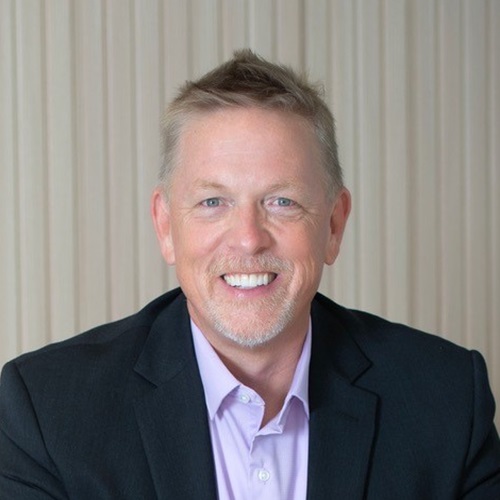
Joel L. Oster
is a litigator, national speaker, podcaster and stand-up comic. He is in private practice specializing in constitutional law, appellate advocacy, and attorney ethics. Mr. Oster regularly litigates First Amendment issues and has been lead counsel on two cases that ended up in the U.S. Supreme Court. He has argued a case before the United States District Court for the Western District of New York and the Second Circuit and was part of a legal team that successfully defended a case in the U.S. Supreme Court. He's also prevailed as lead counsel in defending a case before the U.S. Court of Appeals for the Eighth Circuit. Mr. Oster has spoken to thousands of attorneys across the United States and brings their combined practical perspectives to his seminars. He has presented at numerous bench and bar conferences and co-hosts the podcast DeBriefing the Law with Chris Marohn. The podcast covers current legal news and true crimes using their brand of humor. From the Supreme Court to O.J. Simpson, no legal topic is off-limits. Most importantly he is also a stand-up comic. Even though he has argued before numerous appellate courts, including Judge Calabresi of the Second Circuit, he said nothing compares to the nerves of trying to make a room full of drunk college kids laugh. He headlined the comedy tour "Presumed Funny" which featured random musings about the legal profession. Mr. Oster earned his J.D. degree from the University of Kansas School of Law. He is admitted to the bar in Kansas, Missouri, Florida and numerous federal courts.
TOP FAQs
Have more questions? Please Contact Us