

AI for Business Lawyers: Smarter Practice, Stronger Client Counsel
Credits Available
| Credit | Status | Total |
|---|---|---|
| California MCLE Paralegal |
|
6 Total |
| Alaska CLE |
|
6 Total |
| Alabama CLE |
|
6 Total |
| Arkansas CLE |
|
6 Total |
| Arizona CLE |
|
6 Total |
| California CLE |
|
6 Total |
| Colorado CLE |
|
7 Total |
| Connecticut CLE |
|
6 Total |
| Delaware CLE |
|
6 Total |
| Florida CLE |
|
7 Total |
| Georgia CLE |
|
6 Total |
| Hawaii CLE |
|
6 Total |
| Iowa CLE |
|
6 Total |
| Idaho CLE |
|
6 Total |
| Illinois CLE |
|
6 Total |
| Indiana CLE |
|
6 Total |
| Kansas CLE |
|
7 Total |
| Kentucky CLE |
|
6 Total |
| Louisiana CLE |
|
6 Total |
| Maine CLE |
|
6 Total |
| Minnesota CLE |
|
6 Total |
| Missouri CLE |
|
7.2 Total |
| Northern Mariana Islands CLE |
|
6 Total |
| Mississippi CLE |
|
6 Total |
| Montana CLE |
|
6 Total |
| North Carolina CLE |
|
6 Total |
| North Dakota CLE |
|
6 Total |
| Nebraska CLE |
|
6 Total |
| New Hampshire CLE |
|
6 Total |
| New Jersey CLE |
|
7.2 Total |
| New Mexico CLE |
|
6 Total |
| Nevada CLE |
|
6 Total |
| New York CLE |
|
7 Total |
| Ohio CLE |
|
6 Total |
| Oklahoma CLE |
|
7 Total |
| Oregon CLE |
|
6 Total |
| Pennsylvania CLE |
|
6 Total |
| Rhode Island CLE |
|
7 Total |
| South Carolina CLE |
|
6 Total |
| Tennessee CLE |
|
6 Total |
| Texas CLE |
|
6 Total |
| Utah CLE |
|
6 Total |
| Virginia CLE |
|
6 Total |
| Vermont CLE |
|
6 Total |
| Washington CLE |
|
6 Total |
| Wisconsin CLE |
|
7 Total |
| West Virginia CLE |
|
7.2 Total |
| Wyoming CLE |
|
6 Total |
| Delaware Certified Paralegal Program |
|
6 Total |
| Florida Registered Paralegal |
|
7 Total |
| Indiana Paralegal CLE |
|
6 Total |
| Montana CLE Credit for Paralegals |
|
6 Total |
| North Carolina Continuing Paralegal Education |
|
6 Total |
| New Mexico Paralegal Division, State Bar of |
|
6 Total |
| Ohio Certified Paralegals |
|
6 Total |
| NFPA |
|
0 Total |
| Texas State Bar of Paralegal Division |
|
6 Total |
Mon, Dec 14, 00:00 AM – 00:00 PM

Mon, Dec 14, 00:00 AM – 00:00 PM
Register For Course
Live Webinar Registration
OnDemand Recording
Course Book Download
Overview
Put AI to Work—and Help Your Clients Avoid Legal Pitfalls When Doing the Sam
AI is changing business law from both sides of the desk. Your clients are adopting it across their organizations, and you now have powerful AI tools that can transform how you handle their legal work. Are you ready for both?
This practical, full-day CLE shows you how to put AI to work across the business-law lifecycle. Create governance documents, analyze financial data, tear through due diligence, and draft, review, redline, and negotiate contracts faster. Then tackle the AI issues landing on your clients' desks: employee use, confidential data, IP, emerging regulations, AI policies, and vendor agreements that may quietly shift significant risk to the business.
Don't just learn about AI; learn how to use it in your business practice and counsel clients who are already using it. Register today!
- Put AI to work in business formation, corporate governance, and ongoing compliance.
- Analyze business financial records and due diligence materials faster and more efficiently.
- Draft, review, redline, and negotiate contracts with AI-powered tools and workflows.
- Stay on top of emerging AI laws, regulations, and case law affecting businesses.
- Help business clients address AI risks involving employees, confidential data, IP, marketing, and more.
- Identify the AI vendor contract provisions that pose a risk to your clients.
- Protect attorney-client privilege and confidentiality when you (and your clients) use AI.
*Any mention of specific products in this program is intended as part of a general overview and does not constitute NBI's endorsement or recommendation of any specific product or provider. This program is not sponsored by any technology or electronics provider.
Abbreviated Agenda
- AI for Business Formation and Corporate Governance
- AI-Enhanced Business Contract Drafting, Review, and Negotiation
- Financial Analysis and Due Diligence - Powered With AI
- AI Laws, Regulations, and Case Law Business Counsel Need on Their Radar
- Counseling Businesses on AI: Policies, IP, and Data
- AI Vendor Contract Checklist: Clauses Business Lawyers Need to Review and Negotiate
- Ethics and Professional Responsibility for the AI-Enabled Business Lawyer
Can't Attend Live?

Get the OnDemand Instead
Watch the recording of this event on your own schedule. We'll notify you when its ready.
Credit Details
Credits Available
| Credit | Status | Total |
|---|---|---|
| California MCLE Paralegal |
|
6 Total |
| Alaska CLE |
|
6 Total |
| Alabama CLE |
|
6 Total |
| Arkansas CLE |
|
6 Total |
| Arizona CLE |
|
6 Total |
| California CLE |
|
6 Total |
| Colorado CLE |
|
7 Total |
| Connecticut CLE |
|
6 Total |
| Delaware CLE |
|
6 Total |
| Florida CLE |
|
7 Total |
| Georgia CLE |
|
6 Total |
| Hawaii CLE |
|
6 Total |
| Iowa CLE |
|
6 Total |
| Idaho CLE |
|
6 Total |
| Illinois CLE |
|
6 Total |
| Indiana CLE |
|
6 Total |
| Kansas CLE |
|
7 Total |
| Kentucky CLE |
|
6 Total |
| Louisiana CLE |
|
6 Total |
| Maine CLE |
|
6 Total |
| Minnesota CLE |
|
6 Total |
| Missouri CLE |
|
7.2 Total |
| Northern Mariana Islands CLE |
|
6 Total |
| Mississippi CLE |
|
6 Total |
| Montana CLE |
|
6 Total |
| North Carolina CLE |
|
6 Total |
| North Dakota CLE |
|
6 Total |
| Nebraska CLE |
|
6 Total |
| New Hampshire CLE |
|
6 Total |
| New Jersey CLE |
|
7.2 Total |
| New Mexico CLE |
|
6 Total |
| Nevada CLE |
|
6 Total |
| New York CLE |
|
7 Total |
| Ohio CLE |
|
6 Total |
| Oklahoma CLE |
|
7 Total |
| Oregon CLE |
|
6 Total |
| Pennsylvania CLE |
|
6 Total |
| Rhode Island CLE |
|
7 Total |
| South Carolina CLE |
|
6 Total |
| Tennessee CLE |
|
6 Total |
| Texas CLE |
|
6 Total |
| Utah CLE |
|
6 Total |
| Virginia CLE |
|
6 Total |
| Vermont CLE |
|
6 Total |
| Washington CLE |
|
6 Total |
| Wisconsin CLE |
|
7 Total |
| West Virginia CLE |
|
7.2 Total |
| Wyoming CLE |
|
6 Total |
| Delaware Certified Paralegal Program |
|
6 Total |
| Florida Registered Paralegal |
|
7 Total |
| Indiana Paralegal CLE |
|
6 Total |
| Montana CLE Credit for Paralegals |
|
6 Total |
| North Carolina Continuing Paralegal Education |
|
6 Total |
| New Mexico Paralegal Division, State Bar of |
|
6 Total |
| Ohio Certified Paralegals |
|
6 Total |
| NFPA |
|
0 Total |
| Texas State Bar of Paralegal Division |
|
6 Total |
Credit Details by Jurisdiction
Live Webinar Registration
CLE
Credits
Alaska CLE Reciprocity · 6 Total Credits
- 1 MECLE Ethics
Live - Alaska CLE - 6: Alaska Bar members may claim credit for attending CLE programs that have been accredited by other mandatory CLE jurisdictions. This program qualifies for 6.0 hours of credit, which includes 5.0 hours of MCLE credit and 1.0 hour of MECLE credit.
Alabama CLE Approved · 6 Total Credits
- 1 Ethics/Professionalism
Live - Alabama CLE - 6: This course or a portion thereof has been approved by the Alabama State Bar Mandatory Continuing Legal Education Commission for a maximum of 6.0 credit hours, including 1.0 ethics/professionalism credit.
Arkansas CLE Approved · 6 Total Credits
- 1 Ethics
Live - Arkansas CLE - 6: NBI, Inc. is an accredited sponsor in the state of Arkansas. This program is approved for 6.0 hours of continuing legal education credit, including 1.0 hour of ethics, consistent with the rules and regulations of the Arkansas Supreme Court of Professional Programs.
Arizona CLE Approved · 6 Total Credits
- 1 Professional Responsibility
Live - Arizona CLE - 6: The State Bar of Arizona does not approve or accredit CLE activities for the Mandatory Continuing Legal Education requirement. This activity qualifies for 6.0 hours toward your annual CLE requirement for the State of Arizona, including 1.0 hour of professional responsibility.
California CLE Approved · 6 Total Credits
- 1 Technology
- 1 Legal Ethics
Live - California CLE - 6: This activity has been approved for Minimum Continuing Legal Education credit by the State Bar of California in the amount of 6.0 hours, of which 1.0 hour will apply to legal ethics and 1.0 hour will apply to Technology. NBI, Inc. certifies this activity conforms to the standards for approved education activities prescribed by the rules and regulations of the State Bar of California governing minimum continuing legal education. NBI, Inc. is a State Bar of California approved MCLE provider - #53.
Colorado CLE Approved · 7 Total Credits
- 1.2 Professional Responsibility
Live - Colorado CLE - 7: NBI, Inc. is a Certified Provider, as recognized by the Colorado Supreme Court Continuing Legal and Judicial Education Committee. This program has been accredited for 7.0 hours of General Colorado Continuing Legal Education Credit, including 1.20 professional responsibility credit.
Connecticut CLE Approved · 6 Total Credits
- 1 Ethics/Professionalism
Live - Connecticut CLE - 6: Neither the Connecticut Judicial Branch nor the Commission on Minimum Continuing Legal Education approve or accredit CLE providers or activities. It is the opinion of NBI, Inc. that this activity qualifies for 6.0 hours toward your annual CLE requirement in Connecticut, including 1.0 hour(s) of ethics/professionalism.
Delaware CLE Approved · 6 Total Credits
- 1 Ethics
Live - Delaware CLE - 6: NBI, Inc. is an accredited sponsor of the Delaware Commission on Continuing Legal Education and recommends this program for 6.0 hours of eCLE credit, including 1.0 hour of ethics.
Florida CLE Approved · 7 Total Credits
- 7 Technology
- 7 Business Litigation
- 1 Professional Responsibility
Live - Florida CLE - 7: Approved by The Florida Bar for a maximum of 7.0 general hours of CLER credit including 1.0 hour of professional responsibility (may include legal ethics, professionalism, substance abuse or mental illness and wellness programs) and 7.0 hours of technology. Certification: 7.0 - Business Litigation
Georgia CLE Approved · 6 Total Credits
- 1 Ethics
Live - Georgia CLE - 6: This program is approved by the Commission on Continuing Lawyer Competency of the State Bar of Georgia. This program qualifies for 6.0 hours of distance learning continuing legal education credit with the Georgia Commission on Continuing Lawyer Competency, which includes 1.0 hour of distance learning ethics.
Hawaii CLE Approved · 6 Total Credits
- 1 Ethics/Professional Responsibility
Live - Hawaii CLE - 6: NBI, Inc. is an Accredited Provider with the Hawaii State Board of Continuing Legal Education. This alternative format activity has been approved for 6.0 hours of credit for the state of Hawaii, which includes 1.0 hour of ethics or professional responsibility education.
Iowa CLE Approved · 6 Total Credits
- 1 Legal Ethics
Live - Iowa CLE - 6: "AI for Business Lawyers: Smarter Practice, Stronger Client Counsel" is an accredited program under the regulations of the Iowa Supreme Court Commission on Continuing Legal Education. It is planned that this program will provide a maximum of 6.0 hours of regular credit toward the mandatory continuing legal education requirements under the Iowa rule, including 1.0 hour of legal ethics credit.
Idaho CLE Pending · 6 Total Credits
- 1 Legal Ethics/Professional Responsibility
Live - Idaho CLE - 6: This program has been submitted for continuing legal education credit in the state of Idaho.
Illinois CLE Approved · 6 Total Credits
- 1 Professional Responsibility
Live - Illinois CLE - 6: This program has been approved by the Illinois MCLE Board for 6.0 hours of CLE credit, which includes approval for 1.0 hour of legal ethics, civility, professionalism or sexual harassment prevention training CLE credit by the Illinois Supreme Court Commission on Professionalism.
Indiana CLE Approved · 6 Total Credits
- 1 Ethics
Live - Indiana CLE - 6: This course has been approved by the Indiana Supreme Court Office of Admissions & Continuing Education. Participating attorneys are eligible to receive 6.0 hours of distance education, which includes 1.0 hour of ethics.
Kansas CLE Approved · 7 Total Credits
- 1 Ethics/Professionalism
Live - Kansas CLE - 7: Approved by Kansas CLE for 7.0 hours of continuing legal education credit, which includes 1.0 hour of ethics and professionalism credit.
Kentucky CLE Approved · 6 Total Credits
- 1 Ethics
Live - Kentucky CLE - 6: This activity has been approved by the Kentucky Bar Association Continuing Legal Education Commission for a maximum of 6.0 credits, including 1.0 ethics credits.
Louisiana CLE Approved · 6 Total Credits
- 1 Ethics
Live - Louisiana CLE - 6: This course or a portion thereof has been approved by the Louisiana Mandatory Continuing Legal Education Committee of the Louisiana State Bar Association. This program qualifies for 6.0 hours (based on a 60-minute credit hour) of computer based credit, of which 1.0 hour will apply to computer based ethics credit. This course will apply toward the fulfillment of the newly admitted member requirement.
Maine CLE Approved · 6 Total Credits
- 1 Ethics
Live - Maine CLE - 6: This course has been approved by the State of Maine Board of Overseers of the Bar. Lawyers who complete this course shall receive 6.0 hours of CLE credit including 1.0 ethics hours.
Course Book - Maine CLE - 6: This course has been approved by the State of Maine Board of Overseers of the Bar. Lawyers who complete this course will receive 6.0 hours of self-study CLE credit.
Minnesota CLE Approved · 6 Total Credits
- 1 Ethics
Live - Minnesota CLE - 6: This course has been approved by the Minnesota Board of Continuing Legal Education for 6.0 hours of standard CLE credit, including 1.0 hour of ethics credit.
Missouri CLE Approved · 7.2 Total Credits
- 1.2 Ethics, Professionalism or Malpractice Prevention
Live - Missouri CLE - 7.2: NBI, Inc. is an accredited sponsor with Missouri Minimum Continuing Legal Education. This program qualifies for 7.20 hours of CLE credit, which includes 1.20 hour of ethics, professionalism or malpractice prevention credit.
Course Book - Missouri CLE - 6: NBI, Inc. is an accredited sponsor with Missouri Minimum Continuing Legal Education. This program qualifies for 6.0 self-study CLE credit hours.
Northern Mariana Islands CLE Approved · 6 Total Credits
Live - Northern Mariana Islands CLE - 6: This course has been approved by the Commonwealth of the Northern Mariana Islands. Lawyers who complete this course shall receive 6.0 hours of CLE credit.
Course Book - Northern Mariana Islands CLE - 6: This course has been approved by the Commonwealth of the Northern Mariana Islands. Lawyers who complete this course shall receive 6.0 hours of self-study CLE credit.
Mississippi CLE Approved · 6 Total Credits
- 1 Ethics/Professionalism
Live - Mississippi CLE - 6: This course has been approved by the Mississippi Commission on Continuing Legal Education for a maximum of 6.0 hours of Online credit, which includes 1.0 hour of ethics/ professionalism.
Montana CLE Approved · 6 Total Credits
- 1 Professional Fitness and Integrity
Live - Montana CLE - 6: Approved for 6.0 hours of CLE credit by the Montana Commission of Continuing Legal Education, including 1.0 hour of professional fitness and integrity credit.
North Carolina CLE Approved · 6 Total Credits
- 1 Technology
- 1 Professional Responsibility
Live - North Carolina CLE - 6: NBI, Inc. is an accredited sponsor with the North Carolina State Board of Continuing Legal Education. Attendance of this program will result in 6.0 hours of CLE credit, including 1.0 professional responsibility and 1.0 technology.
North Dakota CLE Approved · 6 Total Credits
- 1 Ethics
Live - North Dakota CLE - 6: This program has been approved by the North Dakota Commission for Continuing Legal Education for 6.0 hours of CLE credit, including 1.0 hour of ethics credit.
Nebraska CLE Approved · 6 Total Credits
- 1 Professional Responsibility
Live - Nebraska CLE - 6: NBI, Inc. is an accredited CLE sponsor in the state of Nebraska. This activity has been approved for 6.0 distance learning CLE credits, including 1.0 hour of professional responsibility credit.
New Hampshire CLE Approved · 6 Total Credits
- 1 Ethics/Professionalism
Live - New Hampshire CLE - 6: NHMCLE does not approve or accredit CLE activities for the NH Minimum CLE requirement. NBI, Inc. believes this course meets the requirements of NH Supreme Court Rule 53 toward the annual NHMCLE requirement.
New Jersey CLE Approved · 7.2 Total Credits
- 1.2 Ethics/Professionalism
Live - New Jersey CLE - 7.2: This program has been approved by the Board on Continuing Legal Education of the Supreme Court of New Jersey for 7.20 hours of total CLE credit. Of these, 1.20 qualifies as hours of credit for ethics/professionalism.
New Mexico CLE Approved · 6 Total Credits
- 1 Ethics
Live - New Mexico CLE - 6: This program has been approved by the Board of Bar Commissioners of the State Bar of New Mexico for 6.0 hours of credit, including 1.0 hour of ethics.
Nevada CLE Approved · 6 Total Credits
- 1 Ethical Considerations
Live - Nevada CLE - 6: This course has been approved by the Nevada Board of Continuing Legal Education. This program qualifies for 6.0 hours of alternative format CLE credits by the Nevada Board of Continuing Legal Education, which includes 1.0 hour of alternative format ethical considerations.
New York CLE Approved · 7 Total Credits
- 6 Areas of Professional Practice
- 1 Ethics/Professionalism
Live - New York CLE - 7: This course has been approved in accordance with the requirements of the New York State Continuing Legal Education Board for a maximum of 7.0 credit hours. 6.0 hours can be applied to the areas of professional practice requirement and is approved for newly admitted attorneys and 1.0 hour can be applied toward the Ethics/Professionalism requirement. This nontraditional format program is approved for newly admitted attorneys. NBI, Inc. offers a Financial Hardship Policy for qualifying individuals. To apply, please submit a request via email to our Tuition Discount Committee at customerservice@nbi-sems.com.
Ohio CLE Approved · 6 Total Credits
- 6 New Lawyer Training
- 1 Professional Conduct
Live - Ohio CLE - 6: This course has been approved by the Supreme Court of Ohio Commission on Continuing Legal Education for 6.0 CLE credit hours, including 1.0 hour of attorney professional conduct instruction. This course is approved for 6.0 hours of New Lawyer Training credit. NLT credit is only available on “Live Webcast” and "Webcast Replay" versions of this program.
Oklahoma CLE Approved · 7 Total Credits
- 1 Legal Ethics
Live - Oklahoma CLE - 7: This course has been approved by the Oklahoma Bar Association Mandatory Continuing Legal Education Commission for 7.0 hours of CLE credit, which includes 1.0 hour of legal ethics.
Oregon CLE Approved · 6 Total Credits
- 1 Ethics
Live - Oregon CLE - 6: NBI, Inc. is an approved sponsor with the Oregon MCLE. This program is approved for 5.0 hours of general continuing legal education credit and 1.0 hour of ethics credit.
Pennsylvania CLE Approved · 6 Total Credits
- 1 Ethics
Live - Pennsylvania CLE - 6: This program has been approved by the Pennsylvania Continuing Legal Education Board for a total of 6.0 hours, including 5.0 hours of substantive law, practice and procedure CLE credit and 1.0 hour of ethics, professionalism or substance abuse CLE credit.
Rhode Island CLE Upon Request · 7 Total Credits
- 1 Legal Ethics
Live - Rhode Island CLE - 7: NBI is an accredited sponsor with the Rhode Island MCLE Commission. Upon course completion and credit request submittal, an application will be submitted to the Rhode Island MCLE Commission.
South Carolina CLE Approved · 6 Total Credits
- 1 Legal Ethics/Professional Responsibility
Live - South Carolina CLE - 6: This course is accredited by the South Carolina Commission on Continuing Legal Education and Specialization for 6.0 alternatively delivered hours, of which 1.0 hour relates to legal ethics and professional responsibility.
Tennessee CLE Approved · 6 Total Credits
- 1 Ethics/Professionalism
Live - Tennessee CLE - 6: This course has been approved by the Tennessee Commission on Continuing Legal Education for a maximum of 6.0 hours of Distance Learning credit, including 1.0 hour of ethics/professionalism (EP) credit.
Texas CLE Approved · 6 Total Credits
- 1 Legal Ethics/Professional Responsibility
Live - Texas CLE - 6: This course is accredited for Minimum Continuing Legal Education credit by the State Bar of Texas Committee on MCLE in the amount of 6.0 credit hours, of which 1.0 credit hour will apply to legal ethics/professional responsibility credit. Hours in attendance at National Business Institute CLE seminars may be applied to the minimum Judicial Education requirement.
Utah CLE Approved · 6 Total Credits
- 1 Ethics
Live - Utah CLE - 6: National Business Institute is an approved "presumptive provider" with the Utah State Board of Continuing Legal Education. This program qualifies for a maximum of 6.0 hours of Live CLE credit for Utah attorneys, which includes 1.0 hour of ethics credit.
Virginia CLE Approved · 6 Total Credits
- 1 Ethics/Professionalism
Live - Virginia CLE - 6: This course has been approved by the Virginia Mandatory Continuing Legal Education Board for 6.0 hours of credit, of which 1.0 hour will also apply in the area of legal ethics or professionalism.
Vermont CLE Approved · 6 Total Credits
- 1 Ethics
Live - Vermont CLE - 6: This course has been approved by the Vermont Board of Mandatory Continuing Legal Education for 6.0 hours of credit, including 1.0 hour of ethics.
Washington CLE Approved · 6 Total Credits
- 1 Ethics/Professional Responsibility
Live - Washington CLE - 6: Approved for 6.0 hours of Washington continuing legal education credit, which includes 5.0 hours of Law and Legal Procedure and 1.0 hour of ethics and professional responsibility.
Wisconsin CLE Approved · 7 Total Credits
- 1 Ethics/Professional Responsibility
Live - Wisconsin CLE - 7: Approved for 7.0 hours of CLE credit by the Board of Bar Examiners, including 1.0 hour of ethics and professional responsibility (EPR) credit.
West Virginia CLE Approved · 7.2 Total Credits
- 1.2 Ethics
Live - West Virginia CLE - 7.2: This program qualifies for 7.20 hours of credit, which includes 1.20 hour of ethics, under the West Virginia Rules for Mandatory Continuing Legal Education.
Wyoming CLE Approved · 6 Total Credits
- 1 Ethics
Live - Wyoming CLE - 6: The Wyoming State Board of Continuing Legal Education has granted 6.0 hours of Continuing Legal Education Credit, including 1.0 hour of ethics.
Paralegal
Credits
California MCLE Paralegal Approved · 6 Total Credits
- 1 Ethics
Live - California MCLE Paralegal - 6: This program meets the California MCLE Paralegal requirement as specified in Business and Professions Code Section 6450(d).
Delaware Certified Paralegal Program Approved · 6 Total Credits
- 1 Ethics
Live - Delaware Certified Paralegal Program - 6: This course qualifies for 6.0 DCP CLE credit hours, including 1.0 DCP ethics credit hour, toward the eligibility requirements of the DPA Delaware Certified Paralegal Program.
Florida Registered Paralegal Approved · 7 Total Credits
- 7 Technology
- 1 Ethics
Live - Florida Registered Paralegal - 7: This course qualifies for 7.0 hours of continuing education for paralegals, including 1.0 hour of ethics and 7.0 hours of technology, toward the eligibility requirements of the Florida Registered Paralegal Program. This course has been approved by NFPA.
Indiana Paralegal CLE Approved · 6 Total Credits
- 1 Ethics
Live - Indiana Paralegal CLE - 6: This course qualifies for 6.0 hours of continuing education, including 1.0 hour of ethics and satisfies the CLE requirement for Indiana State Bar Association Paralegal Members and Indiana Registered Paralegals (IRP).
Montana CLE Credit for Paralegals Approved · 6 Total Credits
- 1 Ethics
Live - Montana CLE Credit for Paralegals - 6: This course has been approved for 6.0 hours of CLE credit, including 1.0 hour of ethics, by the Montana Commission of Continuing Legal Education. The Montana Association of Legal Assistants (MALA) and the Paralegal Section of the State Bar of Montana will honor this credit approval.
North Carolina Continuing Paralegal Education Approved · 6 Total Credits
- 1 Professional Responsibility
Live - North Carolina Continuing Paralegal Education - 6: This program has been approved by the North Carolina State Bar Board of Paralegal Certification for continuing paralegal education credit in the amount of 6.0 hours, of which 1.0 hour will also apply in the area of professional responsibility. This course is not sponsored by the Board of Paralegal Certification.
New Mexico Paralegal Division, State Bar of Approved · 6 Total Credits
- 1 Ethics
Live - New Mexico Paralegal Division, State Bar of - 6: Approved by the Paralegal Division of the State Bar of New Mexico for 5.0 general and 1.0 ethics (for a total of 6.0 hours CLE).
Ohio Certified Paralegals Approved · 6 Total Credits
- 1 Ethics
Live - Ohio Certified Paralegals - 6: This course qualifies for 6.0 hours of continuing education for paralegals, including 1.0 hour of ethics, toward the eligibility requirements of the Ohio State Bar Association Paralegal Certification program.
NFPA Approved · 0 Total Credits
Live - NFPA - 0: NBI, Inc. is an NFPA-approved CLE provider. As such, members can claim credit for attending CLE programs that have been accredited by other mandatory CLE jurisdictions. The course duration is 360 minutes, which includes 60 minutes of ethics.
Texas State Bar of Paralegal Division Approved · 6 Total Credits
Live - Texas State Bar of Paralegal Division - 6: This course qualifies for 6.0 CLE credit hours, including 0.0 ethics credit hour, toward the eligibility requirements of The Paralegal Division of the State Bar of Texas.
OnDemand Video
CLE
Credits
Alaska CLE Reciprocity · 6 Total Credits
- 1 MECLE Ethics
Earn Until
OnDemand - Alaska CLE - 6: Alaska Bar members may claim credit for attending CLE programs that have been accredited by other mandatory CLE jurisdictions. This program qualifies for 6.0 hours of credit, which includes 5.0 hours of MCLE credit and 1.0 hour of MECLE credit.
Video Download - Alaska CLE - 6: Alaska Bar members may claim credit for attending CLE programs that have been accredited by other mandatory CLE jurisdictions. This program qualifies for 6.0 hours of credit, which includes 5.0 hours of MCLE credit and 1.0 hour of MECLE credit.
Alabama CLE Approved · 6 Total Credits
- 1 Ethics/Professionalism
Earn Until
OnDemand - Alabama CLE - 6: This course or a portion thereof has been approved by the Alabama State Bar Mandatory Continuing Legal Education Commission for a maximum of 6.0 on-demand credit hours, including 1.0 ethics/professionalism credit.
Arkansas CLE Approved · 6 Total Credits
- 1 Ethics
Earn Until
OnDemand - Arkansas CLE - 6: NBI, Inc. is an accredited sponsor in the state of Arkansas. This program qualifies for 6.0 hours of on demand continuing legal education credit, including 1.0 hour of ethics, consistent with the rules and regulations of the Arkansas Supreme Court of Professional Programs.
Video Download - Arkansas CLE - 6: NBI, Inc. is an accredited sponsor in the state of Arkansas. This program qualifies for 6.0 hours of on demand continuing legal education credit, including 1.0 hour of ethics, consistent with the rules and regulations of the Arkansas Supreme Court of Professional Programs.
Arizona CLE Approved · 6 Total Credits
- 1 Professional Responsibility
Earn Until
OnDemand - Arizona CLE - 6: The State Bar of Arizona does not approve or accredit CLE activities for the Mandatory Continuing Legal Education requirement. This activity qualifies for 6.0 hours toward your annual CLE requirement for the State of Arizona, including 1.0 hour of professional responsibility.
Video Download - Arizona CLE - 6: The State Bar of Arizona does not approve or accredit CLE activities for the Mandatory Continuing Legal Education requirement. This activity qualifies for 6.0 hours toward your annual CLE requirement for the State of Arizona, including 1.0 hour of professional responsibility.
California CLE Approved · 6 Total Credits
- 1 Technology
- 1 Legal Ethics
Earn Until
OnDemand - California CLE - 6: This activity has been approved for Minimum Continuing Legal Education credit by the State Bar of California and qualifies for 6.0 hours of participatory credit, of which 1.0 hour will apply to legal ethics and 1.0 hour will apply to Technology credit. NBI, Inc. certifies this activity conforms to the standards for approved education activities prescribed by the rules and regulations of the State Bar of California governing minimum continuing legal education. NBI, Inc. is a State Bar of California approved MCLE provider - #53.
Video Download - California CLE - 6: This activity has been approved for Minimum Continuing Legal Education credit by the State Bar of California and qualifies for 6.0 hours of self-study credit, of which 1.0 hour will apply to legal ethics and 1.0 hour will apply to Technology credit. NBI, Inc. certifies this activity conforms to the standards for approved education activities prescribed by the rules and regulations of the State Bar of California governing minimum continuing legal education. NBI, Inc. is a State Bar of California approved MCLE provider - #53.
Colorado CLE Approved · 7 Total Credits
- 1.2 Professional Responsibility
Earn Until
OnDemand - Colorado CLE - 7: NBI, Inc. is a Certified Provider, as recognized by the Colorado Supreme Court Continuing Legal and Judicial Education Committee. This program qualifies for 7.0 hours of home study general Colorado Continuing Legal Education Credit, including 1.20 professional responsibility credit.
Video Download - Colorado CLE - 7: NBI, Inc. is a Certified Provider, as recognized by the Colorado Supreme Court Continuing Legal and Judicial Education Committee. This program qualifies for 7.0 hours of home study general Colorado Continuing Legal Education Credit, including 1.20 professional responsibility credit.
Connecticut CLE Approved · 6 Total Credits
- 1 Ethics/Professionalism
Earn Until
OnDemand - Connecticut CLE - 6: Neither the Connecticut Judicial Branch nor the Commission on Minimum Continuing Legal Education approve or accredit CLE providers or activities. It is the opinion of NBI, Inc. that this activity qualifies for 6.0 self-study hours toward your annual CLE requirement in Connecticut, including 1.0 self-study hour(s) of ethics/professionalism.
Video Download - Connecticut CLE - 6: Neither the Connecticut Judicial Branch nor the Commission on Minimum Continuing Legal Education approve or accredit CLE providers or activities. It is the opinion of NBI, Inc. that this activity qualifies for 6.0 self-study hours toward your annual CLE requirement in Connecticut, including 1.0 self-study hour(s) of ethics/professionalism.
Delaware CLE Approved · 6 Total Credits
- 1 Ethics
Earn Until
OnDemand - Delaware CLE - 6: NBI, Inc. is an accredited sponsor of the Delaware Commission on Continuing Legal Education and recommends this program for 6.0 hours of eCLE credit, including 1.0 hour of ethics.
Florida CLE Approved · 7 Total Credits
- 7 Technology
- 7 Business Litigation
- 1 Professional Responsibility
Earn Until
OnDemand - Florida CLE - 7: Approved by The Florida Bar, this program qualifies for 7.0 general hours of CLER self-study credit including 1.0 hour of self-study professional responsibility (may include legal ethics, professionalism, substance abuse or mental illness and wellness programs) and 7.0 hours of self-study technology. Certification: 7.0 - Business Litigation
Video Download - Florida CLE - 7: Approved by The Florida Bar, this program qualifies for 7.0 general hours of CLER self-study credit including 1.0 hour of self-study professional responsibility (may include legal ethics, professionalism, substance abuse or mental illness and wellness programs) and 7.0 hours of self-study technology. Certification: 7.0 - Business Litigation
Georgia CLE Approved · 6 Total Credits
- 1 Ethics
Earn Until
OnDemand - Georgia CLE - 6: This program is approved by the Commission on Continuing Lawyer Competency of the State Bar of Georgia. This program qualifies for 6.0 hours of distance learning continuing legal education credit with the Georgia Commission on Continuing Lawyer Competency, which includes 1.0 hour of distance learning ethics.
Video Download - Georgia CLE - 6: This program is approved by the Commission on Continuing Lawyer Competency of the State Bar of Georgia. This program qualifies for 6.0 hours of distance learning continuing legal education credit with the Georgia Commission on Continuing Lawyer Competency, which includes 1.0 hour of distance learning ethics.
Hawaii CLE Approved · 6 Total Credits
- 1 Ethics/Professional Responsibility
Earn Until
OnDemand - Hawaii CLE - 6: NBI, Inc. is an Accredited Provider with the Hawaii State Board of Continuing Legal Education. This alternative format activity has been approved for 6.0 hours of credit for the state of Hawaii, which includes 1.0 hour of ethics or professional responsibility education.
Video Download - Hawaii CLE - 6: NBI, Inc. is an Accredited Provider with the Hawaii State Board of Continuing Legal Education. This alternative format activity has been approved for 6.0 hours of credit for the state of Hawaii, which includes 1.0 hour of ethics or professional responsibility education.
Iowa CLE Approved · 6 Total Credits
- 1 Legal Ethics
Earn Until
OnDemand - Iowa CLE - 6: "AI for Business Lawyers: Smarter Practice, Stronger Client Counsel" is an accredited program under the regulations of the Iowa Supreme Court Commission on Continuing Legal Education. It is planned that this program will provide a maximum of 6.0 hours of unmoderated activity credit toward the mandatory continuing legal education requirements under the Iowa rule, including 1.0 hour of legal ethics unmoderated activity credit.
Idaho CLE Pending · 6 Total Credits
- 1 Legal Ethics/Professional Responsibility
OnDemand - Idaho CLE - 6: This program has been submitted for continuing legal education credit in the state of Idaho.
Video Download - Idaho CLE - 6: This program has been submitted for continuing legal education credit in the state of Idaho.
Illinois CLE Approved · 6 Total Credits
- 1 Professional Responsibility
Earn Until
OnDemand - Illinois CLE - 6: This program has been approved by the Illinois MCLE Board for 6.0 hours of recorded technology CLE credit, which includes approval for 1.0 hour of legal ethics, civility, professionalism or sexual harassment prevention training CLE credit by the Illinois Supreme Court Commission on Professionalism.
Video Download - Illinois CLE - 6: This program has been approved by the Illinois MCLE Board for 6.0 hours of recorded technology CLE credit, which includes approval for 1.0 hour of legal ethics, civility, professionalism or sexual harassment prevention training CLE credit by the Illinois Supreme Court Commission on Professionalism.
Indiana CLE Approved · 6 Total Credits
- 1 Ethics
Earn Until
OnDemand - Indiana CLE - 6: This course has been approved by the Indiana Supreme Court Office of Admissions & Continuing Education. Participating attorneys are eligible to receive 6.0 hours of distance education, which includes 1.0 hour of ethics.
Kansas CLE Approved · 7 Total Credits
- 1 Ethics/Professionalism
Earn Until
OnDemand - Kansas CLE - 7: Approved by Kansas CLE for 7.0 hours of prerecorded format continuing legal education credit, which includes 1.0 hour of ethics and professionalism credit.
Video Download - Kansas CLE - 7: Approved by Kansas CLE for 7.0 hours of prerecorded format continuing legal education credit, which includes 1.0 hour of ethics and professionalism credit.
Kentucky CLE Approved · 6 Total Credits
- 1 Ethics
Earn Until
OnDemand - Kentucky CLE - 6: This program has been approved as a technological CLE activity by the Kentucky Bar Association Continuing Legal Education Commission and qualifies for 6.0 credits, including 1.0 ethics credits.
Video Download - Kentucky CLE - 6: This program has been approved as a technological CLE activity by the Kentucky Bar Association Continuing Legal Education Commission and qualifies for 6.0 credits, including 1.0 ethics credits.
Louisiana CLE Approved · 6 Total Credits
- 1 Ethics
Earn Until
OnDemand - Louisiana CLE - 6: This course or a portion thereof has been approved by the Louisiana Mandatory Continuing Legal Education Committee of the Louisiana State Bar Association. This program qualifies for 6.0 hours (based on a 60-minute credit hour) of computer based credit, of which 1.0 hour will apply to computer based ethics credit. This course will apply toward the fulfillment of the newly admitted member requirement.
Maine CLE Approved · 6 Total Credits
Earn Until
OnDemand - Maine CLE - 6: This course has been approved by the State of Maine Board of Overseers of the Bar. Lawyers who complete this course will receive 6.0 hours of self-study CLE credit.
Video Download - Maine CLE - 6: This course has been approved by the State of Maine Board of Overseers of the Bar. Lawyers who complete this course will receive 6.0 hours of self-study CLE credit.
Course Book - Maine CLE - 6: This course has been approved by the State of Maine Board of Overseers of the Bar. Lawyers who complete this course will receive 6.0 hours of self-study CLE credit.
Minnesota CLE Approved · 6 Total Credits
- 1 Ethics
Earn Until
OnDemand - Minnesota CLE - 6: Approved for 6.0 hours of standard on-demand CLE credit, including 1.0 hour of ethics credit by the Minnesota Board of Continuing Legal Education.
Video Download - Minnesota CLE - 6: Approved for 6.0 hours of standard on-demand CLE credit, including 1.0 hour of ethics credit by the Minnesota Board of Continuing Legal Education.
Missouri CLE Approved · 6 Total Credits
Earn Until
OnDemand - Missouri CLE - 6: NBI, Inc. is an accredited sponsor with Missouri Minimum Continuing Legal Education. This program qualifies for 6.0 self-study CLE credit hours.
Video Download - Missouri CLE - 6: NBI, Inc. is an accredited sponsor with Missouri Minimum Continuing Legal Education. This program qualifies for 6.0 self-study CLE credit hours.
Course Book - Missouri CLE - 6: NBI, Inc. is an accredited sponsor with Missouri Minimum Continuing Legal Education. This program qualifies for 6.0 self-study CLE credit hours.
Northern Mariana Islands CLE Approved · 6 Total Credits
Earn Until
OnDemand - Northern Mariana Islands CLE - 6: This course has been approved by the Commonwealth of the Northern Mariana Islands. Lawyers who complete this course shall receive 6.0 hours of self-study CLE credit.
Video Download - Northern Mariana Islands CLE - 6: This course has been approved by the Commonwealth of the Northern Mariana Islands. Lawyers who complete this course shall receive 6.0 hours of self-study CLE credit.
Course Book - Northern Mariana Islands CLE - 6: This course has been approved by the Commonwealth of the Northern Mariana Islands. Lawyers who complete this course shall receive 6.0 hours of self-study CLE credit.
Mississippi CLE Approved · 6 Total Credits
- 1 Ethics/Professionalism
Earn Until
OnDemand - Mississippi CLE - 6: This course has been approved by the Mississippi Commission on Continuing Legal Education for a maximum of 6.0 hours of Online credit, which includes 1.0 hour of ethics/ professionalism.
Montana CLE Approved · 6 Total Credits
- 1 Professional Fitness and Integrity
Earn Until
OnDemand - Montana CLE - 6: This program qualifies for 6.0 hours of self-study CLE credit by the Montana Commission of Continuing Legal Education, including 1.0 hour of professional fitness and integrity credit.
Video Download - Montana CLE - 6: This program qualifies for 6.0 hours of self-study CLE credit by the Montana Commission of Continuing Legal Education, including 1.0 hour of professional fitness and integrity credit.
North Carolina CLE Approved · 6 Total Credits
- 1 Technology
- 1 Professional Responsibility
Earn Until
OnDemand - North Carolina CLE - 6: NBI, Inc. is an accredited sponsor with the North Carolina State Board of Continuing Legal Education. Attendance of this program qualifies for 6.0 hours of online CLE credit, including 1.0 professional responsibility and 1.0 technology.
Video Download - North Carolina CLE - 6: NBI, Inc. is an accredited sponsor with the North Carolina State Board of Continuing Legal Education. Attendance of this program qualifies for 6.0 hours of online CLE credit, including 1.0 professional responsibility and 1.0 technology.
North Dakota CLE Approved · 6 Total Credits
- 1 Ethics
Earn Until
OnDemand - North Dakota CLE - 6: North Dakota attorneys completing this program may claim 6.0 North Dakota self-study CLE credit hours, including 1.0 hour of self-study ethics credit, on the Report of Compliance.
Video Download - North Dakota CLE - 6: North Dakota attorneys completing this program may claim 6.0 North Dakota self-study CLE credit hours, including 1.0 hour of self-study ethics credit, on the Report of Compliance.
Nebraska CLE Approved · 6 Total Credits
- 1 Professional Responsibility
Earn Until
OnDemand - Nebraska CLE - 6: NBI, Inc. is an accredited CLE sponsor in the state of Nebraska. This activity has been approved for 6.0 distance learning CLE credits, including 1.0 hour of professional responsibility credit.
Video Download - Nebraska CLE - 6: NBI, Inc. is an accredited CLE sponsor in the state of Nebraska. This activity has been approved for 6.0 distance learning CLE credits, including 1.0 hour of professional responsibility credit.
New Hampshire CLE Approved · 6 Total Credits
- 1 Ethics/Professionalism
Earn Until
OnDemand - New Hampshire CLE - 6: NHMCLE does not approve or accredit CLE activities for the NH Minimum CLE requirement. NBI, Inc. believes this course meets the requirements of NH Supreme Court Rule 53 toward the annual NHMCLE requirement.
Video Download - New Hampshire CLE - 6: NHMCLE does not approve or accredit CLE activities for the NH Minimum CLE requirement. NBI, Inc. believes this course meets the requirements of NH Supreme Court Rule 53 toward the annual NHMCLE requirement.
New Jersey CLE Approved · 7.2 Total Credits
- 1.2 Ethics/Professionalism
Earn Until
OnDemand - New Jersey CLE - 7.2: This program has been approved by the Board on Continuing Legal Education of the Supreme Court of New Jersey for 7.20 hours of alternative format CLE credit. Of these, 1.20 qualifies as hours of alternative learning format credit for ethics/professionalism.
Video Download - New Jersey CLE - 7.2: This program has been approved by the Board on Continuing Legal Education of the Supreme Court of New Jersey for 7.20 hours of alternative format CLE credit. Of these, 1.20 qualifies as hours of alternative learning format credit for ethics/professionalism.
New Mexico CLE Approved · 6 Total Credits
- 1 Ethics
Earn Until
OnDemand - New Mexico CLE - 6: This program has been approved by the Board of Bar Commissioners of the State Bar of New Mexico. This program qualifies for 6.0 hours of self-study credit, including 1.0 hour of self-study ethics credit.
Video Download - New Mexico CLE - 6: This program has been approved by the Board of Bar Commissioners of the State Bar of New Mexico. This program qualifies for 6.0 hours of self-study credit, including 1.0 hour of self-study ethics credit.
Nevada CLE Approved · 6 Total Credits
- 1 Ethical Considerations
Earn Until
OnDemand - Nevada CLE - 6: This course has been approved by the Nevada Board of Continuing Legal Education. This program qualifies for 6.0 hours of alternative format CLE credits by the Nevada Board of Continuing Legal Education, which includes 1.0 hour of alternative format ethical considerations.
Video Download - Nevada CLE - 6: This course has been approved by the Nevada Board of Continuing Legal Education. This program qualifies for 6.0 hours of alternative format CLE credits by the Nevada Board of Continuing Legal Education, which includes 1.0 hour of alternative format ethical considerations.
New York CLE Approved · 7 Total Credits
- 6 Areas of Professional Practice
- 1 Ethics/Professionalism
Earn Until
OnDemand - New York CLE - 7: This nontraditional format course has been approved in accordance with the requirements of the New York State Continuing Legal Education Board for up to 7.0 credit hours. 6.0 hours can be applied to the areas of professional practice requirement and is approved for newly admitted attorneys. 1.0 hour can be applied toward the Ethics/Professionalism requirement and is approved for experienced attorneys. NBI, Inc. offers a Financial Hardship Policy for qualifying individuals. To apply, please submit a request via email to our Tuition Discount Committee at customerservice@nbi-sems.com.
Video Download - New York CLE - 7: This nontraditional format course has been approved in accordance with the requirements of the New York State Continuing Legal Education Board for up to 7.0 credit hours. 6.0 hours can be applied to the areas of professional practice requirement and is approved for newly admitted attorneys. 1.0 hour can be applied toward the Ethics/Professionalism requirement and is approved for experienced attorneys. NBI, Inc. offers a Financial Hardship Policy for qualifying individuals. To apply, please submit a request via email to our Tuition Discount Committee at customerservice@nbi-sems.com.
Ohio CLE Approved · 6 Total Credits
- 1 Professional Conduct
Earn Until
OnDemand - Ohio CLE - 6: This course has been approved by the Supreme Court of Ohio Commission on Continuing Legal Education for 6.0 CLE credit hours, including 1.0 hour of attorney professional conduct instruction.
Video Download - Ohio CLE - 6: This course has been approved by the Supreme Court of Ohio Commission on Continuing Legal Education for 6.0 CLE credit hours, including 1.0 hour of attorney professional conduct instruction.
Oklahoma CLE Approved · 7 Total Credits
- 1 Legal Ethics
Earn Until
OnDemand - Oklahoma CLE - 7: This course has been approved by the Oklahoma Bar Association Mandatory Continuing Legal Education Commission. This program qualifies for 7.0 of On Demand CLE credit hours, which includes 1.0 hour of legal ethics.
Video Download - Oklahoma CLE - 7: This course has been approved by the Oklahoma Bar Association Mandatory Continuing Legal Education Commission. This program qualifies for 7.0 of On Demand CLE credit hours, which includes 1.0 hour of legal ethics.
Oregon CLE Approved · 6 Total Credits
- 1 Ethics
Earn Until
OnDemand - Oregon CLE - 6: NBI, Inc. is an approved sponsor with the Oregon MCLE. This program qualifies for 5.0 hours of general continuing legal education credit and 1.0 hour of ethics credit.
Video Download - Oregon CLE - 6: NBI, Inc. is an approved sponsor with the Oregon MCLE. This program qualifies for 5.0 hours of general continuing legal education credit and 1.0 hour of ethics credit.
Pennsylvania CLE Approved · 6 Total Credits
- 1 Ethics
Earn Until
OnDemand - Pennsylvania CLE - 6: This program has been approved by the Pennsylvania Continuing Legal Education Board. This program qualifies for 6.0 hours of distance learning credit, including 5.0 hours of substantive law, practice and procedure CLE credit and 1.0 hour of ethics, professionalism or substance abuse distance learning CLE credit.
Video Download - Pennsylvania CLE - 6: This program has been approved by the Pennsylvania Continuing Legal Education Board. This program qualifies for 6.0 hours of distance learning credit, including 5.0 hours of substantive law, practice and procedure CLE credit and 1.0 hour of ethics, professionalism or substance abuse distance learning CLE credit.
Rhode Island CLE Upon Request · 6 Total Credits
- 1 Legal Ethics
Earn Until
OnDemand - Rhode Island CLE - 6: NBI is an accredited sponsor with the Rhode Island MCLE Commission. Upon course completion and credit request submittal, an application will be submitted to the Rhode Island MCLE Commission.
Video Download - Rhode Island CLE - 6: NBI is an accredited sponsor with the Rhode Island MCLE Commission. Upon course completion and credit request submittal, an application will be submitted to the Rhode Island MCLE Commission.
South Carolina CLE Approved · 6 Total Credits
- 1 Legal Ethics/Professional Responsibility
Earn Until
OnDemand - South Carolina CLE - 6: This course is accredited by the South Carolina Commission on Continuing Legal Education and Specialization for 6.0 alternatively delivered hours, of which 1.0 hour relates to legal ethics and professional responsibility.
Video Download - South Carolina CLE - 6: This course is accredited by the South Carolina Commission on Continuing Legal Education and Specialization for 6.0 alternatively delivered hours, of which 1.0 hour relates to legal ethics and professional responsibility.
Tennessee CLE Approved · 6 Total Credits
- 1 Ethics/Professionalism
Earn Until
OnDemand - Tennessee CLE - 6: This course has been approved by the Tennessee Commission on Continuing Legal Education for a maximum of 6.0 hours of Distance Learning credit, including 1.0 hour of ethics/professionalism (EP) credit.
Texas CLE Approved · 6 Total Credits
- 1 Legal Ethics/Professional Responsibility
Earn Until
OnDemand - Texas CLE - 6: This course is accredited for Minimum Continuing Legal Education credit by the State Bar of Texas Committee on MCLE in the amount of 6.0 credit hours, of which 1.0 credit hour will apply to legal ethics/professional responsibility credit. Hours in attendance at National Business Institute CLE seminars may be applied to the minimum Judicial Education requirement.
Video Download - Texas CLE - 6: This course is accredited for Minimum Continuing Legal Education credit by the State Bar of Texas Committee on MCLE in the amount of 6.0 credit hours, of which 1.0 credit hour will apply to legal ethics/professional responsibility credit. Hours in attendance at National Business Institute CLE seminars may be applied to the minimum Judicial Education requirement.
Utah CLE Approved · 6 Total Credits
- 1 Ethics
Earn Until
OnDemand - Utah CLE - 6: National Business Institute is an approved "presumptive provider" with the Utah State Board of Continuing Legal Education. This program qualifies for 6.0 hours of self-study CLE credit for Utah attorneys, which includes 1.0 hour of ethics credit.
Video Download - Utah CLE - 6: National Business Institute is an approved "presumptive provider" with the Utah State Board of Continuing Legal Education. This program qualifies for 6.0 hours of self-study CLE credit for Utah attorneys, which includes 1.0 hour of ethics credit.
Virginia CLE Approved · 6 Total Credits
- 1 Ethics/Professionalism
Earn Until
OnDemand - Virginia CLE - 6: This course has been approved by the Virginia Mandatory Continuing Legal Education Board for 6.0 hours of prerecorded credit, of which 1.0 hour will also apply in the area of legal ethics or professionalism.
Video Download - Virginia CLE - 6: This course has been approved by the Virginia Mandatory Continuing Legal Education Board for 6.0 hours of prerecorded credit, of which 1.0 hour will also apply in the area of legal ethics or professionalism.
Vermont CLE Approved · 6 Total Credits
- 1 Ethics
Earn Until
OnDemand - Vermont CLE - 6: This course has been approved by the Vermont Board of Mandatory Continuing Legal Education. This program qualifies for 6.0 hours of self-study credit, including 1.0 hour of self-study ethics credit.
Video Download - Vermont CLE - 6: This course has been approved by the Vermont Board of Mandatory Continuing Legal Education. This program qualifies for 6.0 hours of self-study credit, including 1.0 hour of self-study ethics credit.
Washington CLE Approved · 0 Total Credits
OnDemand - Washington CLE - 0: This content has been approved for Washington Continuing Legal Education credit. Credit hours will be awarded based on the actual run time.
Video Download - Washington CLE - 0: This content has been approved for Washington Continuing Legal Education credit. Credit hours will be awarded based on the actual run time.
Wisconsin CLE Approved · 7 Total Credits
Earn Until
OnDemand - Wisconsin CLE - 7: Approved for 7.0 hours of repeated on-demand CLE credit by the Board of Bar Examiners.
Video Download - Wisconsin CLE - 7: Approved for 7.0 hours of repeated on-demand CLE credit by the Board of Bar Examiners.
West Virginia CLE Approved · 7.2 Total Credits
- 1.2 Ethics
Earn Until
OnDemand - West Virginia CLE - 7.2: This program qualifies for 7.20 hours of pre-recorded credit, which includes 1.20 hour of pre-recorded ethics credit, under the West Virginia Rules for Mandatory Continuing Legal Education.
Video Download - West Virginia CLE - 7.2: This program qualifies for 7.20 hours of pre-recorded credit, which includes 1.20 hour of pre-recorded ethics credit, under the West Virginia Rules for Mandatory Continuing Legal Education.
Wyoming CLE Approved · 6 Total Credits
- 1 Ethics
Earn Until
OnDemand - Wyoming CLE - 6: The Wyoming State Board of Continuing Legal Education has granted 6.0 hours of Continuing Legal Education Credit, including 1.0 hour of ethics.
Video Download - Wyoming CLE - 6: The Wyoming State Board of Continuing Legal Education has granted 6.0 hours of Continuing Legal Education Credit, including 1.0 hour of ethics.
Paralegal
Credits
California MCLE Paralegal Approved · 6 Total Credits
- 1 Ethics
Earn Until
OnDemand - California MCLE Paralegal - 6: This program meets the California MCLE Paralegal requirement as specified in Business and Professions Code Section 6450(d).
Video Download - California MCLE Paralegal - 6: This program meets the California MCLE Paralegal requirement as specified in Business and Professions Code Section 6450(d).
Delaware Certified Paralegal Program Approved · 6 Total Credits
- 1 Ethics
Earn Until
OnDemand - Delaware Certified Paralegal Program - 6: This course qualifies for 6.0 DCP CLE credit hours, including 1.0 DCP ethics credit hour, toward the eligibility requirements of the DPA Delaware Certified Paralegal Program.
Video Download - Delaware Certified Paralegal Program - 6: This course qualifies for 6.0 DCP CLE credit hours, including 1.0 DCP ethics credit hour, toward the eligibility requirements of the DPA Delaware Certified Paralegal Program.
Florida Registered Paralegal Approved · 7 Total Credits
- 7 Technology
- 1 Ethics
Earn Until
OnDemand - Florida Registered Paralegal - 7: This course qualifies for 7.0 hours of self-study continuing education for paralegals, including 1.0 hour of self-study ethics credit and 7.0 hours of self-study technology, toward the eligibility requirements of the Florida Registered Paralegal Program. This course has been approved by NFPA.
Video Download - Florida Registered Paralegal - 7: This course qualifies for 7.0 hours of self-study continuing education for paralegals, including 1.0 hour of self-study ethics credit and 7.0 hours of self-study technology, toward the eligibility requirements of the Florida Registered Paralegal Program. This course has been approved by NFPA.
Indiana Paralegal CLE Approved · 6 Total Credits
- 1 Ethics
Earn Until
OnDemand - Indiana Paralegal CLE - 6: This course qualifies for 6.0 hours of distancing learning continuing education, including 1.0 hour of ethics and satisfies the CLE requirement for Indiana State Bar Association Paralegal Members and Indiana Registered Paralegals (IRP).
Video Download - Indiana Paralegal CLE - 6: This course qualifies for 6.0 hours of distancing learning continuing education, including 1.0 hour of ethics and satisfies the CLE requirement for Indiana State Bar Association Paralegal Members and Indiana Registered Paralegals (IRP).
Montana CLE Credit for Paralegals Approved · 6 Total Credits
- 1 Ethics
Earn Until
OnDemand - Montana CLE Credit for Paralegals - 6: This course has been approved for 6.0 hours of self-study CLE credit, including 1.0 hour of ethics, by Montana Commission of Continuing Legal Education. The Montana Association of Legal Assistants (MALA) and the Paralegal Section of the State Bar of Montana will honor this credit approval.
Video Download - Montana CLE Credit for Paralegals - 6: This course has been approved for 6.0 hours of self-study CLE credit, including 1.0 hour of ethics, by Montana Commission of Continuing Legal Education. The Montana Association of Legal Assistants (MALA) and the Paralegal Section of the State Bar of Montana will honor this credit approval.
North Carolina Continuing Paralegal Education Approved · 6 Total Credits
- 1 Professional Responsibility
Earn Until
OnDemand - North Carolina Continuing Paralegal Education - 6: This program has been approved by the North Carolina State Bar Board of Paralegal Certification for computer-based continuing paralegal education credit in the amount of 6.0 hours, of which 1.0 hour will also apply in the area of professional responsibility. This course is not sponsored by the Board of Paralegal Certification.
New Mexico Paralegal Division, State Bar of Approved · 6 Total Credits
- 1 Ethics
Earn Until
OnDemand - New Mexico Paralegal Division, State Bar of - 6: Approved by the Paralegal Division of the State Bar of New Mexico for 5.0 general self-study credit and 1.0 ethics self-study credit (for a total of 6.0 hours CLE).
Video Download - New Mexico Paralegal Division, State Bar of - 6: Approved by the Paralegal Division of the State Bar of New Mexico for 5.0 general self-study credit and 1.0 ethics self-study credit (for a total of 6.0 hours CLE).
Ohio Certified Paralegals Approved · 6 Total Credits
- 1 Ethics
Earn Until
OnDemand - Ohio Certified Paralegals - 6: This course qualifies for 6.0 hours of self-study continuing education for paralegals, including 1.0 hour of ethics, toward the eligibility requirements of the Ohio State Bar Association Paralegal Certification program.
Video Download - Ohio Certified Paralegals - 6: This course qualifies for 6.0 hours of self-study continuing education for paralegals, including 1.0 hour of ethics, toward the eligibility requirements of the Ohio State Bar Association Paralegal Certification program.
NFPA Approved · 0 Total Credits
Earn Until
OnDemand - NFPA - 0: NBI, Inc. is an NFPA-approved CLE provider. As such, members can claim credit for attending CLE programs that have been accredited by other mandatory CLE jurisdictions. The course duration is 360 minutes, which includes 60 minutes of ethics.
Video Download - NFPA - 0: NBI, Inc. is an NFPA-approved CLE provider. As such, members can claim credit for attending CLE programs that have been accredited by other mandatory CLE jurisdictions. The course duration is 360 minutes, which includes 60 minutes of ethics.
Texas State Bar of Paralegal Division Approved · 6 Total Credits
Earn Until
OnDemand - Texas State Bar of Paralegal Division - 6: This course qualifies for 6.0 self-study CLE credit hours, including 0.0 ethics credit hour, toward the eligibility requirements of The Paralegal Division of the State Bar of Texas.
Video Download - Texas State Bar of Paralegal Division - 6: This course qualifies for 6.0 self-study CLE credit hours, including 0.0 ethics credit hour, toward the eligibility requirements of The Paralegal Division of the State Bar of Texas.
Course Book (PDF Download)
CLE
Credits
Maine CLE Approved · 6 Total Credits
Earn Until
Course Book - Maine CLE - 6: This course has been approved by the State of Maine Board of Overseers of the Bar. Lawyers who complete this course will receive 6.0 hours of self-study CLE credit.
Missouri CLE Approved · 6 Total Credits
Earn Until
Course Book - Missouri CLE - 6: NBI, Inc. is an accredited sponsor with Missouri Minimum Continuing Legal Education. This program qualifies for 6.0 self-study CLE credit hours.
Northern Mariana Islands CLE Approved · 6 Total Credits
Earn Until
Course Book - Northern Mariana Islands CLE - 6: This course has been approved by the Commonwealth of the Northern Mariana Islands. Lawyers who complete this course shall receive 6.0 hours of self-study CLE credit.
Select Jurisdiction
CLE
Paralegal
Agenda
-
AI for Business Formation and Corporate Governance
- Using AI to Compare LLCs, Corporations, Partnerships, and Other Structures Based on Client Objectives
- Creating Operating Agreements, Bylaws, and Other Formation and Governance Documents
- Avoiding Overreliance on AI for Tax and Entity-Selection Advice
- Automating Board and Shareholder Resolutions, Consents, and Minutes
- Summarizing Board Materials and Creating Meeting Briefings
- Tracking Corporate Obligations, Approvals, Filings, and Deadlines With AI
-
AI-Enhanced Business Contract Drafting, Review, and Negotiation
- Drafting From Term Sheets, Precedent, Templates, and Client Instructions
- Building and Using AI-Powered Clause Libraries
- Reviewing Agreements Against Firm or Client Playbooks
- Extracting Key Rights, Obligations, Deadlines, and Risk Allocations
- Identifying Missing, Nonstandard, and Unfavorable Provisions
- Comparing Multiple Agreements and Versions at Scale
- Redlining Agreements and Generating Alternative Language
- Preparing Negotiation Positions, Counterproposals, and Fallback Language
-
Financial Analysis and Due Diligence - Powered With AI
- Reviewing Financial Statements, Spreadsheets, and Other Business Records With AI
- Excel and Financial Data: Formulas, Analysis, Charts, and Explanations
- Extracting Key Terms From Material Contracts, Leases, Loans, and Other Agreements
- AI-Enhanced Research: Companies, Industries, Regulations, and Business Issues
- Summarizing Large Data Rooms and Document Sets
- Turning Due Diligence Findings Into Reports, Checklists, and Deal-Issue Summaries
-
AI Laws, Regulations, and Case Law Business Counsel Need on Their Radar
-
Counseling Businesses on AI: Policies, IP, and Data
- Creating an AI Acceptable-Use Policy
- Advising on AI Legal Risks in Hiring, Firing, and HR
- AI Legal Pitfalls in Marketing and Other Business Functions
- Employee and Contractor Use of AI-Generated Work
- Who Owns AI-Generated Content? Copyright and IP Considerations
- Protecting Confidential Information, Trade Secrets, and Privileged Material
- AI Records, Retention, and Litigation Holds
-
AI Vendor Contract Checklist: Clauses Business Lawyers Need to Review and Negotiate
-
Ethics and Professional Responsibility for the AI-Enabled Business Lawyer
- Technology Competence: Understanding the AI You're Relying On
- Hallucinations, Errors, and Verification of AI-Generated Work
- Confidentiality, Privilege, and Protecting Client Information
- Client Communication and Disclosure About AI Use
- Fees and Billing for AI-Assisted Work
Who Should Attend
This course is designed for attorneys. Paralegals may also benefit.Speakers
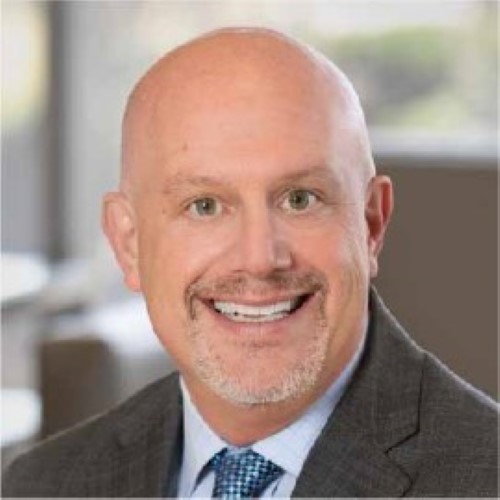
Speaker bio
Tiffany Payne
is counsel with the Charleston office of Moore & VanAllen where she advises companies, financial institutions, and individuals in government investigations, regulatory enforcement matters, and complex commercial litigation involving artificial intelligence, digital assets, derivatives, prediction markets, and other emerging technologies. A certified IAPP Artificial Intelligence Governance Professional (AIGP), Ms. Payne combines her experience in government investigations, financial regulation, and commercial litigation to help clients manage legal risk in fast-moving areas where enforcement risk and business innovation intersect. With nearly two decades of experience in private practice in New York, Washington, D.C., and the Carolinas, she counsels clients through complex regulatory frameworks, government investigations, internal reviews, and high-stakes business disputes. She works proactively with organizations to identify legal, operational, and reputational risks before they become enforcement actions or litigation, providing strategic advice that aligns with each client's business objectives. Ms. Payne has developed a niche practice advising clients operating in highly regulated industries—particularly financial services, healthcare, and manufacturing—on the legal and regulatory implications of artificial intelligence, digital assets, and other emerging technologies. She helps organizations evaluate and implement AI responsibly while addressing regulatory compliance, governance, internal investigations, vendor management, data privacy, and emerging operational and litigation risks. She understands the importance of balancing innovation with compliance and risk mitigation, enabling clients to adopt new technologies confidently while protecting their organizations. Ms. Payne also serves as an Adjunct Professor at the Charleston School of Law, where she teaches Corporate Internal Investigations. Drawing on her extensive experience conducting internal investigations and defending clients in government enforcement matters, she provides students with a practical understanding of how organizations identify, investigate, and respond to allegations of misconduct while navigating legal, regulatory, and ethical considerations. She earned her B.S. degree from University of Virginia and her J.D. degree from George Washington University Law School.
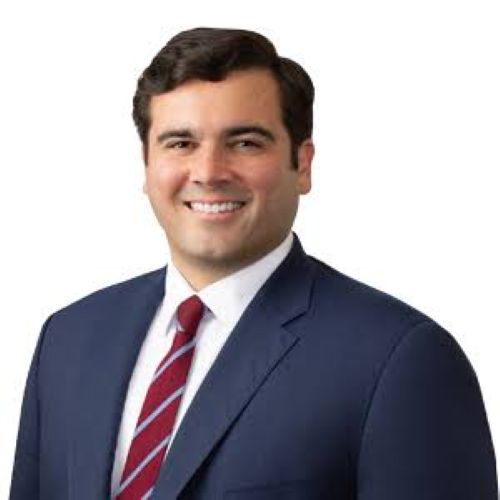
Speaker bio
Jonathan T. Hyman
is a member of Wickens Herzer Panza's Litigation Department, chairperson of the Employment and Labor practice group, and serves on the firm's Board of Directors. He focuses his practice on management-side labor and employment law, providing businesses proactive solutions to solve their workforce problems and reactive solutions when they find themselves litigating against an employee or group of employees. Mr. Hyman also has extensive experience on more specialized labor and employment law issues such as wage and hour compliance, social media, cybersecurity, and other workplace technology concerns, affirmative action compliance, and union avoidance and labor relations. He is also one of the co-founders and co-practice group leaders of the firm's craft beer practice. In that capacity, Mr. Hyman helps brewers, brew pubs and restaurants, and businesses that serve the craft beer industry navigate their specialized business, legal, and regulatory issues. He earned his bachelor's degree, magna cum laude, from Binghamton University and his J.D. degree, magna cum laude, Order of the Coif, from Case Western Reserve University School of Law. Mr. Hyman is affiliated with Cleveland Metropolitan Bar Association, Ohio Chamber of Commerce, Lake Ridge Academy, Workforce Magazine and Noonan Syndrome Foundation. He is admitted in the state of Ohio, U.S. District Court for the Northern and Southern district of Ohio, U.S. Bankruptcy Court for the Northern District of Ohio, U.S. District Court for the Northern District of Illinois, U.S. District Court for the Northern District of Oklahoma, and U.S. Court of Appeals for the Sixth Circuit and the Federal Circuit.
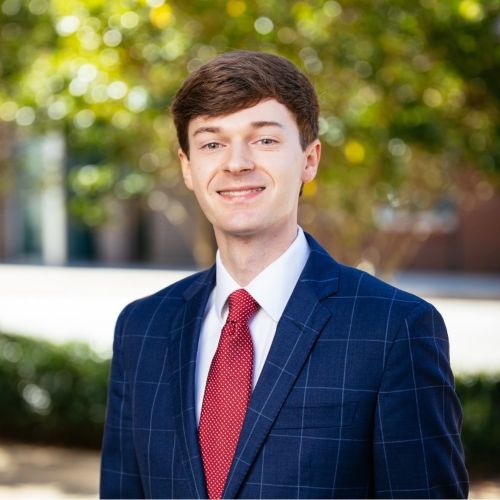
Speaker bio
Tyler R. Bridegan
is an attorney at Womble Bond Dickinson. He helps companies navigate the privacy, cybersecurity, and technology legal landscape by developing risk-based compliance strategies and vigorously defending companies targeted by government investigations and litigation. As the former Director of Privacy and Technology Enforcement for the Texas Attorney General’s Office and Acting Legal Advisor for Commissioner Simington at the Federal Communications Commission (FCC), Mr. Bridegan has conducted and defended hundreds of government investigations. These include matters brought by individual state attorneys general, multi-state attorney general coalitions, the Federal Trade Commission (FTC), the Consumer Financial Protection Bureau (CFPB), the FCC, and the New York Department of Financial Services (NYDFS). Mr. Bridegan counsels clients on proactive compliance with federal and state consumer protection laws, providing clear and actionable advice to minimize enforcement and litigation risk. His federal law experience includes the Fair Credit Reporting Act (FCRA), Children’s Online Privacy Protection Act (COPPA), Restoring Online Shoppers’ Confidence Act (ROSCA), Health Insurance Portability and Accountability Act (HIPAA), INFORM Consumers Act, Communications Act, Telephone Consumer Protection Act (TCPA), and CAN-SPAM. Mr. Bridegan also has substantial knowledge of state privacy regimes, including comprehensive privacy laws, data broker laws, breach notification requirements, children’s privacy and social media regulations, artificial intelligence laws, app store and developer regulations, and mini-TCPA laws. He is a Registered Practitioner under the Cybersecurity Maturity Model Certification (CMMC) and holds certifications from the International Association of Privacy Professionals (IAPP), including CIPP/US, CIPM, and CIPP/E. Mr. Bridegan earned his B.A. degree from University of Oklahoma and his J.D. degree, cum laude, from Georgetown University Law Center.
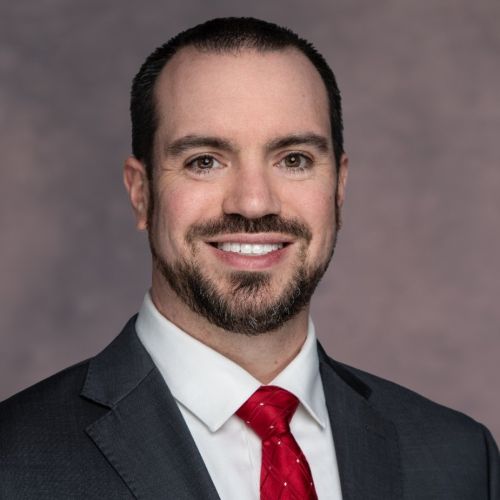
Speaker bio
Benjamin B. Murray
is an attorney with Wyche, P.A. where he focuses his practice on mergers and acquisitions, corporate finance, corporate governance, and economic development transactions. Prior to joining Wyche, Mr. Murray practiced at a large international firm, where he represented public and private companies, as well as private equity funds, in mergers and acquisitions and other strategic transactions. Before law school, Mr. Murray worked in the White House Office of Presidential Scheduling, where he coordinated the daily schedule for the President of the United States. During college, he gained experience in state government while serving as an intern in the South Carolina Governor’s Office and as a legislative page for the South Carolina Senate. Mr. Murray earned his B.A. degree, summa cum laude from the University of South Carolina and his J.D. degree, magna cum laude from the University of South Carolina School of Law. He is admitted to practice in South Carolina and North Carolina.
Speaker bio
Michael P. Oliverio
is a partner at Vorys, Sater, Seymour and Pease LLP. He is a partner in the Vorys Pittsburgh office and a member of the litigation group. Mr. Oliverio has experience in a wide variety of litigation matters, including complex commercial disputes; antitrust and securities law matters; false advertising and anti-competitive claims; trade secrets and data security; and financial fraud and investment scheme claims. He has tried cases before juries and judges in both State and Federal courts, as well as various arbitration bodies. Mr. Oliverio is counsel to Pennsylvania's largest trade association for providers of intellectual disability and autism support services. As a parent-advocate as well as an attorney, Mr. Oliverio is a frequent speaker and writer on ID/A issues. He represents numerous ID/A providers in regulatory matters with the Office of Developmental Programs (ODP), including formal provider appeals to the Bureau of Hearings and Appeals. Mr. Oliverio also has extensive experience counseling and defending clients in many industries, particularly health care and financial institutions, on regulatory and compliance matters involving state and federal agencies., such as DOJ and SEC investigations; OAG investigations, whistleblower actions; U.S. export laws; sanctions programs administered by the Office of Foreign Assets Controls (OFAC); Arms Export Control Act (AECA); the International Traffic in Arms Regulations (ITAR); and the U.S. Foreign Corrupt Practices Act (FCPA). He earned his B.A. degree from West Virginia University, and his J.D. degree from Wake Forest University School of Law.
TOP FAQs
Have more questions? Please Contact Us