

Practical AI Guide for Bankruptcy Attorneys
Credits Available
| Credit | Status | Total |
|---|---|---|
| California MCLE Paralegal |
|
4 Total |
| Alaska CLE |
|
4 Total |
| Alabama CLE |
|
4 Total |
| Arkansas CLE |
|
4 Total |
| Arizona CLE |
|
4 Total |
| California CLE |
|
4 Total |
| Colorado CLE |
|
5 Total |
| Connecticut CLE |
|
4 Total |
| Delaware CLE |
|
4 Total |
| Florida CLE |
|
5 Total |
| Georgia CLE |
|
4 Total |
| Hawaii CLE |
|
4 Total |
| Iowa CLE |
|
4 Total |
| Idaho CLE |
|
4 Total |
| Illinois CLE |
|
4 Total |
| Indiana CLE |
|
4 Total |
| Kansas CLE |
|
4.5 Total |
| Kentucky CLE |
|
4 Total |
| Louisiana CLE |
|
4 Total |
| Maine CLE |
|
4 Total |
| Minnesota CLE |
|
4 Total |
| Missouri CLE |
|
4.8 Total |
| Northern Mariana Islands CLE |
|
4 Total |
| Mississippi CLE |
|
4 Total |
| Montana CLE |
|
4 Total |
| North Carolina CLE |
|
4 Total |
| North Dakota CLE |
|
4 Total |
| Nebraska CLE |
|
4 Total |
| New Hampshire CLE |
|
4 Total |
| New Jersey CLE |
|
4.8 Total |
| New Mexico CLE |
|
4 Total |
| Nevada CLE |
|
4 Total |
| New York CLE |
|
4.5 Total |
| Ohio CLE |
|
4 Total |
| Oklahoma CLE |
|
5 Total |
| Oregon CLE |
|
4 Total |
| Pennsylvania CLE |
|
4 Total |
| Rhode Island CLE |
|
4.5 Total |
| South Carolina CLE |
|
4 Total |
| Tennessee CLE |
|
4 Total |
| Texas CLE |
|
4 Total |
| Utah CLE |
|
4 Total |
| Virginia CLE |
|
4 Total |
| Vermont CLE |
|
4 Total |
| Washington CLE |
|
4 Total |
| Wisconsin CLE |
|
4.5 Total |
| West Virginia CLE |
|
4.8 Total |
| Wyoming CLE |
|
4 Total |
| Delaware Certified Paralegal Program |
|
4 Total |
| Florida Registered Paralegal |
|
5 Total |
| Indiana Paralegal CLE |
|
4 Total |
| Montana CLE Credit for Paralegals |
|
4 Total |
| North Carolina Continuing Paralegal Education |
|
4 Total |
| New Mexico Paralegal Division, State Bar of |
|
4 Total |
| Ohio Certified Paralegals |
|
4 Total |
| NFPA |
|
0 Total |
| Texas State Bar of Paralegal Division |
|
4 Total |
Wed, Dec 02, 00:00 AM – 00:00 PM



Wed, Dec 02, 00:00 AM – 00:00 PM
Register For Course
Live Webinar Registration
OnDemand Recording
Course Book Download
Overview
Smarter Research, Drafting, Financial Analysis, and Case Management
Between overflowing dockets, dense schedules, and unforgiving deadlines, bankruptcy practitioners are under constant pressure to do more in less time, and many are already turning to AI tools to keep up.
This practical course cuts through the hype and shows you how AI fits into a real bankruptcy practice—from research and drafting to financial analysis, claims review, contested matters, and day-to-day case workflows. Learn where AI can save time, where attorney judgment remains essential, and how to use these tools without sacrificing accuracy or confidentiality. Walk away with practical strategies for putting AI to work across the bankruptcy matter. Register today!
- Use AI to accelerate bankruptcy research, drafting, and document review without sacrificing accuracy.
- Analyze financial records faster to uncover missing information, unusual transfers, and other red flags.
- Triage proofs of claim, identify potential objections, and organize supporting evidence.
- Use AI to prepare motions, briefs, responses, and hearing materials in contested matters.
- Build practical AI workflows for intake, document organization, docket monitoring, and routine communications.
- Protect confidential client information and recognize which tasks should never be delegated to AI without meaningful attorney review.
*Any mention of specific products in this program is intended as part of a general overview and does not constitute NBI's endorsement or recommendation of any specific product or provider. This program is not sponsored by any technology or electronics provider.
Abbreviated Agenda
- AI Foundations for Bankruptcy Practice
- AI-Powered Legal Research and Case Law Analysis
- Drafting and Reviewing Bankruptcy Filings With AI
- Automatic Stay and Other Contested Matters: Drafting Motions, Briefs, and More With AI
- AI for Financial Analysis and Avoidance Issues
- AI for Proofs of Claim and Claims Objections
- Building an AI-Powered Bankruptcy Workflow
Can't Attend Live?

Get the OnDemand Instead
Watch the recording of this event on your own schedule. We'll notify you when its ready.
Credit Details
Credits Available
| Credit | Status | Total |
|---|---|---|
| California MCLE Paralegal |
|
4 Total |
| Alaska CLE |
|
4 Total |
| Alabama CLE |
|
4 Total |
| Arkansas CLE |
|
4 Total |
| Arizona CLE |
|
4 Total |
| California CLE |
|
4 Total |
| Colorado CLE |
|
5 Total |
| Connecticut CLE |
|
4 Total |
| Delaware CLE |
|
4 Total |
| Florida CLE |
|
5 Total |
| Georgia CLE |
|
4 Total |
| Hawaii CLE |
|
4 Total |
| Iowa CLE |
|
4 Total |
| Idaho CLE |
|
4 Total |
| Illinois CLE |
|
4 Total |
| Indiana CLE |
|
4 Total |
| Kansas CLE |
|
4.5 Total |
| Kentucky CLE |
|
4 Total |
| Louisiana CLE |
|
4 Total |
| Maine CLE |
|
4 Total |
| Minnesota CLE |
|
4 Total |
| Missouri CLE |
|
4.8 Total |
| Northern Mariana Islands CLE |
|
4 Total |
| Mississippi CLE |
|
4 Total |
| Montana CLE |
|
4 Total |
| North Carolina CLE |
|
4 Total |
| North Dakota CLE |
|
4 Total |
| Nebraska CLE |
|
4 Total |
| New Hampshire CLE |
|
4 Total |
| New Jersey CLE |
|
4.8 Total |
| New Mexico CLE |
|
4 Total |
| Nevada CLE |
|
4 Total |
| New York CLE |
|
4.5 Total |
| Ohio CLE |
|
4 Total |
| Oklahoma CLE |
|
5 Total |
| Oregon CLE |
|
4 Total |
| Pennsylvania CLE |
|
4 Total |
| Rhode Island CLE |
|
4.5 Total |
| South Carolina CLE |
|
4 Total |
| Tennessee CLE |
|
4 Total |
| Texas CLE |
|
4 Total |
| Utah CLE |
|
4 Total |
| Virginia CLE |
|
4 Total |
| Vermont CLE |
|
4 Total |
| Washington CLE |
|
4 Total |
| Wisconsin CLE |
|
4.5 Total |
| West Virginia CLE |
|
4.8 Total |
| Wyoming CLE |
|
4 Total |
| Delaware Certified Paralegal Program |
|
4 Total |
| Florida Registered Paralegal |
|
5 Total |
| Indiana Paralegal CLE |
|
4 Total |
| Montana CLE Credit for Paralegals |
|
4 Total |
| North Carolina Continuing Paralegal Education |
|
4 Total |
| New Mexico Paralegal Division, State Bar of |
|
4 Total |
| Ohio Certified Paralegals |
|
4 Total |
| NFPA |
|
0 Total |
| Texas State Bar of Paralegal Division |
|
4 Total |
Select Jurisdiction
CLE
Paralegal
Agenda
-
AI Foundations for Bankruptcy Practice
- Generative AI, Large Language Models, and Legal-Specific Tools: A Quick-Start Guide
- What AI Can—and Cannot—Reliably Do in a Bankruptcy Practice
- Choosing Between General-Purpose and Legal-Specific AI Tools
- What Should Never Be Delegated to AI Without Meaningful Attorney Review
- Confidentiality, Privilege, and Sensitive Client Financial Data: What NOT to Put Into Certain AI Tools
-
AI-Powered Legal Research and Case Law Analysis
- Using AI Research Tools to Accelerate Bankruptcy Code, Rule, and Case Law Research
- Finding and Analyzing Jurisdiction-Specific Precedent
- Summarizing Opinions, Orders, Trustee Reports, and Other Lengthy Materials
- Comparing Authorities and Identifying Conflicting Decisions
- Verifying Cases, Quotations, Citations, and Conclusions: Why You Cannot Skip This Step
- AI Hallucinations in Bankruptcy Court: Real Cases, Sanctions, and Lessons Learned
-
Drafting and Reviewing Bankruptcy Filings With AI
- AI-Assisted Preparation of Petitions, Schedules, and Statements of Financial Affairs
- Drafting and Reviewing Plans, Disclosure Statements, and Other Bankruptcy Documents With AI
- Using Prior Work Product, Templates, and Sample Documents With AI
- Quality Control: Cross-Checking AI Output Against Source Documents and Filing Requirements
-
Automatic Stay and Other Contested Matters: Drafting Motions, Briefs, and More With AI
- Using AI to Analyze the Record, Research the Issue, and Build the Argument
- Drafting Motions, Briefs, Responses, and Proposed Orders With AI
- Using AI to Prepare for Hearings
-
AI for Financial Analysis and Avoidance Issues
- Asset, Exemption, Means Test, and Disposable Income Analysis: Where AI Can Help
- Reviewing Bank Statements, Tax Returns, Financial Statements, Ledgers, and Other Financial Records
- Extracting and Organizing Assets, Liabilities, Income, Expenses, and Transactions
- Building Chronologies, Transaction Summaries, and Other Working Analyses
- Identifying Missing Information, Inconsistencies, Unusual Transfers, and Other Red Flags
- AI-Assisted Review for Preferences, Fraudulent Transfers, and Other Avoidance Issues
- Using AI to Prepare for the 341 Meeting
-
AI for Proofs of Claim and Claims Objections
- Triaging and Summarizing High-Volume Proofs of Claim
- Comparing Proofs of Claim Against Schedules, Debtor Records, and Supporting Documentation
- Identifying Duplicate, Inconsistent, Unsupported, or Potentially Objectionable Claims
- Organizing Claim Objections and Supporting Evidence
- Drafting Claim Objections and Responses With AI
-
Building an AI-Powered Bankruptcy Workflow
- Intake and Client Document Collection: Identifying Missing Information Before Filing
- Turning Client Records Into Organized Matter Information
- Monitoring Dockets, Orders, Deadlines, and Case Developments
- Drafting Routine Client, Creditor, Trustee, and Opposing Counsel Communications
- Preparing Case Chronologies, Issue Lists, and Hearing Materials
- Connecting Research, Documents, Deadlines, and Matter Information Into Repeatable Workflows
- Where Automation Ends: Attorney Review, Approval, and Escalation
Who Should Attend
This program is designed for attorneys. Paralegals, case administrators, and legal support staff who assist with filings and case management will also benefit.Speakers
Speaker bio
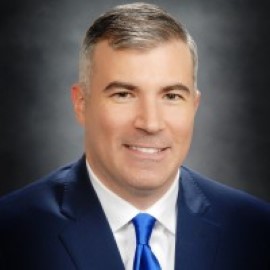
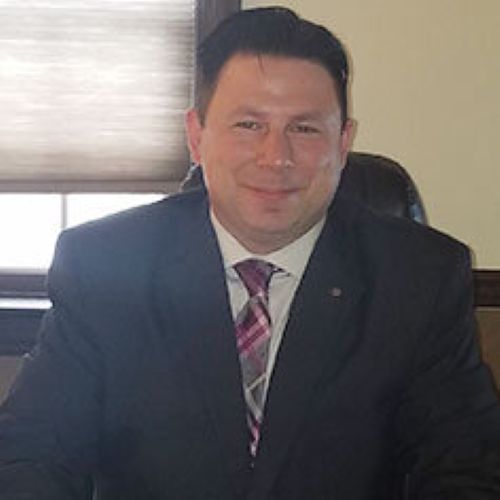
Joseph A. Ferrise
is a staff attorney at the Office of the Chapter 13 Trustee in Akron, Ohio. He also is an adjunct professor at the University of Akron. Mr. Ferrise earned his B.A. degree from the University of Akron and his J.D. degree from the University of Akron School of Law.
Speaker bio
Michael R. Hogue
maintains a multi-disciplinary construction practice providing representation to owners, developers, and major corporations in all aspects and phases of construction and project development in the real estate industry. His practice provides an integrated "one-stop-shop" for a broad cross-section of public and private sector clients in due diligence, transactions, tenant buildouts, project oversight and management, regulatory compliance, disputes, litigation, and restructuring/bankruptcy matters.
Speaker bio
Gregory M. Taube
is a partner with the law firm of Nelson Mullins Riley & Scarborough, LLP in Atlanta. He practices in the areas of business litigation, bankruptcy and creditors' rights. Mr. Taube advocates for creditors and landlords in state and federal courts, including bankruptcy courts in Georgia and Alabama. He also regularly represents litigants in consumer finance litigation, contract and real estate disputes, franchise and distribution disputes, business torts, and other business litigation. Mr. Taube actively participates as a member of the American Bankruptcy Institute's Ethics and Professional Compensation Committee. He earned his B.A. degree from the University of South Alabama and his J.D. degree, summa cum laude, from the University of Alabama School of Law.
Speaker bio
Donald T. Bonomo
is a founding member and senior partner of The Law Offices of Perez & Bonomo. He is a Consumer Protection Attorney dedicated to helping families and individuals achieve their financial goals, and overcome legal obstacles and challenges. Mr. Bonomo is a member North American Consumer Bankruptcy Association, the New Jersey State Bar and Bergen County Bar. He is accredited and licensed in the New Jersey State District and Federal Court. He is also licensed in the U.S. Tax Court, Court of International Trade and Court of Veterans Affairs. Mr. Bonomo has been quoted in the Wall Street Journal, Bergen Record, and the Jersey Journal throughout his 15 years of legal experience. He has written for several publications regarding bankruptcy and foreclosure law and frequently lectures on these topics at both St. Peter's University and Jersey City University.
Speaker bio
R. Grace Rodriguez
is a solo practitioner at The Law Offices of R. Grace Rodriguez. She focuses her practice on real estate law. Ms. Rodriguez earned her bachelor's degree from Pizer College and her J.D. degree from Western State College of Law. She is admitted to practice law in California.
TOP FAQs
Have more questions? Please Contact Us