

When AI Adjusts the Claim: Valuation, Denials, Discovery, and Bad Faith
Credits Available
| Credit | Status | Total |
|---|---|---|
| Alaska CLE |
|
3 Total |
| Alabama CLE |
|
3 Total |
| Arkansas CLE |
|
3 Total |
| Arizona CLE |
|
3 Total |
| California CLE |
|
3 Total |
| Colorado CLE |
|
4 Total |
| Connecticut CLE |
|
3 Total |
| Delaware CLE |
|
3 Total |
| Florida CLE |
|
3.5 Total |
| Georgia CLE |
|
3 Total |
| Hawaii CLE |
|
3 Total |
| Iowa CLE |
|
3 Total |
| Idaho CLE |
|
3 Total |
| Illinois CLE |
|
3 Total |
| Indiana CLE |
|
3 Total |
| Kansas CLE |
|
3.5 Total |
| Kentucky CLE |
|
3 Total |
| Louisiana CLE |
|
3 Total |
| Maine CLE |
|
3 Total |
| Minnesota CLE |
|
3 Total |
| Missouri CLE |
|
3.6 Total |
| Northern Mariana Islands CLE |
|
3 Total |
| Mississippi CLE |
|
3 Total |
| Montana CLE |
|
3 Total |
| North Carolina CLE |
|
3 Total |
| North Dakota CLE |
|
3 Total |
| Nebraska CLE |
|
3 Total |
| New Hampshire CLE |
|
3 Total |
| New Jersey CLE |
|
3.6 Total |
| New Mexico CLE |
|
3 Total |
| Nevada CLE |
|
3 Total |
| New York CLE |
|
3.5 Total |
| Ohio CLE |
|
3 Total |
| Oklahoma CLE |
|
3.5 Total |
| Oregon CLE |
|
3 Total |
| Pennsylvania CLE |
|
3 Total |
| Rhode Island CLE |
|
3.5 Total |
| South Carolina CLE |
|
3 Total |
| Tennessee CLE |
|
3 Total |
| Texas CLE |
|
3 Total |
| Utah CLE |
|
3 Total |
| Virginia CLE |
|
3 Total |
| Vermont CLE |
|
3 Total |
| Washington CLE |
|
3 Total |
| Wisconsin CLE |
|
3.5 Total |
| West Virginia CLE |
|
3.6 Total |
| Wyoming CLE |
|
3 Total |
Wed, Dec 09, 00:00 AM – 00:00 PM
Wed, Dec 09, 00:00 AM – 00:00 PM
Register For Course
Live Webinar Registration
OnDemand Recording
Course Book Download
Overview
From Claim Valuation to Bad Faith: The New AI Battleground
AI is changing how insurers value claims and make coverage decisions. Is your approach keeping up?
This practical CLE explores AI-driven reserves and claim valuation, demand letter strategies, AI-assisted denials, and the new evidence hiding inside and outside the traditional claim file. Learn how to discover AI-assisted decisions, build or defend the emerging AI bad-faith case, and determine whether AI-related losses are covered. Get ahead of the next wave of insurance disputes. Register today!
- See how AI is influencing reserves, claim valuations, and settlement recommendations.
- Learn how to craft stronger demand packages for an AI-assisted claims process.
- Uncover the AI inputs, outputs, scores, logs, and other evidence that may exist outside the traditional claim file.
- Get discovery and deposition strategies for exposing how an AI-assisted claim decision was actually made.
- Build—or defend against—the emerging AI bad-faith case.
- Navigate coverage issues when AI-related losses strike.
*Any mention of specific products in this program is intended as part of a general overview and does not constitute NBI's endorsement or recommendation of any specific product or provider. This program is not sponsored by any technology or electronics provider.
Abbreviated Agenda
- AI-Driven Reserves, Claim Valuation, and Settlement Recommendations
- Demand Letters in the Age of AI: What Gets Results
- AI-Assisted Claim Denials
- Building and Defending the AI Bad-Faith Case (With Lessons From Case Law)
- Discovery of AI-Assisted Claim Decisions
- The Other Side of AI and Insurance: Coverage for AI-Related Losses
Can't Attend Live?

Get the OnDemand Instead
Watch the recording of this event on your own schedule. We'll notify you when its ready.
Credit Details
Credits Available
| Credit | Status | Total |
|---|---|---|
| Alaska CLE |
|
3 Total |
| Alabama CLE |
|
3 Total |
| Arkansas CLE |
|
3 Total |
| Arizona CLE |
|
3 Total |
| California CLE |
|
3 Total |
| Colorado CLE |
|
4 Total |
| Connecticut CLE |
|
3 Total |
| Delaware CLE |
|
3 Total |
| Florida CLE |
|
3.5 Total |
| Georgia CLE |
|
3 Total |
| Hawaii CLE |
|
3 Total |
| Iowa CLE |
|
3 Total |
| Idaho CLE |
|
3 Total |
| Illinois CLE |
|
3 Total |
| Indiana CLE |
|
3 Total |
| Kansas CLE |
|
3.5 Total |
| Kentucky CLE |
|
3 Total |
| Louisiana CLE |
|
3 Total |
| Maine CLE |
|
3 Total |
| Minnesota CLE |
|
3 Total |
| Missouri CLE |
|
3.6 Total |
| Northern Mariana Islands CLE |
|
3 Total |
| Mississippi CLE |
|
3 Total |
| Montana CLE |
|
3 Total |
| North Carolina CLE |
|
3 Total |
| North Dakota CLE |
|
3 Total |
| Nebraska CLE |
|
3 Total |
| New Hampshire CLE |
|
3 Total |
| New Jersey CLE |
|
3.6 Total |
| New Mexico CLE |
|
3 Total |
| Nevada CLE |
|
3 Total |
| New York CLE |
|
3.5 Total |
| Ohio CLE |
|
3 Total |
| Oklahoma CLE |
|
3.5 Total |
| Oregon CLE |
|
3 Total |
| Pennsylvania CLE |
|
3 Total |
| Rhode Island CLE |
|
3.5 Total |
| South Carolina CLE |
|
3 Total |
| Tennessee CLE |
|
3 Total |
| Texas CLE |
|
3 Total |
| Utah CLE |
|
3 Total |
| Virginia CLE |
|
3 Total |
| Vermont CLE |
|
3 Total |
| Washington CLE |
|
3 Total |
| Wisconsin CLE |
|
3.5 Total |
| West Virginia CLE |
|
3.6 Total |
| Wyoming CLE |
|
3 Total |
Credit Details by Jurisdiction
Live Webinar Registration
CLE
Credits
Alaska CLE Reciprocity · 3 Total Credits
Live - Alaska CLE - 3: Alaska Bar members may claim credit for attending CLE programs that have been accredited by other mandatory CLE jurisdictions. This program qualifies for 3.0 hours of credit, which includes 3.0 hours of MCLE credit and 0.0 hour of MECLE credit.
Alabama CLE Approved · 3 Total Credits
Live - Alabama CLE - 3: This course or a portion thereof has been approved by the Alabama State Bar Mandatory Continuing Legal Education Commission for a maximum of 3.0 credit hours, including 0.0 ethics/professionalism credit.
Arkansas CLE Approved · 3 Total Credits
Live - Arkansas CLE - 3: NBI, Inc. is an accredited sponsor in the state of Arkansas. This program is approved for 3.0 hours of continuing legal education credit, including 0.0 hour of ethics, consistent with the rules and regulations of the Arkansas Supreme Court of Professional Programs.
Arizona CLE Approved · 3 Total Credits
Live - Arizona CLE - 3: The State Bar of Arizona does not approve or accredit CLE activities for the Mandatory Continuing Legal Education requirement. This activity qualifies for 3.0 hours toward your annual CLE requirement for the State of Arizona, including 0.0 hour of professional responsibility.
California CLE Approved · 3 Total Credits
- 1 Technology
Live - California CLE - 3: This activity has been approved for Minimum Continuing Legal Education credit by the State Bar of California in the amount of 3.0 hours, of which 0.0 hour will apply to legal ethics and 1.0 hour will apply to Technology. NBI, Inc. certifies this activity conforms to the standards for approved education activities prescribed by the rules and regulations of the State Bar of California governing minimum continuing legal education. NBI, Inc. is a State Bar of California approved MCLE provider - #53.
Colorado CLE Approved · 4 Total Credits
Live - Colorado CLE - 4: NBI, Inc. is a Certified Provider, as recognized by the Colorado Supreme Court Continuing Legal and Judicial Education Committee. This program has been accredited for 4.0 hours of General Colorado Continuing Legal Education Credit, including 0.0 professional responsibility credit.
Connecticut CLE Approved · 3 Total Credits
Live - Connecticut CLE - 3: Neither the Connecticut Judicial Branch nor the Commission on Minimum Continuing Legal Education approve or accredit CLE providers or activities. It is the opinion of NBI, Inc. that this activity qualifies for 3.0 hours toward your annual CLE requirement in Connecticut, including 0.0 hour(s) of ethics/professionalism.
Delaware CLE Approved · 3 Total Credits
Live - Delaware CLE - 3: NBI, Inc. is an accredited sponsor of the Delaware Commission on Continuing Legal Education and recommends this program for 3.0 hours of eCLE credit, including 0.0 hour of ethics.
Florida CLE Approved · 3.5 Total Credits
- 3.5 Technology
- 3.5 Civil Trial
- 3.5 Business Litigation
Live - Florida CLE - 3.5: Approved by The Florida Bar for a maximum of 3.50 general hours of CLER credit including 0.0 hour of professional responsibility (may include legal ethics, professionalism, substance abuse or mental illness and wellness programs) and 3.50 hours of technology. Certifications: 3.50 - Business Litigation; 3.50 - Civil Trial
Georgia CLE Approved · 3 Total Credits
Live - Georgia CLE - 3: This program is approved by the Commission on Continuing Lawyer Competency of the State Bar of Georgia. This program qualifies for 3.0 hours of distance learning continuing legal education credit with the Georgia Commission on Continuing Lawyer Competency, which includes 0.0 hour of distance learning ethics.
Hawaii CLE Approved · 3 Total Credits
Live - Hawaii CLE - 3: NBI, Inc. is an Accredited Provider with the Hawaii State Board of Continuing Legal Education. This alternative format activity has been approved for 3.0 hours of credit for the state of Hawaii, which includes 0.0 hour of ethics or professional responsibility education.
Iowa CLE Approved · 3 Total Credits
Live - Iowa CLE - 3: "When AI Adjusts the Claim: Valuation, Denials, Discovery, and Bad Faith" is an accredited program under the regulations of the Iowa Supreme Court Commission on Continuing Legal Education. It is planned that this program will provide a maximum of 3.0 hours of regular credit toward the mandatory continuing legal education requirements under the Iowa rule, including 0.0 hour of legal ethics credit.
Idaho CLE Pending · 3 Total Credits
Live - Idaho CLE - 3: This program has been submitted for continuing legal education credit in the state of Idaho.
Illinois CLE Approved · 3 Total Credits
Live - Illinois CLE - 3: This program has been approved by the Illinois MCLE Board for 3.0 hours of CLE credit, which includes approval for 0.0 hour of legal ethics, civility, professionalism CLE credit by the Illinois Supreme Court Commission on Professionalism.
Indiana CLE Approved · 3 Total Credits
Live - Indiana CLE - 3: This course has been approved by the Indiana Supreme Court Office of Admissions & Continuing Education. Participating attorneys are eligible to receive 3.0 hours of distance education, which includes 0.0 hour of ethics.
Kansas CLE Approved · 3.5 Total Credits
Live - Kansas CLE - 3.5: Approved by Kansas CLE for 3.50 hours of continuing legal education credit, which includes 0.0 hour of ethics and professionalism credit.
Kentucky CLE Approved · 3 Total Credits
Live - Kentucky CLE - 3: This activity has been approved by the Kentucky Bar Association Continuing Legal Education Commission for a maximum of 3.0 credits, including 0.0 ethics credits.
Louisiana CLE Approved · 3 Total Credits
Live - Louisiana CLE - 3: This course or a portion thereof has been approved by the Louisiana Mandatory Continuing Legal Education Committee of the Louisiana State Bar Association. This program qualifies for 3.0 hours (based on a 60-minute credit hour) of computer based credit, of which 0.0 hour will apply to computer based ethics credit.
Maine CLE Approved · 3 Total Credits
Live - Maine CLE - 3: This course has been approved by the State of Maine Board of Overseers of the Bar. Lawyers who complete this course shall receive 3.0 hours of CLE credit including 0.0 ethics hours.
Course Book - Maine CLE - 3: This course has been approved by the State of Maine Board of Overseers of the Bar. Lawyers who complete this course will receive 3.0 hours of self-study CLE credit.
Minnesota CLE Approved · 3 Total Credits
Live - Minnesota CLE - 3: This course has been approved by the Minnesota Board of Continuing Legal Education for 3.0 hours of standard CLE credit, including 0.0 hour of ethics credit.
Missouri CLE Approved · 3.6 Total Credits
Live - Missouri CLE - 3.6: NBI, Inc. is an accredited sponsor with Missouri Minimum Continuing Legal Education. This program qualifies for 3.60 hours of CLE credit, which includes 0.0 hour of ethics, professionalism or malpractice prevention credit.
Course Book - Missouri CLE - 3.6: NBI, Inc. is an accredited sponsor with Missouri Minimum Continuing Legal Education. This program qualifies for 3.60 self-study CLE credit hours.
Northern Mariana Islands CLE Approved · 3 Total Credits
Live - Northern Mariana Islands CLE - 3: This course has been approved by the Commonwealth of the Northern Mariana Islands. Lawyers who complete this course shall receive 3.0 hours of CLE credit.
Course Book - Northern Mariana Islands CLE - 3: This course has been approved by the Commonwealth of the Northern Mariana Islands. Lawyers who complete this course shall receive 3.0 hours of self-study CLE credit.
Mississippi CLE Approved · 3 Total Credits
Live - Mississippi CLE - 3: This course has been approved by the Mississippi Commission on Continuing Legal Education for a maximum of 3.0 hours of Online credit, which includes 0.0 hour of ethics/ professionalism.
Montana CLE Approved · 3 Total Credits
Live - Montana CLE - 3: Approved for 3.0 hours of CLE credit by the Montana Commission of Continuing Legal Education, including 0.0 hour of professional fitness and integrity credit.
North Carolina CLE Approved · 3 Total Credits
- 1 Technology
Live - North Carolina CLE - 3: NBI, Inc. is an accredited sponsor with the North Carolina State Board of Continuing Legal Education. Attendance of this program will result in 3.0 hours of CLE credit, including 0.0 professional responsibility and 1.0 technology.
North Dakota CLE Approved · 3 Total Credits
Live - North Dakota CLE - 3: This program has been approved by the North Dakota Commission for Continuing Legal Education for 3.0 hours of CLE credit, including 0.0 hour of ethics credit.
Nebraska CLE Approved · 3 Total Credits
Live - Nebraska CLE - 3: NBI, Inc. is an accredited CLE sponsor in the state of Nebraska. This activity has been approved for 3.0 distance learning CLE credits, including 0.0 hour of professional responsibility credit.
New Hampshire CLE Approved · 3 Total Credits
Live - New Hampshire CLE - 3: NHMCLE does not approve or accredit CLE activities for the NH Minimum CLE requirement. NBI, Inc. believes this course meets the requirements of NH Supreme Court Rule 53 toward the annual NHMCLE requirement.
New Jersey CLE Approved · 3.6 Total Credits
- 3.6 Technology
Live - New Jersey CLE - 3.6: This program has been approved by the Board on Continuing Legal Education of the Supreme Court of New Jersey for 3.60 hours of total CLE credit. Of these, 0.0 qualifies as hours of credit for technology.
New Mexico CLE Approved · 3 Total Credits
Live - New Mexico CLE - 3: This program has been approved by the Board of Bar Commissioners of the State Bar of New Mexico for 3.0 hours of credit, including 0.0 hour of ethics.
Nevada CLE Approved · 3 Total Credits
Live - Nevada CLE - 3: This course has been approved by the Nevada Board of Continuing Legal Education. This program qualifies for 3.0 hours of alternative format CLE credits by the Nevada Board of Continuing Legal Education, which includes 0.0 hour of alternative format ethical considerations.
New York CLE Approved · 3.5 Total Credits
- 3.5 Areas of Professional Practice
Live - New York CLE - 3.5: This course has been approved in accordance with the requirements of the New York State Continuing Legal Education Board for a maximum of 3.50 credit hours. 3.50 hours can be applied to the areas of professional practice requirement. This nontraditional format program is approved for experienced attorneys. NBI, Inc. offers a Financial Hardship Policy for qualifying individuals. To apply, please submit a request via email to our Tuition Discount Committee at customerservice@nbi-sems.com.
Ohio CLE Approved · 3 Total Credits
Live - Ohio CLE - 3: This course has been approved by the Supreme Court of Ohio Commission on Continuing Legal Education for 3.0 CLE credit hours, including 0.0 hour of attorney professional conduct instruction.
Oklahoma CLE Approved · 3.5 Total Credits
Live - Oklahoma CLE - 3.5: This course has been approved by the Oklahoma Bar Association Mandatory Continuing Legal Education Commission for 3.50 hours of CLE credit, which includes 0.0 hour of legal ethics.
Oregon CLE Approved · 3 Total Credits
Live - Oregon CLE - 3: NBI, Inc. is an approved sponsor with the Oregon MCLE. This program is approved for 3.0 hours of general continuing legal education credit and 0.0 hour of ethics credit.
Pennsylvania CLE Approved · 3 Total Credits
Live - Pennsylvania CLE - 3: This program has been approved by the Pennsylvania Continuing Legal Education Board for a total of 3.0 hours, including 3.0 hours of substantive law, practice and procedure CLE credit and 0.0 hour of ethics, professionalism or substance abuse CLE credit.
Rhode Island CLE Upon Request · 3.5 Total Credits
Live - Rhode Island CLE - 3.5: NBI is an accredited sponsor with the Rhode Island MCLE Commission. Upon course completion and credit request submittal, an application will be submitted to the Rhode Island MCLE Commission.
South Carolina CLE Approved · 3 Total Credits
Live - South Carolina CLE - 3: This course is accredited by the South Carolina Commission on Continuing Legal Education and Specialization for 3.0 alternatively delivered hours, of which 0.0 hour relates to legal ethics and professional responsibility.
Tennessee CLE Approved · 3 Total Credits
Live - Tennessee CLE - 3: This course has been approved by the Tennessee Commission on Continuing Legal Education for a maximum of 3.0 hours of Distance Learning credit, including 0.0 hour of ethics/professionalism (EP) credit.
Texas CLE Approved · 3 Total Credits
Live - Texas CLE - 3: This course is accredited for Minimum Continuing Legal Education credit by the State Bar of Texas Committee on MCLE in the amount of 3.0 credit hours, of which 0.0 credit hour will apply to legal ethics/professional responsibility credit. Hours in attendance at National Business Institute CLE seminars may be applied to the minimum Judicial Education requirement.
Utah CLE Approved · 3 Total Credits
Live - Utah CLE - 3: National Business Institute is an approved "presumptive provider" with the Utah State Board of Continuing Legal Education. This program qualifies for a maximum of 3.0 hours of Live CLE credit for Utah attorneys, which includes 0.0 hour of ethics credit.
Virginia CLE Approved · 3 Total Credits
Live - Virginia CLE - 3: This course has been approved by the Virginia Mandatory Continuing Legal Education Board for 3.0 hours of credit, of which 0.0 hour will also apply in the area of legal ethics or professionalism.
Vermont CLE Approved · 3 Total Credits
Live - Vermont CLE - 3: This course has been approved by the Vermont Board of Mandatory Continuing Legal Education for 3.0 hours of credit, including 0.0 hour of ethics.
Washington CLE Approved · 3 Total Credits
Live - Washington CLE - 3: Approved for 3.0 hours of Washington continuing legal education credit, which includes 3.0 hours of Law and Legal Procedure and 0.0 hour of ethics and professional responsibility.
Wisconsin CLE Approved · 3.5 Total Credits
Live - Wisconsin CLE - 3.5: Approved for 3.50 hours of CLE credit by the Board of Bar Examiners, including 0.0 hour of ethics and professional responsibility (EPR) credit.
West Virginia CLE Approved · 3.6 Total Credits
Live - West Virginia CLE - 3.6: This program qualifies for 3.60 hours of credit, which includes 0.0 hour of ethics, under the West Virginia Rules for Mandatory Continuing Legal Education.
Wyoming CLE Approved · 3 Total Credits
Live - Wyoming CLE - 3: The Wyoming State Board of Continuing Legal Education has granted 3.0 hours of Continuing Legal Education Credit, including 0.0 hour of ethics.
OnDemand Video
CLE
Credits
Alaska CLE Reciprocity · 3 Total Credits
Earn Until
OnDemand - Alaska CLE - 3: Alaska Bar members may claim credit for attending CLE programs that have been accredited by other mandatory CLE jurisdictions. This program qualifies for 3.0 hours of credit, which includes 3.0 hours of MCLE credit and 0.0 hour of MECLE credit.
Video Download - Alaska CLE - 3: Alaska Bar members may claim credit for attending CLE programs that have been accredited by other mandatory CLE jurisdictions. This program qualifies for 3.0 hours of credit, which includes 3.0 hours of MCLE credit and 0.0 hour of MECLE credit.
Alabama CLE Approved · 3 Total Credits
Earn Until
OnDemand - Alabama CLE - 3: This course or a portion thereof has been approved by the Alabama State Bar Mandatory Continuing Legal Education Commission for a maximum of 3.0 on-demand credit hours, including 0.0 ethics/professionalism credit.
Arkansas CLE Approved · 3 Total Credits
Earn Until
OnDemand - Arkansas CLE - 3: NBI, Inc. is an accredited sponsor in the state of Arkansas. This program qualifies for 3.0 hours of on demand continuing legal education credit, including 0.0 hour of ethics, consistent with the rules and regulations of the Arkansas Supreme Court of Professional Programs.
Video Download - Arkansas CLE - 3: NBI, Inc. is an accredited sponsor in the state of Arkansas. This program qualifies for 3.0 hours of on demand continuing legal education credit, including 0.0 hour of ethics, consistent with the rules and regulations of the Arkansas Supreme Court of Professional Programs.
Arizona CLE Approved · 3 Total Credits
Earn Until
OnDemand - Arizona CLE - 3: The State Bar of Arizona does not approve or accredit CLE activities for the Mandatory Continuing Legal Education requirement. This activity qualifies for 3.0 hours toward your annual CLE requirement for the State of Arizona, including 0.0 hour of professional responsibility.
Video Download - Arizona CLE - 3: The State Bar of Arizona does not approve or accredit CLE activities for the Mandatory Continuing Legal Education requirement. This activity qualifies for 3.0 hours toward your annual CLE requirement for the State of Arizona, including 0.0 hour of professional responsibility.
California CLE Approved · 3 Total Credits
- 1 Technology
Earn Until
OnDemand - California CLE - 3: This activity has been approved for Minimum Continuing Legal Education credit by the State Bar of California and qualifies for 3.0 hours of participatory credit, of which 0.0 hour will apply to legal ethics and 1.0 hour will apply to Technology credit. NBI, Inc. certifies this activity conforms to the standards for approved education activities prescribed by the rules and regulations of the State Bar of California governing minimum continuing legal education. NBI, Inc. is a State Bar of California approved MCLE provider - #53.
Video Download - California CLE - 3: This activity has been approved for Minimum Continuing Legal Education credit by the State Bar of California and qualifies for 3.0 hours of self-study credit, of which 0.0 hour will apply to legal ethics and 1.0 hour will apply to Technology credit. NBI, Inc. certifies this activity conforms to the standards for approved education activities prescribed by the rules and regulations of the State Bar of California governing minimum continuing legal education. NBI, Inc. is a State Bar of California approved MCLE provider - #53.
Colorado CLE Approved · 4 Total Credits
Earn Until
OnDemand - Colorado CLE - 4: NBI, Inc. is a Certified Provider, as recognized by the Colorado Supreme Court Continuing Legal and Judicial Education Committee. This program qualifies for 4.0 hours of home study general Colorado Continuing Legal Education Credit, including 0.0 professional responsibility credit.
Video Download - Colorado CLE - 4: NBI, Inc. is a Certified Provider, as recognized by the Colorado Supreme Court Continuing Legal and Judicial Education Committee. This program qualifies for 4.0 hours of home study general Colorado Continuing Legal Education Credit, including 0.0 professional responsibility credit.
Connecticut CLE Approved · 3 Total Credits
Earn Until
OnDemand - Connecticut CLE - 3: Neither the Connecticut Judicial Branch nor the Commission on Minimum Continuing Legal Education approve or accredit CLE providers or activities. It is the opinion of NBI, Inc. that this activity qualifies for 3.0 self-study hours toward your annual CLE requirement in Connecticut, including 0.0 self-study hour(s) of ethics/professionalism.
Video Download - Connecticut CLE - 3: Neither the Connecticut Judicial Branch nor the Commission on Minimum Continuing Legal Education approve or accredit CLE providers or activities. It is the opinion of NBI, Inc. that this activity qualifies for 3.0 self-study hours toward your annual CLE requirement in Connecticut, including 0.0 self-study hour(s) of ethics/professionalism.
Delaware CLE Approved · 3 Total Credits
Earn Until
OnDemand - Delaware CLE - 3: NBI, Inc. is an accredited sponsor of the Delaware Commission on Continuing Legal Education and recommends this program for 3.0 hours of eCLE credit, including 0.0 hour of ethics.
Florida CLE Approved · 3.5 Total Credits
- 3.5 Technology
- 3.5 Civil Trial
- 3.5 Business Litigation
Earn Until
OnDemand - Florida CLE - 3.5: Approved by The Florida Bar, this program qualifies for 3.50 general hours of CLER self-study credit including 0.0 hour of self-study professional responsibility (may include legal ethics, professionalism, substance abuse or mental illness and wellness programs) and 3.50 hours of self-study technology. Certifications: 3.50 - Business Litigation; 3.50 - Civil Trial
Video Download - Florida CLE - 3.5: Approved by The Florida Bar, this program qualifies for 3.50 general hours of CLER self-study credit including 0.0 hour of self-study professional responsibility (may include legal ethics, professionalism, substance abuse or mental illness and wellness programs) and 3.50 hours of self-study technology. Certifications: 3.50 - Business Litigation; 3.50 - Civil Trial
Georgia CLE Approved · 3 Total Credits
Earn Until
OnDemand - Georgia CLE - 3: This program is approved by the Commission on Continuing Lawyer Competency of the State Bar of Georgia. This program qualifies for 3.0 hours of distance learning continuing legal education credit with the Georgia Commission on Continuing Lawyer Competency, which includes 0.0 hour of distance learning ethics.
Video Download - Georgia CLE - 3: This program is approved by the Commission on Continuing Lawyer Competency of the State Bar of Georgia. This program qualifies for 3.0 hours of distance learning continuing legal education credit with the Georgia Commission on Continuing Lawyer Competency, which includes 0.0 hour of distance learning ethics.
Hawaii CLE Approved · 3 Total Credits
Earn Until
OnDemand - Hawaii CLE - 3: NBI, Inc. is an Accredited Provider with the Hawaii State Board of Continuing Legal Education. This alternative format activity has been approved for 3.0 hours of credit for the state of Hawaii, which includes 0.0 hour of ethics or professional responsibility education.
Video Download - Hawaii CLE - 3: NBI, Inc. is an Accredited Provider with the Hawaii State Board of Continuing Legal Education. This alternative format activity has been approved for 3.0 hours of credit for the state of Hawaii, which includes 0.0 hour of ethics or professional responsibility education.
Iowa CLE Approved · 3 Total Credits
Earn Until
OnDemand - Iowa CLE - 3: "When AI Adjusts the Claim: Valuation, Denials, Discovery, and Bad Faith" is an accredited program under the regulations of the Iowa Supreme Court Commission on Continuing Legal Education. It is planned that this program will provide a maximum of 3.0 hours of unmoderated activity credit toward the mandatory continuing legal education requirements under the Iowa rule, including 0.0 hour of legal ethics unmoderated activity credit.
Idaho CLE Pending · 3 Total Credits
OnDemand - Idaho CLE - 3: This program has been submitted for continuing legal education credit in the state of Idaho.
Video Download - Idaho CLE - 3: This program has been submitted for continuing legal education credit in the state of Idaho.
Illinois CLE Approved · 3 Total Credits
Earn Until
OnDemand - Illinois CLE - 3: This program has been approved by the Illinois MCLE Board for 3.0 hours of recorded technology CLE credit, which includes approval for 0.0 hour of legal ethics, civility, professionalism CLE credit by the Illinois Supreme Court Commission on Professionalism.
Video Download - Illinois CLE - 3: This program has been approved by the Illinois MCLE Board for 3.0 hours of recorded technology CLE credit, which includes approval for 0.0 hour of legal ethics, civility, professionalism CLE credit by the Illinois Supreme Court Commission on Professionalism.
Indiana CLE Approved · 3 Total Credits
Earn Until
OnDemand - Indiana CLE - 3: This course has been approved by the Indiana Supreme Court Office of Admissions & Continuing Education. Participating attorneys are eligible to receive 3.0 hours of distance education, which includes 0.0 hour of ethics.
Kansas CLE Approved · 3.5 Total Credits
Earn Until
OnDemand - Kansas CLE - 3.5: Approved by Kansas CLE for 3.50 hours of prerecorded format continuing legal education credit, which includes 0.0 hour of ethics and professionalism credit.
Video Download - Kansas CLE - 3.5: Approved by Kansas CLE for 3.50 hours of prerecorded format continuing legal education credit, which includes 0.0 hour of ethics and professionalism credit.
Kentucky CLE Approved · 3 Total Credits
Earn Until
OnDemand - Kentucky CLE - 3: This program has been approved as a technological CLE activity by the Kentucky Bar Association Continuing Legal Education Commission and qualifies for 3.0 credits, including 0.0 ethics credits.
Video Download - Kentucky CLE - 3: This program has been approved as a technological CLE activity by the Kentucky Bar Association Continuing Legal Education Commission and qualifies for 3.0 credits, including 0.0 ethics credits.
Louisiana CLE Approved · 3 Total Credits
Earn Until
OnDemand - Louisiana CLE - 3: This course or a portion thereof has been approved by the Louisiana Mandatory Continuing Legal Education Committee of the Louisiana State Bar Association. This program qualifies for 3.0 hours (based on a 60-minute credit hour) of computer based credit, of which 0.0 hour will apply to computer-based ethics credit.
Maine CLE Approved · 3 Total Credits
Earn Until
OnDemand - Maine CLE - 3: This course has been approved by the State of Maine Board of Overseers of the Bar. Lawyers who complete this course will receive 3.0 hours of self-study CLE credit.
Video Download - Maine CLE - 3: This course has been approved by the State of Maine Board of Overseers of the Bar. Lawyers who complete this course will receive 3.0 hours of self-study CLE credit.
Course Book - Maine CLE - 3: This course has been approved by the State of Maine Board of Overseers of the Bar. Lawyers who complete this course will receive 3.0 hours of self-study CLE credit.
Minnesota CLE Approved · 3 Total Credits
Earn Until
OnDemand - Minnesota CLE - 3: Approved for 3.0 hours of standard on-demand CLE credit, including 0.0 hour of ethics credit by the Minnesota Board of Continuing Legal Education.
Video Download - Minnesota CLE - 3: Approved for 3.0 hours of standard on-demand CLE credit, including 0.0 hour of ethics credit by the Minnesota Board of Continuing Legal Education.
Missouri CLE Approved · 3.6 Total Credits
Earn Until
OnDemand - Missouri CLE - 3.6: NBI, Inc. is an accredited sponsor with Missouri Minimum Continuing Legal Education. This program qualifies for 3.60 self-study CLE credit hours.
Video Download - Missouri CLE - 3.6: NBI, Inc. is an accredited sponsor with Missouri Minimum Continuing Legal Education. This program qualifies for 3.60 self-study CLE credit hours.
Course Book - Missouri CLE - 3.6: NBI, Inc. is an accredited sponsor with Missouri Minimum Continuing Legal Education. This program qualifies for 3.60 self-study CLE credit hours.
Northern Mariana Islands CLE Approved · 3 Total Credits
Earn Until
OnDemand - Northern Mariana Islands CLE - 3: This course has been approved by the Commonwealth of the Northern Mariana Islands. Lawyers who complete this course shall receive 3.0 hours of self-study CLE credit.
Video Download - Northern Mariana Islands CLE - 3: This course has been approved by the Commonwealth of the Northern Mariana Islands. Lawyers who complete this course shall receive 3.0 hours of self-study CLE credit.
Course Book - Northern Mariana Islands CLE - 3: This course has been approved by the Commonwealth of the Northern Mariana Islands. Lawyers who complete this course shall receive 3.0 hours of self-study CLE credit.
Mississippi CLE Approved · 3 Total Credits
Earn Until
OnDemand - Mississippi CLE - 3: This course has been approved by the Mississippi Commission on Continuing Legal Education for a maximum of 3.0 hours of Online credit, which includes 0.0 hour of ethics/ professionalism.
Montana CLE Approved · 3 Total Credits
Earn Until
OnDemand - Montana CLE - 3: This program qualifies for 3.0 hours of self-study CLE credit by the Montana Commission of Continuing Legal Education, including 0.0 hour of professional fitness and integrity credit.
Video Download - Montana CLE - 3: This program qualifies for 3.0 hours of self-study CLE credit by the Montana Commission of Continuing Legal Education, including 0.0 hour of professional fitness and integrity credit.
North Carolina CLE Approved · 3 Total Credits
- 1 Technology
Earn Until
OnDemand - North Carolina CLE - 3: NBI, Inc. is an accredited sponsor with the North Carolina State Board of Continuing Legal Education. Attendance of this program qualifies for 3.0 hours of online CLE credit, including 0.0 professional responsibility and 1.0 technology.
Video Download - North Carolina CLE - 3: NBI, Inc. is an accredited sponsor with the North Carolina State Board of Continuing Legal Education. Attendance of this program qualifies for 3.0 hours of online CLE credit, including 0.0 professional responsibility and 1.0 technology.
North Dakota CLE Approved · 3 Total Credits
Earn Until
OnDemand - North Dakota CLE - 3: North Dakota attorneys completing this program may claim 3.0 North Dakota self-study CLE credit hours, including 0.0 hour of self-study ethics credit, on the Report of Compliance.
Video Download - North Dakota CLE - 3: North Dakota attorneys completing this program may claim 3.0 North Dakota self-study CLE credit hours, including 0.0 hour of self-study ethics credit, on the Report of Compliance.
Nebraska CLE Approved · 3 Total Credits
Earn Until
OnDemand - Nebraska CLE - 3: NBI, Inc. is an accredited CLE sponsor in the state of Nebraska. This activity has been approved for 3.0 distance learning CLE credits, including 0.0 hour of professional responsibility credit.
Video Download - Nebraska CLE - 3: NBI, Inc. is an accredited CLE sponsor in the state of Nebraska. This activity has been approved for 3.0 distance learning CLE credits, including 0.0 hour of professional responsibility credit.
New Hampshire CLE Approved · 3 Total Credits
Earn Until
OnDemand - New Hampshire CLE - 3: NHMCLE does not approve or accredit CLE activities for the NH Minimum CLE requirement. NBI, Inc. believes this course meets the requirements of NH Supreme Court Rule 53 toward the annual NHMCLE requirement.
Video Download - New Hampshire CLE - 3: NHMCLE does not approve or accredit CLE activities for the NH Minimum CLE requirement. NBI, Inc. believes this course meets the requirements of NH Supreme Court Rule 53 toward the annual NHMCLE requirement.
New Jersey CLE Approved · 3.6 Total Credits
- 3.6 Technology
Earn Until
OnDemand - New Jersey CLE - 3.6: This program has been approved by the Board on Continuing Legal Education of the Supreme Court of New Jersey for 3.60 hours of alternative format CLE credit. Of these, 0.0 qualifies as hours of alternative learning format credit for technology.
Video Download - New Jersey CLE - 3.6: This program has been approved by the Board on Continuing Legal Education of the Supreme Court of New Jersey for 3.60 hours of alternative format CLE credit. Of these, 0.0 qualifies as hours of alternative learning format credit for technology.
New Mexico CLE Approved · 3 Total Credits
Earn Until
OnDemand - New Mexico CLE - 3: This program has been approved by the Board of Bar Commissioners of the State Bar of New Mexico. This program qualifies for 3.0 hours of self-study credit, including 0.0 hour of self-study ethics credit.
Video Download - New Mexico CLE - 3: This program has been approved by the Board of Bar Commissioners of the State Bar of New Mexico. This program qualifies for 3.0 hours of self-study credit, including 0.0 hour of self-study ethics credit.
Nevada CLE Approved · 3 Total Credits
Earn Until
OnDemand - Nevada CLE - 3: This course has been approved by the Nevada Board of Continuing Legal Education. This program qualifies for 3.0 hours of alternative format CLE credits by the Nevada Board of Continuing Legal Education, which includes 0.0 hour of alternative format ethical considerations.
Video Download - Nevada CLE - 3: This course has been approved by the Nevada Board of Continuing Legal Education. This program qualifies for 3.0 hours of alternative format CLE credits by the Nevada Board of Continuing Legal Education, which includes 0.0 hour of alternative format ethical considerations.
New York CLE Approved · 3.5 Total Credits
- 3.5 Areas of Professional Practice
Earn Until
OnDemand - New York CLE - 3.5: This nontraditional format course has been approved in accordance with the requirements of the New York State Continuing Legal Education Board for up to 3.50 credit hours. 3.50 hours can be applied to the areas of professional practice requirement and is approved for experienced attorneys. NBI, Inc. offers a Financial Hardship Policy for qualifying individuals. To apply, please submit a request via email to our Tuition Discount Committee at customerservice@nbi-sems.com.
Video Download - New York CLE - 3.5: This nontraditional format course has been approved in accordance with the requirements of the New York State Continuing Legal Education Board for up to 3.50 credit hours. 3.50 hours can be applied to the areas of professional practice requirement and is approved for experienced attorneys. NBI, Inc. offers a Financial Hardship Policy for qualifying individuals. To apply, please submit a request via email to our Tuition Discount Committee at customerservice@nbi-sems.com.
Ohio CLE Approved · 3 Total Credits
Earn Until
OnDemand - Ohio CLE - 3: This course has been approved by the Supreme Court of Ohio Commission on Continuing Legal Education for 3.0 CLE credit hours, including 0.0 hour of attorney professional conduct instruction.
Video Download - Ohio CLE - 3: This course has been approved by the Supreme Court of Ohio Commission on Continuing Legal Education for 3.0 CLE credit hours, including 0.0 hour of attorney professional conduct instruction.
Oklahoma CLE Approved · 3.5 Total Credits
Earn Until
OnDemand - Oklahoma CLE - 3.5: This course has been approved by the Oklahoma Bar Association Mandatory Continuing Legal Education Commission. This program qualifies for 3.50 of On Demand CLE credit hours, which includes 0.0 hour of legal ethics.
Video Download - Oklahoma CLE - 3.5: This course has been approved by the Oklahoma Bar Association Mandatory Continuing Legal Education Commission. This program qualifies for 3.50 of On Demand CLE credit hours, which includes 0.0 hour of legal ethics.
Oregon CLE Approved · 3 Total Credits
Earn Until
OnDemand - Oregon CLE - 3: NBI, Inc. is an approved sponsor with the Oregon MCLE. This program qualifies for 3.0 hours of general continuing legal education credit and 0.0 hour of ethics credit.
Video Download - Oregon CLE - 3: NBI, Inc. is an approved sponsor with the Oregon MCLE. This program qualifies for 3.0 hours of general continuing legal education credit and 0.0 hour of ethics credit.
Pennsylvania CLE Approved · 3 Total Credits
Earn Until
OnDemand - Pennsylvania CLE - 3: This program has been approved by the Pennsylvania Continuing Legal Education Board. This program qualifies for 3.0 hours of distance learning credit, including 3.0 hours of substantive law, practice and procedure CLE credit and 0.0 hour of ethics, professionalism or substance abuse distance learning CLE credit.
Video Download - Pennsylvania CLE - 3: This program has been approved by the Pennsylvania Continuing Legal Education Board. This program qualifies for 3.0 hours of distance learning credit, including 3.0 hours of substantive law, practice and procedure CLE credit and 0.0 hour of ethics, professionalism or substance abuse distance learning CLE credit.
Rhode Island CLE Upon Request · 3.5 Total Credits
Earn Until
OnDemand - Rhode Island CLE - 3.5: NBI is an accredited sponsor with the Rhode Island MCLE Commission. Upon course completion and credit request submittal, an application will be submitted to the Rhode Island MCLE Commission.
Video Download - Rhode Island CLE - 3.5: NBI is an accredited sponsor with the Rhode Island MCLE Commission. Upon course completion and credit request submittal, an application will be submitted to the Rhode Island MCLE Commission.
South Carolina CLE Approved · 3 Total Credits
Earn Until
OnDemand - South Carolina CLE - 3: This course is accredited by the South Carolina Commission on Continuing Legal Education and Specialization for 3.0 alternatively delivered hours, of which 0.0 hour relates to legal ethics and professional responsibility.
Video Download - South Carolina CLE - 3: This course is accredited by the South Carolina Commission on Continuing Legal Education and Specialization for 3.0 alternatively delivered hours, of which 0.0 hour relates to legal ethics and professional responsibility.
Tennessee CLE Approved · 3 Total Credits
Earn Until
OnDemand - Tennessee CLE - 3: This course has been approved by the Tennessee Commission on Continuing Legal Education for a maximum of 3.0 hours of Distance Learning credit, including 0.0 hour of ethics/professionalism (EP) credit.
Texas CLE Approved · 3 Total Credits
Earn Until
OnDemand - Texas CLE - 3: This course is accredited for Minimum Continuing Legal Education credit by the State Bar of Texas Committee on MCLE in the amount of 3.0 credit hours, of which 0.0 credit hour will apply to legal ethics/professional responsibility credit. Hours in attendance at National Business Institute CLE seminars may be applied to the minimum Judicial Education requirement.
Video Download - Texas CLE - 3: This course is accredited for Minimum Continuing Legal Education credit by the State Bar of Texas Committee on MCLE in the amount of 3.0 credit hours, of which 0.0 credit hour will apply to legal ethics/professional responsibility credit. Hours in attendance at National Business Institute CLE seminars may be applied to the minimum Judicial Education requirement.
Utah CLE Approved · 3 Total Credits
Earn Until
OnDemand - Utah CLE - 3: National Business Institute is an approved "presumptive provider" with the Utah State Board of Continuing Legal Education. This program qualifies for 3.0 hours of self-study CLE credit for Utah attorneys, which includes 0.0 hour of ethics credit.
Video Download - Utah CLE - 3: National Business Institute is an approved "presumptive provider" with the Utah State Board of Continuing Legal Education. This program qualifies for 3.0 hours of self-study CLE credit for Utah attorneys, which includes 0.0 hour of ethics credit.
Virginia CLE Approved · 3 Total Credits
Earn Until
OnDemand - Virginia CLE - 3: This course has been approved by the Virginia Mandatory Continuing Legal Education Board for 3.0 hours of prerecorded credit, of which 0.0 hour will also apply in the area of legal ethics or professionalism.
Video Download - Virginia CLE - 3: This course has been approved by the Virginia Mandatory Continuing Legal Education Board for 3.0 hours of prerecorded credit, of which 0.0 hour will also apply in the area of legal ethics or professionalism.
Vermont CLE Approved · 3 Total Credits
Earn Until
OnDemand - Vermont CLE - 3: This course has been approved by the Vermont Board of Mandatory Continuing Legal Education. This program qualifies for 3.0 hours of self-study credit, including 0.0 hour of self-study ethics credit.
Video Download - Vermont CLE - 3: This course has been approved by the Vermont Board of Mandatory Continuing Legal Education. This program qualifies for 3.0 hours of self-study credit, including 0.0 hour of self-study ethics credit.
Washington CLE Approved · 0 Total Credits
OnDemand - Washington CLE - 0: This content has been approved for Washington Continuing Legal Education credit. Credit hours will be awarded based on the actual run time.
Video Download - Washington CLE - 0: This content has been approved for Washington Continuing Legal Education credit. Credit hours will be awarded based on the actual run time.
Wisconsin CLE Approved · 3.5 Total Credits
Earn Until
OnDemand - Wisconsin CLE - 3.5: Approved for 3.50 hours of repeated on-demand CLE credit by the Board of Bar Examiners.
Video Download - Wisconsin CLE - 3.5: Approved for 3.50 hours of repeated on-demand CLE credit by the Board of Bar Examiners.
West Virginia CLE Approved · 3.6 Total Credits
Earn Until
OnDemand - West Virginia CLE - 3.6: This program qualifies for 3.60 hours of pre-recorded credit, which includes 0.0 hour of pre-recorded ethics credit, under the West Virginia Rules for Mandatory Continuing Legal Education.
Video Download - West Virginia CLE - 3.6: This program qualifies for 3.60 hours of pre-recorded credit, which includes 0.0 hour of pre-recorded ethics credit, under the West Virginia Rules for Mandatory Continuing Legal Education.
Wyoming CLE Approved · 3 Total Credits
Earn Until
OnDemand - Wyoming CLE - 3: The Wyoming State Board of Continuing Legal Education has granted 3.0 hours of Continuing Legal Education Credit, including 0.0 hour of ethics.
Video Download - Wyoming CLE - 3: The Wyoming State Board of Continuing Legal Education has granted 3.0 hours of Continuing Legal Education Credit, including 0.0 hour of ethics.
Course Book (PDF Download)
CLE
Credits
Maine CLE Approved · 3 Total Credits
Earn Until
Course Book - Maine CLE - 3: This course has been approved by the State of Maine Board of Overseers of the Bar. Lawyers who complete this course will receive 3.0 hours of self-study CLE credit.
Missouri CLE Approved · 3.6 Total Credits
Earn Until
Course Book - Missouri CLE - 3.6: NBI, Inc. is an accredited sponsor with Missouri Minimum Continuing Legal Education. This program qualifies for 3.60 self-study CLE credit hours.
Northern Mariana Islands CLE Approved · 3 Total Credits
Earn Until
Course Book - Northern Mariana Islands CLE - 3: This course has been approved by the Commonwealth of the Northern Mariana Islands. Lawyers who complete this course shall receive 3.0 hours of self-study CLE credit.
Select Jurisdiction
CLE
Agenda
-
AI-Driven Reserves, Claim Valuation, and Settlement Recommendations
- Automated Intake, Triage, and Claim Prioritization
- AI and Claims Reserves: How Predictive Tools Are Changing the Calculation
- AI-Assisted Injury and Property Damage Valuation
- Predictive Models for Claim Severity and Litigation Outcomes
- AI-Generated Settlement Ranges and Negotiation Recommendations
- Challenging the Inputs, Assumptions, Comparables, and Outputs Behind a Valuation
-
Demand Letters in the Age of AI: What Gets Results
- Will AI Read Your Demand? Strategies for the New Claims Process
- Tips for Using AI to Build the Demand
-
AI-Assisted Claim Denials
- How Insurers Use AI to Analyze Policy Language and Determine Coverage
- Automated Coverage Flags, Exclusions, and Claim Recommendations
- Automated Fraud Detection and Suspicious-Claim Scoring
- AI-Drafted Reservation-of-Rights and Denial Letters
-
Building and Defending the AI Bad-Faith Case (With Lessons From Case Law)
- When Reliance on AI Supports—or Doesn't Support—a Bad-Faith Theory
- Proving or Refuting Overreliance on Automated Recommendations
- Comparing AI Outputs With the Adjuster's Actions and Stated Reasons
- Human Review, Escalation, and Override Evidence
- Patterns Across Claims: Can Other AI-Assisted Decisions Come Into the Case?
- Vendor Errors and Allocation of Responsibility
-
Discovery of AI-Assisted Claim Decisions
- Generative AI for Claim Summaries, Chronologies, Correspondence, and File Documentation
- The New Claims File: What Gets Recorded—and What May Exist Outside the Traditional File
- Red Flags That AI/Automated Decision-Making Was Used
- Interrogatories and Requests for Production - What to Request
- Adjuster Depositions and Rule 30(b)(6) Issues
- Vendor Discovery and Third-Party Subpoenas
- Preservation of AI Inputs, Outputs, Logs, and Other Records
- Getting AI Evidence Into—or Keeping It Out of—Court
-
The Other Side of AI and Insurance: Coverage for AI-Related Losses
Who Should Attend
This course is designed for attorneys who handle insurance claims, coverage matters, or insurance coverage and bad faith litigation. Insurance professionals and paralegals may also benefit.
Speakers
Speaker bio
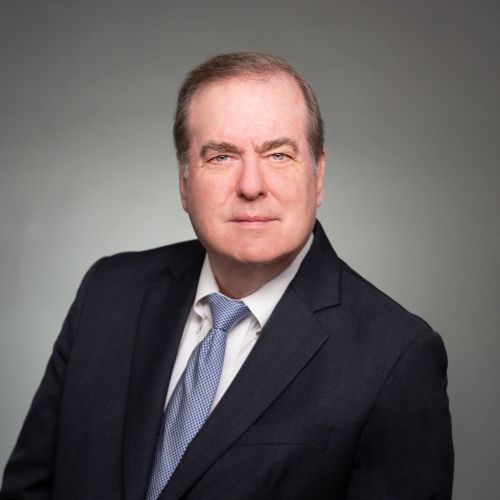
Robert M. Horkovich
is the Managing Shareholder at Anderson Kill P.C. He is "the 'go-to person' in the area of insurance recovery," according to a client cited by Chambers USA, which has recognized Mr. Horkovich as a leading insurance recovery attorney every year since 2005. According to Chambers, Mr. Horkovich "has a strong ‘client-first’ attitude" and "is recognized in the market for his leading trial and negotiation skills, with an undisputed national presence." In 2025, he was named to Benchmark Litigation's Hall of Fame. He has obtained over $8 billion in settlements and judgments from insurance companies for his clients. Mr. Horkovich is a trial lawyer with substantial experience in trying complex insurance coverage actions on behalf of corporate policyholders and governmental entities. His victories include one of the top 10 jury verdicts in the United States, the top insurance recovery jury verdict in the United States, seven landmark state Supreme Court decisions, eight jury verdicts and nine bench trial decisions in favor of the policyholder. He also has represented The Port Authority of New York and New Jersey, San Diego Unified Port District, General Electric, Thiokol, Waste Management, Alcatel-Lucent, Garmin, SCI, Clorox (First Brands), Saks Fifth Avenue, NYU, Princeton University, United Bank, Spalding, Cascade, Tektronix, Maidenform, Bijan and Evander Holyfield. As to asbestos insurance recoveries, he represents the Trusts in the Kaiser-Gypsum, W.R. Grace, Owens Corning, Congoleum, Fuller-Austin, Swan Transportation (Tyler Pipe), and Asarco cases, and represented the Asbestos Claimants' Committee in the Federal Mogul, PPG/Pittsburgh Corning, and A.P. Green (GIT) bankruptcies. He is also a member of Anderson Kill’s White Collar Defense Group. He has extensive experience in antitrust matters, as well in criminal codes and the recovery of stolen assets, and has published extensively on antitrust matters. As a Captain in the USAF JAG Corp., he was a Special Assistant U.S. Attorney and in that role prosecuted more than 200 cases. He also was a Special Assistant District Attorney for Manhattan for the purposes of handling and arguing appeals of criminal convictions and successfully argued People v. Octavio Peck before the New York Court of Appeals winning an issue of constitutional law of first impression. He earned his B.S degree from Fordham University and his J.D degree from Fordham University School of Law.
Speaker bio
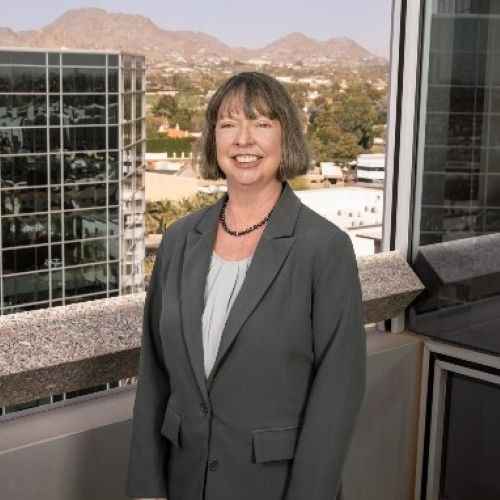
Karin S. Aldama
is a shareholder at Gallagher & Kennedy. She helps corporate clients and governmental entities find insurance programs that meet their needs and assists them in obtaining the coverage to which their policies entitle them. Ms. Aldama's clients range from mid-size to Fortune 500 companies operating in a range of industries, including hospitality, finance, utilities, aerospace, and semiconductors. She conducts policy audits and assists in the policy-renewal process by conducting detailed reviews of proposed policies. In cases of loss, Ms. Aldama reviews policies for potential coverage, assists clients in navigating the claim process, and, if necessary, serves as counsel in coverage litigation. She has represented policyholders in complex insurance coverage matters involving environmental, director and officer, professional and general liability, cyber, property, and business interruption policies, among others. Ms. Aldama has prevailed in successful London arbitrations under the Bermuda Form. In addition, she has significant experience with complex commercial and appellate litigation. Ms. Aldama manages privilege law issues, including in the international context and for cross-border disputes. She also represents clients in alternative dispute resolution, with an emphasis on international and domestic arbitration. Before joining G&K, Ms. Aldama worked for 20 years at an AmLaw 50 firm and four years at a multi-national D.C.-based firm. She earned her B.A. degree, with honors, from National Louis University and her J.D. degree, summa cum laude, from Georgetown University.
Speaker bio
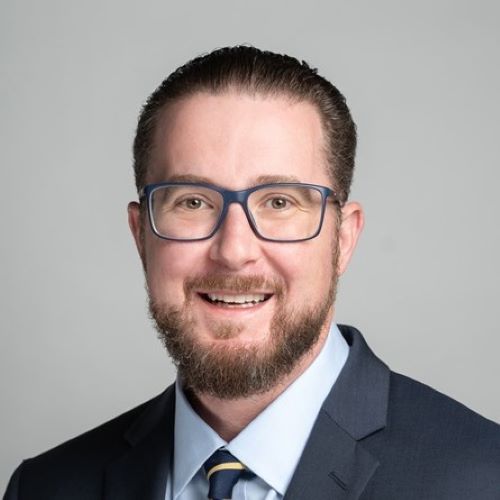
Steven B. Vinick
is of counsel with the law firm of Stein Sperling Bennett De Jong Driscoll, P.C., with over 20 years of experience in the fields of personal injury law, medical malpractice, criminal defense, and general civil litigation. Mr. Vinick is a frequent lecturer on numerous topics including civil litigation, automobile claims, depositions, evidence, Medicare and criminal defense. Mr. Vinick speaks to many organizations such as the National Business Institute, the Maryland State Bar Association and The Federal Bar Association. He earned his B.A. degree, Phi Beta Kappa and magna cum laude, from the University of Maryland; and his J.D. degree, cum laude, from the University of Baltimore School of Law. Mr. Vinick is a member of the bar associations of Montgomery County, Maryland Montgomery County Bar Foundation (Bar Leader); Maryland State Bar Association (vice chair, Continuing Legal Education & Publications Committee); Prince George's County Bar Association (president (2025-2026)-president-elect (2024-2025)-Board of Directors-Executive Committee-Tort Law Committee co-chair-treasurer); The Bar Association of the District of Columbia, Washington D.C.; Trial Lawyers Association; Prince George's County, Judicial Nominating Commission; Maryland Association for Justice; and the American Association for Justice. Additionally, he is a member of the Multi-Million Dollar Advocates Forum and Million Dollar Advocates Forum. Mr. Vinick is licensed to practice law in Maryland, District of Columbia, Virginia, U.S. District Court, District of Maryland, U.S. District Court, District of Columbia, U.S. Court of Appeals, Fourth Circuit and the U.S. Supreme Court. He has been honored and awarded the Best Lawyers (2019-2026), Maryland Super Lawyer (2012-2026) (Top 100 Attorney in Maryland (2022-2025)), Washington D.C. Super Lawyer (2012-2023) Bethesda Magazine (Top Attorney (2019, 2021, 2023, 2025)), and the Best Attorneys of America, Lifetime Member Maryland Association of Justice (Trial Lawyer of the Year (2011).
Speaker bio
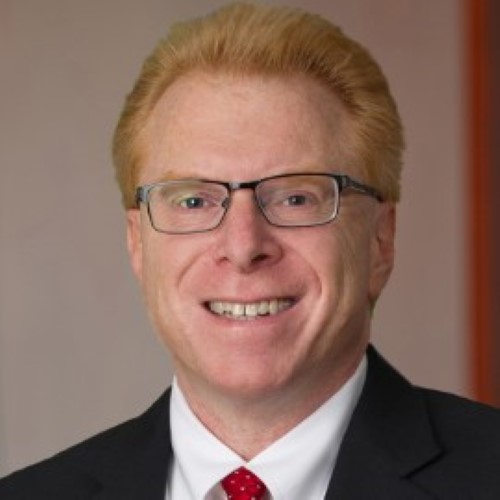
Joshua C. Offenhartz
is an attorney with Offenhartz Law PLLC. He is a business attorney who represents clients in the finance, medical, construction, real estate and culinary industries. Mr. Offenhartz has significant experience managing all phases of litigation, including preliminary investigations, discovery, depositions, settlement negotiations, mediation, motions for summary judgment, trial and appeals. Additionally, he serves as outside counsel for several small, medium and growing businesses that need day-to-day legal advice for their growing companies. Mr. Offenhartz is a member of Madison School District's Financial Advisory Board and a board member of the Desert States Region of Jewish National Fund. He supports the Phoenix Art Museum as a member of the Men's Art Council, and helps others by volunteering with Big Brothers and Big Sisters of Arizona, Saint Mary's Food Bank and the Wounded Warrior Project. Mr. Offenhartz earned his B.S. degree in public administration from the University of Arizona, and his master's and J.D. degrees from Arizona State University. He is licensed to practice law in Arizona; Southern District Court, District of Arizona; and Southern Court of Appeals, Ninth Circuit.
Speaker bio
Jamie O’Neill
is an attorney at Anderson Kill P.C. She is an attorney in Anderson Kill's New York office. Ms. O'Neill focuses her practice on insurance recovery, exclusively representing policyholders, with a developing focus in artificial intelligence and emerging technology risks. She serves as co-chair of Anderson Kill's Artificial Intelligence Group. Before entering law school, Ms. O'Neill earned her Bachelor of Science in Computational and Statistical Methodologies in Political Science from The Ohio State University, where she concentrated on machine learning, data visualization, and the algorithmic analysis of political systems. Her research involved developing models to analyze the formation of ideological groups and the breakdown of democratic systems in Latin and South America. This work emphasized the experiences of marginalized political communities and demonstrated how quantitative tools can reveal systemic patterns in governance and repression. Ms. O'Neill continued this focus at Fordham University School of Law, where she was named a Crowley Scholar in International Human Rights and served as a research assistant at the Leitner Center for International Law and Justice. While at Fordham, she was also the Online Editor of the Fordham Intellectual Property, Media & Entertainment Law Journal, a participant in the Mediation Clinic, and a mentor through the school's International Student Program. Since joining Anderson Kill as a summer associate, Ms. O'Neill has written extensively on the legal and insurance implications of artificial intelligence. Her work explores how emerging technologies are reshaping risk allocation, claims handling, and policy interpretation. She co-authored "A Primer on AI's Technical Foundations, Legal Implications, and Insurance Coverage" for LexisNexis - Lexis’s first insurance-focused generative AI publication - written in collaboration with a technical expert in the field. The primer offers foundational guidance for attorneys and risk professionals navigating the evolving legal and liability landscape surrounding AI.
TOP FAQs
Have more questions? Please Contact Us