

Practical Applications of AI in Litigation: Claude, CoCounsel, and Lexis+ AI/LexText
Credits Available
| Credit | Status | Total |
|---|---|---|
| California MCLE Paralegal |
|
3 Total |
| Alaska CLE |
|
3 Total |
| Alabama CLE |
|
3 Total |
| Arkansas CLE |
|
3 Total |
| Arizona CLE |
|
3 Total |
| California CLE |
|
3 Total |
| Colorado CLE |
|
4 Total |
| Connecticut CLE |
|
3 Total |
| Delaware CLE |
|
3 Total |
| Florida CLE |
|
3.5 Total |
| Georgia CLE |
|
3 Total |
| Hawaii CLE |
|
3 Total |
| Iowa CLE |
|
3 Total |
| Idaho CLE |
|
3 Total |
| Illinois CLE |
|
3 Total |
| Indiana CLE |
|
3 Total |
| Kansas CLE |
|
3.5 Total |
| Kentucky CLE |
|
3 Total |
| Louisiana CLE |
|
3 Total |
| Maine CLE |
|
3 Total |
| Minnesota CLE |
|
3 Total |
| Missouri CLE |
|
3.6 Total |
| Northern Mariana Islands CLE |
|
3 Total |
| Mississippi CLE |
|
3 Total |
| Montana CLE |
|
3 Total |
| North Carolina CLE |
|
3 Total |
| North Dakota CLE |
|
3 Total |
| Nebraska CLE |
|
3 Total |
| New Hampshire CLE |
|
3 Total |
| New Jersey CLE |
|
3.6 Total |
| New Mexico CLE |
|
3 Total |
| Nevada CLE |
|
3 Total |
| New York CLE |
|
3.5 Total |
| Ohio CLE |
|
3 Total |
| Oklahoma CLE |
|
3.5 Total |
| Oregon CLE |
|
3 Total |
| Pennsylvania CLE |
|
3 Total |
| Rhode Island CLE |
|
3.5 Total |
| South Carolina CLE |
|
3 Total |
| Tennessee CLE |
|
3 Total |
| Utah CLE |
|
3 Total |
| Virginia CLE |
|
3 Total |
| Vermont CLE |
|
3 Total |
| Washington CLE |
|
3 Total |
| Wisconsin CLE |
|
3.5 Total |
| West Virginia CLE |
|
3.6 Total |
| Wyoming CLE |
|
3 Total |
| Delaware Certified Paralegal Program |
|
3 Total |
| Florida Registered Paralegal |
|
3.5 Total |
| Indiana Paralegal CLE |
|
3 Total |
| Montana CLE Credit for Paralegals |
|
3 Total |
| North Carolina Continuing Paralegal Education |
|
3 Total |
| New Mexico Paralegal Division, State Bar of |
|
3 Total |
| Ohio Certified Paralegals |
|
3 Total |
| NFPA |
|
0 Total |
Wed, Dec 02, 00:00 AM – 00:00 PM
Wed, Dec 02, 00:00 AM – 00:00 PM
Register For Course
Live Webinar Registration
OnDemand Recording
Course Book Download
Overview
Research, Drafting, Discovery, and More With AI
Generative AI can help you tackle the day-to-day demands of litigation faster and more efficiently, from case analysis and legal research to discovery, drafting, witness preparation, and depositions. This practical CLE takes you inside three leading AI platforms—Claude, CoCounsel, and Lexis+ AI/LexText—and shows you where each can fit into your litigation practice.
Through practical demonstrations, you'll explore how AI can help you analyze pleadings and case documents, organize facts, build chronologies, conduct legal research, review discovery, uncover inconsistencies, prepare witnesses, develop deposition outlines, and create useful litigation work product.
See what these tools can do, where their strengths differ, and how you can put them to work in your next case. Register today!
*Mention of specific products or providers is informational only and does not constitute NBI endorsement. This program is not sponsored by any technology or electronics provider.
Abbreviated Agenda
- Generative AI in Litigation: Getting Started
- Claude: Applications for Litigation
- CoCounsel: Legal Research, Discovery & Litigation Analysis
- Lexis+ AI / LexText: From Legal Research to Litigation Work Product
- Comparing the Three Platforms: Selecting the Right Tool
Can't Attend Live?

Get the OnDemand Instead
Watch the recording of this event on your own schedule. We'll notify you when its ready.
Credit Details
Credits Available
| Credit | Status | Total |
|---|---|---|
| California MCLE Paralegal |
|
3 Total |
| Alaska CLE |
|
3 Total |
| Alabama CLE |
|
3 Total |
| Arkansas CLE |
|
3 Total |
| Arizona CLE |
|
3 Total |
| California CLE |
|
3 Total |
| Colorado CLE |
|
4 Total |
| Connecticut CLE |
|
3 Total |
| Delaware CLE |
|
3 Total |
| Florida CLE |
|
3.5 Total |
| Georgia CLE |
|
3 Total |
| Hawaii CLE |
|
3 Total |
| Iowa CLE |
|
3 Total |
| Idaho CLE |
|
3 Total |
| Illinois CLE |
|
3 Total |
| Indiana CLE |
|
3 Total |
| Kansas CLE |
|
3.5 Total |
| Kentucky CLE |
|
3 Total |
| Louisiana CLE |
|
3 Total |
| Maine CLE |
|
3 Total |
| Minnesota CLE |
|
3 Total |
| Missouri CLE |
|
3.6 Total |
| Northern Mariana Islands CLE |
|
3 Total |
| Mississippi CLE |
|
3 Total |
| Montana CLE |
|
3 Total |
| North Carolina CLE |
|
3 Total |
| North Dakota CLE |
|
3 Total |
| Nebraska CLE |
|
3 Total |
| New Hampshire CLE |
|
3 Total |
| New Jersey CLE |
|
3.6 Total |
| New Mexico CLE |
|
3 Total |
| Nevada CLE |
|
3 Total |
| New York CLE |
|
3.5 Total |
| Ohio CLE |
|
3 Total |
| Oklahoma CLE |
|
3.5 Total |
| Oregon CLE |
|
3 Total |
| Pennsylvania CLE |
|
3 Total |
| Rhode Island CLE |
|
3.5 Total |
| South Carolina CLE |
|
3 Total |
| Tennessee CLE |
|
3 Total |
| Utah CLE |
|
3 Total |
| Virginia CLE |
|
3 Total |
| Vermont CLE |
|
3 Total |
| Washington CLE |
|
3 Total |
| Wisconsin CLE |
|
3.5 Total |
| West Virginia CLE |
|
3.6 Total |
| Wyoming CLE |
|
3 Total |
| Delaware Certified Paralegal Program |
|
3 Total |
| Florida Registered Paralegal |
|
3.5 Total |
| Indiana Paralegal CLE |
|
3 Total |
| Montana CLE Credit for Paralegals |
|
3 Total |
| North Carolina Continuing Paralegal Education |
|
3 Total |
| New Mexico Paralegal Division, State Bar of |
|
3 Total |
| Ohio Certified Paralegals |
|
3 Total |
| NFPA |
|
0 Total |
Select Jurisdiction
CLE
Paralegal
Agenda
-
Generative AI in Litigation: Getting Started
- Generative AI vs. large language models, general-purpose vs. legal-specific AI.
- Identifying litigation tasks appropriate for AI assistance.
- Developing effective prompts and moving from individual questions to structured litigation workflows.
- Demonstration: Taking a hypothetical litigation assignment from case materials through task identification, platform selection, AI analysis, refinement, and attorney review.
-
Claude: Applications for Litigation
- Getting Started: Working with projects, files, documents, case context, and follow-up instructions.
- Case & Document Analysis: Analyzing pleadings, extracting facts, developing chronologies, identifying inconsistencies, and organizing large amounts of case information.
- Litigation Strategy & Discovery: Identifying disputed issues, factual gaps, potential discovery topics, witnesses, and areas requiring additional investigation.
- Deposition & Witness Preparation: Developing deposition topics, questions, follow-ups, exhibit-specific questions, and potential admissions.
- Litigation Drafting: Turning attorney notes and factual information into correspondence, outlines, memoranda, discovery communications, and other work product.
- Prompting Techniques: Using context, objectives, source materials, output formats, and iterative prompting to improve litigation-related results.
- Practical Demonstrations:
- Analyze a complaint and answer to identify claims, defenses, disputed issues, and factual gaps.
- Analyze a lengthy case document and create a factual chronology.
- Review case materials to identify potential discovery and witness issues.
- Develop a preliminary deposition outline from underlying case documents.
- Transform attorney notes into a litigation-related draft.
- Improve a vague litigation prompt through structured prompting.
-
CoCounsel: Legal Research, Discovery & Litigation Analysis
- Getting Started: Understanding CoCounsel's legal-specific workflows and selecting the appropriate task for a litigation assignment.
- Legal Research & Case Law Analysis: Developing research questions, identifying relevant authorities, comparing cases, and applying legal principles to specific fact patterns.
- Document & Discovery Review: Reviewing multiple documents, extracting relevant facts, identifying inconsistencies, comparing statements, and organizing findings.
- Litigation Analysis: Analyzing pleadings and discovery responses, identifying factual disputes, organizing evidence around claims and defenses, and identifying additional discovery needs.
- Witness & Deposition Preparation: Using case materials to develop witness questions and identify areas requiring additional testimony.
- Drafting: Turning research, document review, and case analysis into usable litigation work product.
- Practical Demonstrations:
- Take a hypothetical legal issue from research question to organized legal analysis.
- Compare legal authorities and apply them to a litigation fact pattern.
- Analyze a set of pleadings and discovery documents to identify relevant facts and inconsistencies.
- Review discovery responses and identify follow-up issues or additional discovery needs.
- Develop preliminary witness questions based on the document review.
- Convert research and analysis into a litigation outline or draft.
-
Lexis+ AI / LexText: From Legal Research to Litigation Work Product
- Getting Started: Understanding the Lexis+ AI/LexText environment and integrating legal research, case analysis, and drafting.
- Litigation Research: Developing research questions, identifying authorities, refining research, and connecting legal principles to case-specific facts.
- Case Document Analysis: Reviewing pleadings, discovery responses, correspondence, and other case materials to identify allegations, defenses, factual disputes, inconsistencies, and missing information.
- Litigation Drafting: Creating outlines and drafts, refining legal arguments, improving organization, and developing case-specific work product.
- Additional Litigation Applications: Discovery preparation, case summaries, motion drafting, correspondence, and litigation planning.
- Extended Practical Demonstration: Building a Deposition Outline with LexText
The demonstration will incorporate pleadings, discovery responses, correspondence, prior statements, and other case materials to develop a witness-specific deposition outline addressing factual disputes, inconsistencies, documents, potential admissions, and follow-up questions.
-
Comparing the Three Platforms: Selecting the Right Tool
- Side-by-Side Comparison: Comparing Claude, CoCounsel, and Lexis+ AI/LexText across common litigation tasks, including brainstorming, document analysis, summarization, legal research, drafting, deposition preparation, large document review, case organization, legal-specific workflows, and general writing and revision.
- Demonstration: Using the same litigation assignment across all three platforms to compare their approaches and outputs.
- Exploring how multiple AI platforms can be combined within a single attorney-controlled litigation workflow.
Who Should Attend
This program is designed for attorneys who want to use AI more effectively in litigation. Paralegals, litigation support professionals, and other legal professionals may also benefit.
Speakers
Speaker bio
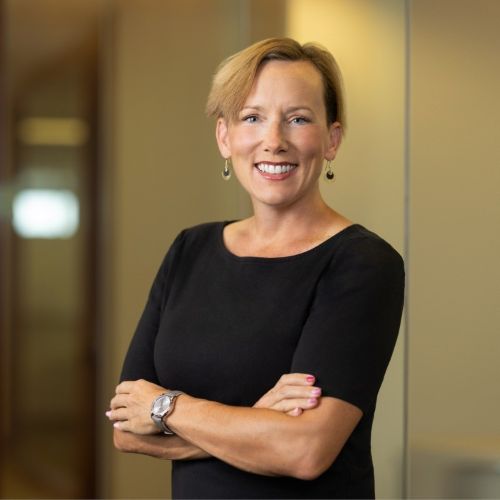
Tamara Lemmon
is an attorney in the Salt Lake City office of Wilson Sonsini Goodrich & Rosati specializing in complex litigation and data privacy regulation. She works extensively on pro bono civil rights matters representing clients whose constitutional rights have been violated by the state. She enjoys speaking at professional conferences, where she teaches how to use tech, time management, and psychological re-framing to develop a unique, authentic, and sustainable brand designed to achieve career and life goals. She earned her B.S degree from Utah Tech University and her J.D degree from University of Utah S.J. Quinney College of Law.
TOP FAQs
Have more questions? Please Contact Us