

Attorneys' Complete Guide to Experts in New York Civil Litigation
Credits Available
| Credit | Status | Total | Until |
|---|---|---|---|
| New York CLE |
|
7 Total | 03-20-2027 |
Buy This Course
OnDemand Video
Course Book Download
Overview
Reports, Admission Hurdles, Direct and Cross-Examination Techniques
Cases often hinge on expert witnesses, so it is vital to have a firm understanding of the court rules governing their use. Are you strategically using the rules of evidence and procedure to maximize the effectiveness of your experts while discounting the validity of opposing experts' credentials, methodology, and more? In this intensive online seminar, our experienced faculty will share tips on using rules concerning expert witnesses with surgical precision, so you have the upper hand in court. From expert reports to testimony, apply the rules concerning expert witnesses to your best advantage. Register today!
- Analyze experts' reports to pinpoint mistakes that have case-devastating potential.
- Locate key documents and other sources of information that can set up opposing experts for impeachment.
- Get your experts' testimony admitted into evidence by ensuring their qualifications, methodology, and character are all acceptable.
- Cast doubt on opposing experts in cross examination by highlighting weaknesses in their testimony, the invalidity of their methodology, and more.
- Avoid ethical pitfalls when communicating with your experts and adverse expert witnesses.
Abbreviated Agenda
- Selecting the Best Expert Witness
- Applying the Rules to Expert Reports
- Expert Disclosure: CPLR §3101(d)
- Admission Hurdles for Expert Testimony
- Direct Examination: Tips to Make Your Expert Shine
- Cross-Examination and Impeachment Techniques
- Ethical Considerations for Working With Experts
Credit Details
Credits Available
| Credit | Status | Total | Until |
|---|---|---|---|
| New York CLE |
|
7 Total | 03-20-2027 |
Credit Details by Jurisdiction
CLE
Credits
New York CLE Approved · 7 Total Credits
- 6 Skills
- 1 Ethics/Professionalism
Earn Until
OnDemand - New York CLE - 7: This nontraditional format course has been approved in accordance with the requirements of the New York State Continuing Legal Education Board for up to 7.0 credit hours. 6.0 hours can be applied to the skills requirement and is approved for experienced attorneys. 1.0 hour can be applied toward the ethics and professionalism requirement and is approved for experienced attorneys.
Video Download - New York CLE - 7: This nontraditional format course has been approved in accordance with the requirements of the New York State Continuing Legal Education Board for up to 7.0 credit hours. 6.0 hours can be applied to the skills requirement and is approved for experienced attorneys. 1.0 hour can be applied toward the ethics and professionalism requirement and is approved for experienced attorneys.
Select Jurisdiction
CLE
Agenda
-
Selecting the Best Expert Witness
-
Applying the Rules to Expert Reports
- Expert Disclosure Rules and Work Product Protection
- Should an Expert Report be Prepared?
- The Logistics of Obtaining and Requesting Expert Reports
- Materials to Give to the Expert (and to Withhold)
- Preparing and Analyzing the Report - Top Mistakes That Need to be Avoided
-
Expert Disclosure: CPLR §3101(d)
- What Has to be Included?
- Preparing the Disclosure
- Grounds for Rejecting or Objecting to a §3101(d) Response
- When an Expert Can be Deposed: The New York Rules
-
Admission Hurdles for Expert Testimony
- Top Reasons Why Expert Opinions Are Precluded
- The Frye Gatekeeping Standard: An Overview
- Admissibility of Non-Scientific Expert Testimony
- Expert Character, Competency, and Qualifications
- Admissibility of What you Give Your Expert
- Limits for Expert Opinions and the Use of Inadmissible Evidence
- The Expert's Opinion: Is it Hearsay?
- Using Motions to Block Expert Testimony
- Qualifying an Expert Witness: Sample Voir Dire
-
Direct Examination: Tips to Make Your Expert Shine
- Qualification Questions That Illustrate Experience
- Humanizing the Expert: Helpful Tips
- Using Hypotheticals to Show Relevancy
- The Expert's Opinion: What Supporting Evidence Must They Give?
- Framing Questions to Build Logical Connections
- Magnifying Expert Credibility
- Using Experts to Create Exhibits
- The Expert as a Teacher: Presentation Best Practices
-
Cross-Examination and Impeachment Techniques
- Exploiting Weaknesses in the Expert's Testimony
- Illustrating the Invalidity of the Expert's Methodology
- Using the Expert's Report Against Them
- Using Compensation to Cast Doubt
- Constructive Cross: Drawing Out Helpful Testimony
- Avoiding the One Question Too Many and Other Common Mistakes
-
Ethical Considerations for Working With Experts
- Confidentiality, Privilege, and Work Product
- Compensating the Expert
- Preparing vs. Coaching the Witness: What to Always and Never Say
- Making False Statements to a Tribunal
- Ethical Issues in Refreshing Witness Recollection
- Contact With Adverse Expert Witnesses (Consulting vs. Testifying)
- Vigorous Advocacy vs. Civility
Who Should Attend
This basic-to-intermediate level online seminar offers attorneys the knowledge to best employ the rules governing expert witnesses in direct and cross-examination at trial, and more. Paralegals may also find it useful.
Speakers
Speaker bio
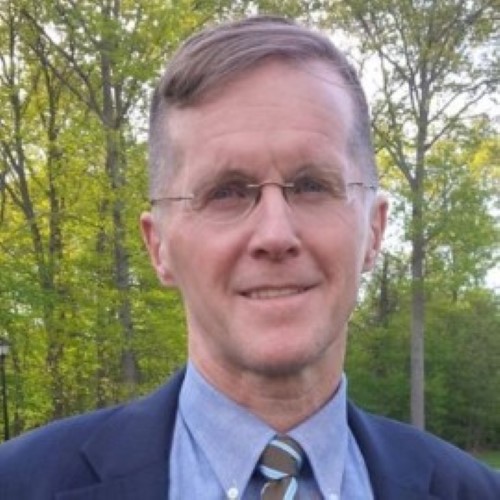
Raymond R. Grasing
is an attorney with The Law Firm of Grasing & Associates. He has more than 25 years of trial experience in New York. Mr. Grasing knows how to try a case in a straight forward convincing manor, and how to pare down the facts and issues to their essential parts to help a jury reach the correct decision. His understanding of the law, gained through his trial experience, provides his clients with a distinct competitive advantage, whether or not their case gets to trial. Mr. Grasing practices in the areas of commercial litigation, personal injury, construction disputes, insurance coverage disputes, insurance coverage, collections, subrogation, arson, and fraud cases. He earned his B.A. degree from the State University of New York at Stonybrook and his J.D. degree from Brooklyn Law School.
Speaker bio
Gail L. Ritzert
is a partner in the New York office of the law firm of Kiernan Trebach, LLP. She focuses her practice on insurance coverage and insurance defense matters, concentrating in both the coverage and defense of catastrophic injury cases arising from construction accidents, products and premises defects, and the defense of municipalities. Ms. Ritzert is a member of the Suffolk County, Nassau County and Connecticut bar associations. She is also a member of the District of Columbia Bar Association, Defense Association of New York (past president) and Defense Research Institute (has served as the New York state representative). Ms. Ritzert earned her B.A. degree, cum laude, from Pfeiffer College, her M.Ed. degree from Frostburg State University and her J.D. degree from St. John's University.
Speaker bio
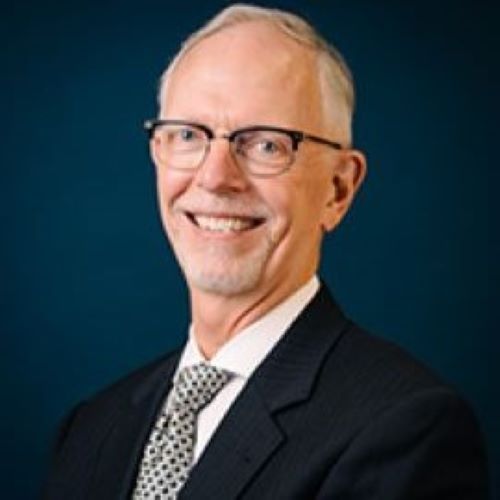
Duane D. Schoonmaker
is a trial attorney with the law firm of William Mattar, P.C. A substantial portion of his practice throughout his career has been representing plaintiffs in personal injury actions, wrongful death actions, and medical negligence actions. Mr. Schoonmaker is admitted to practice in New York State, Federal Court in the Western District of New York and Second Circuit Court of Appeals. He has lectured on the topics of litigating slip, trip and fall accidents; social media and electronic discovery; trial of a soft tissue injury case; use of economic experts at trial; medical malpractice tort reform; and law as a career. Mr. Schoonmaker is a member of the New York State Bar Association, Bar Association of Erie County and New York State Academy of Trial Lawyers.
TOP FAQs
Have more questions? Please Contact Us