

Connecticut Rules of Evidence: A Practical Toolkit
Credits Available
| Credit | Status | Total | Until |
|---|---|---|---|
| Connecticut CLE |
|
6 Total | 09-16-2026 |
| New York CLE |
|
7 Total | 09-16-2027 |
Buy This Course
OnDemand Video
Course Book Download
Overview
A Real-World Application of Evidence to Courtroom Events
The rules of evidence are constantly evolving in response to court decisions, technological advances in discovery, and changes to various state rules. It can be an onerous task to continuously analyze and apply them to your cases. How confident are you in your skills when it comes to gathering and working with expert witness testimony, email/ESI, and the technicalities of hearsay? Learn from our experienced faculty as they explore key court decisions involving admissibility and practically apply the rules of evidence to common evidentiary challenges you face during litigation. Untangle the intricate web of evidence rules and procedures - register today!
- Gain veteran tips on applying the rules of evidence at each stage of the litigation process, from discovery to trial.
- Learn how to effectively analyze, authenticate, admit, and exclude the most complex types of evidence.
- Find out what red flags to look for when handling email and other ESI.
- Explore hearsay in depth and get a concrete understanding of what constitutes hearsay.
- Clearly link your evidence to your case with proven presentation skills.
- Be prepared to argue relevance and get experts and evidence admitted (or excluded) in court.
Abbreviated Agenda
- The "Big Six" Admissibility Questions
- Understanding Hearsay
- Handling Email, Social Media and Other ESI
- Witness Testimony and Reports
- Keeping Evidence Out (Pre and Post Trial)
- Admission/Exclusion of Unique Evidence
- Presenting to the Judge and Jury
- Ethical Considerations
Credit Details
Credits Available
| Credit | Status | Total | Until |
|---|---|---|---|
| Connecticut CLE |
|
6 Total | 09-16-2026 |
| New York CLE |
|
7 Total | 09-16-2027 |
Select Jurisdiction
CLE
Agenda
-
The "Big Six" Admissibility Questions
- QUESTION #1: Is it Authentic? (If Not, How do I Authenticate/Identify the Evidence?)
- QUESTION #2: Is it Hearsay?
- QUESTION #3: Is There a Proper Foundation?
- QUESTION #4: Is it Relevant?
- QUESTION #5: Should the Evidence be Excluded?
- QUESTION #6: What is the Proper Way to Introduce the Item into Evidence?
-
Understanding Hearsay
- Overview of Critical Rules You Need to Know Regarding Hearsay
- Recent Case Law
- Practical Application of the "Big Six" to Real-World Courtroom Events
- Exceptions
- Hearsay Problems, Such as When Your Client or Opposing Party is Deceased
- Hearsay Within Hearsay
- Attacking/Supporting Declarant's Credibility
-
Handling Email, Social Media and Other ESI
- Collecting ESI
- Recent Case Law
- Practical Application of the "Big Six" to Real-World Courtroom Events
- Email as Evidence
- Electronic Medical Records
- Social Media
- Web Pages
- Video
- Voicemail
- Text Messages
- Citing Online Content Properly
- Preservation of Metadata
-
Witness Testimony and Reports
- Practical Application of the "Big Six" to Real-World Courtroom Events
- Character and Competency
- Opinion Testimony (Lay and Expert Witnesses)
- Admissibility of What You Give Your Expert
- Court-Appointed Expert Witnesses
- Impeachment
- Frye vs. Daubert Challenges
- Expert Reports
- Other Expert Considerations
- Practical Application of the "Big Six" to Real-World Courtroom Events
-
Keeping Evidence Out (Pre and Post Trial)
- Practical Application of the "Big Six" to Real-World Courtroom Events
- Hearsay Objections
- Motion in Limine, Motion to Exclude, and Motion to Strike
- Motions for Sanctions
- Curtailing Speaking Objection
- Use of the Sidebar Conference
- Jury Instructions After the Objection
- Preserving Evidentiary Issues for Appeal
- Timing and Frequency of Objections
- Specificity of Objections
- Motions in Limine
- Offers of Proof
- Practical Application of the "Big Six" to Real-World Courtroom Events
-
Admission/Exclusion of Unique Evidence
- Practical Application of the "Big Six" to Real-World Courtroom Events
- Collecting Evidence Through Discovery: Evidence Considerations
- Character Evidence
- Evidence of a Person's Habit
- Evidence of Subsequent Remedial Measures
- Sexual-Assault, Child Molestation, and Sex-Offense Cases
- Writings, Recordings, and Photographs
- Medical Records, Charts, and X-Rays
- Other Records (Business, Public)
- Other Unique Evidence
- Practical Application of the "Big Six" to Real-World Courtroom Events
-
Presenting to the Judge and Jury
- Authenticating Exhibits
- Stipulations
- Self-Authenticating
- Authenticating - Laying the Foundation for Admissibility
- Presenting Deposition Records
- Introducing Juries to Evidence
- Providing Jury Notebooks
- Presenting Your ESI: Common Mistakes Made in the Courtroom
- Computer-Aided Displays, Video, and Graphics
- Authenticating Exhibits
-
Ethical Considerations
- Spoliation, Preservation, and Missing Evidence
- Legal Malpractice
- Lawyers as Witnesses
- Handling Highly Prejudicial Evidence
- Talking to Witnesses Before They Testify
- Facilitating Efficiency, Reliability, and Overall Fairness of the Adversary Process
- Attorney-Client Privilege
Who Should Attend
This basic-to-intermediate level online seminar offers attorneys the fundamental knowledge and practical skills to make the best use of evidence and testimony.
Speakers
Speaker bio
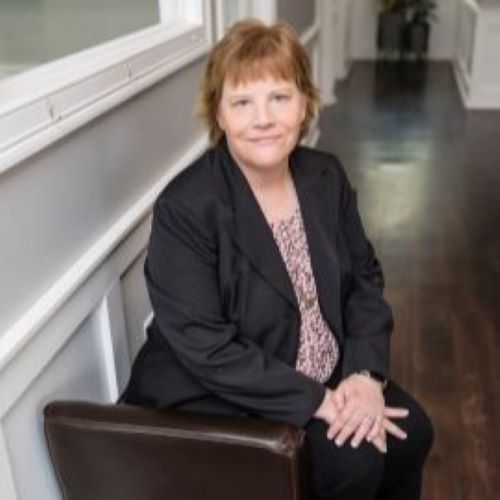
Liz Fitzsimmons
is a managing Partner at Claggett, Sykes & Garza. She has over 25 years of experience working in insurance defense and brings with her a realistic perspective when dealing with insurance companies and the immense understanding of what our clients are facing when dealing with insurance companies. Ms. Fitzsimmons earned her B.A. degree from Muhlenberg College and her J.D. degree from George Washington University. She is admitted to practice law in Connecticut, New York and U.S. District Court, District of Connecticut.
Speaker bio
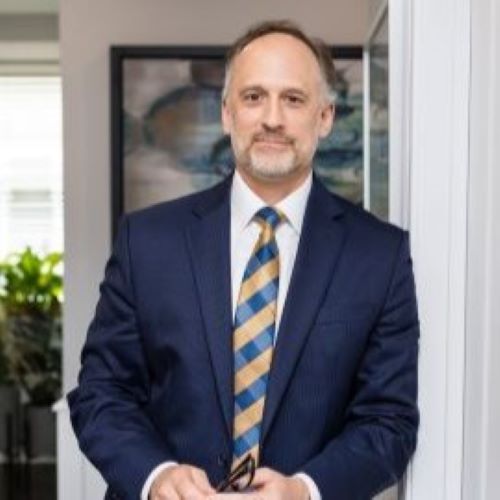
Jonathan (Jake) Kocienda
is the manager of the Medical Malpractice Practice Group and lead trial attorney at Claggett, Sykes & Garza, LLC He has been litigating and trying cases for 25 years, and has spent 20 years practicing in medical malpractice representing both the defense side and the plaintiff's side at different times in his career. Mr. Kocienda's areas of expertise also include trial practice, complex personal injury litigation and general personal injury. He earned his B.A. degree from College of the Holy Cross and his J.D. degree from University of Connecticut School of Law. Mr. Kocienda is licensed to practice law in Connecticut, Massachusetts, corresponding federal district courts, and the Second Circuit.
Speaker bio
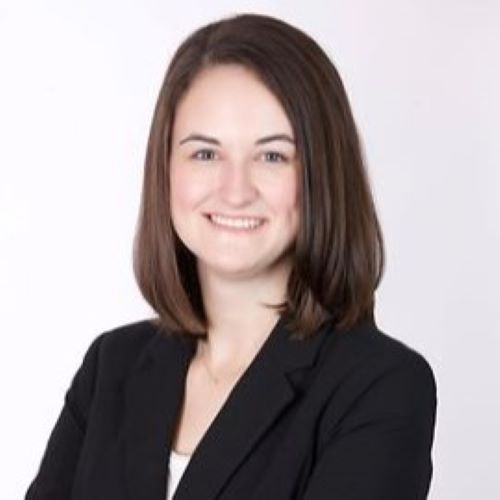
Courtney D. Hays
is an associate at Kiernan Trebach, where she focuses on all aspects of civil litigation, mainly within the Connecticut state and federal courts. Prior to joining Kiernan Trebach, Ms. Hays worked as a prosecutor in Florida, where she conducted nearly 30 jury trials. She previously worked for civil litigation defense firms in New York and Connecticut, where she specialized in medical malpractice defense, general liability defense, municipal matters, professional liability claims and general litigation claims. Ms. Hays earned her B.A. degree from University of South Florida and her J.D. degree from University of Connecticut Law School. She is admitted to practice in Connecticut, New York, MA and Florida, as well as the United States District Court for the District of Connecticut, Southern New York, and Eastern New York.
Speaker bio
Steven J. Errante
is a partner in the New Haven law firm of Lynch, Traub, Keefe & Errante, P.C., where his practice is devoted to civil litigation, with a special emphasis on personal injury. He served as an adjunct professor of legal studies at the University of New Haven, and is currently an adjunct professor at Quinnipiac School of Law. Mr. Errante is editor at large of the Connecticut Bar Journal. He is a member of the Connecticut Bar Association (member, Executive Committee of the Litigation Section). Mr. Errante is also a member of the American Board of Trial Advocates, Board of Governors of the Connecticut Trial Lawyers Association, New York Trial Lawyers Association and Association of Trial Lawyers of America. He earned his B.A. degree, magna cum laude, from Hofstra University and his J.D. degree from the State University of New York at Buffalo.
Speaker bio
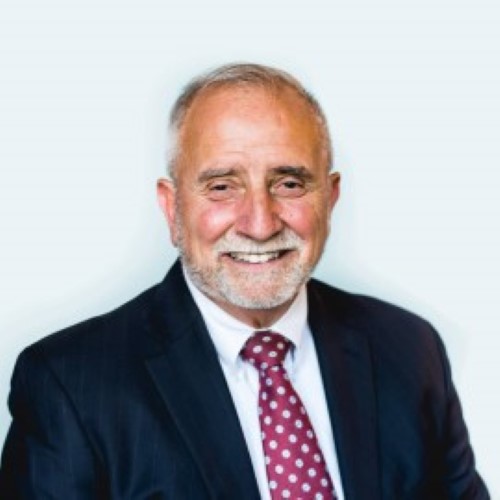
James F. Sullivan
is a partner with the law firm of Logan, Vance, Sullivan & Kores LLP. He practices in the areas of personal injury, medical malpractice, legal malpractice, products liability, employment, education, consumer, construction and class action litigation. He has developed considerable experience in the areas of legal malpractice, grievance defense and school bullying cases against municipalities. Mr. Sullivan earned his B.A. degree from Boston College, his M.A. degree from the University of Connecticut and his J.D. degree from the University of Connecticut School of Law.
TOP FAQs
Have more questions? Please Contact Us